
Among Kenya’s many antelope species, the impala is one of the most elegant. Its reddish-brown coat, slender legs and graceful movements make it a familiar sight in suitable savannah and woodland habitats. Yet the impala’s apparent delicacy is misleading—it is an exceptionally agile animal, capable of rapid acceleration, sharp changes of direction and spectacular leaps when escaping danger.
Impalas in Kenya are particularly interesting to observe because of their social behaviour, breeding displays and interactions with predators. A group of impalas grazing quietly may appear ordinary at first; then a sudden alarm call can transform the scene as animals spring into the air and scatter through the vegetation. For safari travellers, these moments provide insight into the daily challenges faced by grazing and browsing animals in African ecosystems.
Impalas are also important prey for several carnivores, including leopards, cheetahs, lions, hyenas and African wild dogs where these predators occur. Although they may receive less attention than elephants or big cats, impalas contribute significantly to the wildlife experience. This guide explains where to see impalas in Kenya, how to identify them, what they eat, how they reproduce and why they are among Africa’s most successful medium-sized antelopes.

What Is an Impala?
The impala is a medium-sized African antelope scientifically known as Aepyceros melampus. It belongs to a distinct antelope lineage and is recognised for its athletic build. Impalas have a reddish-brown upper coat, paler underparts and characteristic dark markings around the tail and hindquarters. Adult males have long, curved, ridged horns; females do not. Their large eyes and alert posture help them detect potential danger, and they are adapted to habitats that provide a mixture of grazing areas and vegetation cover.
How to Identify an Impala on Safari
Several features help distinguish impalas from other Kenyan antelopes:
- Coat colour: reddish-brown upper body with a lighter underside
- Facial markings: distinctive features that can be difficult to see from a distance
- Hindquarter markings: dark patterns around the hindquarters and tail
- Male horns: curved, ridged horns used during competition between males
- Body shape: slender, athletic build with relatively long legs and energetic movement
Where to See Impalas in Kenya
Impalas occur in suitable habitats across parts of Kenya. They are associated with woodland edges, bushland and savannah environments that provide both feeding opportunities and cover.
1. Masai Mara National Reserve
The Masai Mara offers opportunities to observe impalas alongside numerous other herbivores in areas with grass and scattered vegetation. Impalas are especially interesting to watch when predators are nearby—their alert behaviour can sometimes draw a guide’s attention to activity in the surrounding landscape.
2. Lake Nakuru National Park
Lake Nakuru National Park supports a variety of herbivores and woodland habitats, and impalas may be encountered during game drives in suitable areas. The park is also known for rhinos, buffaloes, giraffes and numerous bird species.
3. Tsavo National Parks
The Tsavo ecosystem includes varied habitats, from dry savannah to woodland. Impalas occur in suitable parts of the wider region, although distribution varies and sightings are not guaranteed.
4. Other Kenyan Wildlife Areas
Impalas may be present in additional reserves and protected landscapes where habitat conditions are suitable. A knowledgeable guide can help distinguish them from similar antelope species.
What Do Impalas Eat?
Impalas are mixed feeders—they can graze on grasses and browse leaves or other suitable plant material. This flexibility helps them respond to seasonal changes in vegetation: when grass is nutritious and available, grazing may be important; during other periods, browsing can become more significant. Their feeding strategy differs from that of species specialised almost entirely for grazing or browsing.
Why Do Impalas Live in Groups?
Impalas are social animals, and their group structure changes according to season, breeding activity and environmental conditions. Females and young animals often form groups; males may live in bachelor groups or defend territories during the breeding season. Group living can provide advantages in detecting predators—multiple animals may remain alert while others feed—though group size and structure vary.
Impala Breeding Behaviour
The breeding season is an important period in impala social life. Males may compete for access to females; dominant males may establish and defend territories using displays, vocalisations and sometimes physical confrontations. The timing of breeding varies according to local conditions.
Why Do Male Impalas Fight?
Males compete for reproductive opportunities, and their horns are important during these interactions. However, not every confrontation becomes a serious fight—displays and assessments may resolve some disputes.
What Happens to Bachelor Males?
Males that are not defending breeding territories may form bachelor groups that can include individuals of different ages. Social arrangements change over time.
Impala Calves
Female impalas generally give birth to a single calf. Newborn calves are vulnerable to predators and may spend time concealed in vegetation during early life. As they grow, they become more mobile and join other animals. The survival of young impalas depends on food availability, weather and predation.
How High Can an Impala Jump?
Impalas are famous for their jumping ability. They can make impressive leaps, sometimes covering substantial horizontal distances and reaching considerable heights—useful when escaping predators and navigating obstacles. However, popular descriptions of exact jumping distances should be treated as approximate rather than guaranteed performance measurements.
Why Do Impalas Leap So Dramatically?
Leaping may help impalas escape predators and move through challenging terrain. Their long legs and athletic build support rapid movement, and a group fleeing danger can create a spectacular scene.
How Fast Can Impalas Run?
Impalas are fast, agile antelopes that can accelerate rapidly and change direction while fleeing. Their survival depends not only on speed but also on awareness, group behaviour and access to suitable cover. Different predators use different hunting strategies—a cheetah may rely on acceleration and speed, while a leopard may use concealment and a short ambush—so impalas must respond to these varied threats.
What Animals Hunt Impalas?
Impalas are prey for several African carnivores. The importance of each predator varies by ecosystem:
- Leopards—particularly effective ambush predators in woodland and bushland
- Cheetahs—may prey on impalas where their ranges overlap
- Lions—can hunt impalas although they also target larger herbivores
- Spotted hyenas—capable hunters that may prey on impalas
- African wild dogs—may hunt medium-sized antelopes including impalas where they occur
How Do Impalas Detect Predators?
Impalas rely on eyesight, hearing and responses to alarm behaviour from other animals. An impala that suddenly becomes alert may indicate a potential threat nearby, though guides should avoid assuming that every alarm reaction signals the presence of a large predator.
Impalas Versus Gazelles
Impalas and gazelles are both antelopes, but they differ in appearance and ecology. Impalas generally have a reddish-brown coat and distinctive hindquarter markings, and male impalas have characteristic curved horns. Gazelles vary by species and may have different facial and flank markings. A safari guide can explain the differences during wildlife viewing.
Impalas Versus Topis
Topis are larger antelopes with different body proportions and colouring, often associated with open grassland habitats. Impalas are generally smaller and more closely associated with mixed savannah and woodland environments, and their horns differ.
Impalas Versus Waterbucks
Waterbucks are generally larger and heavier than impalas. They often have shaggy coats and distinctive rump markings and are commonly associated with habitats near water. Impalas have a more slender build and different social behaviour.
Best Time of Day to See Impalas
Impalas may be active during daylight hours. Morning and late afternoon can provide pleasant viewing conditions; during hotter periods, animals may rest or feed in shaded areas. Their behaviour depends on temperature, food availability and predator activity, and a safari guide can identify suitable habitats.
Best Time of Year to See Impalas in Kenya
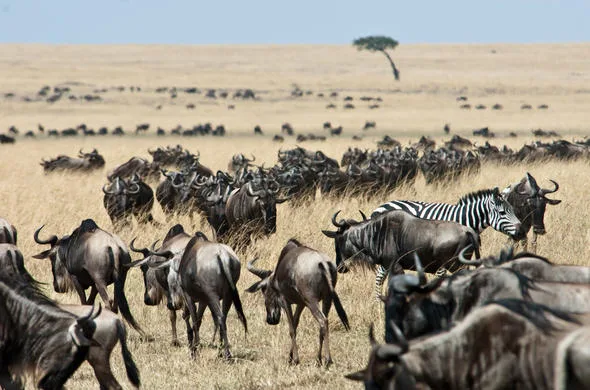
Impalas are resident animals in suitable habitats and do not undertake the same large-scale annual migration as wildebeest, so they can be observed throughout the year. Seasonal rainfall influences vegetation and animal distribution—drier periods may improve visibility in some areas, while wetter periods can provide attractive green landscapes. The best time depends on the wider safari itinerary.
Impala Photography Tips
Impalas are excellent subjects for wildlife photography—their elegant shape and expressive behaviour provide opportunities for both portraits and action images. Useful approaches include:
- Photograph adult males with horns; side lighting may emphasise horn shape
- Capture group behaviour to show social relationships
- Use a fast shutter speed for leaping and running
- Compose against natural vegetation or open landscapes
- Maintain appropriate distance and use a telephoto lens rather than approaching too closely
The Ecological Role of Impalas
Impalas are important herbivores in suitable African ecosystems. They consume vegetation and influence plant communities while providing food for predators. Their mixed feeding strategy allows them to use different resources according to seasonal conditions, making them an important component of food webs in many savannah and woodland habitats.
Impala Conservation
The common impala is widespread in suitable parts of eastern and southern Africa. However, local populations can be affected by habitat loss, hunting pressure and changes in land use. Conservation depends on protecting suitable habitats and maintaining healthy ecosystems, and responsible tourism can support appreciation of antelopes that may otherwise receive little attention.
Impalas During a Masai Mara Safari
A Masai Mara game drive provides opportunities to observe many different herbivores. Impalas may be encountered alongside zebras, giraffes, wildebeest and other species, and their behaviour can be particularly interesting when predators are present. A patient guide may spend time observing impalas rather than immediately moving on to larger animals—an approach that can reveal details hurried safaris often miss.
Suggested Three-Day Masai Mara Wildlife Safari
Day 1: Nairobi to Masai Mara
Depart Nairobi and travel to the Masai Mara. Enjoy an afternoon game drive where the schedule permits, looking for antelopes, giraffes, elephants and other wildlife.
Day 2: Full-Day Wildlife Viewing
Explore different habitats within the reserve. Observe impalas and other antelope species, look for predator activity and natural interactions, and enjoy lunch according to the itinerary.
Day 3: Return to Nairobi
Enjoy breakfast and a final activity where time permits, then travel back to Nairobi or continue to another destination.
Frequently Asked Questions About Impalas in Kenya
Where can I see impalas in Kenya?
Impalas occur in suitable habitats in several wildlife regions, including parts of the Masai Mara, Lake Nakuru and Tsavo ecosystems.
Do female impalas have horns?
No. Horns are characteristic of adult male impalas.
What do impalas eat?
They are mixed feeders that graze on grass and browse suitable vegetation.
Can impalas jump high?
Yes. Impalas are exceptionally agile and capable of impressive leaps.
Are impalas dangerous?
They are wild animals and should not be approached, although they are generally more likely to flee than confront people.
Do impalas migrate like wildebeest?
No. They do not follow the same large-scale annual migration circuit.
What animals hunt impalas?
Predators may include leopards, cheetahs, lions, hyenas and African wild dogs.
Can I photograph impalas on safari?
Yes. They are excellent subjects for wildlife photography, particularly when displaying social behaviour or movement.
See Impalas on a Kenya Wildlife Safari
Impalas in Kenya are a reminder that some of the most rewarding wildlife experiences involve animals beyond the Big Five. Their athletic movements, social relationships and interactions with predators make them fascinating subjects for observation. At Safari Trips to Kenya, we can arrange wildlife safaris in the Masai Mara, Lake Nakuru, Tsavo and other Kenyan destinations where impalas and numerous other antelope species may be encountered. Contact our team to plan a personalised Kenya safari that gives you time to appreciate the full diversity of the country’s wildlife.