
21 DAYS / 20 NIGHTS
21 Days Kenya Safari
Plan a 21 Days Kenya Safari with expert guides, game drives and carefully chosen camps. Request a quote.
- Wildlife Safari Private Journey
- Private Safari 4x4 Vehicle
- Expert Guide English Speaking
- All Meals Breakfast, Lunch, Dinner
- 24/7 Support We're here to help
01 Overview
Safari Overview
- Duration 21 days / 20 nights
- Destination Kenya
- Starts / ends Nairobi
- Safari style Private 4×4 safari
- Accommodation Essential · Comfort · Premium · Signature
- Best for Wildlife viewing, photography
21 Days Kenya Safari – The Ultimate Three-Week Kenya Wildlife Adventure
A 21 Days Kenya Safari is designed for travellers who want to experience Kenya as a complete safari destination rather than rushing between a handful of famous parks. With three full weeks available, the journey can combine iconic wildlife regions, remote wilderness areas, productive private conservancies, Rift Valley landscapes, northern Kenya's specialised wildlife and several rewarding days in the legendary Masai Mara.
Three weeks dramatically changes the quality of a safari. On a shorter itinerary, every day often involves a decision between travelling and wildlife viewing. Longer transfers may consume valuable daylight, and a park might receive only one afternoon game drive before you have to move again the next morning. A 21-day Kenya safari allows a more thoughtful rhythm: important destinations can receive multiple nights, long transfers can be broken naturally, and game drives can begin early without the pressure of immediately packing for the next destination. There is time to return to productive wildlife areas, remain with animals when interesting behaviour develops and occasionally enjoy a slower afternoon at your lodge or camp.
This matters because safari is fundamentally unpredictable, and wildlife does not operate according to an itinerary. Lions may spend an entire afternoon asleep and become active just before sunset, and a leopard may remain hidden in thick vegetation one morning and appear on an exposed tree branch the following day. Elephant herds may arrive at a marsh hours after you first searched the area, and migrating wildebeest can change direction in response to rainfall. The extra time provided by a 21 Days Kenya Safari therefore becomes one of the most valuable parts of the experience. The itinerary can be tailored to first-time safari visitors, experienced African travellers, couples, honeymooners, families, photographers, birdwatchers, senior travellers and anyone who would rather experience fewer moments in a hurry and more moments properly.
Why Choose a 21 Days Kenya Safari?
Three weeks gives you the opportunity to understand the extraordinary geographical diversity of Kenya. Many travellers initially associate Kenya almost entirely with the Masai Mara. The Mara deserves its reputation, but it represents only one part of the country's safari story. A 21-day itinerary allows these regions to complement each other rather than compete for limited time:
- Southern Kenya offers famous elephant landscapes overlooked by Mount Kilimanjaro.
- Eastern Kenya contains some of the country's largest protected wilderness areas.
- Central Kenya is associated with highlands, Mount Kenya scenery and important rhino conservation efforts.
- Northern Kenya introduces dry-country environments and specialised animals such as reticulated giraffes, Grevy's zebras, gerenuks and Beisa oryx.
- The Great Rift Valley contributes lakes, escarpments, birdlife and contrasting scenery.
- The Masai Mara then delivers one of the most wildlife-rich conclusions imaginable.
Key Advantages of a Three-Week Kenya Safari
A carefully structured journey provides:
- Three weeks of varied wildlife experiences.
- Multiple nights in important parks and conservancies.
- Excellent opportunities to search for the Big Five.
- Strong chances for lion, cheetah and other predator encounters.
- Extensive elephant viewing.
- Opportunities to see rhinos in appropriate protected areas.
- Northern Kenya specialist species.
- Diverse landscapes rather than repetitive scenery.
- Extensive birdwatching opportunities.
- Better conditions for wildlife photography.
- More sunrise and sunset game drives.
- Reduced pressure to rush between sightings.
- Possibilities for guided walking safaris.
- Night drives in conservancies where allowed.
- Community and conservation experiences.
- Optional hot-air balloon safari.
- Accommodation ranging from comfortable mid-range to high-end luxury.
- Opportunities to combine road and air transfers.
- Easy extension to Kenya's coast after the safari.
21 Days Kenya Safari at a Glance
- Duration: 21 days / 20 nights
- Country: Kenya
- Safari Style: Private customised safari
- Main Experiences: Wildlife viewing, game drives, photography, landscapes, birding and conservation
- Transport: Private safari vehicle with optional domestic flights
- Accommodation: Mid-range, luxury or high-end camps and lodges
- Best For: Couples, photographers, honeymooners, families, senior travellers and wildlife enthusiasts
- Main Wildlife: Lions, elephants, leopards, cheetahs, buffaloes, rhinos, giraffes, zebras, wildebeest, hyenas and specialised northern species
Suggested 21 Days Kenya Safari Itinerary
The following itinerary provides a representative framework for a comprehensive three-week Kenya safari. Exact routing can be adjusted according to your travel dates, preferred accommodation level, available flights, road conditions, migration priorities and wildlife interests.
Itinerary
- Day 1: Arrival in Nairobi, welcome to Kenya
- Day 2: Nairobi to Amboseli
- Day 3: Amboseli Safari – Elephants and Kilimanjaro
- Day 4: Amboseli to Tsavo, into Kenya's Vast Eastern Wilderness
- Day 5: Tsavo Wildlife Safari
- Day 6: Second Full Day in Tsavo, slower Wildlife Exploration
- Day 7: Tsavo to the Great Rift Valley
- Day 8: Rift Valley Lakes, Wildlife and Birdwatching
- Day 9: Rift Valley to Central Kenya
- Day 10: Central Kenya Rhino and Conservation Safari
- Day 11: Central Kenya to Northern Kenya
- Day 12: Northern Kenya Wildlife Safari
- Day 13: Second Northern Kenya Safari Day
- Day 14: Northern Kenya to a Private
- Day 15: Conservancy Experience, game Drive, Walking Safari and Night Drive
- Day 16: Conservancy to the Masai Mara
- Day 17: Masai Mara Safari – Lions, Cheetahs and Plains Wildlife
- Day 18: Second Full, day Masai Mara Safari, great Migration Country
- Day 19: Third Full, day Masai Mara Safari, photography and Wildlife Behaviour
- Day 20: Fourth Masai Mara Experience, optional Hot, air Balloon Safari
- Day 21: Morning game drive – return to Nairobi
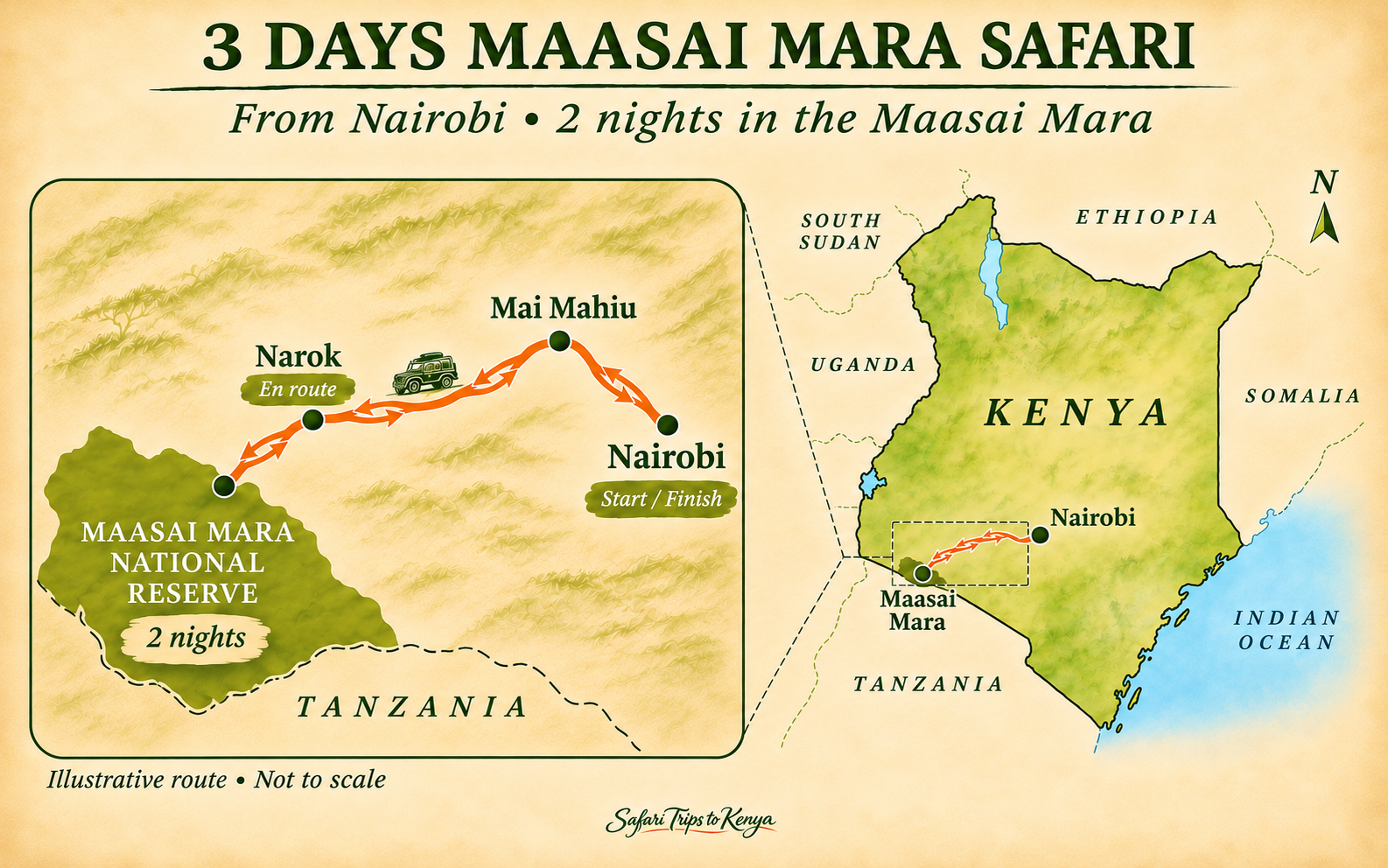
02 Itinerary
21 Days Kenya Safari: Detailed Itinerary
-

Day 1: Arrival in Nairobi – Welcome to Kenya - Main destination
- Masai Mara National Reserve
- Drive time
- Road transfer as outlined in the itinerary
- Meals
- Lunch, Dinner
Your 21 Days Kenya Safari begins upon arrival at Jomo Kenyatta International Airport in Nairobi. After completing immigration procedures and collecting your luggage, meet your representative in the arrivals area. You will be assisted to your transfer vehicle and driven to your selected Nairobi hotel.
The arrival day is intentionally relaxed. Most international travellers reach Kenya after a lengthy journey, and beginning a demanding road safari immediately can reduce enjoyment during the first few days. A comfortable first night in Nairobi gives you time to recover from your flight, adjust to the local time zone and prepare for the adventure ahead.
Depending on your arrival time, you may spend the afternoon relaxing around the hotel. If you arrive early and still have energy, optional Nairobi activities can be arranged separately. Your safari representative can also provide a detailed briefing covering the itinerary, game-drive routine, luggage arrangements, expected road conditions and any final practical questions.
Destination: Nairobi
Activities: Airport arrival and private transfer
Accommodation: Selected Nairobi hotel
Meals: According to confirmed package
Where you stay
-
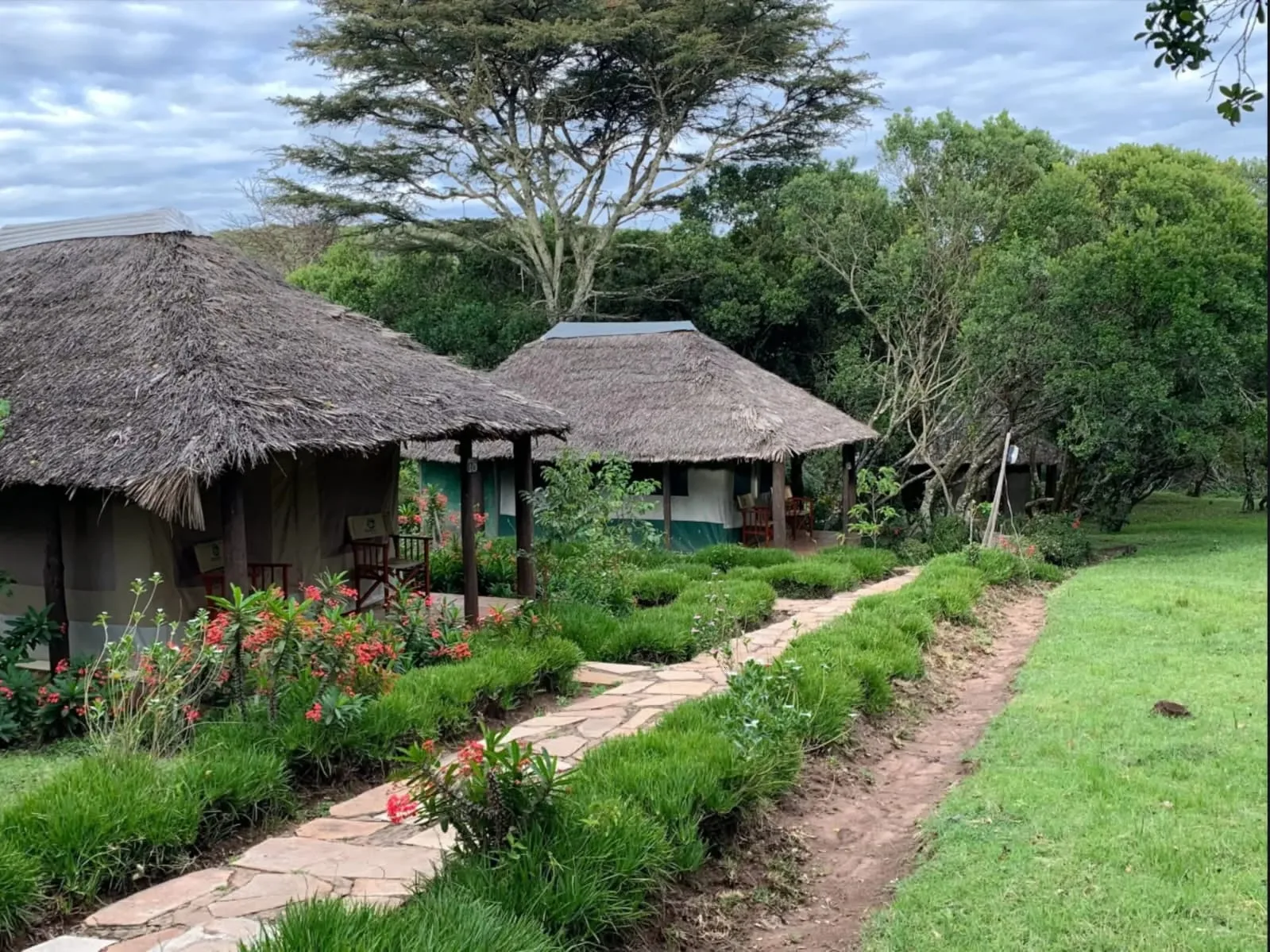
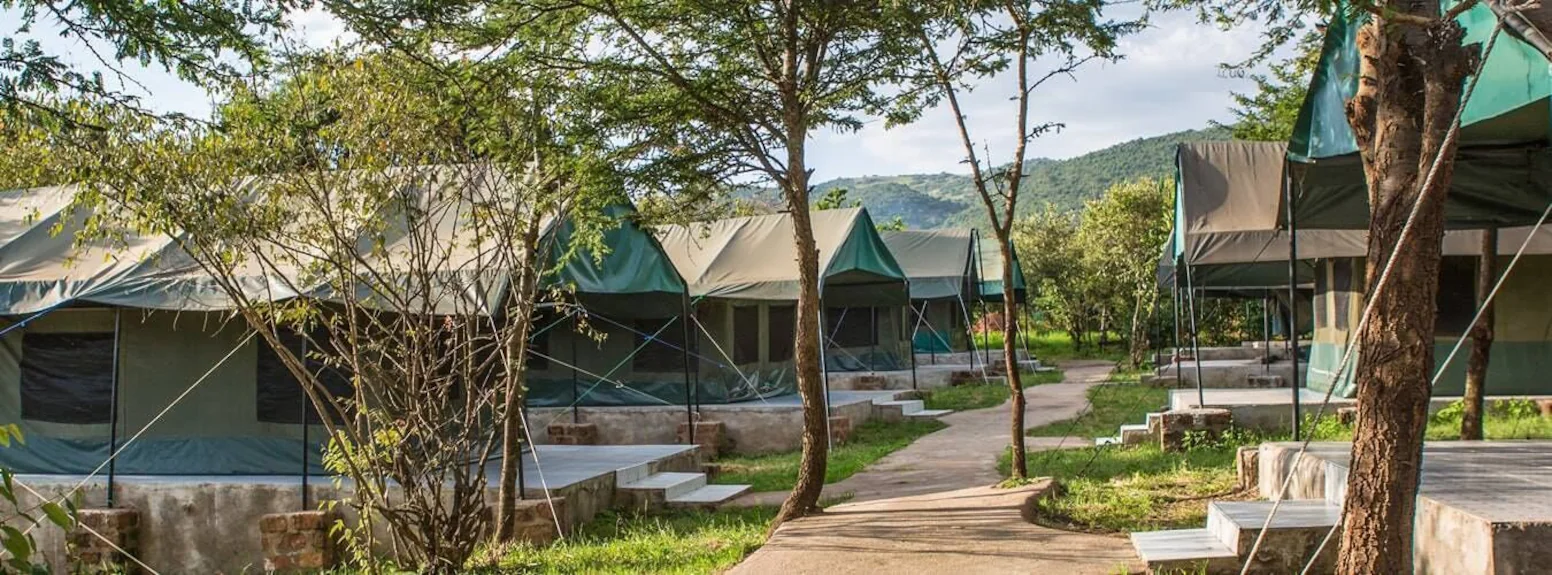
Essential (Budget)
-
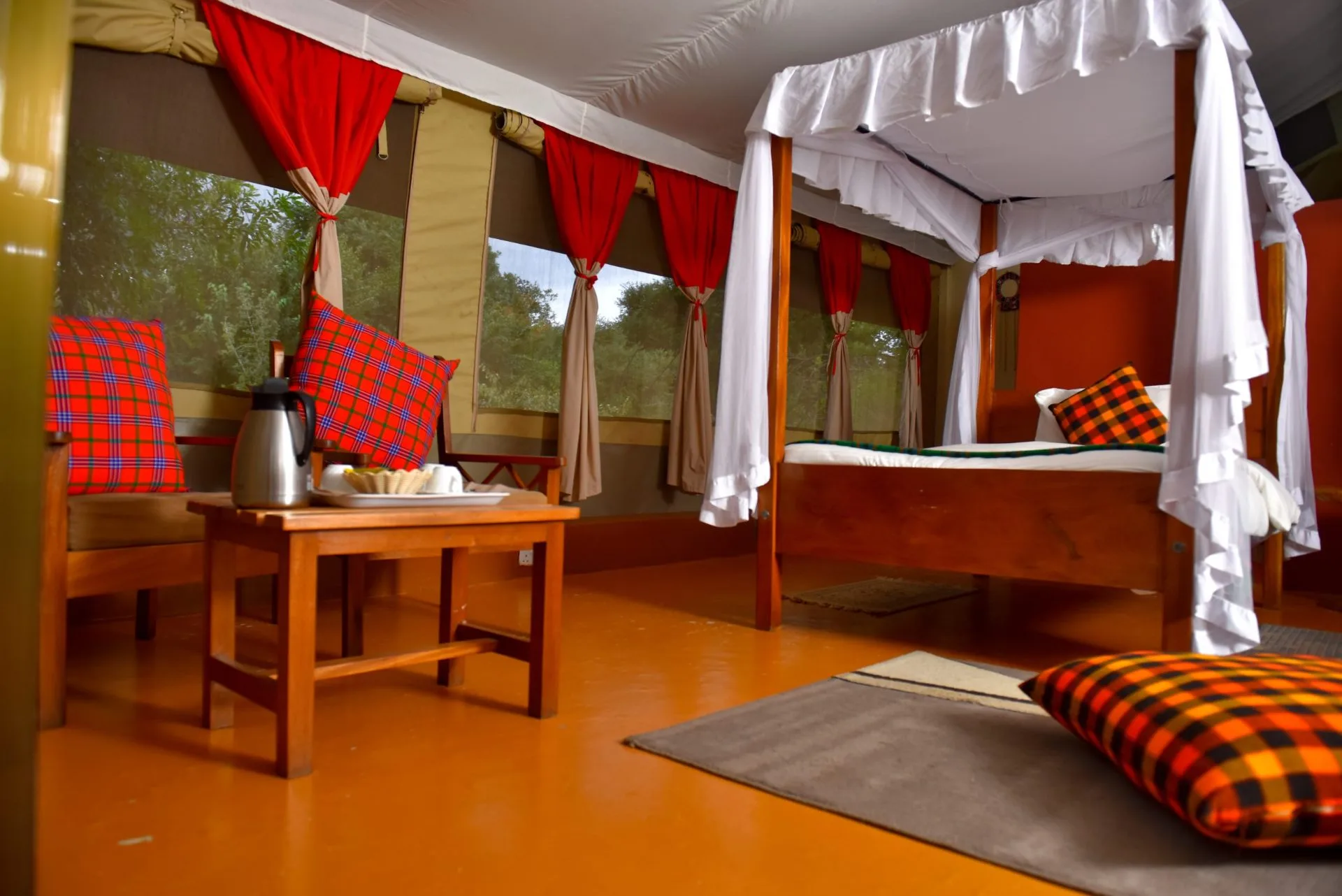
Comfort (Mid-range)
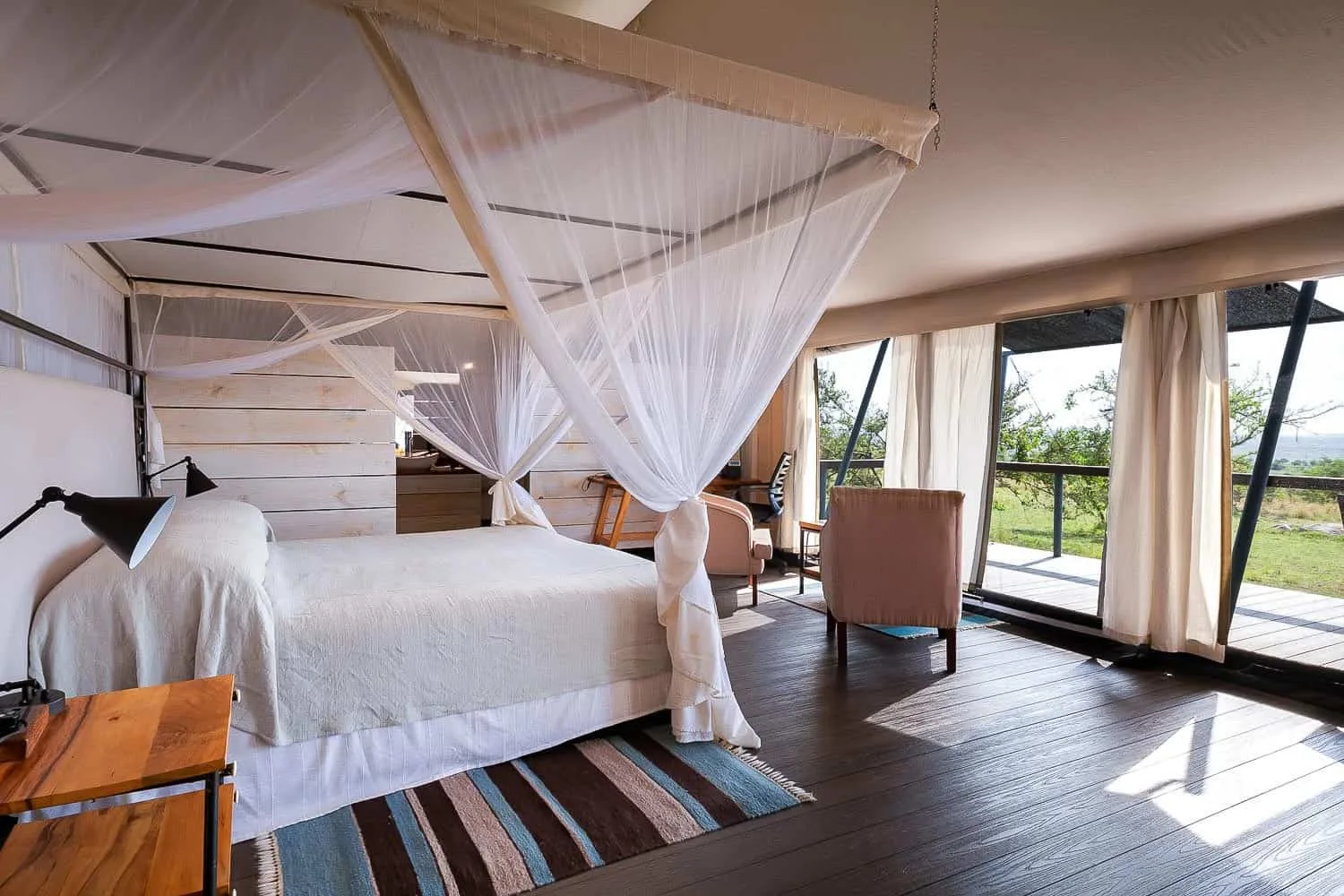
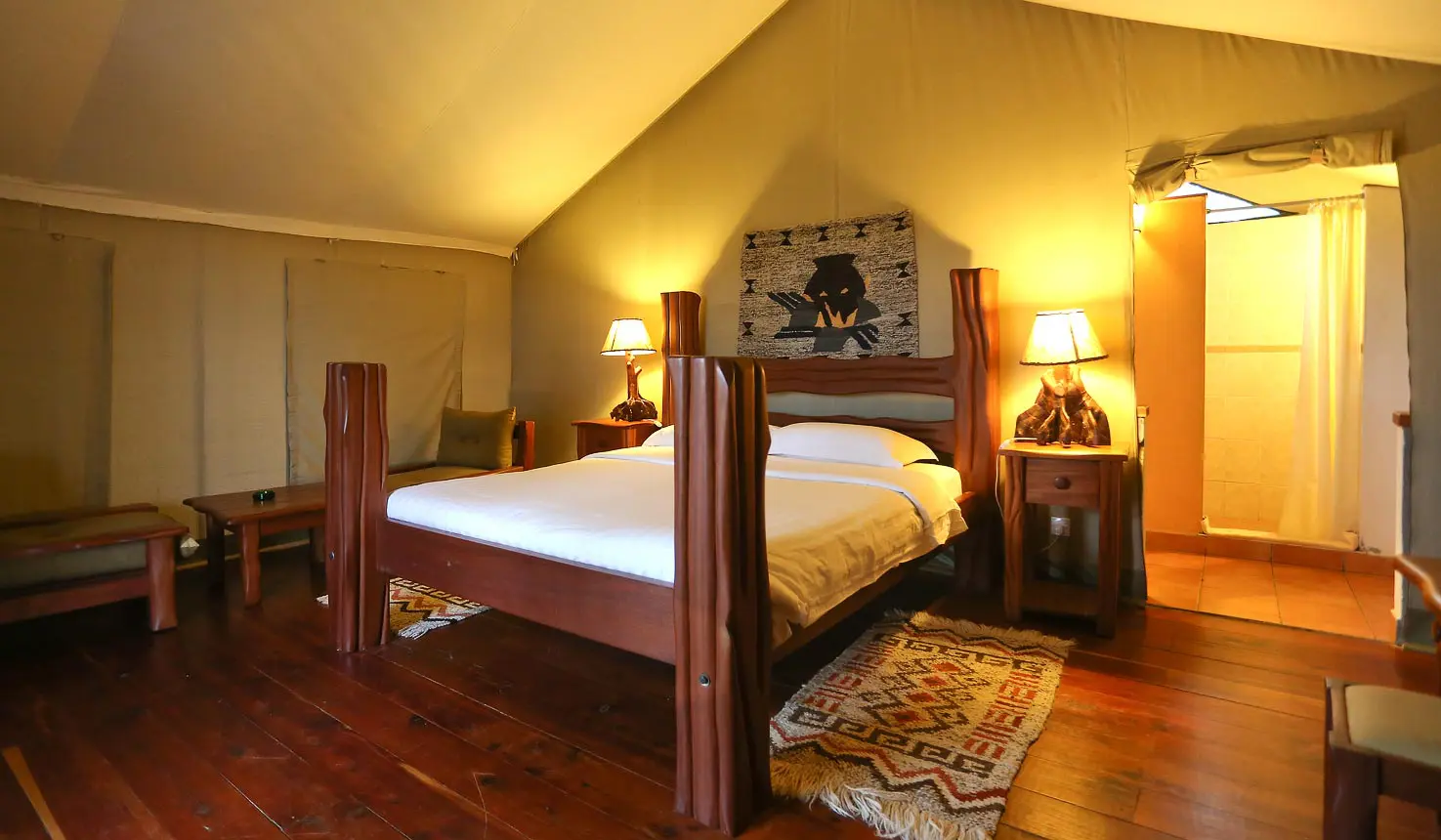
-
Premium (Luxury)
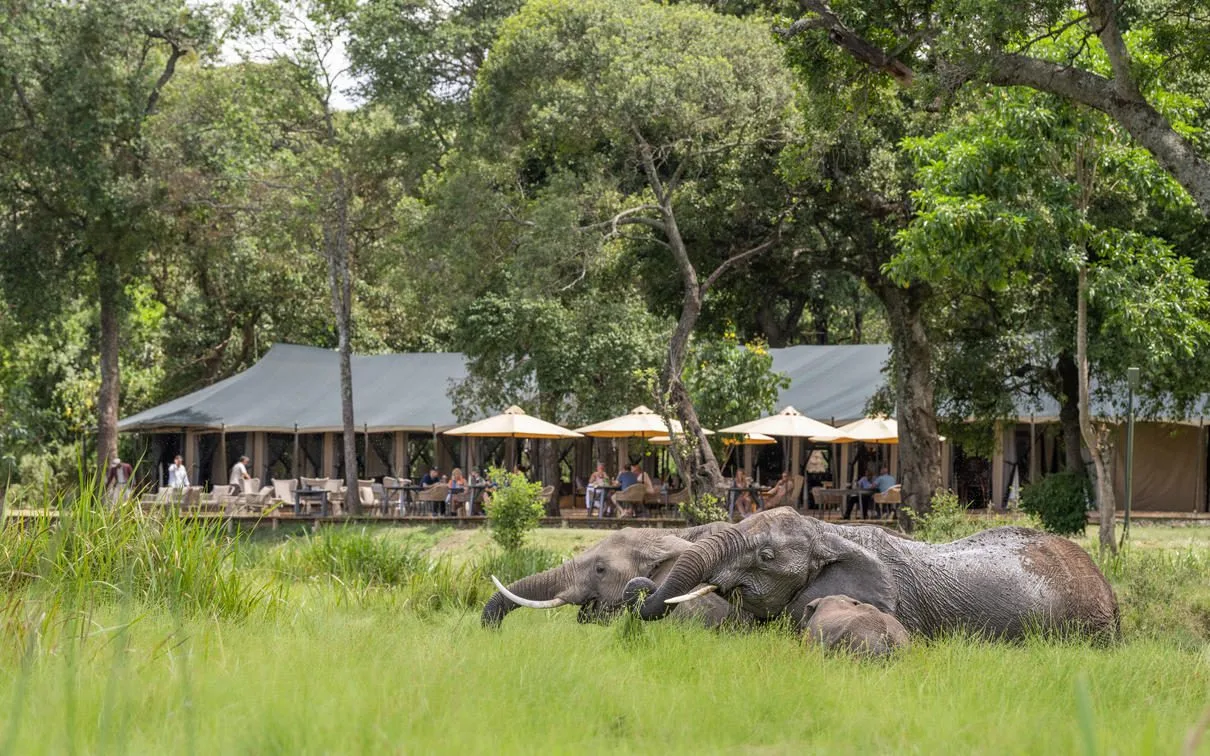
-
Signature (High-end)
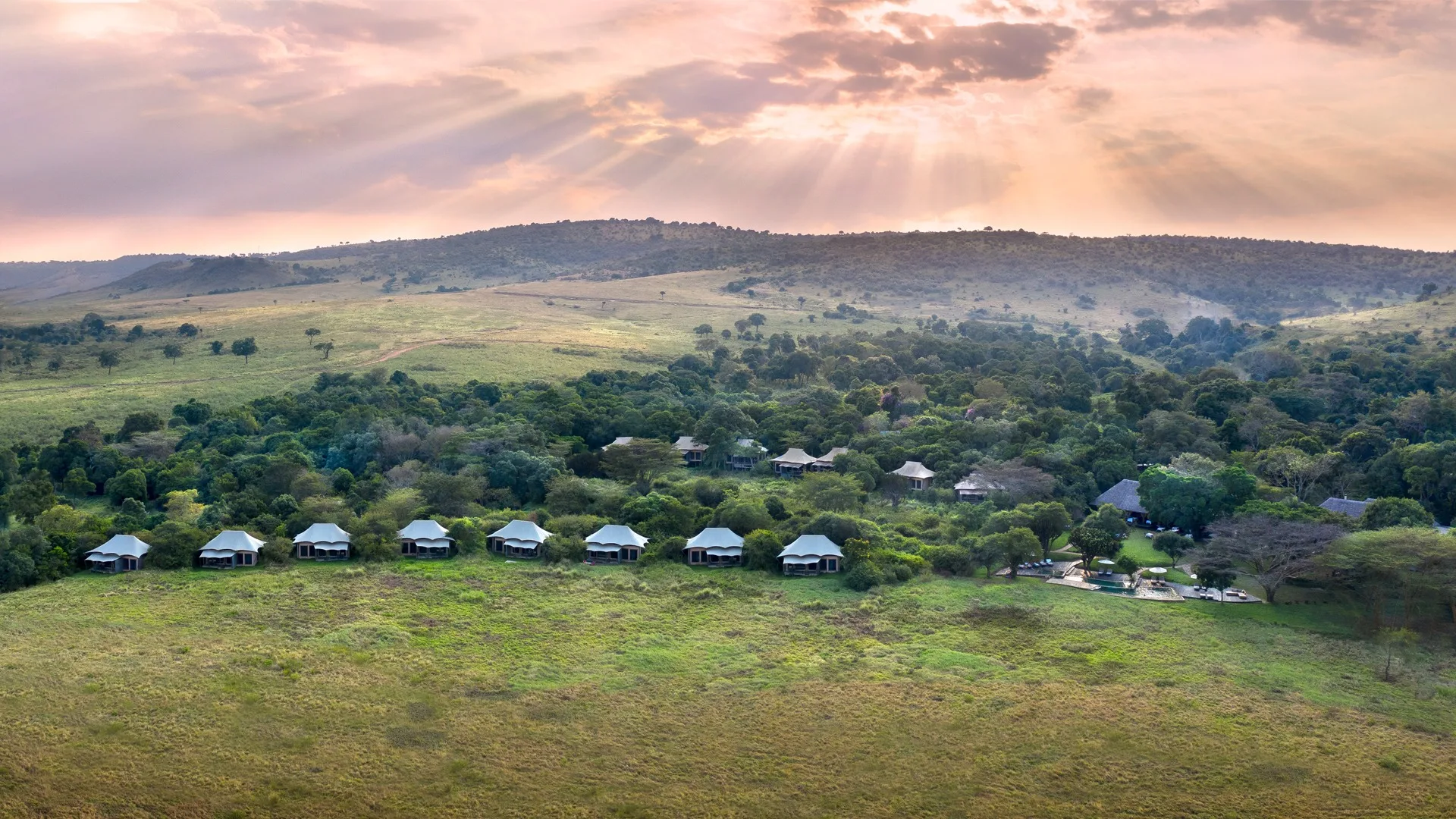
-
Day 2: Nairobi to Amboseli National Park - Main destination
- Masai Mara National Reserve
- Meals
- Breakfast, Lunch, Dinner
After breakfast, meet your professional safari driver-guide and depart Nairobi for Amboseli National Park. The drive takes you away from the capital and gradually into the drier landscapes of southern Kenya. As you approach the Amboseli ecosystem, Mount Kilimanjaro may become visible across the border in Tanzania when weather conditions are clear. Kilimanjaro is Africa's highest mountain, and the sight of its immense summit rising behind the plains is one of East Africa's most famous landscapes.
After entering the Amboseli area, continue to your selected lodge or camp. Depending on arrival time, enjoy lunch and settle into your room before beginning your first afternoon game drive.
The safari immediately introduces you to one of Kenya's greatest wildlife spectacles: elephants. Amboseli is internationally renowned for its elephant population, and family groups are frequently encountered travelling between open plains, woodland and permanent wetland areas. You may observe mature females leading younger elephants, juveniles interacting playfully or huge bulls moving independently across the landscape.
Other possible wildlife includes buffaloes, zebras, wildebeest, giraffes, warthogs, gazelles, hippos, spotted hyenas and numerous birds. Lions and cheetahs also occur within the ecosystem. Remain in the park through the productive late-afternoon period before returning to your accommodation for dinner.
Destination: Amboseli National Park
Activities: Road transfer and afternoon game drive
Meals: Breakfast, lunch and dinner
Where you stay
-
Day 3: Full-Day Amboseli Safari – Elephants and Kilimanjaro - Main destination
- Masai Mara National Reserve
- Meals
- Breakfast, Lunch, Dinner
Wake early to experience Amboseli at one of its most beautiful times. Before temperatures rise, wildlife is usually more active and Kilimanjaro may be clearer than later in the day. Depart after an early breakfast or arrange breakfast around your preferred game-drive schedule.
Morning light creates excellent photographic opportunities. Elephants crossing open plains with Mount Kilimanjaro in the background create one of the classic images of African safari travel, although the mountain's visibility cannot be guaranteed.
Your guide will explore different habitats including open grassland, acacia woodland and marsh areas. The permanent wetlands are particularly important to the Amboseli ecosystem. Although the surrounding landscape can appear extremely dry during parts of the year, underground water originating from the Kilimanjaro catchment sustains important marshes. These wetlands attract elephants, buffaloes, hippos and a wide range of birds.
Predator searches can also be productive. Lions may rest beneath vegetation after nighttime activity, while cheetahs often use open terrain where visibility provides an advantage.
Depending on your preferred safari style, return to your lodge around midday for lunch and relaxation before another afternoon drive, or undertake a longer excursion with suitable arrangements. The day ends with another opportunity to photograph wildlife during softer evening light.
Where you stay
-
Day 4: Amboseli to Tsavo – Into Kenya's Vast Eastern Wilderness - Main destination
- Masai Mara National Reserve
- Meals
- Breakfast, Lunch, Dinner
After breakfast, leave Amboseli and travel into the enormous Tsavo ecosystem. The visual transition is dramatic. Amboseli's open plains and wetlands gradually give way to an expansive wilderness characterised by dry woodland, seasonal rivers, volcanic landscapes, rocky formations and immense horizons.
Tsavo feels wild partly because of its scale. The ecosystem covers an enormous area, and wildlife may be more widely dispersed than in some smaller reserves. This makes every encounter feel earned.
After arriving at your selected camp or lodge, enjoy lunch and take time to settle in. Later, begin your first Tsavo game drive. Elephants are an important feature of the region and can appear distinctly reddish after covering themselves with local soil. You may also encounter giraffes, zebras, buffaloes, impalas, kudus, waterbucks and warthogs. Lions occur throughout suitable areas, although patience is often required to locate predators in such a large landscape. Return to camp in the evening.
Where you stay
-
Day 5: Full-Day Tsavo Wildlife Safari - Main destination
- Masai Mara National Reserve
- Meals
- Breakfast, Lunch, Dinner
Begin early for a full day exploring Tsavo. Your guide will use current wildlife information, local knowledge, tracks and animal behaviour to determine the most productive areas. Look carefully around river systems and water sources, which during dry periods become particularly important to elephants and other mammals.
Lion sightings can be exceptionally rewarding because of the wilderness setting. Rather than encountering animals surrounded by large numbers of vehicles, you may sometimes enjoy a quieter sighting depending on the season and exact location. Birding is also increasingly rewarding, as Tsavo contains species associated with dry woodland, scrub and open country.
Photographers should use the scale of the landscape creatively. A single elephant beneath a huge sky can sometimes create a more powerful image than a close portrait.
Spend the middle of the day according to weather conditions and your preferred game-drive style. Continue exploring into late afternoon before returning to the lodge for dinner.
Where you stay
-
Day 6: Second Full Day in Tsavo – Slower Wildlife Exploration - Main destination
- Masai Mara National Reserve
- Meals
- Breakfast, Lunch, Dinner
A second full day allows you to experience Tsavo without pressure. This is one of the key differences between a three-week safari and a shorter circuit. You can return to areas that produced interesting sightings yesterday: if lions were seen near a particular river system, your guide can investigate whether they remain nearby, fresh leopard tracks may justify patient searching along woodland edges, and elephants may return to familiar water sources. Instead of immediately travelling toward another destination, you have the luxury of allowing wildlife movements to determine your day.
The slower pace also provides opportunities to appreciate smaller species. Watch for mongooses, dik-diks, jackals, birds, reptiles and insects. These animals contribute greatly to the ecosystem even though they are often overlooked during shorter safaris.
Enjoy your final evening in the Tsavo wilderness.
Where you stay
-
Day 7: Tsavo to the Great Rift Valley - Main destination
- Masai Mara National Reserve
- Meals
- Breakfast, Lunch, Dinner
After breakfast, leave eastern Kenya and travel toward the Great Rift Valley. Today is partly a landscape day. Kenya's geography changes significantly as you move westward, and dry lowland wilderness gradually transitions into areas influenced by the Rift Valley's dramatic geology. Escarpments, lakes, agricultural areas and volcanic landforms create an entirely different atmosphere.
Depending on the final itinerary design, you may travel to one of the main Rift Valley lake regions. After arrival, check into your selected accommodation. The afternoon can be intentionally less demanding: following several intensive wildlife days, enjoying time overlooking a lake or relaxing at your lodge provides a useful change of pace. If timing permits, take a short wildlife, birding or lakeside excursion.
Where you stay
-
Day 8: Rift Valley Lakes, Wildlife and Birdwatching - Main destination
- Masai Mara National Reserve
- Meals
- Breakfast, Lunch, Dinner
Spend the day exploring your selected Rift Valley destination. Kenya's Rift Valley lakes provide a valuable contrast to savannah-based game viewing, and waterbirds become a major part of the experience. Depending on the lake and season, potential sightings include: African fish eagles, Pelicans, Herons, Egrets, Storks, Cormorants, Kingfishers, Ducks, Geese, Raptors, Numerous smaller water-associated species.
A boat activity may be possible depending on your exact destination and itinerary. Viewing wildlife from the water creates a completely different perspective from sitting in a safari vehicle. Hippos may be encountered in appropriate lake environments, and giraffes, zebras, antelopes and other mammals can also occur around nearby grasslands and woodland depending on the area.
Birdwatchers will particularly appreciate this stage of the safari. Twenty-one days provides enough ecological diversity for a very substantial species list.
Where you stay
-
Day 9: Rift Valley to Central Kenya - Main destination
- Masai Mara National Reserve
- Meals
- Breakfast, Lunch, Dinner
After breakfast, continue toward the central Kenyan highlands. The scenery becomes greener and more elevated, and Mount Kenya and surrounding conservation landscapes influence this part of the journey.
Central Kenya is particularly important because it adds a strong conservation dimension to the safari. Several protected areas in the region play major roles in rhinoceros conservation.
After reaching your selected conservancy or reserve, check into your accommodation. Following lunch and a short rest, enjoy an afternoon wildlife drive. This region may provide opportunities to encounter rhinos alongside elephants, buffaloes, giraffes, antelopes and predators. Return to your lodge before dinner.
Where you stay
-
Day 10: Full-Day Central Kenya Rhino and Conservation Safari - Main destination
- Masai Mara National Reserve
- Meals
- Breakfast, Lunch, Dinner
Today focuses on wildlife conservation as well as traditional game viewing. Rhinos remain among Africa's most threatened large mammals, and selected central Kenyan conservation areas have invested heavily in habitat protection, security and long-term wildlife management. Depending on your chosen location, you may have opportunities to search for both black and white rhinos.
The two species differ significantly in ecology and behaviour. Black rhinos tend to browse shrubs and can be more secretive, while white rhinos primarily graze and may sometimes be easier to observe in open habitats. Other wildlife can include elephants, buffaloes, giraffes, lions, zebras and antelopes.
Private conservation areas may also permit activities not available in conventional national parks. Depending on the specific property, you might undertake a guided walk or evening wildlife activity. Such experiences must always follow local regulations and professional guide instructions.
Where you stay
-
Day 11: Central Kenya to Northern Kenya - Main destination
- Masai Mara National Reserve
- Meals
- Breakfast, Lunch, Dinner
After breakfast, continue north. The journey itself becomes increasingly fascinating as greener highland landscapes gradually give way to drier terrain, and acacia woodland, rugged hills and seasonal rivers begin dominating the environment. Northern Kenya is one of the most distinctive parts of the country's safari geography, and its wildlife community includes species that many visitors will not have seen during the previous ten days.
After reaching your selected lodge or camp, settle in and have lunch. An afternoon game drive introduces you to northern Kenya's specialised wildlife. Watch for reticulated giraffes, whose sharply defined geometric patterns differ substantially from other giraffe populations.
The endangered Grevy's zebra may also be encountered. Its narrow stripes, large ears and pale belly make it easy to distinguish from plains zebras. Other regional specialties include Beisa oryx and gerenuk. Return to your accommodation in the evening.
Where you stay
-
Day 12: Full-Day Northern Kenya Wildlife Safari - Main destination
- Masai Mara National Reserve
- Meals
- Breakfast, Lunch, Dinner
Depart early to explore the northern ecosystem in greater depth. This region rewards careful observation: dry riverbeds can function as important wildlife corridors, woodland provides shade for elephants and predators, and open areas support zebras, antelopes and giraffes.
The unusual gerenuk is particularly fascinating. Its long neck and slender body allow it to browse vegetation at heights unavailable to many other antelopes, and gerenuks are sometimes observed standing upright on their hind legs while feeding. Beisa oryx are another iconic dry-country species, and their long, straight horns and striking facial markings make them highly photogenic.
Large predators remain possible. Lions occur in the region, while leopards use woodland and rocky habitats. African wild dogs may occur in suitable areas but are highly mobile and can never be guaranteed. Spend the full day exploring before returning to your lodge.
Where you stay
-
Day 13: Second Northern Kenya Safari Day - Main destination
- Masai Mara National Reserve
- Meals
- Breakfast, Lunch, Dinner
Another full day gives you the opportunity to explore a different part of the ecosystem. The value of spending several nights in a region becomes increasingly obvious: wildlife encountered briefly yesterday may be found again under completely different circumstances. Elephants that were feeding inland may approach a river, a leopard that remained hidden in dense vegetation may climb into a more visible position, and Grevy's zebras may move into open terrain during the cooler hours. Predator-prey interactions can develop unexpectedly, although no sighting can be guaranteed.
Photographers should use the additional time to concentrate on behaviour and environmental compositions. Rather than simply photographing a giraffe, wait for several animals to move into an interesting formation. Instead of immediately leaving sleeping lions, remain nearby where appropriate and watch for signs that the pride may become active. Patience is often the difference between documenting wildlife and genuinely observing it.
Where you stay
-
Day 14: Northern Kenya to a Private Conservancy - Main destination
- Masai Mara National Reserve
- Meals
- Breakfast, Lunch, Dinner
After breakfast, travel toward another important conservation landscape. Depending on your selected route and budget, this transfer may be undertaken by road or partially by domestic flight. Private and community conservancies have become important parts of Kenya's wildlife conservation model. They can protect habitats outside formal national parks while generating employment and other economic benefits for surrounding communities.
After reaching your accommodation, enjoy lunch and relax. Later, depart for an afternoon game drive. Because some conservancies allow vehicles to remain out after sunset, your experience may continue into darkness. If a night drive is permitted, your guide can use a spotlight responsibly to search for nocturnal species. Potential sightings vary by ecosystem but may include hares, genets, civets, porcupines, owls and predators.
Where you stay
-
Day 15: Conservancy Experience – Game Drive, Walking Safari and Night Drive - Main destination
- Masai Mara National Reserve
- Meals
- Breakfast, Lunch, Dinner
Today demonstrates why including a private conservancy can add so much variety to a long safari. Begin with an early-morning wildlife drive, searching for elephants, predators and grazing animals during the cooler hours.
After breakfast, you may have an opportunity to join a professionally guided walking safari where permitted. Walking completely changes your perspective: large animals remain important, but the environment becomes much more detailed. Your guide may explain:
- Animal tracks
- Insect behaviour
- Bird calls
- Medicinal and ecological uses of plants
- Predator signs
- Territorial markings
- Animal dung
- Seed dispersal
- Food chains
- Relationships between livestock, communities and wildlife
A walking safari should never be treated as an attempt to approach dangerous animals closely, and safety and ecological interpretation remain the priority.
Return to camp for lunch and relaxation. In late afternoon, depart for another game drive and, if available, continue after sunset for a night drive. The sounds, temperature and atmosphere of the landscape change dramatically after darkness falls.
Where you stay
-
Day 16: Conservancy to the Masai Mara - Main destination
- Masai Mara National Reserve
- Meals
- Breakfast, Lunch, Dinner
Today you travel toward Kenya's most famous wildlife ecosystem: the Masai Mara. For many safari travellers, reaching the Mara represents the climax of the journey. The landscape opens into expansive grasslands crossed by rivers, streams and woodland corridors, and large numbers of herbivores support substantial predator populations.
Upon arrival, check into your selected camp or lodge. After lunch and a brief rest, begin your first Mara game drive. Wildlife may appear almost immediately: zebras and wildebeest graze across open areas, giraffes browse along woodland edges, elephants move between feeding areas, topi often stand on termite mounds and spotted hyenas patrol the grasslands. The possibility of encountering lions, cheetahs and leopards creates constant anticipation, though none can be guaranteed. Remain outside through the beautiful late-afternoon period before returning to camp.
Where you stay
-
Day 17: Full-Day Masai Mara Safari – Lions, Cheetahs and Plains Wildlife - Main destination
- Masai Mara National Reserve
- Meals
- Breakfast, Lunch, Dinner
Wake before sunrise for your first full Mara day. The early morning is one of the best times to search for predators: lions may still be active after nighttime hunting, cheetahs often begin scanning the plains while temperatures remain cool, hyenas may travel back toward denning or resting areas and leopards may be moving through riverine woodland. Your guide will interpret tracks, prey behaviour and information from other professional guides.
The Mara is especially rewarding because of its combination of animal density and relatively open terrain, so large mammals can frequently be observed against expansive landscapes. Potential sightings include: Lions, Leopards, Cheetahs, Elephants, Buffaloes, Giraffes, Zebras, Wildebeest, Topi, Eland, Impala, Thomson's gazelles, Grant's gazelles, Warthogs, Spotted hyenas, Jackals, Hippopotamus, Crocodiles in suitable river areas.
Spend the day exploring different habitats. Depending on your lodge location and plans, lunch may be enjoyed at camp or as a picnic during an extended drive. Return in the evening.
Where you stay
-
Day 18: Second Full-Day Masai Mara Safari – Great Migration Country - Main destination
- Masai Mara National Reserve
- Meals
- Breakfast, Lunch, Dinner
Begin another complete day in the Mara. If your safari takes place during a period when the Great Wildebeest Migration is in the Kenyan part of the ecosystem, herd movements may influence your route. Large concentrations of wildebeest and zebras can transform the landscape, and the sound of thousands of animals grazing, moving and communicating creates a completely different atmosphere from normal resident wildlife viewing. Predators respond to the abundance of prey, and lions, cheetahs, hyenas and crocodiles may take advantage of opportunities created by the migration.
However, migration travel must always be approached realistically. The wildebeest do not follow fixed dates. Rainfall influences fresh grass growth, and herd movements can shift significantly between years.
River crossings are especially unpredictable. Thousands of animals may approach a river, wait for hours and then turn away, while at another time a crossing might begin unexpectedly. No responsible safari operator can guarantee a crossing on a particular day. Outside migration periods, the Mara remains exceptional because its resident wildlife is abundant throughout the year.
Where you stay
-
Day 19: Third Full-Day Masai Mara Safari – Photography and Wildlife Behaviour - Main destination
- Masai Mara National Reserve
- Meals
- Breakfast, Lunch, Dinner
A third full day provides the opportunity to slow down. By this stage, you may already have seen many of the animals you hoped to encounter, so instead of constantly searching for new species, you can spend more time observing behaviour. Stay with a lion pride and watch the relationships between cubs, females and males. Follow elephants as family members communicate through touch and low-frequency calls. Observe hyenas interacting within their clan, watch giraffes move between feeding trees or follow a cheetah carefully while it surveys surrounding plains. This kind of patient observation is one of the greatest advantages of a longer safari.
Photographers can also concentrate on specific goals. Rather than photographing everything, you can wait for better light, cleaner backgrounds and meaningful interaction. Spend another night in the Masai Mara.
Where you stay
-
Day 20: Fourth Masai Mara Experience – Optional Hot-Air Balloon Safari - Main destination
- Masai Mara National Reserve
- Meals
- Breakfast, Lunch, Dinner
Your final full day in the Masai Mara can be arranged around individual preferences. Travellers interested in an aerial perspective may add an optional hot-air balloon safari. Balloon activities generally begin before sunrise, and you will transfer to the launch area while the landscape remains dark. After preparations and a safety briefing, the balloon rises over the Mara, subject to weather and availability.
From the air, you gain a remarkable understanding of the landscape's scale, as river systems, woodland corridors, animal trails and open plains become clearly connected. Wildlife may be visible below, although ballooning should primarily be appreciated as a scenic experience rather than a way to guarantee specific animal sightings. After landing and completing the balloon experience, rejoin your safari arrangements.
Travellers who prefer not to balloon can undertake another sunrise game drive. Spend your final Mara afternoon visiting a different sector or returning to a particularly productive area. As sunset approaches, enjoy the final evening game drive of your three-week Kenya journey, then return to camp for dinner.
Where you stay
-
Day 21: Masai Mara to Nairobi – Departure - Main destination
- Masai Mara National Reserve
- Drive time
- Return transfer as outlined in the itinerary
- Meals
- Breakfast, Lunch
Wake for your final morning in the wilderness. Enjoy breakfast and, depending on your departure arrangements, complete game viewing while leaving the Mara. Road travellers begin the journey toward Nairobi, passing through the Rift Valley and eventually reaching the capital, with appropriate rest stops along the way. Travellers choosing a fly-in option transfer to the nearest suitable airstrip for a scheduled flight to Nairobi.
Upon arrival, transfer to Jomo Kenyatta International Airport or your Nairobi hotel according to your onward schedule. Your 21 Days Kenya Safari concludes after three extraordinary weeks exploring an extensive cross-section of Kenya. Travellers continuing to the coast can connect onward according to their customised itinerary.
Wildlife Highlights of a 21 Days Kenya Safari
The diversity of habitats covered during three weeks creates excellent opportunities to encounter a wide range of mammals.
African Elephant
Elephants are likely to become a recurring feature of your journey. Amboseli is especially famous for large family groups, Tsavo provides completely different elephant landscapes, and northern Kenya and selected conservancies may produce additional encounters. By observing elephants repeatedly, visitors begin recognising the complexity of their social behaviour.
Lion
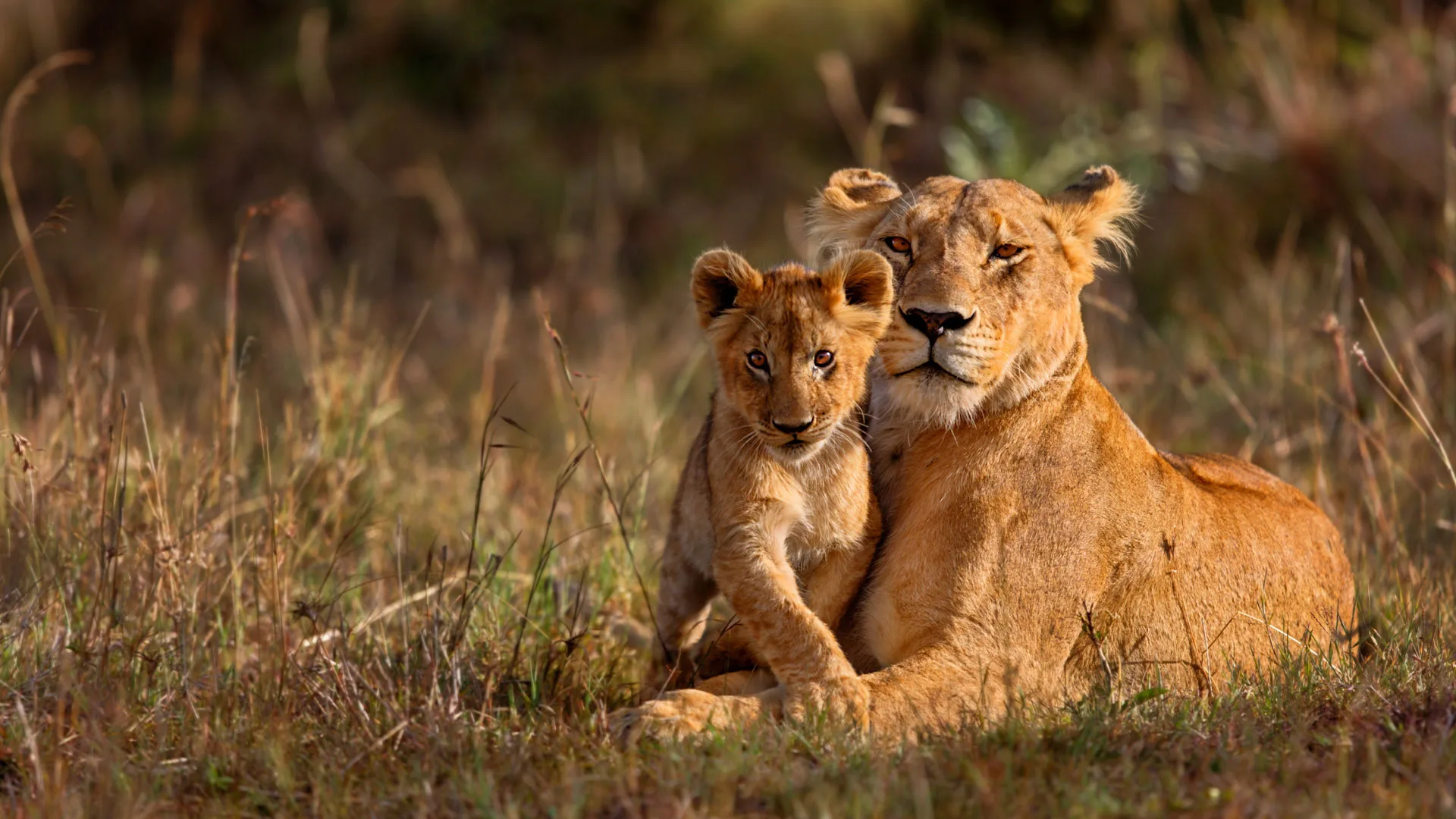
Lions occur across several of Kenya's major ecosystems, and the Masai Mara is particularly celebrated for lion viewing. You may encounter prides containing females and cubs, coalitions of adult males or solitary individuals.
Leopard
Leopards are considerably more secretive and frequently use woodland, rocky areas and riverine vegetation. Three weeks significantly improves your chances simply because you spend many more mornings and evenings in suitable habitat, although no sighting can be guaranteed.
Cheetah
Cheetahs favour more open landscapes. Their slender build and extraordinary speed make them among the most sought-after predators, and the Mara and other suitable grassland ecosystems can provide excellent opportunities.
Rhinoceros
Selected central Kenya conservation areas can improve your chances of seeing rhinos. Depending on the destination, both black and white rhinos may occur.
African Buffalo
Buffaloes are widespread across many protected areas. Large herds can be impressive, particularly when encountered near water.
Reticulated Giraffe
Northern Kenya introduces the beautifully patterned reticulated giraffe. Its coat consists of sharply outlined patches separated by light lines.
Grevy's Zebra
Grevy's zebras are another northern Kenya specialty. They are larger than plains zebras and have narrower stripes and prominent ears.
Gerenuk
This distinctive long-necked antelope is adapted to browsing in dry environments. Its habit of standing on its hind legs while feeding makes it particularly memorable.
Beisa Oryx
Elegant and resilient, the Beisa oryx is well adapted to semi-arid landscapes.
Wildebeest
Resident wildebeest are present in several ecosystems. During migration periods, extraordinarily large numbers may enter the Masai Mara.
Spotted Hyena
Hyenas are complex social predators rather than simple scavengers. Watching their interactions can become one of the safari's most fascinating experiences.
The Big Five on a 21 Days Kenya Safari
A three-week Kenya itinerary provides strong opportunities to search for the traditional Big Five:
- Lion
- Leopard
- African elephant
- African buffalo
- Rhinoceros
Nevertheless, wildlife viewing should not become a race to complete a checklist. Many of the most memorable safari experiences involve animals outside the Big Five. Watching a cheetah hunt, discovering a newborn elephant, observing giraffes fighting, seeing hyenas interacting or encountering a secretary bird hunting can be equally remarkable.
Great Wildebeest Migration and Your 21-Day Safari
The Great Wildebeest Migration involves enormous numbers of herbivores moving through the greater Serengeti–Mara ecosystem. The cycle is driven primarily by rainfall and grazing, and migrating herds may enter the Kenyan Masai Mara during portions of the period between July and October. However, exact movement varies: some years animals arrive earlier or later, rainfall in one area can encourage herds to remain there longer, and fresh rain elsewhere can trigger rapid movement.
This means no itinerary should promise that the migration will be in a specific location on a precise date. River crossings are even less predictable, as they occur when animals choose to move. Travellers interested in migration should maximise their chances by spending several nights in the Mara and maintaining realistic expectations.
Where you stay
03 Rates
Safari rates 2027-2029
Indicative per person. Season, group size and lodge style change the total — your quotation confirms current rates.
-
Essential (Budget)
Essential (Budget)
Budget camps and lodges suit travelers who prioritize wildlife while keeping costs lower.
Great value camps
-
Comfort (Mid-range)
Comfort (Mid-range)
Mid-range tented camps and lodges balance comfort and price with private rooms or tents and en-suite facilities.
Quoted for your dates
-
Premium (Luxury)
Premium (Luxury)
Luxury camps and lodges focus on location, service and more intimate wildlife experiences.
Premium camps and lodges
-
Signature (High-end)
Signature (High-end)
Signature camps and lodges are the most exclusive stays — small, highly private properties with exceptional guiding and setting.
Exclusive signature stays
04 Activities
Safari activities
Game viewing is the core of this itinerary. Optional extras are quoted separately and depend on season, permits and availability. Individual species and river crossings are never guaranteed.
-
Included
Game drives
Scheduled wildlife drives in a 4x4 safari vehicle with a professional driver-guide.
View activity -

Included
Wildlife photography
Time in the field for landscape and wildlife photography. Sightings are never guaranteed.
View activity -
Optional
Optional extras
Balloon flights, cultural visits and other extras can be added when available and are quoted separately.
Additional information
Plan This Safari
Best Time for a 21 Days Kenya Safari
Kenya can be visited throughout the year. Different seasons provide different advantages.
January to February – Dry and Productive
These months can provide excellent wildlife viewing. Conditions are often relatively dry in many areas. Shorter vegetation can improve visibility and wildlife tends to remain active around reliable water. Photographic light can also be excellent.
March to May – Green Season
The long rains can create lush green landscapes. Although some travellers avoid this season, it can be extremely rewarding for photography and birding. Dramatic skies, fresh vegetation and lower visitor numbers may provide a very different safari atmosphere. Road conditions can become more difficult in certain regions, and itinerary design should account for this.
June – Transition Toward the Dry Season
June can provide attractive combinations of green landscapes and increasingly dry conditions. Visitor numbers may also be lower than during peak migration months.
July to October – Classic Peak Safari Season
These months are popular because many regions are relatively dry. Wildlife often concentrates around permanent water. Vegetation may become thinner, improving visibility. The Great Migration may also occupy the Masai Mara during portions of this period.
November – Short Rains
Rain can refresh previously dry landscapes. Bird activity can be excellent. Wildlife viewing generally remains productive.
December – Festive Safari Season
December can provide rewarding safari conditions. It is also a popular holiday period, so early accommodation planning can be important.
Private 21 Days Kenya Safari
For a journey of this length, private safari arrangements are highly recommended. A private safari vehicle allows your group to determine much of the daily rhythm:
- If you are photographing a lion pride, you can remain longer.
- If you are tired after several intensive mornings, departure time can occasionally be adjusted.
- Birdwatchers can stop for species that general safari groups might ignore.
- Families can schedule comfort breaks more easily.
- Couples can enjoy greater privacy.
Your dedicated driver-guide also becomes increasingly familiar with your preferences throughout the three-week journey. That continuity can substantially improve the experience.
Road Safari, Fly-In Safari or Combination?
A 21 Days Kenya Safari can be structured in three main ways.
Private Road Safari
Road travel provides excellent value and allows you to see the countryside between national parks. You experience towns, farms, changing vegetation, mountains and communities that are invisible when flying. A road safari can therefore provide a broader understanding of Kenya.
Fly-In Safari
Domestic flights reduce long transfer times. Flying can be particularly useful between widely separated regions. This option suits luxury travellers, honeymooners, senior visitors or travellers who simply prefer to maximise wildlife time.
Combination Safari
Combining road travel and flights is often an excellent compromise. Scenic and manageable sectors can be travelled overland. Longer transfers can be replaced by scheduled flights. The final design should balance comfort, cost and logistical efficiency.
Accommodation on a Three-Week Kenya Safari
The accommodation category has a significant influence on safari price and character.
Mid-Range Safari Accommodation
Mid-range accommodation often provides excellent value for a long itinerary. Comfortable lodges and tented camps normally provide:
- Private rooms or tents
- Ensuite bathrooms
- Hot showers
- Comfortable bedding
- Restaurant facilities
- Lounge areas
- Good safari access
Luxury Safari Accommodation
Luxury camps may offer:
- Larger tents or suites
- Premium wildlife locations
- Smaller guest capacities
- Enhanced cuisine
- Highly personalised service
- Private decks
- Superior views
- Additional lodge activities
High-End and Exclusive Accommodation
Travellers seeking maximum privacy can choose boutique camps, private villas and premium conservancy properties. Some provide private guides, private dining and exclusive-use arrangements.
Mixing Categories
It is perfectly possible to mix accommodation standards. For example, you might use comfortable mid-range lodges during road-transfer sections and choose luxury camps for several nights in the Masai Mara or a private conservancy. This can provide an effective balance between cost and experience.
21 Days Kenya Safari for Wildlife Photographers
Three weeks is particularly valuable for photographers. Wildlife photography depends heavily on repeated opportunities, and a spectacular animal sighting does not automatically produce a spectacular photograph:
- The light may be wrong.
- The background may be cluttered.
- The animal may be facing away.
A longer safari provides more chances:
- You can return to known predator territories.
- You can photograph elephants in different environments.
- You can experiment with landscapes as well as portraits.
- You can dedicate an entire morning to a single promising subject.
Recommended Photography Equipment
If domestic flights are included, check luggage restrictions before packing heavy equipment. Consider carrying:
- Long telephoto lens
- Mid-range zoom lens
- Wide-angle lens
- Multiple memory cards
- Spare camera batteries
- Portable charging equipment
- Lens-cleaning kit
- Dust protection
- Beanbag
- Binoculars
- External storage or backup solution
21 Days Kenya Honeymoon Safari
A three-week safari can be transformed into an exceptional honeymoon. Rather than moving constantly, the itinerary can prioritise intimate camps and several multi-night stays, with slower afternoons for relaxation between intensive wildlife days. Possible honeymoon enhancements include:
- Private safari vehicle
- Boutique tented camps
- Premium rooms or suites
- Bush breakfasts
- Sundowner experiences
- Private dining where available
- Special honeymoon arrangements
- Hot-air balloon experience
- Fly-in transfers
- Kenya coast extension
21 Days Kenya Safari for Families
Families can undertake a long Kenya safari successfully when the route is designed around children's ages. A private vehicle is especially valuable. Parents can manage departure times and comfort stops without affecting other travellers. Family-friendly accommodation can be selected according to room configuration, pool availability and children's activities. For families with younger children, excessive road transfers should be avoided, and domestic flights can replace some longer journeys.
Younger travellers may enjoy learning to identify:
- Animal tracks
- Different antelope species
- Birds
- Animal sounds
- Predator signs
- Wildlife behaviour
21 Days Kenya Safari for Senior Travellers
A three-week safari can actually be more comfortable than a short intensive circuit. Travellers with mobility concerns should discuss requirements before accommodation is booked. The itinerary can include:
- Longer stays in individual destinations
- Fewer consecutive transfer days
- Domestic flights
- Comfortable lodges
- Accessible rooms
- Afternoon rest periods
- Private vehicle flexibility
Birdwatching During a 21 Days Kenya Safari
Kenya is internationally important for birdlife, and travelling across numerous habitats dramatically increases the variety encountered. Potential habitat types include:
- Open savannah
- Dry scrub
- Acacia woodland
- Rift Valley lakes
- Wetlands
- River systems
- Highland environments
- Semi-arid northern country
- Conservancy grassland
Smaller birds can be equally fascinating, and dedicated birders should request a guide with strong bird identification skills. Large and visually spectacular birds may include: Ostriches, Secretary birds, Eagles, Vultures, Storks, Pelicans, Hornbills, Bustards, Cranes.
Responsible Safari Travel
A high-quality safari should protect the very wildlife and landscapes that visitors come to experience, and photographic opportunities should never take priority over animal welfare. Responsible game viewing includes:
- Maintaining respectful distances from animals
- Avoiding unnecessary noise
- Never blocking wildlife movement
- Not pressuring predators during hunts
- Respecting park and conservancy rules
- Avoiding littering
- Following guide instructions
- Supporting legitimate conservation initiatives
- Choosing culturally respectful community experiences
Cultural Experiences
Kenya's wildlife landscapes are intertwined with human history and community life. Responsible cultural visits may be incorporated in selected areas. A meaningful community experience should go beyond a quick staged stop and should also generate genuine benefits for participating communities. Ideally, it should provide opportunities to learn about:
- Livestock traditions
- Land management
- Local conservation
- Crafts
- Food systems
- Education
- Community tourism
- Contemporary rural life
Typical Safari Day
Although every destination is different, many safari days follow a broadly similar rhythm. An early wake-up may be followed by tea or coffee before departure. Morning game drives take advantage of cooler temperatures and good wildlife activity. Breakfast may be served before the drive, after the drive or occasionally as a picnic depending on arrangements.
The middle of the day can be spent relaxing at camp, followed by lunch and additional leisure time. Afternoon game drives generally begin as temperatures become more comfortable, and wildlife often becomes increasingly active toward evening. Return to camp around sunset or later where conservancy rules permit night drives. Dinner completes the day.
What to Pack for 21 Days in Kenya
Even though you are travelling for three weeks, packing lightly is advisable. Laundry services are available at many safari properties, sometimes at additional cost, and domestic flights frequently impose stricter luggage limits than international flights. Useful items include:
- Neutral safari shirts
- Safari trousers
- Lightweight long-sleeved clothing
- Fleece or jacket
- Light rain jacket
- Comfortable closed shoes
- Sandals for camp
- Hat
- Sunglasses
- Sunscreen
- Insect repellent
- Binoculars
- Camera
- Spare batteries
- Power bank
- Personal medication
- Small backpack
- Reusable water bottle where appropriate
- Copies of important travel documents
Meals and Dietary Requirements
Most safari camps and lodges provide full-board accommodation. This commonly includes breakfast, lunch and dinner. During full-day game drives, picnic lunches may be arranged.
Dietary requirements should be communicated before arrival, as advance information makes arrangements easier. Most established safari properties can accommodate common requirements such as:
- Vegetarian
- Vegan
- Gluten-free
- Dairy-free
- Food allergies
- Religious dietary requirements
Typical Safari Inclusions
The final quotation should always be treated as the authoritative description of what is included. Depending on your selected package, inclusions may cover:
- Airport transfers
- Private safari vehicle
- Professional driver-guide
- Accommodation
- Meals according to itinerary
- National park entry fees
- Reserve fees
- Conservancy fees
- Scheduled game drives
- Drinking water during safari drives
- Selected activities specifically listed
- Domestic flights if specifically included
Typical Safari Exclusions
Items that may be excluded include:
- International airfare
- Kenya travel-authorisation or visa-related expenses where applicable
- Travel insurance
- Personal medical expenses
- Tips and gratuities
- Alcoholic beverages
- Premium drinks
- Personal shopping
- Laundry unless specifically included
- Optional balloon safari
- Optional cultural activities unless specified
- Services not listed as included
Adding a Kenya Coast Extension
After three weeks of wildlife viewing, several days at the coast can provide an excellent conclusion. The contrast is significant. Instead of early game drives, you can enjoy leisurely mornings, swimming, beach walks and ocean activities. Flights can connect safari regions or Nairobi with the coast according to the final itinerary. A coast extension may be especially attractive for:
- Honeymooners
- Couples
- Families
- Travellers celebrating special occasions
- Visitors wanting rest before the international journey home
Why a 21 Days Kenya Safari Is Worth It
A 21 Days Kenya Safari offers something increasingly rare in modern travel: the luxury of time.
- Time to sit quietly while an elephant family approaches.
- Time to remain near a sleeping lion pride until the animals begin interacting.
- Time to return to the same landscape under different light.
- Time to learn the difference between a plains zebra and a Grevy's zebra.
- Time to listen to bird calls rather than only searching for large mammals.
- Time to understand that every Kenyan wildlife region has its own ecological character.
After several days, your relationship with the safari begins changing. At first, every giraffe creates excitement. Later, you begin noticing different giraffe patterns, behaviour and habitat preferences. Initially, a lion sighting may simply mean "we saw lions." After multiple encounters, you start watching pride structure, cub interactions and territorial behaviour. This deeper appreciation is what a three-week safari makes possible.
The objective is no longer merely to see Kenya's wildlife. It is to experience Kenya's wilderness in enough depth that the landscapes, animals and individual moments begin connecting into a much larger story.
Book Your 21 Days Kenya Safari
The 21 Days Kenya Safari is one of the most comprehensive ways to explore Kenya. Three weeks allows you to experience elephant country overlooked by Kilimanjaro, vast eastern wilderness, Rift Valley landscapes, rhino conservation areas, northern Kenya's unique wildlife, private conservancies and several rewarding days in the Masai Mara.
The itinerary can be customised according to your travel dates, accommodation preferences, wildlife priorities, photography requirements, family needs and budget. Safari Trips to Kenya can design your journey as a private road safari, a premium fly-in itinerary or a carefully balanced combination of both. For travellers who want more than a quick introduction to Kenya, twenty-one days provides the time to experience the country's wildlife, landscapes and conservation areas with the depth they deserve.
Planning Questions
Frequently Asked Questions
Is 21 days too long for a Kenya safari?
For travellers who love wildlife, nature and photography, three weeks can be ideal. The secret is itinerary variety. A well-designed safari should combine different landscapes and include occasional slower periods rather than simply adding more parks.
Is a three-week Kenya safari tiring?
It does not have to be. A carefully structured itinerary can actually feel less tiring than a short safari that attempts to cover too much ground. Multiple-night stays and selected flights can reduce travel fatigue.
Can the itinerary be completely customised?
Yes. The routing can be adjusted around your preferred parks, accommodation style, wildlife interests and travel dates.
Can we spend more time in the Masai Mara?
Yes. Travellers particularly interested in predators or the Great Migration can allocate additional nights to the Mara.
Can we remove Tsavo or northern Kenya?
Yes. The itinerary can be simplified if you prefer fewer destinations and even longer stays.
Can we include other safari areas?
Potentially, provided the resulting route remains practical. Adding destinations simply to increase the number of places visited is not always beneficial.
Is this safari private?
It can be arranged as a fully private safari with a dedicated driver-guide and vehicle.
Can we fly between destinations?
Yes. Domestic flights can replace selected road transfers.
Can we see all of the Big Five?
The itinerary provides strong opportunities when appropriate destinations are included. Wildlife remains wild, so individual sightings cannot be guaranteed.
Is the Great Migration guaranteed?
No. The migration is a natural movement influenced by rainfall and grazing. The precise location of herds changes throughout the year and can vary between years.
Can we guarantee a Mara River crossing?
No. River crossings cannot be scheduled. Even when wildebeest are close to a river, they may delay or abandon a crossing.
Is the safari suitable for photographers?
Yes. Three weeks creates excellent opportunities for repeated encounters and photography in different light conditions.
Is it suitable for honeymooners?
Yes. Luxury camps, private vehicles, premium rooms and romantic experiences can be incorporated.
Can children join?
Yes. The itinerary should be adjusted according to children's ages and tolerance for driving.
Is this safari suitable for senior travellers?
Yes. The itinerary can incorporate flights, slower pacing, accessible accommodation and additional rest time.
Can accommodation levels be mixed?
Yes. Combining mid-range and luxury properties can control overall cost while retaining premium experiences in selected locations.
Can we add a beach holiday afterward?
Yes. A Kenya coast extension can be arranged after the safari.
When should we reserve the safari?
Earlier booking is beneficial when travelling during popular periods or when particular camps and room categories are important. # Why a 21 Days Kenya Safari Is Worth It A 21 Days Kenya Safari offers something increasingly rare in modern travel: the luxury of time. Time to sit quietly while an elephant family approaches. Time to remain near a sleeping lion pride until the animals begin interacting. Time to return to the same landscape under different light. Time to learn the difference between a plains zebra and a Grevy's zebra. Time to listen to bird calls rather than only searching for large mammals. Time to understand that every Kenyan wildlife region has its own ecological character. After several days, your relationship with the safari begins changing. At first, every giraffe creates excitement. Later, you begin noticing different giraffe patterns, behaviour and habitat preferences. Initially, a lion sighting may simply mean "we saw lions." After multiple encounters, you start watching pride structure, cub interactions and territorial behaviour. This deeper appreciation is what a three-week safari makes possible. The objective is no longer merely to see Kenya's wildlife. It is to experience Kenya's wilderness in enough depth that the landscapes, animals and individual moments begin connecting into a much larger story. # Book Your 21 Days Kenya Safari The 21 Days Kenya Safari is one of the most comprehensive ways to explore Kenya. Three weeks allows you to experience elephants beneath Kilimanjaro, vast eastern wilderness, Rift Valley landscapes, rhino conservation areas, northern Kenya's unique wildlife, private conservancies and several rewarding days in the Masai Mara. The itinerary can be customised according to your travel dates, accommodation preferences, wildlife priorities, photography requirements, family needs and budget. Safari Trips to Kenya can design your journey as a private road safari, a premium fly-in itinerary or a carefully balanced combination of both. For travellers who want more than a quick introduction to Kenya, twenty-one days provides the time to experience the country's wildlife, landscapes and conservation areas with the depth they deserve.
05 Request Quote
Request Quote
Tell us your dates, group size, and preferred lodge style — we will send a tailored quote for this safari.
Want to extend your safari?
Add Amboseli, Diani Beach, Tanzania and Zanzibar, or gorilla trekking in Uganda or Rwanda — we tailor the journey to your dates.