
5 DAYS / 4 NIGHTS
Family Migration Safari
Plan a family migration safari in Kenya's Masai Mara, with the best travel months, child-friendly camps, wildlife viewing, river crossings and sample itineraries.
- Wildlife Safari Private Journey
- Private Safari 4x4 Vehicle
- Expert Guide English Speaking
- All Meals Breakfast, Lunch, Dinner
- 24/7 Support We're here to help
01 Overview
Safari Overview
- Duration 5 days / 4 nights
- Destination Wildebeest Migration
- Starts / ends Nairobi
- Safari style Private safari
- Accommodation Essential · Comfort · Premium · Signature
- Best for Couples, families, first-timers
Imagine sitting in a safari vehicle with your family as thousands of wildebeest move across the Masai Mara grasslands. Zebras graze nearby, calves follow their mothers and the distant sound of animals calling carries across the plains.
For children experiencing Africa for the first time, the scene can be extraordinary.
A family migration safari in Kenya offers the opportunity to witness one of the world's most remarkable wildlife movements while learning about nature, animal behaviour and conservation.
The Great Wildebeest Migration involves the seasonal movement of enormous numbers of wildebeest, accompanied by zebras and other grazing animals, through the Serengeti–Mara ecosystem.
The migration is not a single event occurring on a fixed date. It is a continuous cycle influenced by rainfall, grazing conditions and animal movements.
In Kenya, migration activity is particularly associated with the Masai Mara during parts of the year.
River crossings attract considerable attention, but they are unpredictable and cannot be guaranteed.
For families, this distinction is especially important.
A successful migration safari should not depend entirely on witnessing a dramatic river crossing. The experience should also include elephants, giraffes, big cats, birds and the everyday behaviour of animals living in the Mara ecosystem.
The best family itineraries balance wildlife viewing with comfortable accommodation, flexible game drives and enough time for children to rest.
This guide explains when to travel, where to stay, how to plan game drives and how to create a rewarding Masai Mara migration safari with kids.
Itinerary
- Day 1: Arrival in Nairobi
- Day 2: Nairobi to Masai Mara
- Day 3: Masai Mara Migration Safari
- Day 4: Masai Mara Wildlife Exploration
- Day 5: Return to Nairobi
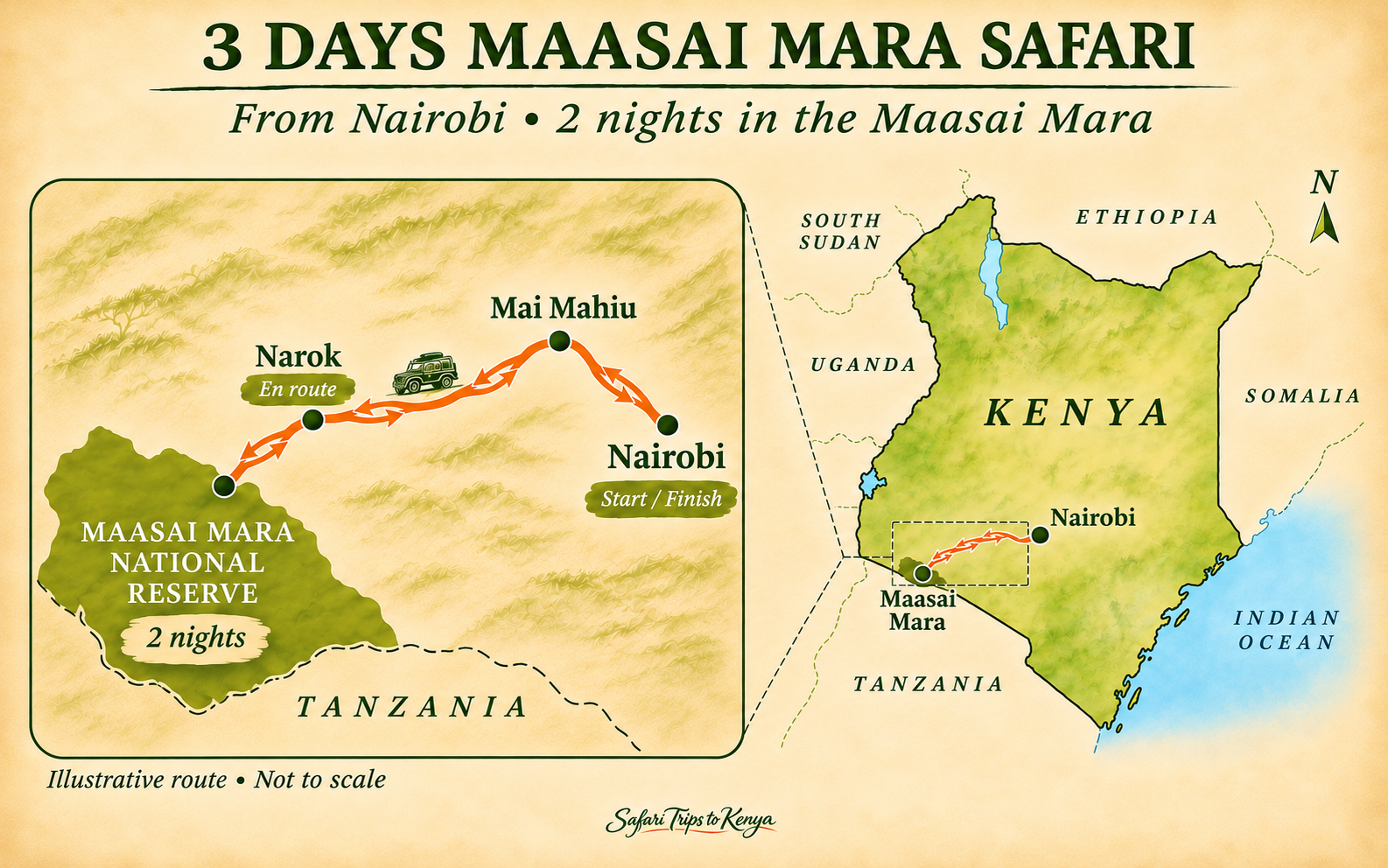
02 Itinerary
Family Migration Safari: Detailed Itinerary
-

Day 1: Arrival in Nairobi - Main destination
- Nairobi
- Meals
- Dinner
Arrive at Jomo Kenyatta International Airport.
Meet your driver and transfer to your hotel.
Rest after the journey.
Where you stay
- Essential (Budget)
- Comfort (Mid-range)
- Premium (Luxury)
- Signature (High-end)
-
Day 2: Nairobi to Masai Mara - Main destination
- Masai Mara National Reserve
- Drive time
- Nairobi to Masai Mara by road or domestic flight
- Meals
- Lunch, Dinner
Travel to the Masai Mara by road or domestic flight.
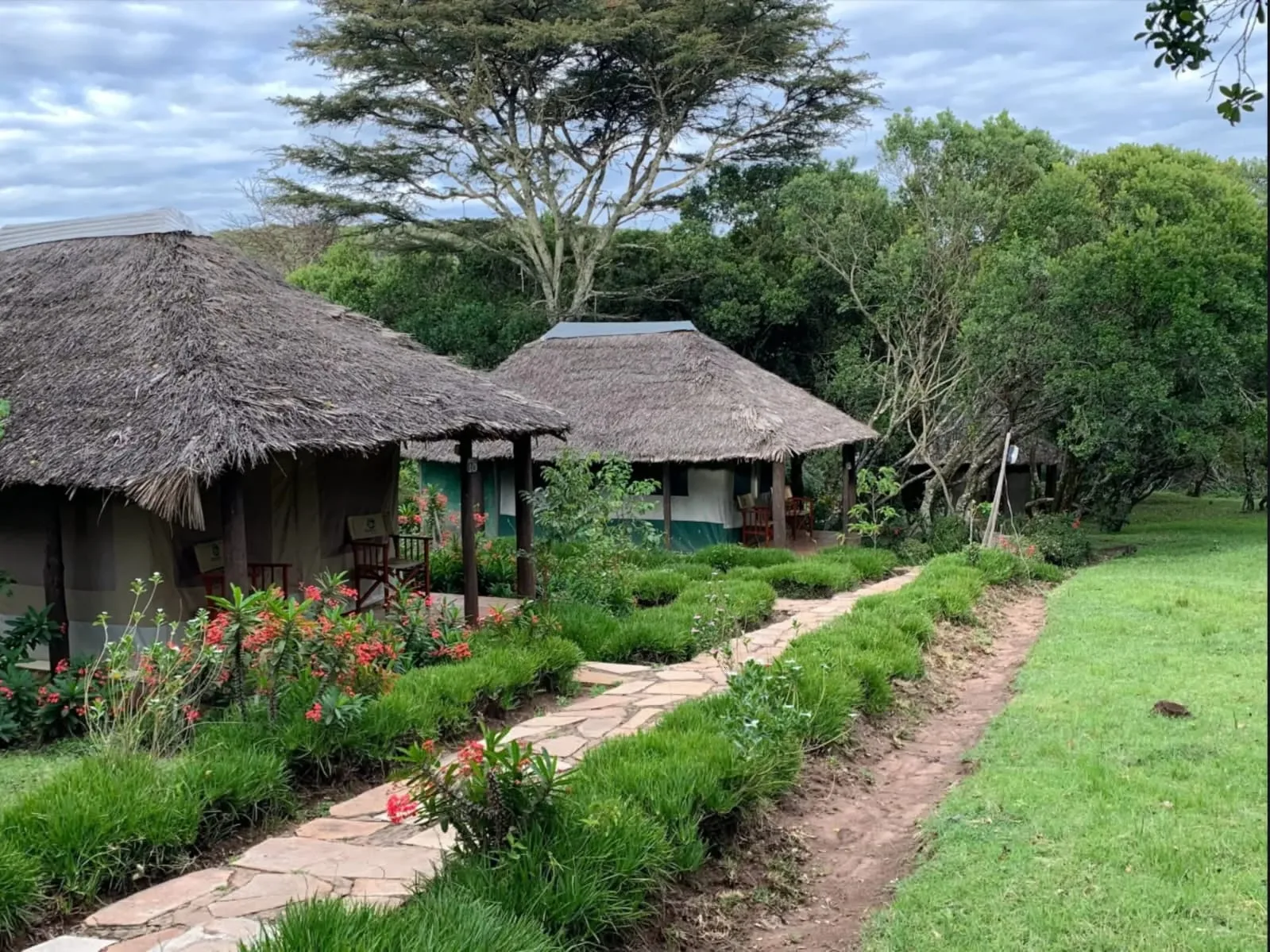
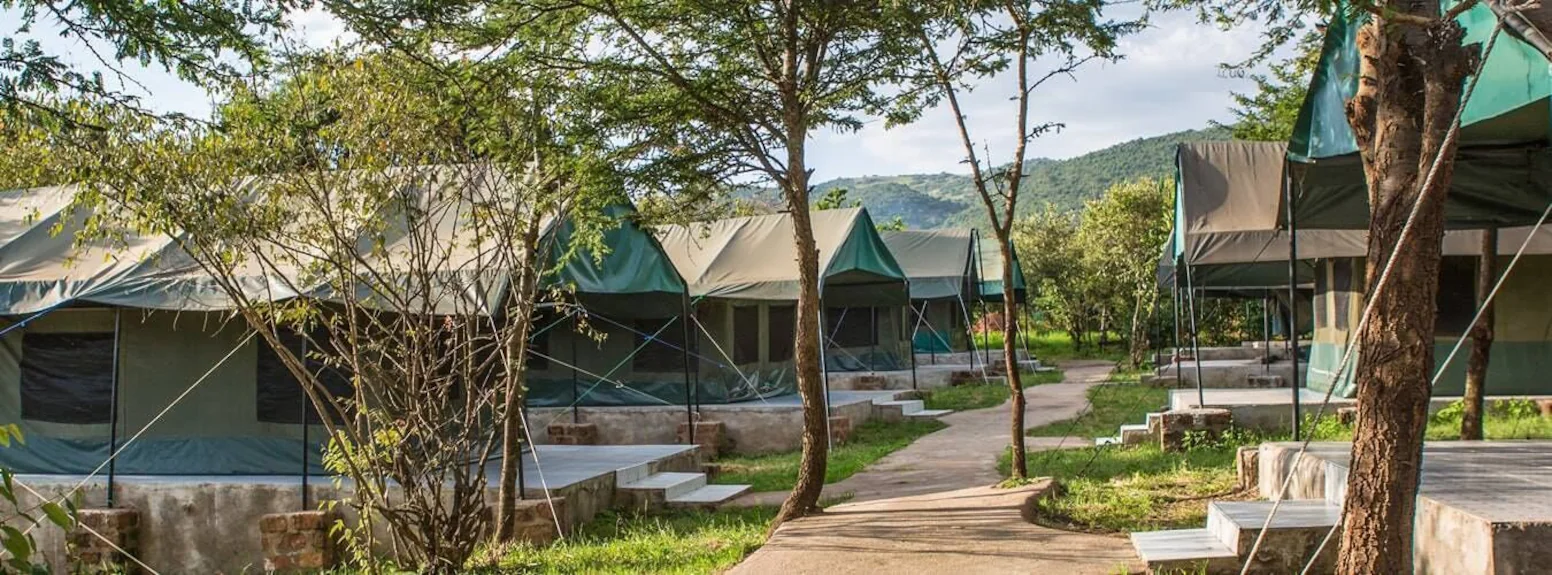
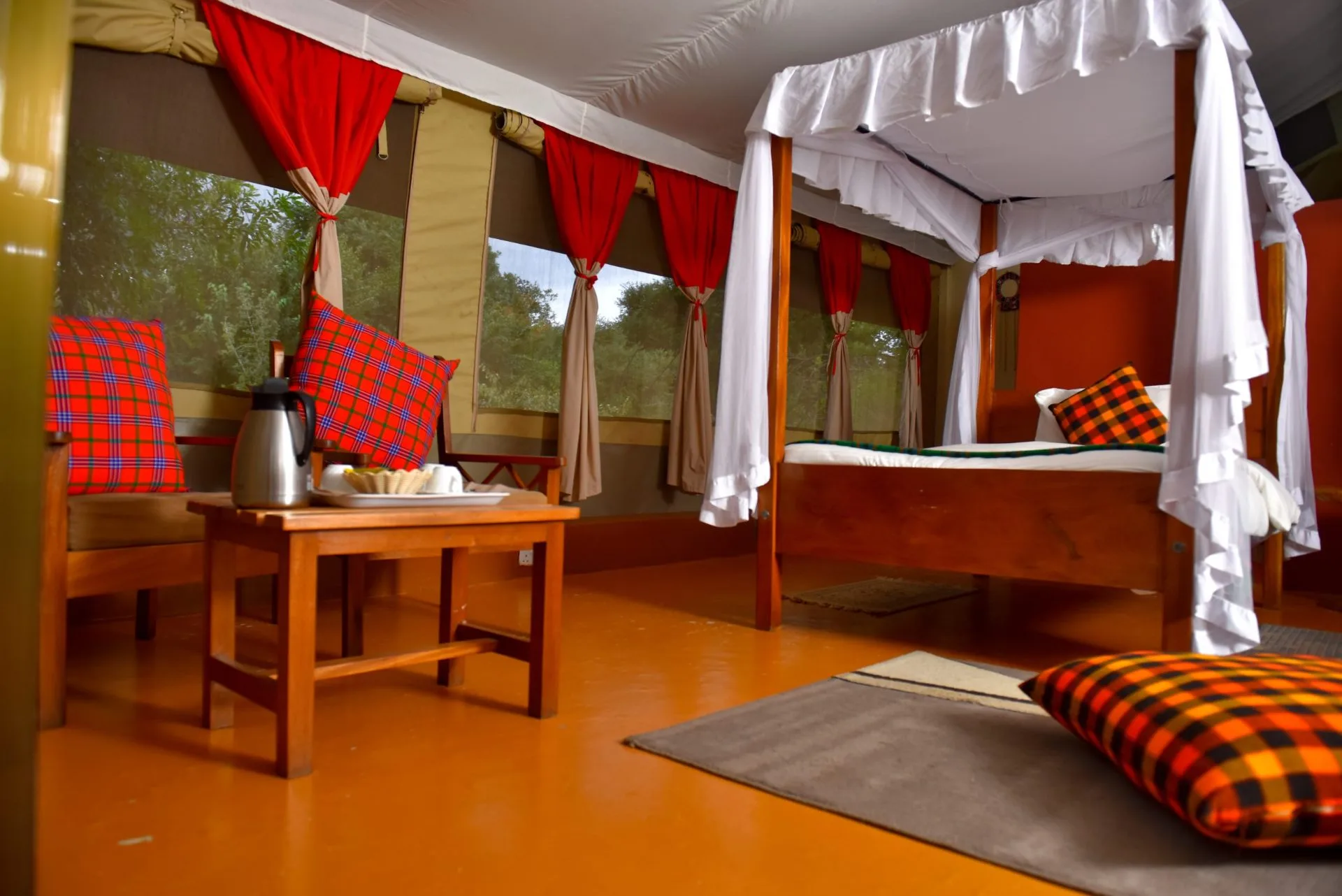
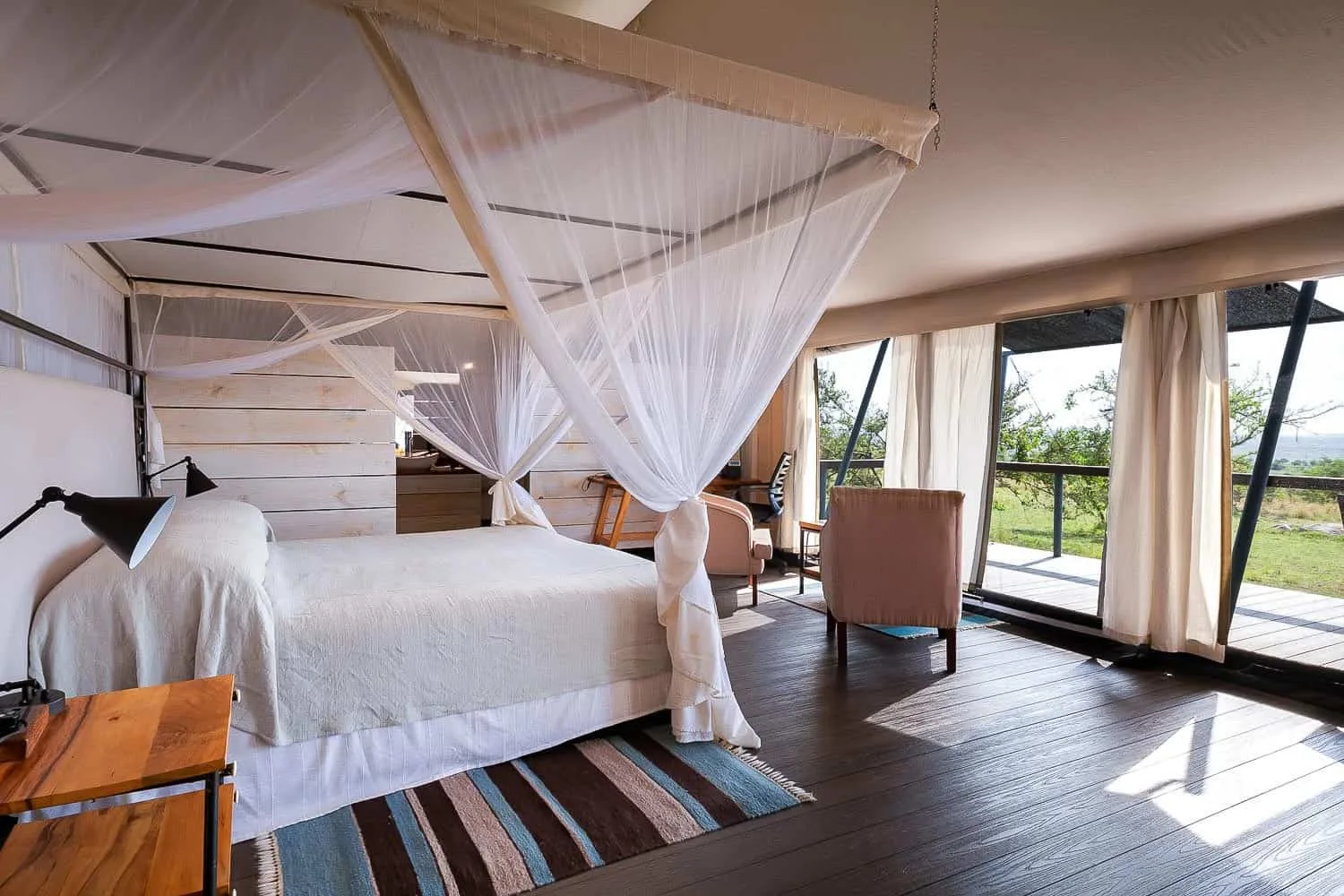
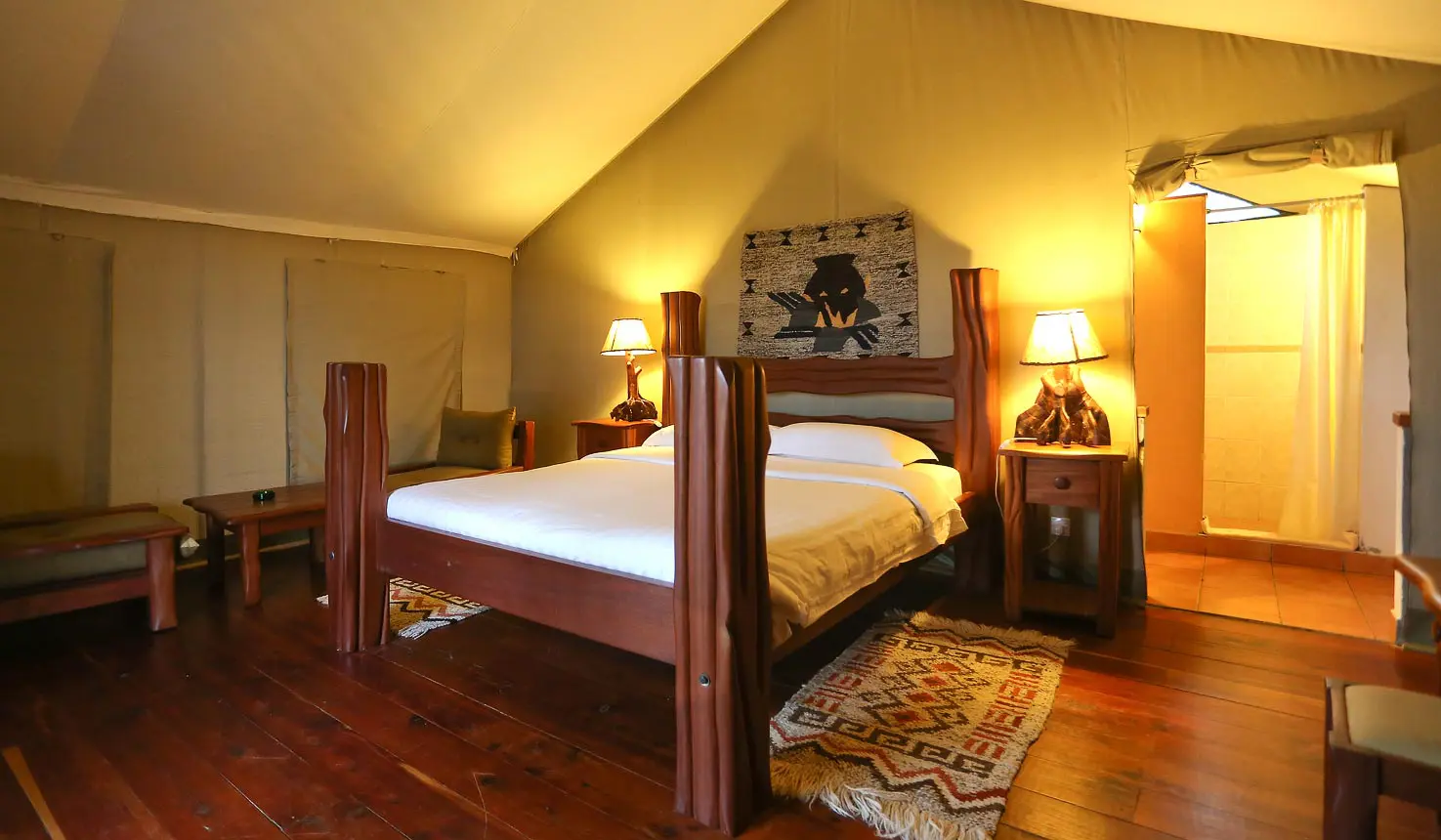
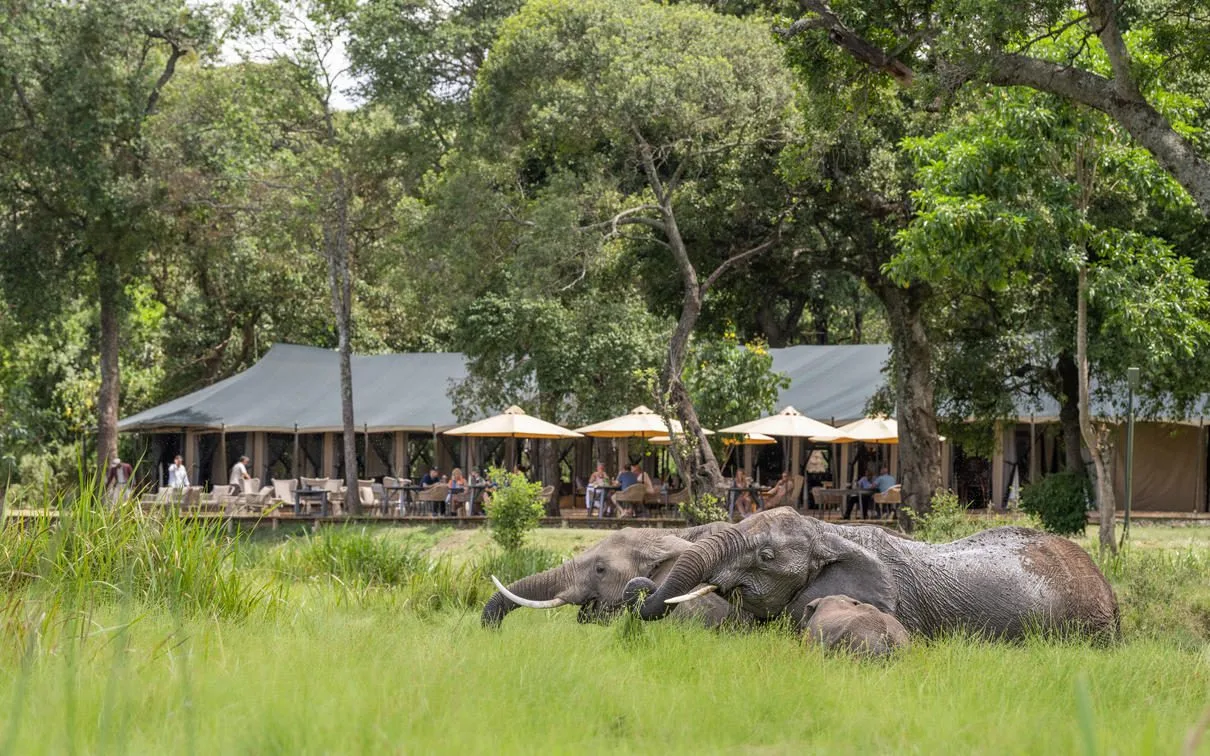
Check in at your selected family-friendly camp.
Depending on arrival time, enjoy an afternoon game drive.
Where you stay
-
Essential (Budget)
-
Comfort (Mid-range)
-
Premium (Luxury)
-
Signature (High-end)
-
Day 3: Masai Mara Migration Safari - Main destination
- Masai Mara National Reserve
- Meals
- Breakfast, Lunch, Dinner
Explore suitable areas of the reserve.
Search for migrating herds and other wildlife.
The schedule should be adapted to the family's needs.
Where you stay
-
Day 4: Masai Mara Wildlife Exploration - Main destination
- Masai Mara National Reserve
- Meals
- Breakfast, Lunch, Dinner
Enjoy another day of game drives.
The guide may explore different habitats according to wildlife movements.
A river-crossing opportunity may arise, but cannot be guaranteed.
Where you stay
-
Day 5: Return to Nairobi - Main destination
- Masai Mara National Reserve
- Drive time
- Masai Mara to Nairobi by road or domestic flight
- Meals
- Breakfast
Enjoy breakfast and depart for Nairobi.
Continue with onward travel arrangements.
Where you stay
03 Rates
Safari rates 2027-2029
Indicative per person. Season, group size and lodge style change the total — your quotation confirms current rates.
-
Essential (Budget)
Essential (Budget)
Budget camps and lodges suit travelers who prioritize wildlife while keeping costs lower.
Great value camps
-
Comfort (Mid-range)
Comfort (Mid-range)
Mid-range tented camps and lodges balance comfort and price with private rooms or tents and en-suite facilities.
Quoted for your dates
-
Premium (Luxury)
Premium (Luxury)
Luxury camps and lodges focus on location, service and more intimate wildlife experiences.
Premium camps and lodges
-
Signature (High-end)
Signature (High-end)
Signature camps and lodges are the most exclusive stays — small, highly private properties with exceptional guiding and setting.
Exclusive signature stays
04 Activities
Safari activities
Game viewing is the core of this itinerary. Optional extras are quoted separately and depend on season, permits and availability. Individual species and river crossings are never guaranteed.
-
Included
Private family migration safari with flexible game
Included in a typical day on this safari. Exact timing follows the confirmed itinerary.
-
Included
Child-focused learning
Included in a typical day on this safari. Exact timing follows the confirmed itinerary.
-
Optional
Diani Beach extension
Available at extra cost when conditions, permits and your dates allow. Not guaranteed.
Additional information
Plan This Safari
What Is the Great Wildebeest Migration?
The Great Wildebeest Migration is a large-scale seasonal movement of grazing animals through the Serengeti–Mara ecosystem of Tanzania and Kenya.
Wildebeest form the largest part of the migrating herds.
Zebras and other grazing animals may also move through the landscape.
The animals respond to changing rainfall and vegetation conditions.
They travel in search of suitable grazing and water.
Their movements are influenced by the environment rather than a fixed calendar.
Why Is the Migration Special for Families?
The migration provides an opportunity to observe animal behaviour on a remarkable scale.
Children can learn why herbivores move between habitats.
They may see how animals interact within herds.
They can also observe the relationships between predators and prey.
The experience introduces important ecological concepts in a way that books and documentaries cannot fully reproduce.
However, parents should prepare children for the realities of wildlife viewing.
Nature is unpredictable.
Animals may be difficult to locate.
Predation and other natural events can also be confronting for younger travellers.
When Does the Migration Reach Kenya?
Migration activity in the Masai Mara is generally associated with the middle and later parts of the year.
However, the exact timing varies.
Some years, herds may enter the Mara earlier.
In other years, movements may be delayed or distributed differently.
Travellers should avoid relying on a precise arrival date.
July – Early Migration Possibilities
July is often associated with the beginning of significant migration activity in the Masai Mara.
However, the number and location of animals vary.
Families travelling in July may encounter migrating herds, but no particular movement can be guaranteed.
August – Popular Migration Season
August is one of the most popular months for Masai Mara migration safaris.
Large herds may be present in suitable areas.
River crossings are possible, but unpredictable.
Because demand can be high, families should book accommodation well in advance.
September – Continued Migration Activity
September can provide opportunities to observe migration activity.
However, herd distribution depends on environmental conditions.
Families may also enjoy general wildlife viewing throughout the reserve.
October – Variable Herd Movements
Migration activity may continue into October.
However, animals may begin moving towards other parts of the ecosystem as conditions change.
Travellers should maintain flexible expectations.
Can Families See a Mara River Crossing?
A Mara River crossing is one of the migration's most dramatic events.
Wildebeest may gather near the river before attempting to cross.
However, animals can wait for hours or move away without crossing.
A crossing may occur suddenly.
It may also happen far from the vehicle's location.
No guide can guarantee a crossing.
Families should avoid building the entire holiday around one event.
Are River Crossings Suitable for Young Children?
River crossings can be intense.
Animals may struggle in the water, and crocodiles may be present.
Some scenes can be distressing.
Parents should consider their children's ages and sensitivities.
Younger children may enjoy watching herds on the grasslands more than waiting for a crossing.
A private safari vehicle allows the family to change plans if necessary.
Why a Private Family Migration Safari Is Recommended
A private safari vehicle provides flexibility.
Children may need shorter drives, snacks or rest breaks.
Parents may prefer to spend time observing giraffes or elephants rather than waiting for migration activity.
A private vehicle allows the guide to adapt the schedule.
It can also provide a more comfortable learning environment.
However, vehicle capacity and seating arrangements should be confirmed.
Choosing a Family-Friendly Migration Camp
Accommodation is one of the most important decisions.
Families should consider the camp's location, room configuration, child policies and access to game-drive areas.
Some properties offer family tents.
Others may have adjoining accommodation.
However, not all camps accept children of every age.
Parents should confirm the exact arrangements.
Staying Inside the Masai Mara National Reserve
Accommodation inside the reserve may provide convenient access to wildlife-viewing areas.
This can reduce travel time.
However, the best location depends on the intended safari route.
Families should also consider the property's facilities and child policies.
Staying in a Private Conservancy
Some private conservancies offer carefully managed wildlife experiences.
They may provide a quieter atmosphere.
However, access to the national reserve and migration-viewing areas depends on the conservancy's location and applicable rules.
Travellers should confirm whether reserve visits require additional fees.
Staying Outside the Reserve
Accommodation outside the reserve can offer good value.
However, daily transfers to entrance gates may reduce time available for wildlife viewing.
This is particularly important during migration season.
Families should compare the total itinerary rather than room prices alone.
Family Accommodation Categories
Safari Trips to Kenya offers four accommodation planning categories.
Essential focuses on practical accommodation and affordability.
Comfort provides a balance between price and convenience.
Premium offers enhanced facilities and service.
Signature focuses on high-end accommodation and personalised experiences.
Families should choose according to their budget and needs.
The most expensive camp is not necessarily the most suitable for children.
How Many Nights Should a Family Spend in the Masai Mara?
Two nights provide a short introduction.
Three nights allow more wildlife-viewing time.
Four nights are often preferable for migration-focused travel.
A longer stay provides additional opportunities to explore different areas.
However, families should also consider children's attention spans.
Best Ages for a Family Migration Safari
There is no universal minimum age for a Kenya safari.
However, individual camps and activities may have restrictions.
School-age children may enjoy wildlife observation and learning.
Teenagers may appreciate photography and more detailed discussions about ecology.
Families travelling with toddlers should carefully assess accommodation and game-drive arrangements.
How Long Should Game Drives Be?
Game-drive duration should reflect the family's needs.
Younger children may prefer shorter excursions.
Older children may enjoy full-day wildlife viewing.
However, waiting for river crossings can involve long periods of inactivity.
Parents should discuss realistic schedules with their guide.
Morning Game Drives
Early morning drives can be rewarding.
Temperatures are often cooler.
Wildlife may be active.
However, very early departures can be tiring for children.
Families should plan accordingly.
Afternoon Game Drives
Afternoon drives provide another opportunity to explore the Mara.
They may suit families who prefer a relaxed morning.
However, the schedule depends on park regulations and the camp's location.
Full-Day Migration Game Drives
A full-day drive may allow the family to explore a wider area.
A picnic lunch can be arranged.
However, the programme should include suitable breaks.
Parents should consider whether children will enjoy spending most of the day in the vehicle.
Wildlife Beyond the Migration
The Masai Mara supports numerous animals throughout the year.
Elephants, giraffes, zebras, buffaloes and antelopes are important attractions.
Lions, cheetahs and leopards also occur.
Birdwatching can be rewarding.
A family safari should celebrate these encounters rather than focusing exclusively on wildebeest.
Lions During the Migration
Lions may hunt wildebeest and other animals.
However, predation is unpredictable.
Families should understand that wildlife viewing may include natural hunting behaviour.
Parents may wish to discuss this with children before the safari.
Cheetahs in the Masai Mara
Cheetahs are among the Mara's most fascinating predators.
Their speed and hunting adaptations can provide interesting learning opportunities.
However, sightings are not guaranteed.
Elephants and Giraffes
Elephants and giraffes are often especially popular with children.
Watching elephant calves or giraffes browsing can be memorable.
These encounters can also provide opportunities to discuss animal families and feeding behaviour.
Birdwatching for Children
Birdwatching can make quieter game-drive periods more interesting.
Children may enjoy identifying colourful birds and learning their names.
Binoculars and a simple wildlife guide can help.
A knowledgeable safari guide can explain the differences between species.
Educational Activities During a Safari
A family migration safari can become an outdoor classroom.
Children can learn about migration, habitats, food chains and conservation.
They may enjoy keeping a wildlife journal.
Parents can encourage them to record animal sightings and observations.
However, learning should remain enjoyable rather than becoming a formal lesson.
Wildlife Photography for Children
Photography can help children engage with the safari.
A simple camera may be sufficient.
Encourage them to photograph landscapes, animal behaviour and interesting details.
However, safety and wildlife welfare must take priority.
Children should not lean out of vehicles or pressure guides to approach animals.
Safari Safety for Families
The Masai Mara is a wild environment.
Children must remain supervised.
They should not leave vehicles without permission.
Wild animals should never be approached or fed.
Parents should follow guide and camp instructions.
Safety Around Safari Camps
Wildlife may move near accommodation areas.
Children should not wander around independently.
Some camps require staff escorts after dark.
Families should follow all safety procedures.
Health Preparation for a Family Safari
Families should obtain appropriate travel-health advice before visiting Kenya.
Vaccination recommendations and malaria prevention depend on individual circumstances.
Parents should consult a qualified healthcare professional.
Travellers should also carry personal medication, sunscreen and suitable clothing.
What to Pack for a Family Migration Safari
Pack comfortable safari clothing, warm layers and closed shoes.
A hat and sunscreen are useful.
Binoculars can improve wildlife viewing.
Children may enjoy a notebook or wildlife guide.
Families should also carry essential medication and suitable snacks.
Road Safari Versus Fly-In Safari
A road safari allows travellers to see more of the countryside.
However, the journey from Nairobi to the Masai Mara is substantial.
A fly-in safari may reduce road travel.
This can be useful for families with limited time.
However, flights have additional costs and baggage restrictions.
Suggested 7 Days Kenya Family Migration Safari
Day 1: Nairobi Arrival
Arrive and transfer to your hotel.
Day 2: Nairobi to Lake Naivasha
Travel to Lake Naivasha.
Enjoy a relaxed afternoon.
Day 3: Lake Naivasha Activities
Consider a suitable boat excursion or another family activity.
Day 4: Lake Naivasha to Masai Mara
Travel to the Masai Mara.
Check in at your camp.
Day 5: Masai Mara Migration Safari
Explore the reserve in search of wildlife.
Day 6: Masai Mara Wildlife Safari
Enjoy another day of game drives.
Day 7: Return to Nairobi
Travel back to Nairobi for departure.
Combining the Migration with Diani Beach
A family migration safari can be followed by a beach holiday.
Diani Beach is one of Kenya's popular coastal destinations.
The combination provides wildlife viewing and relaxation.
However, transfers should be planned carefully.
Domestic flights may reduce travel time.
How Much Does a Family Migration Safari Cost?
The total price depends on travel dates, accommodation category, number of travellers and transport.
Migration season can be a period of high demand.
Family room availability may be limited.
Children's rates vary by property and age.
A quotation should clearly identify accommodation, meals, park fees and game drives.
When Should Families Book?
Families travelling during popular school holidays should book early.
Suitable family tents may have limited availability.
Booking in advance can provide more accommodation choices.
However, reservations should only be considered confirmed when the operator has provided the appropriate confirmation.
Common Family Migration Safari Mistakes
One mistake is expecting a river crossing on a specific day.
Another is booking accommodation without checking its location.
Families may also plan game drives that are too long for younger children.
A well-paced safari provides more enjoyable experiences.
Responsible Migration Tourism
The migration attracts large numbers of visitors.
Vehicles should follow park regulations.
Animals should not be blocked or chased.
Drivers must avoid interfering with river crossings.
Families can use the experience to teach children about respectful wildlife observation.
Plan Your Family Migration Safari with Safari Trips to Kenya
A family migration safari in Kenya offers an extraordinary opportunity to explore the Masai Mara together.
The experience is about more than river crossings. It is about discovering wildlife, understanding nature and creating shared memories.
With suitable accommodation, a private safari vehicle and a flexible itinerary, families can enjoy the migration season at a pace that works for everyone.
Safari Trips to Kenya can arrange personalised family migration safaris with Essential, Comfort, Premium or Signature accommodation.
Contact Safari Trips to Kenya with your travel dates, children's ages, number of travellers and preferred accommodation category to request a customised family migration safari proposal.
Planning Questions
Frequently Asked Questions
When is the best time for a family migration safari in Kenya?
July to October is commonly associated with migration activity in the Masai Mara, although timing varies.
Can children see the Great Migration?
Yes. Children can participate in suitable game drives, subject to accommodation and activity policies.
Are river crossings guaranteed?
No. Crossings are unpredictable.
Is a private safari better for families?
A private vehicle often provides useful flexibility.
How many nights should we spend in the Masai Mara?
Three or four nights are suitable for many migration-focused family itineraries.
Are family tents available?
Some camps offer family accommodation, subject to availability.
Can toddlers join a migration safari?
Some properties accept young children, but policies vary.
Can we combine the migration with a beach holiday?
Yes. Diani Beach is a popular extension.
What other wildlife can children see?
Potential sightings include elephants, giraffes, zebras, lions, cheetahs and numerous birds.
How far in advance should we book?
Early booking is advisable for popular travel periods, particularly when family accommodation is required.
05 Request Quote
Request Quote
Tell us your dates, group size, and preferred lodge style — we will send a tailored quote for this safari.
Want to extend your safari?
Add Amboseli, Diani Beach, Tanzania and Zanzibar, or gorilla trekking in Uganda or Rwanda — we tailor the journey to your dates.