
14 DAYS / 13 NIGHTS
14 Days Grand Kenya Safari
Explore Kenya on a 14 Days Grand Kenya Safari featuring Amboseli, Samburu, Ol Pejeta, Lake Nakuru, Lake Naivasha and the Masai Mara.
- Wildlife SafariPrivate Journey
- Private Safari4x4 Vehicle
- Expert GuideEnglish Speaking
- All MealsBreakfast, Lunch, Dinner
- 24/7 SupportWe're here to help
01 Overview
Safari Overview
- Duration14 days / 13 nights
- DestinationKenya
- Starts / endsNairobi
- Safari stylePrivate safari
- AccommodationEssential · Comfort · Premium · Signature
- Best forWildlife viewing, photography
14 Days Grand Kenya Safari
A 14 Days Grand Kenya Safari is designed for travelers who want considerably more than a quick introduction to Kenya. Over two rewarding weeks, the journey can connect some of the country's most distinctive safari landscapes, allowing enough time to appreciate how dramatically Kenya changes as you travel from one ecosystem to another.
Rather than concentrating the entire holiday around one or two parks, this grand safari explores a broader cross-section of Kenya. The journey combines the elephant country beneath Mount Kilimanjaro, the dramatic northern landscapes of Samburu, important rhino conservation areas, the Rift Valley lakes and the predator-rich plains of the Masai Mara. This diversity is precisely what makes a two-week itinerary so rewarding.
One morning you may be watching elephants crossing the open Amboseli plains with Kilimanjaro rising behind them. Several days later, you could be searching the dry river country of Samburu for Grevy's zebra, reticulated giraffe and gerenuk. The journey then changes character again as you encounter rhinos in central Kenya, flamingos and other waterbirds in the Rift Valley, and finally the enormous grasslands of the Masai Mara, where lions, cheetahs, leopards, elephants, buffaloes and vast concentrations of plains game create some of Africa's most celebrated wildlife encounters.
The 14 Days Grand Kenya Safari is therefore particularly suitable for first-time visitors who want to experience Kenya comprehensively, returning safari travelers looking for a more varied itinerary, photographers, wildlife enthusiasts, couples, families and private groups. It can be operated with carefully selected budget, mid-range, luxury or high-end accommodation, while the core emphasis remains the same: wildlife, landscapes, conservation, comfortable pacing and meaningful time inside Kenya's major safari regions.
14 Days Grand Kenya Safari at a Glance
A well-balanced grand Kenya safari may follow this route:
- Day 1: Arrival in Nairobi
- Day 2: Nairobi – Amboseli National Park
- Day 3: Full-Day Amboseli Safari
- Day 4: Amboseli – Nairobi/Central Kenya
- Day 5: Central Kenya – Samburu National Reserve
- Day 6: Full-Day Samburu Safari
- Day 7: Samburu – Ol Pejeta Conservancy
- Day 8: Ol Pejeta – Lake Nakuru National Park
- Day 9: Lake Nakuru – Lake Naivasha
- Day 10: Lake Naivasha – Masai Mara National Reserve
- Day 11: Full-Day Masai Mara Safari
- Day 12: Full-Day Masai Mara Safari
- Day 13: Masai Mara – Nairobi
- Day 14: Nairobi – Departure
The exact routing, accommodation and activities can be customized according to your travel dates, preferred safari style, flight schedule, budget and wildlife interests.
Why Choose a 14-Day Grand Kenya Safari?
Kenya is geographically diverse, and many of its wildlife regions are separated by significant distances. Short safaris inevitably require choices. A three- or four-day safari may concentrate almost entirely on the Masai Mara, while a one-week itinerary normally combines only a handful of destinations. Fourteen days changes what is possible.
With almost two weeks available, the itinerary can include both Kenya's famous southern safari circuit and distinctive northern or central wildlife regions without turning every day into a transfer day. This makes the safari feel like a genuine journey across Kenya rather than a succession of hurried park visits.
You have time to search for wildlife rather than simply ticking destinations off a list. There are opportunities for early-morning and late-afternoon game drives, slower wildlife observation, photography, birdwatching, conservation experiences and occasional periods of relaxation between major safari sectors. Most importantly, the itinerary exposes you to several completely different ecological environments.
Itinerary
- Day 1:Arrival in Nairobi, welcome to Kenya
- Day 2:Nairobi to Amboseli, into Elephant Country
- Day 3:Safari in Amboseli
- Day 4:Amboseli to Nairobi or Central Kenya, changing Landscapes
- Day 5:Central Kenya to Samburu
- Day 6:Samburu Wildlife Safari
- Day 7:Samburu to Ol Pejeta
- Day 8:Ol Pejeta to Lake Nakuru
- Day 9:Lake Nakuru to Lake Naivasha
- Day 10:Lake Naivasha to Masai Mara
- Day 11:Masai Mara Safari – Big Cats and Open Plains
- Day 12:Second Full Day in the Masai Mara, deeper Exploration
- Day 13:Masai Mara to Nairobi
- Day 14:Nairobi, departure
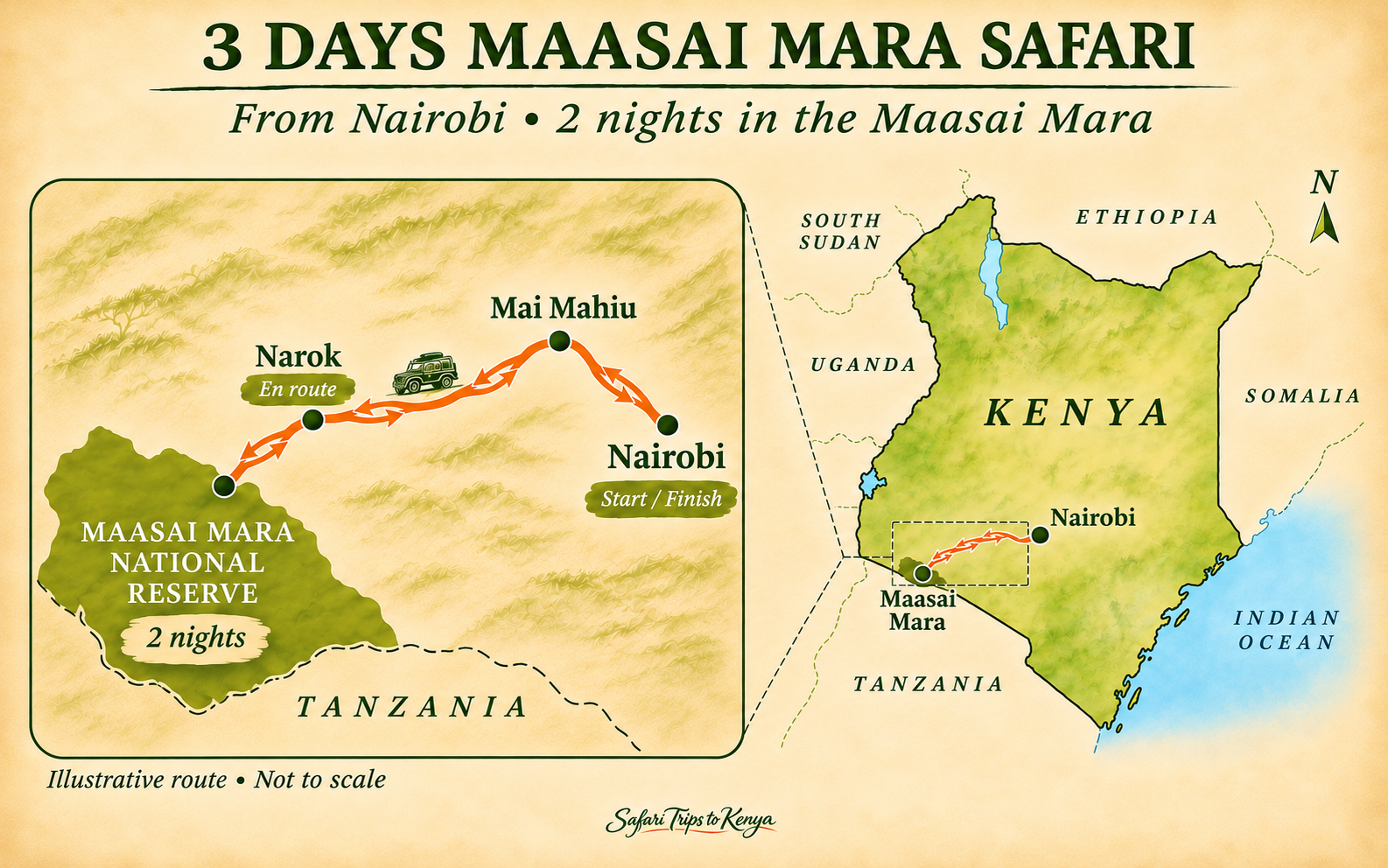
02 Itinerary
14 Days Grand Kenya Safari: Detailed Itinerary

Day 1: Arrival in Nairobi – Welcome to Kenya - Main destination
- Masai Mara National Reserve
- Drive time
- Road transfer as outlined in the itinerary
- Meals
- Lunch, Dinner
Your 14 Days Grand Kenya Safari begins when you arrive at Jomo Kenyatta International Airport in Nairobi. After completing immigration procedures and collecting your luggage, you will meet your safari representative or driver-guide in the arrivals area. Following a warm welcome to Kenya, you will be transferred to your selected Nairobi hotel.
Depending on your international flight schedule, the remainder of the day can be devoted to resting after your journey. Travelers arriving early may also choose to explore some of Nairobi's attractions, although keeping the first day relatively relaxed is often advisable before beginning the overland safari. Your guide can brief you about the journey ahead, including expected driving times, wildlife-viewing routines, park regulations, weather conditions and any optional experiences you may wish to incorporate.
Nairobi is one of Africa's most important transport hubs, but it is also unusual because significant wildlife areas exist surprisingly close to the city. It provides an appropriate gateway to the enormous ecological diversity that will unfold over the next two weeks.
- Destination: Nairobi
- Main Experience: Arrival and safari briefing
- Accommodation: Nairobi hotel
- Meals: Depending on arrival time and selected accommodation package
Where you stay
- Essential (Budget)
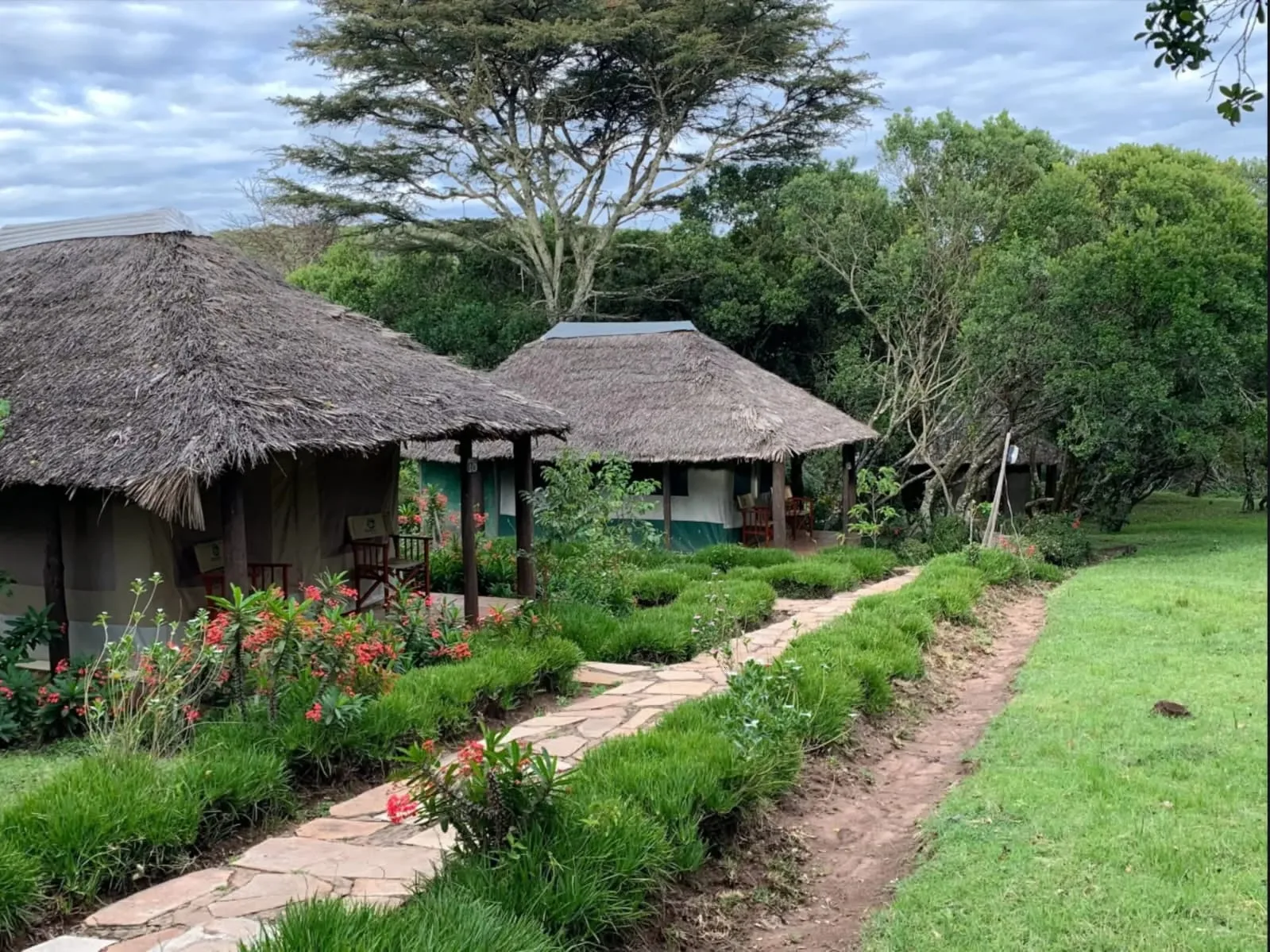
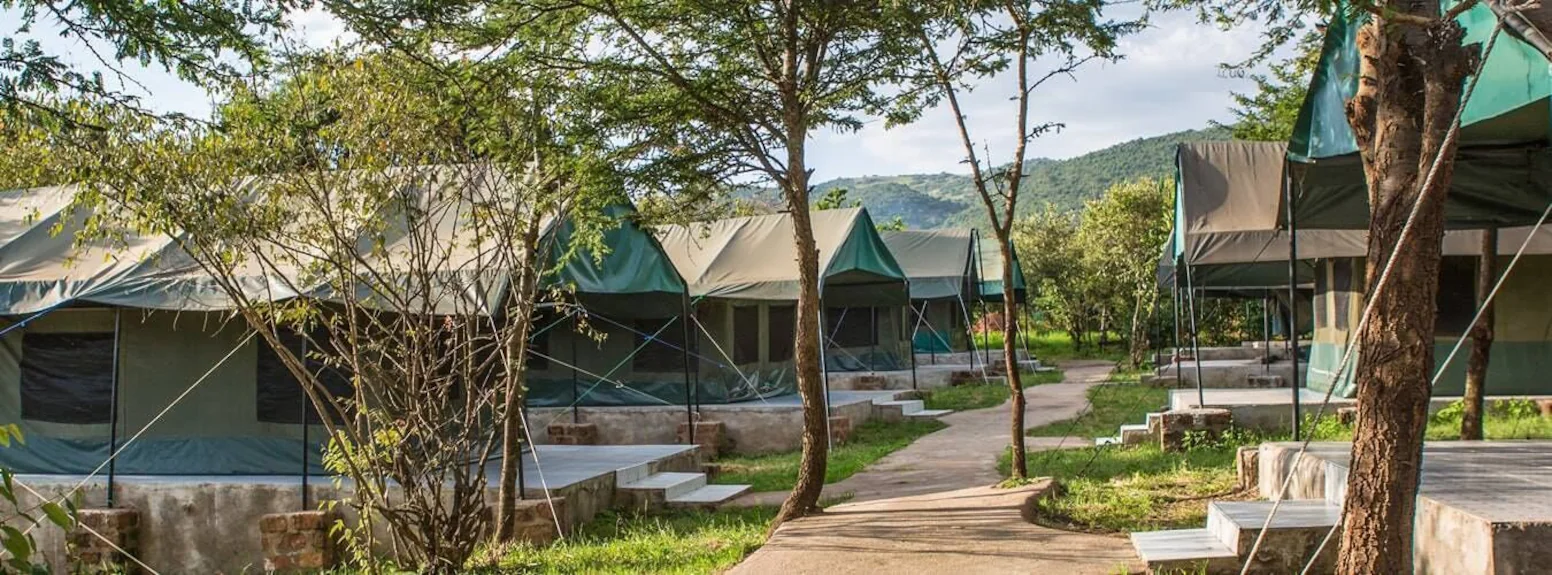
- Comfort (Mid-range)
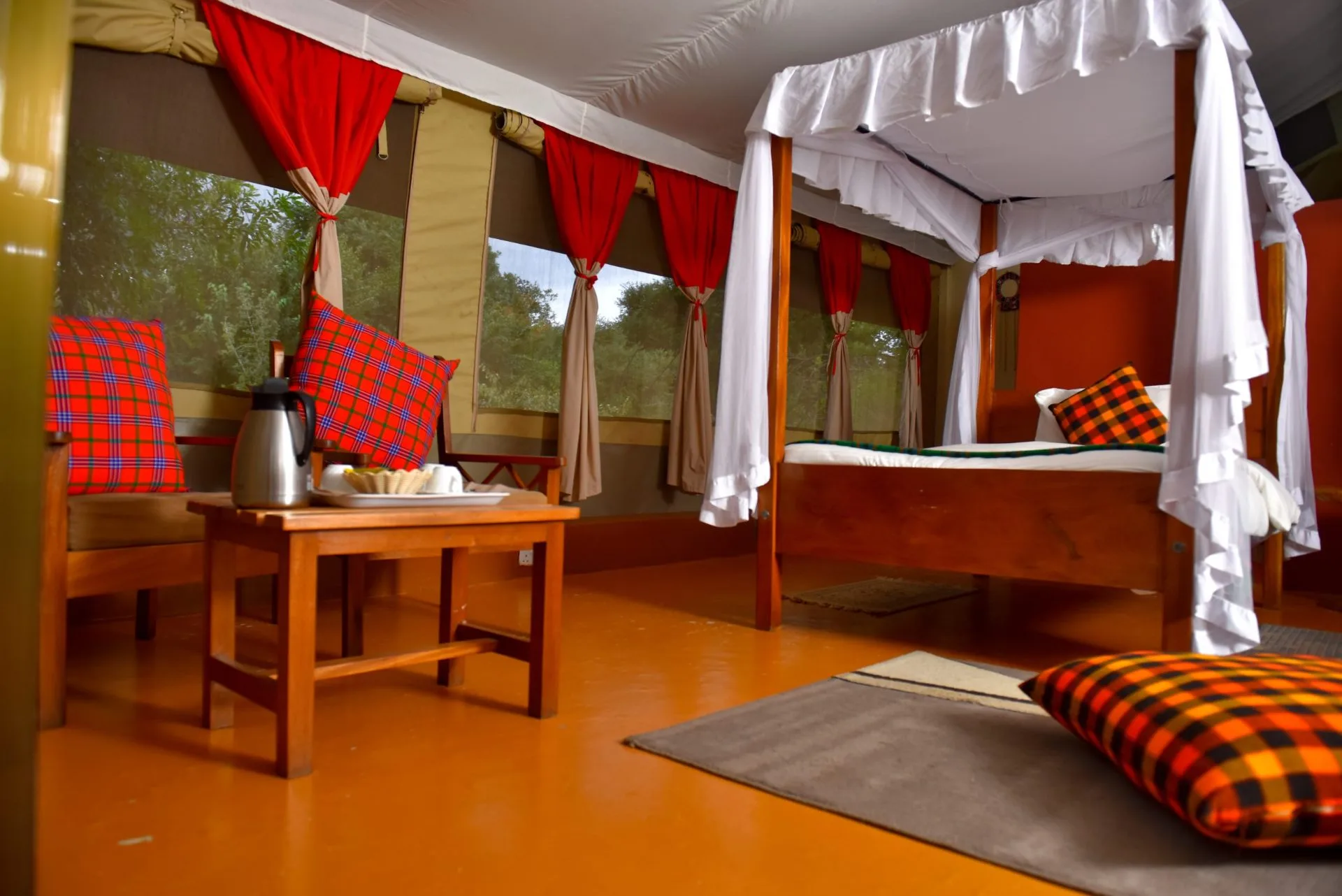
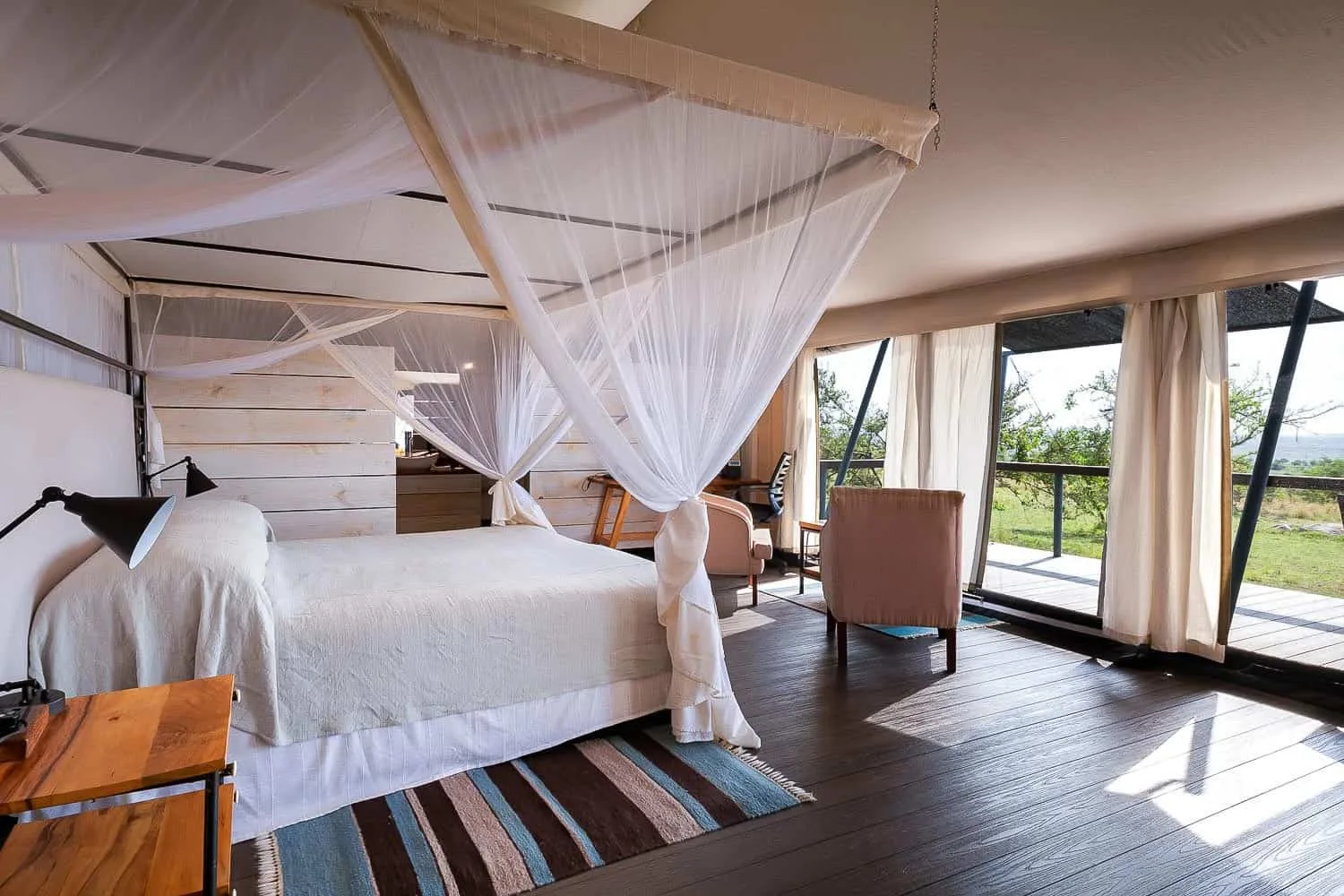
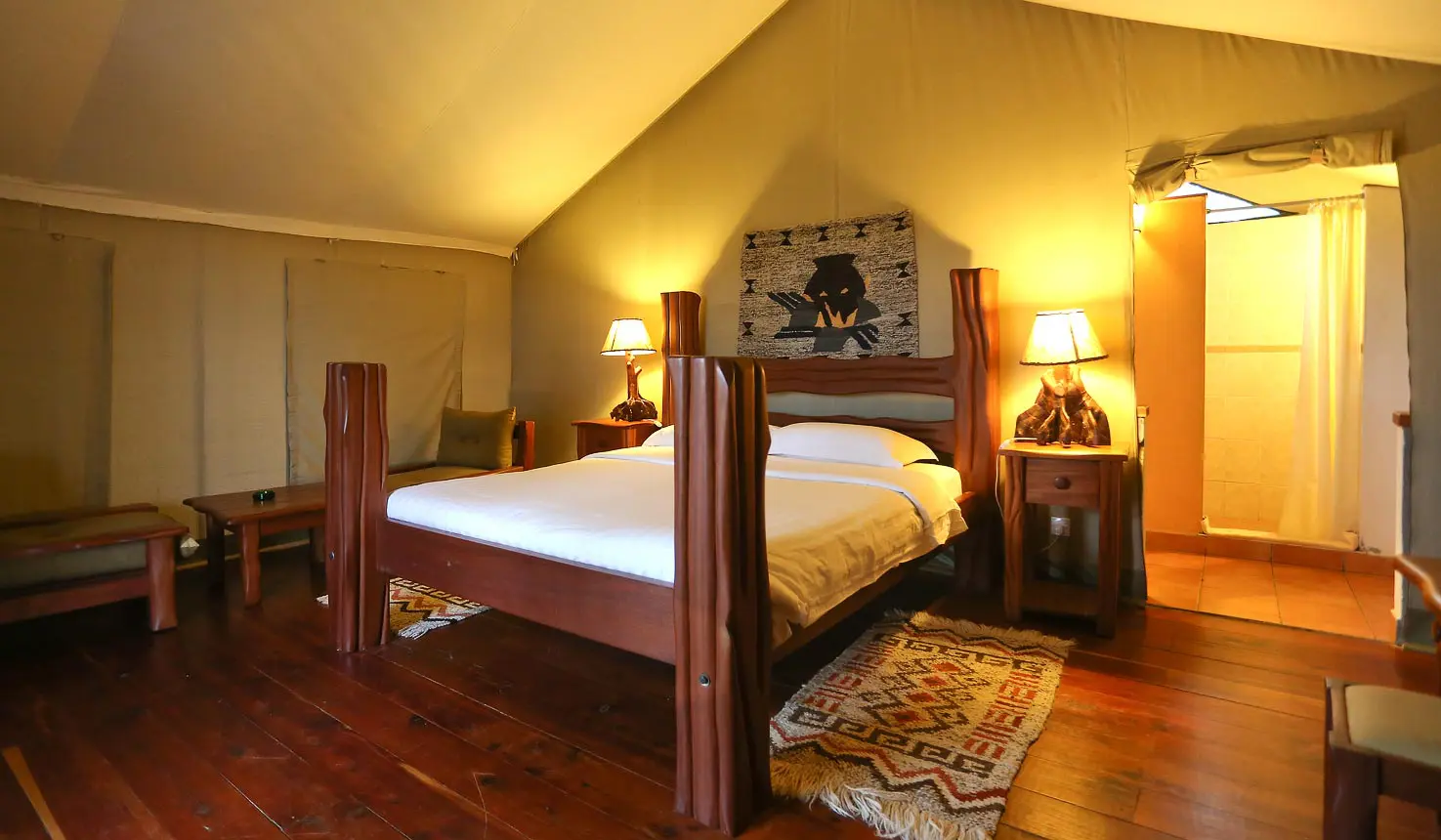
- Premium (Luxury)
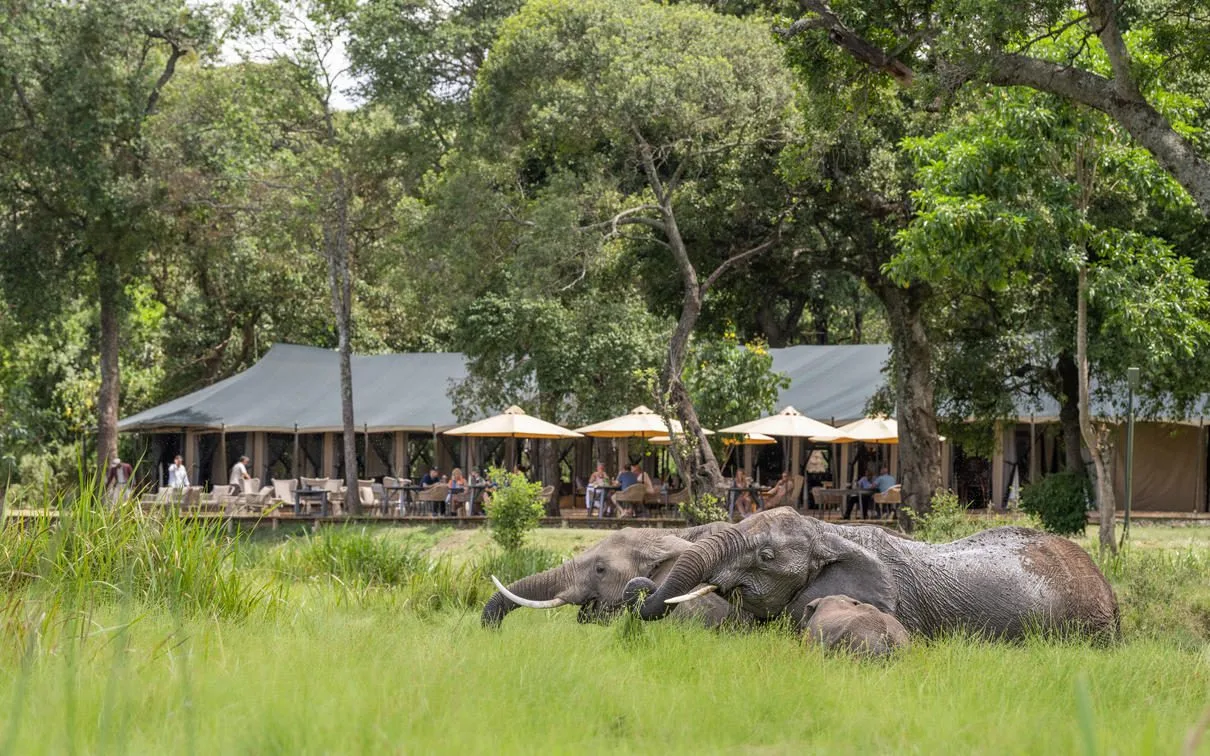
- Signature (High-end)
Day 2: Nairobi to Amboseli National Park – Into Elephant Country - Main destination
- Masai Mara National Reserve
- Meals
- Breakfast, Lunch, Dinner
After breakfast, meet your safari driver-guide and depart Nairobi for Amboseli National Park, beginning the wildlife portion of your grand Kenya journey. The drive gradually leaves the urban environment behind as the scenery becomes increasingly rural and expansive. Amboseli lies close to the Kenya–Tanzania border and is internationally famous for its elephants and extraordinary views toward Mount Kilimanjaro, Africa's highest mountain.
After arriving in the Amboseli region, proceed to your lodge or tented camp for check-in and lunch, depending on your arrival time. Later in the afternoon, head into the park for your first proper game drive. The first encounter with Amboseli can be unforgettable. The landscape is broad and open, while seasonal wetlands and permanent underground water sources attract surprisingly high concentrations of wildlife.
Elephants are the stars of Amboseli. Large family herds regularly move between feeding areas and swamps, and patient observation can reveal complex interactions between mothers, calves, juveniles and older animals. Other wildlife may include buffaloes, zebras, wildebeest, giraffes, gazelles, warthogs, hippos, spotted hyenas, jackals and numerous bird species. If the weather is clear, late afternoon may also reveal Kilimanjaro above the plains. Return to your accommodation as evening approaches.
- Destination: Amboseli National Park
- Main Experiences: Scenic transfer, afternoon game drive, elephants, Kilimanjaro views
- Accommodation: Safari lodge or tented camp in the Amboseli area
- Meals: Breakfast, lunch and dinner depending on package
Where you stay
Day 3: Full-Day Safari in Amboseli National Park - Main destination
- Masai Mara National Reserve
- Meals
- Breakfast, Lunch, Dinner
Wake early for one of the most anticipated mornings of the safari. Mount Kilimanjaro is frequently clearest during the early morning before clouds develop around its summit. When conditions cooperate, the combination of elephants, golden savannah and the snow-capped mountain creates one of East Africa's most iconic safari scenes, although mountain visibility can never be guaranteed.
Your day can be arranged around morning and afternoon game drives or an extended wildlife-viewing excursion. Amboseli's compact size allows you to explore several habitats without excessively long drives.
The park's wetlands are particularly productive. Water originating from Kilimanjaro filters underground before resurfacing in the Amboseli ecosystem, supporting marshes that remain important even when surrounding areas become dry. These wetlands attract elephants, hippos, buffaloes and waterbirds, while the open plains are good areas for spotting zebras, wildebeest, gazelles and predators. Lions are regularly encountered, while cheetahs, spotted hyenas and other carnivores may also be seen.
Bird enthusiasts should watch for raptors, herons, egrets, pelicans, kingfishers and many dry-country species. Another highlight can be a visit to Observation Hill, where elevated views reveal the relationship between Amboseli's wetlands, plains and surrounding landscapes. After an extensive day of wildlife viewing, return to your lodge or camp for dinner and overnight.
Where you stay
Day 4: Amboseli to Nairobi or Central Kenya – Changing Landscapes - Main destination
- Masai Mara National Reserve
- Meals
- Breakfast, Lunch, Dinner
Enjoy a final morning in the Amboseli ecosystem before beginning the journey northward. Depending on the final routing, you may have a short early game drive before breakfast or depart after breakfast. Today's transfer serves an important purpose within the grand itinerary: it breaks the journey between southern Kenya and the northern safari circuit into a more comfortable progression.
As you travel away from Amboseli, the landscape changes significantly. The distant outline of Kilimanjaro disappears, the semi-arid southern plains give way to more populated agricultural areas, and eventually you approach Nairobi and Kenya's central highlands.
Depending on the customized itinerary, your overnight stop may be in Nairobi or farther into central Kenya to position you conveniently for the next day's journey toward Samburu. The afternoon or evening is generally quieter, providing time to relax after several days of early safari starts.
- Main Experience: Scenic cross-country transfer
- Accommodation: Nairobi or central Kenya
- Meals: Breakfast and other meals according to package
Northern Kenya Safari Experience
Where you stay
Day 5: Central Kenya to Samburu National Reserve - Main destination
- Masai Mara National Reserve
- Meals
- Breakfast, Lunch, Dinner
After breakfast, continue north toward Samburu National Reserve. This section of the journey demonstrates why a 14-day itinerary offers such an advantage. You are no longer seeing variations of the same savannah ecosystem; you are entering a noticeably different part of Kenya. The route may pass through the fertile central highlands before descending toward the warmer and considerably drier northern region.
Samburu's landscape is characterized by rugged hills, open scrub, doum palms and the life-giving Ewaso Nyiro River. After arriving at your lodge or tented camp, enjoy lunch and some rest before heading out for an afternoon game drive. Wildlife often concentrates around the river and nearby vegetation.
Samburu is particularly famous for species that are uncommon or absent from many southern Kenyan parks. These northern specialties are sometimes collectively described as the Samburu Special Five: Grevy's zebra, Reticulated giraffe, Beisa oryx, Gerenuk, Somali ostrich.
Finding these animals creates a completely different safari experience from Amboseli. Elephants are also frequently encountered, while predators may include lions, leopards and cheetahs. Return to your accommodation around sunset.
Where you stay
Day 6: Full-Day Samburu Wildlife Safari - Main destination
- Masai Mara National Reserve
- Meals
- Breakfast, Lunch, Dinner
Spend the day exploring the wider Samburu ecosystem. Early morning is particularly productive because wildlife is active before temperatures rise. Your guide will use knowledge of recent sightings, animal behavior and local conditions to determine the most productive areas.
Follow the Ewaso Nyiro River, search the dry bush for gerenuk standing on their hind legs to browse, watch elegant reticulated giraffes moving between acacia trees and look for Grevy's zebras with their narrow stripes and large rounded ears. Samburu also offers excellent elephant viewing, and families often travel along established routes toward the river, where they drink, bathe and interact.
Predator sightings can be particularly rewarding because the open terrain and riverine vegetation provide habitat for lions and leopards, and cheetahs may also be found in suitable open areas. Birdlife is another major attraction. The transition between riverine habitat and semi-arid country creates opportunities to observe a wide variety of species.
Between game drives, return to your lodge or camp for meals and relaxation, or spend a longer period in the reserve when wildlife activity makes this worthwhile. The slower pace of a full day gives you the freedom to stay with interesting sightings rather than constantly moving toward the next destination.
Rhino Conservation and Central Kenya
Where you stay
Day 7: Samburu to Ol Pejeta Conservancy - Main destination
- Masai Mara National Reserve
- Meals
- Breakfast, Lunch, Dinner
After breakfast, leave Samburu and travel south toward Ol Pejeta Conservancy in the Laikipia region. The environmental change is again striking. From the hotter, drier northern country, you return toward Kenya's cooler central highlands, where the landscapes around Mount Kenya and Laikipia support important wildlife populations and conservation projects.
Ol Pejeta is particularly significant for rhinoceros conservation. Depending on your arrival time, enjoy lunch before beginning an afternoon game drive. Here, the safari focus expands beyond simply spotting animals. Ol Pejeta provides an opportunity to understand some of the conservation challenges affecting Kenya's wildlife and the intensive measures required to protect threatened species.
Both black and white rhinos can occur within the conservancy, and you may also encounter elephants, buffaloes, zebras, giraffes, antelopes and predators. Where included and operationally available, conservation-related visits can be incorporated into the day. Spend the evening at your selected accommodation within or near the conservancy.
Where you stay
Day 8: Ol Pejeta to Lake Nakuru National Park - Main destination
- Masai Mara National Reserve
- Meals
- Breakfast, Lunch, Dinner
After breakfast, depart the Laikipia region and continue toward the Great Rift Valley. Your destination is Lake Nakuru National Park, one of Kenya's most accessible wildlife parks and another important rhinoceros habitat. The Rift Valley introduces another distinct landscape to the journey.
Lake Nakuru itself forms the ecological centerpiece of the park, but surrounding woodland, grassland and rocky escarpments create habitats for many other animals. After arrival and lunch, depending on timing, begin an afternoon game drive. Lake Nakuru has historically been associated with flamingos, although bird concentrations fluctuate according to water levels and ecological conditions. The lake and surrounding wetlands nevertheless remain valuable for waterbirds.
Wildlife viewing may reveal white rhinos, black rhinos, buffaloes, giraffes, zebras, baboons, warthogs and various antelope species. Leopards occur within the park and are occasionally observed resting in trees or moving through woodland, although sightings can never be guaranteed. The compact nature of Lake Nakuru allows you to explore several habitats during a relatively short game drive. Return to your lodge for dinner and overnight.
Rift Valley Lakes
Where you stay
Day 9: Lake Nakuru to Lake Naivasha - Main destination
- Masai Mara National Reserve
- Meals
- Breakfast, Lunch, Dinner
Begin the morning with breakfast and, depending on the previous day's sightings and timing, possibly another wildlife drive before leaving Lake Nakuru. Continue through the Rift Valley toward Lake Naivasha, which offers a refreshing change from traditional vehicle-based safari experiences.
The freshwater lake supports substantial birdlife and a healthy hippopotamus population. Its shoreline and surrounding conservancies also provide opportunities for activities that complement conventional game drives. A boat excursion is one of the most popular experiences, and from the water you may see hippos, African fish eagles, kingfishers, cormorants, pelicans and numerous other birds. Depending on the itinerary and available time, additional activities around Naivasha can be arranged.
This is also a valuable relaxation point before entering the Masai Mara. After several days of overland travel and wildlife drives, the lakeside environment allows you to slow the pace before the safari's grand finale. Spend the night at a lodge or camp in the Lake Naivasha area.
The Masai Mara – Grand Finale of Your Kenya Safari
Where you stay
Day 10: Lake Naivasha to Masai Mara National Reserve - Main destination
- Masai Mara National Reserve
- Meals
- Breakfast, Lunch, Dinner
After breakfast, leave Lake Naivasha and begin the journey toward the legendary Masai Mara National Reserve. The route gradually crosses the Rift Valley landscape before approaching the vast grasslands of southwestern Kenya. The anticipation tends to build as you approach the Mara because this is one of the world's most celebrated wildlife destinations.
Depending on road conditions, routing and your accommodation location, arrive in time for lunch or later in the afternoon. After checking in, embark on your first Masai Mara game drive when time permits. The abundance of plains game can be immediately apparent. Zebras, wildebeest, impalas, Thomson's gazelles, topis and other herbivores inhabit the grasslands, creating a prey base capable of supporting a remarkable predator population.
Lions are particularly prominent, cheetahs favor the more open plains, while leopards tend to use riverine woodland and areas offering greater cover. Elephants, buffaloes, giraffes, hyenas, jackals and many other species contribute to the extraordinary biodiversity. Your first sunset over the Mara provides an unforgettable introduction to the final major destination of your 14 Days Grand Kenya Safari.
Where you stay
Day 11: Full-Day Masai Mara Safari – Big Cats and Open Plains - Main destination
- Masai Mara National Reserve
- Meals
- Breakfast, Lunch, Dinner
Wake early and head into the Masai Mara when wildlife activity is often at its peak. The cooler morning temperatures encourage predators and prey to remain active. Your guide may follow fresh tracks, investigate alarm calls, communicate with other professional guides and use knowledge of animal territories to locate wildlife.
The Masai Mara is famous for big cats. Lion prides may be seen resting after a night of hunting, moving across their territories or interacting with cubs. Cheetahs use elevated ground and termite mounds to scan the plains for potential prey, while leopards are more elusive but can sometimes be found along river systems and wooded drainage lines.
The day is not solely about predators. Elephant families, buffalo herds, giraffes, hippos, crocodiles and enormous numbers of antelopes create a continuously changing wildlife spectacle.
You may choose a full-day excursion with a packed lunch, particularly if your guide recommends exploring distant sectors of the ecosystem. Alternatively, morning and afternoon drives can be arranged with a return to camp during the warmer middle part of the day. Both approaches have advantages, and your program can be adapted according to wildlife movements and personal preference.
Where you stay
Day 12: Second Full Day in the Masai Mara – Deeper Exploration - Main destination
- Masai Mara National Reserve
- Meals
- Breakfast, Lunch, Dinner
A second complete day in the Masai Mara is one of the major strengths of this itinerary. Wildlife safaris are unpredictable by nature.
An animal may be hidden one day and highly visible the next. A quiet section of grassland can suddenly become the setting for a hunt. Lions may move several kilometers overnight. A leopard may descend from a tree. Elephants may arrive at a water source. During migration periods, large herds may move rapidly in response to rainfall and grazing conditions.
Having multiple days in the Mara dramatically increases your opportunity to experience different encounters. Today can therefore focus on areas that were not explored extensively on Day 11. Depending on your camp location and season, you may travel toward river systems, open plains or sectors known for recent predator activity.
The Great Migration
For travelers visiting during the broader migration season, the Masai Mara may host large numbers of wildebeest and zebras moving through the Mara–Serengeti ecosystem. The exact timing and location of the herds are governed by rainfall, grass conditions and natural movement patterns rather than fixed calendar dates.
River crossings are among the migration's most dramatic events, but they cannot be scheduled or guaranteed. A good safari therefore focuses on the entire ecosystem rather than treating a crossing as the sole measure of success. Even outside peak migration months, the Masai Mara remains an outstanding year-round wildlife destination because substantial resident animal populations remain within the ecosystem.
Optional Hot-Air Balloon Safari
An optional early-morning hot-air balloon safari can also be arranged at additional cost, subject to weather and availability. Floating above the Mara at sunrise offers a completely different perspective on the landscape. From the air, the scale of the plains, river systems, wildlife trails and animal herds becomes particularly apparent.
After landing, balloon experiences commonly conclude with breakfast before you rejoin your safari vehicle. Advance reservation is recommended, especially during popular travel periods.
Where you stay
Day 13: Masai Mara to Nairobi - Main destination
- Masai Mara National Reserve
- Meals
- Breakfast, Lunch, Dinner
Enjoy breakfast and, depending on your accommodation location and departure schedule, possibly a final early-morning wildlife drive. Leaving the Masai Mara can be bittersweet after several days immersed in one of Africa's richest ecosystems. Begin the return journey to Nairobi.
The drive provides time to reflect on the remarkable range of landscapes experienced over the previous two weeks: Amboseli's elephant-filled wetlands, Samburu's dry northern wilderness, the rhino conservation landscapes of central Kenya, the Rift Valley lakes and finally the wildlife-rich grasslands of the Mara. Arrive in Nairobi later in the day.
Depending on your international departure arrangements, you may spend the final night at a Nairobi hotel. This overnight buffer can make the conclusion of the safari considerably more comfortable, particularly when international flights depart the following day.
Where you stay
Day 14: Nairobi – Departure - Main destination
- Masai Mara National Reserve
- Drive time
- Return transfer as outlined in the itinerary
- Meals
- Breakfast, Lunch
Enjoy breakfast at your hotel. Your final schedule will depend on the departure time of your international flight. If your flight leaves later in the day, optional Nairobi sightseeing, shopping or dining arrangements may be possible.
At the appropriate time, you will be transferred to Jomo Kenyatta International Airport for your departure flight. Your 14 Days Grand Kenya Safari concludes after an extraordinary journey across some of Kenya's most important wildlife regions.
Major Destinations on the 14 Days Grand Kenya Safari
Amboseli National Park
Amboseli provides the classic combination of elephants and Mount Kilimanjaro. The park is especially rewarding for travelers interested in elephant behavior and wildlife photography. Its mixture of wetlands, open plains and dry country attracts a broad variety of wildlife while creating dramatic photographic settings. Two nights provide enough time for multiple game drives and increase the possibility of seeing Kilimanjaro under favorable weather conditions.
Samburu National Reserve
Samburu introduces travelers to the distinctive wildlife and landscapes of northern Kenya. Its appeal lies partly in its contrast with southern parks. Reticulated giraffes, Grevy's zebras, gerenuks, Beisa oryx and Somali ostriches give wildlife drives a completely different character. The Ewaso Nyiro River also acts as an important wildlife corridor, making river-focused game drives particularly rewarding.
Ol Pejeta Conservancy
Ol Pejeta adds an important conservation dimension to the safari. The conservancy is internationally recognized for rhinoceros protection and provides opportunities to combine traditional wildlife viewing with a deeper understanding of modern conservation. Including Ol Pejeta also creates a logical geographical link between northern Kenya and the Rift Valley.
Lake Nakuru National Park
Lake Nakuru combines birdlife, Rift Valley scenery and excellent opportunities for viewing rhinoceroses. Its relatively compact size makes wildlife viewing efficient, while its forests, grasslands, lake margins and escarpments create considerable ecological diversity.
Lake Naivasha
Lake Naivasha offers a welcome change of pace. A boat safari introduces travelers to Kenya's freshwater ecosystem and provides opportunities to observe hippos and birds from a different perspective. It also creates a comfortable transitional stop before continuing to the Masai Mara.
Masai Mara National Reserve
The Masai Mara forms the grand finale. Its combination of abundant prey species, healthy predator populations and immense open landscapes makes it one of Africa's most celebrated safari areas. Allowing three nights in the region gives travelers substantially more time to search for wildlife than a rushed one-night or two-night visit.
Where you stay
03 Rates
Safari rates 2027-2029
Indicative per person. Season, group size and lodge style change the total — your quotation confirms current rates.
- Essential (Budget)
Essential (Budget)
Budget camps and lodges suit travelers who prioritize wildlife while keeping costs lower.
Great value camps
- Comfort (Mid-range)
Comfort (Mid-range)
Mid-range tented camps and lodges balance comfort and price with private rooms or tents and en-suite facilities.
Quoted for your dates
- Premium (Luxury)
Premium (Luxury)
Luxury camps and lodges focus on location, service and more intimate wildlife experiences.
Premium camps and lodges
- Signature (High-end)
Signature (High-end)
Signature camps and lodges are the most exclusive stays — small, highly private properties with exceptional guiding and setting.
Exclusive signature stays
04 Activities
Safari activities
Game viewing is the core of this itinerary. Optional extras are quoted separately and depend on season, permits and availability. Individual species and river crossings are never guaranteed.
Included
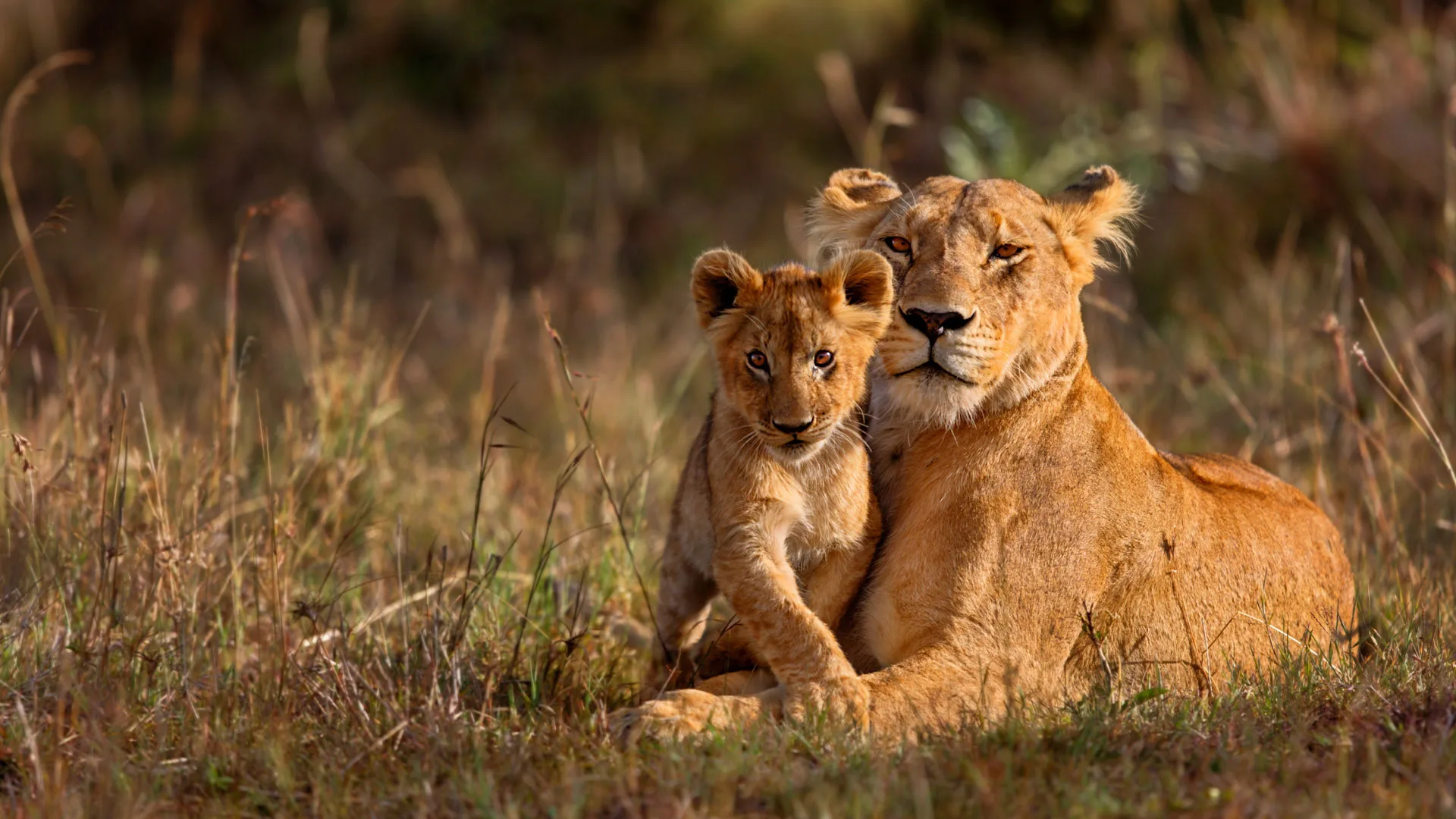
Game drives
Scheduled wildlife drives in a 4x4 safari vehicle with a professional driver-guide.
View activity
Included
Wildlife photography
Time in the field for landscape and wildlife photography. Sightings are never guaranteed.
View activityOptional
Optional extras
Balloon flights, cultural visits and other extras can be added when available and are quoted separately.
Additional information
Plan This Safari
Wildlife You May See
One of the principal advantages of a 14 day Kenya safari is the enormous variety of animals that can potentially be encountered. Possible sightings include: African elephants, Lions, Leopards, Cheetahs, White rhinoceroses, Black rhinoceroses, African buffaloes, Masai giraffes, Reticulated giraffes, Grevy's zebras, Plains zebras, Wildebeest, Hippos, Nile crocodiles, Spotted hyenas, Black-backed jackals, Gerenuks, Beisa oryx, Impalas, Thomson's gazelles, Grant's gazelles, Topis, Elands, Warthogs, Baboons, Vervet monkeys, Somali ostriches, Numerous raptors and waterbirds.
Wildlife remains genuinely wild, and no individual species or encounter can be guaranteed. That unpredictability is part of the safari experience.
Can You See the Big Five on This Safari?
Yes. This itinerary provides excellent opportunities to search for all of the Big Five: lion, leopard, elephant, buffalo and rhinoceros. Different destinations contribute different strengths. Amboseli is especially renowned for elephants, while Ol Pejeta and Lake Nakuru strengthen the itinerary's rhino-viewing opportunities.
The Masai Mara provides outstanding possibilities for lions and other predators, while buffaloes occur in several destinations. Leopards are naturally more elusive, so patience and sufficient time in suitable habitats are important. The itinerary should therefore be viewed as providing excellent opportunities rather than guaranteeing a complete checklist.
Best Time for a 14 Days Grand Kenya Safari
Kenya is a year-round safari destination, but conditions change throughout the year.
January to March
These months can provide warm conditions and excellent general wildlife viewing. Vegetation in some areas becomes thinner as the dry season progresses, making wildlife easier to locate around water sources. Photography can be excellent, and this period is suitable for travelers who are not specifically focused on the Great Migration.
April and May
The long rains generally occur during this period. Landscapes become greener, birding can be rewarding and visitor numbers may be lower in some safari areas. Rain does not normally mean continuous rainfall every day, but road conditions and wildlife movements can be affected.
June
Conditions begin transitioning toward the main dry season. Vegetation gradually becomes less dense, and June can be an attractive time for travelers seeking excellent wildlife viewing before the busiest migration period.
July to October
This is one of Kenya's most popular safari periods. Dryer conditions often concentrate wildlife around reliable water sources, and the broader wildebeest migration may also be present in the Masai Mara during part of this period, although precise movements depend on rainfall. July, August and September can be particularly busy, so early accommodation reservations are advisable.
November and December
Short rains can transform the landscape. Fresh grass appears, birdlife increases and dramatic skies can create excellent photographic conditions. December is particularly popular around the festive season and should be booked well in advance.
What Type of Accommodation Is Available?
The 14 Days Grand Kenya Safari can be arranged at several comfort levels.
Budget Safari
Budget options emphasize value while maintaining access to the same wildlife destinations. Accommodation may include simple safari camps, guesthouses or economical lodges. The greatest savings generally come from accommodation style rather than reducing the quality of wildlife viewing.
Mid-Range Safari
Mid-range accommodation provides a strong balance between comfort and price. Expect private rooms or permanent safari tents, en-suite bathrooms, restaurants, comfortable communal spaces and locations chosen for convenient access to wildlife areas. This is one of the most popular ways to operate a two-week Kenya safari.
Luxury Safari
Luxury lodges and tented camps offer more spacious accommodation, higher service levels, carefully designed dining experiences and often excellent locations within or close to important wildlife areas.
High-End and Exclusive Safari
For travelers seeking maximum privacy and exclusivity, the itinerary can incorporate premium camps, private conservancies, fly-in sectors, private activities and other personalized arrangements.
Private 14 Days Kenya Safari
This itinerary is particularly well suited to a private safari. A private vehicle gives you considerably greater control over your wildlife-viewing experience, so the safari is built around your interests rather than the requirements of an unrelated group.
- If you are interested in photography, you can spend longer at particular sightings.
- If your priority is big cats, your guide can concentrate on productive predator areas.
- Birdwatchers can move more slowly and stop frequently.
- Families can adjust game-drive lengths around younger travelers.
- Couples can maintain a more relaxed pace.
Safari Vehicle
Road-based versions of this itinerary are normally operated using an appropriate safari vehicle configured for wildlife viewing. A pop-up roof or equivalent viewing arrangement allows passengers to stand safely during game drives where regulations permit, improving visibility and photography.
Because this is a long itinerary, vehicle comfort is especially important. Your safari vehicle is not merely transportation between destinations; it becomes one of the central components of the experience.
Road Safari Versus Fly-In Safari
The 14 Days Grand Kenya Safari can be arranged primarily as an overland journey, but selected flights can also be incorporated.
Advantages of a Road Safari
A road safari allows you to see the landscapes between parks and provides a stronger sense of traveling across Kenya. It can also offer greater flexibility and is usually more economical than flying between multiple destinations.
Advantages of a Fly-In Safari
Domestic flights reduce long transfer times. This can be especially valuable for travelers prioritizing luxury, travelers with limited tolerance for long road journeys or those wanting more time inside safari areas. A customized itinerary can combine both approaches—for example, using road transfers through central Kenya and a flight between the Masai Mara and Nairobi.
Photography on the 14 Days Grand Kenya Safari
This itinerary is particularly rewarding for photographers because it combines several contrasting environments:
- Amboseli offers opportunities for wide-angle compositions featuring elephants and Kilimanjaro.
- Samburu provides striking dry-country scenery and unusual northern wildlife.
- Lake Nakuru combines animals with lake and escarpment backgrounds.
- The Masai Mara offers classic predator photography, sweeping savannahs and potentially dramatic migration scenes.
Morning and evening generally provide softer light, while midday can still be productive for behavioral encounters and close wildlife observation. Photographers should bring sufficient memory cards, batteries and dust protection for equipment. A beanbag can also be useful for stabilizing longer lenses from the safari vehicle.
Is This Safari Suitable for Families?
Yes. A private 14-day Kenya family safari can be customized around children's ages and interests. The variety of destinations helps maintain interest because the experience changes regularly. Elephants in Amboseli, unusual wildlife in Samburu, rhino conservation experiences, boat trips at Naivasha and predators in the Masai Mara create very different highlights.
For younger children, game-drive durations can be shortened and more relaxation time incorporated. Accommodation can also be selected according to family-room availability, swimming pools, child-friendly meals and other practical requirements. Families should always confirm age restrictions for specific camps, walking activities and other specialist experiences before booking.
Is This Safari Suitable for Couples and Honeymoons?
The itinerary can be adapted very effectively for couples and honeymooners. Private game drives, intimate tented camps, scenic sundowners, private dining and carefully selected luxury accommodation can transform the journey into a highly personalized romantic safari. The longer duration also allows couples to balance intensive wildlife viewing with occasional slower afternoons at scenic lodges.
What Is Included in a 14 Days Grand Kenya Safari?
Exact inclusions depend on the final quotation, accommodation category and activities selected, but a typical package may include:
- Airport arrival and departure transfers
- Private safari transportation
- Professional English-speaking safari driver-guide
- Fuel for the safari vehicle
- Accommodation specified in the confirmed itinerary
- Meals according to the booked meal plan
- Scheduled game drives
- Applicable park and conservation-area entry fees listed in the quotation
- Lake Naivasha boat activity when specified
- Bottled drinking water during safari transfers and game drives
- Government taxes applicable to the confirmed package
- Safari planning and operational support
Always refer to your personalized quotation for the final list of inclusions.
Typical Safari Exclusions
Unless specifically stated in your quotation, exclusions may include:
- International flights
- Kenya visa or electronic travel authorization costs where applicable
- Travel insurance
- Optional hot-air balloon safari
- Optional cultural visits
- Premium alcoholic beverages
- Personal expenses
- Laundry where charged separately
- Tips and gratuities
- Additional activities not included in the confirmed itinerary
- Medical expenses
- Changes resulting from circumstances outside the confirmed safari arrangements
What to Pack for a Two-Week Kenya Safari
Packing for fourteen days requires enough clothing and equipment for changing environments without carrying unnecessary luggage. Useful items include:
- Lightweight neutral-colored clothing
- A warm layer for early mornings
- Comfortable walking shoes
- A hat, sunglasses and sunscreen
- Insect repellent and personal medication
- Binoculars, which are highly recommended for wildlife viewing
- For photographers: appropriate lenses, spare batteries, charging equipment and sufficient storage
- Soft-sided luggage, which may be required if domestic flights are incorporated because smaller aircraft can impose stricter baggage limitations
Temperatures can vary considerably. Samburu may feel hot during the day, while early mornings in the central highlands and Rift Valley can be cool. Amboseli and the Masai Mara can also experience substantial differences between daytime and pre-dawn temperatures.
How Much Does a 14 Days Grand Kenya Safari Cost?
There is no single fixed price that applies to every departure. The final cost depends on several factors:
Travel Season
Peak migration months and festive periods generally attract higher accommodation rates.
Accommodation Category
Budget camps, mid-range lodges, luxury tented camps and high-end properties have significantly different nightly rates.
Number of Travelers
Because vehicle and guide costs can be shared, the per-person price often decreases as more travelers join the same private booking.
Park and Conservancy Fees
The combination of destinations affects the total conservation and entry fees.
Road Versus Flying
Adding scheduled or charter flights can substantially increase the cost but reduce travel time.
Optional Experiences
Hot-air ballooning, specialist activities, private conservancy experiences and certain cultural activities can increase the total package price. The most accurate approach is therefore to request a customized quotation based on your exact travel dates, number of travelers and preferred accommodation category.
Why Spend Three Nights in the Masai Mara?
Three nights provide two complete days for wildlife viewing in addition to arrival and departure opportunities. This is important because the Masai Mara is not a controlled wildlife attraction. Animals move continuously, so a longer stay increases the possibility of finding predators, observing different behaviors and exploring more than one part of the ecosystem.
During migration periods, additional time is particularly valuable because the herds may be far from your accommodation on a particular day.
Why Include Samburu and Amboseli on the Same Safari?
Although both destinations contain elephants and large African wildlife, their ecosystems are dramatically different. Amboseli is associated with Kilimanjaro, wetlands and open southern plains, while Samburu is drier, more rugged and home to northern-adapted wildlife such as Grevy's zebra and reticulated giraffe. Visiting both provides a much richer understanding of Kenya's ecological diversity.
Why Include Both Ol Pejeta and Lake Nakuru?
Travelers particularly interested in rhinoceroses benefit from visiting more than one strong rhino destination. Ol Pejeta also emphasizes conservation, while Lake Nakuru combines rhino viewing with a Rift Valley lake ecosystem and substantial birdlife. The destinations therefore complement rather than simply duplicate each other.
Internal Linking Opportunities
Use contextual internal links throughout this page to the approved SafariTripsToKenya.com pages covering:
- Kenya Safari Packages
- Amboseli National Park
- Samburu National Reserve
- Ol Pejeta Conservancy
- Lake Nakuru National Park
- Lake Naivasha
- Masai Mara National Reserve
- Kenya Safari Cost
- Best Time to Visit Kenya
- Kenya Wildlife
- Kenya Safari Accommodation
- Kenya Family Safaris
- Kenya Luxury Safaris
- Great Migration Safaris
- Kenya Safari Travel Guide
Only use the exact URLs mapped to those pages in the approved SafariTripsToKenya.com sitemap. Do not create alternative slugs.
Plan Your 14 Days Grand Kenya Safari
Fourteen days allows Kenya to reveal itself gradually. Instead of rushing directly to one famous reserve, you travel through a sequence of landscapes that demonstrates why Kenya remains one of Africa's great safari destinations.
You can watch elephants beneath Kilimanjaro in Amboseli, search for northern wildlife beside the Ewaso Nyiro River in Samburu, encounter rhinos in central Kenya, explore the lakes of the Great Rift Valley and finish with several days among the predators and immense herds of the Masai Mara. The result is not simply a longer safari; it is a much broader experience of Kenya.
Whether you are planning your first African safari, a private wildlife journey, a family holiday, a photographic expedition or a luxury two-week adventure, the 14 Days Grand Kenya Safari can be customized around your dates, preferred accommodation level and wildlife priorities.
Contact Safari Trips to Kenya to request a personalized 14 Days Grand Kenya Safari itinerary and quotation.
Recommended Schema
Implement relevant structured data for this page, including:
- `WebPage`
- `TouristTrip`
- `BreadcrumbList`
- `FAQPage`
Where individual destinations are referenced, connect them contextually with the corresponding approved destination pages rather than duplicating the full informational intent of those pages.
SEO Content Notes
Primary search intent: Travelers actively comparing or preparing to book a comprehensive two-week Kenya safari.
Primary conversion goal: Safari inquiry / customized quotation.
Content positioning: Comprehensive multi-destination Kenya safari combining southern Kenya, northern/central Kenya, Rift Valley and Masai Mara.
Cannibalization control: Keep this page specifically focused on the 14 Days Grand Kenya Safari package. Detailed destination subjects such as Masai Mara weather, Amboseli accommodation, Samburu wildlife, Kenya safari costs, migration timing and individual park travel guides should remain primarily on their respective mapped child or specialist pages.
Internal-linking strategy: Contextually link important destination and planning terms to their exact approved sitemap URLs, particularly when each destination first appears naturally within the content. Never modify or invent SafariTripsToKenya.com URLs.
Planning Questions
Frequently Asked Questions
Is 14 days enough for a comprehensive Kenya safari?
Yes. Fourteen days is an excellent duration for travelers wanting to explore several major safari regions without restricting the journey to one wildlife circuit. It provides enough time for Amboseli, northern or central Kenya, the Rift Valley and several nights in the Masai Mara while maintaining a reasonably comfortable pace.
Is the 14 Days Grand Kenya Safari private?
It can be operated as a fully private safari with a dedicated vehicle and professional driver-guide. Private operation is particularly valuable on a longer itinerary because daily schedules can be adjusted around your wildlife interests and preferred pace.
Can the itinerary be customized?
Yes. Accommodation, routing, activities, number of nights and transport arrangements can be adapted according to your travel dates, interests and budget while retaining the overall concept of a grand Kenya safari.
Can I add a beach holiday after the safari?
Yes. Kenya's Indian Ocean coast makes a safari-and-beach combination straightforward. After completing the wildlife safari, additional nights can be arranged on the Kenyan coast depending on the overall duration of your holiday.
Can I include the Great Migration?
The Masai Mara section provides the opportunity to experience the broader migration when the herds are present in Kenya. However, wildlife movements depend on rainfall and grazing conditions, so exact locations and river crossings cannot be guaranteed.
Is a hot-air balloon safari included?
Normally it is treated as an optional activity unless specifically included in your quotation. Advance booking is recommended because availability can be limited during busy periods.
Will I see Mount Kilimanjaro in Amboseli?
Amboseli provides some of the best views of Kilimanjaro from Kenya, but mountain visibility depends on weather and cloud cover. Early mornings often provide favorable conditions.
Can this safari be arranged as a luxury safari?
Yes. The route can be upgraded using luxury or high-end lodges and tented camps. Selected road sectors can also be replaced with domestic flights.
Can children join the safari?
Yes. Kenya is an excellent family safari destination, and a private itinerary can be adapted according to children's ages. Specific properties and specialist activities may have minimum-age policies.
Do I need travel insurance?
Comprehensive travel insurance is strongly recommended for international safari travel. Appropriate coverage should address medical emergencies, evacuation, cancellation, baggage and other relevant travel risks.
How early should I book?
For peak periods, particularly July through October and the Christmas/New Year season, booking several months in advance is advisable. High-demand camps and family rooms can fill considerably earlier.
05 Request Quote
Request Quote
Tell us your dates, group size, and preferred lodge style — we will send a tailored quote for this safari.
Want to extend your safari?
Add Amboseli, Diani Beach, Tanzania and Zanzibar, or gorilla trekking in Uganda or Rwanda — we tailor the journey to your dates.