
8 DAYS / 7 NIGHTS
8 Days Migration Safari
Plan an 8 Days Migration Safari in Kenya with Masai Mara game drives, wildebeest viewing, river crossing insights, accommodation and travel advice.
- Wildlife Safari Private Journey
- Private Safari 4x4 Vehicle
- Expert Guide English Speaking
- All Meals Breakfast, Lunch, Dinner
- 24/7 Support We're here to help
01 Overview
Safari Overview
- Duration 8 days / 7 nights
- Destination Wildebeest Migration
- Starts / ends Nairobi
- Safari style Private safari
- Accommodation Essential · Comfort · Premium · Signature
- Best for Unhurried migration viewing, Mara habitats
An 8 Days Migration Safari gives travellers time to explore one of Africa's most important wildlife ecosystems without making the entire journey dependent on a single river crossing. The Great Wildebeest Migration is a continuous movement of animals across the Serengeti–Mara ecosystem, influenced by rainfall, grazing conditions and seasonal changes. It involves far more than the dramatic river crossings that appear in wildlife documentaries.
During the usual migration season, large numbers of wildebeest and zebras may move into Kenya's Masai Mara, spreading across the grasslands and gathering around important river systems. Their movements attract attention from predators, scavengers and safari visitors. Yet the animals do not follow a fixed timetable, and even during the most popular months, their distribution can change considerably from week to week.
An eight-day safari offers an important advantage: time. Instead of travelling to the Mara for a brief visit and expecting to witness a crossing immediately, travellers can spend several days exploring different habitats, observing herd movements and enjoying the reserve's resident wildlife.
This guide explains how to plan an 8 Days Masai Mara Migration Safari, what to expect during different months, where to stay, how river crossings work and which factors influence the cost. It also provides a proposed eight-day itinerary that can be adapted to individual travel dates and preferences.
Safari Trips to Kenya can arrange private migration safaris and suitable small-group departures, with accommodation options ranging from practical tented camps to high-end safari lodges.
This sample itinerary is designed around a longer stay in the Masai Mara rather than frequent transfers between several national parks. It includes seven nights in the Mara area, allowing travellers to concentrate on migration activity and resident wildlife.
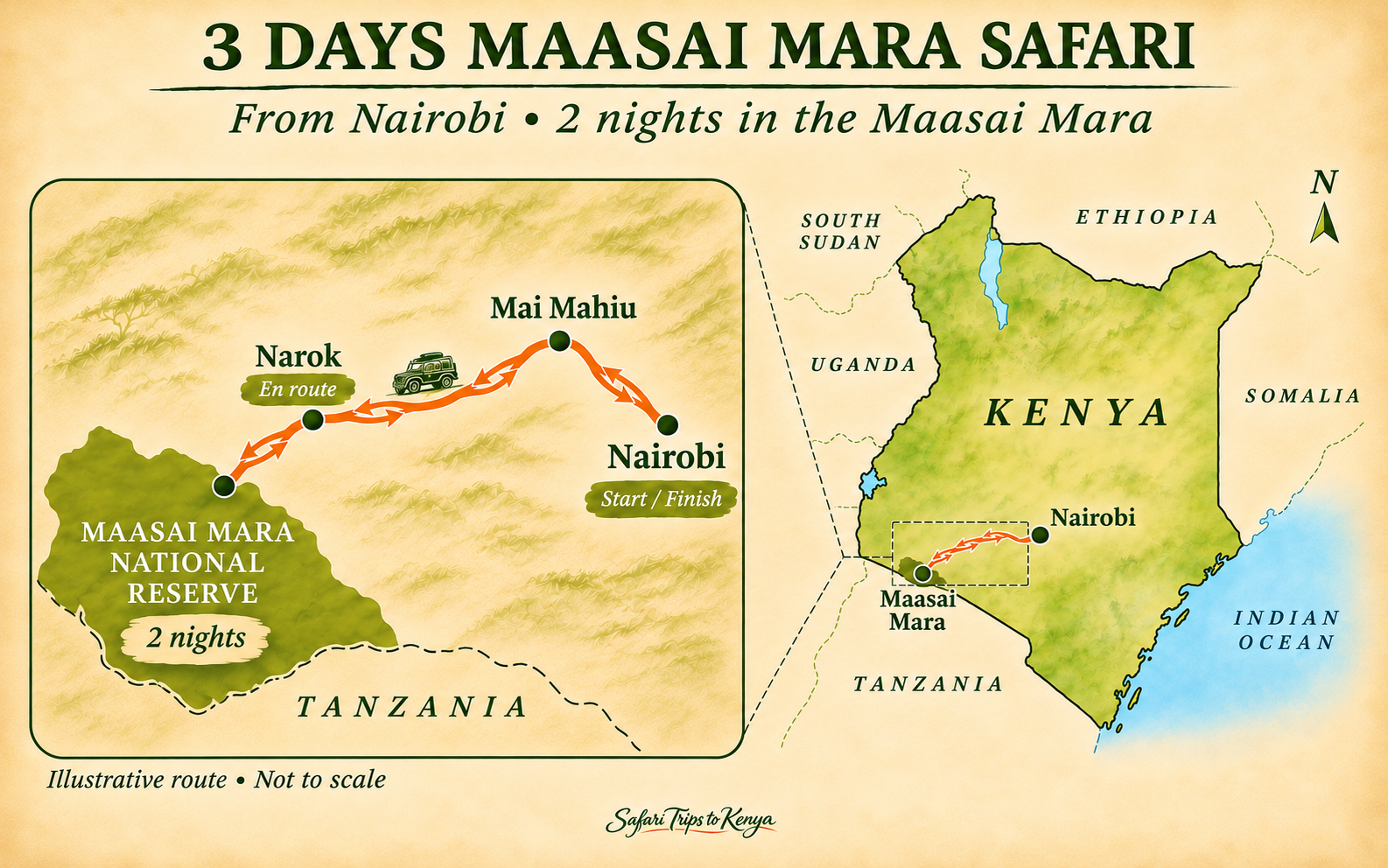
The itinerary can begin and end in Nairobi. Road transfers are described below, although domestic flights can be arranged as an alternative.
Itinerary
- Day 1: Nairobi to Masai Mara, entering Migration Country
- Day 2: Masai Mara, first Full Day of Migration Exploration
- Day 3: Masai Mara, mara River Exploration
- Day 4: Masai Mara, big Cats and the Predator, prey Relationship
- Day 5: Masai Mara, following Herd Movements Across the Plains
- Day 6: Masai Mara, explore a Different Wildlife Area
- Day 7: Masai Mara, final Full Day of Migration and game drive
- Day 8: Masai Mara to Nairobi, end of the Migration Safari
02 Itinerary
8 Days Migration Safari: Detailed Itinerary
-

Day 1: Nairobi to Masai Mara – Entering Migration Country - Main destination
- Masai Mara National Reserve
- Drive time
- 5–7 hours or longer
- Meals
- Dinner
Your 8 Days Migration Safari begins with collection from your Nairobi hotel or another agreed pickup location. After meeting your safari guide, depart towards the Great Rift Valley and continue southwest to the Masai Mara region.The road journey generally takes approximately five to seven hours, depending on the chosen accommodation, traffic and road conditions. Along the way, the landscape changes from the urban surroundings of Nairobi to agricultural areas, highland scenery and the broad grassland country associated with the Mara.
Arrive at your safari camp or lodge and settle in. Depending on arrival time, location and park access arrangements, an afternoon game drive may be possible. This introductory outing provides the first opportunity to observe the reserve's resident wildlife and learn about the current distribution of migration herds. Your guide will explain the areas that may be worth exploring during the coming days. Because migration movements change, the daily programme should remain flexible rather than being tied to one fixed route.
-
Day 2: Masai Mara – First Full Day of Migration Exploration - Main destination
- Masai Mara National Reserve
- Meals
- Breakfast, Lunch, Dinner
Begin early with a game drive through the Mara grasslands. The first full day is an opportunity to understand the landscape, locate wildlife activity and observe how grazing animals use the ecosystem. During migration season, your guide may search for wildebeest and zebra concentrations. Large herds can stretch across the plains, sometimes accompanied by topi, gazelles and other herbivores. The animals may be grazing, moving between areas or resting after a period of travel.
Predators are another important part of the experience. Lions, cheetahs and hyenas occupy different habitats and use different hunting strategies. Their presence is not limited to migration season, although large concentrations of prey can influence local wildlife activity.A full-day game drive with a packed lunch may be arranged when the most promising wildlife areas are far from the camp. Alternatively, travellers can return for lunch and resume the safari in the afternoon.
Main focus: Migration herds, grassland wildlife and predator activity.
-
Day 3: Masai Mara – Mara River Exploration - Main destination
- Masai Mara National Reserve
- Meals
- Breakfast, Lunch, Dinner
Today may be devoted to exploring suitable areas near the Mara River, depending on wildlife reports, access conditions and the location of your accommodation. The river is one of the best-known features of the migration ecosystem. Its banks provide important habitat for hippos, crocodiles, birds and other wildlife. During the migration season, wildebeest and zebras may approach crossing points in large numbers.A river crossing is never guaranteed. Herds sometimes gather near the water and remain there for hours before moving away. Even when animals appear ready to cross, a sudden disturbance or change in behaviour may cause them to retreat.
Your guide will assess conditions and follow the applicable reserve regulations. Responsible viewing is especially important around river crossings because excessive vehicle pressure can interfere with wildlife movement.If no crossing occurs, the day can still be rewarding. The riverine landscape supports a variety of wildlife, and the surrounding grasslands provide opportunities to observe animals moving between feeding and resting areas.
Main focus: Mara River habitats, hippos, crocodiles and possible migration activity.
-
Day 4: Masai Mara – Big Cats and the Predator–Prey Relationship - Main destination
- Masai Mara National Reserve
- Meals
- Breakfast, Lunch, Dinner
The fourth day focuses on the predators that make the Mara one of Africa's most rewarding wildlife destinations.Lions may be encountered resting in the grass, moving between territories or interacting with other pride members. Their activity often changes with temperature and time of day, making early morning game drives particularly useful.Cheetahs favour areas where they can scan the surrounding grassland for prey. Their hunting behaviour differs from that of lions, and successful sightings may involve long periods of observation before any significant movement occurs.Leopards are more elusive and often use woodland, riverine vegetation and other areas that provide cover. Finding one requires patience and careful attention to tracks, alarm calls and other signs of wildlife activity.
The day's programme should remain flexible. If an interesting sighting develops, the guide may spend more time observing it rather than attempting to cover a predetermined distance.
Main focus: Lions, cheetahs, leopards, hyenas and natural hunting behaviour.
-
Day 5: Masai Mara – Following Herd Movements Across the Plains - Main destination
- Masai Mara National Reserve
- Meals
- Breakfast, Lunch, Dinner
By the fifth day, your guide will have a better understanding of the wildlife activity occurring during your particular visit. This information can help determine which areas are worth exploring again and which sections of the ecosystem may offer different experiences.If migration herds are present, the day may involve following their general movements across accessible grassland areas. Watching thousands of animals grazing or travelling together can be as impressive as witnessing a river crossing.Herd behaviour also provides insight into the migration's ecological importance. Wildebeest and zebras influence grassland vegetation through grazing, while their movements support predators, scavengers and other species.
The day may include a combination of morning and afternoon drives or an extended outing with a picnic lunch. Your guide will select the most suitable approach according to wildlife distribution, road conditions and personal preferences.
Main focus: Large grazing herds, movement patterns and grassland ecology.
-
Day 6: Masai Mara – Explore a Different Wildlife Area - Main destination
- Masai Mara National Reserve
- Meals
- Breakfast, Lunch, Dinner
An eight-day safari should not be spent waiting at the same location every day. Exploring different areas of the Mara can reveal changes in vegetation, wildlife density and animal behaviour.Depending on accommodation arrangements and permitted access, today's game drive may concentrate on a different section of the reserve or another authorised part of the Mara ecosystem.
Some areas offer extensive open plains, while others include riverine woodland, drainage lines and rolling hills. These habitat differences influence the species encountered and the types of photographs travellers can take.The guide may also prioritise wildlife that has received less attention during previous days. Giraffes browsing among trees, elephants travelling between feeding areas and birds hunting across the grassland can all provide memorable encounters.
Main focus: Habitat diversity, resident wildlife and additional migration opportunities.
-
Day 7: Masai Mara – Final Full Day of Migration and Wildlife Viewing - Main destination
- Masai Mara National Reserve
- Meals
- Breakfast, Lunch, Dinner
The final full day allows travellers to revisit their preferred wildlife areas or search for activity that has not yet been observed.If a promising migration concentration has developed near an accessible river crossing area, the guide may recommend another visit. However, the decision should be based on current wildlife information rather than a promise that a crossing will take place. Travellers interested in photography may prefer to concentrate on early morning and late afternoon light. Those who enjoy wildlife behaviour may spend longer observing a pride of lions, a group of elephants or interactions within a grazing herd.
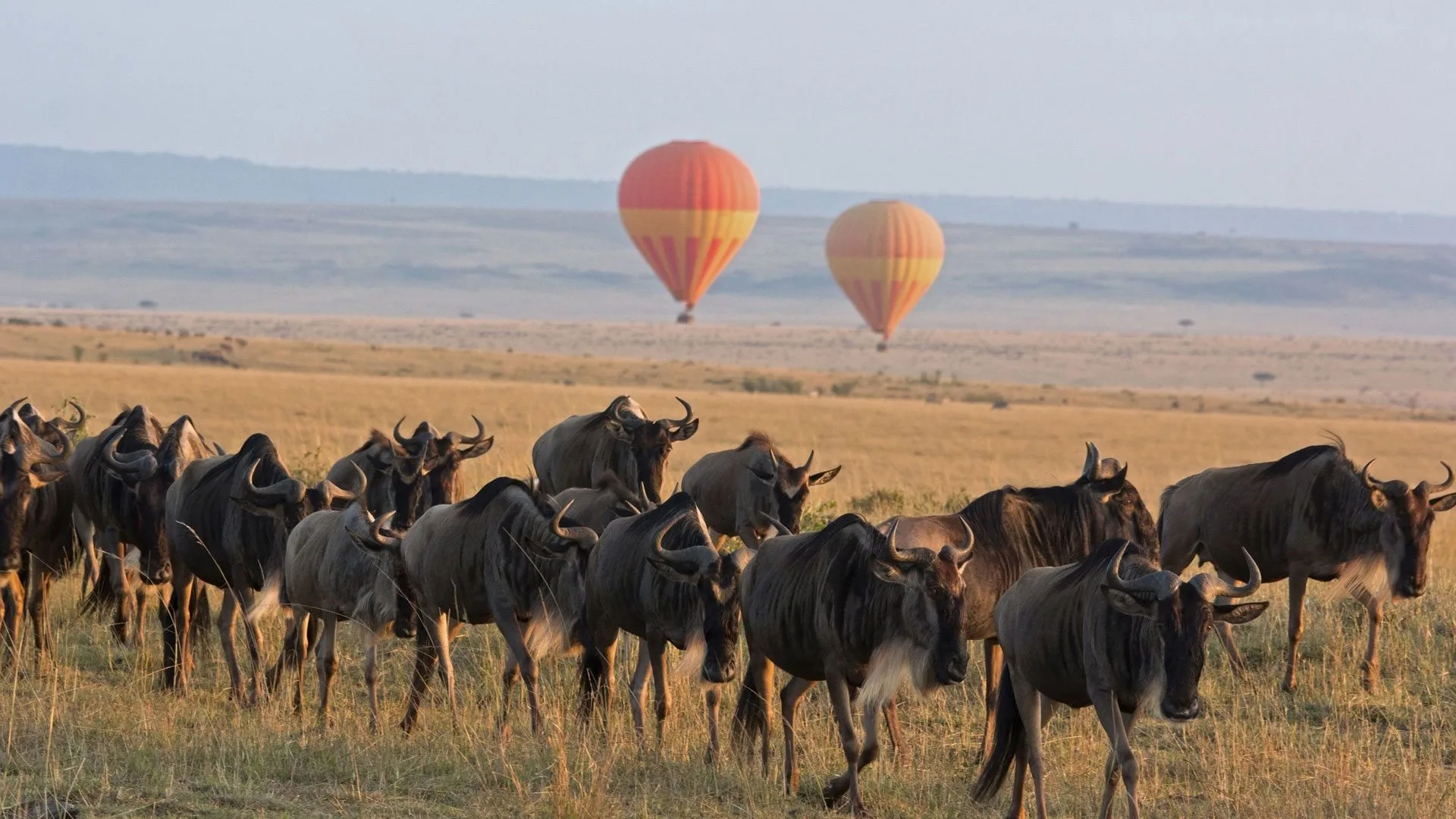
An optional Masai Mara Hot Air Balloon Safari may be considered where available. Balloon flights normally require advance booking and are not included unless specified in the quotation.
The final evening provides an opportunity to enjoy the atmosphere of the Mara and reflect on the different wildlife experiences encountered during the safari.
Main focus: Preferred wildlife interests and final migration exploration.
-
Day 8: Masai Mara to Nairobi – End of the Migration Safari - Main destination
- Masai Mara National Reserve
- Drive time
- 5–7 hours or longer
- Meals
- Breakfast, Dinner
After breakfast, depart the Masai Mara and travel back to Nairobi. The road journey generally takes approximately five to seven hours or longer, depending on traffic and the location of your camp. The return journey marks the end of an extended wildlife experience rather than a brief visit focused on one attraction. Over the previous days, travellers may have observed migration herds, predators, elephants, birds and many other species that form part of the Mara ecosystem.
Arrival in Nairobi is normally planned for the afternoon, followed by drop-off at an agreed location. International flight connections should allow sufficient time for road delays and airport procedures. A domestic flight from the Mara to Nairobi can be arranged as an alternative where suitable, subject to availability and additional cost.
03 Rates
Safari rates 2027-2029
Indicative per person. Season, group size and lodge style change the total — your quotation confirms current rates.
-
Essential (Budget)
Essential (Budget)
Budget camps and lodges suit travelers who prioritize wildlife while keeping costs lower.
Great value camps
-
Comfort (Mid-range)
Comfort (Mid-range)
Mid-range tented camps and lodges balance comfort and price with private rooms or tents and en-suite facilities.
Quoted for your dates
-
Premium (Luxury)
Premium (Luxury)
Luxury camps and lodges focus on location, service and more intimate wildlife experiences.
Premium camps and lodges
-
Signature (High-end)
Signature (High-end)
Signature camps and lodges are the most exclusive stays — small, highly private properties with exceptional guiding and setting.
Exclusive signature stays
04 Activities
Safari activities
Game viewing is the core of this itinerary. Optional extras are quoted separately and depend on season, permits and availability. Individual species and river crossings are never guaranteed.
-

Included
Photography Safaris
Explore Kenya photography safaris in the Masai Mara, Amboseli, Samburu and more. Discover wildlife photo tours, private vehicles, expert guiding and travel tips.
View activity -
Optional
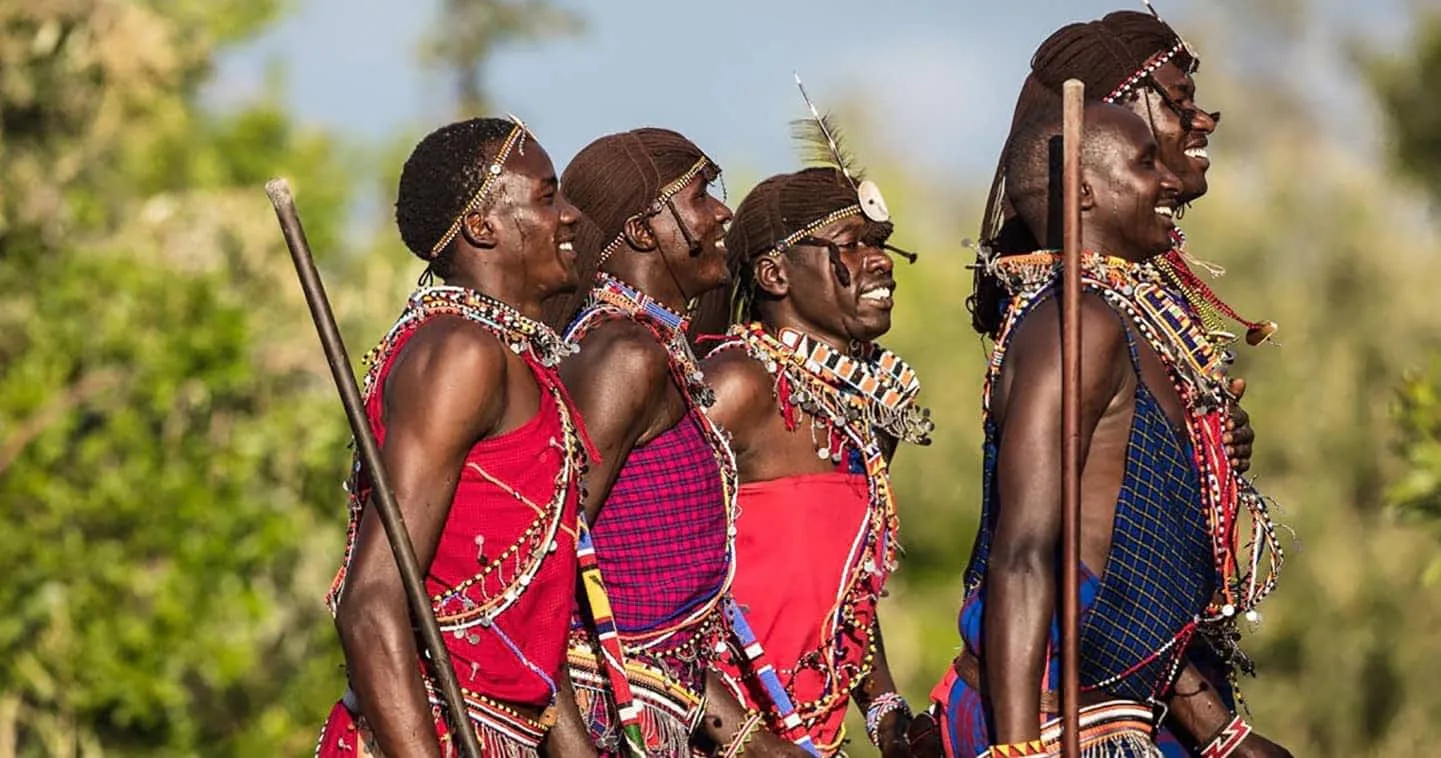
Cultural Tours
Optional Maasai community visits arranged respectfully and quoted separately when available.
View activity -
Optional
Hot Air Balloon Safaris
Optional sunrise flights over the Mara plains. Quoted separately; wind, permits and season can cancel a morning.
View activity -
Included
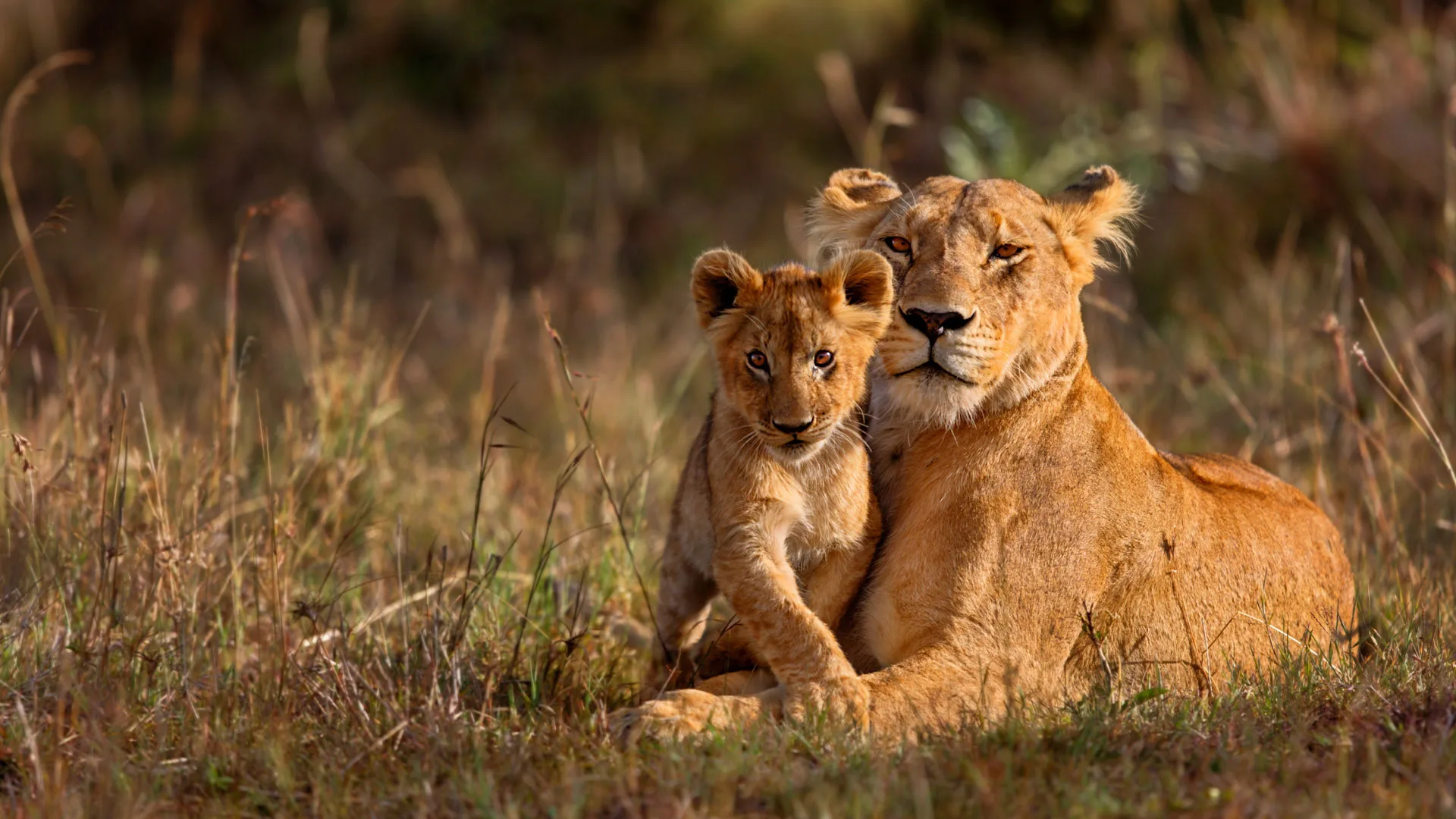
Game Drives
Morning and afternoon wildlife drives in a 4x4 safari vehicle with a professional driver-guide. Sightings are never guaranteed.
View activity
Additional information
Plan This Safari
Understanding the Great Wildebeest Migration
The Great Wildebeest Migration is a large-scale seasonal movement of wildebeest, zebras and other grazing animals through the connected grassland ecosystems of northern Tanzania and southwestern Kenya.
The movement is commonly described as a circular journey, but it is not a simple procession travelling along one permanent route. Different groups of animals may spread across large areas, move in several directions or remain in productive grazing zones longer than expected.
Rainfall is one of the main influences on migration patterns. Fresh grass attracts grazing animals, while access to water and changing vegetation conditions affect their movements. This means that the location of the herds can vary between years, even during the same calendar month.
The migration is particularly famous for river crossings. Wildebeest may gather near steep riverbanks, hesitate for hours and then suddenly begin crossing. Some animals turn back, others enter the water at different points, and crocodiles may be present. These events are dramatic but unpredictable.
A Kenya Migration Safari should therefore be planned around the broader wildlife experience rather than the assumption that a crossing will happen on a specific day.
Why Choose an Eight-Day Migration Safari?
Eight days allow a more relaxed approach to wildlife observation than a short two- or three-day visit. This is especially valuable when migration activity is dispersed or when the animals remain away from easily accessible roads.
The extra time also makes it possible to explore several sections of the Masai Mara ecosystem. The landscape includes open grassland, riverine woodland, rolling hills and seasonal drainage areas. Different habitats attract different species and offer varied safari experiences.
Travellers may spend one morning watching large grazing herds, another following the activities of a lion pride and an afternoon observing elephants near a river. A crossing may become the highlight of the journey, but it should not be the only reason for visiting.
A longer safari also creates opportunities to experience changing light and weather conditions. Wildlife that is inactive during one game drive may be much more interesting the following morning.
For photographers, the additional time is particularly useful. Animal behaviour cannot be scheduled, and patient observation often produces better results than rushing between sightings.
Where Does the Migration Take Place in Kenya?
The Kenyan section of the migration is centred on the Masai Mara National Reserve and the surrounding Mara ecosystem.
The reserve lies in southwestern Kenya, adjoining Tanzania's Serengeti ecosystem. There is no ecological boundary preventing animals from moving between the two countries, although tourists must use authorised border crossings when travelling internationally.
The Mara River is one of the best-known locations associated with migration crossings. Its banks and channels can create difficult conditions for wildebeest and zebras, particularly where animals enter or leave the water.
Other rivers and seasonal waterways also influence wildlife movement. The Sand River area, for example, forms part of the wider migration landscape near the Kenya–Tanzania border.
Not all migration sightings take place beside rivers. Large herds may graze for extended periods across open plains, creating impressive wildlife scenes without attempting a crossing.
The Mara ecosystem also supports substantial resident wildlife. Lions, cheetahs, leopards, elephants, buffaloes, giraffes, hyenas and numerous antelope species can be observed at different times of the year.
When Is the Best Time for an 8 Days Migration Safari?
The most popular period for a Masai Mara Migration Safari is generally July to October. However, the timing of herd movements depends on environmental conditions rather than fixed dates.
June: Transition Towards the Northern Grasslands
June is often a transitional period as herds move through the Serengeti ecosystem. Some animals may begin approaching the northern areas, but their precise distribution varies.
Travellers visiting Kenya in June should focus on the Masai Mara's broader wildlife attractions rather than assuming that major crossings will already be taking place.
July: Possible Arrival of Large Herds
July is commonly associated with the beginning of the main migration viewing period in the Masai Mara. Depending on rainfall and grazing conditions, substantial numbers of wildebeest and zebras may begin moving into the Kenyan grasslands.
Early arrivals do not necessarily mean that large river crossings will occur immediately. Herds can remain dispersed or move repeatedly between grazing areas.
August: Popular Migration Viewing Period
August is among the most popular months for a Great Wildebeest Migration Safari. Large herds may be present, and river crossing activity is often reported during this period.
However, the reserve can also experience high visitor numbers. Accommodation availability may become limited, and popular sightings can attract many safari vehicles.
September: Continued Herd Movement and Predator Activity
September can provide excellent opportunities to observe migration herds, depending on the year's rainfall patterns. Some animals may remain in the Mara while others move between different grazing areas.
Predator sightings can also be rewarding, although successful hunts cannot be predicted.
October: Changing Conditions and Possible Southward Movement
October is often associated with the later part of the main migration viewing season. Some herds may begin moving south, but others can remain in Kenya when grazing conditions are favourable.
Rainfall patterns may influence the timing and direction of these movements.
November to May: Resident Wildlife and the Wider Migration Cycle
The migration continues elsewhere in the Serengeti–Mara ecosystem throughout the year. During many of these months, the main concentrations of migratory wildebeest are more likely to be in Tanzania than in Kenya.
The Masai Mara nevertheless remains a rewarding wildlife destination outside the peak migration period. Resident predators, elephants, giraffes, buffaloes and other animals can still provide excellent safari experiences.
What Can You Expect During a Mara River Crossing?
The Mara River Crossing Safari is often the most anticipated part of a migration-focused visit. However, understanding the behaviour of the animals helps travellers develop realistic expectations.
Wildebeest may approach the river in large groups and gather along the banks. They sometimes hesitate because of steep entry points, strong currents, crocodiles or the behaviour of other animals.
A crossing can begin suddenly when a few animals enter the water and others follow. At other times, the entire group may move away without crossing.
Even when a crossing occurs, the experience can be difficult to predict or photograph. Animals may enter the water at unexpected locations, and visibility can be affected by terrain, vegetation or the position of other vehicles.
The best approach is to remain patient, follow the guide's instructions and respect wildlife-viewing regulations. A responsible safari should never pressure animals into crossing or obstruct their movement.
Is a River Crossing Guaranteed on an Eight-Day Safari?
No. An eight-day safari provides more opportunities to observe wildlife activity than a shorter visit, but it cannot guarantee a river crossing.
The migration is a natural ecological process. Rainfall, grazing conditions, river levels and herd behaviour all influence the timing and location of crossings.
Even during August or September, travellers may spend several days in the Mara without witnessing a crossing. Conversely, an unexpected crossing may occur during a relatively quiet period.
This is why Safari Trips to Kenya recommends treating a crossing as a possible highlight rather than the sole measure of a successful safari.
The Mara offers excellent resident wildlife throughout the year, and the broader migration experience includes herd movement, grazing, predator activity and interactions across the ecosystem.
Choosing the Best Accommodation for a Migration Safari
Accommodation location is particularly important during a Masai Mara Migration Safari.
A camp positioned conveniently for the areas you want to explore may reduce transfer time and allow more hours in the field. However, the location of migration herds changes, so no camp can guarantee proximity to wildlife throughout the season.
Essential Accommodation
Essential Safari Camps provide practical lodging for travellers who prioritise wildlife viewing and affordability. Facilities are generally simpler, and some properties may be located outside the main reserve.
Comfort Accommodation
Comfort Safari Camps offer a balance between price, location and amenities. They can be suitable for couples, families and small groups seeking a comfortable base for daily game drives.
Premium Accommodation
Premium Masai Mara Camps may provide more spacious accommodation, attractive locations and additional services. Their suitability should be assessed according to the proposed game-drive routes.
Signature Accommodation
Signature Safari Camps focus on high-end accommodation and personalised experiences. Some may offer exclusive settings or access to particular conservancy areas, subject to the property's location and applicable regulations.
When comparing camps, ask whether the property is inside the national reserve, within a conservancy or outside the protected area. These locations can involve different access rules, fees and driving arrangements.
Masai Mara National Reserve Versus Private Conservancies
The Masai Mara National Reserve is a major destination for migration viewing and contains important sections of the Mara River.
Surrounding conservancies form part of the wider ecosystem and can provide excellent resident wildlife viewing. However, they have their own access arrangements and conservation management rules.
A camp located in a conservancy does not automatically provide unrestricted access to the national reserve. Additional entry fees or transfer arrangements may apply.
Likewise, not every conservancy is equally suitable for travellers whose main priority is reaching the better-known river crossing areas.
For an eight-day migration safari, accommodation should be selected according to the season, intended game-drive areas and the type of wildlife experience you prefer.
Private Versus Group Migration Safaris
A Private Kenya Migration Safari provides greater flexibility when wildlife activity changes unexpectedly. The guide can adjust departure times, spend longer at promising sightings and select routes according to the group's interests.
Private arrangements are particularly useful for photographers, families and travellers who want a more relaxed pace.
A Kenya Group Safari can offer better value when transport and guiding costs are shared. However, group members may have different expectations about how long to remain at sightings or how much time to spend searching for migration herds.
Small groups with compatible interests can still enjoy a rewarding migration experience. The important consideration is that the itinerary allows enough flexibility for natural wildlife movements.
How Much Does an 8 Days Migration Safari Cost?
The cost depends on several factors, including travel dates, accommodation category, transport arrangements, number of travellers and park entry fees.
July to October is generally a high-demand period in the Masai Mara. Accommodation rates can rise, and some properties require advance reservations.
Park fees are another important consideration. Charges can vary according to nationality, residency, visitor age and the relevant fee period. Reserve and conservancy fees may also be calculated differently.
A private safari vehicle normally costs more per person for a solo traveller than for a couple or small group sharing the vehicle.
Domestic flights, balloon safaris and premium accommodation can increase the total cost. Travellers should request a detailed quotation that identifies which services and fees are included.
Practical Advice for Planning a Migration Safari
Book accommodation early for peak months
Popular camps can fill well in advance during July, August and September. Early planning provides more choice of accommodation location and category.
Allow enough time in the Mara
A longer stay provides more opportunities to explore different wildlife areas and respond to changing herd movements.
Choose your guide carefully
An experienced safari guide can interpret wildlife behaviour, understand the landscape and help travellers make informed decisions about where to spend their time.
Prepare for early departures
Wildlife activity and lighting conditions often make early morning game drives particularly rewarding. Travellers should be comfortable with early starts and extended periods in the vehicle.
Pack for changing weather
The Mara's elevation means mornings and evenings can be cool. Warm layers, sun protection and a light waterproof jacket are useful throughout much of the year.
Bring binoculars and a suitable camera
Binoculars help travellers appreciate distant wildlife activity, while a camera with a zoom lens can be useful for photographing animals without approaching them too closely.
Responsible Migration Viewing and Conservation
The migration is one of the most important ecological processes in the Serengeti–Mara ecosystem. Its continued survival depends on the protection of wildlife habitats, movement corridors and functioning grasslands.
Responsible tourism can contribute to conservation, but poor visitor behaviour can create unnecessary pressure on wildlife.
Safari vehicles should remain on authorised routes and follow the rules of the relevant reserve or conservancy. Drivers must avoid obstructing animal movements or crowding sensitive locations.
At river crossings, vehicles should maintain appropriate distances and avoid interfering with the animals' access to the water.
Travellers can support responsible tourism by choosing operators who respect wildlife regulations and by accepting that animals should not be disturbed simply to improve a photograph.
Book Your 8 Days Migration Safari in Kenya
An 8 Days Migration Safari is best planned around time, flexibility and realistic wildlife expectations. The Masai Mara offers far more than river crossings, and a longer stay allows travellers to appreciate the relationships between grazing herds, predators and the surrounding landscape.
Safari Trips to Kenya can arrange a personalised migration itinerary based on your preferred travel dates, accommodation category and safari interests. Private departures provide flexibility, while suitable small-group options may be available for travellers who prefer to share transport costs.
Contact Safari Trips to Kenya with your travel dates, number of participants and preferred accommodation standard to receive a tailored Masai Mara Migration Safari proposal.
Planning Questions
Frequently Asked Questions
Is eight days too long for the Masai Mara?
No. Eight days can be particularly rewarding for travellers interested in wildlife behaviour, photography and migration activity. The longer stay reduces pressure to see everything during a short visit.
Which month is best for river crossings?
July to October is the usual planning window for migration viewing in the Masai Mara, with August and September often popular. However, no month guarantees a crossing.
Can we see the migration in June?
Some herds may approach the northern Serengeti and Mara ecosystem during June, but their location varies. Travellers should not assume that major river crossings will be occurring.
Is the migration visible throughout the year in Kenya?
No. The migration moves through both Tanzania and Kenya, and the main herd concentrations are not permanently located in the Masai Mara.
Can children join an eight-day migration safari?
Yes. The programme can be adapted for families, although parents should consider the children's ages, interest in wildlife and ability to manage long game drives.
Are balloon safaris available?
Hot air balloon safaris are offered in parts of the Mara ecosystem, subject to weather, availability and advance booking. They are normally optional activities.
Can we combine the migration with Amboseli or Lake Nakuru?
Yes. An eight-day safari can be redesigned to include additional destinations. However, adding more parks reduces the number of days available for migration viewing.
Can the safari begin from Nairobi Airport?
Yes. Airport collection can be arranged according to arrival time and the confirmed itinerary. Late arrivals may require an overnight stay in Nairobi before departure.
05 Request Quote
Request Quote
Tell us your dates, group size, and preferred lodge style — we will send a tailored quote for this safari.
Want to extend your safari?
Add Amboseli, Diani Beach, Tanzania and Zanzibar, or gorilla trekking in Uganda or Rwanda — we tailor the journey to your dates.