
21 DAYS / 20 NIGHTS
21 Days Grand Kenya Safari
Explore the 21 Days Grand Kenya Safari with a day-by-day safari plan, key wildlife experiences, destinations, accommodation ideas, travel logistics and booking.
- Wildlife SafariPrivate Journey
- Private Safari4x4 Vehicle
- Expert GuideEnglish Speaking
- All MealsBreakfast, Lunch, Dinner
- 24/7 SupportWe're here to help
01 Overview
Safari Overview
- Duration21 days / 20 nights
- DestinationKenya
- Starts / endsNairobi
- Safari stylePrivate safari
- AccommodationEssential · Comfort · Premium · Signature
- Best forWildlife viewing, photography
21 Days Grand Kenya Safari – The Ultimate Three-Week Kenya Wildlife Adventure
The 21 Days Grand Kenya Safari is an extensive three-week journey designed for travelers who want to experience Kenya beyond a conventional one-week safari. Rather than rushing between a few famous parks, this itinerary provides enough time to explore contrasting ecosystems, spend multiple nights in major wildlife destinations, search for the Big Five, discover Kenya's northern wildlife species, experience the Great Rift Valley, watch elephants beneath Mount Kilimanjaro and finish among the predator-rich plains of the Masai Mara.
Twenty-one days creates an entirely different style of safari. On a short Kenya itinerary, travelers frequently have to choose between destinations. Samburu may be sacrificed in favor of Amboseli, Lake Nakuru may be reduced to a quick stop and Laikipia may be omitted entirely. The Masai Mara may receive only two nights, while long driving days consume valuable safari time.
The 21 Days Grand Kenya Safari removes much of that pressure. With three weeks available, the journey can be structured around meaningful stays rather than simply collecting destinations. There is time to explore Nairobi, travel into the dramatic landscapes of northern Kenya, experience conservation areas around Laikipia, descend into the Great Rift Valley, enjoy the lakes, spend several days with Amboseli's elephants and dedicate a substantial portion of the safari to the Masai Mara.
The itinerary can be operated as a private road safari, a fly-in safari, or a combination of road transfers and domestic flights. Accommodation can also be tailored according to budget. Travelers may choose comfortable mid-range lodges, premium tented camps, luxury safari properties or a combination of categories. This flexibility makes the safari suitable for couples, families, honeymooners, photographers, retired travelers, wildlife enthusiasts and visitors planning a once-in-a-lifetime journey through Kenya.
Most importantly, this is a safari built around variety. The landscapes change, the wildlife changes, the vegetation changes and the photography changes. The safari experience continues evolving from the first day until the final morning in the Masai Mara.
Why Choose a 21 Days Grand Kenya Safari?
Kenya is often marketed through a handful of famous images: lions in the Masai Mara, elephants below Kilimanjaro and perhaps flamingos in the Great Rift Valley. Those images are important, but they represent only part of the country. A three-week safari provides an opportunity to understand just how diverse Kenya actually is.
Northern Kenya feels completely different from the Mara, and Samburu's dry landscapes support animals specially adapted to arid environments. Laikipia introduces conservation areas where wildlife protection, local communities, ranching and tourism interact. The Great Rift Valley brings lakes, escarpments and different birdlife. Amboseli introduces wetlands surrounded by semi-arid plains and the enormous presence of Kilimanjaro. The Masai Mara then delivers one of Africa's richest concentrations of predators and plains wildlife.
A longer itinerary also creates a better pace. Instead of constantly unpacking, repacking and moving to another lodge, you can spend two or three nights in important destinations. That matters because wildlife experiences improve with time. One morning may be quiet, and the following morning may produce lions hunting. A leopard may remain hidden for two days and appear on the third. Kilimanjaro may be covered by clouds one afternoon and clear at sunrise the next morning. Migration herds may move many kilometers overnight. The longer you remain in an ecosystem, the greater the opportunity to experience its changing wildlife dynamics, although no sighting can be guaranteed.
21 Days Grand Kenya Safari Highlights
Highlights of this extensive safari can include:
- Arrival and overnight stay in Nairobi.
- Private professional safari driver-guide.
- Purpose-built 4x4 safari vehicle.
- Northern Kenya safari experience.
- Samburu National Reserve.
- Reticulated giraffe sightings.
- Endangered Grevy's zebra opportunities.
- Gerenuk and Beisa oryx.
- Excellent elephant viewing.
- Laikipia or Ol Pejeta Conservancy.
- Black and white rhino opportunities.
- Conservation-focused experiences.
- Great Rift Valley landscapes.
- Lake Nakuru National Park.
- Lake Naivasha.
- Boat safari opportunities.
- Hippos and abundant birdlife.
- Amboseli National Park.
- Large elephant families.
- Mount Kilimanjaro views when weather permits.
- Predator viewing.
- Masai Mara National Reserve.
- Lion, leopard and cheetah opportunities.
- African Big Five safari.
- Possible Great Wildebeest Migration viewing in season.
- Optional hot-air balloon safari.
- Optional private conservancy experiences.
- Birdwatching.
- Wildlife photography.
- Optional cultural experiences.
- Sundowners at selected camps.
- Bush meals where available.
- Flexible private safari arrangements.
- Domestic flight upgrades.
- Optional Diani Beach extension.
- Optional Tanzania or Zanzibar extension.
Safari at a Glance
The itinerary is designed to balance major wildlife destinations with enough time for proper exploration. A typical routing can include:
- Day 1: Arrival in Nairobi
- Day 2: Nairobi exploration and safari preparation
- Day 3: Nairobi to Samburu
- Day 4: Samburu full-day safari
- Day 5: Samburu full-day safari
- Day 6: Samburu to Ol Pejeta/Laikipia
- Day 7: Ol Pejeta/Laikipia safari
- Day 8: Second Laikipia safari day
- Day 9: Laikipia to Lake Nakuru
- Day 10: Lake Nakuru to Lake Naivasha
- Day 11: Lake Naivasha experiences
- Day 12: Lake Naivasha to Amboseli
- Day 13: Amboseli full-day safari
- Day 14: Amboseli full-day safari
- Day 15: Amboseli to Nairobi
- Day 16: Nairobi to Masai Mara
- Day 17: Masai Mara full-day safari
- Day 18: Masai Mara full-day safari
- Day 19: Masai Mara migration/predator safari
- Day 20: Final full-day Masai Mara safari
- Day 21: Masai Mara to Nairobi and departure
The exact sequence can be modified according to flight schedules, road conditions, accommodation availability, season and traveler preferences.
Itinerary
- Day 1:Arrival in Nairobi, welcome to Kenya
- Day 2:Nairobi, relaxation and Optional City Experiences
- Day 3:Nairobi to Samburu
- Day 4:Samburu Safari – Northern Kenya Wildlife
- Day 5:Samburu, elephants, Leopards and Ewaso Nyiro River
- Day 6:Samburu to Ol Pejeta Conservancy / Laikipia
- Day 7:Ol Pejeta and Rhino Conservation Experience
- Day 8:Laikipia, flexible Safari and Optional Walking Experience
- Day 9:Laikipia to Lake Nakuru
- Day 10:Lake Nakuru to Lake Naivasha
- Day 11:Lake Naivasha, leisure, Birding and Optional Activities
- Day 12:Lake Naivasha to Amboseli
- Day 13:Amboseli Safari – Elephants and Kilimanjaro
- Day 14:Second Full Day in Amboseli, predators, Birds and Elephant Families
- Day 15:Amboseli to Nairobi
- Day 16:Nairobi to Masai Mara
- Day 17:Masai Mara Big Five Safari
- Day 18:Masai Mara, wildlife Behavior and Photography
- Day 19:Great Wildebeest Migration Safari, seasonal
- Day 20:Final Full, day Masai Mara Safari and Optional Balloon Flight
- Day 21:Morning game drive – return to Nairobi

02 Itinerary
21 Days Grand Kenya Safari: Detailed Itinerary

Day 1: Arrival in Nairobi – Welcome to Kenya - Main destination
- Masai Mara National Reserve
- Drive time
- Road transfer as outlined in the itinerary
- Meals
- Lunch, Dinner
Your 21 Days Grand Kenya Safari begins at Jomo Kenyatta International Airport. After your international flight lands, complete immigration procedures, collect your luggage and proceed through customs. Meet our representative in the arrivals area and, after a warm welcome to Kenya, transfer privately to your Nairobi hotel. The drive provides your first introduction to Kenya's capital. Depending on traffic and hotel location, the transfer time varies considerably, so the first day is intentionally kept flexible.
Check into your hotel and settle into your room. Travelers arriving after a long overnight flight are encouraged to rest rather than immediately filling the day with activities. Depending on your arrival time, you may enjoy:
- Hotel gardens.
- Swimming pool.
- Spa treatment.
- Restaurant.
- Afternoon tea.
- Early dinner.
- Leisure time.
Later, meet your safari representative for a detailed briefing. The briefing covers the overall journey, including:
- Safari route.
- Road conditions.
- Expected transfer times.
- Game-drive arrangements.
- Domestic flights where applicable.
- Accommodation.
- Meals.
- Park rules.
- Luggage.
- Photography.
- Optional activities.
- Safety.
- Special dietary requirements.
This is also an opportunity to discuss particular wildlife priorities with your guide. If you are especially interested in cats, birds, elephants, rhinos or photography, the guide can keep those interests in mind throughout the journey.
Destination: Nairobi
Activities: Airport pickup, private transfer and safari briefing
Accommodation: Nairobi hotel
Meal Plan: According to arrival arrangement
Where you stay
- Essential (Budget)
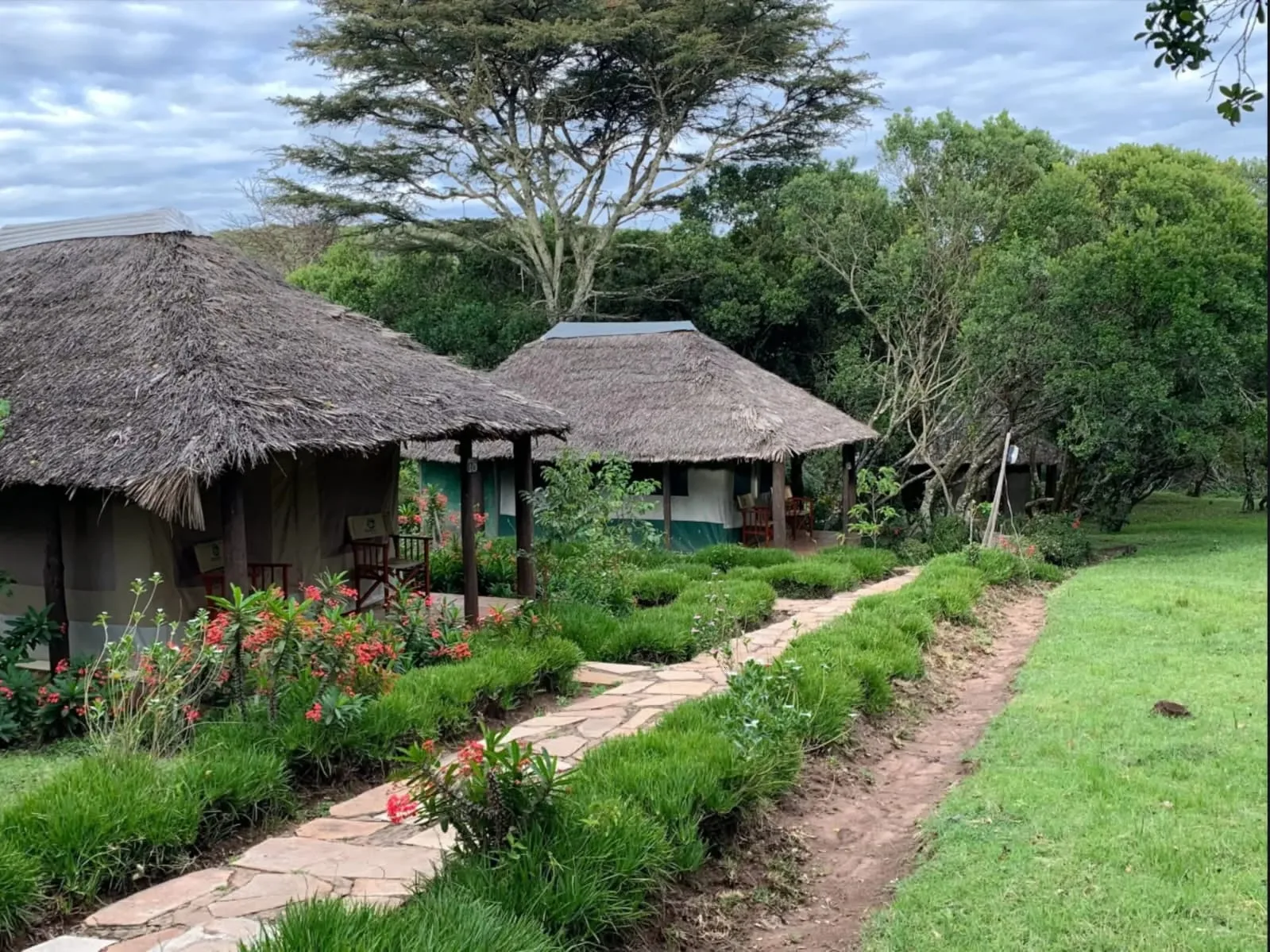
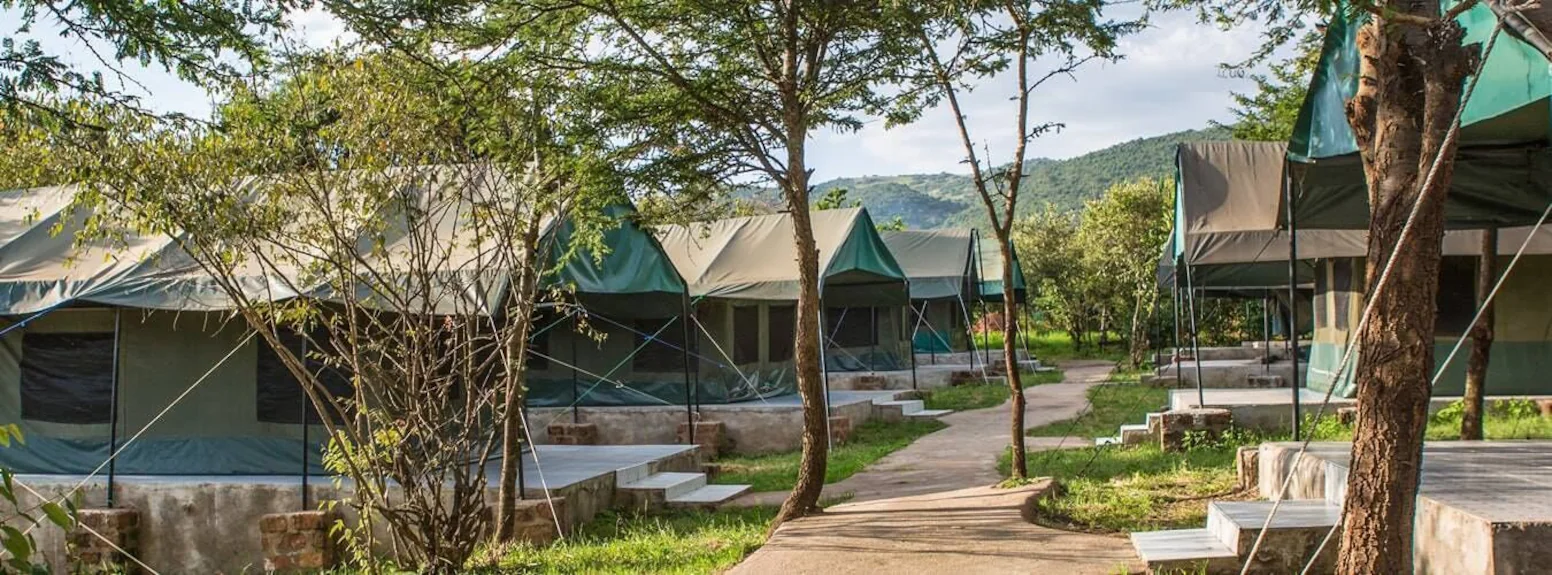
- Comfort (Mid-range)
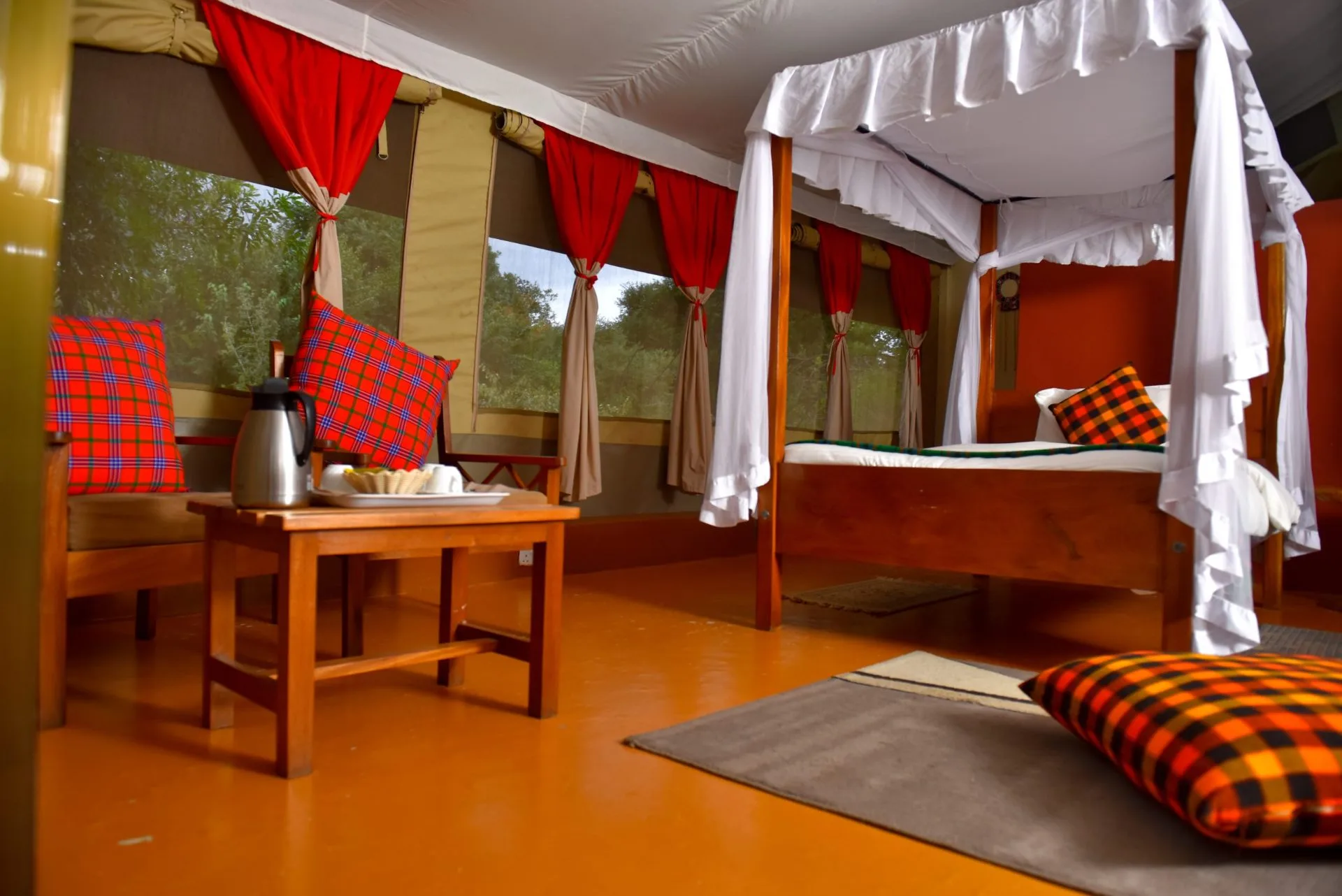
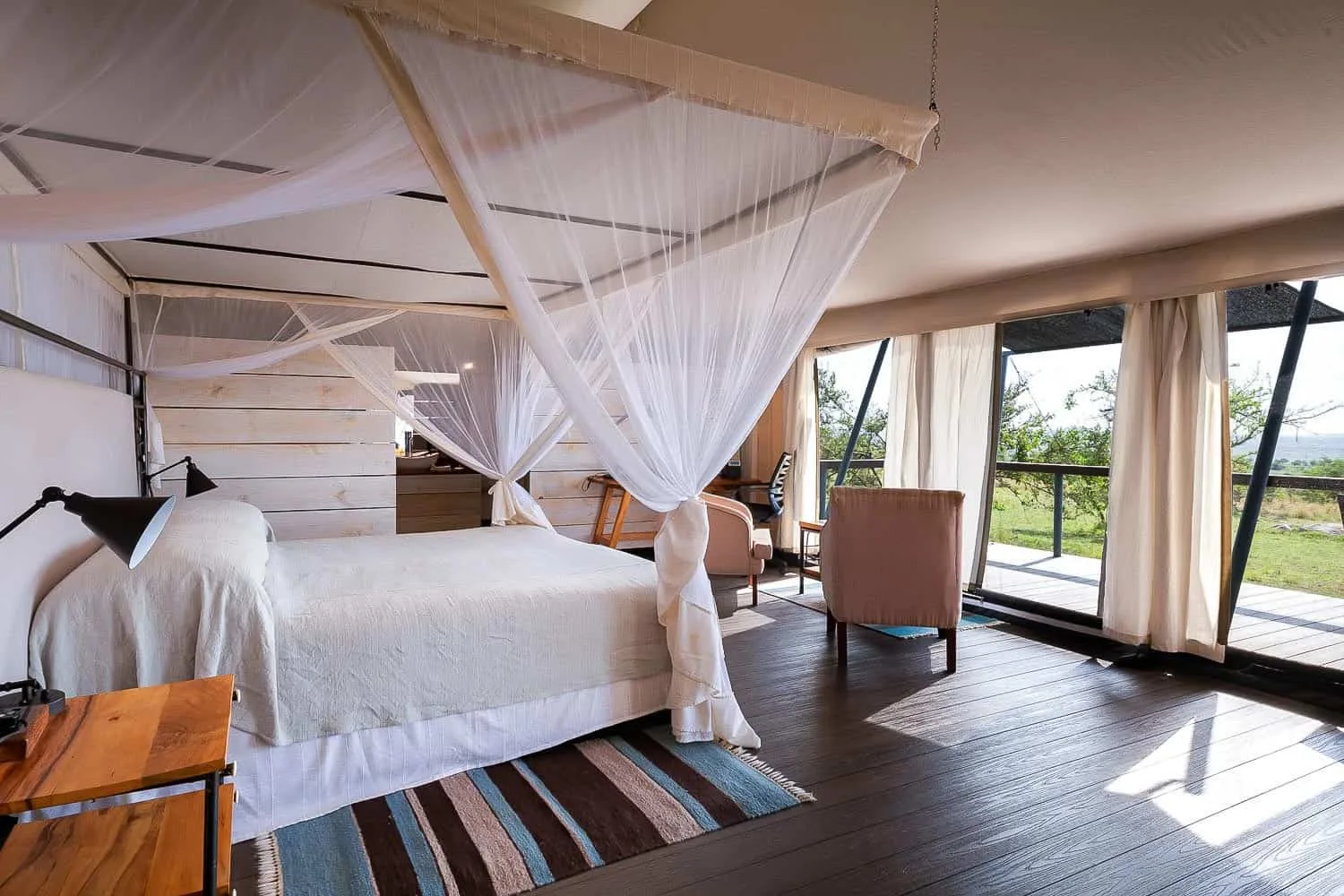
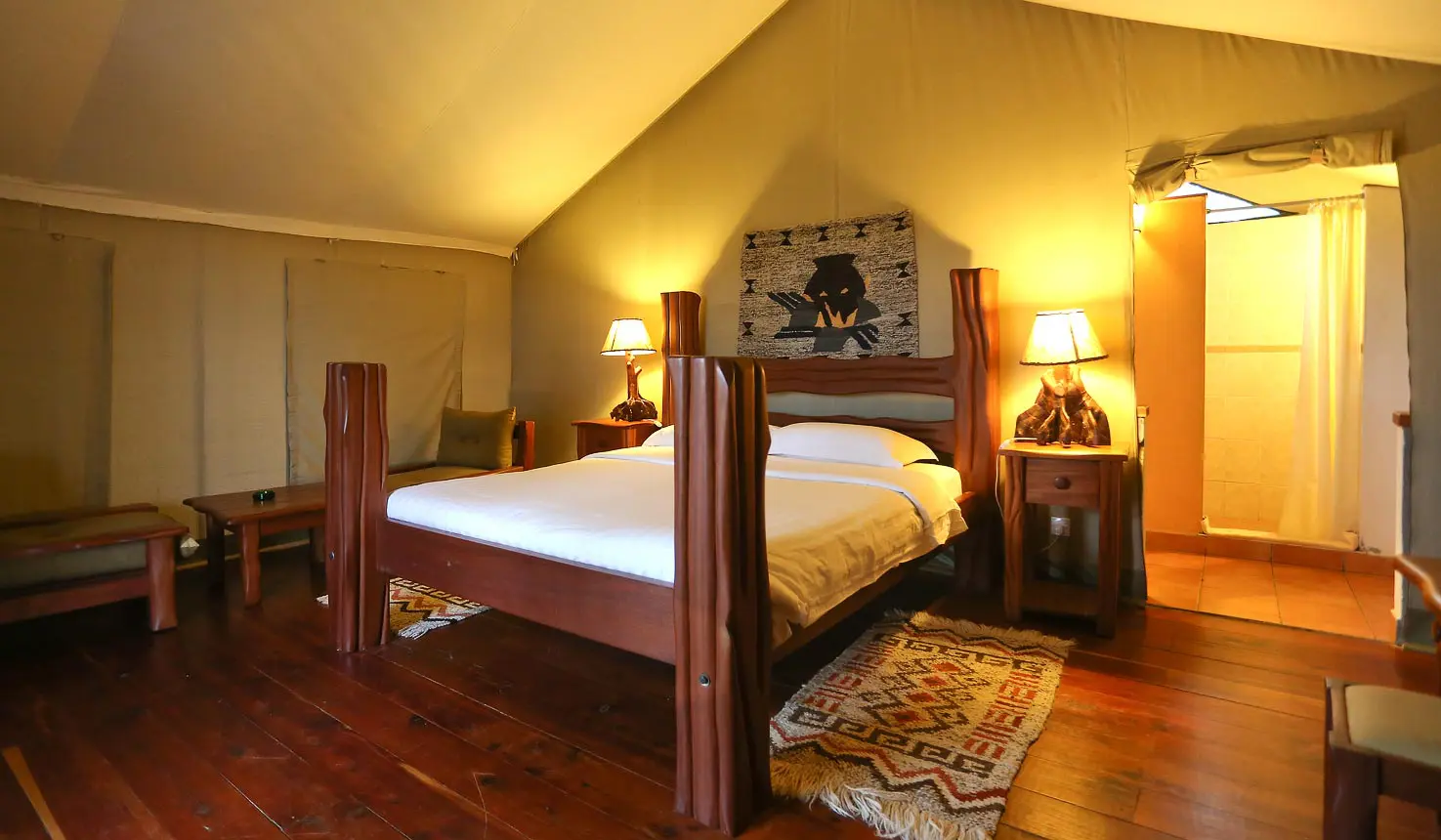
- Premium (Luxury)
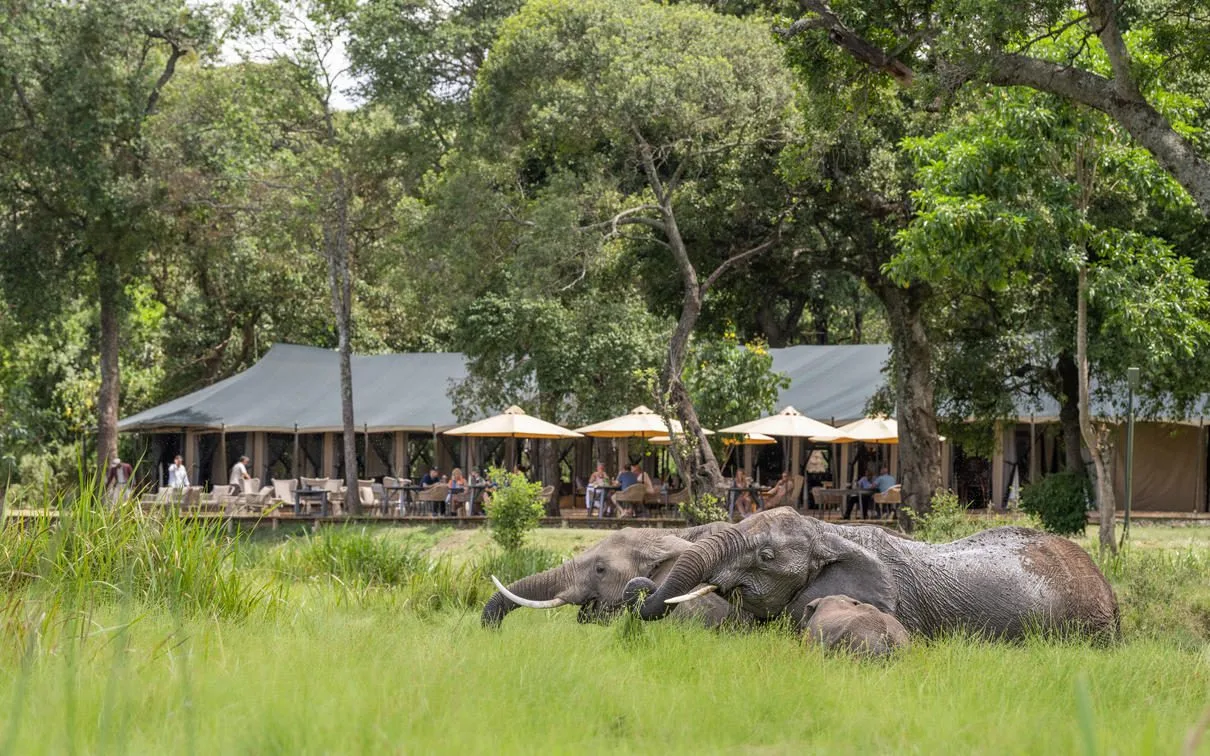
- Signature (High-end)
Day 2: Nairobi – Relaxation and Optional City Experiences - Main destination
- Masai Mara National Reserve
- Meals
- Breakfast, Lunch, Dinner
The second day provides a comfortable transition into the safari. After breakfast, choose between a relaxed hotel day and optional Nairobi activities. This extra night is valuable for international travelers because it reduces the impact of jet lag before the safari begins. Depending on interests and operating schedules, possible excursions can include wildlife, conservation, historical or cultural attractions around Nairobi. Alternatively, use the day simply to recover.
This is also the ideal time to organize luggage for the safari. If your itinerary includes domestic flights, confirm that your baggage complies with the airline's restrictions. Photography equipment should be checked and batteries fully charged. Guests using a private road safari vehicle can discuss vehicle seating and equipment storage with the guide.
In the evening, enjoy dinner and prepare for the journey north.
Destination: Nairobi
Activities: Leisure and optional Nairobi excursions
Accommodation: Same Nairobi hotel
Meal Plan: Breakfast and according to hotel arrangement
Samburu National Reserve
Where you stay
Day 3: Nairobi to Samburu National Reserve - Main destination
- Masai Mara National Reserve
- Meals
- Breakfast, Lunch, Dinner
After an early breakfast, leave Nairobi and begin traveling toward Samburu National Reserve. This can be completed as an overland journey in your private 4x4 or by domestic flight. The road journey provides a fascinating cross-section of Kenya as you travel north through the central highlands, passing agricultural landscapes and increasingly dry country. As you approach northern Kenya, vegetation becomes more arid and the landscape opens dramatically.
Arrive in the Samburu ecosystem and continue toward your lodge or tented camp. Depending on arrival time, enjoy lunch before beginning your first proper game drive. Samburu immediately introduces wildlife species that may not be encountered in southern Kenya, including the celebrated northern Kenya specialties sometimes collectively described as the Samburu Special Five: Grevy's zebra, Reticulated giraffe, Gerenuk, Beisa oryx, Somali ostrich.
You may also encounter: African elephant, Lion, Leopard, Cheetah, Spotted hyena, Impala, Waterbuck, Dik-dik, Warthog, Baboon.
The Ewaso Nyiro River is a major ecological feature, and during dry periods, animals concentrate around the river, producing excellent viewing, although no sighting can be guaranteed. Return to your lodge as evening approaches, then enjoy dinner and your first night in the Kenyan wilderness.
Destination: Samburu
Activities: Transfer and afternoon game drive
Accommodation: Safari lodge or tented camp
Meal Plan: Breakfast, lunch and dinner
Where you stay
Day 4: Full-Day Samburu Safari – Northern Kenya Wildlife - Main destination
- Masai Mara National Reserve
- Meals
- Breakfast, Lunch, Dinner
Wake early for coffee or tea before heading into the reserve. Early morning is an excellent time to search for predators: lions may still be active after hunting during the night, leopards may move through riverine woodland before temperatures rise and cheetahs may scan open areas for suitable prey, although sightings cannot be guaranteed. The guide can also concentrate on northern species.
Grevy's Zebra
The endangered Grevy's zebra is one of Samburu's most important animals. Compared with the plains zebra, it has:
- Narrower stripes.
- Large rounded ears.
- White belly.
- Taller build.
Seeing Grevy's and plains zebras during the same Kenya journey provides an interesting comparison. Other northern specialties include:
- Reticulated giraffe: among Africa's most striking giraffes, with a sharply defined geometric coat pattern that is especially beautiful in the morning and evening light.
- Gerenuk: a long-necked antelope adapted to dry environments that may stand upright on its hind legs while browsing vegetation.
- Beisa oryx: another dry-country specialist, recognizable by its long straight horns and striking facial markings.
Return to camp for breakfast and relaxation. During the hotter hours, animals frequently rest and safari activity naturally slows. Have lunch and enjoy the lodge before returning to the reserve in the afternoon, then finish with sunset photography before returning for dinner.
Destination: Samburu
Activities: Morning and afternoon game drives
Accommodation: Same safari lodge/camp
Meal Plan: Breakfast, lunch and dinner
Where you stay
Day 5: Samburu – Elephants, Leopards and Ewaso Nyiro River - Main destination
- Masai Mara National Reserve
- Meals
- Breakfast, Lunch, Dinner
Your second full day provides additional time to explore Samburu's different habitats. Elephants are particularly important here, and family groups often travel toward the Ewaso Nyiro River. Watching elephants at water can reveal complex behavior. You may observe:
- Calves playing.
- Mothers protecting young.
- Adults drinking.
- Herds bathing.
- Dust bathing.
- Bulls interacting.
- Families crossing river channels.
Your guide may also search riverine woodland for leopards. Leopards are naturally elusive and sightings can never be guaranteed, but Samburu provides suitable habitat. If you encounter an interesting predator or elephant herd, the private itinerary allows time to remain at the sighting. Photography enthusiasts can use the day to concentrate on behavior rather than simply recording species.
After lunch, rest at camp, then return for a late-afternoon drive. Enjoy your final Samburu sunset before returning for dinner.
Destination: Samburu
Activities: Full-day wildlife exploration
Accommodation: Same camp
Meal Plan: Breakfast, lunch and dinner
Ol Pejeta Conservancy and Laikipia
Where you stay
Day 6: Samburu to Ol Pejeta Conservancy / Laikipia - Main destination
- Masai Mara National Reserve
- Meals
- Breakfast, Lunch, Dinner
After breakfast, leave Samburu and travel toward Ol Pejeta Conservancy or another selected Laikipia wildlife area. The landscapes change again as you approach the central Kenyan highlands. Laikipia is one of Kenya's most important conservation regions. Unlike conventional national parks, much of the area consists of private or community conservancies where tourism, conservation and local livelihoods are managed together.
Arrive at your lodge and enjoy lunch. Later, begin your first Laikipia game drive. Rhinos are among the major attractions, and depending on the selected conservancy, wildlife may include: Black rhino, White rhino, Elephant, Lion, Buffalo, Giraffe, Zebra, Eland, Warthog, Spotted hyena, Various antelopes.
Return to your lodge in the evening.
Destination: Ol Pejeta / Laikipia
Activities: Transfer and afternoon safari
Accommodation: Conservancy lodge or camp
Meal Plan: Breakfast, lunch and dinner
Where you stay
Day 7: Full-Day Ol Pejeta and Rhino Conservation Experience - Main destination
- Masai Mara National Reserve
- Meals
- Breakfast, Lunch, Dinner
Begin early with a wildlife drive. Today provides an opportunity to learn more about conservation in Kenya. Rhinos have faced enormous pressure from poaching, and conservancies such as those within Laikipia play an important role in their protection. Your guide can explain the differences between black and white rhinos and discuss conservation challenges. Special conservation experiences may be available depending on the property, advance reservations and additional fees. Possible themes include:
- Rhino monitoring.
- Anti-poaching operations.
- Habitat protection.
- Wildlife research.
- Community conservation.
- Conservation technology.
The day is not limited to rhinos, so search for elephants, lions, buffaloes and plains wildlife as well, although sightings cannot be guaranteed. After lunch, enjoy several hours at the lodge. Later, depart for another safari activity. If staying in an area where night drives are permitted, an evening safari can introduce nocturnal wildlife. Potential sightings may include: Genets, Civets, Hyenas, Porcupines, Owls, Nightjars, Predators.
Return to the lodge for dinner.
Destination: Ol Pejeta / Laikipia
Activities: Game drives, conservation experiences and optional night safari
Accommodation: Same lodge/camp
Meal Plan: Breakfast, lunch and dinner
Where you stay
Day 8: Laikipia – Flexible Safari and Optional Walking Experience - Main destination
- Masai Mara National Reserve
- Meals
- Breakfast, Lunch, Dinner
A second complete day in Laikipia allows you to experience activities that may not be available inside conventional national parks. Depending on your conservancy and lodge, you may choose a guided walking safari. Walking shifts attention from large wildlife to the finer details of the ecosystem. A guide may interpret:
- Animal tracks.
- Droppings.
- Plants.
- Insects.
- Bird calls.
- Feeding signs.
- Animal pathways.
- Predator signs.
Walking activities are conducted according to local safety regulations and may have age restrictions. Alternatively, spend the morning on another game drive, then return for breakfast or brunch. The middle of the day can be devoted to leisure.
In the afternoon, head out again in search of wildlife. A sundowner can sometimes be arranged in a scenic location. Return to camp for your final evening in Laikipia.
Destination: Laikipia
Activities: Game drive, optional walking safari and sundowner
Accommodation: Same camp
Meal Plan: Breakfast, lunch and dinner
Great Rift Valley
Where you stay
Day 9: Laikipia to Lake Nakuru National Park - Main destination
- Masai Mara National Reserve
- Meals
- Breakfast, Lunch, Dinner
After breakfast, travel toward the Great Rift Valley and Lake Nakuru National Park. The journey reveals another dramatic shift in landscape. Enter Lake Nakuru and begin wildlife viewing. The park is famous for its rhinos, although it supports a much broader range of wildlife. Possible sightings include: White rhino, Black rhino, Rothschild's giraffe, Buffalo, Zebra, Waterbuck, Baboon, Warthog, Lion, Leopard.
The lake supports numerous waterbirds. Flamingo numbers fluctuate according to ecological conditions and should never be assumed to remain constant. Other birds may include: Pelicans, Cormorants, Herons, Egrets, Eagles, Kingfishers.
Depending on time, visit scenic viewpoints before continuing to your lodge. Enjoy dinner overlooking the Rift Valley or park environment.
Destination: Lake Nakuru
Activities: Transfer and game drive
Accommodation: Safari lodge
Meal Plan: Breakfast, lunch and dinner
Where you stay
Day 10: Lake Nakuru to Lake Naivasha - Main destination
- Masai Mara National Reserve
- Meals
- Breakfast, Lunch, Dinner
Wake for an early game drive. Morning offers another opportunity to search for rhinos and predators. Explore open grasslands, woodland and lakeshore habitats before returning for breakfast. Check out and continue toward Lake Naivasha, as the transfer is relatively short compared with many other safari sectors.
Arrive at your lakeside lodge and enjoy lunch. Later, take a boat excursion on Lake Naivasha if included in your package. The lake is home to hippos and abundant birdlife. Potential sightings include: African fish eagle, Pelican, Cormorant, Kingfisher, Heron, Egret, Jacana.
Hippos are frequently seen in the water, but your boat operator maintains appropriate distances for safety. Return to your lodge and enjoy the peaceful lakeside atmosphere.
Destination: Lake Naivasha
Activities: Lake Nakuru game drive, transfer and boat safari
Accommodation: Lakeside lodge
Meal Plan: Breakfast, lunch and dinner
Where you stay
Day 11: Lake Naivasha – Leisure, Birding and Optional Activities - Main destination
- Masai Mara National Reserve
- Meals
- Breakfast, Lunch, Dinner
After ten days of travel, today provides a welcome change of pace. Enjoy breakfast without an early departure, and tailor the day around your interests. Possible activities include:
- Boat safari.
- Birdwatching.
- Nature walk.
- Photography.
- Lodge relaxation.
- Swimming.
- Spa treatment where available.
- Optional excursions in the Naivasha area.
Lake Naivasha is particularly rewarding for birders, as the combination of open water, shoreline vegetation, woodland and gardens supports numerous species. For travelers who have spent the previous days concentrating on large mammals, this quieter environment provides a chance to appreciate another dimension of Kenya's biodiversity. Return to the lodge and enjoy a relaxed evening.
Destination: Lake Naivasha
Activities: Leisure and optional excursions
Accommodation: Same lakeside lodge
Meal Plan: Breakfast, lunch and dinner
Amboseli National Park
Where you stay
Day 12: Lake Naivasha to Amboseli National Park - Main destination
- Masai Mara National Reserve
- Meals
- Breakfast, Lunch, Dinner
After breakfast, begin the journey toward Amboseli National Park. Depending on your preferred travel style, road and flight combinations can be considered. Amboseli is one of Kenya's most recognizable wildlife destinations, and its appeal comes from the combination of:
- Large elephant populations.
- Open plains.
- Wetlands.
- Birdlife.
- Predators.
- Views toward Mount Kilimanjaro.
Arrive at your lodge or tented camp and enjoy lunch. Later, depart for your first Amboseli game drive. Search the plains for elephants, zebras, wildebeest and giraffes. Wetlands may hold buffaloes and hippos, and predators may include lions, cheetahs and hyenas, although sightings cannot be guaranteed. If the sky is clear, Kilimanjaro may appear beyond the plains. Return to camp as evening approaches.
Destination: Amboseli
Activities: Transfer and afternoon game drive
Accommodation: Safari lodge or tented camp
Meal Plan: Breakfast, lunch and dinner
Where you stay
Day 13: Full-Day Amboseli Safari – Elephants and Kilimanjaro - Main destination
- Masai Mara National Reserve
- Meals
- Breakfast, Lunch, Dinner
Wake before sunrise. Early morning frequently provides the strongest chance of seeing Mount Kilimanjaro before clouds build around the mountain. However, visibility is always weather dependent. Head into the park while temperatures remain cool, as Amboseli's elephants are the major focus. Some families have been studied over generations, making the ecosystem internationally important for elephant research.
Spend time watching their behavior rather than simply photographing them and moving on. You may observe:
- Feeding.
- Drinking.
- Mud bathing.
- Dust bathing.
- Family greetings.
- Calf protection.
- Play.
- Herd movement.
Amboseli's wetlands create striking contrasts. Even during relatively dry periods, groundwater associated with the Kilimanjaro system helps sustain important marsh habitats, and buffaloes, hippos and numerous birds may gather around these areas.
Return for lunch and relaxation. Later, head back into the park for another game drive, as the evening light can be particularly beautiful for landscape photography.
Destination: Amboseli
Activities: Morning and afternoon game drives
Accommodation: Same lodge/camp
Meal Plan: Breakfast, lunch and dinner
Where you stay
Day 14: Second Full Day in Amboseli – Predators, Birds and Elephant Families - Main destination
- Masai Mara National Reserve
- Meals
- Breakfast, Lunch, Dinner
Spend another full day exploring the Amboseli ecosystem. The extra day increases your chance of enjoying different weather and wildlife conditions. If Kilimanjaro was hidden yesterday, try again at sunrise, and if you already captured beautiful mountain views, focus on wildlife behavior. Your guide may search for lions or cheetahs. Predator sightings are naturally unpredictable, but the open terrain can provide excellent viewing when cats are located.
Bird enthusiasts can concentrate on the park's diverse species. Possible birds include: Crowned cranes, Herons, Egrets, Pelicans, Storks, Kingfishers, Eagles, Bustards, Ostriches, Numerous waterbirds.
Enjoy a picnic or return to camp for lunch according to your preferred schedule, and complete the day with a final Amboseli evening drive.
Destination: Amboseli
Activities: Full-day wildlife safari
Accommodation: Same lodge/camp
Meal Plan: Breakfast, lunch and dinner
Where you stay
Day 15: Amboseli to Nairobi - Main destination
- Masai Mara National Reserve
- Meals
- Breakfast, Lunch, Dinner
Enjoy one final morning in Amboseli. An early game drive provides another opportunity to see elephants and perhaps Kilimanjaro, although mountain views cannot be guaranteed. Return for breakfast and check out, then travel to Nairobi. Depending on your itinerary, this sector can be completed by road or domestic flight. The Nairobi overnight provides a useful break before the final Masai Mara portion.
Check into your hotel and spend the afternoon at leisure. After two weeks of safari, this is an excellent opportunity to:
- Have laundry completed.
- Relax at the hotel.
- Enjoy a spa treatment.
- Reorganize luggage.
- Back up photographs.
- Enjoy a restaurant meal.
- Rest before the Mara.
Destination: Nairobi
Activities: Transfer and leisure
Accommodation: Nairobi hotel
Meal Plan: Breakfast and according to hotel arrangement
Masai Mara Safari
Where you stay
Day 16: Nairobi to Masai Mara National Reserve - Main destination
- Masai Mara National Reserve
- Meals
- Breakfast, Lunch, Dinner
After breakfast, continue to the Masai Mara ecosystem. The journey can be completed by road or domestic flight. For a three-week itinerary, flying is particularly attractive because it reduces fatigue and provides more time for wildlife viewing. If flying, transfer to the appropriate Nairobi airport and board your safari aircraft. As you approach the Mara, look down over open grasslands, river systems and wildlife trails. Land at the airstrip closest to your camp, meet your safari guide and begin wildlife viewing immediately. If traveling by road, descend toward the Mara and enter the ecosystem later in the day.
After checking into camp and having lunch, depart for an afternoon game drive. The Masai Mara supports exceptional wildlife diversity, and possible sightings include: Lion, Leopard, Cheetah, Elephant, Buffalo, Giraffe, Wildebeest, Zebra, Topi, Eland, Impala, Thomson's gazelle, Grant's gazelle, Spotted hyena, Black-backed jackal.
Return to camp for dinner.
Destination: Masai Mara
Activities: Transfer/flight and afternoon game drive
Accommodation: Safari lodge or tented camp
Meal Plan: Breakfast, lunch and dinner
Where you stay
Day 17: Full-Day Masai Mara Big Five Safari - Main destination
- Masai Mara National Reserve
- Meals
- Breakfast, Lunch, Dinner
Wake early and head into the Mara. Morning is one of the best times to search for predators: lions may still be active after nighttime hunting, hyenas may be returning toward resting areas, leopards may move through riverine habitat and cheetahs may scan the plains, although no sighting can be guaranteed.
Lions
The Masai Mara is internationally famous for lions, and different prides occupy territories throughout the ecosystem. You may observe:
- Cubs playing.
- Females hunting.
- Males patrolling.
- Pride greetings.
- Feeding.
- Resting.
- Territorial behavior.
Leopards and Cheetahs
Leopards are secretive. Your guide searches riverine woodland, rocky areas and mature trees where they may rest. Open plains provide suitable cheetah habitat, and when a cheetah is found, patience can be rewarded, as the animal may remain motionless for a long period before suddenly becoming active.
Continue exploring until lunchtime. Depending on your schedule, return to camp or enjoy a picnic. The afternoon brings another extended game drive.
Destination: Masai Mara
Activities: Big Five safari and predator viewing
Accommodation: Same camp
Meal Plan: Breakfast, lunch and dinner
Where you stay
Day 18: Masai Mara – Wildlife Behavior and Photography - Main destination
- Masai Mara National Reserve
- Meals
- Breakfast, Lunch, Dinner
Today concentrates less on simply identifying species and more on observing behavior. After more than two weeks in Kenya, you may already have seen most of the major animals, and the Mara provides an opportunity to slow down. Rather than moving immediately after seeing a lion, remain and watch. A sleeping pride may become active, cubs may begin playing, a leopard may descend from a tree, a cheetah may start hunting, elephants may approach and hyenas may interact with predators, although none of this can be guaranteed. These longer observations often become the most memorable safari experiences.
Photographers can concentrate on:
- Animal portraits.
- Behavior.
- Environmental compositions.
- Backlighting.
- Silhouettes.
- Sunrise.
- Sunset.
- Predator-prey interactions.
Return to camp during the middle of the day or remain out with a picnic, and finish with an evening drive.
Destination: Masai Mara
Activities: Wildlife photography and behavioral observation
Accommodation: Same camp
Meal Plan: Breakfast, lunch and dinner
Where you stay
Day 19: Great Wildebeest Migration Safari – Seasonal - Main destination
- Masai Mara National Reserve
- Meals
- Breakfast, Lunch, Dinner
If traveling when migratory herds are present in the Masai Mara, today can focus heavily on the Great Wildebeest Migration. The migration involves enormous numbers of wildebeest accompanied by zebras and other herbivores moving through the Serengeti–Mara ecosystem. Their movement follows changing rainfall, water and grazing conditions, and the exact location of the herds varies every year. When large concentrations are present, the landscape can be transformed. You may see: Thousands of wildebeest, Large zebra herds, Animals moving in long columns, Predators following the herds, Vultures, Hyenas, Lions, Cheetahs.
Mara River Crossings
Some travelers visit specifically hoping to witness a river crossing. Crossings are spectacular but completely unpredictable. Wildebeest may gather beside a river for hours without crossing, they may suddenly move away, they may cross somewhere inaccessible, or a crossing may begin with almost no warning. For this reason, no ethical safari itinerary should promise a river crossing.
The advantage of the 21 Days Grand Kenya Safari is that several days are allocated to the Mara, giving you considerably more flexibility than a short visit. Outside migration periods, today's safari focuses on the Mara's excellent resident wildlife.
Destination: Masai Mara
Activities: Migration or resident wildlife safari
Accommodation: Same camp
Meal Plan: Breakfast, lunch and dinner
Where you stay
Day 20: Final Full-Day Masai Mara Safari and Optional Balloon Flight - Main destination
- Masai Mara National Reserve
- Meals
- Breakfast, Lunch, Dinner
Your final full safari day should be shaped around what you most want to experience again. One option is an early-morning hot-air balloon safari. Balloon flights normally begin before sunrise. After transferring to the launch site and receiving a safety briefing, rise above the Mara as daylight spreads across the landscape. From above, you may see:
- Giraffes.
- Elephants.
- Antelope herds.
- Wildebeest.
- Zebras.
- Rivers.
- Wildlife tracks.
- Acacia trees.
- Savannah stretching toward the horizon.
Balloon operations are weather dependent, cannot be guaranteed and usually cost extra unless specifically included. After completing the balloon experience, rejoin your safari guide. Alternatively, begin with a conventional sunrise game drive.
The remainder of the day can focus on species you particularly want to find. Perhaps you still hope for a leopard, perhaps cheetahs have been the highlight and you want to spend more time with them, perhaps elephants have become your favorite animals, or perhaps you simply want a slow final drive across the Mara. Enjoy the afternoon at your preferred pace and finish with sunset over the savannah. Return to camp for your final safari dinner.
Destination: Masai Mara
Activities: Optional balloon safari and final full-day wildlife experience
Accommodation: Same camp
Meal Plan: Breakfast, lunch and dinner
Where you stay
Day 21: Masai Mara to Nairobi – Departure - Main destination
- Masai Mara National Reserve
- Drive time
- Return transfer as outlined in the itinerary
- Meals
- Breakfast, Lunch
Wake for the final morning of your 21 Days Grand Kenya Safari. Depending on your departure schedule, enjoy an early game drive, which provides one more opportunity to search for wildlife and appreciate the landscape without the urgency of a checklist. Return to camp for breakfast, check out and transfer toward the airstrip or begin your road journey to Nairobi. If flying, board your domestic aircraft and enjoy aerial views as you leave the Mara. Upon arrival in Nairobi, transfer to Jomo Kenyatta International Airport for your international departure.
Travelers with late flights can request additional arrangements such as:
- Day room.
- Lunch or dinner.
- Nairobi excursion.
- Shopping.
- Private transfer.
Your three-week Kenya adventure concludes after exploring some of the country's most remarkable wildlife ecosystems.
Destinations on the 21 Days Grand Kenya Safari
- Nairobi: the main international gateway and an important logistical hub. Including comfortable Nairobi nights at the beginning and before the Mara helps prevent unnecessary travel fatigue. The city can also provide conservation, cultural and dining experiences for travelers wanting to explore beyond the safari circuit.
- Samburu National Reserve: introduces a distinctly northern Kenya safari experience. Its dry environment, Ewaso Nyiro River and specialist wildlife distinguish it from Amboseli and the Masai Mara, and the reserve is particularly important for travelers interested in seeing species that do not occur widely across Kenya's southern safari circuit.
- Ol Pejeta Conservancy and Laikipia: adds an important conservation dimension. Selected conservancies support significant populations of endangered wildlife while providing opportunities for activities that may not be available in national parks. The region can be particularly rewarding for rhino enthusiasts, conservation travelers, photographers, walking safari enthusiasts and travelers seeking quieter safari environments.
- Lake Nakuru National Park: adds another strong rhino destination to the itinerary. Its combination of woodland, lake, grassland and escarpment creates a compact but diverse wildlife environment, and the park also provides excellent birding.
- Lake Naivasha: acts as both a wildlife destination and a restorative stop. Boat safaris introduce aquatic and birdlife experiences, while lakeside accommodation provides a slower pace between intensive game-drive destinations.
- Amboseli National Park: one of Africa's great elephant destinations. The possibility of viewing elephants against Mount Kilimanjaro makes the park particularly attractive to photographers, although mountain views are never guaranteed. Its wetlands also support abundant birds, buffaloes, hippos and other wildlife.
- Masai Mara National Reserve: forms the wildlife climax of the itinerary. The ecosystem is renowned for lions, leopards, cheetahs, elephants, buffaloes, hyenas, giraffes, plains game and seasonal migration herds, and several nights provide enough time to experience the Mara beyond a rushed visit.
Wildlife on the 21 Days Grand Kenya Safari
- African elephant: can potentially be seen in several destinations, but Samburu and Amboseli are especially important. Amboseli provides opportunities to observe elephant family structures and behavior over several days.
- Lion: occurs in multiple ecosystems. The Masai Mara is particularly productive because of its strong prey populations and extensive grasslands.
- Leopard: may be encountered in Samburu, Laikipia and the Masai Mara. Leopards are naturally secretive, so patience and good guiding are important, and sightings can never be guaranteed.
- Cheetah: the Masai Mara's open landscapes provide excellent cheetah habitat, and Samburu may also produce sightings.
- Black and white rhino: Ol Pejeta, Laikipia and Lake Nakuru provide important rhino opportunities. Including more than one rhino destination improves the overall chances of sightings.
- African buffalo: may be encountered in several destinations, with large individuals and herds particularly impressive around productive wetlands and grasslands.
- Reticulated giraffe: northern Kenya is particularly important for reticulated giraffes, and their distinctive coat pattern makes them one of the highlights of Samburu.
- Rothschild's giraffe: can be encountered in selected areas of Kenya, including parts of the Rift Valley.
- Grevy's zebra: the endangered Grevy's zebra is one of the major reasons to include Samburu or northern Laikipia.
- Plains zebra: much more widespread and may be seen throughout the safari.
- Wildebeest: resident wildebeest occur in several ecosystems. During the Great Migration, enormous concentrations may enter the Masai Mara.
- Gerenuk: the unusual long-necked gerenuk is a northern Kenya specialty and a major Samburu highlight.
- Beisa oryx: another characteristic species of northern Kenya, beautifully adapted to arid landscapes.
Big Five on a 21-Day Kenya Safari
The African Big Five are:
- Lion.
- Leopard.
- Elephant.
- Buffalo.
- Rhino.
This itinerary includes habitats for all five. However, wildlife remains wild, and no reputable safari operator should guarantee that every species will be seen. The advantage of a three-week itinerary is that you visit multiple ecosystems, significantly increasing opportunities for varied wildlife encounters.
Where you stay
03 Rates
Safari rates 2027-2029
Indicative per person. Season, group size and lodge style change the total — your quotation confirms current rates.
- Essential (Budget)
Essential (Budget)
Budget camps and lodges suit travelers who prioritize wildlife while keeping costs lower.
Great value camps
- Comfort (Mid-range)
Comfort (Mid-range)
Mid-range tented camps and lodges balance comfort and price with private rooms or tents and en-suite facilities.
Quoted for your dates
- Premium (Luxury)
Premium (Luxury)
Luxury camps and lodges focus on location, service and more intimate wildlife experiences.
Premium camps and lodges
- Signature (High-end)
Signature (High-end)
Signature camps and lodges are the most exclusive stays — small, highly private properties with exceptional guiding and setting.
Exclusive signature stays
04 Activities
Safari activities
Game viewing is the core of this itinerary. Optional extras are quoted separately and depend on season, permits and availability. Individual species and river crossings are never guaranteed.
Included
Boat safari opportunities
Included in a typical day on this safari. Exact timing follows the confirmed itinerary.
View activity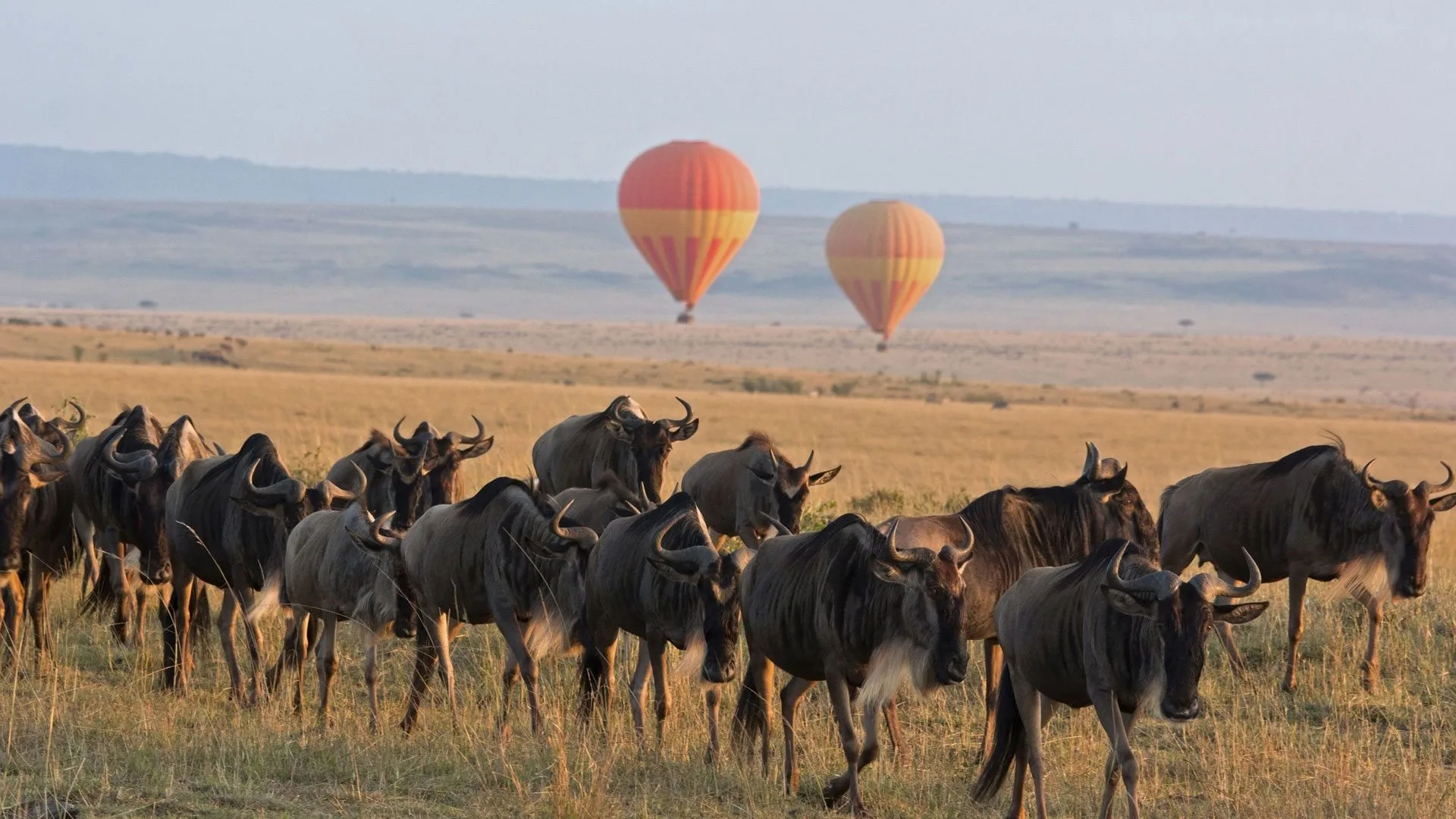
Optional
Hot-air balloon safari.
Available at extra cost when conditions, permits and your dates allow. Not guaranteed.
View activityOptional
Private conservancy experiences.
Available at extra cost when conditions, permits and your dates allow. Not guaranteed.

Included
Wildlife photography
Included in a typical day on this safari. Exact timing follows the confirmed itinerary.
View activity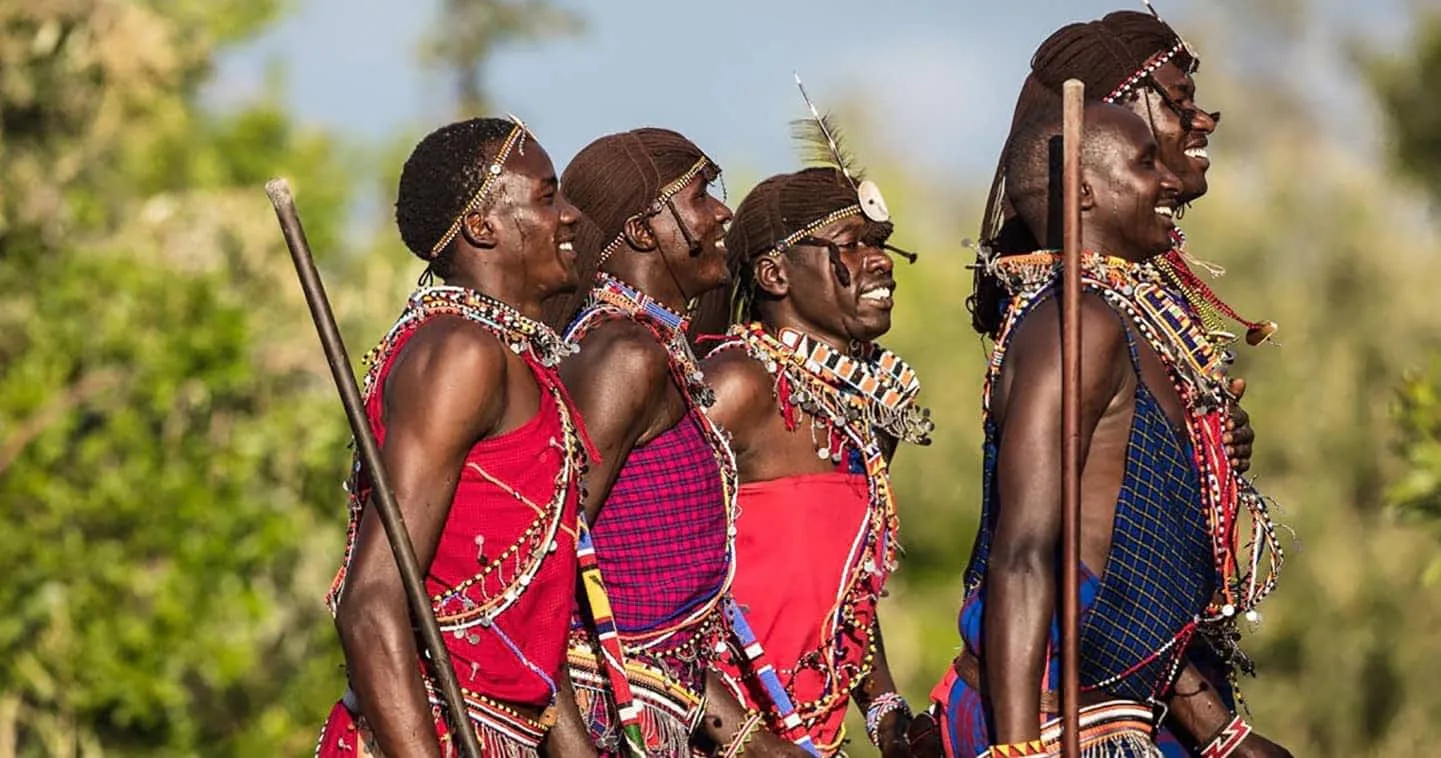
Optional
Cultural experiences.
Available at extra cost when conditions, permits and your dates allow. Not guaranteed.
View activityIncluded
Sundowners at selected camps
Included in a typical day on this safari. Exact timing follows the confirmed itinerary.
Additional information
Plan This Safari
Best Time for the 21 Days Grand Kenya Safari
Kenya can be visited throughout the year. The best period depends on what you want to experience.
January to March
These months often provide excellent general wildlife viewing. Conditions are frequently warm and relatively dry. This period is particularly suitable for travelers who want a classic safari without concentrating entirely on the migration.
April and May
The longer rains typically occur during this period. Advantages may include:
- Green landscapes.
- Dramatic skies.
- Fewer tourists.
- Lower seasonal rates at selected properties.
- Excellent birding.
- Beautiful photography.
Potential disadvantages include muddy roads, rain interruptions and seasonal camp closures.
June
June can be an excellent transition month. Landscapes may remain green while conditions become progressively drier. It is often quieter than July and August.
July to October
These are among Kenya's most popular safari months. The Masai Mara may host major concentrations of migratory wildebeest and zebras during portions of this period. Accommodation demand is high, so early reservations are strongly recommended.
November
Short rains can refresh the landscape. Wildlife viewing remains rewarding and visitor numbers may be lower than peak migration season.
December
December can provide excellent safari conditions, although Christmas and New Year are extremely popular travel periods. Festive-season bookings should be made well in advance.
Great Wildebeest Migration
The Great Wildebeest Migration is one of the world's greatest wildlife movements. Large numbers of wildebeest, zebras and other grazers move through the wider Serengeti–Mara ecosystem. The migration is driven primarily by:
- Rainfall.
- Fresh grass.
- Water availability.
It does not follow an exact calendar. Therefore, while seasonal patterns can guide planning, exact herd positions cannot be guaranteed far in advance.
Is the 21 Days Grand Kenya Safari Good for Migration?
Yes. A long itinerary is particularly useful for migration-focused travelers because it can allocate several nights to the Masai Mara. Instead of arriving for only two nights and hoping the herds are nearby, you have more time to respond to changing wildlife movements. For serious migration travelers, additional Mara nights can also be added.
Masai Mara River Crossings
River crossings attract enormous interest. They can involve wildebeest and zebras entering crocodile-inhabited rivers while predators wait nearby. However, crossings are unpredictable. Animals may:
- Approach the river.
- Wait for hours.
- Turn around.
- Move upstream.
- Cross suddenly.
- Cross after dark.
- Choose a completely different location.
For this reason, river crossings should be treated as a possible bonus rather than a guaranteed itinerary event.
Birdwatching on the Grand Kenya Safari
Three weeks across multiple habitats creates excellent birding opportunities. Habitats include:
- Arid northern scrub.
- Riverine forest.
- Conservancy grasslands.
- Rift Valley lakes.
- Wetlands.
- Acacia woodland.
- Open savannah.
Even travelers who do not initially identify as birdwatchers often become interested after encountering Kenya's colorful and dramatic species. Possible groups include: Eagles, Vultures, Kingfishers, Bee-eaters, Rollers, Hornbills, Storks, Pelicans, Herons, Cranes, Ostriches, Bustards, Sunbirds, Weavers.
Dedicated birders can request a specialist birding guide.
Photography on a 21-Day Kenya Safari
A three-week safari is excellent for photography because it provides time to work with changing light and animal behavior. Possible photographic subjects include: Elephants beneath Kilimanjaro, Reticulated giraffes in Samburu, Grevy's zebras, Rhinos, Lions, Leopards, Cheetahs, Flamingos and waterbirds, Hippos, Wildebeest herds, African sunsets, Savannah landscapes, Local communities where photography is appropriate and permitted.
Serious photographers should consider requesting a private vehicle. This provides greater freedom to choose positioning and remain longer at sightings.
Private Safari Vehicle
A private vehicle is one of the strongest upgrades for a long Kenya safari. Advantages include:
- Flexible departure times.
- No unrelated travelers sharing the vehicle.
- Freedom to remain at sightings.
- More space for camera equipment.
- Easier window access.
- Flexible meal schedules.
- Customized wildlife priorities.
Families, photographers and couples particularly benefit from private arrangements.
Safari Vehicle
Road portions are normally operated in a purpose-built 4x4 safari vehicle. Depending on the vehicle configuration, features may include:
- Pop-up roof.
- Large windows.
- Individual seats.
- Charging facilities.
- Cooler or refrigerator.
- Drinking water.
- Storage.
- Communication equipment.
- First-aid equipment.
Long safari vehicles should be professionally maintained because the itinerary covers substantial distances.
Road Safari Versus Fly-In Safari
- Road safari: allows you to see more of Kenya between parks and can provide better overall value. A dedicated driver-guide usually remains with you throughout much of the journey.
- Fly-in safari: domestic flights can reduce long transfers and increase wildlife-viewing time. Flying is particularly attractive between Nairobi and the Masai Mara.
- Combination safari: for many travelers, the best solution. Drive through sectors where the landscape and routing are interesting, then fly where road transfers would become repetitive or unnecessarily long.
Accommodation Options
The 21 Days Grand Kenya Safari can be customized across different accommodation levels.
Budget Safari
A budget version may use:
- Simple lodges.
- Basic tented camps.
- Comfortable ensuite rooms.
- Full-board safari meals.
- More road transfers.
The objective is to prioritize wildlife experience while controlling accommodation costs.
Mid-Range Safari
Mid-range accommodation usually provides a strong balance between price and comfort. Typical features may include:
- Ensuite bathrooms.
- Comfortable beds.
- Restaurant.
- Lounge.
- Swimming pool at selected properties.
- Good safari locations.
This category is suitable for many first-time Kenya travelers.
Luxury Safari
Luxury properties may include:
- Large tented suites.
- Premium lodge locations.
- Private verandas.
- Fine dining.
- Pools.
- Spa facilities.
- Personalized service.
- Laundry.
- Sundowners.
- Bush meals.
High-End and Exclusive Safari
Ultra-premium travelers can upgrade to:
- Private villas.
- Exclusive-use vehicles.
- Charter flights.
- Private guides.
- Butler service.
- Private plunge pools.
- Specialist conservation experiences.
- Premium drinks.
- Personalized dining.
Safari Meals
Most safari lodges operate on full-board arrangements. This generally means:
- Breakfast.
- Lunch.
- Dinner.
On game-drive days, meals may sometimes be adapted. For example:
- Early coffee before departure.
- Bush breakfast.
- Packed breakfast.
- Picnic lunch.
- Afternoon tea.
- Sundowner drinks.
Exact inclusions vary by property.
Dietary Requirements
Vegetarian, vegan, gluten-free and other dietary requirements can generally be accommodated with advance notice. Travelers with serious food allergies should provide detailed information before arrival. Remote safari camps need sufficient notice to source appropriate ingredients.
How Much Does a 21 Days Grand Kenya Safari Cost?
There is no single fixed price because three-week Kenya safaris vary enormously according to accommodation and transport style. A road-based mid-range safari can cost substantially less than an itinerary using premium camps and multiple domestic flights. For accurate pricing, request a quotation based on your exact travel dates and group size. Major pricing factors include:
- Number of travelers.
- Travel season.
- Accommodation category.
- Room type.
- Private vehicle.
- Domestic flights.
- Park fees.
- Conservancy fees.
- Optional activities.
- Balloon safari.
- Single supplements.
- Private guide.
- Specialist photographic guide.
Why Season Changes the Price
Kenya safari properties frequently use seasonal pricing. Peak periods can include:
- July.
- August.
- September.
- Portions of October.
- Christmas.
- New Year.
Rates can be lower during shoulder and green seasons. However, lower prices do not necessarily mean poor wildlife viewing. Some experienced travelers deliberately choose quieter months for fewer vehicles and greener scenery.
What Is Usually Included?
Depending on the confirmed quotation, inclusions may include:
- Airport pickup.
- Nairobi transfers.
- Safari transport.
- Professional driver-guide.
- Accommodation.
- Meals stated in the itinerary.
- Park entrance fees specified.
- Conservancy fees specified.
- Game drives.
- Lake Naivasha boat excursion where included.
- Drinking water during safari drives.
- Domestic flights where listed.
- Airstrip transfers.
- Government taxes applicable to included services.
Your final quotation remains the definitive reference for inclusions.
What Is Usually Excluded?
Unless specifically stated, exclusions may include:
- International flights.
- Travel authorization or visa-related charges where applicable.
- Travel insurance.
- Medical expenses.
- Vaccinations.
- Gratuities.
- Premium alcoholic drinks.
- Spa treatments.
- Hot-air balloon safari.
- Optional cultural activities.
- Specialist conservation experiences.
- Personal purchases.
- Additional meals.
- Activities not listed as included.
What to Pack for a 21-Day Kenya Safari
Three weeks may sound as though you need a very large suitcase, but safari travelers should generally pack lightly. Recommended clothing includes:
- Neutral-colored shirts.
- Lightweight trousers.
- Long-sleeved shirts.
- Warm fleece.
- Light jacket.
- Comfortable walking shoes.
- Sandals.
- Hat.
- Sunglasses.
- Rain jacket depending on season.
Laundry is available at many safari properties, allowing clothes to be reused throughout the journey.
Essential Safari Equipment
Consider packing:
- Binoculars.
- Camera.
- Telephoto lens.
- Spare batteries.
- Memory cards.
- Charger.
- Power bank.
- Universal adapter.
- Sunscreen.
- Insect repellent.
- Small daypack.
- Reusable water bottle where appropriate.
- Prescription medication.
- Copies of important travel documents.
Luggage for Domestic Safari Flights
Small aircraft frequently have stricter baggage limits than international airlines. Soft-sided bags are usually preferred, and large hard-shell suitcases may be unsuitable. Travelers carrying heavy photographic equipment should advise us during planning so appropriate flight and luggage arrangements can be considered.
Laundry During the Safari
Most mid-range and luxury safari lodges offer laundry. Some properties include it, while others charge separately. Because of this, travelers do not need twenty-one separate sets of safari clothing, and packing lightly makes transfers easier.
Health Considerations
Travelers should obtain individualized medical advice from a qualified travel-health professional before visiting Kenya. Advice may cover:
- Routine vaccinations.
- Destination-specific vaccinations.
- Malaria prevention.
- Personal medication.
- Travel health precautions.
Carry essential medication in hand luggage rather than checked baggage.
Travel Insurance
Comprehensive travel insurance is strongly recommended. A three-week safari represents a substantial travel investment. Insurance should ideally provide appropriate coverage for:
- Medical emergencies.
- Emergency evacuation.
- Trip cancellation.
- Trip interruption.
- Flight delays.
- Lost baggage.
- Valuable photography equipment where relevant.
Always read policy terms and exclusions carefully.
Is This Safari Suitable for Families?
Yes. A private 21-day safari can work extremely well for families when appropriately paced. Some activities have minimum-age restrictions, so children's ages should be provided during planning. Family-friendly modifications may include:
- Family rooms.
- Interconnecting rooms.
- Private vehicle.
- Shorter game drives.
- Swimming pools.
- Child-friendly meals.
- Educational activities.
- Additional leisure time.
- Domestic flights replacing long drives.
21 Days Grand Kenya Safari for Couples
Couples benefit from the privacy and flexibility of a long private safari. Multiple-night stays provide time to relax between game drives. Romantic upgrades can include:
- Private dinners.
- Sundowners.
- Bush breakfasts.
- Premium tented suites.
- Spa treatments.
- Balloon safari.
21 Days Grand Kenya Safari for Honeymooners
The itinerary can be converted into a honeymoon safari by selecting more intimate properties and adding romantic experiences. Possible honeymoon upgrades include:
- Boutique camps.
- Private vehicle.
- Honeymoon suites.
- Outdoor baths.
- Private plunge pools at selected properties.
- Candlelit dinners.
- Sundowners.
- Balloon safari.
- Beach extension.
21 Days Grand Kenya Safari for Senior Travelers
A three-week safari can be excellent for older travelers because it allows a slower pace. Adjustments can include:
- Domestic flights.
- Fewer long road sectors.
- Ground-level rooms.
- Properties with easy access.
- Private vehicle.
- Additional rest days.
- Longer stays in each destination.
Any mobility requirements should be discussed before booking.
21 Days Grand Kenya Safari for Photographers
Photography-focused travelers can request:
- Private safari vehicle.
- Fewer passengers per vehicle.
- Bean bags.
- Specialist guide.
- Extra luggage allowance arrangements.
- Longer morning drives.
- Extended evening drives.
- Migration-focused camp locations.
- Additional Masai Mara nights.
The itinerary's length makes it particularly suitable for serious wildlife photography.
Optional Hot-Air Balloon Safari
A hot-air balloon safari can be added in the Masai Mara. Flights generally take place around sunrise and provide a completely different perspective on the landscape. From the air, travelers can appreciate:
- Scale of the savannah.
- River systems.
- Wildlife trails.
- Herd movements.
- Acacia woodland.
- Open plains.
Balloon flights are weather dependent, cannot be guaranteed and should normally be reserved in advance.
Optional Cultural Experiences
Cultural experiences can be included in selected destinations. These should be approached respectfully and should benefit participating communities. Depending on routing, visits may involve Maasai, Samburu or other communities. Travelers should always ask before photographing individuals.
Optional Walking Safaris
Walking safaris may be available within selected private conservancies. They provide an opportunity to experience the environment at ground level. Rather than focusing only on large mammals, walks reveal:
- Tracks.
- Plants.
- Insects.
- Birds.
- Animal signs.
- Ecology.
Walking activities depend on local regulations, age restrictions and availability.
Optional Night Drives
Night drives may be possible in selected private conservancies but are generally restricted in many national parks. Possible nocturnal sightings include: Genets, Civets, Porcupines, Hyenas, Owls, Nightjars, Hares, Predators.
Every night drive is different.
Add Diani Beach
After three weeks of safari, some travelers prefer to finish with several nights beside the Indian Ocean. Diani Beach can be added for approximately four to seven nights. A Diani extension may include:
- Beachfront resort.
- Boutique hotel.
- Private villa.
- Swimming.
- Spa.
- Snorkeling.
- Diving.
- Ocean excursions.
- Leisure.
This transforms the journey into a longer safari-and-beach holiday.
Add Zanzibar
Zanzibar can also be added after the Kenya safari. Possible experiences include:
- Beach resort.
- Stone Town.
- Spice experiences.
- Snorkeling.
- Diving.
- Sailing.
- Spa treatments.
- Romantic dinners.
Flights can be incorporated according to the final routing.
Add Tanzania
Travelers wanting an even more comprehensive East African safari can continue into Tanzania. Possible destinations include:
- Serengeti National Park.
- Ngorongoro Crater.
- Tarangire National Park.
- Lake Manyara.
- Ndutu.
- Zanzibar.
A Kenya and Tanzania combination requires additional days if the Kenya itinerary is retained in full.
Customize the 21 Days Grand Kenya Safari
The itinerary is fully customizable. Possible modifications include:
- Add Lewa Wildlife Conservancy.
- Add Meru National Park.
- Add Tsavo.
- Add private Masai Mara conservancies.
- Add more Masai Mara nights.
- Reduce Nairobi nights.
- Add Diani Beach.
- Replace road sectors with flights.
- Upgrade selected accommodation.
- Add specialist birding guide.
- Add photography guide.
- Add walking safari experiences.
- Add cultural activities.
- Add Tanzania.
The purpose of customization is not simply to make the itinerary longer or more expensive. It is to ensure the journey matches your priorities.
Why Three Weeks Makes a Difference
A three-week safari changes the way you experience Kenya. During a short safari, there is often a constant sense of movement:
- Wake early.
- Game drive.
- Breakfast.
- Pack.
- Drive.
- Check in.
- Game drive.
- Dinner.
- Repeat.
The 21 Days Grand Kenya Safari allows a different rhythm. There are still exciting travel days, but there are also mornings when you wake knowing that you will remain in the same ecosystem. You can follow an elephant family from one day to the next, return to an area where a leopard was seen yesterday, wait for Kilimanjaro to emerge from the clouds and spend time learning the differences between Grevy's zebras and plains zebras, although sightings and mountain views cannot be guaranteed.
You can watch rhinos without immediately needing to leave for another park. You can sit beside Lake Naivasha and watch African fish eagles. And when you finally reach the Masai Mara, you have enough time to experience the ecosystem properly. That additional time also changes your relationship with your guide. Over three weeks, your guide learns what interests you, whether you are fascinated by birds, prefer predators, enjoy photography and need longer positioning at sightings, or would rather watch elephants for an hour than rush around trying to add another species to a checklist. The itinerary gradually becomes more personalized.
Why the Grand Kenya Safari Is More Than a Big Five Trip
Seeing the Big Five is exciting, but Kenya's biodiversity extends far beyond five species. A grand safari can introduce you to: Grevy's zebra, Reticulated giraffe, Gerenuk, Beisa oryx, Somali ostrich, Hippos, Crocodiles, Hyenas, Jackals, Elands, Topis, Waterbucks, Impalas, Gazelles, Warthogs, Baboons, Monkeys, Hundreds of bird species.
The landscapes are equally important. The dry north, Rift Valley lakes, Amboseli wetlands and Mara grasslands each tell a different ecological story. By traveling through all of them, you begin to understand Kenya as a collection of interconnected but dramatically different environments.
Responsible Safari Travel
A long safari provides an excellent opportunity to support conservation and local communities. Responsible safari practices include:
- Respecting wildlife-viewing distances.
- Avoiding pressure on animals.
- Following park rules.
- Not requesting guides to drive illegally off-road.
- Avoiding litter.
- Reducing unnecessary plastic use.
- Respecting local communities.
- Asking permission before photographing people.
- Supporting legitimate conservation initiatives.
- Choosing responsible accommodation.
Wildlife should never be disturbed simply to obtain a photograph. The best safari encounters happen when animals are allowed to behave naturally.
Book Your 21 Days Grand Kenya Safari
The 21 Days Grand Kenya Safari is designed for travelers who do not want to reduce Kenya to a handful of rushed wildlife stops. Three weeks gives you the time to experience the country in depth. Begin in Nairobi before traveling into northern Kenya, where reticulated giraffes, Grevy's zebras, gerenuks, elephants and predators inhabit the dramatic Samburu landscape. Continue into Laikipia and Ol Pejeta for rhino conservation and private conservancy experiences.
Descend into the Great Rift Valley for Lake Nakuru's wildlife and Lake Naivasha's hippos, birds and peaceful waters. Travel south to Amboseli and spend multiple days watching some of Africa's most famous elephant families beneath the enormous presence of Mount Kilimanjaro. Then finish with an extended stay in the Masai Mara, searching for lions, leopards, cheetahs, elephants, buffaloes and the immense seasonal herds of the Great Wildebeest Migration. It is a journey through Kenya's landscapes as much as its wildlife.
It provides time for game drives and time for rest, time for famous species and time for unexpected discoveries, time for photography, time for birding and time to understand wildlife behavior. And, above all, it provides time to experience Kenya without constantly feeling that you need to leave for the next destination.
Contact Safari Trips to Kenya to customize your 21 Days Grand Kenya Safari according to your travel dates, group size, accommodation preferences, wildlife interests and budget. We can create a road-based itinerary, fly-in safari or combination; select budget, mid-range, luxury or high-end accommodation; add private conservancies and specialist activities; or extend the journey to Diani Beach, Zanzibar or Tanzania. Plan your 21 Days Grand Kenya Safari and spend three unforgettable weeks exploring Samburu, Laikipia, the Great Rift Valley, Amboseli and the Masai Mara on one of the most comprehensive Kenya safari journeys.
Planning Questions
Frequently Asked Questions
Is 21 days too long for a Kenya safari?
No. Kenya has enough ecological and geographical diversity to support a rewarding three-week itinerary, particularly when the route includes northern Kenya, the Rift Valley, Amboseli and the Masai Mara.
Is this a private safari?
It can be operated entirely privately with your own safari vehicle and driver-guide.
Can we choose our accommodation level?
Yes. Budget, mid-range, luxury and mixed-category versions can be created.
Can we fly between destinations?
Yes. Selected long transfers can be replaced with scheduled or charter flights.
Will we see the Big Five?
The itinerary visits strong habitats for all five species, but wildlife sightings are never guaranteed.
Where are the best elephant sightings?
Samburu and Amboseli are particularly strong elephant destinations, although sightings cannot be guaranteed.
Where can we see rhinos?
Ol Pejeta, Laikipia and Lake Nakuru provide important rhino opportunities.
Where are lions easiest to see?
The Masai Mara is one of Kenya's strongest lion destinations, although sightings cannot be guaranteed.
Can we see leopards?
Potentially in Samburu, Laikipia and the Masai Mara, although leopards are naturally elusive.
Can we see cheetahs?
The Masai Mara provides particularly good cheetah habitat, although sightings cannot be guaranteed.
Can we see Grevy's zebras?
Northern Kenya, including Samburu, provides important opportunities.
Can we see reticulated giraffes?
Samburu is particularly suitable, although sightings cannot be guaranteed.
Is Mount Kilimanjaro guaranteed to be visible?
No. Weather and cloud cover affect visibility.
Can we see the Great Migration?
Potentially, depending on your travel dates and the natural movement of the herds.
Are river crossings guaranteed?
No. Crossings are unpredictable natural events.
Can we add a balloon safari?
Yes. A Masai Mara balloon flight can be added subject to availability and weather.
Can we add walking safaris?
Yes, in selected conservancies where walking is permitted.
Are night drives available?
They may be available in selected private conservancies.
Is the safari suitable for children?
Yes, but the route should be adapted according to children's ages.
Is the safari suitable for senior travelers?
Yes. Flight upgrades and carefully selected accommodation can make the journey particularly comfortable.
Can dietary requirements be accommodated?
Most safari lodges can accommodate common dietary requirements with advance notice.
Is laundry available?
Laundry is available at many properties.
Do safari lodges have Wi-Fi?
Many do, although speed and coverage vary in remote areas.
Can we charge cameras and phones?
Most established safari properties provide charging facilities, but systems differ between camps.
What luggage should we use?
Soft-sided bags are strongly recommended when domestic safari flights are included.
Can we start on any date?
Private departures can generally begin throughout the year, subject to accommodation and transport availability.
How early should we book?
For July through October and Christmas/New Year, early booking is strongly recommended.
Can we add a beach holiday?
Yes. Diani Beach or Zanzibar can be added.
Can we combine Kenya with Tanzania?
Yes. Tanzania can be added before or after the Kenya safari.
05 Request Quote
Request Quote
Tell us your dates, group size, and preferred lodge style — we will send a tailored quote for this safari.
Want to extend your safari?
Add Amboseli, Diani Beach, Tanzania and Zanzibar, or gorilla trekking in Uganda or Rwanda — we tailor the journey to your dates.