
1 Day Kenya Safari
Plan a 1 Day Kenya Safari with private transport, expert guiding and wildlife viewing. Explore the best one-day…
View SafariHandpicked Kenya Safari Tours for Every Traveler
Discover Kenya solo safaris with private guides, shared group tours, Masai Mara wildlife experiences, solo travel costs, accommodation and safety tips.
Yes. Kenya is a well-established safari destination with experienced guides, a broad range of accommodation and organised wildlife tours. Solo travellers can choose between private and shared safari arrangements. A private safari provides a dedicated guide and vehicle, allowing the itinerary to be tailored to individual interests.
A shared group safari offers opportunities to meet other travellers and can reduce the cost of transport. Kenya also provides a variety of destinations, from classic savannah wildlife reserves to conservation areas, Rift Valley lakes and Indian Ocean beaches. However, independent travel requires appropriate preparation. Visitors should choose reputable operators, understand transport arrangements and follow current travel advice.
Showing 1–12 of 215 safaris
Plan a 1 Day Kenya Safari with private transport, expert guiding and wildlife viewing. Explore the best one-day…
View SafariExplore the 10 Days Family Kenya Safari with a day-by-day safari plan, key wildlife experiences, destinations, accommodation ideas,…
View SafariExplore the 10 Days Fly-in Kenya Safari with a day-by-day safari plan, key wildlife experiences, destinations, accommodation ideas,…
View SafariExplore the 10 Days Honeymoon Kenya Safari with a day-by-day safari plan, key wildlife experiences, destinations, accommodation ideas,…
View SafariPlan a 10 Days Kenya Big Five Safari with expert guides, game drives and carefully chosen camps. Request…
View SafariA 10 day Kenya journey connecting Nairobi, Ol Pejeta, Samburu or Buffalo Springs, Solio, Lake Nakuru, Maasai Mara…
Lake Naivasha, Lake Nakuru, Masai Mara
View SafariPlan a 10 Days Kenya Safari with expert guides, game drives and carefully chosen camps. Request a quote.
View SafariPlan a 10 Days Kenya Safari & Diani Beach with expert guides, game drives and carefully chosen camps.…
Diani Beach
View SafariPlan a 10 Days Kenya Wildlife Safari with expert guides, game drives and carefully chosen camps. Request a…
View SafariPlan a 10 Days Luxury Kenya Safari with expert guides, game drives and carefully chosen camps. Request a…
View SafariA 10 day Kenya journey connecting Nairobi, Maasai Mara, Lake Naivasha, Amboseli and Diani Beach.
Amboseli, Diani Beach, Lake Naivasha
View SafariPlan a 10 Days Masai Mara & Amboseli with expert guides, game drives and carefully chosen camps. Request…
Masai Mara, Amboseli
View SafariOne of the greatest advantages of solo travel is the ability to focus on personal interests. A wildlife photographer may want to spend hours observing animal behaviour, while a birdwatcher may prefer destinations with varied habitats and specialist guiding. Travellers interested in conservation can include selected educational experiences. A private solo safari provides flexibility to design the itinerary around these interests.
Wildlife safaris offer moments of quiet observation. Watching elephants move through a wetland or listening to birds at sunrise can be particularly rewarding when travelling independently. Solo travel allows visitors to experience these moments at their own pace.
Shared group safaris provide opportunities to meet people with similar interests. Meals, game drives and transfers create a social environment without requiring travellers to organise the holiday together beforehand.
For some travellers, completing a solo African safari is an important personal milestone. Careful planning and professional support can make the experience accessible even to visitors who have not previously travelled alone in East Africa.
A private Kenya safari for one person includes a dedicated safari vehicle and professional guide. This arrangement provides maximum flexibility. The traveller can choose preferred destinations, accommodation categories and activity schedules. Private safaris are particularly suitable for photographers, birdwatchers and visitors with specialised interests.
However, the cost per person is usually higher because transport and guiding expenses are not shared.
A shared safari brings together travellers following a common itinerary. This can reduce transport costs and provide opportunities to meet other visitors. Group safaris normally operate on fixed departure dates and use predetermined accommodation. The number of participants varies, so travellers should confirm group size before booking.
A private safari is generally preferable for travellers who value independence, flexibility and personalised guiding. A shared safari is attractive for travellers who want a social experience or need to manage costs. Some solo travellers combine both options, joining a group safari for the main wildlife circuit and arranging a private extension afterwards.
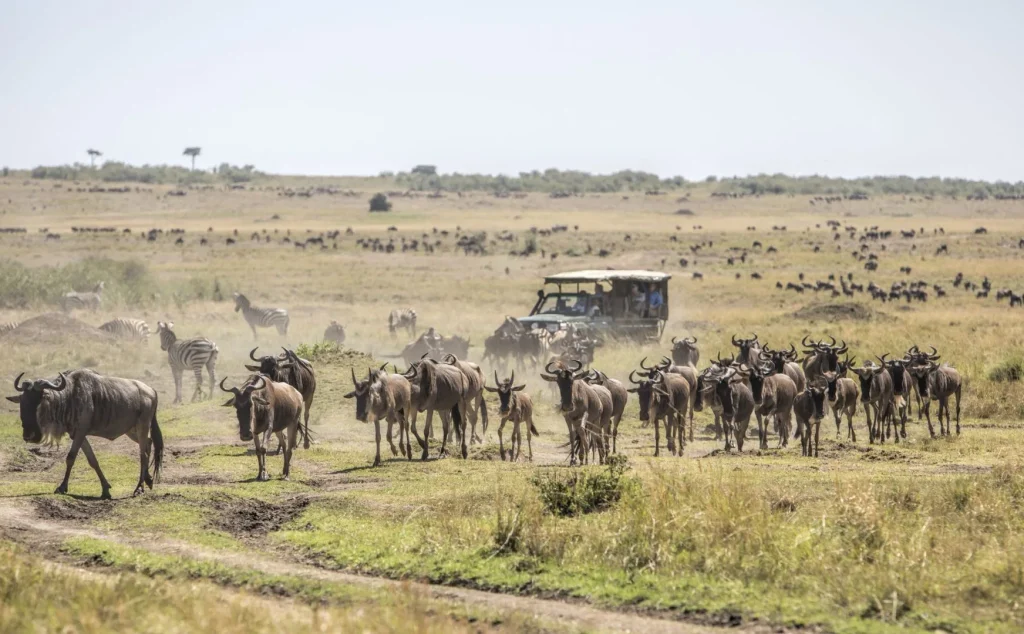
The Masai Mara is one of the best destinations for a first solo safari in Kenya. Its grasslands support lions, cheetahs, elephants, buffaloes, giraffes, zebras, wildebeest and numerous antelope species. The reserve is particularly attractive for wildlife photography and predator viewing.
A three- or four-night stay allows time to explore different habitats and observe wildlife behaviour. The Masai Mara is also associated with the Great Wildebeest Migration, although herd movements and river crossings are unpredictable.
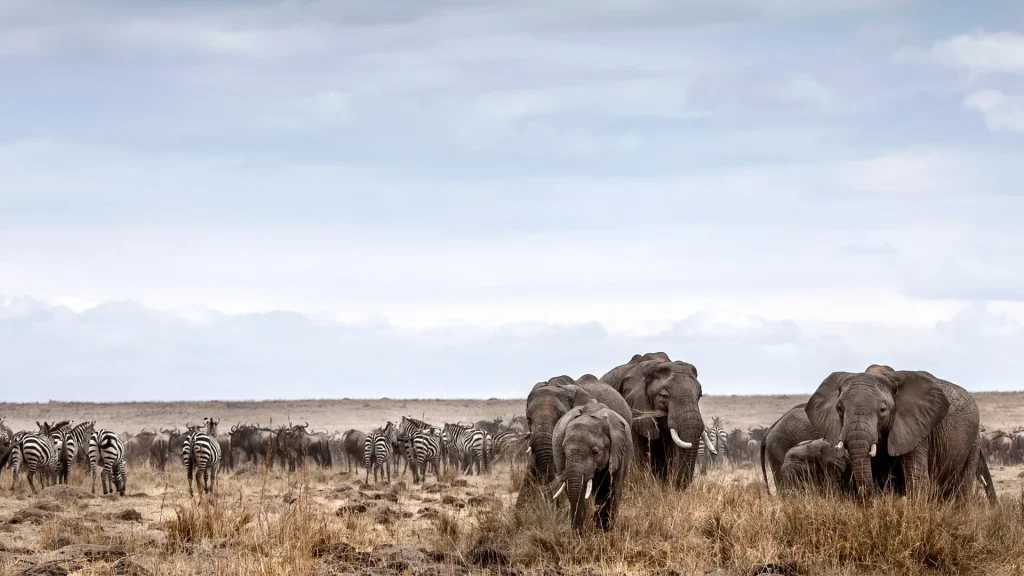
Amboseli is famous for elephants and views towards Mount Kilimanjaro when weather conditions permit. The park's wetlands and open plains support a range of wildlife. It is particularly attractive for photographers and travellers interested in elephant behaviour.
Lake Nakuru offers opportunities to observe rhinoceroses, buffaloes, giraffes and numerous bird species. Its woodland and lakeshore habitats provide a different environment from the Masai Mara. The park can be included in a multi-destination road safari.
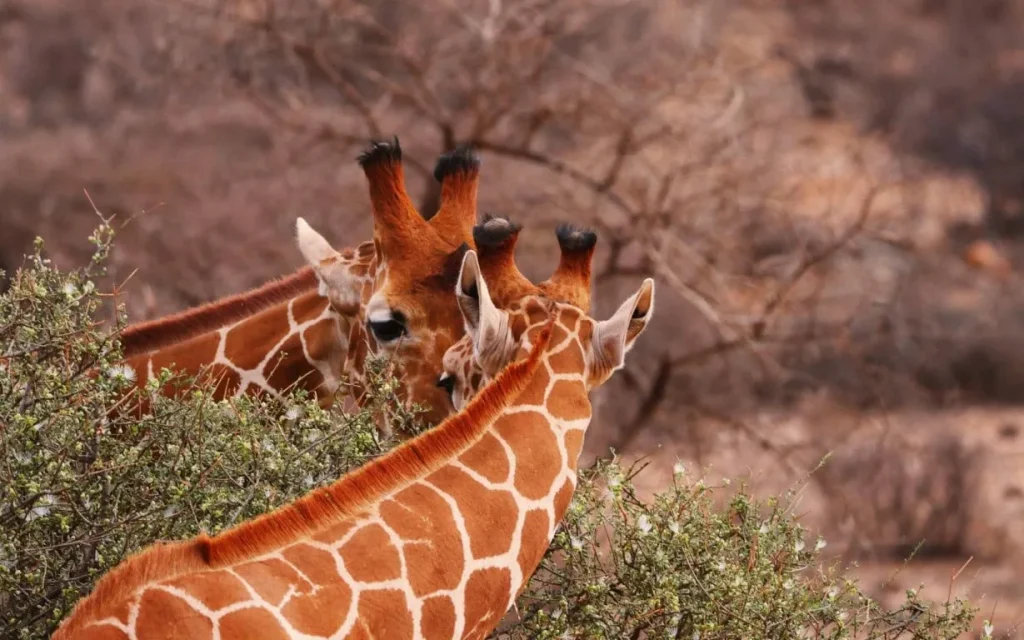
Samburu is particularly interesting for travellers seeking wildlife associated with northern Kenya. Species include Grevy's zebra, reticulated giraffe, gerenuk, Beisa oryx and Somali ostrich. The reserve's dry landscapes provide a distinctive safari experience.
Ol Pejeta is recognised for rhino conservation and broader wildlife protection initiatives. It is attractive for solo travellers interested in conservation education. Selected activities may be available, subject to current programmes.
Diani Beach provides an opportunity to relax after several days of wildlife viewing. Solo travellers can choose from different accommodation styles and enjoy selected coastal activities. Transport and excursion arrangements should be organised through reputable providers.
This is a practical option for solo travellers with limited time.
Day 1: Nairobi to Masai Mara
Depart Nairobi and travel towards the Masai Mara. The journey passes through the Rift Valley and rural landscapes. After arrival, settle into the selected accommodation and enjoy a game drive if time permits.
Day 2: Full-Day Masai Mara Safari
Spend the day exploring the reserve with your guide and fellow travellers. Look for lions, elephants, giraffes, zebras and other wildlife. A picnic lunch may allow more time in the reserve.
Day 3: Return to Nairobi
After breakfast, depart for Nairobi. Arrival time depends on traffic, road conditions and stops.
A five-day programme can include an arrival night in Nairobi followed by several nights in the Masai Mara. This provides more time for wildlife viewing and photography. A private guide can adapt the daily schedule according to personal interests.
A seven-day itinerary can combine Lake Nakuru and the Masai Mara, with additional time for Nairobi or another destination. This programme provides opportunities for rhino viewing, birdlife and classic savannah wildlife.
A longer programme can combine Amboseli, Lake Nakuru and the Masai Mara. Travellers can explore different ecosystems while enjoying a broader introduction to Kenya. A coastal extension can be added if time permits.
Kenya can be an attractive destination for women travelling alone, particularly when using organised safari arrangements. A Kenya solo female safari can include airport collection, prearranged accommodation, professional guiding and private or shared transport. Travellers should select reputable operators and confirm the identity and contact details of their designated representatives.
Accommodation should be chosen with attention to location, access and security arrangements. Solo travellers should avoid unnecessary travel after dark in unfamiliar areas and follow current local travel advice. For visitors who prefer additional companionship, a shared group safari can provide a social environment. Women travelling alone may also choose a private safari for greater control over the itinerary.
The cost of a solo safari depends on itinerary length, accommodation category, travel season and transport arrangements. Private safaris generally cost more per person because the traveller covers the vehicle and guiding expenses alone. Shared group safaris can reduce these costs.
Accommodation pricing is another important consideration. Many safari rates are based on two people sharing a room, so solo travellers may need to pay a single supplement. Travellers should request a quotation that clearly identifies room arrangements and any additional charges.
A single supplement is an additional charge that may apply when one traveller occupies a room normally priced for two people sharing. The amount varies by property, season and accommodation category. Some lodges offer special single-occupancy rates during selected periods. Travellers should not assume that every property applies the same policy.
When comparing safari quotations, it is important to check whether the price includes private accommodation or assumes room sharing.
These months can offer rewarding wildlife viewing and may be attractive for travellers seeking a quieter safari experience. Conditions vary by destination.
The longer rainy season can bring greener landscapes and fewer visitors. However, rain may affect road conditions and some accommodation properties close seasonally.
This is a popular period for wildlife safaris, particularly in the Masai Mara. The Great Wildebeest Migration attracts considerable interest, although herd movements and river crossings are unpredictable. Peak-season accommodation should be booked early.
November can bring shorter seasonal rains. December is popular for festive holidays, and accommodation demand may increase around Christmas and New Year.
Essential accommodation focuses on practical lodges and permanent tented camps offering good value.
Comfort properties generally provide private bathrooms, comfortable rooms and suitable dining facilities.
Premium lodges and camps offer more refined facilities and attractive locations.
Signature properties focus on high-end safari experiences and personalised hospitality. Solo travellers should consider accommodation location, security arrangements and room pricing when choosing a property.
Road safaris allow travellers to experience more of Kenya's countryside and may be economical on shared departures. However, road journeys between major destinations can be substantial. A Kenya fly-in safari uses scheduled or charter aircraft to connect Nairobi with selected safari airstrips.
Fly-in safaris reduce lengthy transfers but generally cost more. Domestic safari aircraft may have strict luggage restrictions. The best option depends on available time, budget and preferred travel style.
Solo safari travellers should take the following precautions:
Travellers should seek professional medical advice before visiting Kenya. Malaria risk varies by location and altitude, making itinerary-specific recommendations important. Travel insurance should cover medical treatment, emergency evacuation and travel disruption. Safari clothing should be lightweight and comfortable, with a warm layer for early morning drives.
Binoculars, sunscreen, insect repellent, a hat and comfortable footwear are useful. Photographers should bring sufficient memory cards, batteries and protection against dust.
Packing should focus on practicality. Useful items include lightweight clothing, warm layers, comfortable shoes, sunscreen, insect repellent and binoculars. A small daypack can hold water, camera equipment and personal essentials during game drives. Travellers using domestic safari flights should check baggage limits carefully.
Soft-sided luggage may be required.
Responsible safari travel helps protect Kenya's wildlife and natural habitats. Visitors should follow park regulations and respect local communities. Wildlife should not be approached too closely or disturbed for photographs. Choosing accommodation that supports appropriate conservation practices can contribute to responsible tourism.
Solo travellers may wish to extend their holiday beyond Kenya. A Kenya and Tanzania safari can combine the Masai Mara with the Serengeti and Ngorongoro Crater. Uganda offers opportunities for chimpanzee tracking and mountain gorilla trekking, subject to permit availability and visitor regulations.
Rwanda is another destination for gorilla trekking and cultural experiences. Multi-country itineraries require careful coordination of flights, immigration procedures and activity reservations.
Yes. Solo travellers can book private safaris or join shared group departures.
Private solo safaris generally cost more per person because transport and guiding expenses are not shared. Group safaris may provide better value.
Yes. Shared group departures are available through various operators, subject to dates and availability.
Not necessarily. Private rooms may be available, although a single supplement can apply.
Organised safari arrangements can provide a structured travel experience. Travellers should use reputable providers and follow current safety advice.
Three to five days can provide a focused Masai Mara experience. Seven to ten days allows a more varied itinerary.
Yes. A dedicated vehicle and guide can be arranged for solo travellers.
Not always. Some departures require a minimum number of participants.
Yes. Diani Beach, Watamu and other coastal destinations can be added to the itinerary.
Yes. A private safari is particularly useful for photographers who want flexibility in wildlife observation.
Safari Trips to Kenya creates personalised wildlife holidays for independent travellers. Whether you prefer a private safari with a dedicated guide or a shared group departure, we can recommend suitable destinations, accommodation and travel arrangements. Share your preferred travel dates, accommodation expectations, budget and wildlife interests. Our team can prepare a customised Kenya solo safari that balances independence, professional support, wildlife experiences and value.