

The best time to visit Kenya depends on the experiences you want to enjoy. For wildlife safaris, the relatively dry months from June to October and January to February are generally excellent choices. July through September is particularly popular for travellers hoping to see the Great Wildebeest Migration in the Masai Mara, while January and February offer favourable conditions for many safari destinations and coastal holidays.
Kenya is a geographically diverse country, and its climate varies considerably between regions. The open grasslands of the Masai Mara, the wetlands of Amboseli, the highland conservancies of Laikipia and the tropical beaches of the Indian Ocean coast do not experience identical weather, so there is no single perfect month for every Kenya holiday.
A traveller interested in photographing elephants beneath Mount Kilimanjaro may choose different dates from someone planning a beach holiday in Diani or a mountain trek on Mount Kenya. Similarly, the best season for observing large concentrations of migrating wildebeest may not be the most suitable period for visitors who prefer lower accommodation prices and fewer safari vehicles. Understanding Kenya’s seasonal patterns helps travellers choose realistic itineraries, appropriate destinations and suitable accommodation. This guide explains Kenya weather by month, the principal safari seasons, wildlife-viewing opportunities and the best periods for different travel experiences.
When Is the Best Time for a Kenya Safari?
For most travellers, June through October provides excellent conditions for a Kenya wildlife safari. During these months, rainfall is generally relatively limited across many important safari regions, and vegetation may become shorter as the dry season progresses. Animals may concentrate around dependable water sources, making them easier to locate in some habitats. July, August and September are especially popular because the Masai Mara may host substantial concentrations of migrating wildebeest and zebra.
However, January and February are also excellent safari months. These months commonly provide warm, relatively dry conditions in destinations such as Amboseli National Park, Lake Nakuru National Park, Samburu National Reserve and Ol Pejeta Conservancy. The wetter months should not automatically be dismissed: they can offer green landscapes, birdwatching opportunities, fewer visitors and attractive photographic conditions. The best safari season therefore depends on wildlife interests, preferred weather, budget and tolerance for occasional rain.
Understanding Kenya’s Climate and Seasons
Kenya lies close to the equator, but its climate is strongly influenced by altitude, geography and proximity to the Indian Ocean. The central highlands, including Nairobi and parts of Laikipia, are generally cooler than the lowland coastal regions. Northern Kenya contains extensive arid and semi-arid landscapes where rainfall is limited and seasonal patterns can be irregular, while the coast experiences warm tropical conditions throughout the year, with seasonal changes in rainfall, humidity and monsoon winds.
Many parts of Kenya experience two principal rainy periods. The long rains generally occur between March and May, while the short rains commonly develop around October and November. The relatively dry periods usually include January to February and June to September, extending into October in some areas. However, these patterns are not fixed: rainfall can begin earlier or later than expected, and conditions may differ significantly between neighbouring regions.
Best Time to Visit Kenya Month by Month
January: Excellent Safari and Beach Conditions
January is one of the strongest months for a Kenya safari and beach holiday. Rainfall is generally relatively limited across many safari destinations, and daytime conditions are often comfortable. Amboseli can offer rewarding elephant viewing, while Lake Nakuru and Ol Pejeta provide opportunities to look for rhinos. The Masai Mara remains attractive for resident wildlife, including lions, elephants, giraffes and other plains animals.
Along the coast, destinations such as Diani Beach often experience warm, relatively dry weather. January is particularly suitable for travellers seeking a combination of wildlife viewing and relaxation.
February: One of Kenya’s Best All-Round Travel Months
February is another excellent month for visiting Kenya. Relatively dry conditions often support productive game drives across several regions, and vegetation may become shorter, improving visibility in some habitats. Amboseli is particularly attractive for elephants, while Laikipia and Ol Pejeta offer conservation-focused experiences.
The Kenyan coast is generally warm, making February a popular month for beach holidays. February is also convenient for travellers who prefer to avoid the busiest July–August safari period.
March: Transition Towards the Long Rains
March is a transitional month across much of Kenya. Early March may remain relatively dry, while rainfall often increases later. Fresh vegetation begins to change the appearance of safari landscapes, and wildlife remains present, but animals may spread into areas with newly available grazing.
March can be attractive for travellers who appreciate green scenery and are comfortable with occasional rain. Coastal conditions may become hotter and more humid as the rainy season approaches.
April: Long Rains and Green Landscapes
April is commonly one of the wettest months in many parts of Kenya. Rainfall can transform grasslands, forests and highland landscapes. Birdwatching may be rewarding, and photographers can enjoy dramatic skies and fresh vegetation.
However, heavy rain may make some safari tracks muddy and affect access to remote areas, and certain seasonal camps may close temporarily. April is best suited to flexible travellers who understand that weather may influence activities and routes.
May: Quiet Safaris During the Rainy Season
May often continues the long-rains period. Many safari destinations remain green, and visitor numbers may be lower than during peak season. Wildlife viewing is still possible, particularly in parks with resident animal populations, although dense vegetation and muddy roads can make some sightings more challenging.
The Kenyan coast may experience substantial rainfall, making May less attractive for travellers seeking consistently sunny beach weather. May can nevertheless offer rewarding experiences for photographers and travellers who prefer quieter destinations.
June: Beginning of the Main Safari Season
June generally marks the transition towards drier conditions. Rainfall often decreases across many safari regions, while landscapes may retain greenery from the preceding rains. Wildlife viewing can become more productive as vegetation gradually dries.
June is an excellent month for visiting Amboseli, Lake Nakuru, Ol Pejeta and other conservation areas. The Masai Mara remains attractive for resident wildlife, although the main migration herds may still be farther south. June is a useful choice for travellers seeking favourable conditions before the busiest holiday months.
July: Excellent Wildlife Viewing and Migration Opportunities
July is one of Kenya’s most popular safari months. Relatively dry conditions often make game drives convenient across major wildlife destinations. The Great Wildebeest Migration may begin bringing substantial herds into the Masai Mara ecosystem, although timing varies annually.
Amboseli offers rewarding elephant viewing, while Lake Nakuru and Ol Pejeta are attractive for rhinos. July is also a convenient month for combining safari destinations with the Kenyan coast. Accommodation demand can be high, so advance booking is recommended.
August: Peak Kenya Safari Season
August is among the busiest months for a Kenya wildlife safari. The Masai Mara often hosts large concentrations of migrating wildebeest and zebra, with opportunities for river crossings, although crossings are unpredictable and cannot be guaranteed.
Other destinations, including Amboseli, Samburu and Laikipia, can also offer excellent wildlife viewing. The weather is generally relatively dry across many safari regions. Accommodation rates may be higher, and popular camps can sell out well in advance.
September: Excellent Safari Conditions
September is another outstanding month for Kenya safaris. Relatively dry weather often continues, and wildlife may remain concentrated around dependable water sources. The Masai Mara can provide rewarding migration viewing, depending on herd movements.
Amboseli is attractive for elephants, while Laikipia offers conservation-focused experiences. September may appeal to travellers seeking excellent wildlife conditions with potentially fewer visitors than during August.
October: Late Dry Season and Changing Weather
October is a transitional month in many parts of Kenya. Early October may retain dry-season conditions, while rainfall can increase later. The Masai Mara may still host migrating herds, although some animals begin moving southwards as grazing conditions change.
Amboseli can offer productive wildlife viewing around permanent wetlands. The coast may become warmer, with increasingly variable rainfall. October remains a worthwhile month for travellers who are comfortable with changing weather.
November: Short Rains and Birdwatching
November is commonly associated with the short rains. Fresh vegetation transforms many safari landscapes, and migratory birds may arrive. Wildlife remains present throughout Kenya’s major parks and conservancies, although some roads may become muddy and animals may spread into newly productive grazing areas.
November can be attractive for birdwatchers and photographers who prefer green landscapes. Coastal holidays remain possible, although rainfall may interrupt outdoor activities.
December: Holiday Safaris and Coastal Travel
December is a popular month for Kenya holidays. Weather conditions often improve as the short rains diminish, although showers may continue. Safari destinations remain rewarding for resident wildlife, and the coast becomes increasingly attractive for beach holidays.
Christmas and New Year are busy travel periods, with higher accommodation demand. Travellers planning December safaris should reserve accommodation and transport early.
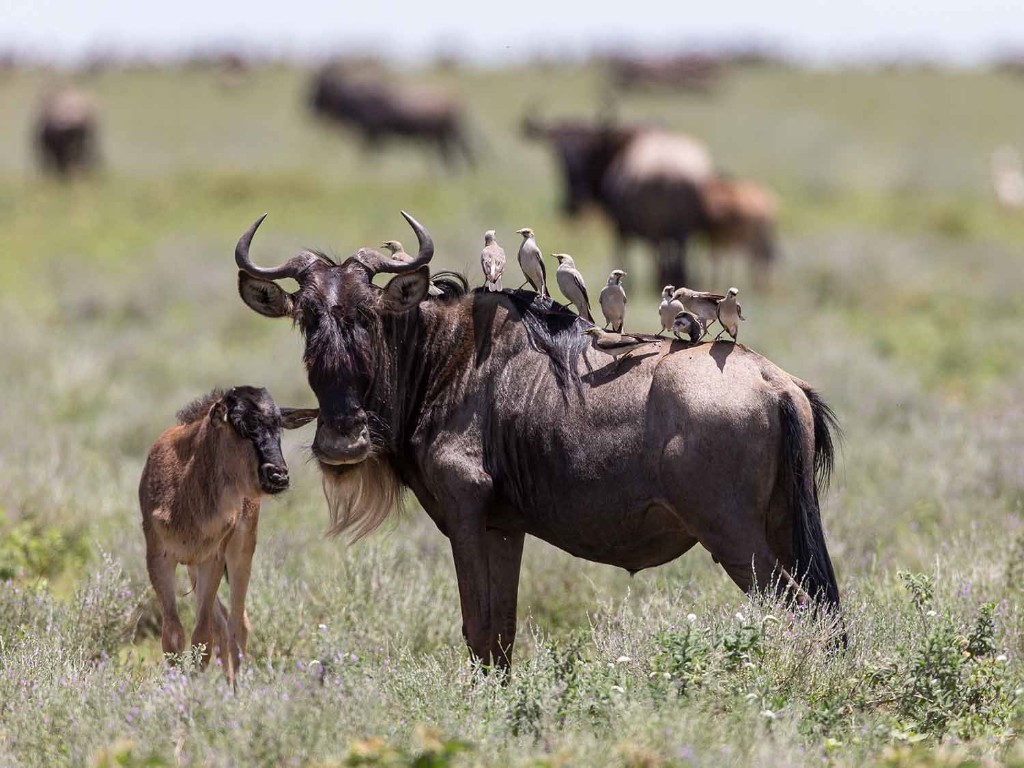
Best Time for the Great Wildebeest Migration
The Great Wildebeest Migration Kenya is one of the country’s most famous wildlife attractions. Large herds of wildebeest and zebra move through the Serengeti–Mara ecosystem in response to rainfall and grazing conditions. The main planning window for migration viewing in Kenya is generally July through October. August and September are particularly popular because substantial herds are often present in the Masai Mara.
However, the migration does not follow an exact annual timetable. Some years, herds arrive earlier than expected; in other years, rainfall patterns keep them farther south for longer. River crossings are especially unpredictable. Travellers should allow several days in the Masai Mara and approach the experience as a broader wildlife safari rather than expecting a guaranteed crossing.
Best Time to Visit the Masai Mara
The Masai Mara National Reserve is rewarding throughout the year. July through October is particularly popular for migration viewing. January and February can also offer excellent resident wildlife sightings, including lions, elephants, giraffes, buffalo and cheetahs, and the greener months provide attractive scenery and birdwatching opportunities.
Travellers interested primarily in migration activity should prioritise the July–October window. Those seeking general wildlife viewing may find other months equally rewarding.
Best Time to Visit Amboseli
Amboseli National Park is particularly attractive during the relatively dry months of January, February and June through October. Elephants may concentrate around permanent wetlands as temporary water sources become less available. The park is also famous for views of Mount Kilimanjaro; early morning often provides the best opportunity for clear mountain views, although clouds can obscure the summit at any time. The rainy season offers green landscapes and attractive photography.
Best Time to Visit Lake Nakuru
Lake Nakuru National Park is an important rhino conservation destination. January, February and June through September are generally favourable for wildlife viewing. The park supports black and white rhinos, giraffes, buffalo, lions and diverse birdlife. Flamingo numbers fluctuate according to lake conditions, so travellers should not assume that enormous flocks will be present. Lake Nakuru is particularly convenient for inclusion in a Rift Valley safari itinerary.
Best Time to Visit Samburu
Samburu National Reserve lies in northern Kenya and experiences a relatively dry climate. The dry months are often favourable for wildlife viewing because animals may concentrate near the Ewaso Ng’iro River. Samburu is particularly attractive for species associated with northern Kenya, including Grevy’s zebra, reticulated giraffe, gerenuk and Beisa oryx. Rainfall can influence road conditions and wildlife distribution, so travellers should consider Samburu when planning a safari that includes contrasting habitats.
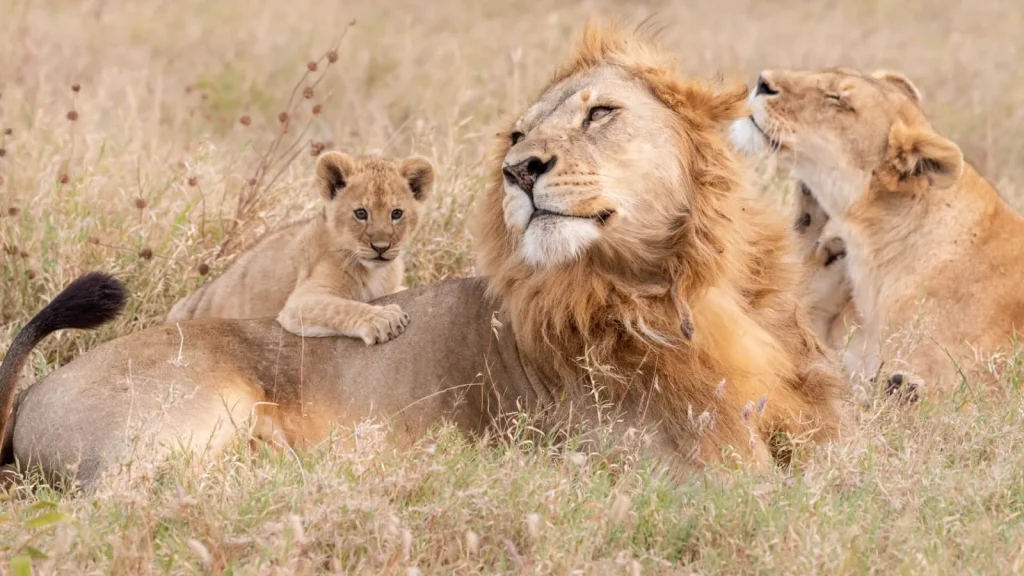
Best Time to Visit Ol Pejeta and Laikipia
Ol Pejeta Conservancy and the wider Laikipia region offer rewarding wildlife and conservation experiences. January, February and June through September are generally favourable for game drives. Ol Pejeta is particularly important for rhino conservation and its rescued chimpanzee sanctuary. Other Laikipia conservancies offer different wildlife habitats and selected specialist activities, and the best season depends on the chosen property and planned experiences.
Best Time to Visit Kenya’s Beaches
The best time for a Kenya beach holiday is generally December through March and July through October. Diani Beach, Watamu, Malindi and other coastal destinations experience warm tropical weather throughout the year. January and February are particularly attractive for sunshine and relatively limited rainfall, while July through September often provides comfortable temperatures, although seasonal winds can affect sea conditions. April and May are commonly wetter, making them less predictable for beach-focused holidays.
Best Time for Snorkelling and Diving
Marine activities along the Kenyan coast depend on wind, rainfall, tides and underwater visibility. Calmer periods can provide better conditions for snorkelling and diving, although sea conditions vary between locations and from day to day. Travellers should consult established marine operators before booking excursions. Wildlife sightings, including dolphins and other marine species, cannot be guaranteed.
Best Time for Mount Kenya Trekking
Mount Kenya trekking requires different planning considerations from a conventional wildlife safari. Relatively dry periods are generally preferable because trails can become slippery and visibility may be reduced during heavy rain. January and February, along with parts of July through September, are commonly considered favourable trekking periods.
However, mountain weather is highly variable. Temperatures can fall sharply at altitude, and rain, wind or snow may occur even during relatively dry months. Travellers should use experienced mountain guides and carry appropriate equipment.
Best Time for Birdwatching in Kenya
Kenya offers excellent birdwatching throughout the year. The country contains a wide range of habitats, including wetlands, grasslands, forests, mountains and coastal environments. Migratory birds may be present during parts of the period from October through April, and the rainy seasons can encourage breeding activity and fresh vegetation. Birdwatching conditions vary by destination and species, so travellers with particular bird interests should choose locations and travel dates accordingly.
Best Time for a Kenya Family Safari
A Kenya Family Safari can be arranged throughout the year. July, August and December are popular because they coincide with school holiday periods in many countries, although these months can also bring higher accommodation demand. Families with younger children may prefer itineraries with shorter driving distances and fewer accommodation changes.
Destinations such as Nairobi National Park, Lake Naivasha, Lake Nakuru and the Masai Mara can be combined according to available time. The best family safari balances wildlife viewing with comfortable accommodation and realistic daily schedules.
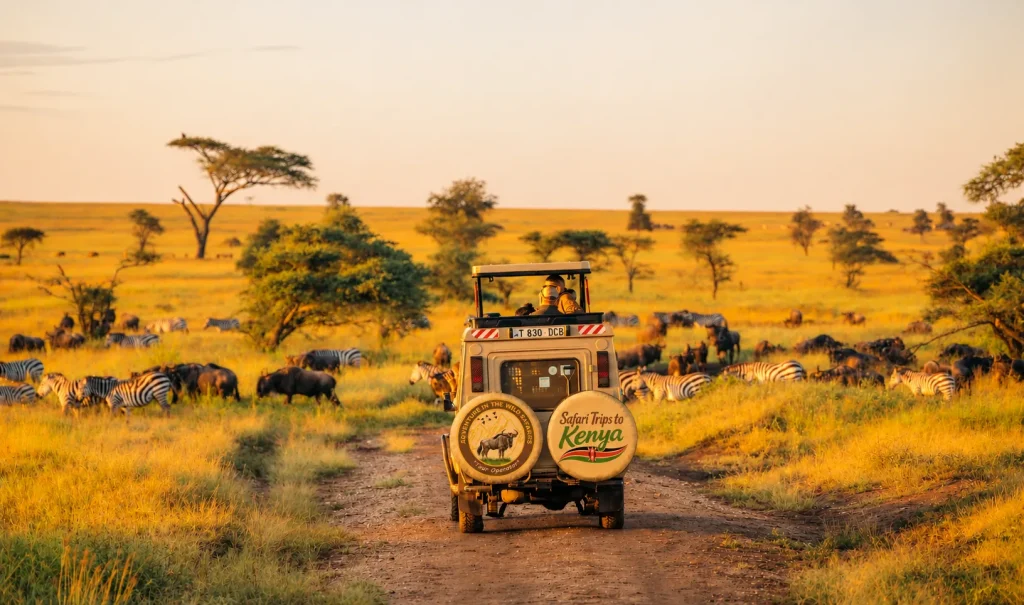
Best Time for a Kenya Honeymoon Safari
A Kenya honeymoon safari often combines wildlife viewing with a beach holiday. January and February are excellent choices for many couples because they commonly offer favourable conditions across several safari destinations and the coast. July through September is another attractive period, particularly for couples interested in the Great Migration.
Honeymooners may prefer private vehicles, flexible game drives and carefully selected accommodation. A longer itinerary allows time for both safari activities and relaxation.
Kenya Safari High Season Versus Low Season
The Kenya safari high season generally includes July through September and major festive holiday periods. During these months, popular parks and lodges can be busy, and accommodation prices may be higher, particularly in the Masai Mara during migration season.
The lower-demand months often include parts of April, May and November, although exact pricing periods vary by property. Travellers may find attractive accommodation offers during quieter periods, but lower prices should be balanced against rainfall, road conditions and possible seasonal closures. The best value is not always the cheapest advertised rate.
How Weather Affects Wildlife Viewing
Rainfall influences vegetation, water availability and animal movements. During dry periods, animals may concentrate around permanent water sources, and shorter grass can make wildlife easier to observe. During wetter periods, fresh grazing becomes available across wider areas, allowing animals to disperse.
That dispersion can make some sightings more challenging, but it also creates attractive scenery and opportunities to observe different behaviours. A knowledgeable safari guide can adapt game-drive routes according to current conditions.
How Many Days Do You Need for a Kenya Safari?
A short safari of three or four days can provide a rewarding introduction to one or two destinations. Five to seven days allow travellers to explore several parks without excessive rushing. Eight to ten days provide greater flexibility for combining destinations such as Amboseli, Lake Nakuru and the Masai Mara, and longer itineraries can include Samburu, Laikipia, Tsavo or the Kenyan coast. The best duration depends on travel interests, available time and preferred pace.
Private Versus Group Kenya Safaris
A Private Kenya Safari offers flexibility in departure dates, accommodation and daily activities. Private safaris are particularly suitable for families, photographers and travellers seeking customised itineraries. A Kenya Group Safari can reduce transport costs by sharing a vehicle and guide, and scheduled group departures may be attractive for solo travellers and couples.
However, group itineraries usually have fixed dates and less flexibility. Travellers should confirm vehicle seating arrangements, group size and accommodation categories before booking.
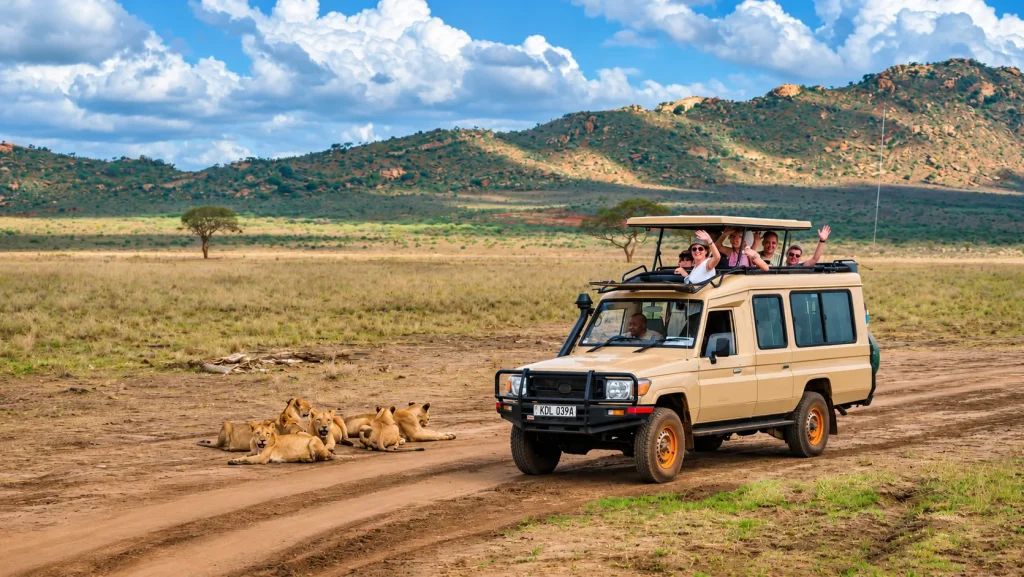
Kenya Safari Accommodation Categories
Safari Trips to Kenya uses four accommodation categories to help travellers compare options. Essential accommodation focuses on practical comfort and affordability. Comfort accommodation offers established facilities and a balance between value and convenience. Premium accommodation provides additional space, attractive locations and personalised services. Signature accommodation includes high-end lodges and exclusive safari properties.
The best choice depends on budget, preferred facilities and location. Travellers should remember that expensive accommodation does not guarantee better wildlife sightings.
Kenya Safari Prices and Seasonal Considerations
The cost of a Kenya safari package depends on travel season, accommodation, transport, park fees and the number of travellers. High-season accommodation rates may be substantially higher than those available during quieter months, and private safari costs also depend on how many travellers share the vehicle. Park entrance fees and conservation charges vary by destination and may change.
A complete quotation should clearly explain accommodation, meals, guiding, transport, game drives and entrance fees. Optional activities, drinks, gratuities and personal expenses may be excluded.
Practical Travel Advice for Kenya
Practical packing and preparation make day-to-day safari travel easier:
- Pack lightweight clothing for warm daytime conditions and a jacket for cool mornings.
- Choose neutral-coloured clothing for game drives.
- Carry sunscreen, a hat, insect repellent and comfortable shoes.
- Bring binoculars for wildlife viewing.
- Check current passport, visa or electronic travel authorisation requirements before departure.
- Obtain health advice from an appropriate travel health professional.
- Consider domestic flights to reduce long road transfers when combining distant destinations.
Frequently Asked Questions About the Best Time to Visit Kenya
What Is the Best Month to Visit Kenya?
July, August and September are excellent for wildlife safaris, particularly migration-focused itineraries. January and February are also strong choices.
When Is Kenya’s Dry Season?
Many safari regions experience relatively dry conditions during January–February and June–September, sometimes extending into October.
When Is the Great Migration in Kenya?
The main planning window is generally July through October, although herd movements vary annually.
Is Kenya Worth Visiting During the Rainy Season?
Yes. The rainy season offers green landscapes, birdwatching and potentially fewer visitors, although some roads may be difficult.
What Is the Cheapest Time to Visit Kenya?
Lower accommodation rates may be available during parts of the rainy season, particularly April and May. Exact prices vary by property and destination.
When Is the Best Time for a Kenya Safari and Beach Holiday?
January and February are excellent all-round choices. July through September is also popular.
Is December a Good Time to Visit Kenya?
Yes. December offers rewarding wildlife and coastal travel opportunities, although festive periods can be busy.
How Far in Advance Should I Book?
Popular migration-season camps and festive holiday accommodation should be booked well in advance, particularly when travellers have specific property preferences.
Plan Your Kenya Safari With Safari Trips to Kenya
The best time to visit Kenya depends on your preferred destinations and activities. For wildlife viewing, January, February and June through October are generally excellent choices. For the Great Wildebeest Migration, July through October is the main planning window. For coastal holidays, December through March and July through October often provide favourable conditions.
Safari Trips to Kenya can help design private Kenya safaris, scheduled group departures and customised safari-and-beach itineraries. Share your travel dates, number of travellers, preferred accommodation category and wildlife interests to receive a tailored proposal. A carefully planned Kenya holiday should match the season to your interests while allowing enough time to enjoy each destination without unnecessary rushing.