
Mombasa
Fort Jesus, Old Town, Swahili Culture, Indian Ocean Beaches and Safari Extensions
Mombasa is Kenya’s great historic Indian Ocean city: Fort Jesus, the narrow streets of Old Town, Swahili architecture and cuisine, marine excursions and a practical gateway to Diani Beach and Tsavo.
Treating the city only as an airport misses what makes it special. Walk the UNESCO-listed fort, spend time in Old Town, add a marine outing, then continue to safari or a South Coast beach. Dolphins and turtles occur — those sightings can never be guaranteed.
- Location Kenya’s Indian Ocean coast
- Famous for Fort Jesus, Old Town, Swahili culture and the coast
- Best For Culture travellers, families and safari-and-beach
- Typical Stay 2–4 nights (1 night as transit)
- Marine park Mombasa Marine National Park & Reserve, 1986
- Marine wildlife Dolphins, turtles, reef fish — never guaranteed
Overview
Mombasa holds several identities at once: historic coastal city, Swahili cultural destination, marine excursion base, gateway to Diani on the South Coast, and a safari departure point for Tsavo, Amboseli and the Masai Mara.
Positioning is Fort Jesus plus Old Town plus Swahili culture plus marine experiences — distinct from Watamu’s resort-and-reef identity, from Malindi’s historic North Coast town and oldest marine park, and from Diani’s dedicated beach-holiday strip.
Stay in the city for history, continue to Diani for a longer beach week, or use a transit night before safari. There is no Mombasa child silo in the sitemap; narrower planning lives on Kenya Coast and package pages.
- UNESCO Fort Jesus
- Mombasa Old Town
- Gateway to Diani Beach
- Safari from Mombasa

Why Visit Mombasa?
Mombasa works best when travellers treat it as more than a resort or a transfer — a living Swahili city that also opens the coast and southern Kenya safari routes.
-
Explore Fort Jesus
The Portuguese built the fort between 1593 and 1596 to protect the port. UNESCO inscribed it in 2011 as an outstanding example of 16th-century Portuguese military architecture. Walk the walls, ramparts, courtyards and museum, then look out over Old Town and the ocean.
-
Walk Mombasa Old Town
Narrow streets, coral-stone buildings, carved wooden doors, balconies, mosques and shopfronts. A local guide turns attractive architecture into Indian Ocean trading history. Slow down — this is a living neighbourhood, not a theme park.
-
Experience Swahili culture
Swahili is language, cuisine, religion, maritime trade, music and custom — not only carved doors. After days in safari lodges, Mombasa gives a different reading of Kenya: coconut and spice kitchens, markets and centuries of African, Arab, Indian, Portuguese and Omani contact.
-
Mombasa Marine National Park
Gazetted in 1986, the park and reserve protect marine habitat off the city coast. Snorkelling, diving, glass-bottom boats and reef trips depend on weather, tides and operators. You do not have to travel to Watamu for a marine outing — though Watamu and Malindi remain stronger for an intensive reef stay. Dolphins and turtles are never guaranteed.
-
Start a safari from Mombasa
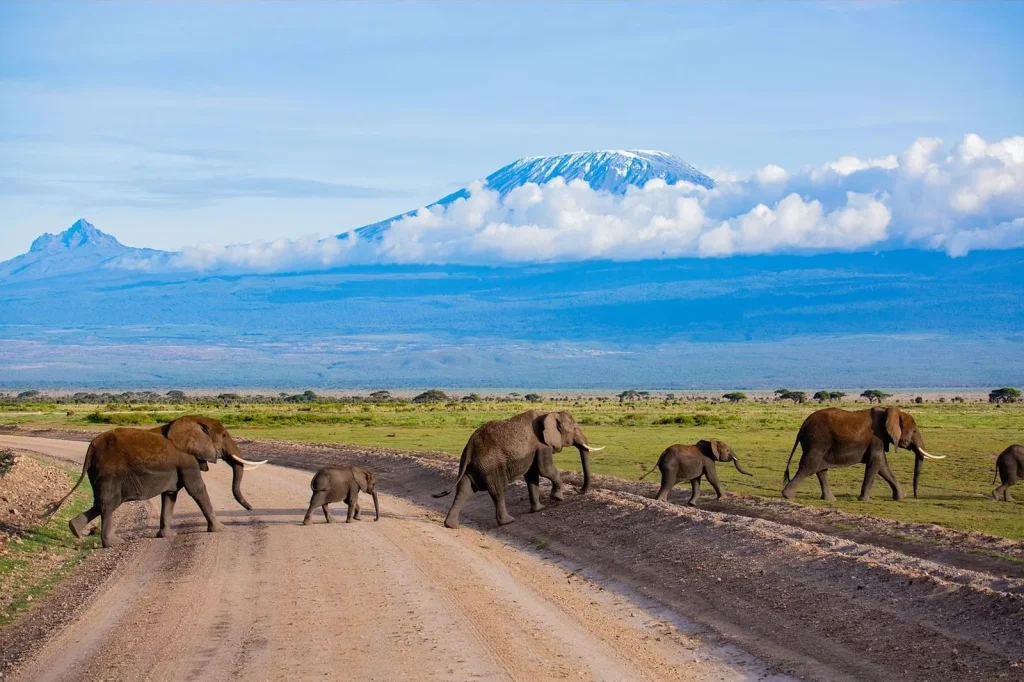
Tsavo is the most natural road pairing. Amboseli adds elephants and Kilimanjaro views. The Masai Mara is Kenya’s flagship savannah — usually by air on a shorter trip. River crossings and individual species inland can never be guaranteed.
Understanding Mombasa
Mombasa is more complex than a single resort zone. Distinguish city sightseeing on the island from a Mombasa-area beach holiday when you choose hotels and pace the days.
-
Mombasa Island
The historic core: Fort Jesus, Old Town, markets and older commercial streets. This is the strongest area for cultural sightseeing and the reason to spend more than a rushed transfer night.
-
Fort Jesus in detail
Renaissance military geometry adapted to an Indian Ocean harbour. The fort changed hands as powers contested the East African coast. It explains why Mombasa mattered to Portuguese, Omani and later British control — not only a photogenic ruin.
-
City and beach
The wider coastline includes beach areas north and south of the island. For a dedicated South Coast resort week, continue to Diani rather than treating a city hotel as a beach holiday.
-
Safari-and-beach gateway
After Tsavo or the Mara, Mombasa changes the pace: fort, Old Town and unstructured ocean time. A strong short line is Mombasa → Tsavo → Diani. River crossings inland are never guaranteed.
Top Things to Do in Mombasa
-
Fort Jesus
The essential cultural stop — walls, museum and views over Old Town and the harbour.
-
Old Town walk
Carved doors, coral-stone streets and Swahili shopfronts. Best with a local cultural guide.
-
Markets and Swahili food
Spices, seafood, coconut kitchens and street snacks. Ask before photographing people closely.
-

Snorkelling and diving
Marine-park outings when sea conditions allow. Never stand on coral or touch wildlife. Sightings are never guaranteed.
-
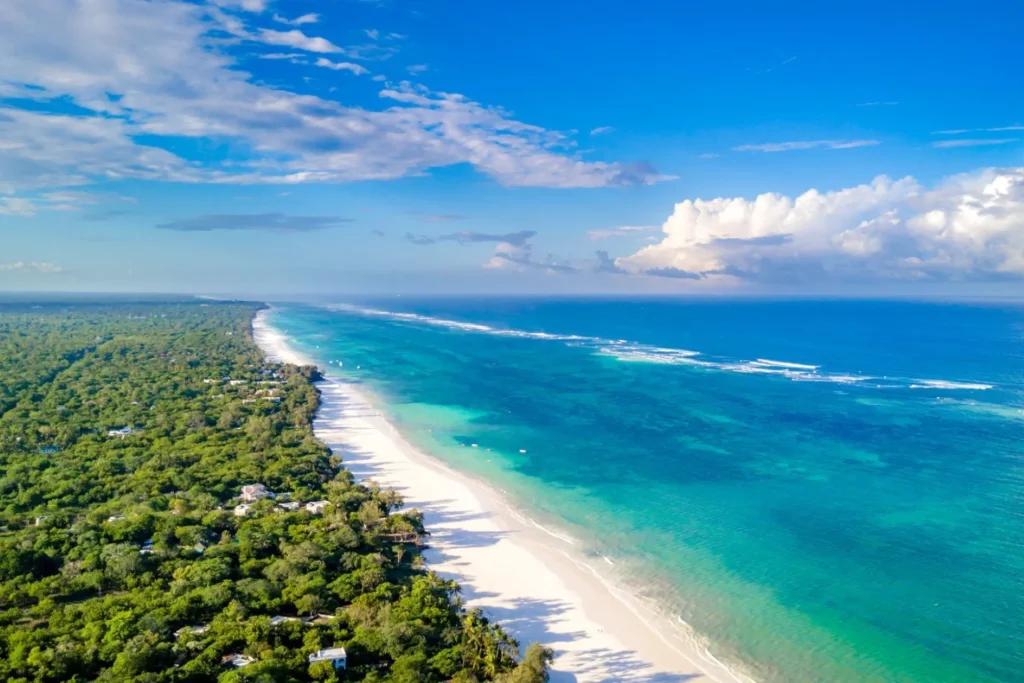
Beach day in Diani
Use the city for history, then continue to a dedicated South Coast resort stay.
-

Start a Tsavo safari
The strongest commercial extension from Mombasa — elephants and wilderness after the fort.
Plan a Mombasa Holiday
Mombasa has no child silo in the sitemap. Plan it with Kenya Coast safari-extension pages and the Mombasa safari packages.
- Mombasa Safari Extensions How a Kenya safari starts or finishes from the historic coast city.
- Mombasa to Tsavo Safari The strongest short safari-and-coast pairing from Mombasa.
- Mombasa to Amboseli Safari Elephants and Kilimanjaro views from the coast. Mountain views are never guaranteed.
- Mombasa to Masai Mara Safari Kenya’s flagship savannah after the city. River crossings are never guaranteed.
- Kenya Safari and Mombasa Beach A ready-made inland safari with a Mombasa coast finish.
- Kenya Coast After Safari Why Fort Jesus and Old Town change the pace after game drives.
Popular Mombasa Safaris
View All Safari Packages-
6 Days Mombasa North Coast Beach Extension
A 6 day coastal extension based at Mombasa North Coast, with time to enjoy the resort and separately…
Mombasa
View Safari -
12 Days Southern Kenya Safari for Wheelchair Travel Planning
A 12 day Kenya journey connecting Mombasa, Ngutuni, Tsavo West, Tsavo East and Diani Beach.
Diani Beach, Mombasa, Tsavo East
View Safari -
7 Days Tsavo East Safari and Diani Beach
A 7 day Kenya journey connecting Mombasa, Tsavo East and Diani Beach.
Diani Beach, Mombasa, Tsavo East
View Safari -
11 Days Coastal Nature Tsavo Safari and Diani Beach
A 11 day Kenya journey connecting Mombasa, Nguuni, Taita Hills or LUMO, Tsavo East and Diani Beach.
Diani Beach, Mombasa, Taita Hills
View Safari -
9 Days Mombasa Tsavo Safari and Watamu Beach
A 9 day Kenya journey connecting Mombasa, Taita Hills or LUMO, Tsavo West, Tsavo East and Watamu.
Mombasa, Taita Hills, Tsavo East
View Safari -
10 Days Mombasa Wildlife Safari and Diani Beach
A 10 day Kenya journey connecting Mombasa, Taita Hills or LUMO, Tsavo West, Amboseli, Tsavo East and Diani…
Amboseli, Diani Beach, Mombasa
View Safari

Wildlife & Birds
Mombasa’s signature animals are marine. Reef fish are the most consistently visible for snorkellers when visibility allows. Dolphins and turtles occur in the protected marine park — never promised, never chased.
Travellers who want a more intensive reef-and-conservation stay should compare Watamu and Malindi. Terrestrial safari species belong inland — combine Tsavo, Amboseli or the Mara rather than expecting lions on the coast. Shimba Hills adds a short coastal-forest wildlife day without a long inland transfer.
-
Dolphins
May be encountered on marine excursions. Do not chase pods or surround animals with boats. Sightings are never guaranteed.
-
Sea turtles
May appear while snorkelling, diving or on boats. Never touch or hold a turtle. Sightings are never guaranteed.
-
Reef fish
The most accessible marine wildlife for snorkellers and glass-bottom boats when conditions allow.
-
Shimba Hills wildlife
A short hop inland for sable antelope, elephants and green hills — a wildlife contrast to the city without a long safari transfer. Named species are never guaranteed.
-
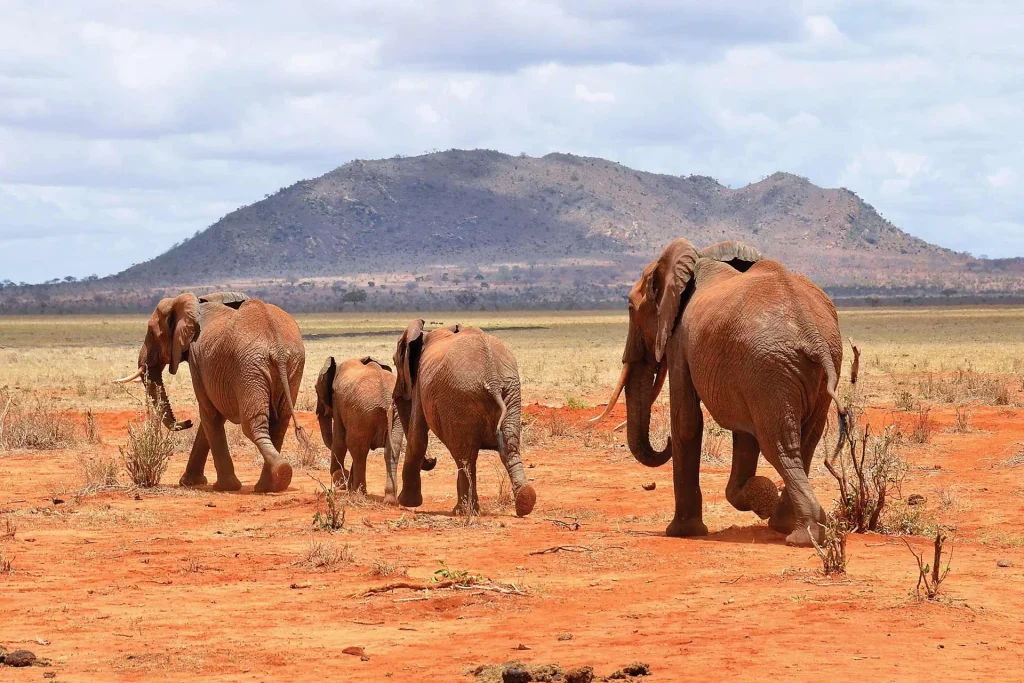
Tsavo elephants
The strongest inland pairing from Mombasa. Elephants, lions and open wilderness belong in Tsavo, not on the island. Individual species are never guaranteed.
Marine Park and Nearby Coast
Dolphins, turtles and reef fish — sightings are never guaranteed.
Best Time to Visit
Mombasa can be visited throughout the year, but rainfall, wind, humidity and sea conditions vary. Month-by-month safari-and-ocean notes live on the Kenya safari and Indian Ocean guide rather than an invented Mombasa best-time child URL.
-
Drier periods
Often attractive for Fort Jesus and Old Town walks, beach time and safari-and-coast combinations. Still check local sea conditions.
-
Wetter periods
Showers can interfere with marine trips and walking tours, but they do not necessarily cancel a coastal stay. Hotels can be quieter.
-
Tropical climate
Expect warmth, humidity, strong sunshine and coastal breezes. Lightweight clothing suits most days; pack a light rain layer and modest clothes for Old Town and religious sites.
How to Get There
-
Arrive in Mombasa
Domestic and international flights, road transfers and ferry links all serve the city. Air connections cut time after an inland safari. Check schedules for your travel dates.
-
Start a safari from the city
Tsavo is the practical road pairing. Amboseli can combine with Tsavo on a longer southern circuit. The Mara is usually better by air on a shorter itinerary. River crossings inland are never guaranteed.
Where to Stay
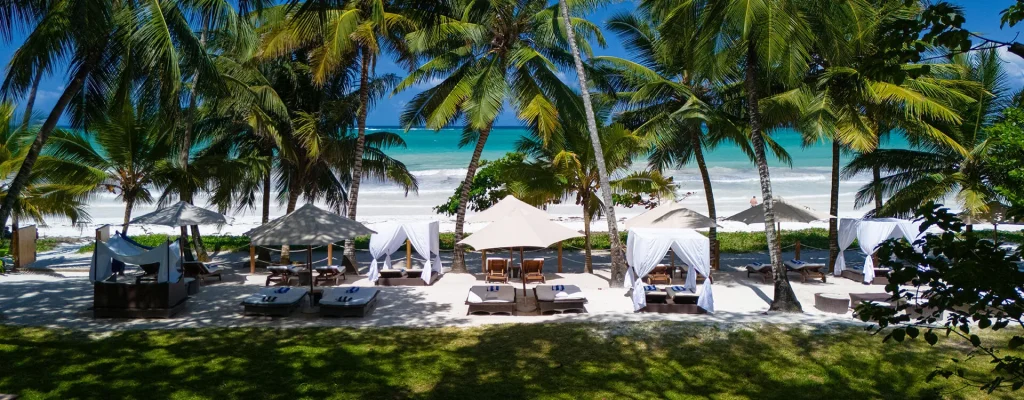
Historic-city hotels, beach resorts, boutique properties, apartments and guesthouses. Choose by whether you want Fort Jesus and Old Town on foot, a beach week, an airport or safari-transfer night, or marine excursions. A cheaper room far from the water or the island can add daily transport. The sitemap has no dedicated Mombasa accommodation URL — stay in the city for culture, continue to Diani for a resort beach, or use a transit night, with Diani lodging pages and Kenya Coast after-safari notes for the detail.
View Mombasa LodgesWhere to Stay in Mombasa
City hotels for Fort Jesus and Old Town, Diani resorts for a beach week, or a transit night before safari. There is no dedicated Mombasa accommodation URL.
- Diani Beach Accommodation Stay in the city for history, or continue to Diani for a dedicated beach resort. There is no Mombasa lodging URL in the sitemap.
- Kenya Coast After Safari How many coast nights to add after inland parks — city, Diani or a transit stay.
- Diani Beach The usual South Coast beach finish after Fort Jesus and Old Town.
How Many Days Do You Need in Mombasa?
One night is useful as a transit stay. Two nights cover Fort Jesus, Old Town, food and a brief beach or marine outing. Three nights allow a more relaxed city-and-marine pace. Four nights or more suit travellers using Mombasa itself as the main coastal base. For a dedicated beach holiday, spend one or two nights in the city then three to seven in Diani. For many travellers, two to four nights is the useful range.
Mombasa Holiday Cost
Price depends on hotel category, season, length of stay, transfers, marine excursions, diving and whether Mombasa sits before or after a safari. We confirm current rates when we quote rather than publishing a permanent table here.
What usually increases the cost
- Oceanfront luxury hotels and Diani resorts
- Private boats and dive packages
- Peak beach seasons
- Adding Tsavo, Amboseli or Masai Mara
How to keep costs in check
- Mid-range city hotels for two cultural nights
- Two to four well-paced nights
- Sharing marine excursions as a small group
- Continuing to Diani for the longer beach stay
First Safari, Families & Practical Planning
-
Families
Fort Jesus, Old Town, beach time, a marine outing and a short Tsavo or Shimba Hills safari work well with children. A strong family line is Mombasa → Tsavo → Diani: history, wildlife, then beach. Consider tides, currents, swimming ability and boat age limits.
-
Honeymooners
Especially strong as a cultural introduction before a quieter Diani resort, or as a city-and-ocean finish after safari. One or two nights in Old Town and Fort Jesus, then several nights on the South Coast.
-
What to pack
Lightweight clothing, comfortable walking shoes, sandals, swimwear, hat, sunglasses, high-SPF sunscreen, insect repellent, reusable bottle, light rain layer, modest clothes for Old Town and religious sites, and personal medication. Protect phones on boats.
-
Responsible tourism
Dress respectfully in cultural areas, ask before photographing people, support local guides and heritage conservation. Never stand on coral, chase dolphins or remove shells. Reduce single-use plastic. Fort Jesus and Old Town are part of a living city, not a set.
Mombasa vs Diani, Watamu and Zanzibar
Mombasa is stronger for Fort Jesus, Old Town, Swahili city culture, safari departures and a shorter urban stay. Diani is stronger for a dedicated resort beach, honeymoon relaxation and Shimba Hills day trips. A common split is one or two nights in Mombasa, then three to seven in Diani.
Watamu is stronger for reef lagoons, marine conservation and a quieter North Coast resort. Malindi is a smaller historic North Coast town with Kenya’s oldest marine park. Zanzibar is a separate Tanzania island itinerary — Stone Town and spice history — while Mombasa stays inside mainland Kenya and connects directly to Tsavo. Neither comparison has a universal winner; combine rather than treat one as a duplicate.
Choose Mombasa for
- Fort Jesus and Old Town
- Swahili city culture and food
- A safari departure toward Tsavo
- A short historic stay before Diani
Pair with
- Diani for a dedicated South Coast beach
- Shimba Hills for a short forest safari
- Tsavo East for a practical inland safari
- Masai Mara for predators and open plains
Combine Mombasa with Other Destinations
South Coast beach, a short Shimba Hills day, and safari pairings that start or finish in the city.
- Diani Beach History in the city, then a longer South Coast resort stay.
- Shimba Hills A short coastal-forest safari without going far inland.
- Tsavo East National Park Elephants and open wilderness — the most practical safari from Mombasa.
- Tsavo West National Park Mzima Springs and volcanic landscapes on a longer southern circuit.
- Amboseli National Park Elephant herds and Kilimanjaro views. Mountain views are never guaranteed.
- Masai Mara Classic savannah then Indian Ocean. River crossings are never guaranteed.
Travel Tips
- Plan two to four nights if you want Fort Jesus, Old Town and a marine or beach outing.
- Dolphins, turtles and reef fish can never be guaranteed.
- Never stand on coral or touch marine wildlife.
- Stay in the city for history, then continue to Diani for a dedicated beach week — they are distinct, not duplicates.
FAQs
Where is Mombasa?
Mombasa is on Kenya’s Indian Ocean coast.
What is Mombasa famous for?
Fort Jesus, Old Town, Swahili culture, Indian Ocean beaches and its role as a gateway to the Kenya Coast and safari parks.
Is Fort Jesus worth visiting?
Yes. It is Mombasa’s most important historical monument and a UNESCO World Heritage Site, built by the Portuguese between 1593 and 1596.
Is Mombasa Old Town worth visiting?
Yes. It is one of the strongest ways to experience the city’s Swahili and Indian Ocean heritage — best with a local guide.
Is there a marine national park?
Yes. Mombasa Marine National Park & Reserve was gazetted in 1986. Snorkelling and reef trips are available when conditions allow.
Can I see dolphins or turtles?
They occur in the protected marine environment, but dolphin and turtle sightings can never be guaranteed.
Can I go on safari from Mombasa?
Yes. Tsavo is the most practical pairing. Amboseli and the Masai Mara are also offered as packages. River crossings inland are never guaranteed.
How many nights should I stay?
Two nights work well for Fort Jesus, Old Town and a short marine or beach outing. Two to four nights is the usual range; add Diani if the beach is the main goal.
Is Mombasa better than Diani or Watamu?
They are different. Mombasa is stronger for history and urban culture; Diani for a South Coast resort beach; Watamu for reef lagoons and a quieter North Coast stay.
Is Mombasa good for families and honeymooners?
Yes. Families often use Mombasa → Tsavo → Diani. Honeymooners usually add one or two city nights before a quieter Diani or safari stay.
Browse Mombasa and Kenya Coast Guides
There is no Mombasa child silo — plan with Kenya Coast safari-extension, after-safari and package pages.
No pages match that search.
Coast planning 4 pages
Safari combinations 4 pages
Nearby destinations 9 pages
Ready to Explore Mombasa?
Mombasa works best when the city is paired with at least one cultural day and a clear next step — Diani, Tsavo or a longer Kenya safari. A short stay can be waterfront arrival, Fort Jesus, Old Town and Swahili food, then onward travel.
A safari-and-coast line can run Mombasa → Tsavo East → Tsavo West → Amboseli, then return to Diani. For Kenya’s flagship savannah: Mombasa → Masai Mara → Mombasa or Diani. River crossings inland are never guaranteed.
Request a quote with your dates, travellers, children’s ages, budget, hotel category, how many coast nights you want, whether Fort Jesus and Old Town matter, whether you want snorkelling or diving, whether Diani should follow the city, and whether Tsavo, Amboseli or the Masai Mara should be included. We can then send a quote for the full itinerary.
- Tailor-Made Safaris
- Best Price Guarantee
- No Hidden Costs
- 24/7 Support
- Local Safari Experts 24/7 support in Kenya
- Tailor-Made Safaris Personalized to your needs
- Best Price Guarantee No hidden costs
- Responsible Tourism Travel with a positive impact