
Important: Draft policy for management review. This page provides proposed booking terms for Safari Trips to Kenya. Before publication, the company should confirm its legal contracting entity, applicable jurisdiction, payment schedules, cancellation charges, refund procedures, contact details and any provisions required by Kenyan law. No unapproved deadline or cancellation percentage should be treated as an existing company policy.
1. Introduction
These Booking Terms and Conditions explain the proposed contractual framework for reserving a safari, accommodation, transfer, excursion or other travel arrangement through Safari Trips to Kenya.
The purpose of these terms is to help travellers understand the booking process, the responsibilities of the parties and the circumstances that may affect travel arrangements.
Safari Trips to Kenya offers and arranges travel experiences that may include wildlife safaris, accommodation, ground transportation, guiding, park visits, boat excursions, cultural activities and beach holidays.
Some services may be supplied directly, while others are provided by independent accommodation establishments, transport companies, airlines, park authorities or activity operators.
The precise services included in a booking are those identified in the written quotation, confirmed itinerary and booking confirmation.
Travellers should read these terms together with their individual booking documents.
Where a specific written booking agreement expressly varies a general term, the agreed booking-specific provision should be identified clearly.
2. Contracting Company
The final published version of these terms must identify the legal entity responsible for the booking.
Company trading name: Safari Trips to Kenya
Legal contracting entity: [Insert registered company name]
Registered address: [Insert address]
Company registration information: [Insert where required]
Official booking email: [Insert email]
Customer support telephone: [Insert telephone]
The contracting entity should be clearly distinguished from any brand name or website used to market the safari.
Travellers should receive accurate information about the company responsible for accepting payment and providing or arranging the booked services.
3. Booking Enquiries and Quotations
A safari enquiry does not automatically create a confirmed reservation.
When a traveller requests an itinerary, Safari Trips to Kenya may prepare a quotation based on the information provided.
The quotation may include proposed travel dates, destinations, accommodation, activities, transport arrangements and prices.
Unless expressly stated otherwise, a quotation is subject to availability at the time of confirmation.
Accommodation availability, park fees, activity capacity and supplier rates may change before a booking is secured.
A quotation should identify its currency and any stated validity period.
If the traveller requests changes to the itinerary, a revised quotation may be necessary.
Travellers should review the proposed programme carefully before accepting it.
4. How a Safari Booking Is Confirmed
A booking should be considered confirmed only when the company has issued written confirmation in accordance with the agreed reservation procedure.
The procedure may involve submission of a booking form, acceptance of the quotation, payment of an agreed deposit or full amount, and confirmation of required services.
The exact requirements should be stated in the individual booking communication.
A payment instruction alone does not necessarily establish that all accommodation, permits or activities have been secured.
Where supplier confirmation is pending, this should be communicated clearly.
Once the booking is confirmed, the traveller should receive written documentation identifying the services reserved.
This may include an updated itinerary, accommodation details, payment receipt and other relevant travel information.
5. Traveller Information
Travellers must provide accurate information required to arrange their trip.
This may include full names, nationality, travel dates, flight details, room preferences and other information relevant to the booking.
Names used for permits or airline reservations may need to match official travel documents exactly.
Incorrect information can result in additional charges, booking amendments or difficulties accessing a service.
Travellers should notify the company promptly if any information changes.
Personal information should be handled according to the company’s applicable privacy policy and data protection obligations.
6. Safari Prices
The price of a safari depends on the services included in the confirmed quotation.
Common price components include accommodation, transport, guiding, park entry charges, selected activities and meals.
Some itineraries may include domestic flights, boat excursions or specialist experiences.
Other costs may be excluded.
The quotation should distinguish between included and excluded services.
Travellers should not assume that a service is included merely because it is mentioned as an optional activity or appears in a destination description.
Prices should be stated in the agreed currency.
Any applicable taxes, compulsory charges or known fees should be disclosed in accordance with relevant law.
7. Deposits and Payment Schedules
The required deposit and payment schedule must be communicated before the traveller confirms the booking.
Different itineraries may involve different payment requirements because suppliers impose different reservation conditions.
For example, a safari involving flights or accommodation with strict advance-payment rules may require earlier payment than a more flexible itinerary.
The company should specify the amount required to secure the booking and the deadline for the remaining balance.
Management approval required: Insert the company’s standard deposit percentage, balance deadline and any exceptions before publishing a binding policy.
Travellers should use only payment instructions issued through verified company communication channels.
Any change in bank details should be independently verified through an established contact method.
8. Accepted Payment Methods
Accepted payment methods should be confirmed in the invoice or booking communication.
These may include bank transfers or other authorised payment services.
Travellers should verify the beneficiary name and payment reference.
International transfer charges, currency conversion fees and intermediary bank deductions may affect the amount received.
The company should explain whether such charges are payable by the traveller.
A transfer receipt confirms that a payment has been initiated; it does not necessarily establish that funds have reached the recipient account.
The company should acknowledge receipt once the payment is verified.
9. Failure to Pay by the Agreed Deadline
Payment deadlines should be stated clearly.
If a required payment is not received by the agreed deadline, the company may need to contact the traveller and explain the consequences for the reservation.
Supplier-held accommodation, flights or activities may be released if payment is delayed.
Any right to cancel a booking for non-payment, retain a deposit or recover costs must be clearly set out in the approved contract and comply with applicable law.
The company should not apply an undisclosed penalty.
Travellers experiencing payment difficulties should contact the reservations team before the deadline.
10. Changes Requested by Travellers
Travellers may request changes to dates, accommodation, destinations, room arrangements or activities.
Requests should be submitted in writing.
Whether a change can be accepted depends on availability, supplier conditions and the practical requirements of the itinerary.
A revised itinerary may involve additional costs or reductions in price.
The company should explain any applicable amendment charges before proceeding.
Some services may be non-transferable or subject to strict conditions.
A request to change travel dates does not automatically mean that the original booking can be transferred without cost.
11. Cancellation by the Traveller
A traveller who wishes to cancel should notify Safari Trips to Kenya in writing.
The effective cancellation date and any applicable charges should be determined according to the approved cancellation policy and relevant law.
Cancellation charges may reflect non-recoverable supplier costs, administrative work and other amounts permitted by the contract.
However, the company must not invent or apply charges that were not properly disclosed and agreed.
Management approval required: Insert a clear cancellation schedule, including applicable deadlines, percentages or fixed charges, and treatment of non-refundable supplier payments.
The policy should also explain whether different rules apply to flights, special-event accommodation or other services with stricter conditions.
Travellers are encouraged to obtain appropriate travel insurance that may cover eligible cancellation circumstances.
12. Cancellation or Changes by the Company
Occasionally, a confirmed itinerary may need to change because of circumstances affecting accommodation, transport, park access, weather, safety or supplier operations.
The company should notify affected travellers as soon as reasonably possible.
Where appropriate, a suitable alternative may be proposed.
The traveller’s rights to accept an alternative, receive a refund or pursue another remedy depend on the nature of the change, the approved contract and applicable law.
The company should distinguish between minor operational adjustments and significant changes to essential travel services.
A substantial change should not be presented as insignificant merely because the overall duration remains the same.
13. Refunds
Refund eligibility should be determined according to the approved booking terms, the services affected and applicable consumer protection requirements.
Where a refund is due, the company should communicate the amount and expected processing procedure.
The timing may be influenced by payment channels and the recovery of funds from third-party suppliers.
However, supplier delays do not automatically override the company’s legal obligations to the traveller.
Management approval required: Specify the standard refund processing timeframe, permitted deductions and method of repayment.
Refunds should be documented clearly.
14. Accommodation Arrangements
Accommodation is provided according to the confirmed itinerary and room arrangement.
Room descriptions, meal plans and available facilities may vary between properties.
Specific bed configurations, connecting rooms and special requests are subject to confirmation.
The company should communicate material accommodation changes before travel whenever reasonably possible.
If a confirmed property becomes unavailable, the company should explain the proposed alternative and any implications for the booking.
An alternative property should not automatically be described as equivalent without considering location, facilities and accommodation standard.
15. Safari Transport
Ground transport arrangements should be described in the quotation.
Depending on the itinerary, transport may involve a safari vehicle, transfer vehicle or other suitable means.
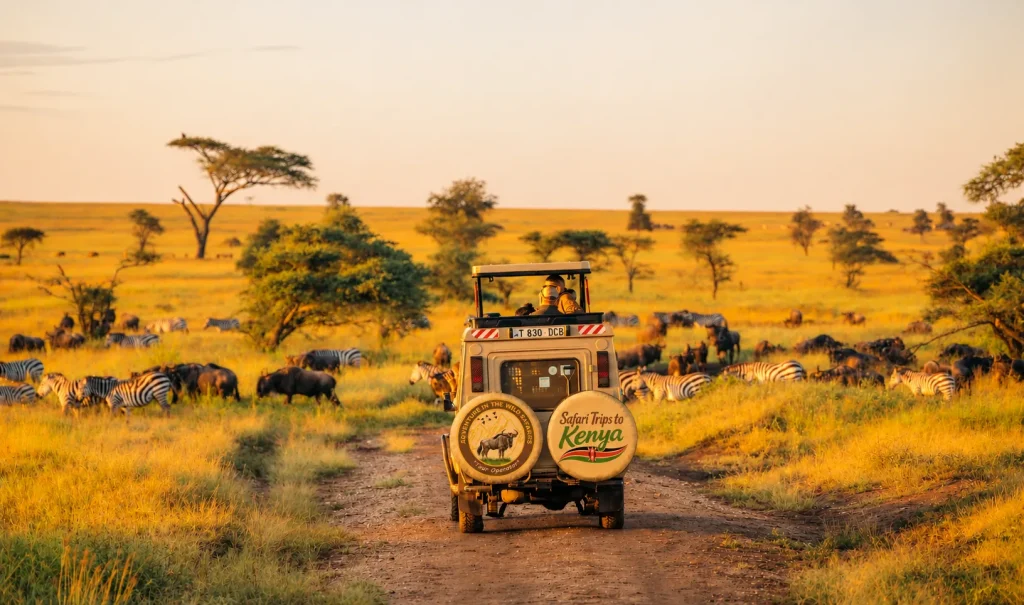
Vehicle type, seating arrangements and the availability of features such as pop-up roofs should be confirmed when relevant.
Road travel times are estimates.
Actual journey durations may be affected by traffic, road conditions, weather, border procedures and stops.
The guide or driver may adjust the route for safety or operational reasons.
Travellers should follow vehicle safety instructions and wear seat belts where provided.
16. National Park Fees and Regulations
Visits to national parks, reserves and conservancies are subject to the regulations of the relevant authority.
Entry fees and payment procedures may change.
The booking quotation should identify which park fees are included.
Travellers must follow instructions concerning wildlife observation, permitted routes, opening hours and prohibited activities.
Off-road driving, night activities and walking excursions are subject to destination-specific rules.
The company should not promise activities that are not permitted in the relevant protected area.
17. Wildlife Sightings
Wildlife sightings cannot be guaranteed.
Animals move freely and their behaviour is influenced by natural conditions.
The presence of a species within a national park does not mean that every visitor will see it.
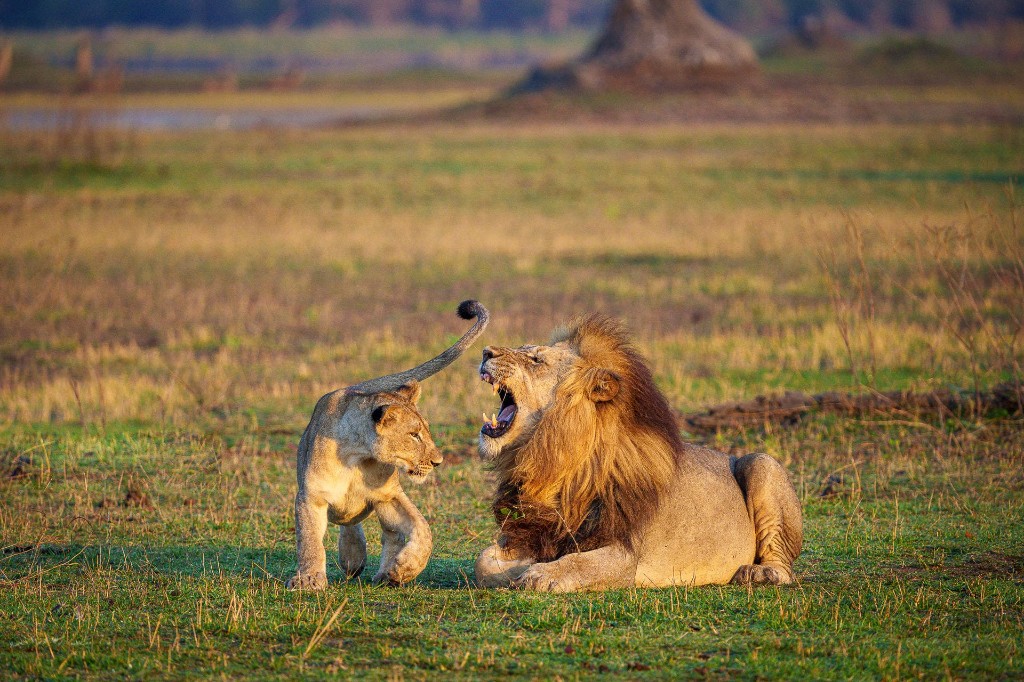
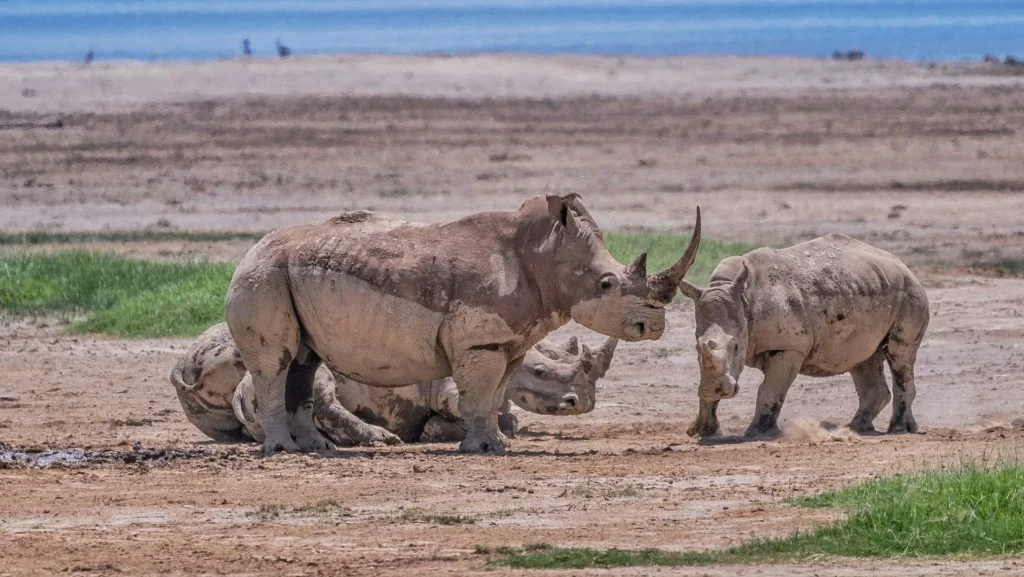
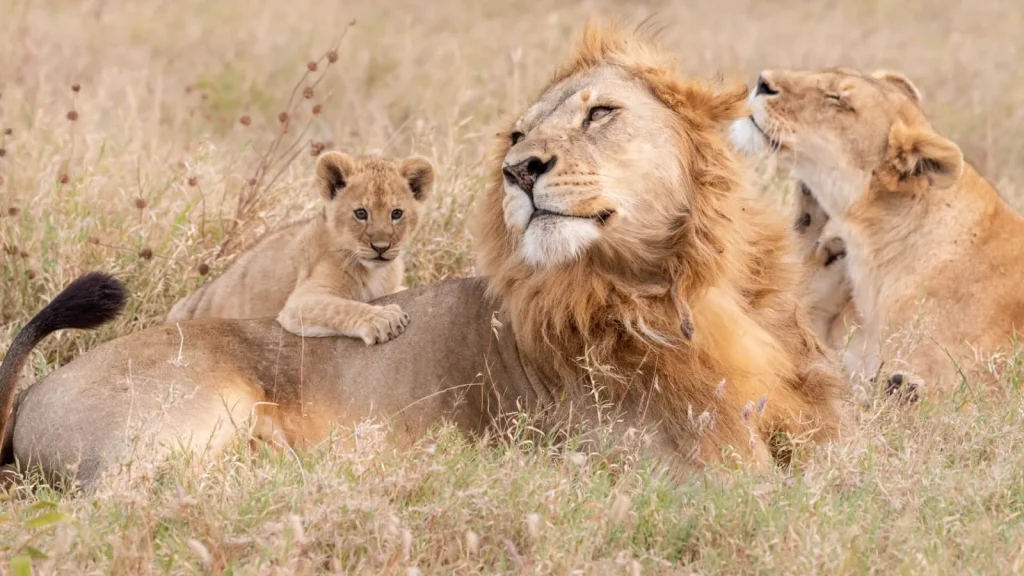
This applies to lions, leopards, cheetahs, rhinos, elephants, flamingos, migratory herds and other wildlife.
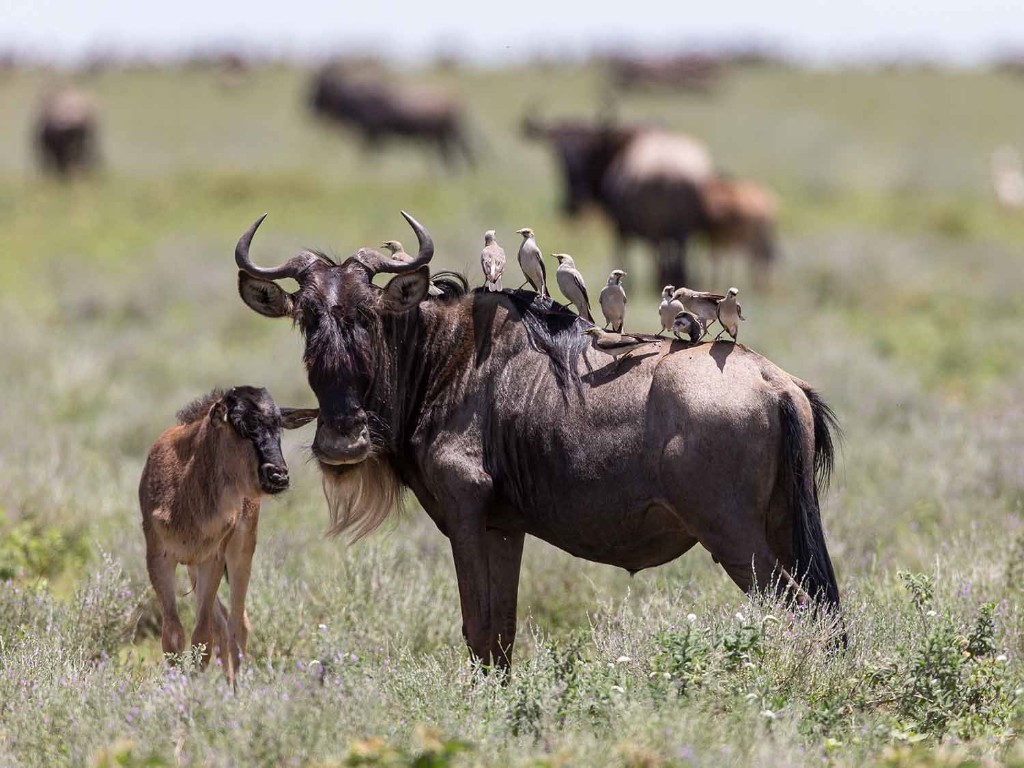
River crossings during the Great Wildebeest Migration are particularly unpredictable.
Guides will make reasonable efforts to provide rewarding wildlife-viewing opportunities within applicable safety and conservation rules.
A failure to observe a particular animal does not, by itself, establish that a contracted game drive was not provided.
18. Weather and Natural Conditions
Kenya’s weather varies by region and season.
Rainfall may affect roads, game drives, boat excursions and other activities.
Strong winds or unsafe water conditions may prevent a planned boat trip.
Poor visibility may affect scenic views, including Mount Kilimanjaro.
Safety decisions must take priority over the desire to complete an activity exactly as originally scheduled.
Where an activity cannot proceed, the company should explain the available alternatives and applicable refund or adjustment rights.
19. Domestic Flights and Airline Services
Some itineraries include domestic flights.
Airline schedules, baggage allowances and operating conditions are determined by the relevant carrier.
Travellers should receive the applicable flight details and baggage restrictions.
Small aircraft services may impose strict luggage weight or bag-size limits.
Changes or cancellations may be subject to airline conditions and applicable passenger rights.
The company should communicate known changes promptly.
Travellers should not assume that every domestic flight includes the same baggage allowance.
20. Travel Documents and Entry Requirements
Travellers are responsible for obtaining valid travel documents and meeting applicable entry requirements.
These may include passports, visas, electronic travel authorisations and other documentation.
Requirements depend on nationality, travel route and current government rules.
Travellers should consult official government sources before departure.
The company may provide general guidance but should not guarantee entry into Kenya or another country.
Final entry decisions rest with the relevant immigration authorities.
21. Health, Fitness and Medical Considerations
Travellers should assess whether their chosen itinerary is suitable for their health and physical abilities.
Some activities involve walking, uneven terrain, high temperatures or long periods in a vehicle.
Travellers with relevant mobility needs or medical requirements should communicate practical accommodation requests before booking.
Medical advice, vaccinations and medication decisions should be discussed with qualified healthcare professionals.
The company should explain any known activity restrictions and reasonable accessibility limitations.
Travellers should carry essential medication and appropriate documentation.
22. Travel Insurance
Comprehensive travel insurance is strongly recommended.
Suitable cover may include emergency medical treatment, evacuation, trip cancellation, travel interruption, baggage and other relevant risks.
Travellers should review the policy’s exclusions and limits.
Some activities may require specific coverage.
Insurance should be arranged before travel, with attention to when cancellation protection begins.
The company should clarify whether any insurance is included in the package.
Unless expressly confirmed, travellers should not assume that travel insurance is provided.
23. Children and Family Bookings
Children may participate in suitable safari activities, subject to applicable age restrictions and safety requirements.
Some accommodations and activities have specific policies concerning children.
Parents or guardians are responsible for supervising children unless an expressly agreed service provides otherwise.
Child rates, room arrangements and activity eligibility should be confirmed before booking.
Families should disclose the ages of children accurately.
The company should not assume that an activity suitable for adults is automatically appropriate for young children.
24. Special Requests
Travellers may request dietary arrangements, accessible accommodation, specific room configurations or other services.
The company should communicate requests to the relevant suppliers where appropriate.
A special request is not guaranteed unless confirmed.
Where a requirement is essential to the traveller’s participation, it should be discussed before the booking is accepted.
The company should avoid confirming arrangements that a supplier has not agreed to provide.
25. Traveller Conduct
Travellers are expected to behave respectfully towards guides, accommodation staff, local communities and other guests.
Visitors must follow safety instructions and applicable laws.
Harassment, violence, deliberate damage or conduct that places others at risk is unacceptable.
Any action taken in response to serious misconduct must be proportionate and consistent with the approved contract and applicable law.
Travellers are responsible for damage they cause where liability is established under the applicable rules.
26. Wildlife and Environmental Responsibility
Responsible wildlife viewing is an essential part of a Kenya safari.
Travellers must not feed wild animals, remove natural materials or deliberately disturb wildlife.
Vehicles must follow applicable park and conservancy regulations.
Litter should be disposed of responsibly.
Cultural visits should respect community rules and consent.
The company encourages activities that support conservation and responsible tourism.
27. Personal Belongings
Travellers should take reasonable care of passports, money, electronics and other valuables.
Important items should be carried securely.
Accommodation establishments and transport providers may have their own policies concerning lost property.
Any limitation of responsibility for personal belongings must comply with applicable law and should be clearly disclosed.
Travellers should report losses promptly so that reasonable assistance can be provided.
28. Complaints and Problem Resolution
Travellers should report concerns as soon as reasonably possible during the safari.
Prompt communication may allow the guide or reservations team to resolve a problem while the trip is ongoing.
Complaints should be handled respectfully and documented appropriately.
Where an issue cannot be resolved immediately, the company should explain the next steps.
Management approval required: Insert the official complaints email, response procedure and any relevant dispute-resolution information.
Nothing in the complaints procedure should improperly restrict rights provided by applicable law.
29. Liability and Applicable Law
The final terms should explain the company’s responsibilities for services it provides directly and those arranged through third parties.
Any exclusion or limitation of liability must be lawful, fair and clearly disclosed.
The company should not attempt to exclude liability where doing so is prohibited by law.
The contract should identify the governing law and appropriate dispute-resolution arrangements.
Legal review required: Confirm the contracting jurisdiction, dispute forum and enforceability of any proposed limitations.
30. Privacy and Personal Information
Booking a safari may require the collection of personal information.
This may include names, contact details, passport information, travel dates and accommodation preferences.
Information should be used only for legitimate booking, operational and legal purposes.
The company should maintain an appropriate privacy policy explaining how data is collected, used, shared and protected.
Personal information may need to be shared with relevant accommodation providers, airlines or other suppliers to fulfil the booking.
Such sharing should comply with applicable data protection requirements.
31. Updates to Booking Terms
The company may update its published terms to reflect changes in operations, supplier requirements or law.
However, changes to published terms should not automatically alter an existing confirmed booking where doing so would conflict with the agreed contract or applicable law.
The effective date of the terms should be stated clearly.
Effective date: [Insert approved date]
Version: [Insert policy version]
Travellers should receive or have access to the terms applicable when they confirm their booking.
Frequently Asked Questions About Kenya Safari Booking Terms
When is my safari booking confirmed?
A booking should be confirmed through the company’s agreed reservation procedure and written confirmation.
How much deposit is required?
The deposit amount should be stated in the individual quotation or approved payment policy.
Can I change my travel dates?
Date changes may be possible, depending on availability, supplier conditions and applicable amendment charges.
What happens if I cancel?
Cancellation consequences depend on the approved policy, relevant supplier costs and applicable law.
Are park fees included?
Only where they are expressly included in the confirmed quotation.
Can wildlife sightings be guaranteed?
No. Wildlife movements and natural events cannot be guaranteed.
Do I need travel insurance?
Comprehensive travel insurance is strongly recommended.
What happens if weather affects an activity?
The company should explain any alternative arrangements and the traveller’s applicable rights.
Contact Safari Trips to Kenya
If you have questions about a quotation, reservation, payment or itinerary, contact the reservations team before confirming your booking.
Travellers should request clarification whenever a service, charge or booking condition is unclear.
Transparent booking information helps both the traveller and the company prepare for a successful Kenya safari.
Publication note: This draft requires management and legal approval, including completion of all bracketed fields and confirmation of the cancellation, deposit, refund and liability provisions, before it is used as a binding policy.