
A game drive in Kenya is one of the most rewarding ways to experience Africa’s wildlife. From lions resting beneath acacia trees in the Masai Mara to elephants moving across Amboseli’s plains beneath Mount Kilimanjaro, game drives introduce travellers to the animals, landscapes and ecological relationships that make Kenya an exceptional safari destination.
For many visitors, a game drive is the central activity of a Kenya safari. It involves travelling through a national park, national reserve or wildlife conservancy in a suitable vehicle, accompanied by an experienced guide who helps locate animals and interpret their behaviour. Yet a successful game drive is much more than driving from one animal sighting to another—it involves understanding habitats, reading tracks, listening for alarm calls, recognising animal behaviour and appreciating the changing conditions of the African wilderness.
Wildlife sightings are never guaranteed. Animals move freely, and even experienced guides cannot predict exactly where every species will appear. This uncertainty is part of what makes a safari exciting—every drive is different, and some of the most memorable encounters happen unexpectedly.
At Safari Trips to Kenya, we arrange guided game drives across Kenya’s principal wildlife destinations, with private and group safari options suited to different budgets and interests.
What Is a Game Drive?
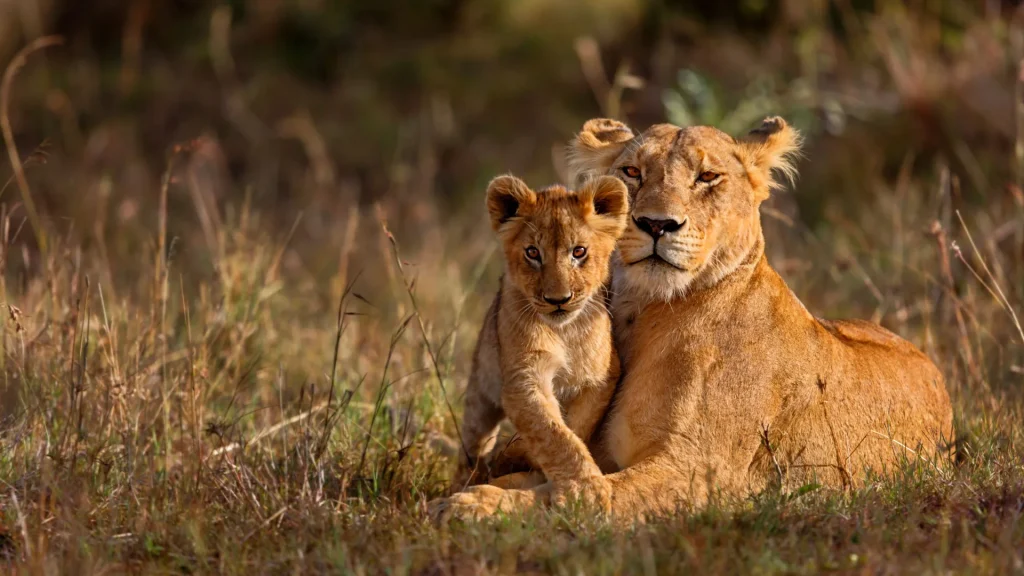
A game drive is a guided wildlife-viewing excursion conducted in a vehicle within an authorised wildlife area. The word game comes from historical hunting terminology, but modern photographic safaris focus on observing and photographing animals rather than hunting them.
During a game drive, the guide follows permitted roads and tracks while looking for wildlife. A typical drive may include encounters with elephants, giraffes, zebras, buffaloes, antelopes and various bird species. Predators such as lions, leopards and cheetahs may also be encountered, although they are generally less predictable. The guide explains the animals’ behaviour, habitats and ecological roles. Game drives are usually conducted during daylight hours, although authorised night drives are available in certain conservancies and other designated areas.
Why Are Game Drives the Main Activity on a Kenya Safari?
Kenya’s wildlife destinations cover large areas, and animals move across these landscapes according to water, food, breeding cycles and territorial behaviour. A safari vehicle allows visitors to explore different habitats efficiently while maintaining a safe distance from wildlife, and the elevated viewing position of many safari vehicles also helps travellers observe animals over grass and low vegetation.
Unlike a zoo, a national park does not contain animals in small enclosures—wildlife encounters take place within natural ecosystems. A lion may be sleeping under a tree, an elephant family may be crossing a track, or a giraffe may be feeding on acacia leaves. Observing these behaviours provides a deeper understanding of wildlife than simply identifying species.
Best Places for Game Drives in Kenya
1. Masai Mara National Reserve
The Masai Mara is one of Kenya’s most famous wildlife destinations. Its open grasslands support lions, elephants, buffaloes, giraffes, zebras, cheetahs and numerous antelope species, and the reserve is particularly attractive for predator viewing.
What Makes Masai Mara Game Drives Special?
The relatively open landscape can make animals easier to observe than in densely wooded habitats. Guides may locate lions resting in the grass, cheetahs scanning the plains or elephants travelling between feeding areas, and the Mara also provides opportunities to observe large grazing herds. During suitable months, migratory wildebeest and zebras may enter the ecosystem from Tanzania.
Great Migration Game Drives
The Great Wildebeest Migration is a major attraction during the northern migration period. However, herd locations and river crossings depend on rainfall and animal movements. A guide may spend time exploring areas near the Mara River, but no crossing can be guaranteed. The Masai Mara remains rewarding outside the migration period because of its resident wildlife.
2. Amboseli National Park
Amboseli National Park is especially famous for elephants and views of Mount Kilimanjaro. The park’s open plains, wetlands and seasonal lake environments support diverse wildlife.
Elephant Viewing
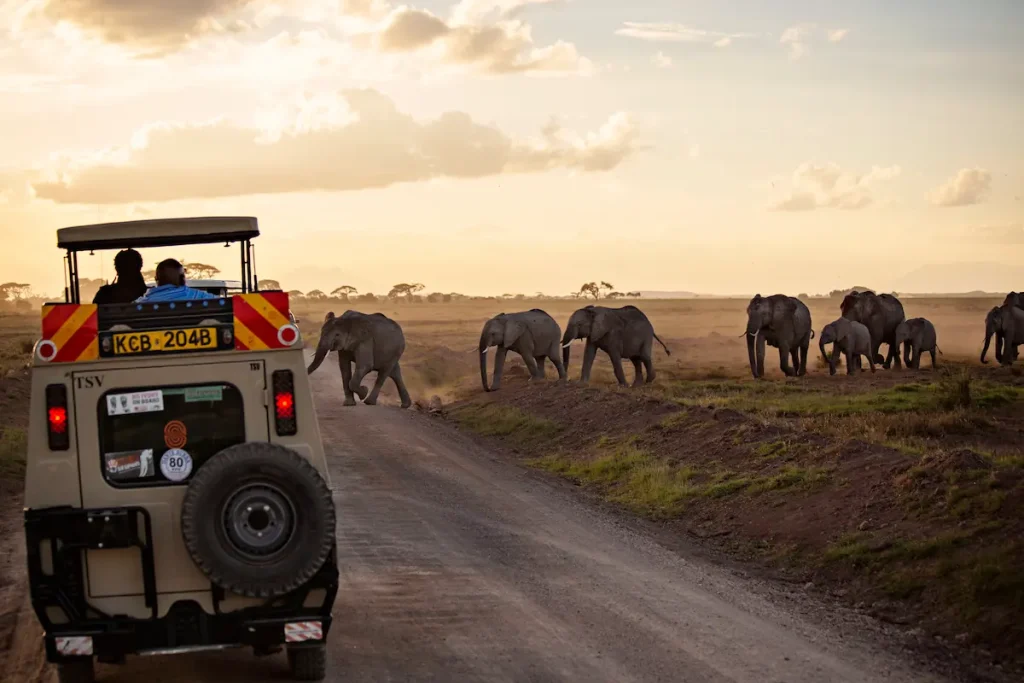
Amboseli provides opportunities to observe elephant families, including adults and calves. Visitors may see elephants feeding, bathing, walking or interacting socially, and the park is particularly attractive to photographers because elephants can sometimes be photographed against the mountain. However, Kilimanjaro is frequently obscured by clouds.
Other Wildlife
Amboseli supports buffaloes, zebras, wildebeest, giraffes, hippos and numerous bird species. Predators also occur, although sightings are less predictable.
3. Lake Nakuru National Park
Lake Nakuru National Park offers a different game-drive experience, combining lake scenery, woodland and grassland habitats. It is particularly important for rhinoceros conservation.
Rhino Viewing
Visitors may encounter black and southern white rhinoceroses, although sightings are not guaranteed.
Other Animals
The park supports buffaloes, giraffes, zebras, waterbucks and predators. Birdwatching is another important attraction, and flamingos may occur along the lake, although their numbers vary considerably.
4. Samburu National Reserve
Samburu National Reserve is situated in northern Kenya. Its semi-arid landscapes and riverine habitats provide a striking contrast to the greener Masai Mara.
Samburu Special Five
The reserve is particularly associated with the Samburu Special Five:
- Grevy’s zebra
- Reticulated giraffe
- Gerenuk
- Beisa oryx
- Somali ostrich
These species are among the main reasons wildlife enthusiasts visit Samburu.
Predator Viewing
Lions, leopards and cheetahs occur in the wider ecosystem, and the Ewaso Ng’iro River is an important feature of the landscape.
5. Tsavo East National Park
Tsavo East National Park is known for its broad plains, red soil and large elephant populations. Elephants often appear reddish after dusting themselves with the local soil. The park also supports lions, buffaloes, giraffes, zebras and other wildlife. Game drives may explore areas around Aruba Dam, Mudanda Rock and other suitable habitats, and Tsavo East is particularly convenient for travellers combining a safari with Mombasa or Diani Beach.
6. Tsavo West National Park
Tsavo West National Park offers a more varied landscape than Tsavo East, with woodland, rocky hills and volcanic formations. Wildlife may be harder to locate in dense vegetation, but the scenery itself is a major attraction. Visitors can combine game drives with authorised visits to attractions such as Mzima Springs.
7. Ol Pejeta Conservancy
Ol Pejeta Conservancy is situated in the Laikipia region and is internationally recognised for rhinoceros conservation. Game drives provide opportunities to observe rhinos, elephants, buffaloes, giraffes and other wildlife, and the conservancy also offers conservation-focused experiences under specific arrangements.
8. Nairobi National Park
Nairobi National Park is particularly convenient for travellers with limited time. Located close to Kenya’s capital, it offers wildlife viewing against the unusual backdrop of the city skyline. Visitors may encounter rhinos, lions, giraffes, buffaloes and other wildlife, and the park is attractive for half-day or full-day excursions.
Morning Game Drives in Kenya
A morning game drive usually begins around sunrise or shortly afterwards, depending on the park’s operating rules and the lodge schedule. Morning temperatures are generally cooler, which can make some animals more active—predators may still be moving after nighttime activity, and herbivores may be feeding before the day becomes hot. Morning light can also be excellent for photography. However, early starts are not a guarantee of better sightings, because wildlife activity varies by species, season and location.
Afternoon Game Drives
An afternoon game drive generally begins after lunch or during the later part of the day. As temperatures begin to fall, animals may become more active and the light can be particularly attractive for photography. Afternoon drives are common on arrival days because travellers may reach their lodge around lunchtime, and the drive usually ends according to the applicable park or conservancy rules.
Full-Day Game Drives
A full-day game drive allows visitors to explore a larger area without returning to the lodge for lunch. The guide usually carries packed meals, which can be particularly useful in the Masai Mara where wildlife may be concentrated far from the accommodation. A full-day drive provides flexibility—if an interesting sighting develops, guests may be able to remain in the area longer. However, full-day drives can be tiring, and families with young children may prefer shorter excursions.
Night Game Drives in Kenya
Night game drives provide opportunities to observe nocturnal wildlife. Depending on the location, visitors may encounter animals that are less active during daylight hours. However, night drives are not permitted everywhere—they are generally prohibited within many national parks and reserves unless specifically authorised. Certain private conservancies offer night drives under their own management rules, and travellers should confirm availability before booking.
Private Game Drives Versus Shared Game Drives
Private Game Drives
A private game drive uses a dedicated safari vehicle for your travelling party, which provides greater flexibility. Photographers can spend longer at sightings, families can adjust the schedule according to children’s needs, and private game drives are particularly attractive for travellers with specific wildlife interests.
Shared Game Drives
Shared game drives involve travelling with other guests and can reduce the cost per person. However, the schedule and wildlife-viewing priorities must accommodate the group. The best choice depends on budget and personal preferences.
What Vehicles Are Used for Kenya Game Drives?
4×4 Safari Land Cruiser
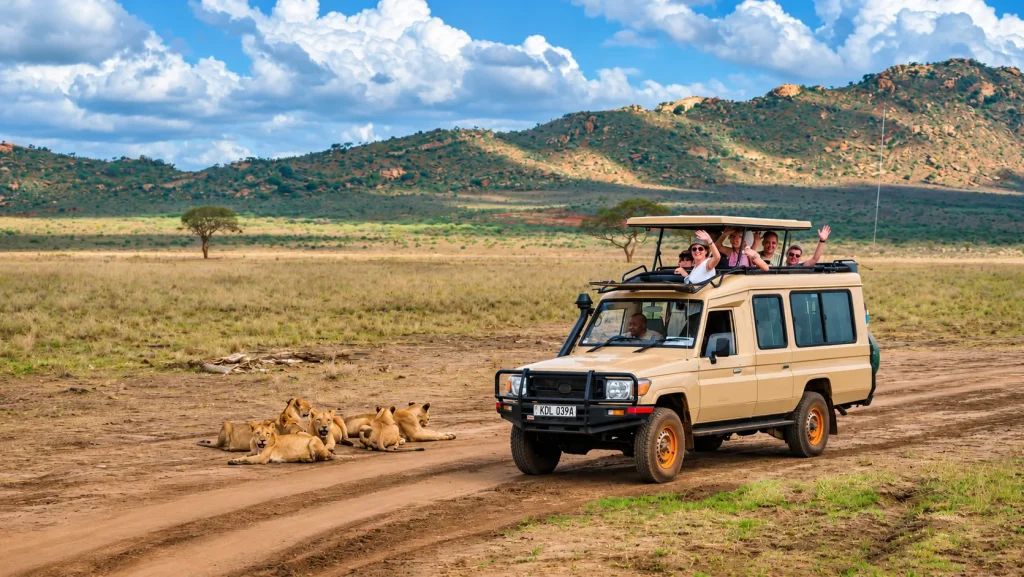
A 4×4 Land Cruiser is widely used for wildlife safaris. Many vehicles have pop-up roofs that improve viewing and photography, and Land Cruisers are particularly suitable for rough roads and longer safari routes.
Safari Van
Safari vans are used on some established safari routes and can provide a more economical option, although their performance and comfort may differ from those of a Land Cruiser.
Open-Sided Safari Vehicle
Some conservancies and lodges use open-sided vehicles, which can provide excellent visibility but may offer less protection from dust, rain and cold temperatures. The appropriate vehicle depends on the destination and operator.
What Animals Can You See on a Game Drive?
Kenya supports a remarkable variety of wildlife, including lions, elephants, leopards, rhinoceroses, buffaloes, giraffes, zebras, cheetahs and diverse birdlife. Lions may be encountered in the Masai Mara, Amboseli, Tsavo and other suitable habitats. Elephants are particularly associated with Amboseli, Tsavo and several other wildlife areas. Leopards are secretive and often difficult to locate—they may rest in trees or move through woodland and riverine habitats. Lake Nakuru and Ol Pejeta are particularly important destinations for rhino conservation, while cheetahs favour open habitats where they can use their speed. Kenya’s parks also support raptors, hornbills, rollers, storks and numerous other bird species.
Understanding the Big Five
The Big Five are the lion, leopard, elephant, rhinoceros and African buffalo. The term originated in historical hunting terminology and is widely used in photographic safari tourism today. Seeing all five animals is a popular goal, but no safari can guarantee every species. Travellers should also appreciate smaller animals, birds and natural behaviour.
How Long Does a Game Drive Last?
A typical morning or afternoon drive may last approximately two to four hours. A full-day drive can occupy much of the day. Actual duration depends on the park, accommodation, itinerary and wildlife conditions. Private safaris generally provide greater flexibility, although all activities must comply with protected-area rules.
How Many Game Drives Should You Plan?
For a short safari, two or three game drives may provide a useful introduction. A three-night stay can allow several morning and afternoon drives, and longer stays provide more opportunities to explore different habitats. Wildlife photographers may prefer fewer destinations and more time in each location. The ideal schedule balances wildlife viewing with rest.
Best Time of Year for Kenya Game Drives
January to March
These months are often warm and relatively dry, and wildlife viewing can be rewarding in several parks.
April to May
The long rains may bring greener landscapes, and some roads can become muddy.
June to October
This is a popular safari period, and dry conditions can make wildlife viewing productive around water sources.
November to December
The short rains may bring fresh vegetation and changing wildlife movements. Kenya remains a year-round safari destination.
Game Drive Photography Tips
- Use a telephoto lens for distant wildlife and a shorter lens for landscapes and large animals close to the vehicle.
- Early morning and late afternoon light can be particularly attractive.
- Avoid sudden movements and do not use flash when it may disturb animals.
- A beanbag can provide support for a camera inside a safari vehicle.
- Respect other guests’ viewing opportunities.
Wildlife Behaviour to Watch For
One of the most rewarding aspects of a game drive is observing behaviour. Elephants may communicate through body movements and vocalisations, lions may interact socially within a pride, giraffes may browse from trees, and antelopes may respond to predator alarm calls. Birds may hunt, display or build nests. A knowledgeable guide can help explain these interactions.
Game Drive Safety
Always follow your guide’s instructions. Do not leave the vehicle without permission, never approach wildlife on foot during a vehicle-based game drive, do not feed animals, and avoid loud noises and sudden movements. Keep arms and equipment inside the vehicle when necessary, because wild animals can behave unpredictably.
Responsible Game Drive Etiquette
Responsible wildlife viewing is essential. Vehicles should maintain appropriate distances, guides must follow designated tracks and off-road driving regulations, and animals should not be surrounded or chased. Visitors should avoid blocking migration routes or predator movements, and litter must never be left in protected areas. Good safari etiquette helps protect wildlife and improves the experience for everyone.
Game Drives with Children
Game drives can be rewarding for families, although young children may find long periods in a vehicle tiring. A private safari allows more flexibility. Parents should consider shorter drives, suitable accommodation and age-appropriate activities, and children must remain supervised around wildlife.
Game Drives for Senior Travellers
Many senior travellers enjoy Kenya safaris, although vehicle comfort and road conditions should be considered. A private vehicle may allow additional breaks, and travellers with mobility requirements should discuss vehicle access and accommodation facilities before booking.
What to Wear on a Game Drive
- Comfortable clothing in neutral colours
- A warm jacket for early mornings
- A hat, sunglasses and sunscreen
- Closed shoes
- A lightweight waterproof jacket for rainy periods
Avoid carrying unnecessary luggage into the safari vehicle.
What to Bring on a Game Drive
- Binoculars, a camera, drinking water and sunscreen
- A small daypack
- Necessary medication
- A power bank for charging devices
- Spare batteries and memory cards for photographers
Game Drive Costs in Kenya
The cost of Kenya game drives depends on the destination, vehicle type, group size and whether the activity is part of a package. Private game drives generally cost more than shared activities, park entrance fees may be charged separately, and some lodges include game drives in their accommodation rates while others charge for activities individually. Request a complete quotation.
Suggested Three-Day Masai Mara Game Drive Safari
Day 1: Nairobi to Masai Mara
Depart Nairobi in the morning, travel towards the Masai Mara and check in at your lodge, then enjoy an afternoon game drive if time permits.
Day 2: Full-Day Masai Mara Game Drives
Begin early and explore the reserve, looking for lions, elephants, giraffes, buffaloes and other wildlife. Enjoy a picnic lunch or return to camp according to the itinerary, then continue wildlife viewing in the afternoon.
Day 3: Return to Nairobi
Enjoy breakfast and a final activity if time permits, then travel back to Nairobi.
Frequently Asked Questions About Game Drives in Kenya
What is a game drive?
A guided wildlife-viewing excursion conducted in a suitable safari vehicle.
What is the best time for a game drive?
Early morning and late afternoon are often productive, although wildlife activity varies.
Can I see the Big Five?
It is possible, but sightings are not guaranteed.
Are game drives safe?
They are generally well-established activities when conducted by experienced guides and when safety rules are followed.
Can children join game drives?
Yes, subject to accommodation and activity policies.
Are night game drives available?
They are available in certain authorised conservancies and other designated areas, but not everywhere.
Is a private game drive better?
Private drives provide greater flexibility, while shared drives can reduce costs.
How many game drives should I book?
Several drives over two or three nights provide a rewarding introduction.
Book Kenya Game Drives with Safari Trips to Kenya
Game drives in Kenya provide opportunities to observe wildlife in some of Africa’s most remarkable natural landscapes.
At Safari Trips to Kenya, we arrange private and group wildlife safaris in the Masai Mara, Amboseli, Samburu, Tsavo, Lake Nakuru and other destinations. Our itineraries can include suitable safari vehicles, professional guides, accommodation and scheduled wildlife activities. Contact our team with your travel dates, number of guests and preferred destinations to plan a personalised Kenya game drive safari.