
1 Day Kenya Safari
Plan a 1 Day Kenya Safari with private transport, expert guiding and wildlife viewing. Explore the best one-day…
View SafariHandpicked Kenya Safari Tours for Every Traveler
Discover Kenya cultural safaris featuring Maasai and Samburu communities, Swahili heritage, traditional food and meaningful wildlife and cultural experiences.
Kenya is famous for its lions, elephants, spectacular savannahs and the annual Great Wildebeest Migration. Yet some of the country's most memorable experiences happen away from the game-viewing tracks: sitting with a local host beneath an acacia tree, learning how intricate beadwork is created, walking through the historic streets of Lamu or discovering the foods that bring Kenyan families together.
Kenya cultural safaris introduce visitors to the people, traditions, languages and everyday experiences that make the country distinctive. They complement wildlife viewing with opportunities to understand how communities have shaped, protected and lived within Kenya's diverse landscapes. A cultural safari should be much more than a short stop for photographs; the best experiences create genuine opportunities for conversation, learning and exchange. They allow local hosts to share the aspects of their heritage they choose to present, while visitors gain a deeper appreciation of contemporary Kenyan life.
At Safari Trips to Kenya, we design cultural experiences that can be combined with wildlife safaris in the Masai Mara, Amboseli, Samburu, Laikipia and the Great Rift Valley, or with heritage-focused journeys along the Kenyan coast. Whether you are visiting Kenya for the first time or returning after an earlier wildlife safari, adding cultural experiences can transform the way you understand the country.
Showing 1–12 of 215 safaris
Plan a 1 Day Kenya Safari with private transport, expert guiding and wildlife viewing. Explore the best one-day…
View SafariExplore the 10 Days Family Kenya Safari with a day-by-day safari plan, key wildlife experiences, destinations, accommodation ideas,…
View SafariExplore the 10 Days Fly-in Kenya Safari with a day-by-day safari plan, key wildlife experiences, destinations, accommodation ideas,…
View SafariExplore the 10 Days Honeymoon Kenya Safari with a day-by-day safari plan, key wildlife experiences, destinations, accommodation ideas,…
View SafariPlan a 10 Days Kenya Big Five Safari with expert guides, game drives and carefully chosen camps. Request…
View SafariA 10 day Kenya journey connecting Nairobi, Ol Pejeta, Samburu or Buffalo Springs, Solio, Lake Nakuru, Maasai Mara…
Lake Naivasha, Lake Nakuru, Masai Mara
View SafariPlan a 10 Days Kenya Safari with expert guides, game drives and carefully chosen camps. Request a quote.
View SafariPlan a 10 Days Kenya Safari & Diani Beach with expert guides, game drives and carefully chosen camps.…
Diani Beach
View SafariPlan a 10 Days Kenya Wildlife Safari with expert guides, game drives and carefully chosen camps. Request a…
View SafariPlan a 10 Days Luxury Kenya Safari with expert guides, game drives and carefully chosen camps. Request a…
View SafariA 10 day Kenya journey connecting Nairobi, Maasai Mara, Lake Naivasha, Amboseli and Diani Beach.
Amboseli, Diani Beach, Lake Naivasha
View SafariPlan a 10 Days Masai Mara & Amboseli with expert guides, game drives and carefully chosen camps. Request…
Masai Mara, Amboseli
View SafariA Kenya cultural safari is a journey that includes organised opportunities to learn about local communities, history, livelihoods, artistic traditions and cultural heritage.
Activities vary according to the region and the participating hosts. They may include community-guided village visits, traditional craft workshops, food experiences, storytelling, visits to historical sites or guided walks that explore the relationship between communities and their environment. Some experiences are offered near wildlife reserves, making them easy to incorporate into a conventional safari; others require a dedicated visit to a town, coastal settlement or community-managed tourism project.
The most meaningful programmes avoid presenting culture as something frozen in the past. Kenyan communities are dynamic, and their members participate in modern education, business, conservation, agriculture, technology and many other professions. Visitors should therefore expect to learn about both heritage and contemporary life.
Wildlife viewing reveals the ecological importance of Kenya's protected areas, while cultural experiences add the human perspective. For example, a visit to a community near a wildlife conservancy can help explain how tourism, livestock keeping, land management and conservation are connected; a guided food experience may reveal how local ingredients, farming traditions and family customs influence regional cuisine; and a craft workshop can introduce the skill, symbolism and economic importance of locally produced items. These encounters also create opportunities for travellers to support community guides, artisans and small businesses.
However, the value of cultural tourism depends on how visits are organised. Responsible experiences should be voluntary, appropriately compensated and respectful of the host community's preferences.
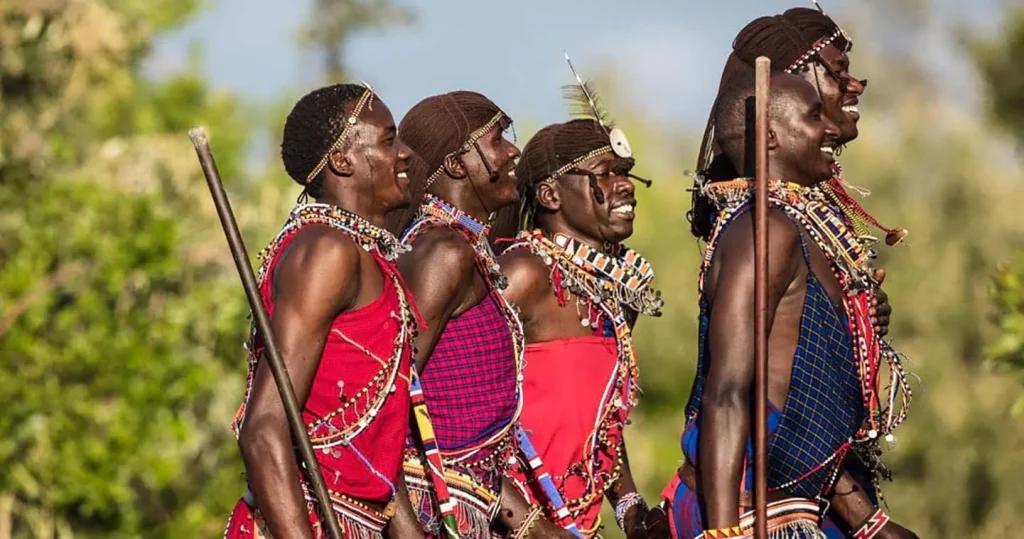
The Masai Mara is one of the most popular destinations for combining wildlife viewing with cultural activities. Maasai communities have longstanding connections with the grasslands of southern Kenya and northern Tanzania, and pastoral livelihoods—particularly livestock keeping—have played an important role in Maasai history and social organisation.
A community-guided visit may introduce travellers to aspects of traditional architecture, beadwork, livestock management, family life and cultural ceremonies. Some organised experiences include demonstrations of songs or dances; these should be understood as cultural presentations arranged for visitors, rather than a complete representation of everyday life. One of the most valuable parts of a well-organised visit is the opportunity to ask questions and learn how education, tourism, conservation and changing land-use patterns influence contemporary community life.
The programme depends on the participating community. A visit may begin with an introduction from a local guide, followed by a walk through an agreed area of the settlement. Hosts may explain how homes are constructed, how livestock are managed or how particular crafts are made, and there may also be opportunities to purchase locally produced beadwork or other items. Photography should always be discussed with the hosts before taking pictures.
A short visit may take approximately one to two hours, depending on the programme. Travellers interested in deeper interaction should consider a longer community-led experience rather than trying to fit several activities into a brief stop. For a Masai Mara safari, cultural visits can often be scheduled around game drives, subject to the location of the accommodation and the community's availability.
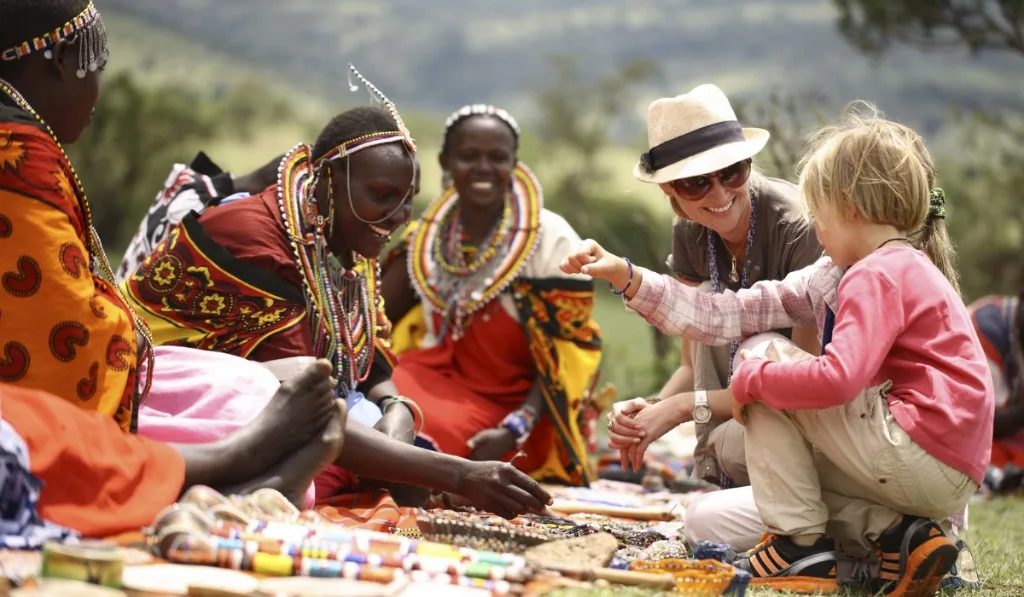
Northern Kenya offers a different cultural landscape from the Masai Mara. The Samburu people have historical pastoral traditions and strong connections with the semi-arid environments of the north, and a community-led Samburu cultural experience may introduce visitors to aspects of livestock keeping, beadwork, traditional knowledge and the challenges of living in a region where access to water and grazing land can be important.
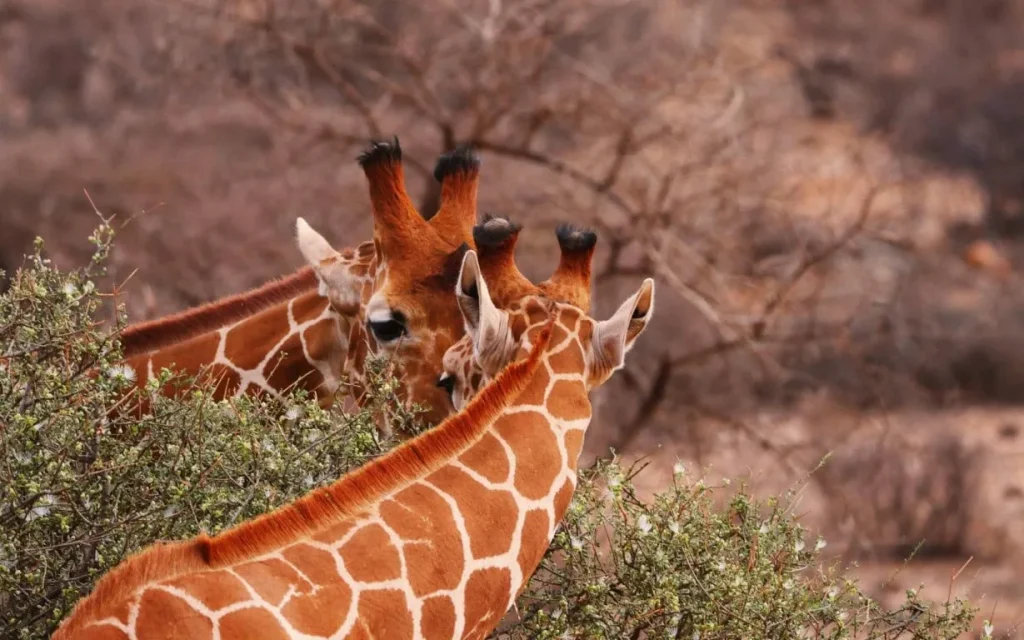
The experience is particularly meaningful when combined with a wildlife safari in Samburu National Reserve. The reserve supports distinctive northern species, including Grevy's zebra, reticulated giraffe, gerenuk, Beisa oryx and Somali ostrich, so travellers can explore both the wildlife and the human relationships that shape the surrounding landscape.
Some northern Kenya tourism initiatives operate within community conservancies. These arrangements can link wildlife conservation, employment, land management and community development, although conservancies differ in their governance, activities and financial structures. Visitors interested in conservation should ask their guides how a particular initiative operates and how local residents participate.
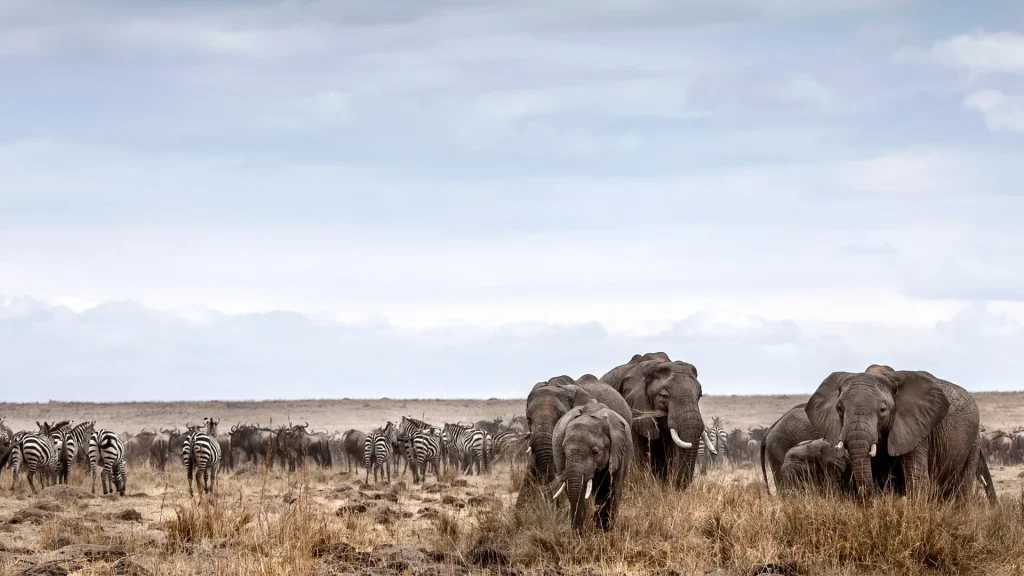
Amboseli National Park is internationally recognised for its elephants and views of Mount Kilimanjaro when conditions allow. The surrounding ecosystem is also home to Maasai communities whose livelihoods and land-use practices have long been connected to the region. Cultural experiences around Amboseli may explore pastoral traditions, community conservation and the relationship between people and wildlife.
The subject of human-wildlife coexistence is particularly relevant here. Elephants and livestock may use overlapping landscapes and water resources, creating both opportunities and challenges for conservation, and a community visit can help travellers understand why wildlife protection depends on local participation.
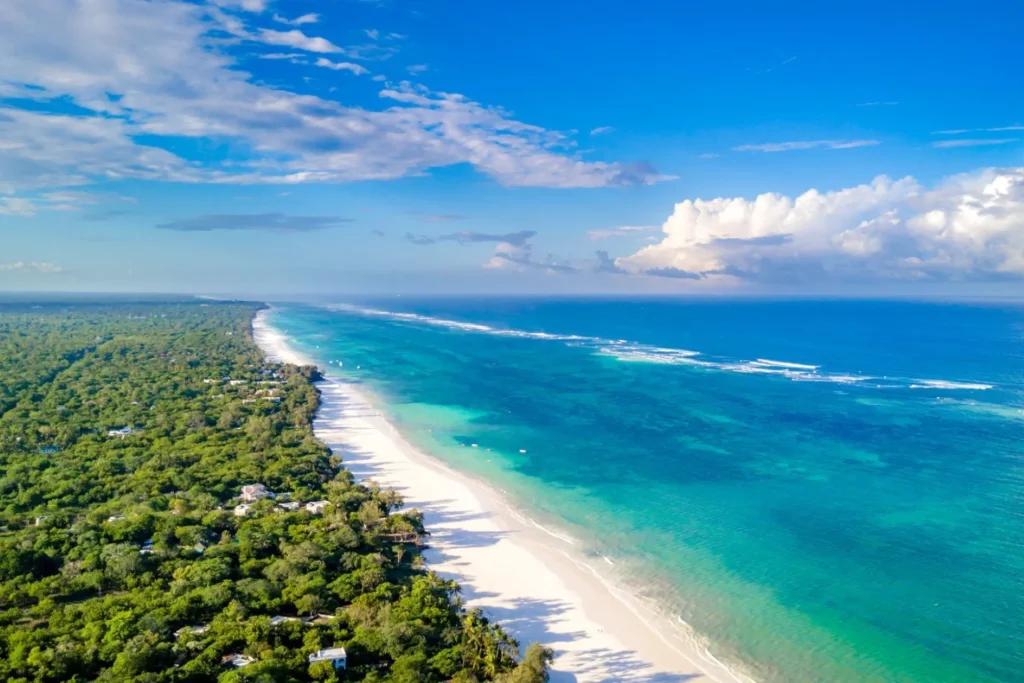
Kenya's Indian Ocean coast offers a cultural experience that differs substantially from the inland safari regions. Historic coastal settlements developed through centuries of trade and interaction across the Indian Ocean, and African, Arab, Persian, Indian and other influences contributed to the evolution of Swahili culture, including architecture, language, cuisine and maritime traditions.
Lamu Old Town is one of East Africa's most important historic Swahili settlements. Its narrow streets, traditional buildings and longstanding maritime culture offer opportunities to explore the history of the coast, and a knowledgeable local guide can explain architectural features, trade history and the role of the town in regional cultural exchange. Visitors should dress respectfully and be considerate when photographing residents or entering religious and residential areas.
Mombasa combines historic coastal heritage with a busy contemporary city. Guided visits may include historic streets, markets, architecture and selected cultural attractions, and the city is also an excellent place to explore coastal food traditions.
Swahili cuisine often incorporates coconut, rice, spices, seafood and other ingredients associated with the region's trading history. A guided cooking or food experience can provide an enjoyable introduction to these influences.
Nairobi is a useful starting point for travellers interested in understanding contemporary Kenya. The capital brings together communities from across the country and has a lively arts, food and entrepreneurial scene; depending on your interests, a guided programme may include museums, art spaces, markets and heritage attractions.
The Nairobi National Museum provides an introduction to aspects of Kenya's natural history and cultural heritage, while other activities may focus on contemporary art, local design or food. A cultural day in Nairobi can be particularly convenient before or after a wildlife safari.
Food is one of the most accessible ways to learn about a destination. Kenyan cuisine varies between regions, communities and households; common foods include ugali, a maize-based staple, vegetables such as sukuma wiki, grilled meats, stews and different preparations of beans, rice and potatoes. Along the coast, coconut, spices and seafood feature prominently in many dishes.
A culinary experience may involve visiting a local market, learning about ingredients or preparing a meal with participating hosts. Travellers with dietary restrictions should communicate them in advance.
Craft traditions form an important part of Kenya's cultural landscape. Depending on the region, visitors may encounter beadwork, weaving, basket-making, woodcarving, textiles and contemporary art, and a craft workshop can explain the techniques and materials used to produce particular items while providing opportunities to purchase directly from artisans.
However, travellers should avoid assuming that every souvenir sold near a national park was made locally. When possible, ask about the origin of the products and the people who created them.
The following itinerary illustrates how cultural activities can be combined with wildlife viewing.
Arrive at Jomo Kenyatta International Airport and transfer to your hotel. Depending on arrival time, enjoy a short orientation or relax after your flight. Overnight: Nairobi
Spend the day visiting selected museums, markets, art spaces or culinary attractions. The programme can be tailored to your interests and the opening hours of individual attractions. Overnight: Nairobi
Travel to the Great Rift Valley and check into your accommodation near Lake Naivasha. Enjoy the scenery and consider an optional boat excursion or guided nature activity. Overnight: Lake Naivasha
Continue towards the Masai Mara, arriving in time for an afternoon wildlife activity if road conditions permit. Overnight: Masai Mara region
Explore the reserve with your safari guide, searching for lions, elephants, giraffes, buffaloes and other wildlife. Overnight: Masai Mara region
Visit a participating Maasai community through an agreed tourism programme. Learn about selected cultural traditions and contemporary livelihoods, then enjoy another wildlife activity according to the arrangements. Overnight: Masai Mara region
Return to Nairobi through the Great Rift Valley and spend the evening relaxing at your hotel. Overnight: Nairobi
Transfer to the airport for your onward flight. The itinerary can be extended to Samburu, Amboseli or the Kenyan coast for additional cultural experiences.
Responsible cultural tourism begins with respect. Community visits should be organised through participating hosts who have agreed to receive visitors, fees should be clear and travellers should understand which services are included. A respectful cultural encounter is a conversation between people, not simply a performance arranged for tourists.
Photography requires particular care:
Kenya cultural safaris can be arranged throughout the year, although the best season depends on the destinations and activities selected. January to March often provides relatively dry conditions in several inland safari regions, while June to October is a popular period for combining cultural experiences with wildlife viewing, particularly in the Masai Mara. April and May can bring substantial rainfall, affecting some roads and outdoor activities, and the coast has different seasonal conditions from northern Kenya and the central highlands. Community availability and local events should also be considered when planning visits.
The price depends on the duration, destinations, accommodation and activities included. A short cultural visit added to an existing wildlife safari will usually cost less than a dedicated multi-day cultural programme, while specialist workshops, private guiding and community-hosted experiences may involve additional charges. Your quotation should clearly identify cultural activity fees, transport, accommodation, meals and park entrance fees.
At Safari Trips to Kenya, we offer Essential, Comfort, Premium and Signature accommodation categories. Essential accommodation focuses on clean, comfortable lodging and value; Comfort properties provide additional facilities and convenience; Premium accommodation offers higher standards of service, while Signature properties emphasise distinctive settings and personalised hospitality. For cultural itineraries, location and access to participating hosts can be more important than luxury facilities.
Yes. Cultural activities complement wildlife viewing and provide a broader understanding of Kenya.
Yes. Community visits can often be arranged alongside game drives, subject to availability and local arrangements.
Not always. Community fees, guiding charges and transport may be priced separately.
Yes. A longer itinerary can include cultural experiences in different regions.
Photography policies vary. Always ask permission before photographing people or private spaces.
Yes. Private visits may be possible through participating hosts, subject to availability.
A thoughtfully planned Kenya Cultural Safari introduces travellers to the people, traditions and histories that shape the country's diverse landscapes. Whether you want to combine a Maasai community visit with a Masai Mara safari, explore Samburu culture or discover Swahili heritage along the coast, we can create an itinerary suited to your interests.
At Safari Trips to Kenya, we focus on knowledgeable guiding, respectful community experiences and practical safari planning. Contact our team with your travel dates, group size and preferred destinations to request a personalised Kenya cultural safari.