
10 DAYS / 9 NIGHTS
10 Days Fly-in Kenya Safari
Explore the 10 Days Fly-in Kenya Safari with a day-by-day safari plan, key wildlife experiences, destinations, accommodation ideas, travel logistics and booking.
- Wildlife Safari Private Journey
- Private Safari 4x4 Vehicle
- Expert Guide English Speaking
- All Meals Breakfast, Lunch, Dinner
- 24/7 Support We're here to help
01 Overview
Safari Overview
- Duration 10 days / 9 nights
- Destination Kenya
- Starts / ends Nairobi
- Safari style Private safari
- Accommodation Essential · Comfort · Premium · Signature
- Best for Wildlife viewing, photography
10 Days Fly-in Kenya Safari – See More of Kenya With Less Time on the Road
A 10 Days Fly-in Kenya Safari is designed for travelers who want to experience several of Kenya's leading wildlife destinations while reducing the long overland transfers that can consume a significant part of a conventional road safari. By using scheduled light-aircraft flights between selected safari regions, you can spend more of your holiday watching wildlife, relaxing at well-positioned lodges and exploring contrasting ecosystems rather than sitting in a vehicle for full-day transfers.
Kenya is exceptionally well suited to fly-in safaris. Nairobi is connected by scheduled bush flights with many important safari regions, while a network of airstrips allows guests to land relatively close to lodges, tented camps, private conservancies and wildlife reserves. This makes it possible to combine destinations that would otherwise require substantial road travel.
A carefully planned ten-day itinerary might include the elephant-rich landscapes of Amboseli, the conservation areas of Laikipia or Ol Pejeta, and the predator-rich plains of the Masai Mara. Another version may focus on Samburu, a private conservancy and the Masai Mara, while migration-focused travelers can dedicate more of the trip to different parts of the greater Mara ecosystem. The exact route should be designed around your travel dates, wildlife priorities, accommodation preferences and the domestic flight network operating during your journey.
A fly-in safari is particularly attractive to:
- Couples.
- Honeymooners.
- Luxury travelers.
- Families wanting shorter transfer days.
- Older travelers.
- Photographers.
- Travelers with limited holiday time.
- Repeat safari visitors.
- Guests combining several distant wildlife areas.
- Travelers continuing to Kenya's coast after safari.
The purpose of flying is not simply to make the safari more expensive or exclusive. It is to use your time more efficiently. A road transfer that might consume much of the day can sometimes be replaced by a shorter flight, leaving time for an afternoon game drive after arrival. This difference becomes significant across a ten-day itinerary: instead of losing several days to long-distance travel, you can potentially devote those hours to wildlife observation, rest, photography and camp experiences.
What Is a Fly-in Kenya Safari?
A fly-in safari uses scheduled or, in some cases, private light-aircraft services to connect major safari destinations. Rather than driving every long sector, you transfer from Nairobi or one bush airstrip to another. The aircraft used are generally smaller than the jets used on international routes. Flights may operate between:
- Nairobi and safari airstrips.
- One wildlife region and another.
- Safari areas and the Kenyan coast.
- Selected conservancies and reserves.
Depending on the flight, the aircraft may make one or more intermediate stops to drop off or collect passengers. This is normal on many bush-flight routes. On arrival at the local airstrip, you are met by a safari guide or lodge representative and transferred to your accommodation. The airstrip transfer often becomes a game drive because wildlife can be encountered immediately after leaving the runway.
At some fly-in camps, game drives are conducted by the property's resident guides using lodge vehicles. At others, a private vehicle can be booked at additional cost. Travelers should understand this distinction before confirming a safari. A fly-in itinerary does not automatically mean all game drives are private. If privacy is important, a private vehicle supplement should be requested and confirmed.
Why Choose a 10 Days Fly-in Kenya Safari?
The strongest reason to fly is simple: time. Kenya's safari destinations are spread across a large country. Road travel can be interesting because it reveals rural landscapes and gives you continuity with one driver-guide. However, some transfers are lengthy and can become tiring, particularly when combining northern and southern safari regions. Flying changes the rhythm:
- Less time on long transfers: A long overland journey can potentially be replaced by a relatively short flight plus airstrip transfers.
- More wildlife time: Arriving earlier may allow an afternoon game drive on a day that would otherwise be used almost entirely for travel.
- Greater destination variety: Flying can make it practical to combine wildlife areas that are widely separated geographically.
- More comfortable for some travelers: Families with younger children, older travelers and visitors who dislike long road journeys may find the experience substantially easier.
- Excellent for honeymoons: Bush flights create a seamless feeling and leave more time to enjoy romantic camps and lodges.
- Better for shorter holidays: If you have only ten days in Kenya, reducing road time helps protect the quality of the safari.
- Scenic aerial perspective: You may see highlands, savannah, escarpments, river systems and vast conservation landscapes in a way that is impossible from the road.
Suggested 10 Days Fly-in Kenya Safari Itinerary
The following itinerary is a sample framework designed to demonstrate how flights can reduce transfer time while combining three contrasting safari ecosystems. The precise flight schedules, airstrips, camps and routing should always be confirmed for your specific travel dates.
Itinerary
- Day 1: Arrival in Nairobi, private Airport Transfer and Safari Preparation
- Day 2: Fly Nairobi to Amboseli, elephant Safari Beneath Kilimanjaro
- Day 3: Amboseli, full, day Elephant and Wildlife Experience
- Day 4: Fly Amboseli to Laikipia or Ol Pejeta, from Elephant Country to Rhino Conservation
- Day 5: Laikipia or Ol Pejeta, rhinos, Conservation and Alternative Safari Activities
- Day 6: Fly to the Masai Mara, enter Kenya's Premier Big, cat Ecosystem
- Day 7: Masai Mara, full, day Big Cat and Wildlife Safari
- Day 8: Masai Mara, great Migration and Optional Hot, air Balloon Safari
- Day 9: Masai Mara, final Full Day of Safari Exploration
- Day 10: Fly Masai Mara to Nairobi, departure or Continue to the Coast
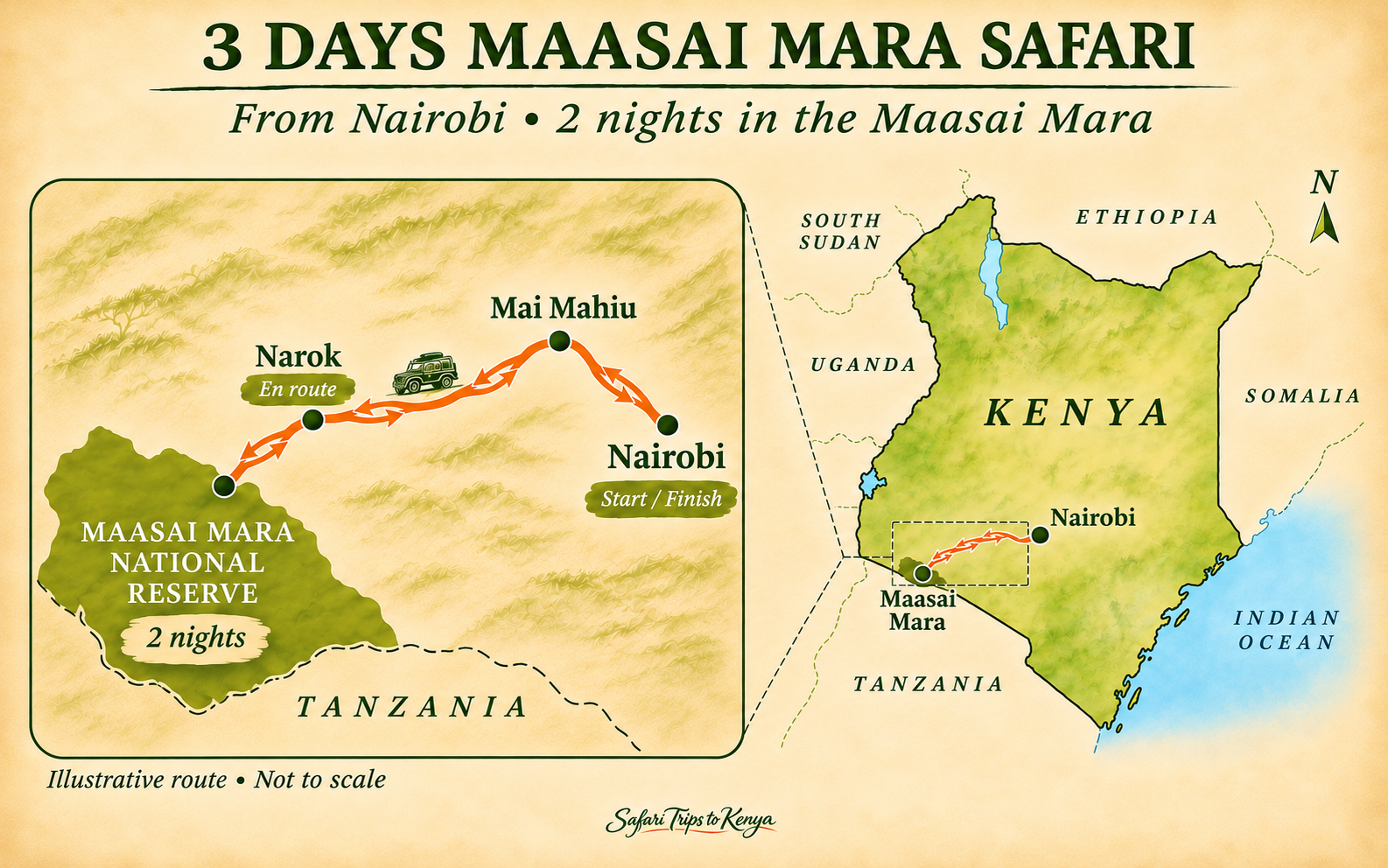
02 Itinerary
10 Days Fly-in Kenya Safari: Detailed Itinerary
-

Day 1: Arrival in Nairobi – Private Airport Transfer and Safari Preparation - Main destination
- Masai Mara National Reserve
- Drive time
- Road transfer as outlined in the itinerary
- Meals
- Lunch, Dinner
Your 10 Days Fly-in Kenya Safari begins when you arrive in Nairobi. After completing immigration procedures and collecting your baggage, meet your representative for a private transfer to your Nairobi hotel.
Even on a fly-in itinerary, spending the first night in Nairobi is often a sensible choice. International flights can arrive late or after long journeys, and domestic bush flights operate according to specific schedules, so attempting an immediate same-day connection can create unnecessary pressure if the international flight is delayed. A Nairobi overnight provides a buffer and allows you to begin the safari properly rested.
Check into your accommodation and relax. Your representative can provide a safari briefing that includes information particularly relevant to a fly-in journey. This may cover:
- Bush-flight departure times.
- Domestic airport arrangements.
- Luggage weight limits.
- Soft-sided baggage recommendations.
- Hand-luggage rules.
- Camera equipment.
- Airstrip transfers.
- Camp game-drive procedures.
- Private vehicle arrangements.
- Connection times.
- Weather considerations.
- Optional activities.
This is the ideal moment to separate any luggage that will not be required in the bush if your flight operator has strict baggage limits. Depending on your wider travel plans, excess luggage may potentially be stored in Nairobi by prior arrangement. Enjoy dinner and rest before your first bush flight the following day.
Accommodation: Nairobi hotel according to selected category
Meal Plan: According to arrival arrangements
Activity: Airport transfer and fly-in safari briefingWhere you stay
-
Essential (Budget)
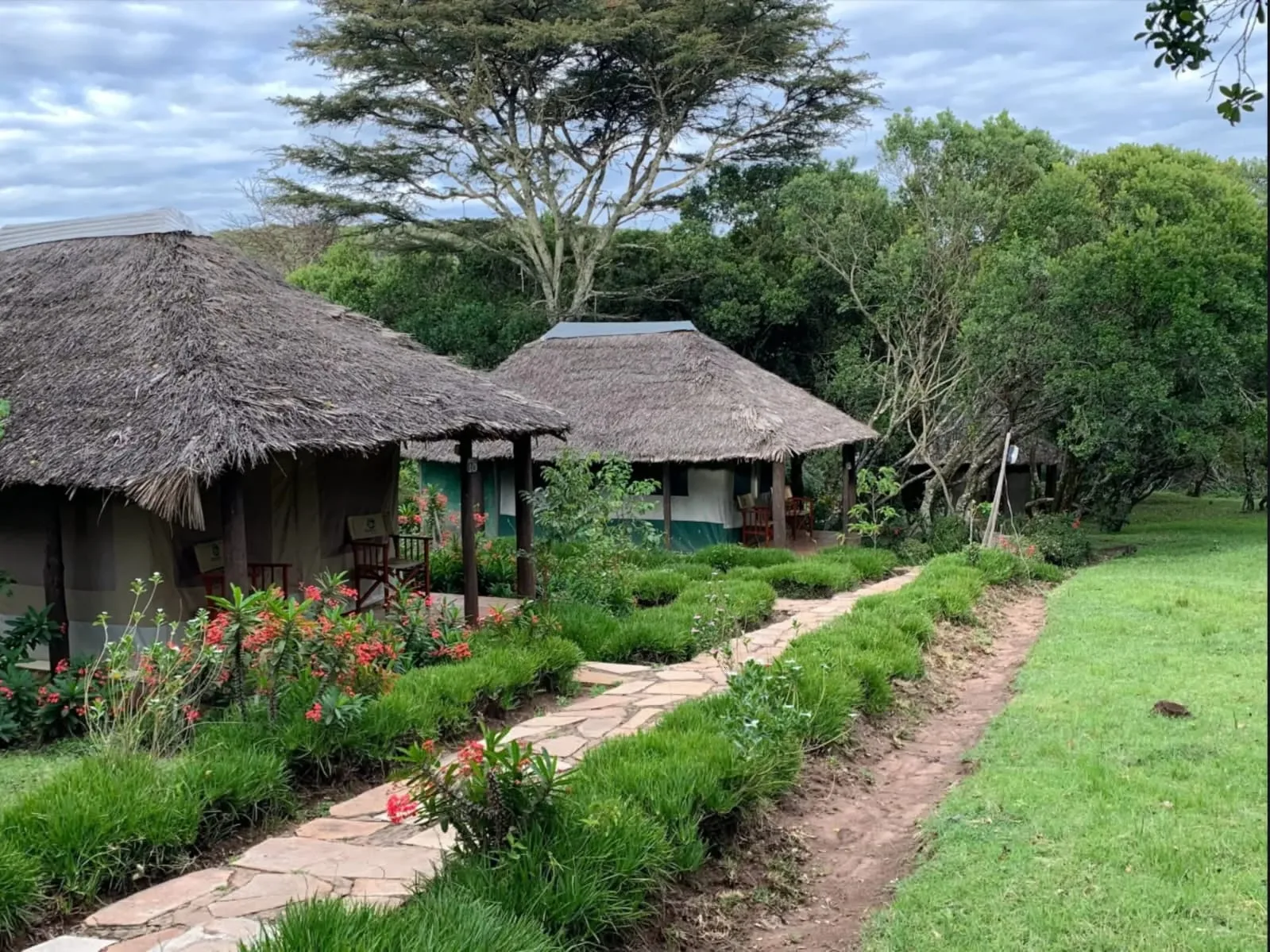
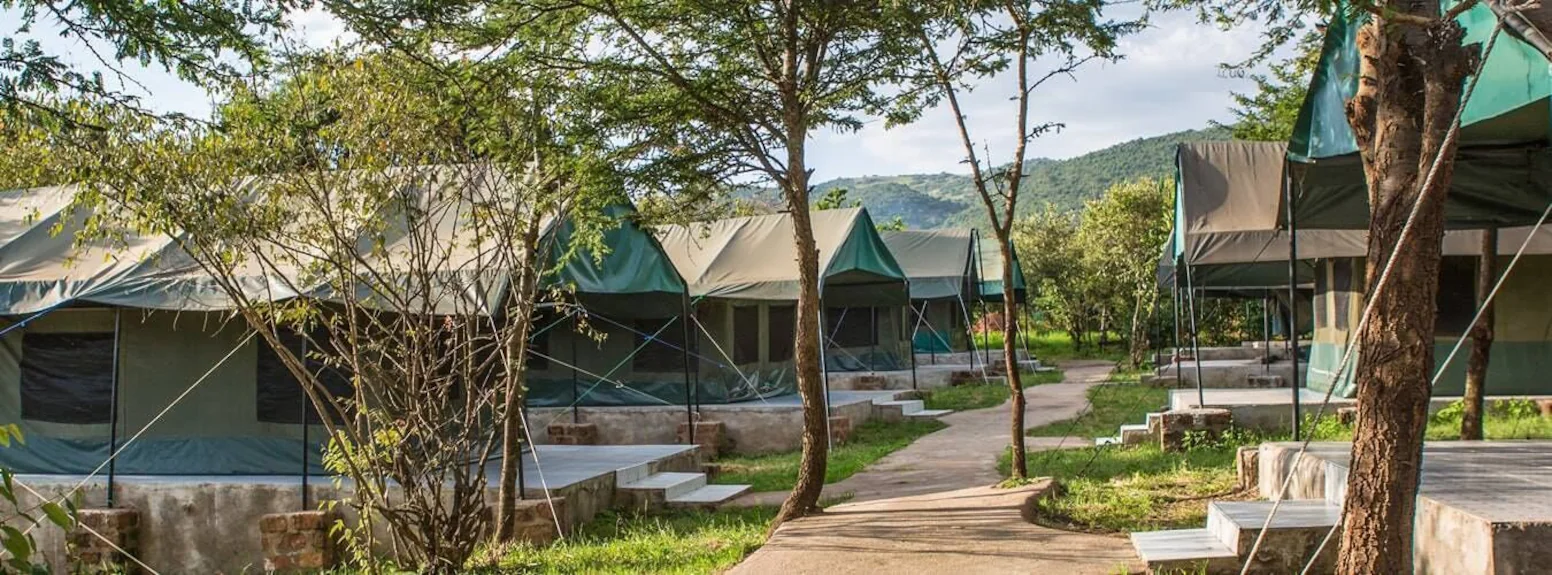
-
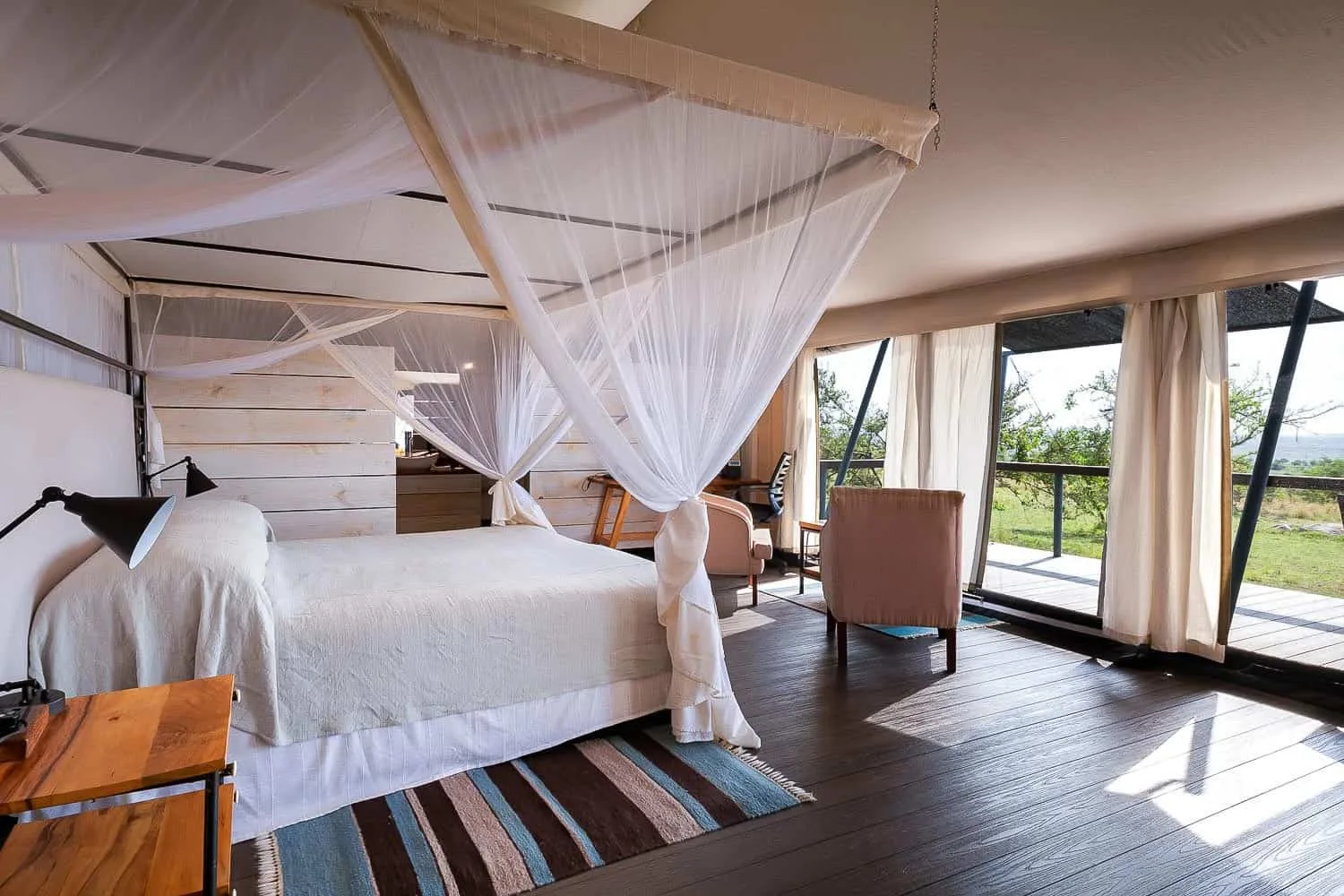
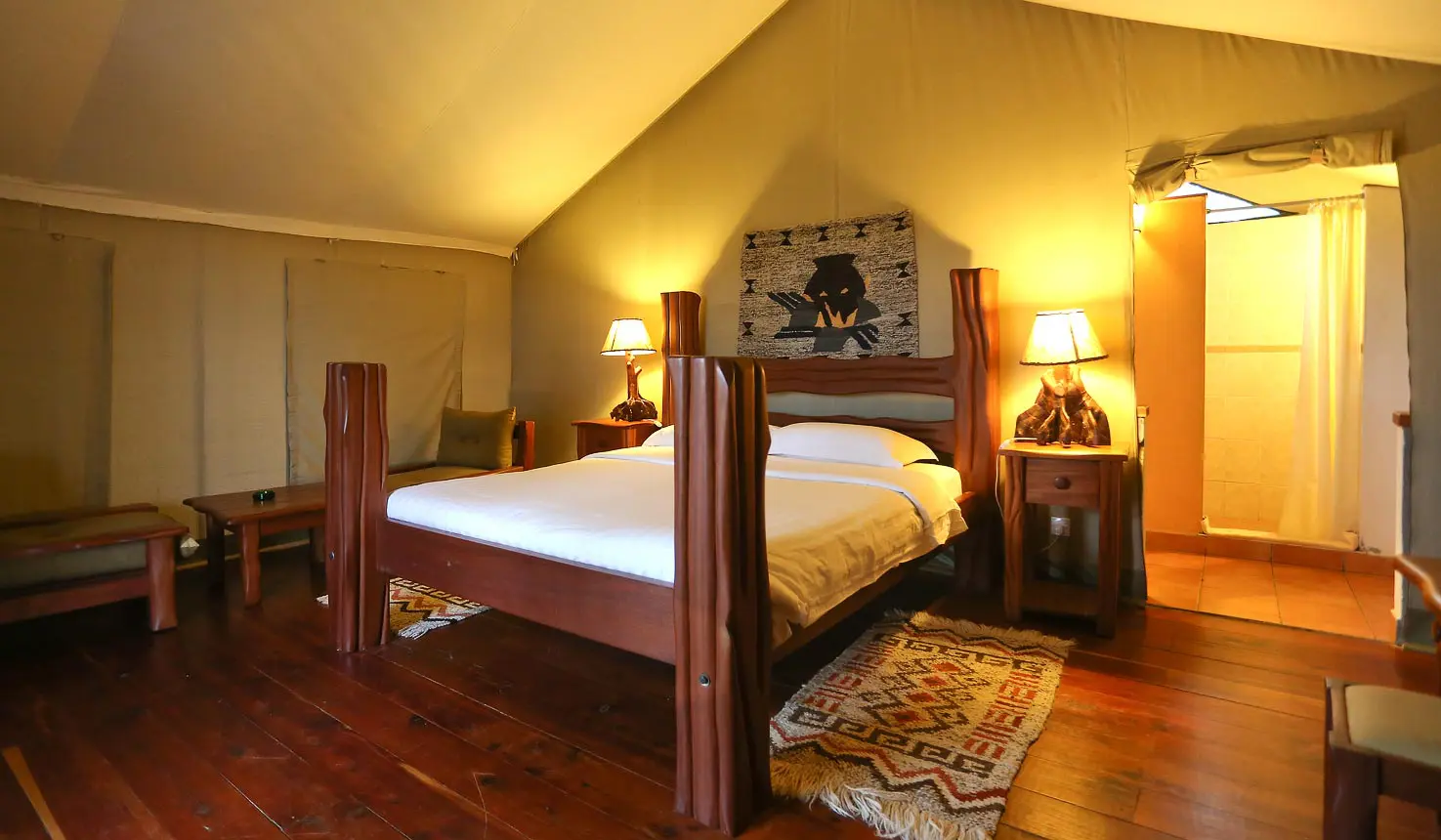
Comfort (Mid-range)
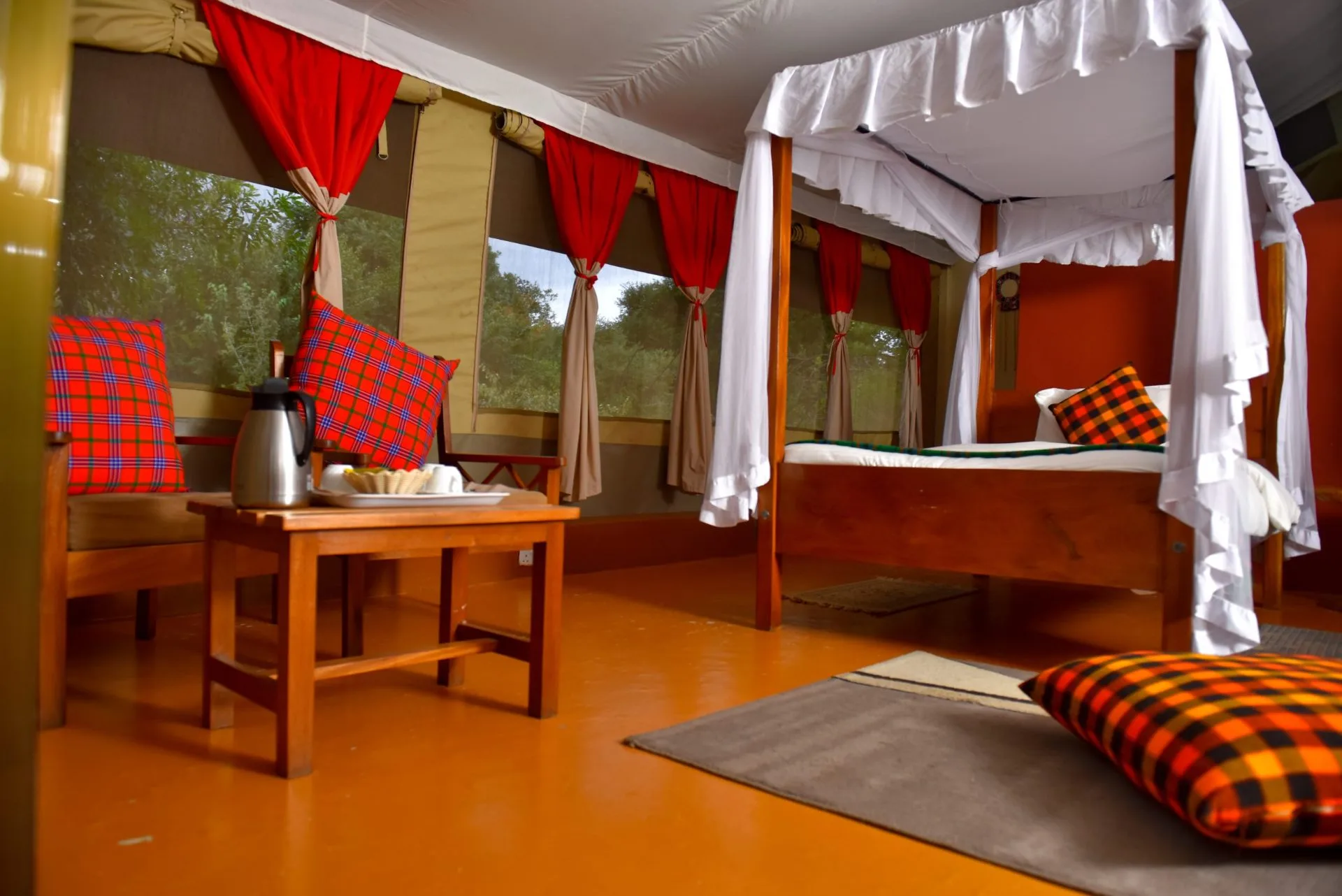
-
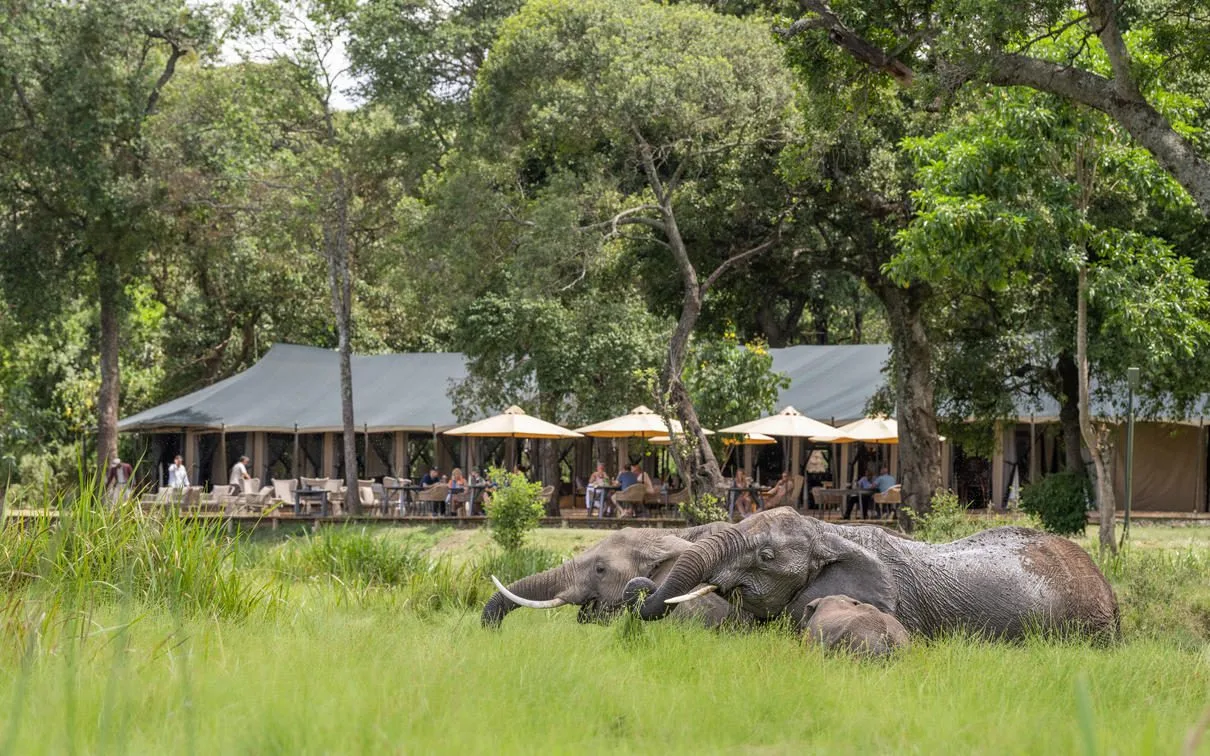
Premium (Luxury)
-
Signature (High-end)
-
Day 2: Fly Nairobi to Amboseli – Elephant Safari Beneath Kilimanjaro - Main destination
- Masai Mara National Reserve
- Meals
- Breakfast, Lunch, Dinner
After breakfast, transfer to the appropriate domestic departure point for your flight toward the Amboseli ecosystem. Bush flights from Nairobi are typically operated using small aircraft. Check-in procedures are simpler than those of large international airports, but passengers should still arrive in good time.
Board the aircraft and begin your flight south. As Nairobi disappears, the aerial view reveals increasingly open landscapes, and on clear days, approaching Amboseli can provide views of the wider Kilimanjaro region, though visibility can never be guaranteed.
After landing at the designated airstrip, meet your lodge guide or safari representative. The transfer from the airstrip to camp may immediately produce wildlife encounters, and you could see zebras, giraffes, elephants or antelope before even reaching your room. Arrive at the lodge or tented camp, check in and have lunch.
After time to settle, begin an afternoon game drive. Amboseli is internationally famous for its elephants, and the open terrain provides excellent opportunities to observe family groups. You may see:
- Adult females leading calves.
- Large bulls traveling independently.
- Elephants feeding in wetlands.
- Herds crossing dusty plains.
- Young animals playing.
- Elephants drinking and bathing.
On clear days, Mount Kilimanjaro can provide an extraordinary backdrop. Although the mountain itself lies in Tanzania, the Kenyan side offers some of its most famous wildlife views. Other possible sightings include: Buffalo, Zebra, Wildebeest, Giraffe, Impala, Gazelles, Warthog, Lion, Spotted hyena, Jackal, Hippo, Numerous bird species.
Return to your camp for dinner. Because you arrived by air rather than spending most of the day on the road, you have already enjoyed meaningful wildlife viewing on the first safari day.
Accommodation: Amboseli lodge or tented camp
Meal Plan: Breakfast, Lunch & Dinner
Activity: Bush flight, airstrip transfer and afternoon game driveWhere you stay
-
Day 3: Amboseli – Full-Day Elephant and Wildlife Experience - Main destination
- Masai Mara National Reserve
- Meals
- Breakfast, Lunch, Dinner
Wake early for a morning game drive. Morning is one of the most rewarding periods in Amboseli: temperatures are cooler, predators may still be active, the light can be excellent for photography and Kilimanjaro may be clearer before clouds build during the day, although views are never guaranteed.
Your guide will explore according to recent wildlife activity. Elephants are naturally a major focus, but Amboseli supports a much broader ecosystem. Open grassland attracts zebras, wildebeest and gazelles, while marshes support buffaloes, elephants, hippos and water birds. Predators may be encountered around prey concentrations. Lions occur in the ecosystem, though sightings depend on natural movement, and spotted hyenas are important predators and scavengers. Birdwatchers can enjoy a wide variety of waterbirds, raptors and savannah species.
One of the advantages of a fly-in safari is that there is no immediate pressure to move on, so you can spend a full day experiencing the ecosystem. Return to camp during the hotter midday hours and have breakfast or lunch depending on the schedule. Relax in your room, use the pool where available, review photographs or enjoy the spa or other leisure facilities some camps may offer.
Later, return for an afternoon game drive. As sunset approaches, the landscape can become exceptionally beautiful. A herd of elephants walking across the plains with Kilimanjaro in the background is one of the classic scenes travelers hope to experience. Return to camp for dinner and your second night in the wilderness.
Accommodation: Amboseli lodge or tented camp
Meal Plan: Breakfast, Lunch & Dinner
Activity: Morning and afternoon game drivesWhere you stay
-
Day 4: Fly Amboseli to Laikipia or Ol Pejeta – From Elephant Country to Rhino Conservation - Main destination
- Masai Mara National Reserve
- Meals
- Breakfast, Lunch, Dinner
After an early activity and breakfast, transfer back to the airstrip. Today demonstrates one of the greatest strengths of fly-in travel. Instead of undertaking an extremely long road journey between southern and central Kenya, you use scheduled aviation to connect two very different ecosystems. The exact flight may operate directly or involve a connection or stop depending on the day's schedule, so flight routes should always be confirmed before departure.
Arrive at the airstrip serving your selected Laikipia or Ol Pejeta accommodation, meet your camp guide and begin the transfer through the conservancy. The landscape is different from Amboseli. Depending on location, you may see rolling grasslands, acacia woodland, rocky hills and views toward Mount Kenya. Arrive at camp for check-in and lunch.
Later, begin an afternoon game drive. If the itinerary includes Ol Pejeta, rhino conservation becomes an important theme. Kenya protects populations of both black and white rhinos, and the two species differ in feeding behavior and physical structure.
White Rhino
White rhinos are primarily grazers, and their broad mouths are adapted for cropping grass.
Black Rhino
Black rhinos are browsers, and their pointed upper lips help them select leaves and branches.
Rhinos have faced severe threats from poaching, making sightings especially meaningful. Your guide can explain the security, monitoring and habitat-management work required to protect them. Other wildlife may include: Elephant, Buffalo, Giraffe, Zebra, Antelope, Lion, Hyena, Numerous birds.
Return to your camp for dinner.
Accommodation: Laikipia or Ol Pejeta lodge/tented camp
Meal Plan: Breakfast, Lunch & Dinner
Activity: Airstrip transfer, bush flight and afternoon wildlife driveWhere you stay
-
Day 5: Laikipia or Ol Pejeta – Rhinos, Conservation and Alternative Safari Activities - Main destination
- Masai Mara National Reserve
- Meals
- Breakfast, Lunch, Dinner
Today is devoted to exploring the conservancy. Private and community conservation areas can provide a different style of safari from traditional national parks. Depending on the property and conservancy rules, your day may combine conventional game drives with alternative experiences. Possible activities can include:
- Rhino-focused game drives.
- Guided nature walks.
- Night drives.
- Conservation experiences.
- Community visits.
- Birdwatching.
- Bush meals.
- Sundowners.
- Horseback safaris in selected locations.
- Camel experiences in selected properties.
Not every camp offers every activity, and some experiences have age restrictions, safety requirements or additional fees. Always confirm these details before booking.
Begin the day with an early wildlife drive and search for rhinos and other large mammals. Take time to understand the conservation landscape rather than viewing animals only as photographic subjects. The survival of rhinos requires significant human intervention:
- Rangers patrol large areas.
- Animals may be monitored individually.
- Security systems must be maintained.
- Veterinary support may be needed.
- Tourism revenue can contribute to this broader conservation framework.
Return for breakfast and relaxation. Later, choose another wildlife activity. A guided walk, where permitted, offers a completely different perspective. From a vehicle, attention naturally goes toward large mammals, while on foot, tracks, plants, insects, birds and animal signs become more important. Safety procedures and guide instructions must be followed carefully.
In the evening, a conservancy may offer a night drive, which can reveal species that are rarely seen during daylight. Again, availability depends entirely on the property and conservation area's regulations. Return for dinner.
Accommodation: Laikipia or Ol Pejeta lodge/tented camp
Meal Plan: Breakfast, Lunch & Dinner
Activity: Wildlife drives and selected conservancy experiencesWhere you stay
-
Day 6: Fly to the Masai Mara – Enter Kenya's Premier Big-Cat Ecosystem - Main destination
- Masai Mara National Reserve
- Meals
- Breakfast, Lunch, Dinner
After breakfast, transfer to the airstrip for your flight to the Masai Mara ecosystem. The aerial journey provides another fascinating transition. As you travel toward southwestern Kenya, the landscape changes, and approaching the Mara, broad grasslands and river systems begin to dominate. Depending on the route and weather, the view from the aircraft can provide a sense of the ecosystem's enormous scale.
Land at the appropriate Mara airstrip and meet your guide or camp representative. The transfer to your lodge usually doubles as an introductory wildlife drive, and almost immediately you may encounter: Zebra, Wildebeest, Giraffe, Elephant, Buffalo, Impala, Topi, Gazelles, Warthog.
Arrive at your camp and settle into your accommodation. Many fly-in itineraries use properties located close to productive wildlife areas or within private conservancies. After lunch, return to the wilderness for an afternoon game drive. The Mara is famous for predators, and your guide may begin searching for: Lions, Leopards, Cheetahs, Spotted hyenas.
Lion sightings can be particularly rewarding, as a pride may include females, cubs and associated adult males. Leopards are more secretive and may be found around riverine woodland or in trees, while cheetahs favor open plains. Continue until evening and return to camp as darkness falls over the savannah.
Accommodation: Masai Mara lodge or tented camp
Meal Plan: Breakfast, Lunch & Dinner
Activity: Bush flight and afternoon Mara game driveWhere you stay
-
Day 7: Masai Mara – Full-Day Big Cat and Wildlife Safari - Main destination
- Masai Mara National Reserve
- Meals
- Breakfast, Lunch, Dinner
Wake before sunrise for an early drive. The cool morning is one of the most important periods for predator activity. Your guide may begin by checking areas where lions were observed the previous day. Tracks can indicate movement, alarm calls can reveal hidden predators and vultures in the distance may suggest recent feeding activity. Wildlife guiding is a process of constantly reading these clues.
Lions
The Mara is famous for lion prides. Spend time observing social behavior rather than simply taking photographs. Females may groom one another, cubs may play and males may patrol territorial boundaries. A pride that appears completely inactive can suddenly begin moving.
Leopards
Leopard sightings often require greater patience. These solitary predators use vegetation and trees extremely effectively, and a tail hanging from a tree branch may be the first sign of an animal.
Cheetahs
Cheetahs often use open grasslands where they can scan for prey, and they may stand on termite mounds or other elevated ground. Watching a cheetah prepare for a hunt can be thrilling, though actual hunts are unpredictable.
Throughout the day, numerous herbivores provide the ecological foundation supporting predators. Possible sightings include: Wildebeest, Zebra, Topi, Impala, Gazelles, Giraffe, Buffalo, Elephant, Eland.
If staying in the main reserve, you may choose a long game drive with a picnic lunch. If staying in a conservancy, the day's structure may include morning and afternoon drives. Return to camp in the evening.
Accommodation: Masai Mara lodge or tented camp
Meal Plan: Breakfast, Lunch & Dinner
Activity: Full-day or split game-drive safariWhere you stay
-
Day 8: Masai Mara – Great Migration and Optional Hot-Air Balloon Safari - Main destination
- Masai Mara National Reserve
- Meals
- Breakfast, Lunch, Dinner
Today provides another complete day in the Mara. Travelers visiting during the months when major wildebeest herds are present may devote substantial time to migration activity. The Great Wildebeest Migration is a continuous movement through the wider Serengeti-Mara ecosystem, with herds following changing rainfall, grazing and water conditions. The period most commonly associated with significant numbers in the Kenyan section is generally around the middle and later part of the year, but exact timing varies from season to season.
A fly-in itinerary can be especially useful for migration travel because you can position yourself efficiently within the Mara without losing long days on overland transfers.
River Crossings
Many travelers hope to see wildebeest crossing major rivers, one of Africa's most dramatic wildlife spectacles. However, a crossing cannot be scheduled. Herds may gather near a river and remain there for hours, move away, or another group may suddenly begin crossing without warning. No ethical operator can guarantee that you will witness a river crossing. The best approach is to spend several days in the ecosystem and enjoy all aspects of the migration.
Optional Hot-Air Balloon Safari
Today can also begin with an optional hot-air balloon flight, subject to availability and weather. Wake well before sunrise and transfer to the launch area. After inflation and safety preparations, the balloon rises into the morning air. From above, the Mara's scale becomes easier to appreciate. You may see:
- River channels.
- Herds.
- Wildlife tracks.
- Woodlands.
- Open plains.
- Camps.
- Hills and escarpments.
The flight follows the wind before landing. A breakfast is typically part of the balloon operator's experience, though exact arrangements vary, and ballooning normally carries an additional charge unless specifically included.
Continue with regular wildlife viewing afterward, then return to your camp for your final full evening in the Mara.
Accommodation: Masai Mara lodge or tented camp
Meal Plan: Breakfast, Lunch & Dinner
Activity: Wildlife safari and optional hot-air balloon flightWhere you stay
-
Day 9: Masai Mara – Final Full Day of Safari Exploration - Main destination
- Masai Mara National Reserve
- Meals
- Breakfast, Lunch, Dinner
A third substantial Mara day gives you the flexibility to stop chasing a species checklist. By now, you may already have seen lions, elephants, buffaloes and perhaps leopards or cheetahs, so today can focus on behavior.
Return to a lion pride to see how the dynamics have changed. Spend an hour with elephants rather than leaving after several photographs. Watch giraffes browse, observe zebras interacting, follow hyenas moving between feeding and resting areas, look at birds and pay attention to the landscape. This slower style often produces the strongest safari memories. Photographers can take advantage of the morning and afternoon light, and because you arrived by air and are not preparing for a major road departure, the day can remain fully focused on the wildlife area.
If staying in a private conservancy, additional experiences may potentially be incorporated, such as:
- Guided walks.
- Sundowners.
- Night drives.
- Bush meals.
The exact options depend on the property's location and operating rules.
Return to camp for your final wilderness dinner. The night sounds of the Mara can be unforgettable, as lions may roar, hyenas may call and hippos may vocalize around nearby river systems. Enjoy your last night in the bush before flying back to Nairobi.
Accommodation: Masai Mara lodge or tented camp
Meal Plan: Breakfast, Lunch & Dinner
Activity: Full-day wildlife experienceWhere you stay
-
Day 10: Fly Masai Mara to Nairobi – Departure or Continue to the Coast - Main destination
- Masai Mara National Reserve
- Drive time
- Return transfer as outlined in the itinerary
- Meals
- Breakfast, Lunch
Wake for your final morning and, depending on flight time, enjoy a short early game drive. Morning can produce some of the safari's most memorable sightings: predators may still be active, giraffes and elephants may be beautifully lit and birdlife becomes increasingly active after sunrise.
Return to camp for breakfast and prepare for departure. Transfer to the Mara airstrip and board the scheduled flight back to Nairobi, which significantly shortens the final transfer compared with driving all the way from the Mara. Upon landing, continue according to your onward arrangements. These may include:
- International departure.
- Nairobi hotel.
- Diani Beach connection.
- Mombasa connection.
- Watamu.
- Zanzibar.
- Another East African country.
When connecting with an international flight, sufficient time should always be allowed between the domestic arrival and the international departure. If the bush flight lands at Wilson Airport and your international flight leaves from Jomo Kenyatta International Airport, remember that the airports are separate and require a road transfer.
Your 10 Days Fly-in Kenya Safari concludes after an efficient journey combining several contrasting ecosystems without sacrificing large portions of your holiday to lengthy road travel.
Meal Plan: Breakfast; additional meals according to arrangements
Activity: Morning game drive, bush flight and onward transferBest Destinations for a Fly-in Kenya Safari
Several Kenyan safari regions are particularly well suited to flying.
Masai Mara
The Masai Mara is one of the most accessible and popular fly-in safari regions. Multiple airstrips serve different sections of the ecosystem, and flying is particularly useful because the road journey from Nairobi can be substantial. The Mara is outstanding for: Lions, Leopards, Cheetahs, Elephants, Buffaloes, Wildebeest, Zebras, Giraffes, Hyenas, Hippos, Crocodiles, Migration viewing.
Amboseli
Amboseli can be reached by scheduled flight arrangements depending on current operating schedules. Flying is attractive for travelers who want to avoid the long road journey and maximize elephant-viewing time. Amboseli is particularly strong for:
- Elephants.
- Kilimanjaro views, weather permitting.
- Buffalo.
- Lions.
- Hyenas.
- Wetlands.
- Birdwatching.
Samburu
Northern Kenya can require significant road travel from Nairobi, and a bush flight can make Samburu far easier to incorporate into a short safari. Wildlife highlights include: Grevy's zebra, Reticulated giraffe, Gerenuk, Beisa oryx, Somali ostrich, Elephant, Lion, Leopard.
Laikipia
Laikipia is particularly well suited to luxury and conservation-focused fly-in safaris. Depending on the conservancy, travelers may enjoy:
- Rhinos.
- Elephants.
- Lions.
- Wild dogs in selected areas.
- Guided walks.
- Night drives.
- Horseback safaris.
- Camel experiences.
- Conservation activities.
Ol Pejeta
Ol Pejeta is internationally associated with rhino conservation and broader wildlife viewing. It can be incorporated into road or flight-based itineraries depending on the final logistics.
Where you stay
03 Rates
Safari rates 2027-2029
Indicative per person. Season, group size and lodge style change the total — your quotation confirms current rates.
-
Essential (Budget)
Essential (Budget)
Budget camps and lodges suit travelers who prioritize wildlife while keeping costs lower.
Great value camps
-
Comfort (Mid-range)
Comfort (Mid-range)
Mid-range tented camps and lodges balance comfort and price with private rooms or tents and en-suite facilities.
Quoted for your dates
-
Premium (Luxury)
Premium (Luxury)
Luxury camps and lodges focus on location, service and more intimate wildlife experiences.
Premium camps and lodges
-
Signature (High-end)
Signature (High-end)
Signature camps and lodges are the most exclusive stays — small, highly private properties with exceptional guiding and setting.
Exclusive signature stays
04 Activities
Safari activities
Game viewing is the core of this itinerary. Optional extras are quoted separately and depend on season, permits and availability. Individual species and river crossings are never guaranteed.
-
Included
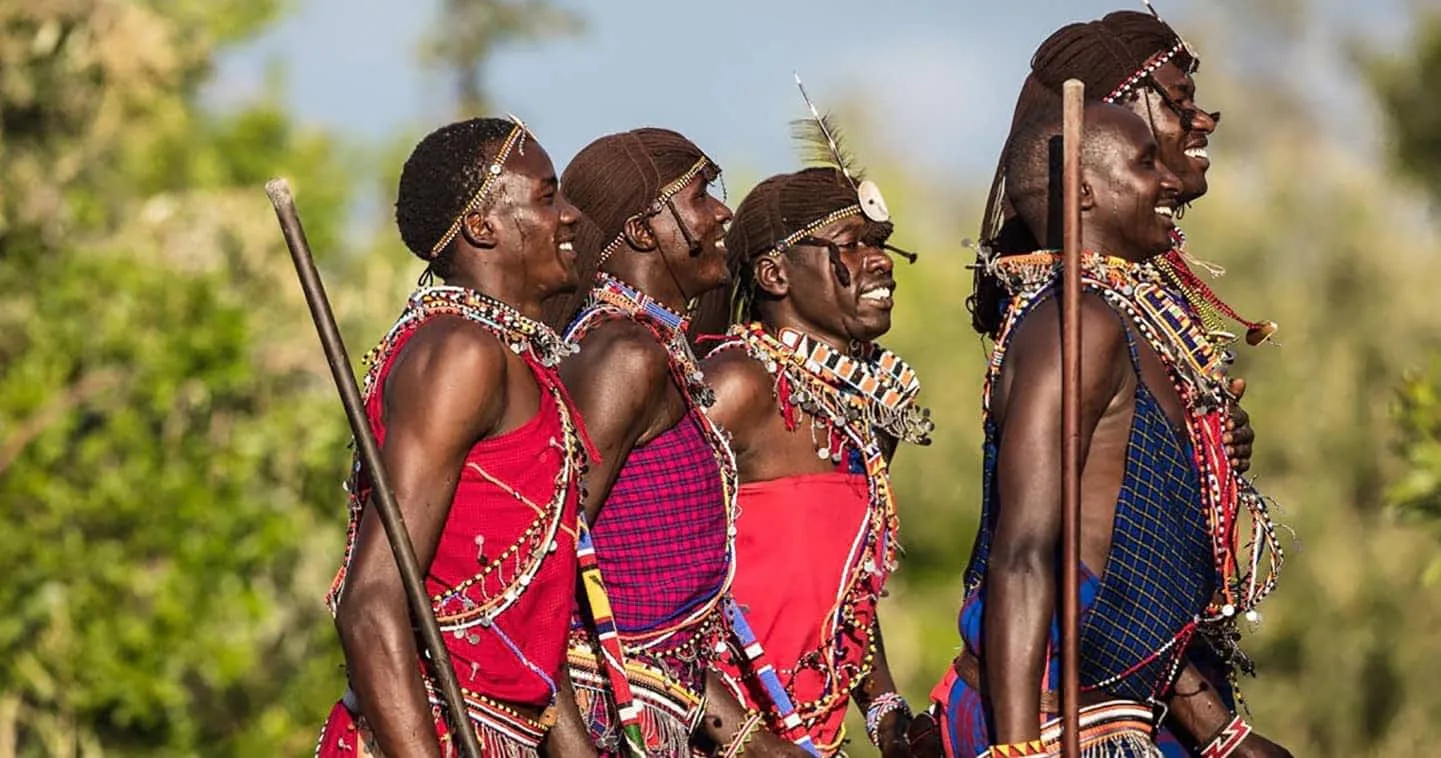
Masai Mara game drives
Included in a typical day on this safari. Exact timing follows the confirmed itinerary.
View activity -
Included
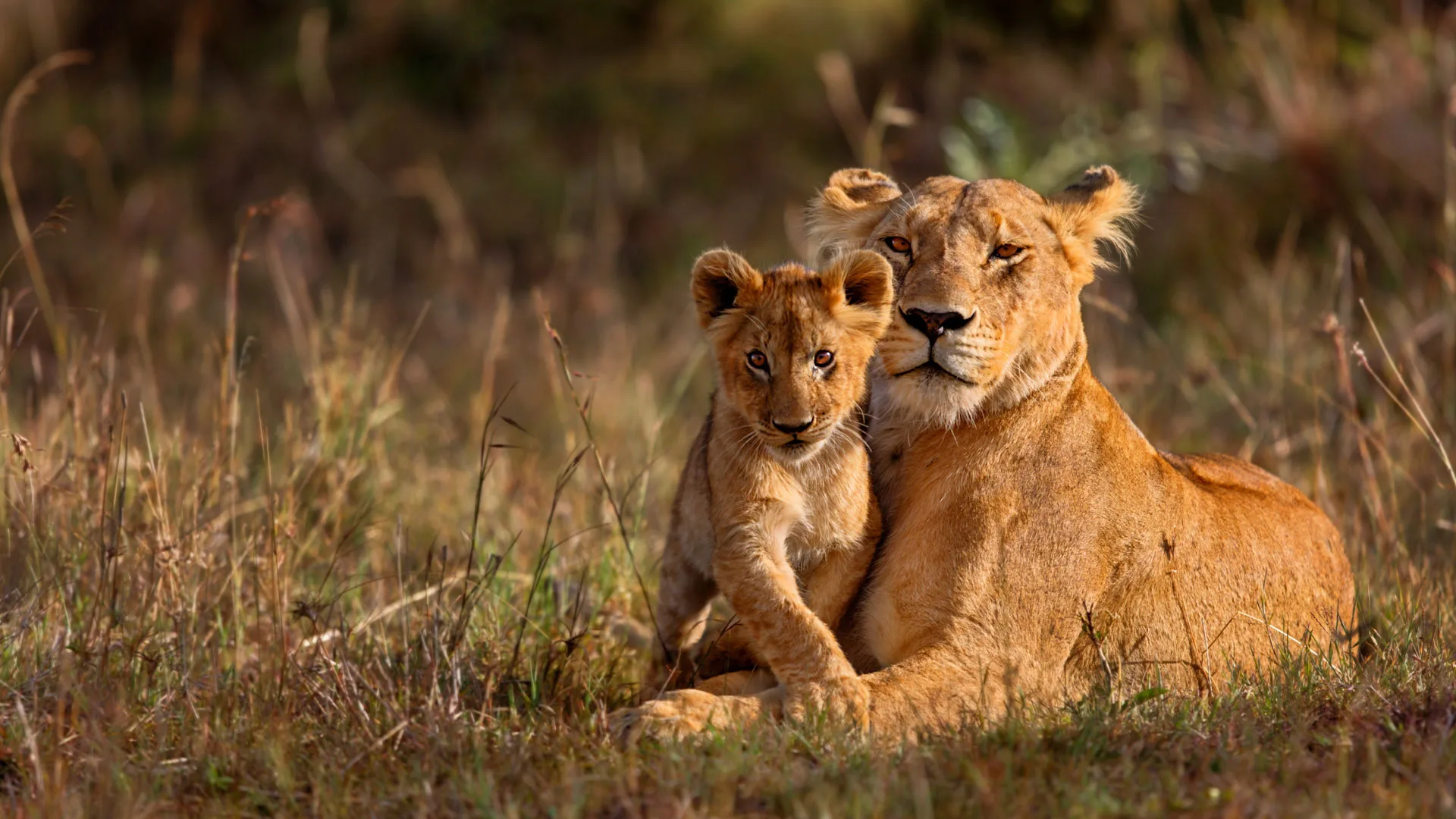
Airstrip-to-camp game drives
Included in a typical day on this safari. Exact timing follows the confirmed itinerary.
View activity -
Optional
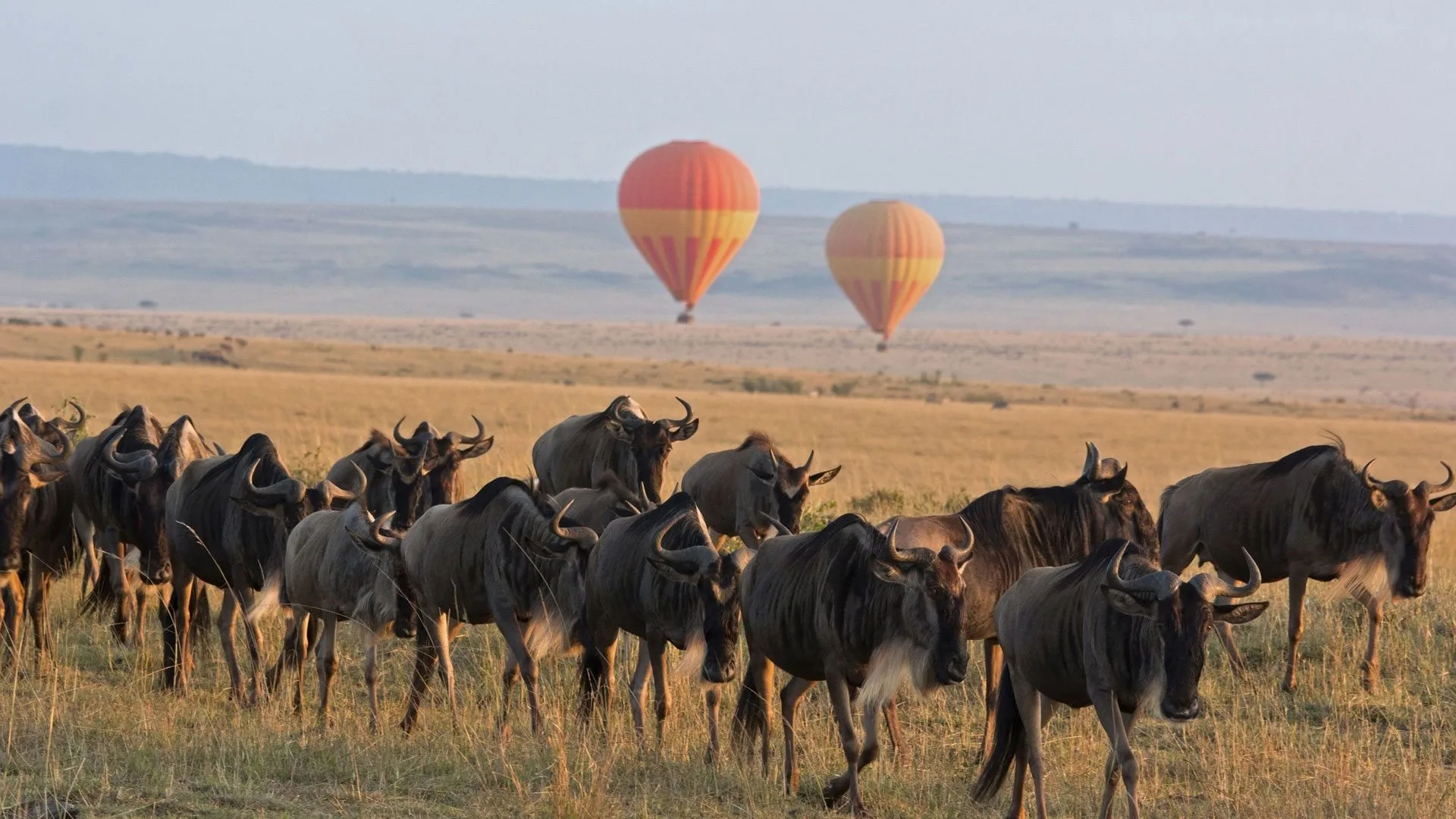
Hot-air balloon safari.
Available at extra cost when conditions, permits and your dates allow. Not guaranteed.
View activity -
Optional
Walking safaris where permitted.
Available at extra cost when conditions, permits and your dates allow. Not guaranteed.
View activity -
Optional
Night drives in selected conservancies.
Available at extra cost when conditions, permits and your dates allow. Not guaranteed.
-

Included
Photography-focused itineraries
Included in a typical day on this safari. Exact timing follows the confirmed itinerary.
View activity
Additional information
Plan This Safari
Fly-in Safari Versus Road Safari
Neither style is universally better. The right choice depends on your priorities.
Advantages of a Fly-in Safari
A fly-in safari can provide:
- Shorter long-distance transfers.
- More time in parks.
- Reduced travel fatigue.
- Easier combination of distant destinations.
- Scenic aerial views.
- Excellent compatibility with luxury camps.
- Faster connection to the coast.
Advantages of a Road Safari
A road safari provides:
- One driver-guide throughout.
- Continuous private vehicle availability.
- More exposure to Kenyan countryside.
- Greater luggage flexibility in many cases.
- Often lower total cost.
- More flexibility for unplanned stops.
Some travelers prefer road safaris because the changing landscape is part of the experience. Others prefer to maximize wildlife time. A hybrid itinerary can combine both.
Can a Fly-in Safari Still Be Private?
Yes, but this must be arranged carefully. The flight itself is usually shared with other passengers unless you charter an aircraft. On arrival, many camps include game drives in shared lodge vehicles. If you want private game drives, request a private safari vehicle when booking. This is particularly recommended for:
- Honeymooners.
- Families.
- Photographers.
- Birdwatchers.
- Travelers with specialist interests.
- Guests who value schedule flexibility.
Fly-in Safari for Photographers
Flying is attractive for photographers because it saves transfer time, but luggage becomes a major consideration. Camera equipment can be heavy. Long telephoto lenses and multiple camera bodies can quickly consume the available baggage allowance. Photographers should provide details of their equipment before finalizing domestic flights. Possible considerations include:
- Purchasing additional baggage allowance where available.
- Booking a freight seat where permitted.
- Using soft-sided luggage.
- Minimizing clothing.
- Carefully distributing camera equipment.
- Confirming whether hand luggage is included in the total weight.
Never assume international airline luggage allowances apply to bush flights.
Fly-in Safari Luggage Limits
This is one of the most important practical issues. Small aircraft operate under stricter weight and space constraints than large commercial jets. Baggage rules can include:
- Maximum total weight.
- Soft-sided luggage requirements.
- Restricted bag dimensions.
- Camera equipment included in total weight.
- Limited or no oversized hard cases.
Exact allowances vary by airline, aircraft and route. They must therefore be confirmed for the specific flights used in your itinerary. If your Kenya holiday includes safari and beach, it may be possible to store excess luggage or arrange separate transport, depending on your program.
Why Soft-Sided Luggage Is Often Preferred
Bush aircraft have smaller and differently shaped baggage compartments. Soft bags can be compressed and loaded more easily, while large hard-shell suitcases may not fit. A practical safari bag usually has:
- Soft sides.
- Strong handles.
- Durable zips.
- Moderate dimensions.
- Limited rigid structure.
Wheeled soft bags may sometimes be accepted, but exact operator rules should be confirmed.
Wilson Airport and Fly-in Safaris
Many bush flights operate from Wilson Airport in Nairobi. International flights generally use Jomo Kenyatta International Airport. The airports are separate, so a traveler arriving internationally may need a road transfer between them. Allow sufficient time for:
- Immigration.
- Baggage collection.
- Traffic.
- Domestic check-in.
Nairobi traffic conditions can vary. A same-day connection should never be planned with an unrealistically short buffer.
Bush Airstrips
Safari airstrips are generally simple facilities. Do not expect the infrastructure of an international airport. An airstrip may consist primarily of:
- Runway.
- Small waiting shelter.
- Basic check-in area.
- Safari vehicles waiting for passengers.
This simplicity is part of the experience. You may land and be on a game drive only minutes later. Wildlife can sometimes occur near airstrips, so always follow staff instructions.
Are Bush Flights Safe?
Professional aviation operators are required to operate according to relevant aviation regulations and procedures. As with all aviation, travelers should follow crew instructions. Some passengers may find small aircraft unfamiliar because they are noisier and more affected by turbulence than large jets. If you are prone to motion sickness, speak with a qualified medical professional before travel about appropriate options.
Do Bush Flights Make Many Stops?
Some scheduled safari flights may make intermediate stops. The exact routing can depend on:
- Passenger bookings.
- Destination airstrips.
- Daily operational requirements.
- Weather.
- Aircraft assignment.
A flight advertised between two regions may therefore not always operate as a nonstop service. This should be expected on bush-flight networks.
Weather and Fly-in Safaris
Aviation schedules can occasionally be affected by weather. Heavy rain, low visibility or other operational conditions can create delays. Travelers should therefore avoid scheduling critical international connections with inadequate buffer time. Flexible planning is especially important on the final day.
Great Migration Fly-in Safari
A fly-in itinerary is particularly useful for travelers focusing on the Great Wildebeest Migration. Instead of losing a substantial amount of time driving to and from the Mara, you can fly into an airstrip serving the relevant section of the ecosystem. This is especially valuable when your entire Kenya holiday is relatively short.
During migration periods, camp location matters. You should select accommodation based on expected herd movement for your travel month rather than simply choosing the most famous property. Even then, movement can change according to rainfall. No camp can guarantee a river crossing.
Big Five Fly-in Safari
The itinerary can be designed around opportunities to search for the Big Five: Lion, Leopard, Elephant, Buffalo, Rhino.
A combination such as Amboseli + Ol Pejeta/Laikipia + Masai Mara provides a particularly strong range of opportunities. Amboseli contributes exceptional elephant viewing, Ol Pejeta provides a major rhino component, and Masai Mara provides strong lion, leopard, elephant and buffalo opportunities. No wild-animal sighting is guaranteed.
Fly-in Honeymoon Kenya Safari
Honeymooners are among the travelers who benefit most from flying. Long road days can disrupt the relaxed rhythm of a honeymoon. Flights can allow couples to spend:
- More time at camp.
- More time on game drives.
- More time at the spa.
- More time enjoying private decks.
- Less time packing for road transfers.
A honeymoon fly-in itinerary can incorporate:
- Boutique tented camps.
- Private game-drive vehicles.
- Bush flights.
- Sundowners.
- Private dining.
- Balloon safari.
- Beach extension.
Fly-in Family Kenya Safari
Families can also benefit from reducing road travel. Young children may find long safari transfers tiring, and flying can help. However, families must consider:
- Child fares.
- Baggage limits.
- Minimum ages for certain camps or activities.
- Shared game-drive policies.
- Car seats where relevant.
- Flight noise.
- Children's comfort in small aircraft.
Private vehicles at camps are particularly useful for families.
Fly-in Safari for Older Travelers
Older travelers often appreciate shorter transfer times. A fly-in itinerary can reduce:
- Long hours on rough roads.
- Repeated full-day drives.
- Fatigue.
However, travelers with mobility concerns should ask about aircraft access. Small aircraft may require passengers to climb several steps or bend slightly when entering. Airstrips can also have uneven surfaces. Any mobility requirements should be communicated in advance.
Luxury Fly-in Kenya Safari
Fly-in travel is particularly common in luxury itineraries. Luxury versions can include:
- Premium tented camps.
- Private conservancies.
- Private game-drive vehicles.
- Luxury Nairobi accommodation.
- High-quality dining.
- Spa treatments.
- Bush meals.
- Sundowners.
- Balloon safari.
- Beach extensions.
Luxury should be judged by efficiency, guiding, privacy and location rather than simply room decoration.
Mid-Range Fly-in Kenya Safari
Flying does not necessarily require the highest-end accommodation. A mid-range fly-in itinerary can combine:
- Scheduled flights.
- Comfortable camps.
- En-suite accommodation.
- Selected private vehicle upgrades.
- Good wildlife locations.
The main expense is often the aviation component. Travelers can control total cost by selecting sensible accommodation without sacrificing the logistical advantages of flying.
Can Budget Travelers Take a Fly-in Safari?
It is possible, but flights generally increase the overall cost compared with an equivalent road-based safari. Budget-conscious travelers can use flights selectively. For example:
- Drive Nairobi to Amboseli.
- Road transfer through the Rift Valley.
- Fly Masai Mara back to Nairobi.
Or:
- Road safari outbound.
- Fly from the Mara to the coast.
Strategic use of one flight can reduce the longest or most tiring sector without making the entire itinerary fly-in.
Best Time for a Fly-in Kenya Safari
Fly-in safaris can be arranged throughout much of the year, subject to camp operations and flight schedules.
January to March
These months can provide excellent wildlife viewing. Conditions are often relatively dry in many regions.
April and May
Long rains may affect some airstrip conditions, though aviation operators and camps manage operations according to local circumstances. Some seasonal camps close during parts of this period.
June to October
This is a highly popular safari season. Flights and premium camps can fill early. The period also overlaps with the months commonly associated with major migration activity in the Masai Mara.
November and December
Short rains refresh the landscapes. Birdlife can be excellent. Fly-in itineraries remain possible depending on camp and airline schedules.
Accommodation on a Fly-in Safari
Fly-in itineraries often work best with camps located relatively close to local airstrips. However, location should also be evaluated according to wildlife quality. Accommodation options include:
Mid-Range Tented Camps
These typically offer:
- Permanent tents.
- En-suite bathrooms.
- Comfortable beds.
- Restaurants.
- Lounge areas.
Luxury Tented Camps
Luxury properties may provide:
- Large suites.
- Private verandas.
- Premium furnishings.
- Excellent dining.
- Personalized service.
- Private plunge pools at selected camps.
Safari Lodges
Permanent lodges can offer:
- Larger buildings.
- Pools.
- Spa facilities.
- Restaurants.
- Family rooms.
- Extensive common spaces.
Private Conservancies on a Fly-in Safari
Private conservancies are particularly well matched with fly-in travel. Depending on the conservancy, guests may enjoy:
- Lower vehicle densities.
- Night drives.
- Walking safaris.
- Off-road wildlife viewing under specific rules.
- Community conservation experiences.
- Intimate camps.
The exact activities vary significantly between conservancies. Always confirm what is permitted at your chosen property.
Photography Opportunities
A fly-in safari can improve photography by creating more time at wildlife destinations. Instead of spending a full day on the road, you may be able to fit in an evening drive. Photographers should prioritize:
- Private vehicle.
- Fewer people per vehicle.
- Excellent guides.
- Good camp location.
- Long enough stays.
- Charging access.
- Luggage planning.
Aerial views from the flight itself can also be interesting, although photography from small aircraft depends on window position, glare and flight conditions.
Birdwatching on a Fly-in Kenya Safari
Flying between distant ecosystems can create outstanding bird diversity. A ten-day route might pass through:
- Wetlands.
- Savannah.
- Semi-arid landscapes.
- Highland conservancies.
- Riverine woodland.
- Grassland.
Birdwatchers can encounter very different species in each region. Private vehicles are strongly recommended for serious birding because shared game drives often prioritize large mammals.
Packing for a 10 Days Fly-in Kenya Safari
Pack lighter than you would for a conventional road holiday. Useful items include:
- Lightweight shirts.
- Long trousers.
- Warm fleece.
- Light rain layer.
- Comfortable closed shoes.
- Sun hat.
- Sunglasses.
- Sunscreen.
- Insect repellent.
- Binoculars.
- Camera equipment.
- Spare batteries.
- Charging cables.
- Personal medication.
- Travel documents.
- Soft-sided luggage.
Do not pack unnecessary formal clothing. Safari camps are usually relaxed, and smart-casual clothing is sufficient for most dinners.
What to Wear on a Bush Flight
Comfortable clothing is best. Small aircraft can become warm before takeoff or cool once airborne depending on weather, so wear layers. Avoid carrying loose items that are difficult to manage, and keep essential medication and travel documents readily accessible.
Health and Travel Preparation
Travelers should obtain individualized health advice from an appropriately qualified professional before visiting Kenya. Carry essential medication in your hand luggage. Travel insurance is strongly recommended, and a suitable policy may include:
- Medical treatment.
- Emergency evacuation.
- Trip cancellation.
- Trip interruption.
- Lost baggage.
- Flight disruption.
- Other relevant risks.
This is especially important when traveling to remote safari areas.
Responsible Fly-in Safari Travel
Flying creates convenience but also environmental impacts. Travelers can help improve the broader sustainability of their safari by choosing camps and conservancies that support:
- Habitat conservation.
- Community employment.
- Wildlife monitoring.
- Anti-poaching.
- Renewable energy.
- Waste reduction.
- Water conservation.
- Responsible tourism.
While on game drives:
- Maintain respectful wildlife distances.
- Follow conservancy rules.
- Never feed animals.
- Avoid excessive noise.
- Never block wildlife movement.
- Do not encourage prohibited off-road driving.
- Avoid littering.
Luxury and convenience should never come at the expense of wildlife welfare.
What Is Usually Included?
The final confirmed quotation should always be treated as the definitive inclusion list. Depending on your package, inclusions may include:
- Nairobi airport transfers.
- Nairobi accommodation.
- Scheduled bush flights specified in the itinerary.
- Airport or airstrip transfers.
- Safari accommodation.
- Meals according to the itinerary.
- Game drives.
- Services of lodge or camp guides.
- Park and conservancy fees listed in the package.
- Drinking water during wildlife activities.
- Selected local beverages where included by the property.
- Government taxes specified in the quotation.
What Is Usually Excluded?
Possible exclusions include:
- International airfare.
- Visa or entry fees.
- Travel insurance.
- Excess baggage charges.
- Private vehicle supplements unless specified.
- Balloon safari.
- Premium drinks.
- Spa treatments.
- Optional conservation activities.
- Personal purchases.
- Laundry where not included.
- Gratuities.
- Services not specifically stated.
10 Days Fly-in Kenya Safari Cost
The cost of a 10 Days Fly-in Kenya Safari varies considerably according to the final design. Important price factors include:
- Travel season.
- Domestic flight fares.
- Number of flight sectors.
- Accommodation level.
- Park fees.
- Conservancy fees.
- Private vehicle supplements.
- Number of travelers.
- Single-room supplements.
- Balloon safari.
- Premium activities.
- Beach extensions.
- Airline baggage requirements.
A fully luxury fly-in safari using premium camps and private vehicles will cost substantially more than a mixed mid-range itinerary using scheduled flights and shared camp vehicles. A personalized quotation is therefore essential.
How to Reduce the Cost of a Fly-in Safari
Travelers who want the time-saving advantages of flying without creating a fully high-end itinerary can consider several strategies:
- Fly only the longest sector: For example, use a road safari for part of the journey and fly from the Masai Mara back to Nairobi.
- Choose mid-range camps: Accommodation does not need to be ultra-luxury simply because flights are included.
- Travel outside peak migration months: Shoulder and green-season periods can provide lower accommodation rates at selected properties.
- Use shared game drives: If privacy is not essential, included camp game drives can be more economical than private vehicle supplements.
- Limit the number of destinations: Every additional flight sector increases cost. Three well-chosen ecosystems often provide a better safari than five rushed destinations.
Fly-in Safari Versus Private Charter Safari
Most travelers use scheduled bush flights. A private charter offers another level of flexibility.
Scheduled Flights
Advantages:
- Lower cost than charter.
- Established routes.
- Regular service to major safari areas.
Limitations:
- Fixed schedules.
- Possible intermediate stops.
- Other passengers.
- Strict luggage limits.
Private Charter
Advantages:
- Greater timing flexibility.
- Direct routing may be possible.
- More privacy.
- Useful for groups.
Limitations:
- Much higher cost.
- Still subject to aviation, airstrip and weather restrictions.
Private charter is usually most appropriate for high-end travelers, larger families or groups where the convenience justifies the expense.
Why Flying Can Improve a Ten-Day Safari
A ten-day safari sounds substantial, but time disappears quickly. Day 1 may be used for international arrival and Day 10 may be partly devoted to departure, which leaves roughly eight full travel days. If two or three of those days are dominated by long-distance road transfers, the amount of actual wildlife time can shrink significantly.
Flying protects those days. A morning flight can potentially place you in a different ecosystem in time for lunch and an afternoon game drive. This changes the quality of the itinerary, because you spend more time where you came to be: inside Kenya's wildlife landscapes.
Book Your 10 Days Fly-in Kenya Safari
A successful fly-in itinerary should be built around both wildlife and aviation logistics. When requesting a quotation, provide:
- Travel dates.
- Number of travelers.
- Ages of any children.
- Preferred accommodation category.
- Safari budget.
- Wildlife priorities.
- Big Five interest.
- Great Migration interest.
- Preferred destinations.
- Private vehicle requirements.
- Photography equipment details.
- Luggage requirements.
- Mobility considerations.
- Honeymoon or anniversary details.
- Beach-extension plans.
- International flight schedule.
A first-time visitor may choose Amboseli, Ol Pejeta and the Masai Mara. A returning traveler may prefer Samburu, Laikipia and a private Mara conservancy. A migration-focused traveler may spend most of the itinerary in different parts of the Mara. A honeymoon couple may prioritize boutique camps and private vehicles, while a family may choose fewer destinations with short flights and longer stays.
The itinerary should never include flights merely for the sake of flying. Every flight should serve a purpose: reduce fatigue, connect complementary ecosystems or create more time for wildlife. That is the real advantage of a 10 Days Fly-in Kenya Safari. Instead of measuring the journey by kilometers driven, you can measure it by sunrise game drives, elephant encounters and lion sightings when they happen, rhino conservation experiences, quiet afternoons at camp and evenings beneath the African sky.
Primary Keyphrase: 10 Days Fly-in Kenya Safari
Exact URL: `/safari-packages/10-days-fly-in-kenya-safari/`
Planning Questions
Frequently Asked Questions
What is a fly-in Kenya safari?
It is a safari using scheduled or private aircraft to connect selected wildlife destinations rather than completing every transfer by road.
Is a fly-in safari faster than a road safari?
Usually, yes for long-distance sectors. Actual travel time includes transfers, check-in, possible intermediate stops and airstrip transfers.
Is 10 days enough for a fly-in Kenya safari?
Yes. Ten days is an excellent duration because flights can make it possible to combine several contrasting safari ecosystems while preserving substantial game-viewing time.
Which destinations can I fly to in Kenya?
Common fly-in regions include the Masai Mara, Amboseli, Samburu and several Laikipia conservancies, subject to current airline routes and schedules.
Can I fly directly between safari parks?
Some routes allow connections between safari regions, while others may require intermediate stops or connections. Exact schedules should be checked for the travel date.
Are bush flights private?
Scheduled bush flights are generally shared with other passengers. Private charter flights can be arranged separately at higher cost.
Are game drives private on a fly-in safari?
Not automatically. Many camps include shared game drives. A private vehicle must be specifically requested where desired.
How much luggage can I take?
Baggage allowances are usually stricter than international flights and vary by airline. Exact limits must be confirmed before departure.
Can I use a hard-shell suitcase?
Soft-sided baggage is generally more suitable for small aircraft. Some operators may restrict large rigid luggage.
What happens to excess luggage?
Depending on the itinerary, excess baggage may sometimes be stored in Nairobi or transported separately. This must be arranged in advance.
Can photographers take large camera equipment?
Yes, but weight and dimensions must be discussed before booking the flights. Extra arrangements may be necessary.
Are small aircraft safe?
Flights are operated by aviation companies subject to relevant regulatory requirements. Passengers should always follow airline and crew instructions.
Will the flight be nonstop?
Not necessarily. Scheduled bush flights may make intermediate airstrip stops.
Can weather delay bush flights?
Yes. Weather and operational conditions can affect schedules.
Can I fly to the Masai Mara?
Yes. The Masai Mara is one of Kenya's principal fly-in safari destinations.
Can I fly to Amboseli?
Flight options are available on relevant schedules, depending on the date and operator.
Can I combine Amboseli and Masai Mara by air?
A customized itinerary can combine the two using appropriate domestic flight arrangements, subject to current schedules.
Can I include Samburu?
Yes. Flying is particularly useful for adding Samburu because of its distance from southern safari areas.
Can I include Ol Pejeta?
Yes. Ol Pejeta or the wider Laikipia region can be incorporated according to routing and flight availability.
Can I see the Big Five?
The itinerary can combine destinations that maximize opportunities to search for lion, leopard, elephant, buffalo and rhino. Sightings remain natural and cannot be guaranteed.
Can I see the Great Migration?
Yes. A fly-in safari is especially useful for reaching the Masai Mara during migration periods.
Are wildebeest river crossings guaranteed?
No. Crossings are completely unpredictable natural events.
Can I add a hot-air balloon safari?
Yes. Ballooning can be added in the Masai Mara subject to availability and weather.
Is a fly-in safari suitable for honeymooners?
Yes. It is particularly attractive because it reduces long transfers and provides more time at romantic camps.
Is it suitable for families?
Yes. Families may appreciate shorter transfer times, though child policies and flight conditions should be considered.
Is it suitable for older travelers?
Yes. Flying can reduce long road journeys, although passengers with mobility limitations should discuss aircraft access before booking.
Can I fly from the Masai Mara to Diani Beach?
Connections toward the coast may be possible depending on current schedules and routing. The specific travel date must be checked.
Can I finish at Zanzibar?
Yes. Regional connections can be arranged, although Tanzania entry requirements apply separately.
Do I need to stay overnight in Nairobi?
Not always, but a Nairobi night at the beginning is often recommended for travelers arriving on long-haul international flights.
05 Request Quote
Request Quote
Tell us your dates, group size, and preferred lodge style — we will send a tailored quote for this safari.
Want to extend your safari?
Add Amboseli, Diani Beach, Tanzania and Zanzibar, or gorilla trekking in Uganda or Rwanda — we tailor the journey to your dates.