
10 DAYS / 9 NIGHTS
10 Days Family Kenya Safari
Explore the 10 Days Family Kenya Safari with a day-by-day safari plan, key wildlife experiences, destinations, accommodation ideas, travel logistics and booking.
- Wildlife Safari Private Journey
- Private Safari 4x4 Vehicle
- Expert Guide English Speaking
- All Meals Breakfast, Lunch, Dinner
- 24/7 Support We're here to help
01 Overview
Safari Overview
- Duration 10 days / 9 nights
- Destination Kenya
- Starts / ends Nairobi
- Safari style Private 4×4 safari
- Accommodation Essential · Comfort · Premium · Signature
- Best for Wildlife viewing, photography
10 Days Family Kenya Safari – A Private Wildlife Adventure Designed for Families
A 10 Days Family Kenya Safari gives parents and children enough time to experience Kenya's remarkable wildlife without turning the holiday into a tiring race between national parks. The itinerary can be carefully structured around family-friendly safari destinations, manageable transfers, flexible game drives, comfortable accommodation and plenty of time for children to rest between wildlife experiences.
Kenya is one of Africa's classic family safari destinations. Its open savannahs make many animals relatively easy to observe, while famous wildlife areas can provide opportunities to encounter elephants, lions, giraffes, zebras, buffaloes, wildebeest, hippos, cheetahs, hyenas, antelopes, monkeys and an extraordinary range of birds. For children experiencing Africa for the first time, even the animals adults sometimes begin to consider common can become highlights. A giraffe crossing the road, a troop of baboons beside the safari vehicle, zebras grazing close to a lodge or an elephant calf walking between its mother and aunts can create memories that remain long after the holiday ends.
A successful family safari, however, depends on much more than simply choosing parks with good wildlife. Children experience safari differently from adults. A dedicated wildlife photographer may happily remain beside a sleeping leopard for three hours, while a seven-year-old may find the first twenty minutes fascinating and then want breakfast, a swimming pool or something completely different.
A good family Kenya safari itinerary therefore balances wildlife viewing with flexibility. Instead of keeping children inside a vehicle from sunrise until sunset every day, the program can combine:
- Shorter morning game drives.
- Relaxed breakfasts.
- Midday swimming and rest.
- Afternoon wildlife drives.
- Scenic stops.
- Educational experiences.
- Suitable family rooms.
- Comfortable meal schedules.
- Age-appropriate activities.
A private safari vehicle is especially valuable because your family determines the rhythm. If the children become tired, you can return to the lodge; if everyone is fascinated by a pride of lions, you can remain longer; and if a younger child needs a bathroom break, the schedule can be adjusted as circumstances allow. This flexibility often makes the difference between a safari that feels demanding and one that becomes an extraordinary family adventure.
Why Choose a 10-Day Family Safari in Kenya?
Ten days is an excellent duration for families because it creates enough time for meaningful wildlife experiences while allowing the itinerary to move at a more comfortable pace. Very short safaris can require long transfers followed immediately by intensive game drives. That may work well for adults with limited time, but children often benefit from a slower schedule. A ten-day itinerary allows the family to spend several nights in major wildlife areas instead of constantly checking in and out of hotels. This creates several advantages.
More Time in Each Destination
Wildlife cannot be scheduled. A family might spend the first afternoon watching elephants and giraffes but fail to find lions. The following morning could produce a completely different experience. Staying for several nights means you are not relying on a single game drive.
Less Packing and Unpacking
Moving every day can become exhausting when traveling with children. Luggage must constantly be packed, rooms change, and meal routines change. Parents spend time organizing belongings instead of enjoying the holiday. Longer stays reduce this disruption.
Flexible Game Drives
Ten days allows occasional shorter drives without feeling that you are missing the entire safari. If everyone is tired after several exciting days, you can take a slower morning and continue wildlife viewing later.
Time for Swimming and Relaxation
Many family-friendly safari lodges have swimming pools or areas where children can relax during the middle of the day. A balanced safari should allow time to enjoy these facilities.
Better Wildlife Understanding
Repeated encounters help children understand animals as living creatures rather than simply items on a checklist. They may begin recognizing elephant behavior, noticing differences between antelope species or understanding why zebras and wildebeest frequently graze together. The safari becomes educational naturally, without feeling like a classroom lesson.
Who Is the 10 Days Family Kenya Safari For?
This safari can be customized for many types of families, including:
- Parents traveling with young children.
- Families with teenagers.
- Multigenerational families.
- Parents traveling with adult children.
- Grandparents traveling with grandchildren.
- Families celebrating a birthday or graduation.
- Families taking their first African safari.
- Families combining safari with a beach holiday.
- Families wanting a private vehicle.
- Families interested in wildlife photography.
- Families interested in conservation and nature education.
The exact itinerary should always consider the ages, interests and energy levels of the children. A safari designed for teenagers can include longer drives and more intensive wildlife searching than a safari designed around a five-year-old.
Suggested 10 Days Family Kenya Safari Itinerary
The exact route can be customized according to children's ages, family budget, travel dates, accommodation availability and your preferred balance between wildlife viewing and relaxation. The following itinerary is designed as a comfortable family framework rather than an exhausting race across Kenya.
Itinerary
- Day 1: Arrival in Nairobi, family Welcome to Kenya
- Day 2: Nairobi to Amboseli, first Family Game Drive
- Day 3: Amboseli, elephants, Wildlife and Family Relaxation
- Day 4: Amboseli to the Great Rift Valley, scenic Family Journey
- Day 5: Lake Nakuru / Rift Valley Wildlife, continue to Masai Mara
- Day 6: Masai Mara, family Big, cat Safari
- Day 7: Masai Mara, full Family Wildlife Experience
- Day 8: Masai Mara, third Wildlife Day and Optional Family Experiences
- Day 9: Masai Mara to Nairobi, relaxed Return From Safari
- Day 10: Nairobi, family Departure or Optional Extension
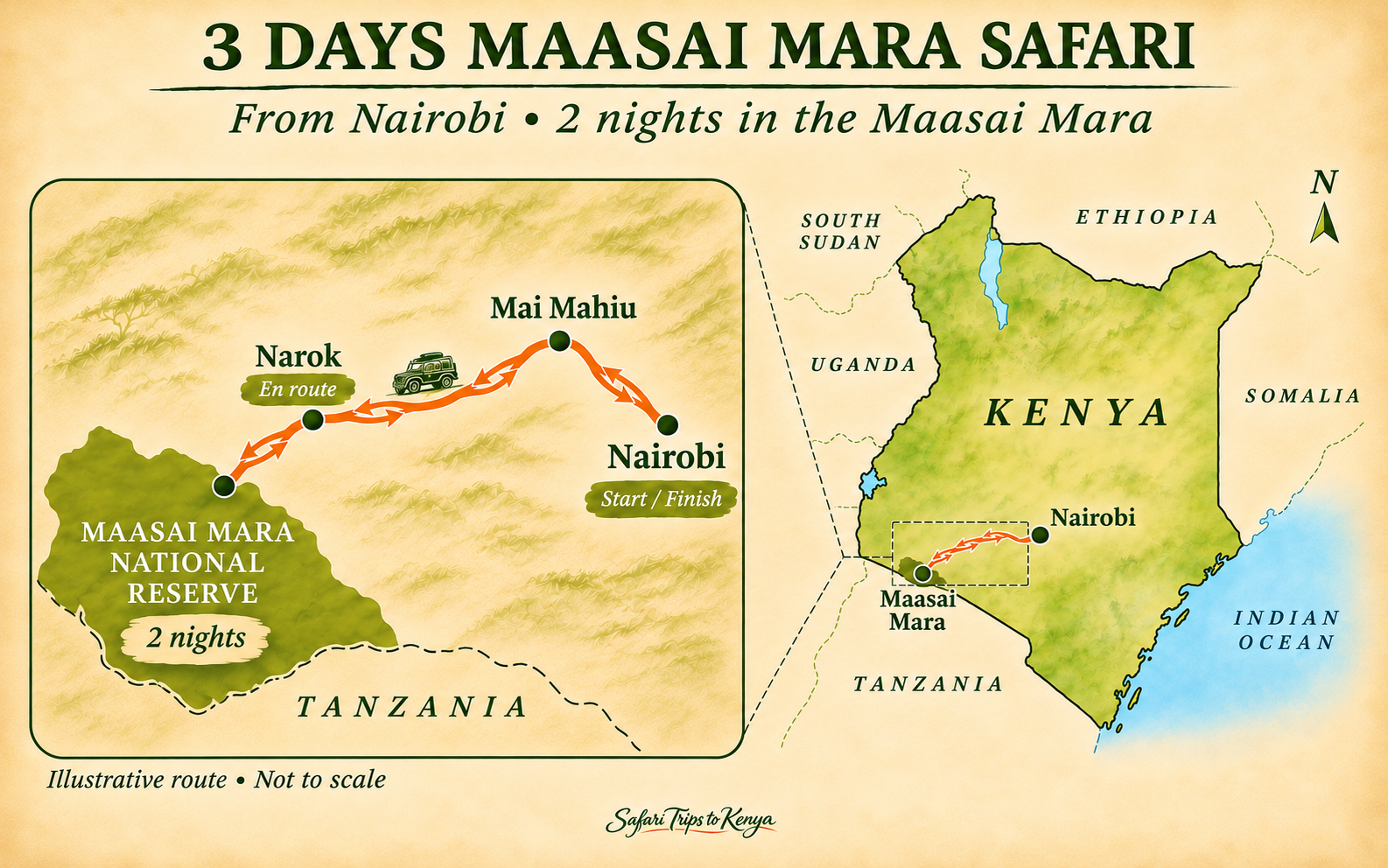
02 Itinerary
10 Days Family Kenya Safari: Detailed Itinerary
-

Day 1: Arrival in Nairobi – Family Welcome to Kenya - Main destination
- Masai Mara National Reserve
- Drive time
- Road transfer as outlined in the itinerary
- Meals
- Lunch, Dinner
Your 10 Days Family Kenya Safari begins when you arrive in Nairobi. After completing immigration procedures and collecting your luggage, meet your representative in the arrivals area and transfer privately to your Nairobi hotel.
The first day is intentionally easy. International travel can be tiring for adults, and children may feel the effects of overnight flights, time-zone changes and unfamiliar surroundings even more strongly. Instead of immediately driving several hours to a national park, spend the first night in Nairobi. Check into your hotel and allow everyone to settle, so that children can eat, shower, rest and sleep properly before the safari begins.
If your international flight arrives early and the family still has plenty of energy, an optional Nairobi experience can potentially be added. However, there is no need to overload the first day. Your representative or safari guide can explain what will happen during the next several days, and children may enjoy hearing about the animals they could encounter. Parents can review practical information concerning:
- Game-drive times.
- Road transfers.
- Meals.
- Luggage.
- Drinking water.
- Photography.
- Safety around wildlife.
- Lodge procedures.
- Swimming supervision.
- Any medication or dietary requirements.
Use the evening to prepare small day bags with the items you will want during game drives. These can include:
- Binoculars.
- Camera.
- Sun hats.
- Sunscreen.
- Light jackets.
- Snacks where appropriate.
- Children's books or activities.
- Wet wipes.
- Small personal items.
Get an early night's sleep. Tomorrow, the real safari adventure begins.
Accommodation: Family-friendly Nairobi hotel
Meal Plan: According to arrival arrangements
Activity: Airport transfer and safari briefing
Where you stay
-
Essential (Budget)
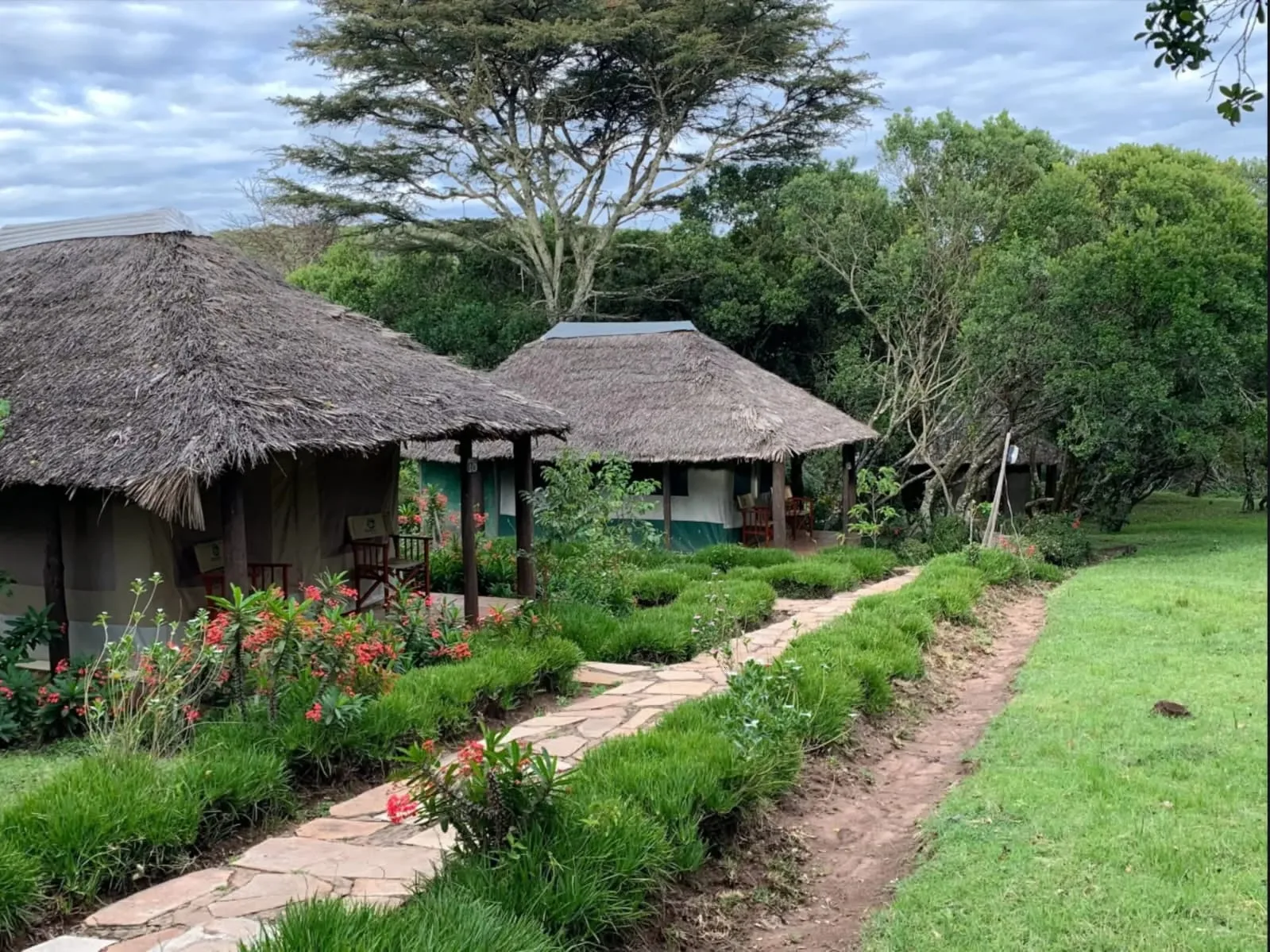
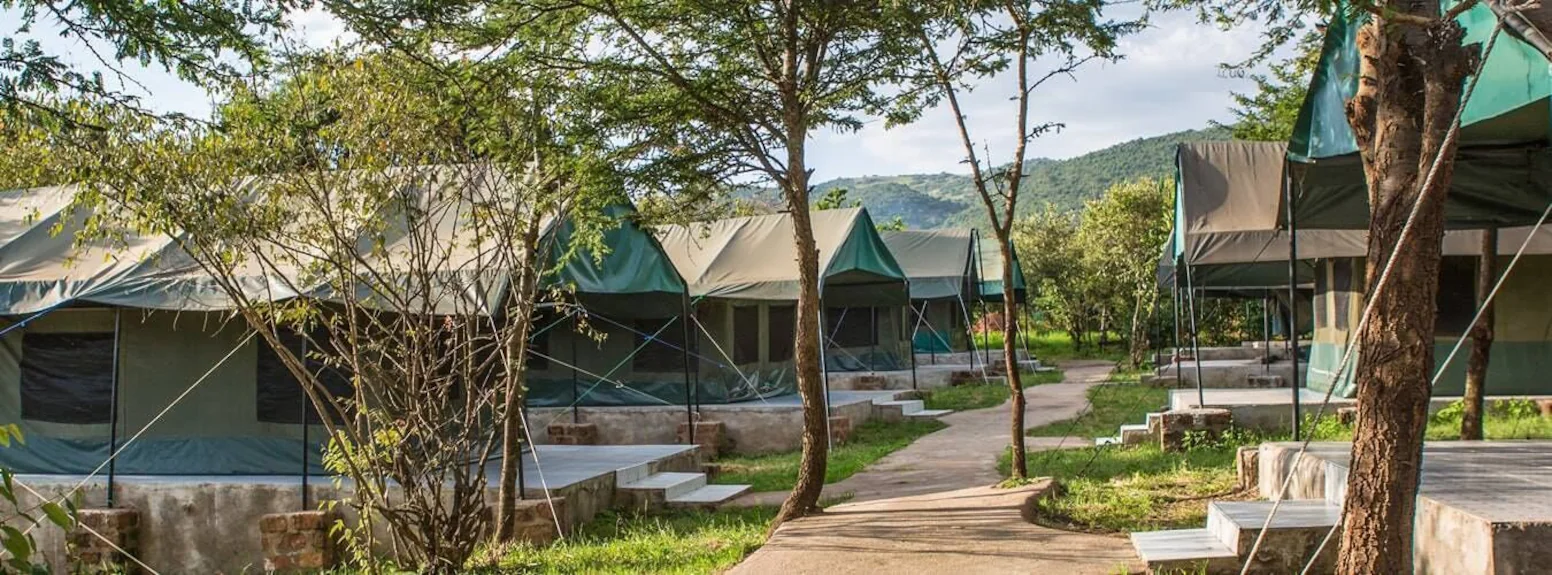
-
Comfort (Mid-range)
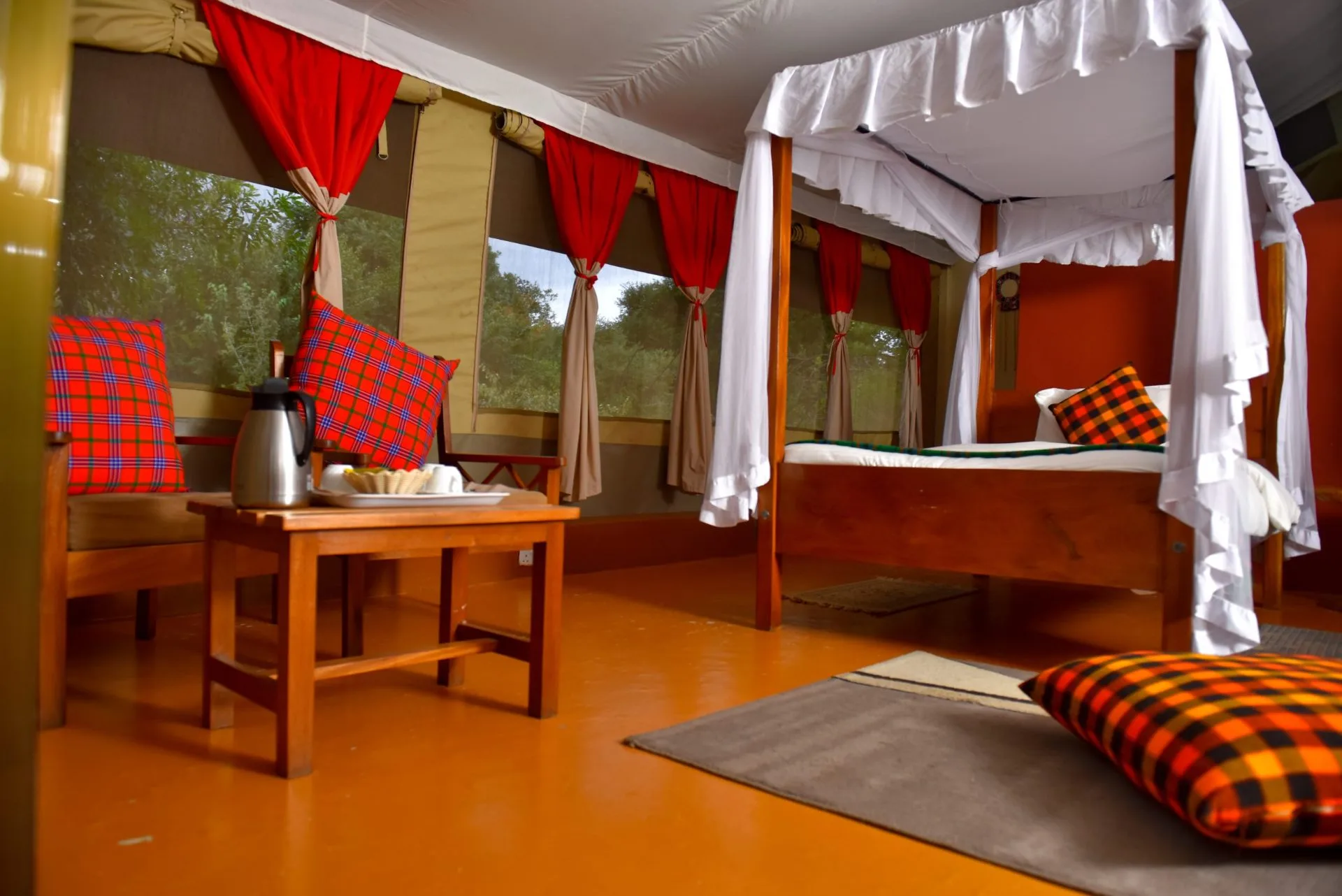
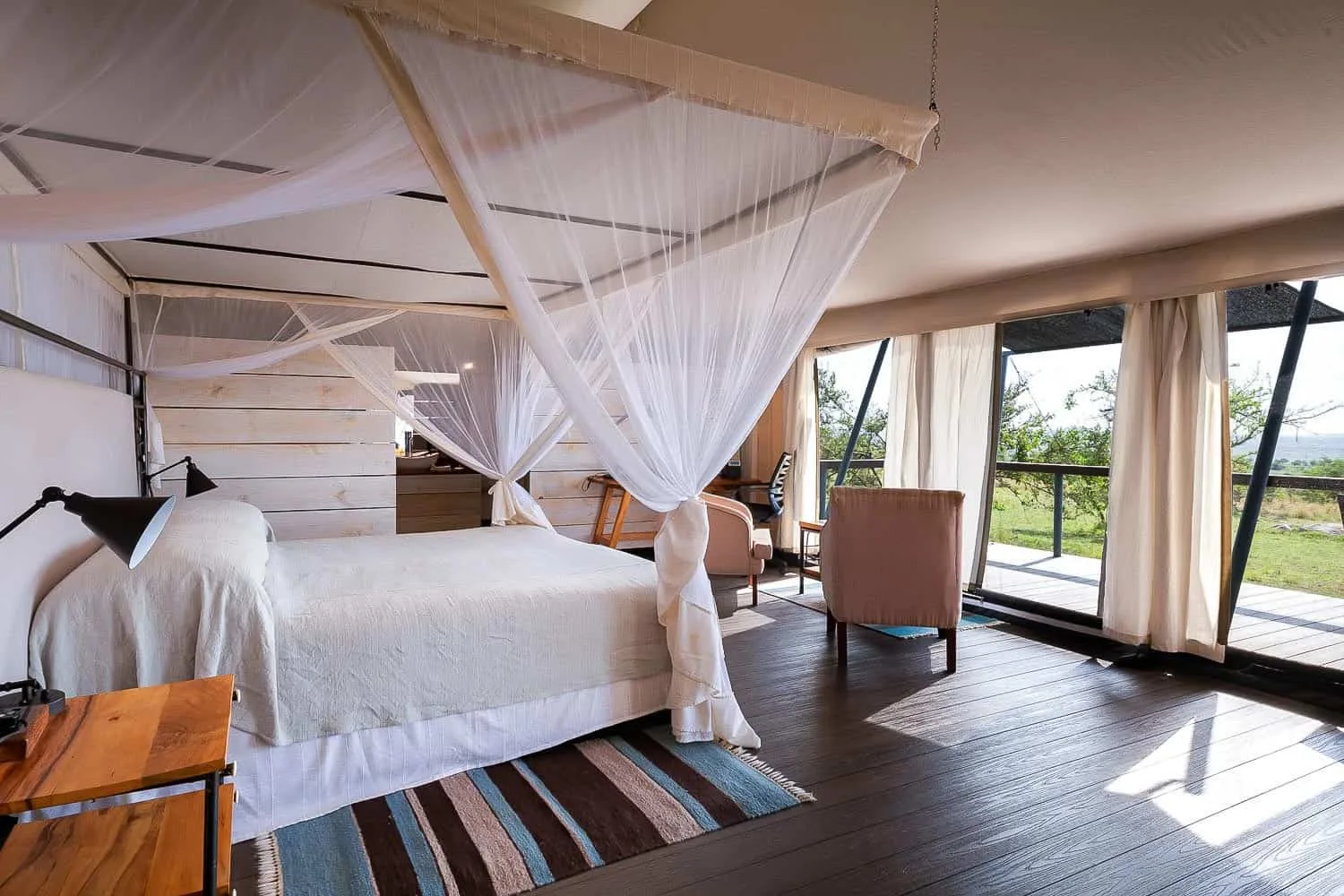
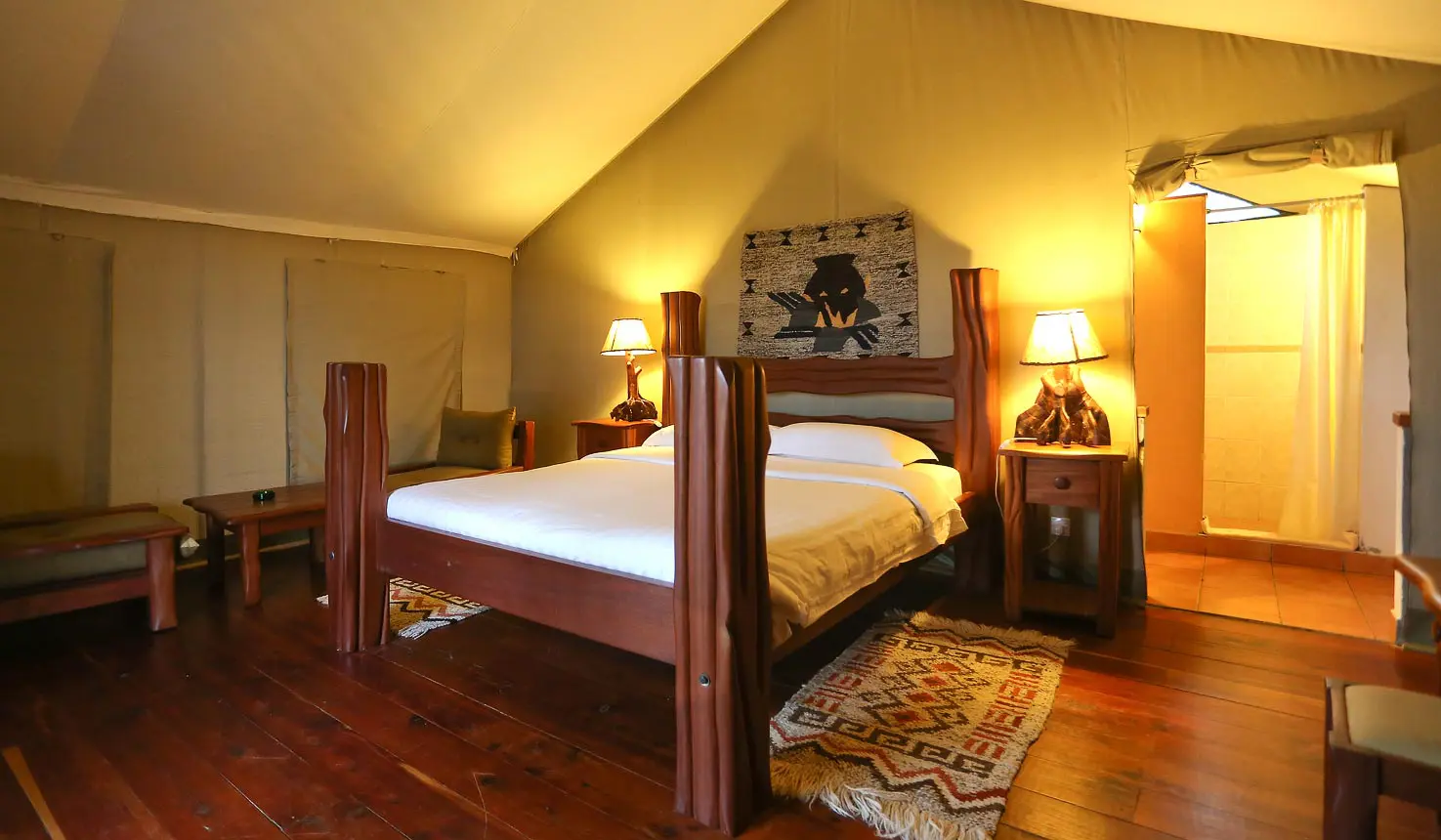
-
Premium (Luxury)
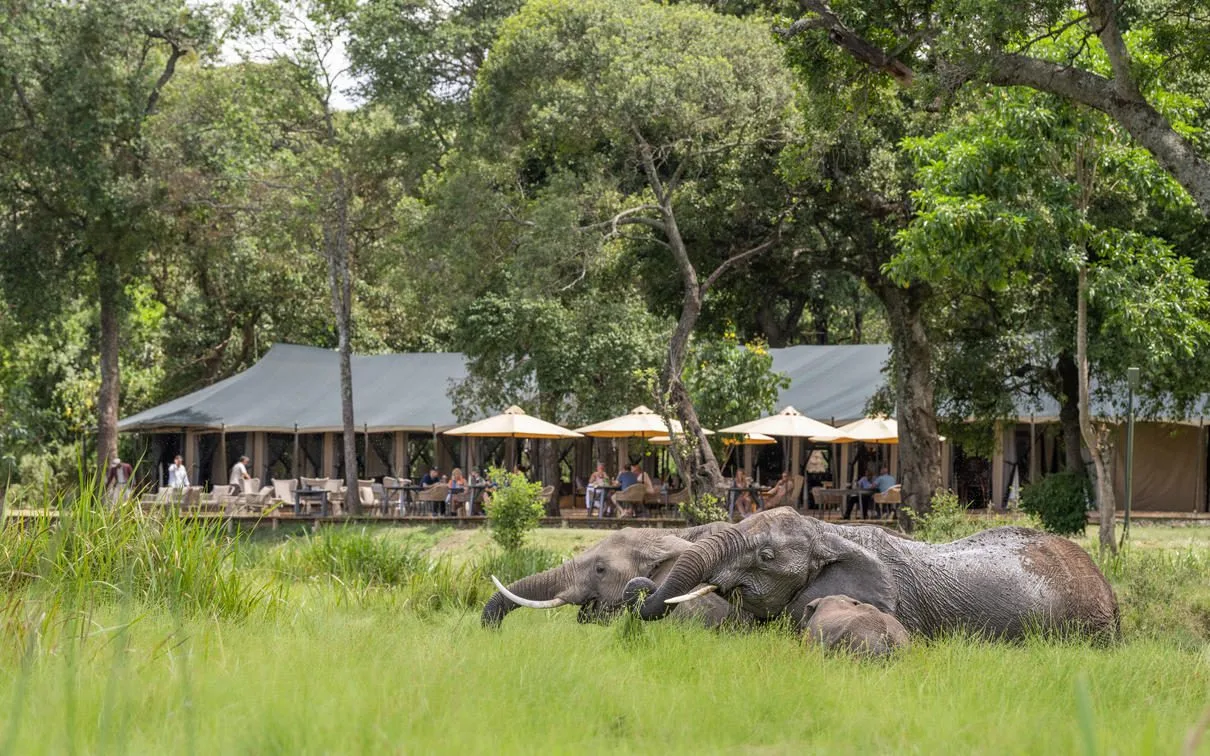
-
Signature (High-end)
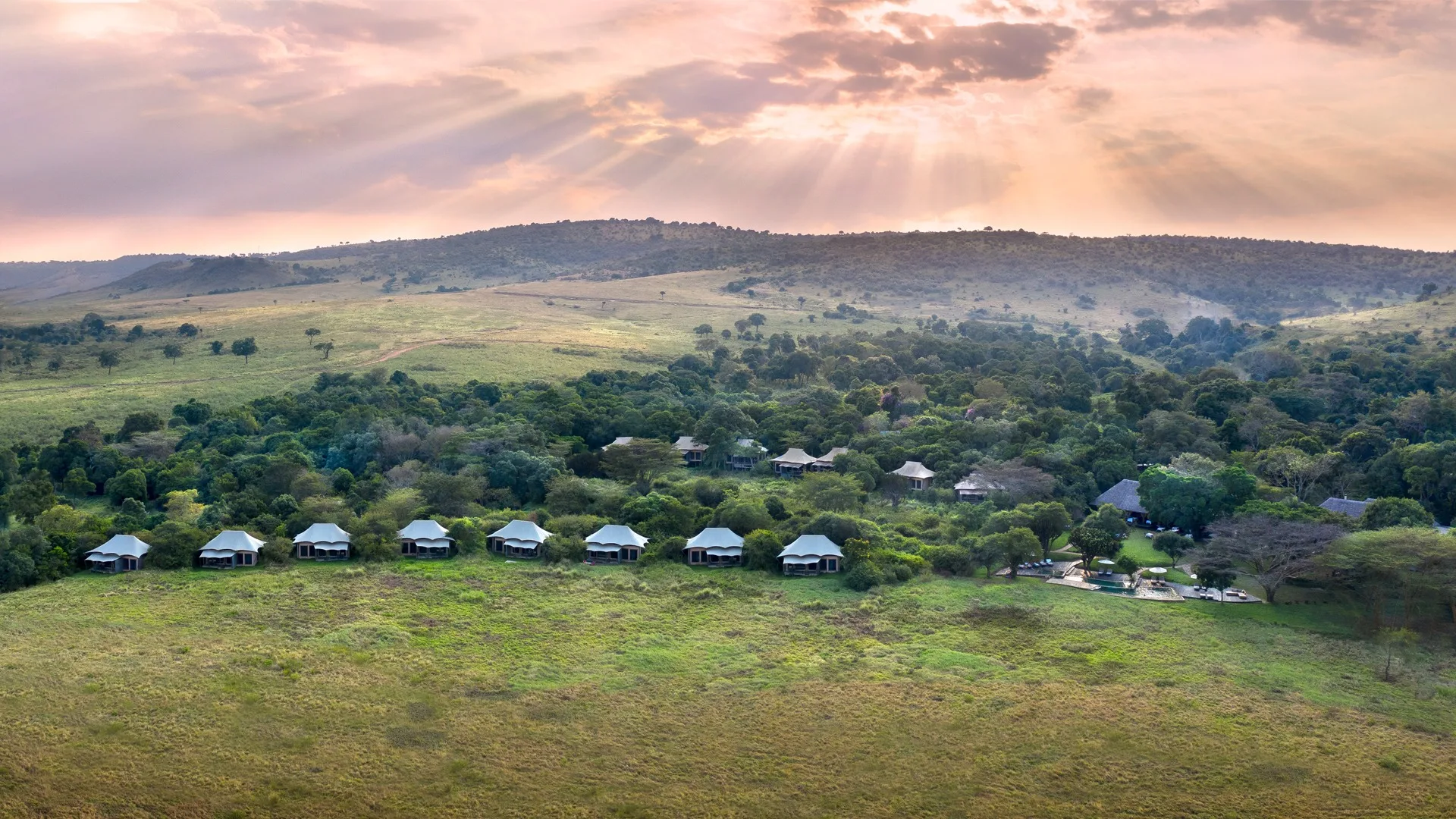
-
Day 2: Nairobi to Amboseli National Park – First Family Game Drive - Main destination
- Masai Mara National Reserve
- Meals
- Breakfast, Lunch, Dinner
After breakfast, meet your private safari driver-guide and begin the journey toward Amboseli National Park. For children, the road journey itself can become part of the adventure. Kenya changes quickly as you leave Nairobi, with busy urban areas giving way to towns, agricultural landscapes and increasingly open countryside. As you travel farther south, the environment becomes drier.
On clear days, the enormous shape of Mount Kilimanjaro may eventually appear, though views are never guaranteed. Although the mountain lies across the border in Tanzania, Amboseli offers some of East Africa's most famous views of Kilimanjaro from the Kenyan side.
Arrive at your safari lodge or tented camp and check in. A family-friendly property can be selected with suitable room configurations, appropriate meal options and facilities matching the ages of your children. Have lunch and allow the children some time to settle before beginning the first game drive.
The first drive should be exciting without becoming too long. Amboseli is particularly famous for elephants, and children often respond immediately to these enormous animals. You may see family groups walking across open plains, feeding near marshes or crossing the safari road, so look carefully for calves walking among adults. Your guide can explain how elephant families work: older females frequently provide leadership, while calves remain protected by several members of the herd. Other possible wildlife includes: Zebra, Wildebeest, Buffalo, Giraffe, Warthog, Impala, Gazelles, Spotted hyena, Lion, Jackal, Numerous birds.
Rather than trying to see everything on the first afternoon, let the family enjoy the experience naturally. Return to the lodge before everyone becomes overtired, have dinner and enjoy the excitement of your first evening in the African wilderness.
Accommodation: Family-friendly Amboseli lodge or tented camp
Meal Plan: Breakfast, Lunch & Dinner
Activity: Transfer and afternoon family game drive
Where you stay
-
Day 3: Amboseli – Elephants, Wildlife and Family Relaxation - Main destination
- Masai Mara National Reserve
- Meals
- Breakfast, Lunch, Dinner
Wake early for a morning wildlife drive. Families with younger children do not necessarily need to leave at the earliest possible minute unless everyone is comfortable doing so, and a private vehicle allows more flexibility. However, the morning is a wonderful time to be in the park: temperatures are cooler, animals may be active, and the light can be beautiful. Mount Kilimanjaro may also be more visible before clouds gather later in the day, although views cannot be guaranteed.
Begin exploring the open Amboseli landscape. Elephants will again be an important focus. Instead of simply counting how many elephants you see, encourage children to observe differences:
- Can they identify the smallest calf?
- Can they see which elephants have larger tusks?
- Which animal appears to be leading the family?
- Are the elephants eating, walking, drinking or bathing?
Simple observation games like these can keep younger travelers engaged without turning the experience into formal study.
Amboseli's marshes provide another fascinating ecosystem. Children can see how surprisingly wet areas exist within an otherwise dry landscape. Elephants and buffaloes may feed in marsh vegetation, birds gather around water, hippos can occur in suitable areas, and predators may patrol around concentrations of herbivores.
After several hours of game viewing, return to your lodge and enjoy breakfast or lunch depending on the schedule. The middle of the day is family relaxation time. If your lodge has a swimming pool, children may enjoy a supervised swim, parents can rest, and everyone can review photographs from the morning.
Later in the afternoon, head out for another game drive. This shorter two-drive structure often works much better for families than remaining in the vehicle continuously from early morning until sunset. Continue searching for wildlife. Perhaps today you will find lions, perhaps a giraffe will walk close to the road, or perhaps the most memorable moment will be a young elephant playing in muddy water. Return to the lodge around sunset.
Accommodation: Family-friendly Amboseli lodge or tented camp
Meal Plan: Breakfast, Lunch & Dinner
Activity: Morning and afternoon game drives with midday family break
Where you stay
-
Day 4: Amboseli to the Great Rift Valley – Scenic Family Journey - Main destination
- Masai Mara National Reserve
- Meals
- Breakfast, Lunch, Dinner
After breakfast, leave Amboseli and continue toward the Great Rift Valley. Today introduces another side of Kenya. The transfer can be broken with appropriate stops so that children are not expected to remain seated continuously for many hours, and depending on the final route, the journey passes changing landscapes, towns, agricultural areas and elevated terrain.
The Great Rift Valley is one of East Africa's most important geographical features. Older children and teenagers may enjoy learning how enormous geological forces helped shape the landscape, and your guide can explain the region in simple terms while keeping the conversation connected to what you can actually see.
Continue toward your selected Rift Valley wildlife destination. Depending on routing, this may involve the Lake Nakuru region or another family-suitable stop. Lake Nakuru can be particularly useful in a family itinerary because it provides a relatively compact wildlife experience and opportunities to search for rhinoceroses.
Arrive at your accommodation and have lunch. If children are tired, allow time to relax before the afternoon game drive. Later, enter the wildlife area, where the scenery differs dramatically from Amboseli. Woodland, grassland, rocky areas and lakeshore habitat create another type of ecosystem. Possible wildlife can include: White rhinoceros, Black rhinoceros, Buffalo, Rothschild's giraffe, Zebra, Waterbuck, Warthog, Baboon, Lion, Leopard, Numerous birds.
Rhinos can be especially exciting for children because of their enormous size and prehistoric appearance, although sightings are never guaranteed. Your guide can explain the difference between black and white rhinos and why conservation programs are so important. Return to your lodge for dinner.
Accommodation: Family-friendly Rift Valley or Lake Nakuru lodge
Meal Plan: Breakfast, Lunch & Dinner
Activity: Scenic transfer and possible afternoon game drive
Where you stay
-
Day 5: Lake Nakuru / Rift Valley Wildlife – Continue to Masai Mara - Main destination
- Masai Mara National Reserve
- Meals
- Breakfast, Lunch, Dinner
Begin with an early wildlife drive. Today provides another opportunity to search for rhinos and enjoy the Rift Valley landscape. Children may find baboon troops particularly entertaining, so take time to watch them: young baboons play, adults groom one another and mothers carry infants. The social behavior can be easier for children to relate to than some more distant wildlife encounters. Giraffes may also be encountered, and their enormous height and unusual movement make them perennial family favorites.
After the morning experience, leave the Rift Valley and continue toward the Masai Mara ecosystem. The journey can be substantial, so family comfort should remain important:
- Plan suitable breaks.
- Carry enough drinking water.
- Make sure younger children have quiet activities available if they become bored with the road journey.
As the Mara region approaches, the landscapes open dramatically. Grasslands begin stretching across the horizon, and the sense of entering a major wildlife ecosystem becomes increasingly strong.
Arrive at your selected family-friendly lodge or tented camp. Depending on timing, enjoy lunch or refreshments and allow everyone to settle. If energy levels remain good, head out for a short evening game drive. The Masai Mara can deliver wildlife almost immediately. Possible first encounters include: Zebra, Wildebeest, Topi, Impala, Thomson's gazelle, Grant's gazelle, Giraffe, Elephant, Buffalo, Warthog.
Children may begin searching for lions immediately. Finding predators requires patience, but the anticipation is part of the experience. Return to camp and enjoy dinner.
Accommodation: Family-friendly Masai Mara lodge or tented camp
Meal Plan: Breakfast, Lunch & Dinner
Activity: Morning wildlife viewing, transfer and possible evening game drive
Where you stay
-
Day 6: Masai Mara – Family Big-Cat Safari - Main destination
- Masai Mara National Reserve
- Meals
- Breakfast, Lunch, Dinner
Today is devoted to the Masai Mara, one of Africa's most famous wildlife destinations. Begin early enough to take advantage of cooler temperatures and morning wildlife activity, and let your guide adjust the schedule according to the children. The Mara is particularly famous for predators, though sightings are never guaranteed.
Lions
Lions frequently become the animals children most want to see. The Mara provides excellent lion habitat, and a pride may include several adult females, cubs and one or more males associated with the group. When lions are located, do not simply photograph them and leave. Children can learn a great deal by watching quietly:
- Are the lions sleeping?
- Are cubs playing?
- Is an adult scanning the horizon?
- Are the females grooming one another?
- Why do lions spend so much time resting?
Your guide can answer questions naturally as the observation develops.
Cheetahs
Cheetahs are another family favorite, and their reputation as the world's fastest land mammals immediately captures children's imagination. Open Mara plains provide suitable habitat, and a cheetah may use a small rise or termite mound to look for prey. Children can learn how cheetahs rely on speed rather than the strength and social cooperation used by lions.
Leopards
Leopards are more difficult to find because their camouflage is exceptional. Turning leopard searching into a quiet spotting challenge can keep older children engaged:
- Look into trees.
- Look along riverine woodland.
- Watch where your guide is concentrating.
A successful leopard sighting can become one of the most exciting moments of the entire safari.
After several hours of wildlife viewing, return to camp for breakfast or lunch and a rest, and allow children to swim where safe and available. In the afternoon, return to the reserve. Perhaps today's second drive will focus on elephants, giraffes or hippos rather than predators, as the aim is to keep the day varied. Return around sunset.
Accommodation: Family-friendly Masai Mara lodge or camp
Meal Plan: Breakfast, Lunch & Dinner
Activity: Morning and afternoon family game drives
Where you stay
-
Day 7: Masai Mara – Full Family Wildlife Experience - Main destination
- Masai Mara National Reserve
- Meals
- Breakfast, Lunch, Dinner
Your second full day in the Mara gives the family an opportunity to explore different areas. One of the major advantages of spending several nights here is that you do not need to force every major sighting into one day. If everyone enjoyed the shorter morning-and-afternoon schedule yesterday, repeat it, while families with teenagers who want a longer adventure may choose an extended game drive with a picnic lunch. The day can be structured according to your family's energy and interests.
Elephants
Mara elephants provide excellent opportunities to observe social behavior. Young children may enjoy watching calves, while older children can learn about matriarchal family structures, elephant communication and the importance of migration corridors.
Giraffes
Giraffes are easy to overlook once several have been seen, but their feeding behavior is fascinating. Watch how they use their tongues to collect leaves and notice how carefully they move through thorny vegetation.
Zebras and Wildebeest
Zebras and wildebeest frequently occur together. Your guide can explain how different herbivores use the same grasslands in slightly different ways. During migration periods, the number of wildebeest and zebra in parts of the ecosystem can become extraordinary, although timing and herd locations vary from year to year.
Hyenas
Spotted hyenas are often misunderstood. Children may know them primarily as scavengers from films, but in reality they are highly capable predators living within complicated social societies. Observing them provides an opportunity to correct some common misconceptions about African wildlife.
Hippos
If the itinerary reaches a suitable river system, children may see hippos resting in water. Although hippos can appear relaxed, they are powerful wild animals and should always be observed from appropriate locations. Crocodiles may also occur in the river systems.
After the day's activities, return to your camp. Families often find that by this stage children are beginning to recognize several animals without help, and that growing confidence makes the safari increasingly rewarding.
Accommodation: Family-friendly Masai Mara lodge or camp
Meal Plan: Breakfast, Lunch & Dinner
Activity: Customized family wildlife viewing
Where you stay
-
Day 8: Masai Mara – Third Wildlife Day and Optional Family Experiences - Main destination
- Masai Mara National Reserve
- Meals
- Breakfast, Lunch, Dinner
A third substantial wildlife day means there is no pressure to rush. Today can focus on whichever experiences have become family favorites:
- Perhaps everyone wants to find cheetahs again.
- Perhaps an older child has become interested in birds.
- Perhaps elephants have become the family favorite.
- Perhaps the children simply want to spend a shorter morning in the reserve and return early for swimming.
The private itinerary can respond accordingly.
Families traveling during the broader wildebeest migration period may devote more time to searching for large herds. The Great Wildebeest Migration is an impressive natural process involving enormous numbers of animals moving through the wider Serengeti-Mara ecosystem. Children should understand that the migration does not operate like a scheduled performance, as herd movements depend primarily on rainfall, grazing conditions and access to water.
River crossings are particularly unpredictable. A group of wildebeest may approach a river and then turn away, while another group may cross unexpectedly. No responsible safari guide can guarantee that a family will witness a crossing on a particular day.
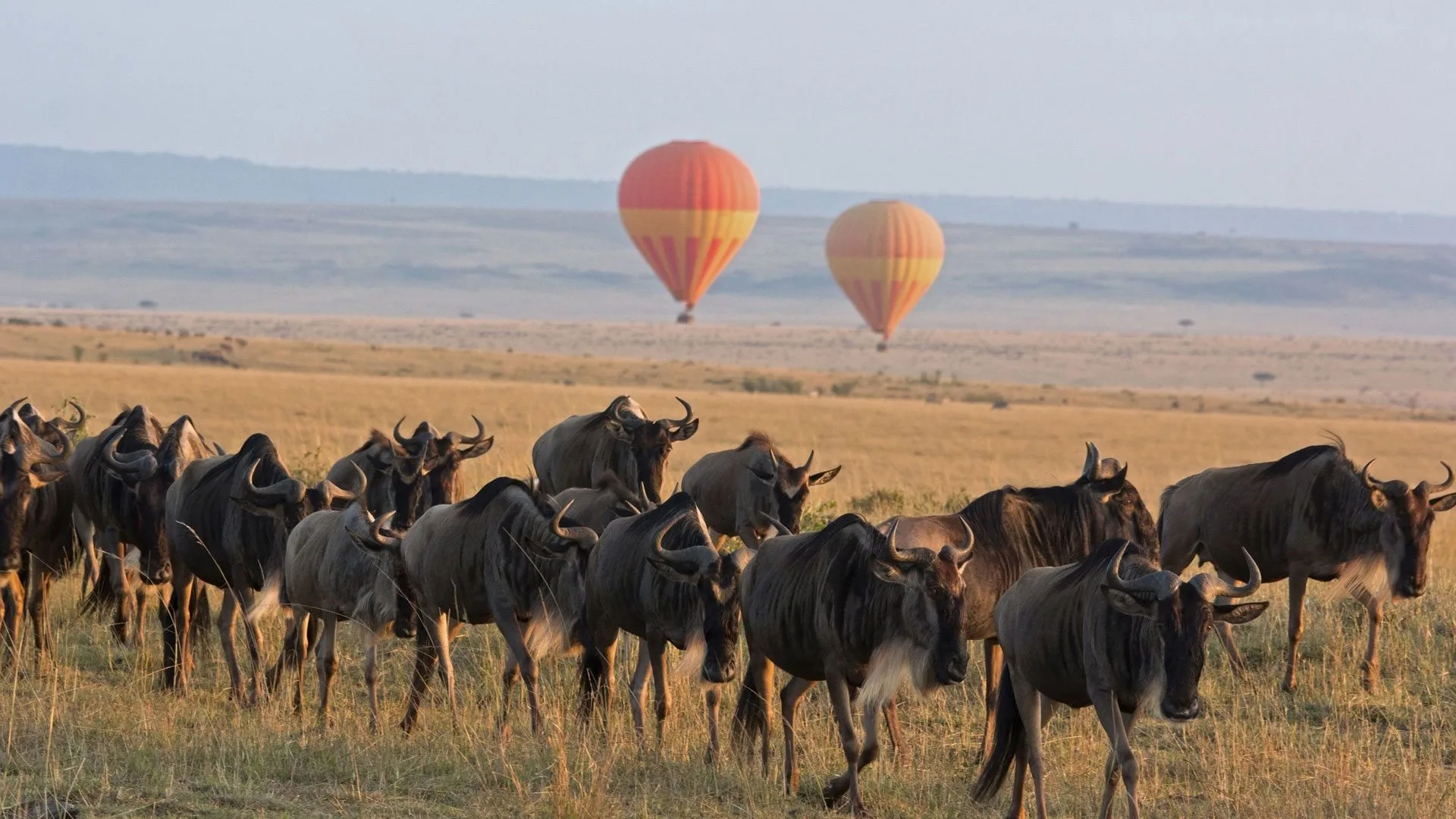
Optional Hot-Air Balloon Safari
Families traveling with older children may consider an optional Masai Mara balloon safari, subject to the balloon operator's age, height and safety requirements, and flights are never guaranteed because they depend on weather and operator approval. The flight normally begins before sunrise. From the air, the family can see the shape of the landscape in an entirely different way, as wildlife trails, rivers, trees and open plains become part of a much larger picture. Ballooning is normally an additional-cost activity and should be reserved in advance. Families with younger children can simply enjoy the regular game-drive program while eligible adults or older children participate, depending on the logistics.
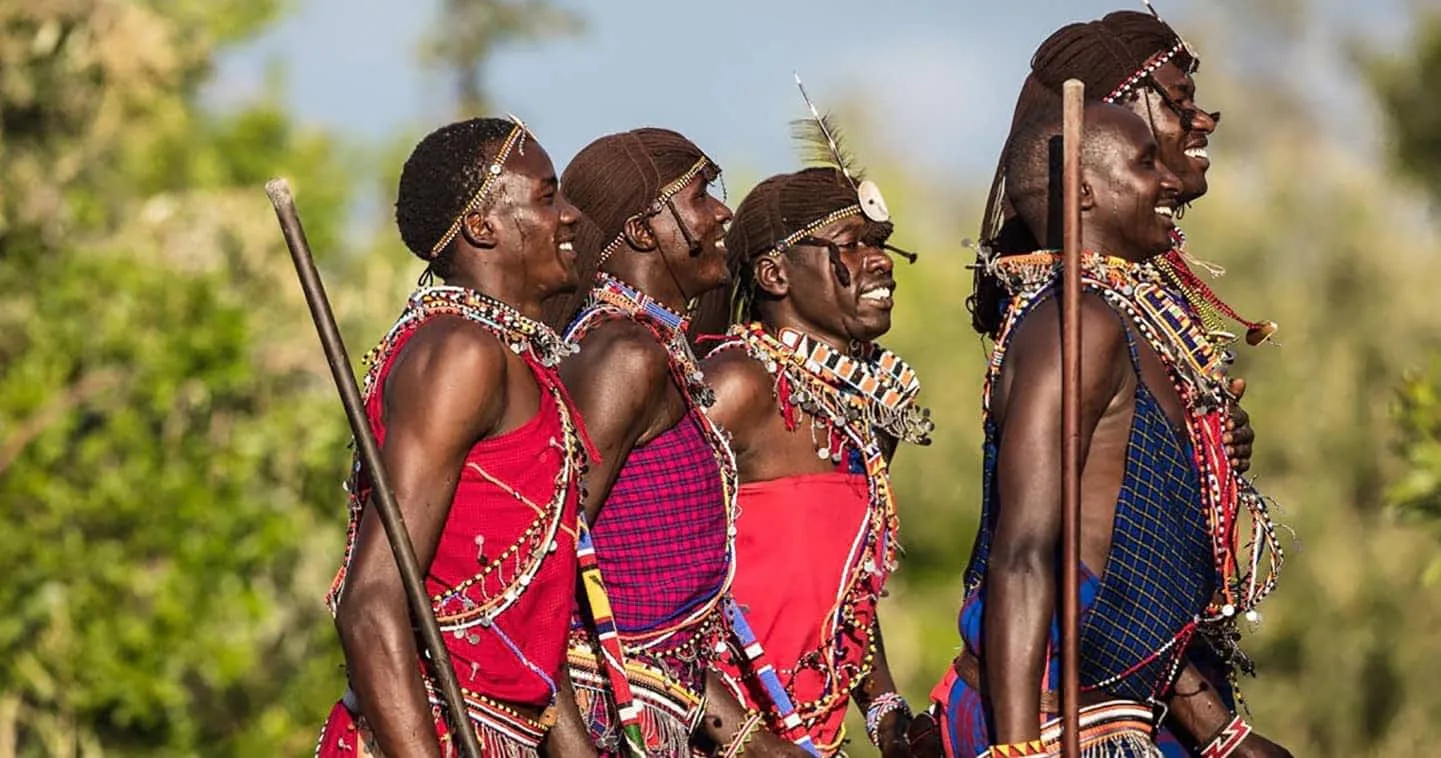
Optional Cultural Experience
A carefully selected cultural experience may also be incorporated where appropriate. For children, cultural interaction should be respectful and educational rather than treated as a performance designed only for tourists. The objective should be to gain some understanding of local life, traditions and contemporary realities.
Return to camp for your final evening in the Mara.
Accommodation: Family-friendly Masai Mara lodge or camp
Meal Plan: Breakfast, Lunch & Dinner
Activity: Family game drives and optional experiences
Where you stay
-
Day 9: Masai Mara to Nairobi – Relaxed Return From Safari - Main destination
- Masai Mara National Reserve
- Meals
- Breakfast, Lunch, Dinner
After several days of game viewing, begin the journey back toward Nairobi. Depending on your budget and family preferences, the return can be arranged by road or scheduled domestic flight.
Road Option
Driving provides another opportunity to see Kenya's countryside and can be more economical. However, the journey is substantial, so families choosing road transport should plan suitable comfort stops.
Flight Option
Flying from the Mara can significantly reduce travel time. This can be especially worthwhile for families with younger children or parents who want to reduce the amount of time spent in the vehicle. Domestic flights use smaller aircraft and usually have stricter luggage requirements, which should be checked carefully during planning.
Upon reaching Nairobi, transfer to your hotel. The evening is deliberately relaxed, so everyone can shower, organize luggage, enjoy a comfortable meal and prepare for the journey home. If the family is continuing to the coast, this Nairobi night may instead be adjusted according to the flight connection.
Accommodation: Family-friendly Nairobi hotel
Meal Plan: Breakfast and other meals according to arrangements
Activity: Return to Nairobi
Where you stay
-
Day 10: Nairobi – Family Departure or Optional Extension - Main destination
- Masai Mara National Reserve
- Drive time
- Return transfer as outlined in the itinerary
- Meals
- Breakfast, Lunch
Enjoy breakfast at the hotel. The schedule today depends on the timing of your international departure. Families with evening flights may have the option of adding a relaxed Nairobi activity, or you can simply use the hotel facilities and avoid making the final day unnecessarily busy. At the appropriate time, transfer privately to the international airport.
Your 10 Days Family Kenya Safari ends after a journey combining wildlife, landscapes, family learning and shared adventure. Children may leave Kenya talking about a particular lion, elephant or giraffe, and parents may remember the moment their children saw wild animals for the first time. These shared experiences are one of the principal reasons safari holidays work so well for families.
Meal Plan: Breakfast; additional meals according to arrangements
Activity: Optional Nairobi activity and airport transfer
Best Safari Destinations in Kenya for Families
The ideal family safari destination should provide good wildlife, reasonable accessibility and accommodation suitable for the children's ages. Several Kenyan safari regions work particularly well.
Amboseli National Park for Families
Amboseli is one of Kenya's strongest family safari destinations. Its advantages include:
- Excellent elephant opportunities.
- Relatively open landscapes.
- Kilimanjaro scenery when clouds allow.
- Wetlands with concentrated wildlife.
- Giraffes, zebras and wildebeest.
- Lions and hyenas.
- Excellent birdlife.
Elephants are particularly useful for younger children because their size makes them relatively easy to observe. Families do not need sophisticated binocular skills to enjoy an elephant herd moving across an open plain.
Masai Mara for Families
The Masai Mara is often the highlight of a family safari. The reserve's open environment can provide frequent wildlife sightings, keeping children engaged. Possible encounters include: Lions, Cheetahs, Leopards, Elephants, Buffaloes, Giraffes, Zebras, Wildebeest, Gazelles, Topis, Hyenas, Hippos, Crocodiles.
The Mara can also be especially rewarding for teenagers interested in photography.
Lake Nakuru for Families
Lake Nakuru can add an important rhino component, and its relatively compact scale makes it useful for families that prefer shorter game drives. Possible wildlife includes: White rhinos, Black rhinos, Buffaloes, Giraffes, Zebras, Baboons, Waterbucks, Warthogs, Lions, Leopards, Numerous birds.
Including a rhino-focused area also increases the variety of the safari.
Ol Pejeta for Families
Families particularly interested in conservation may consider Ol Pejeta. The region offers opportunities to learn about rhino conservation while also enjoying general game viewing, and older children and teenagers may find the conservation story particularly meaningful. A safari can become a practical introduction to:
- Wildlife protection.
- Anti-poaching.
- Habitat conservation.
- Ranger work.
- Threatened species.
- The economics of conservation.
This gives the holiday an educational dimension without needing formal lessons.
Samburu for Families
Samburu is especially interesting for families that have enough time to include northern Kenya. Children can search for animals associated particularly strongly with the northern ecosystem, including: Grevy's zebra, Reticulated giraffe, Gerenuk, Beisa oryx, Somali ostrich.
The unusual appearance of the gerenuk and reticulated giraffe can make them especially memorable.
What Age Is Best for a Kenya Family Safari?
There is no universal minimum age for enjoying Kenya. The right age depends on:
- The child's personality.
- Ability to sit in a vehicle.
- Interest in animals.
- Travel experience.
- Heat tolerance.
- Eating habits.
- Sleep routine.
- Chosen accommodation.
- Planned activities.
Very young children can travel successfully with carefully selected lodges and shorter game drives. However, parents should understand that some camps and activities have minimum-age restrictions. Walking safaris, balloon flights and certain conservation activities may impose age limits, and some small safari camps may also restrict younger guests. Always provide the ages of every child when requesting a quotation, so the itinerary can be built correctly from the beginning.
Safari With Young Children
A safari with younger children should prioritize flexibility and avoid scheduling extremely long drives every day. Consider:
- Two- or three-night stays.
- Private vehicle.
- Swimming pool where possible.
- Family rooms.
- Earlier dinners.
- Short game drives.
- Comfortable road breaks.
- Domestic flights for difficult transfers.
- Lodges experienced with children.
Parents should also bring familiar snacks and simple entertainment for long transfers. Even wildlife-loving children sometimes need a break from looking for animals, and that is completely normal.
Kenya Safari With Teenagers
Teenagers can participate in a more intensive safari. Many enjoy:
- Photography.
- Predator tracking.
- Wildlife behavior.
- Conservation discussions.
- Cultural interaction.
- Bird identification.
- Balloon safaris where eligible.
- Longer game drives.
- Guided walks where age rules permit.
Allow teenagers to become active participants:
- Give them binoculars.
- Encourage them to photograph wildlife.
- Ask the guide questions together.
- Let them keep a species list if interested.
A safari can become much more engaging when children are participants rather than passengers.
Multigenerational Family Safari
Kenya is also excellent for grandparents traveling with children and grandchildren. A multigenerational safari should be planned around the comfort requirements of the whole family. Older travelers may prefer:
- Shorter transfers.
- Flights.
- Ground-floor accommodation.
- Easy vehicle access.
- Comfortable beds.
- Private bathrooms.
- Reduced walking.
Children may need:
- Swimming pools.
- Flexible meals.
- Family rooms.
- Shorter drives.
Private transportation makes it much easier to balance these needs.
Where you stay
03 Rates
Safari rates 2027-2029
Indicative per person. Season, group size and lodge style change the total — your quotation confirms current rates.
-
Essential (Budget)
Essential (Budget)
Budget camps and lodges suit travelers who prioritize wildlife while keeping costs lower.
Great value camps
-
Comfort (Mid-range)
Comfort (Mid-range)
Mid-range tented camps and lodges balance comfort and price with private rooms or tents and en-suite facilities.
Quoted for your dates
-
Premium (Luxury)
Premium (Luxury)
Luxury camps and lodges focus on location, service and more intimate wildlife experiences.
Premium camps and lodges
-
Signature (High-end)
Signature (High-end)
Signature camps and lodges are the most exclusive stays — small, highly private properties with exceptional guiding and setting.
Exclusive signature stays
04 Activities
Safari activities
Game viewing is the core of this itinerary. Optional extras are quoted separately and depend on season, permits and availability. Individual species and river crossings are never guaranteed.
-
Optional
Cultural activities.
Available at extra cost when conditions, permits and your dates allow. Not guaranteed.
View activity -
Optional
Conservation experiences.
Available at extra cost when conditions, permits and your dates allow. Not guaranteed.
-
Optional
Hot-air balloon safari for eligible family members.
Available at extra cost when conditions, permits and your dates allow. Not guaranteed.
View activity
Additional information
Plan This Safari
Private Family Safari Vehicle
For most families, a private vehicle is one of the most valuable upgrades available. Sharing a vehicle with strangers means the group schedule has to satisfy everyone, which can be difficult with children. A private vehicle allows your family to decide:
- When to leave camp.
- How long to drive.
- When to return.
- Which wildlife to prioritize.
- When to stop for breaks.
- Whether to spend longer photographing animals.
- Whether to shorten a drive because children are tired.
It also creates a more relaxed atmosphere. Children can ask questions freely without parents worrying that they are disturbing unrelated guests.
Choosing Family-Friendly Safari Accommodation
Not every safari camp is equally suitable for families. The right accommodation depends on children's ages. Important factors include:
- Family rooms.
- Interconnecting rooms.
- Family tents.
- Minimum-age policies.
- Swimming pool.
- Flexible meal times.
- Children's menus.
- Fencing.
- Distance between rooms and common areas.
- Availability of escorts after dark.
- Family activities.
- Access to medical support.
- Road or airstrip accessibility.
Families with very young children may prefer a larger lodge with more facilities, while families with older children may enjoy an intimate tented camp.
Family Rooms and Tents
Family accommodation can take several forms.
Interconnecting Rooms
These provide privacy for parents while keeping children immediately accessible.
Family Suites
A family suite may contain multiple sleeping areas within one larger accommodation unit.
Family Tents
Some permanent safari camps provide two-bedroom tents or family tents with shared common areas.
Private Villas
Luxury family safaris can use private villas with several bedrooms, private dining and sometimes a dedicated vehicle. The best configuration depends on family size and children's ages.
Is It Safe to Stay in an Unfenced Safari Camp With Children?
Many safari camps are unfenced because they are located within wildlife ecosystems, and wild animals may move through camp. Professionally operated properties use clear safety procedures, guests may be escorted after dark, and children must follow staff instructions carefully. Parents should never allow children to walk around an unfenced camp unsupervised. When choosing accommodation for younger children, discuss the camp's safety procedures before booking, and families uncomfortable with unfenced properties can request more suitable alternatives.
Game-Drive Length for Families
There is no ideal game-drive length for every family. Some children will happily spend five hours looking for wildlife, while others lose concentration after ninety minutes. The advantage of a private safari is that the schedule can adapt. A common family pattern is:
- Morning: 2–3 hour game drive.
- Midday: Breakfast or lunch, swimming and rest.
- Afternoon: 2–3 hour game drive.
This provides plenty of wildlife time without keeping children in the vehicle continuously. Families with teenagers can choose longer drives.
Keeping Children Interested on Safari
Children usually remain interested when they are actively involved. Useful strategies include:
Give Them Binoculars
Children enjoy searching for wildlife themselves. A simple, robust pair of binoculars can transform the experience.
Create Wildlife Challenges
Ask children to find: Five different antelope, Three kinds of birds, An elephant calf, A giraffe eating, A zebra rolling in dust, A predator track.
Keep the activity fun rather than competitive.
Ask the Guide Questions
Encourage children to speak directly with the guide. Professional guides often enjoy explaining wildlife to curious young travelers.
Keep a Safari Journal
Older children can record:
- Animals seen.
- Favorite moments.
- Sketches.
- Interesting facts.
- Daily highlights.
Let Children Take Photographs
Even a basic camera or supervised phone photography can make wildlife observation more engaging.
Educational Value of a Family Safari
A Kenya safari can become one of the most memorable forms of environmental education. Children see ecological concepts rather than only reading about them. They can watch:
- Herbivores grazing.
- Predators resting.
- Birds following mammals.
- Elephants shaping vegetation.
- Vultures cleaning carcasses.
- Animals competing for water.
- Families protecting young.
The guide can explain how these relationships fit together. Older children can learn about:
- Conservation.
- Habitat loss.
- Human-wildlife conflict.
- Tourism economics.
- Anti-poaching.
- Climate and rainfall.
- Migration.
- Traditional pastoral communities.
The lessons become meaningful because the subjects are directly in front of them.
The Big Five on a Family Kenya Safari
Many families arrive hoping to see the Big Five. These are: Lion, Leopard, Elephant, Buffalo, Rhinoceros.
The itinerary can be designed to improve the opportunity to search for all five by combining complementary destinations. However, wild animals are not guaranteed. Children should be encouraged to enjoy every species rather than viewing the safari as unsuccessful if one famous animal remains unseen.
Sometimes the most memorable encounter is not a Big Five animal at all. A family of warthogs running with tails raised can become a child's favorite moment, and a giraffe leaning awkwardly to drink can produce more excitement than a sleeping lion. That unpredictability is part of the safari.
Family Safari During the Wildebeest Migration
Families traveling during the appropriate season may encounter large migration herds in the Masai Mara. The spectacle can be extraordinary, with huge numbers of wildebeest and zebras spreading across the plains and predators and scavengers closely connected to the movement. However, parents should understand that migration viewing may involve longer drives because the location of the herds changes.
River crossings are highly unpredictable, and waiting for a crossing can require patience. Families with young children should not build the entire holiday around waiting beside a river. It is often better to enjoy the broader migration ecosystem and treat a crossing as a bonus.
Family Hot-Air Balloon Safari
A Masai Mara balloon safari can be a memorable experience for eligible family members. The journey begins very early, and guests fly over the landscape around sunrise before landing according to wind conditions. However, balloon operators have safety requirements that can include minimum ages, height requirements or other restrictions. Parents should provide children's ages when requesting the activity. The balloon safari is normally optional and comes at additional cost unless specifically included, and flights depend on weather and operator approval.
Family Cultural Experiences
A Kenya family safari can include cultural experiences where appropriate, and these should be approached respectfully. Children can learn that Kenya is not simply a landscape filled with wildlife. It is a modern country with diverse communities, languages, traditions and livelihoods. A well-organized cultural experience can introduce topics such as:
- Pastoral life.
- Livestock.
- Traditional architecture.
- Community conservation.
- Crafts.
- Local education.
- Changing lifestyles.
Avoid experiences that reduce communities to stereotypes. Responsible cultural tourism should create genuine exchange and provide appropriate local benefit.
Family Safari and Diani Beach
One of the best ways to extend this itinerary is with several nights at Diani Beach. After a week or more of game drives, children often appreciate having completely unstructured beach time. A family beach extension can include:
- Swimming.
- Beach walks.
- Pool time.
- Snorkeling where appropriate.
- Marine excursions.
- Family resorts.
- Water sports for eligible ages.
The safari-and-beach combination works particularly well during longer school holidays.
Family Safari and Kenyan Coast
Diani is not the only option. Depending on family preferences and flight arrangements, other Kenyan coastal areas can also be incorporated. The coast adds:
- Warm tropical weather.
- Indian Ocean scenery.
- Different food experiences.
- Marine wildlife.
- Complete relaxation after safari travel.
The ideal extension is usually several nights rather than a single rushed beach day.
Road Safari Versus Fly-In Family Safari
Families should consider the tolerance of their children for long road transfers.
Road Safari
Advantages include:
- Lower cost in many cases.
- Private guide continuity.
- Seeing more of the countryside.
- Flexible stops.
Challenges include:
- Long transfer times.
- Rough roads in certain areas.
- Children becoming restless.
Fly-In Safari
Advantages include:
- Shorter transfers.
- Reduced travel fatigue.
- More time at camps.
- Useful for younger children.
Challenges include:
- Higher cost.
- Strict baggage allowances.
- Fixed flight schedules.
- Shared camp vehicles unless private arrangements are made.
A combination often works best.
What to Pack for Children on Safari
Family packing should remain practical. Useful children's items include:
- Lightweight clothing.
- Long trousers.
- T-shirts and long-sleeved shirts.
- Warm fleece.
- Comfortable closed shoes.
- Sun hat.
- Sunglasses where suitable.
- High-protection sunscreen.
- Insect repellent appropriate for the child's age.
- Refillable water bottle.
- Binoculars.
- Small camera.
- Personal medication.
- Basic entertainment for transfers.
- Small backpack.
Parents should carry enough familiar medication and prescription supplies for the entire trip.
Clothing for Family Safaris
Neutral and practical clothing works best. There is no need to purchase an elaborate safari wardrobe, because comfort is more important. Layers are useful because temperatures can vary substantially:
- Morning game drives can feel cold.
- Midday can be hot.
- Higher-altitude areas such as Nairobi and some central Kenyan destinations can be cool in the evenings.
- A light rain jacket can also be useful.
Food for Children on Safari
Many established family-friendly lodges can accommodate children. However, parents should discuss dietary requirements before travel. Inform the safari operator about:
- Allergies.
- Vegetarian requirements.
- Vegan diets.
- Gluten intolerance.
- Strong food dislikes.
- Medical dietary requirements.
Do not wait until arrival to mention serious allergies. Properties in remote wildlife areas may need advance notice to source suitable ingredients.
Health Preparation for a Family Kenya Safari
Parents should obtain personalized medical advice from a qualified travel-health professional before the trip. Advice can depend on:
- Children's ages.
- Medical history.
- Travel route.
- Countries visited before Kenya.
- Vaccination history.
- Season.
- Length of stay.
Carry important medication in hand luggage rather than checked baggage. Travel insurance is strongly recommended. Families should consider coverage for:
- Medical emergencies.
- Evacuation.
- Trip interruption.
- Cancellation.
- Lost baggage.
- Other relevant risks according to policy terms.
Sun Protection for Children
Kenya's equatorial location means sun protection is important. Use:
- High-SPF sunscreen.
- Hats.
- Lightweight long sleeves.
- Sunglasses where appropriate.
- Shade during midday.
Children can burn quickly even when temperatures do not feel extremely hot.
Drinking Water
Families should maintain good hydration. Your safari vehicle can carry bottled or appropriately treated drinking water according to the confirmed arrangements. Children should be encouraged to drink regularly rather than waiting until they feel thirsty. Bring reusable bottles where practical.
Photography With Children
A family safari is an excellent opportunity to introduce children to photography. They do not need expensive cameras, because a simple device can encourage them to look more carefully at wildlife. Older children can learn:
- Composition.
- Light.
- Animal behavior.
- Patience.
- Ethical wildlife photography.
Teach children that getting closer is not always better. Wildlife should never be disturbed to produce a photograph.
Responsible Family Wildlife Viewing
Children learn from adult behavior. A family safari provides an opportunity to model responsible wildlife tourism. Teach children to:
- Speak quietly around animals.
- Never feed wildlife.
- Never throw objects from vehicles.
- Avoid littering.
- Respect lodge rules.
- Follow guide instructions.
- Give animals space.
- Stay inside the vehicle unless told otherwise.
- Avoid sudden movement at sensitive sightings.
Parents should never ask guides to break wildlife regulations simply to entertain children or obtain photographs.
How Much Does a 10 Days Family Kenya Safari Cost?
The price of a 10 Days Family Kenya Safari depends on several factors. These include:
- Number of adults.
- Number of children.
- Ages of children.
- Travel season.
- Accommodation category.
- Room configuration.
- Private vehicle requirements.
- Parks selected.
- Park fees.
- Domestic flights.
- Length of transfers.
- Optional activities.
- Meal arrangements.
Children's pricing can vary between accommodations, airlines and conservation areas. For accurate costing, provide the exact ages of every child at the time of travel. This is essential, because a quotation based only on "two adults and two children" may be inaccurate when a five-year-old and fifteen-year-old may be priced very differently.
Budget Family Kenya Safari
A budget-conscious family safari can prioritize:
- Private road transportation.
- Simple family-friendly camps.
- Good wildlife destinations.
- Longer stays.
- Reduced number of expensive domestic flights.
The objective should be to preserve quality guiding and adequate game-drive time.
Mid-Range Family Kenya Safari
A mid-range safari is often the strongest choice for families. It can provide:
- Comfortable rooms.
- En-suite bathrooms.
- Swimming pools at selected lodges.
- Family accommodation.
- Reliable meals.
- Good locations.
- Private vehicle.
This category can balance comfort and overall cost effectively.
Luxury Family Kenya Safari
Luxury family itineraries can emphasize convenience. Possible upgrades include:
- Domestic flights.
- Private villa accommodation.
- Family suites.
- Private safari vehicles.
- Personalized meals.
- Shorter transfers.
- Premium camps.
- Private guides.
For families with very young children, reducing logistical friction can be particularly valuable.
What Is Usually Included?
Your final quotation should provide the authoritative inclusion list. A family safari can generally include:
- Airport transfers stated in the itinerary.
- Private safari transportation where confirmed.
- Professional driver-guide.
- Accommodation.
- Meals according to the itinerary.
- Scheduled game drives.
- Park or conservancy fees specified in the quotation.
- Drinking water in the safari vehicle.
- Domestic flights where stated.
- Applicable taxes included in the confirmed package.
What Is Usually Excluded?
Possible exclusions include:
- International airfare.
- Visa or entry expenses.
- Travel insurance.
- Optional balloon safari.
- Optional cultural activities unless listed.
- Personal purchases.
- Premium drinks.
- Laundry where not included.
- Gratuities.
- Additional meals.
- Additional accommodation.
- Services not specifically stated.
Why a Family Safari Is More Than a Holiday
A family safari can become one of the rare holidays where parents and children are genuinely focused on the same thing. Everyone looks toward the same lion, everyone waits for the elephant herd to cross, and everyone laughs when a young warthog runs after its mother. Phones, school, work and normal routines temporarily become less important, and the family shares the experience directly.
For children, seeing wildlife in its natural environment can also change the way they understand conservation. An elephant stops being a picture in a book, a lion stops being a cartoon character, and a rhino becomes a living animal whose survival depends on real conservation decisions. That connection can remain long after the safari is over.
Book Your 10 Days Family Kenya Safari
The 10 Days Family Kenya Safari should be designed around your family rather than forcing your family into a rigid pre-designed tour. When requesting a customized quotation, provide:
- Preferred travel dates.
- Number of adults.
- Exact ages of all children.
- Number of rooms required.
- Preferred accommodation category.
- Approximate budget.
- Wildlife priorities.
- Children's particular interests.
- Preferred maximum road-transfer length.
- Whether domestic flights are acceptable.
- Whether a swimming pool is important.
- Dietary requirements.
- Medical or mobility considerations.
- Interest in cultural experiences.
- Interest in the Great Migration.
- Interest in a beach extension.
A family with toddlers may need shorter drives and lodge-based relaxation. A family with teenagers may want longer game drives, photography, migration experiences and conservation activities. A multigenerational family may prioritize comfortable transfers and larger family accommodation. The itinerary can be adjusted accordingly.
Across ten days, your family can move from the excitement of the first wild elephant sighting to the predator-rich plains of the Masai Mara, with enough time between experiences to enjoy Kenya rather than simply rush through it. For many parents, the most memorable part of the journey is not the number of animals seen. It is watching their children discover the African wilderness for the first time.
Primary Keyphrase: 10 Days Family Kenya Safari
Exact URL: `/safari-packages/10-days-family-kenya-safari/`
Planning Questions
Frequently Asked Questions
Is Kenya good for a family safari?
Yes. Kenya offers excellent wildlife, a wide range of accommodation and several safari destinations suitable for families.
Is 10 days too long for children?
Not if the itinerary is planned properly. Longer stays, private transport, swimming time and flexible game drives can make ten days much more comfortable than a rushed shorter itinerary.
What age is best for a Kenya safari?
There is no single ideal age. The itinerary should be designed around the children's ability to travel, sit during game drives and follow wildlife-safety instructions.
Can young children go on game drives?
Yes in many destinations, although individual camps may have restrictions. Private game drives are often preferable for families with younger children.
Can babies go on safari?
Some families travel with infants, but accommodation policies, transfer times, health considerations and wildlife-area conditions require careful planning.
Are family safaris private?
This safari can be arranged privately with your own vehicle and driver-guide.
Why is a private vehicle recommended?
It gives the family control over game-drive length, departure times, rest breaks and wildlife priorities.
Can we see lions?
Yes, Kenya provides excellent lion habitat, especially in destinations such as the Masai Mara. Sightings remain dependent on natural wildlife movements.
Can children see elephants?
Amboseli and several other Kenyan parks provide excellent elephant-viewing opportunities.
Can we see rhinos?
Yes, if the itinerary includes an appropriate rhino conservation area such as Lake Nakuru, Ol Pejeta or another suitable destination.
Can we see the Big Five?
The itinerary can be designed to maximize opportunities to search for all five, but sightings cannot be guaranteed.
Can we see cheetahs?
Cheetahs occur in several open Kenyan ecosystems, including the Masai Mara.
Can we see the wildebeest migration?
Families traveling during the appropriate period may encounter large migration herds in the Mara ecosystem.
Will we see a wildebeest river crossing?
Possibly, but crossings are unpredictable and should never be guaranteed.
Are there family rooms in safari lodges?
Yes. Many properties offer family rooms, family tents, interconnecting rooms or suites.
Do safari lodges have swimming pools?
Many do, although not all. A swimming pool can be prioritized when selecting accommodation.
Is Wi-Fi available?
Many lodges provide Wi-Fi in rooms or common areas, but connection quality can vary in remote wildlife areas.
Do children need binoculars?
They are not essential, but a small pair of binoculars can help children engage more actively with wildlife.
Can children use cameras?
Yes. Photography can be an excellent way to keep children involved.
Can we fly between parks?
Yes, depending on the route and domestic flight schedule. Flying can reduce difficult road transfers.
Can we combine the safari with Diani Beach?
Yes. Adding several beach nights is one of the most popular family safari extensions.
Can we extend to Zanzibar?
Yes, although this involves crossing into Tanzania and requires additional flight and entry planning.
Can grandparents join the safari?
Absolutely. A multigenerational itinerary can be created with appropriate transport and accommodation.
Can food allergies be accommodated?
Usually, provided detailed information is supplied in advance.
Can we request child-friendly meals?
Many family-oriented lodges can provide suitable options when notified ahead of time.
Are safari camps fenced?
Some are and some are not. Accommodation can be selected according to the family's comfort level and children's ages.
Is a family safari safe?
Safari travel can be undertaken safely when families use reputable operators, follow guide instructions and respect wildlife and lodge safety procedures.
05 Request Quote
Request Quote
Tell us your dates, group size, and preferred lodge style — we will send a tailored quote for this safari.
Want to extend your safari?
Add Amboseli, Diani Beach, Tanzania and Zanzibar, or gorilla trekking in Uganda or Rwanda — we tailor the journey to your dates.