
10 DAYS / 9 NIGHTS
10 Days Kenya Big Five Safari
Plan a 10 Days Kenya Big Five Safari with expert guides, game drives and carefully chosen camps. Request a quote.
- Wildlife Safari Private Journey
- Private Safari 4x4 Vehicle
- Expert Guide English Speaking
- All Meals Breakfast, Lunch, Dinner
- 24/7 Support We're here to help
01 Overview
Safari Overview
- Duration 10 days / 9 nights
- Destination Kenya
- Starts / ends Nairobi
- Safari style Private 4×4 safari
- Accommodation Essential · Comfort · Premium · Signature
- Best for Wildlife viewing, photography
10 Days Kenya Big Five Safari – An In-Depth Big Five Wildlife Adventure
A 10 Days Kenya Big Five Safari is designed for travelers who want sufficient time to explore several of Kenya's most productive wildlife ecosystems while maximizing opportunities to encounter Africa's legendary Big Five: lion, leopard, elephant, buffalo and rhinoceros. Rather than treating the Big Five as a simple checklist, this ten-day safari provides time to understand the animals within the landscapes that sustain them. You may watch elephants moving through wetlands beneath distant mountains, follow lion prides across open grasslands, search wooded river systems for elusive leopards, observe enormous buffalo herds and visit important conservation areas where black and white rhinoceroses are protected.
Kenya is particularly well suited to a Big Five safari because several complementary ecosystems can be combined within one itinerary. The Masai Mara is renowned for lions, leopards and large concentrations of plains wildlife. Amboseli National Park is internationally famous for elephants. Lake Nakuru National Park and selected private conservancies provide important opportunities for rhino viewing. Other destinations can be incorporated according to your travel dates, preferred safari style and accommodation budget.
Ten days gives the safari breathing room. Instead of spending most of the holiday transferring between parks, the itinerary can include multiple game drives in key destinations. This matters because wildlife is wild and free-ranging, and no ethical safari operator can guarantee where a particular animal will be found on a particular day. Additional time substantially improves the opportunity to encounter different species while also allowing you to appreciate animal behavior, landscapes, birdlife and the rhythm of the African wilderness. This safari can be organized as a private Kenya Big Five safari, giving you your own vehicle and professional driver-guide throughout the road-based sections of the journey.
Why Choose a 10 Days Kenya Big Five Safari?
A ten-day safari is an excellent duration for travelers whose primary objective is comprehensive wildlife viewing. Kenya offers shorter Big Five itineraries, but longer journeys provide several important advantages.
The first is time. Lions may be resting when you first encounter them, leopards may remain concealed within woodland, elephants may be away from a particular water source and rhinos can be difficult to locate in dense vegetation. With repeated game drives, you have more opportunities to experience different behavior and different conditions.
The second advantage is ecosystem diversity. No single national park represents the whole of Kenya. Amboseli feels dramatically different from the Masai Mara. Rift Valley landscapes introduce another environment, while rhino conservation areas offer experiences that may not be available in open savannah reserves.
The third advantage is pace. A ten-day itinerary can provide several nights in important wildlife areas instead of constantly packing, checking out and driving to the next destination. This creates a much more immersive safari. The result is a journey that combines serious Big Five searching with the broader experience of Kenya's wildlife, scenery, culture and conservation landscapes.
The Big Five of Kenya
The expression Big Five originally referred to five African animals regarded by historical hunters as particularly difficult and dangerous to pursue on foot. Today, the term has been transformed by photographic tourism and conservation. For modern safari travelers, seeing the Big Five represents an opportunity to appreciate some of Africa's most extraordinary mammals alive and protected in their natural environments.
African Lion
The African lion is one of the most sought-after animals on a Kenya safari. Kenya's open savannah ecosystems provide excellent opportunities to observe lions, particularly in areas such as the Masai Mara. Unlike most cat species, lions are highly social and typically live in prides composed of related females, cubs and associated males.
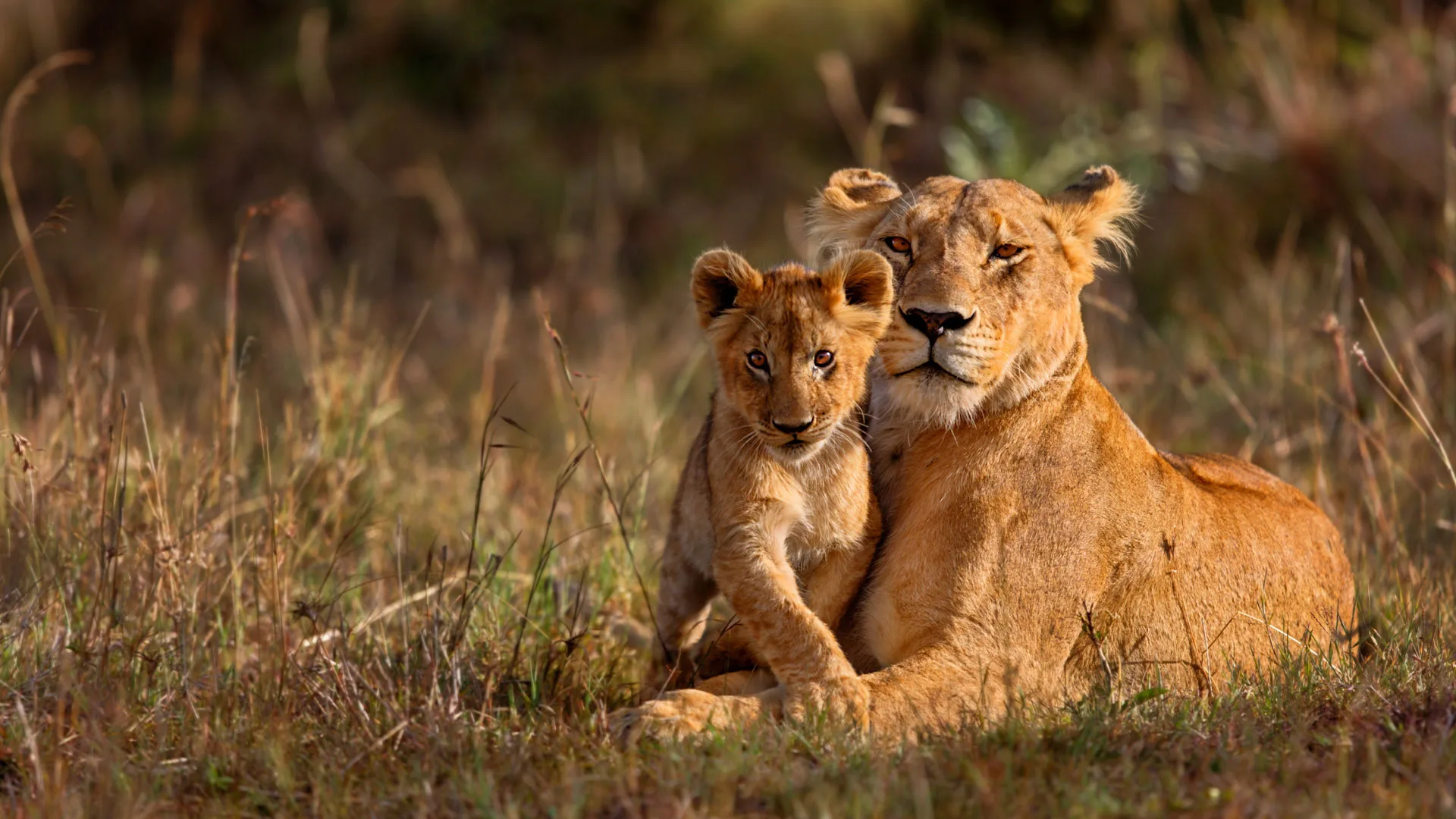
A lion encounter can take many forms. You may find a pride sleeping beneath a bush during the heat of the day, females walking across open plains at dawn, cubs playing beside resting adults or males patrolling territorial boundaries. Occasionally, visitors may witness hunting behavior, although successful hunts cannot be predicted or guaranteed. The value of spending several days in major lion habitat is that you can observe different aspects of their lives rather than simply photographing a sleeping animal and moving on.
African Leopard
The leopard is often the most difficult member of the Big Five to find. Leopards are predominantly solitary and extremely well camouflaged. They frequently use riverine woodland, drainage lines, rocky areas and dense vegetation where they can disappear remarkably easily.
An experienced safari guide searches for more than the animal itself. Alarm calls from monkeys, baboons, impalas or birds can indicate the presence of a predator, tracks along roads may reveal recent movement, and vehicles gathered at a particular woodland edge can occasionally indicate a sighting. Leopards sometimes rest in trees, particularly in areas where suitable branches provide security and shade, and they may also carry prey into trees to protect it from lions and hyenas. Because leopard sightings are unpredictable, a ten-day itinerary gives travelers considerably more opportunities to search appropriate habitats.
African Elephant
The African savannah elephant is the largest living terrestrial animal and one of Kenya's most impressive wildlife species. Amboseli is particularly celebrated for elephants and has played an important role in long-term elephant research.
Elephant societies are complex. Family groups are usually organized around experienced females, while adult males often live independently or associate temporarily with other males. Watching elephants for an extended period reveals behavior that can easily be missed during a brief encounter. Adults communicate through vocalizations and low-frequency sounds, young calves remain closely protected, family members greet, touch and reassure one another, and herds may travel considerable distances between feeding and water areas.
Amboseli's open landscapes can provide exceptional opportunities to observe these interactions. On clear days, elephants may be seen with Mount Kilimanjaro forming a spectacular distant backdrop, although mountain views are never guaranteed.
African Buffalo
The African buffalo is sometimes underestimated because large herds can be relatively easy to encounter in suitable habitat. However, buffaloes are powerful animals with complicated social structures and an important ecological role. Large herds may contain hundreds of individuals, including females, calves and males. Older bulls sometimes form smaller bachelor groups or spend time apart from the principal herd.
Buffaloes are particularly impressive when encountered around water, in marshlands or moving together across open grassland. They also interact closely with predators. Lions sometimes hunt buffaloes, although mature animals can defend themselves aggressively. Observing these relationships provides an excellent example of the ecological complexity behind the Big Five concept.
Black and White Rhinoceros
Rhinoceroses are among the most conservation-dependent animals travelers may encounter in Kenya. Both black rhinos and white rhinos occur in protected Kenyan conservation areas. Despite their names, the two species are not distinguished simply by color. Their body shape, feeding behavior and mouth structure provide more useful identification characteristics. White rhinos are primarily grazers and have broad mouths adapted for feeding on grass, while black rhinos are browsers and have more pointed upper lips suited to selecting leaves and branches.
Rhinos face serious conservation pressures, particularly from historical and contemporary poaching. Seeing a rhino in Kenya is therefore not simply another Big Five sighting. It can provide a direct connection to the enormous conservation efforts required to protect these animals.
Suggested 10 Days Kenya Big Five Safari Itinerary
The exact itinerary can be customized. The following route illustrates how ten days can be structured to combine complementary wildlife areas while maintaining a comfortable safari pace.
Itinerary
- Day 1: Arrival in Nairobi, welcome to Kenya
- Day 2: Nairobi to Amboseli, enter Elephant Country
- Day 3: Amboseli Safari – Elephants, Buffaloes and Predators
- Day 4: Amboseli to Lake Nakuru, journey Into the Great Rift Valley
- Day 5: Lake Nakuru Rhino Safari – the Masai Mara
- Day 6: Masai Mara Big Five Safari – Searching for Lions and Leopards
- Day 7: Masai Mara, second Full Day of Big Five game drive
- Day 8: Masai Mara, extended Wildlife and Big Cat Exploration
- Day 9: Masai Mara to Nairobi / Additional Wildlife Experience
- Day 10: Nairobi, optional Activities and Departure

02 Itinerary
10 Days Kenya Big Five Safari: Detailed Itinerary
-

Day 1: Arrival in Nairobi – Welcome to Kenya - Main destination
- Masai Mara National Reserve
- Drive time
- Road transfer as outlined in the itinerary
- Meals
- Lunch, Dinner
Your 10 Days Kenya Big Five Safari begins upon arrival at Nairobi's international airport. After immigration formalities and baggage collection, meet your representative and transfer privately to your Nairobi hotel.
Nairobi provides a convenient starting point for most Kenya safari circuits. Rather than immediately beginning a long road journey after an international flight, the first night gives you an opportunity to rest and prepare for the wildlife adventure ahead. Depending on your arrival time, you can relax at your hotel or arrange an optional Nairobi activity.
Your guide or representative can provide a safari briefing covering the route, expected driving conditions, game-drive procedures and practical information. Use the evening to prepare cameras, binoculars, charging equipment and a small daypack. Tomorrow, the wilderness journey begins.
Accommodation: Nairobi hotel according to selected category
Meal Plan: According to hotel and arrival arrangements
Activity: Airport transfer and safari briefing
Where you stay
-
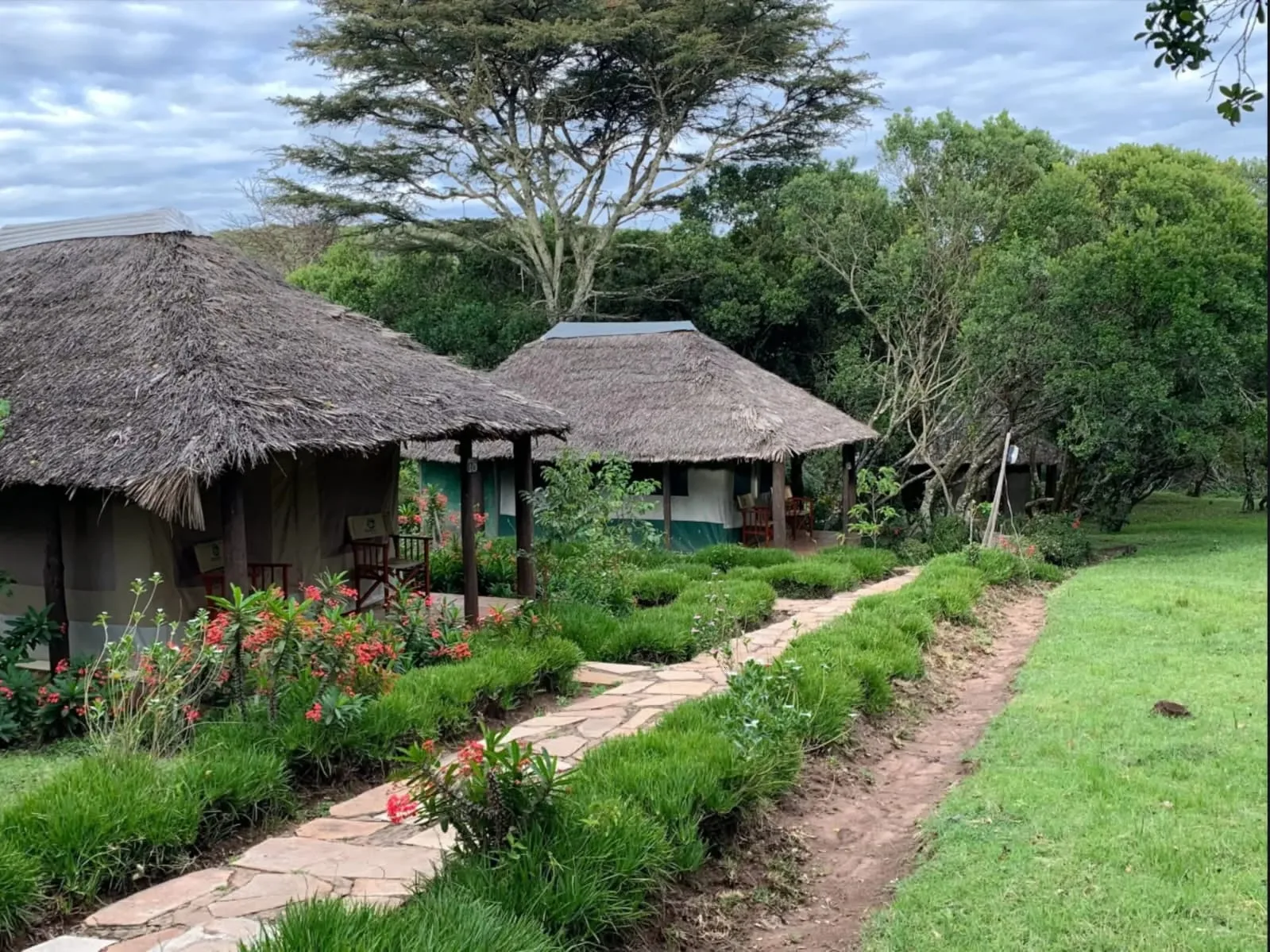
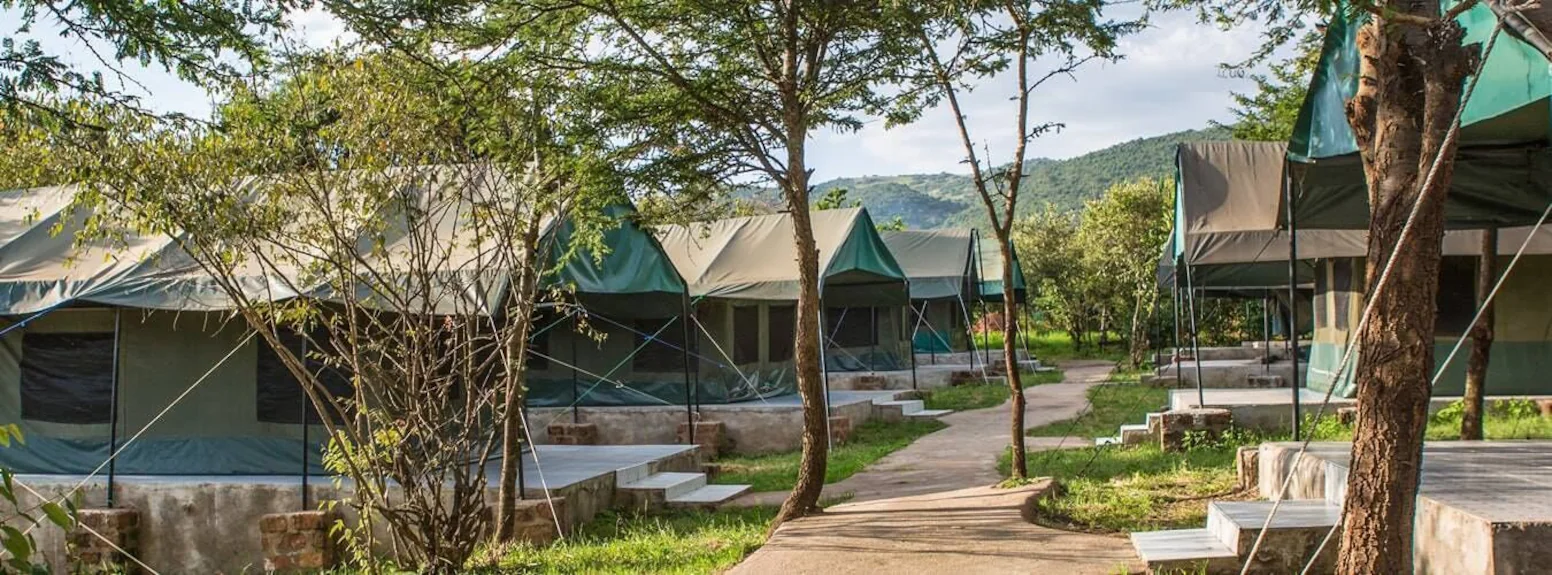
Essential (Budget)
-
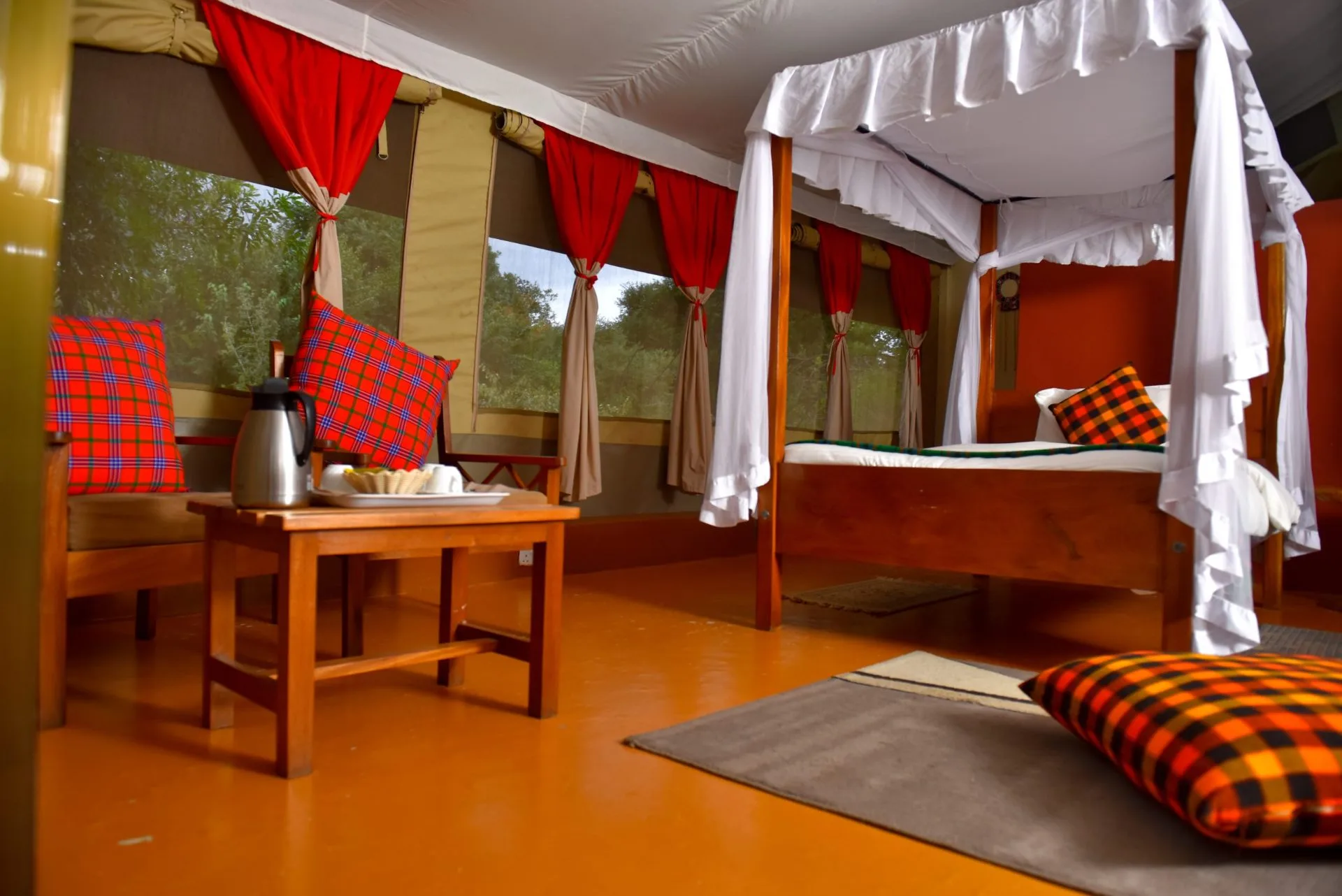
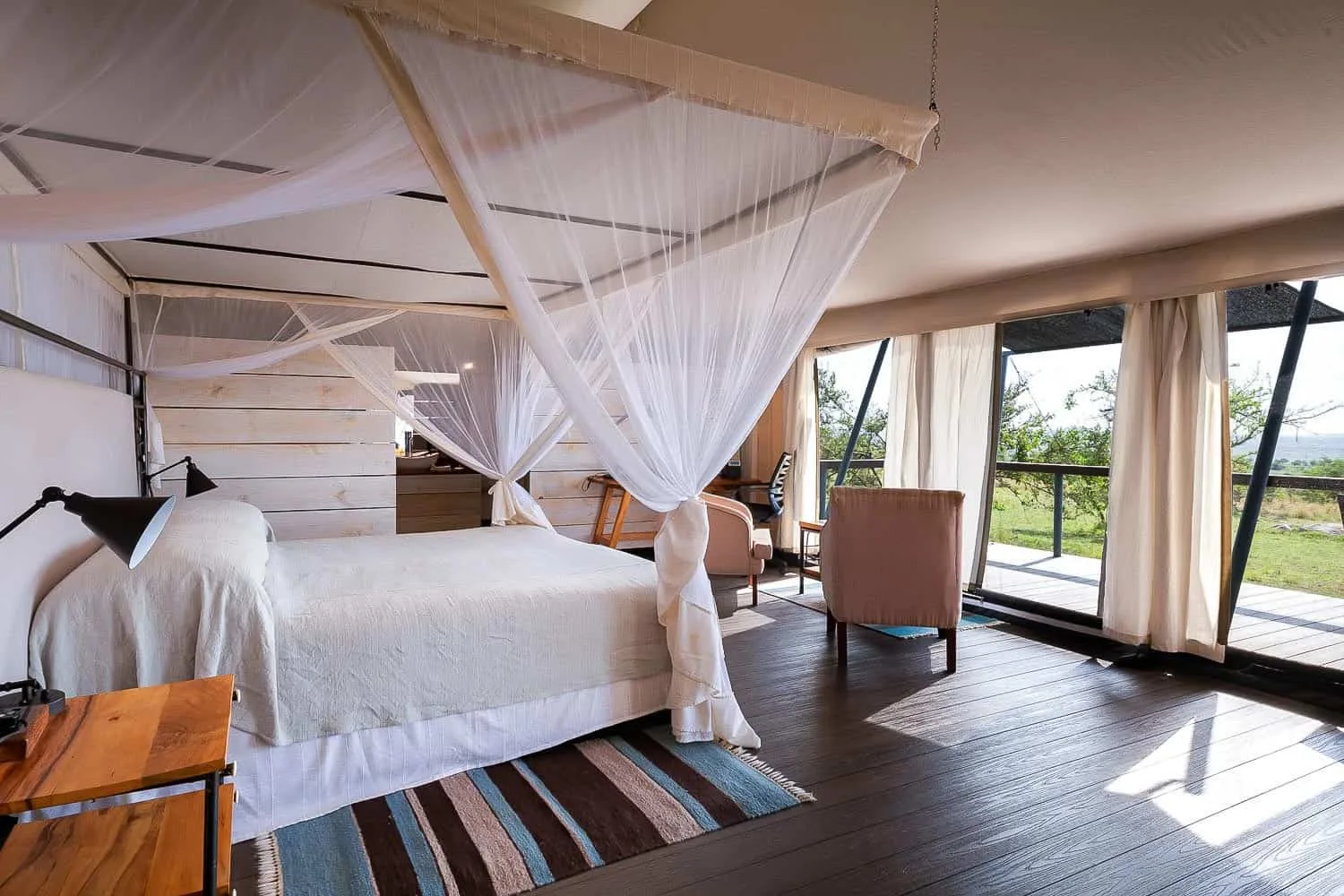
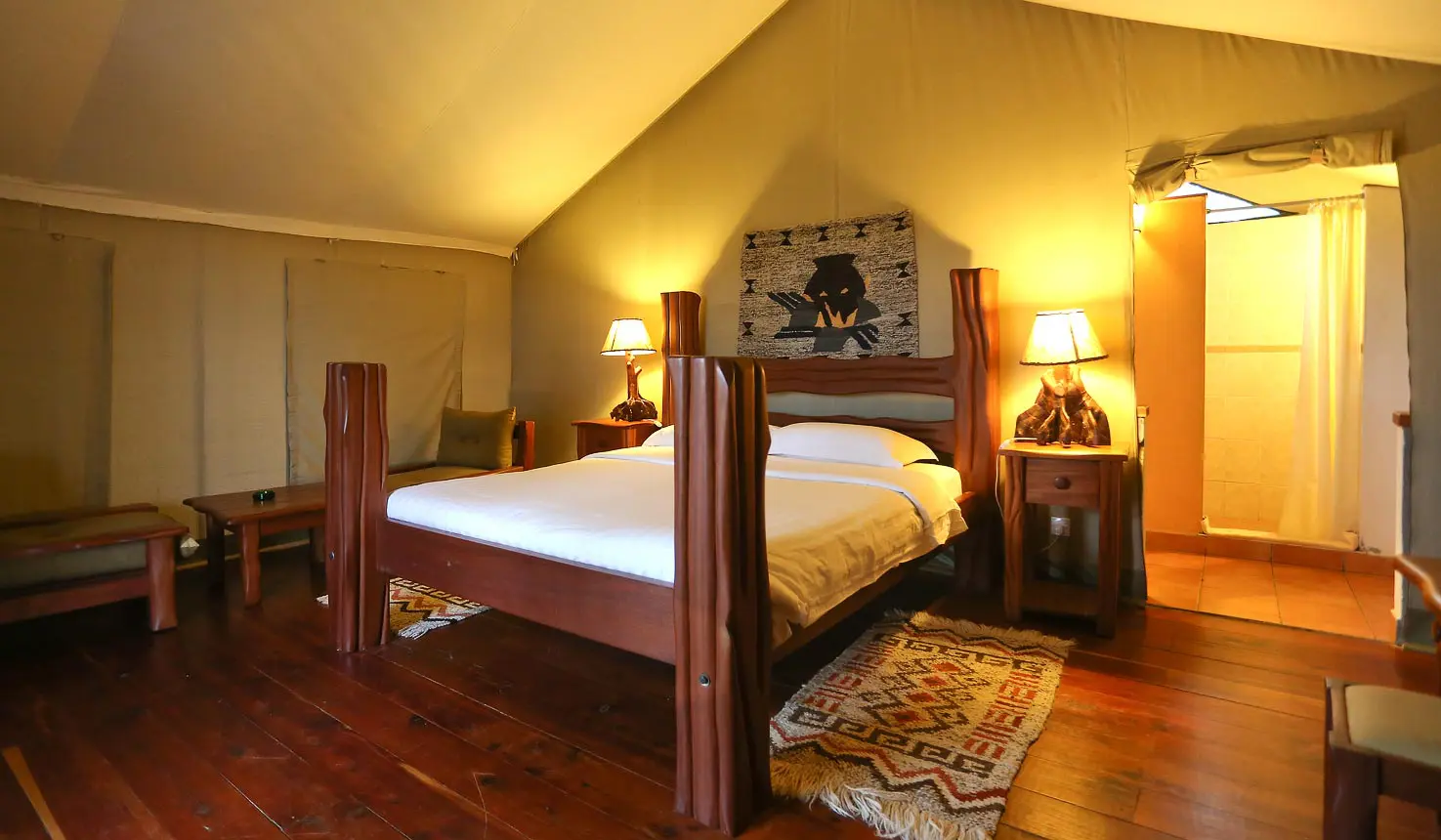
Comfort (Mid-range)
-
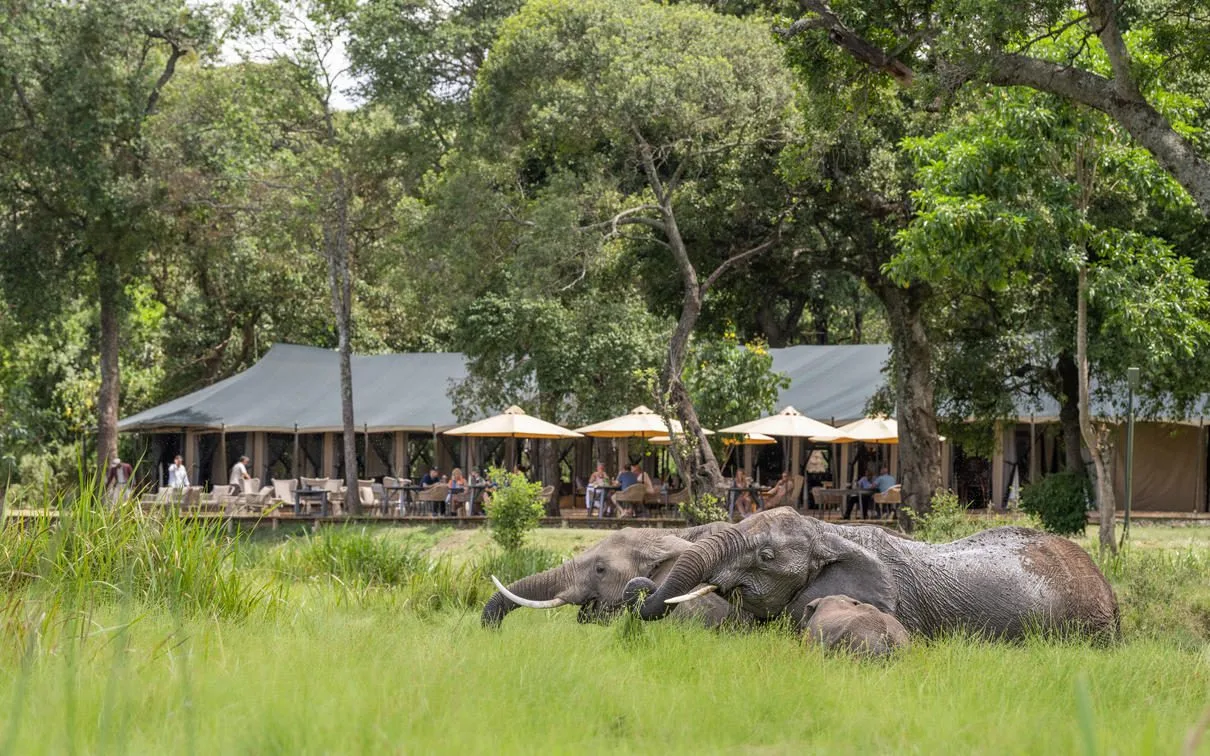
Premium (Luxury)
-
Signature (High-end)
-
Day 2: Nairobi to Amboseli National Park – Enter Elephant Country - Main destination
- Masai Mara National Reserve
- Meals
- Breakfast, Lunch, Dinner
After breakfast, meet your safari driver-guide and depart Nairobi for Amboseli National Park. The transition from the capital to open countryside is the beginning of the safari experience. Urban development gradually gives way to farmland, settlements and increasingly expansive landscapes, and as you approach Amboseli the environment becomes drier and more dramatic.
On clear days, Mount Kilimanjaro may rise above the horizon, although mountain views are never guaranteed. Although the mountain itself lies across the international border in Tanzania, Amboseli provides some of the world's most celebrated views of Kilimanjaro from the Kenyan side.
Arrive at your lodge or tented camp for check-in and lunch. Later in the afternoon, begin your first major game drive. Amboseli is particularly famous for its elephants, and herds may be seen crossing dusty plains, feeding around marshes or moving through acacia woodland.
Your first game drive can also reveal buffaloes, zebras, wildebeest, giraffes, impalas, gazelles, warthogs and numerous birds. Predators can include lions, spotted hyenas, jackals and occasionally cheetahs. The combination of open plains, wetlands and distant mountain scenery makes Amboseli particularly attractive for wildlife photography. Return to your lodge around sunset for dinner.
Accommodation: Amboseli lodge or tented camp
Meal Plan: Breakfast, Lunch & Dinner
Activity: Afternoon Big Five game drive
Where you stay
-
Day 3: Full-Day Amboseli Safari – Elephants, Buffaloes and Predators - Main destination
- Masai Mara National Reserve
- Meals
- Breakfast, Lunch, Dinner
Wake before or around sunrise for an early game drive. Morning is often an excellent period in Amboseli. Temperatures are cooler, wildlife is active and Kilimanjaro can sometimes be clearer before clouds gather later in the day, although clear views cannot be guaranteed.
Elephants are the major focus, but the ecosystem supports a broad range of wildlife. You may watch elephant families moving toward feeding grounds, buffaloes standing in marshes, zebras and wildebeest grazing together and giraffes feeding from acacia trees.
Predator sightings require patience. Lions may be found resting after nighttime activity or moving through grassland during cooler hours, and spotted hyenas are another important predator and scavenger within the ecosystem. Amboseli's permanent and semi-permanent wetlands attract wildlife during dry conditions, creating excellent opportunities for observing interactions between different species.
Birdlife can be exceptional. Water-associated species occur around marshes, while raptors, ground birds and smaller savannah species occupy surrounding habitats.
Depending on your preferred safari rhythm, return to the lodge for breakfast and relaxation before another afternoon game drive, or arrange an extended drive with a picnic meal. As evening approaches, elephants crossing the plains can create unforgettable silhouettes against the enormous Amboseli sky.
Accommodation: Amboseli lodge or tented camp
Meal Plan: Breakfast, Lunch & Dinner
Activity: Morning and afternoon game drives
Where you stay
-
Day 4: Amboseli to Lake Nakuru – Journey Into the Great Rift Valley - Main destination
- Masai Mara National Reserve
- Meals
- Breakfast, Lunch, Dinner
After breakfast, depart Amboseli and begin the journey toward the Great Rift Valley. Today is an important transition between ecosystems. The road reveals Kenya beyond the national parks as you travel through changing agricultural areas, towns and highland scenery.
Continue toward Lake Nakuru National Park, a relatively compact but wildlife-rich protected area that plays an important role in Kenya's rhino conservation story. Depending on the timing of your arrival, enter the park for an afternoon game drive. The habitat is dramatically different from Amboseli, with woodland, grassland, rocky slopes and lakeshore areas supporting a variety of wildlife.
The principal Big Five objective here is the rhinoceros. Both black and white rhinos have been protected in the broader ecosystem, although sightings depend on the animals' movements and prevailing conditions. Search open grassland and woodland edges carefully.
Other possible wildlife includes buffaloes, Rothschild's giraffes, zebras, waterbucks, baboons, warthogs and various antelope. Predators can include lions and leopards, although neither should ever be regarded as guaranteed. Lake Nakuru is also an important birding destination. Water levels and ecological conditions influence the number and distribution of birds, but the wider park supports impressive avian diversity. Return to your lodge for dinner.
Accommodation: Lake Nakuru/Rift Valley lodge
Meal Plan: Breakfast, Lunch & Dinner
Activity: Scenic transfer and afternoon game drive where time permits
Where you stay
-
Day 5: Lake Nakuru Rhino Safari – Transfer to the Masai Mara - Main destination
- Masai Mara National Reserve
- Meals
- Breakfast, Lunch, Dinner
Begin the day with an early wildlife drive in the Lake Nakuru ecosystem. The cooler morning hours provide another opportunity to search for rhinos. Your guide will carefully explore likely habitats, watching open grassland, woodland margins and areas where rhinos have recently been reported.
If you encounter a rhino, take time to observe it. White rhinos often spend substantial periods grazing, while black rhinos are more strongly associated with browsing vegetation. Behavior varies, and individuals should always be given sufficient space. Buffaloes can also be common in suitable sections of the park.
After completing the morning game drive, leave the Rift Valley and continue toward the legendary Masai Mara. The landscape gradually opens as you approach southwestern Kenya. The Mara represents one of Africa's most important wildlife ecosystems and provides excellent opportunities to search for three particularly celebrated members of the Big Five: lion, leopard and buffalo. Elephants are also widespread.
Arrive at your selected lodge or tented camp. Depending on arrival time and the location of your accommodation, head into the ecosystem for an introductory evening drive. The first view of the Mara can be unforgettable: expansive grasslands dotted with acacia trees, giraffes walking across the horizon, antelope grazing and perhaps elephants or predators appearing in the distance. Return to camp for dinner.
Accommodation: Masai Mara lodge or tented camp
Meal Plan: Breakfast, Lunch & Dinner
Activity: Morning rhino game drive, transfer and possible evening Mara game drive
Where you stay
-
Day 6: Full-Day Masai Mara Big Five Safari – Searching for Lions and Leopards - Main destination
- Masai Mara National Reserve
- Meals
- Breakfast, Lunch, Dinner
Today is devoted to intensive wildlife viewing in the Masai Mara ecosystem. Begin early, as predators are often more active during cooler morning temperatures. Your guide may follow tracks, listen to radio information where permitted and observe the behavior of prey animals to determine where predators may be located.
Lions are among the Mara's signature species. Prides occupy territories that can include open grasslands, river systems and drainage areas. You may encounter females with cubs, adult males resting near a pride or lions moving through grass at dawn.
The leopard requires a different search strategy. Your guide may concentrate on riverine woodland, drainage lines and trees where leopards can rest during daylight hours. Look carefully into branches, because sometimes the first indication of a leopard is a hanging tail, the outline of a body against a branch or the alarm calls of nearby prey.
The Mara also supports elephants and large numbers of buffaloes. Throughout the drive, you may encounter giraffes, zebras, wildebeest, topis, impalas, Thomson's gazelles, Grant's gazelles, warthogs, hyenas and jackals. If traveling during the broader migration period, large concentrations of wildebeest and zebra may occupy parts of the ecosystem, although their precise position depends on rainfall and grazing conditions.
Carry a picnic lunch and spend the entire day exploring, or return to camp during the middle of the day according to your preferred schedule. Continue game viewing through the afternoon before returning for dinner.
Accommodation: Masai Mara lodge or tented camp
Meal Plan: Breakfast, Lunch & Dinner
Activity: Full-day Big Five game drive
Where you stay
-
Day 7: Masai Mara – Second Full Day of Big Five Wildlife Viewing - Main destination
- Masai Mara National Reserve
- Meals
- Breakfast, Lunch, Dinner
Your second full day in the Mara significantly improves the depth of your safari experience. One of the biggest mistakes on a wildlife safari is assuming that seeing an animal once means you have experienced that species. Animal behavior changes constantly: a lion pride found sleeping yesterday may be active today, a leopard that remained hidden in thick vegetation may emerge into the open, elephants may gather around water, and buffalo herds may move to entirely different sections of the ecosystem.
Begin with another early game drive. Your guide can explore areas not covered yesterday or return to locations where particularly interesting wildlife activity was observed. If leopard remains a priority, more time can be devoted to suitable woodland and riverine habitat.
If you have already found the Big Five, there is no reason to rush. Slow down and spend time watching elephants interact, giraffes browse, hyenas communicate or lions socialize.
The Mara's ecological richness extends far beyond five famous mammals. Cheetahs are among the most exciting animals to encounter, and their preference for open landscapes makes the Mara particularly suitable habitat. Spotted hyenas play a critical role as both hunters and scavengers, while jackals, mongooses and smaller predators can also produce fascinating encounters. Hippos and Nile crocodiles inhabit suitable river systems, and for birdwatchers, raptors, vultures, bustards, ground hornbills and numerous smaller species add another dimension to the safari.
Optional Hot-Air Balloon Safari
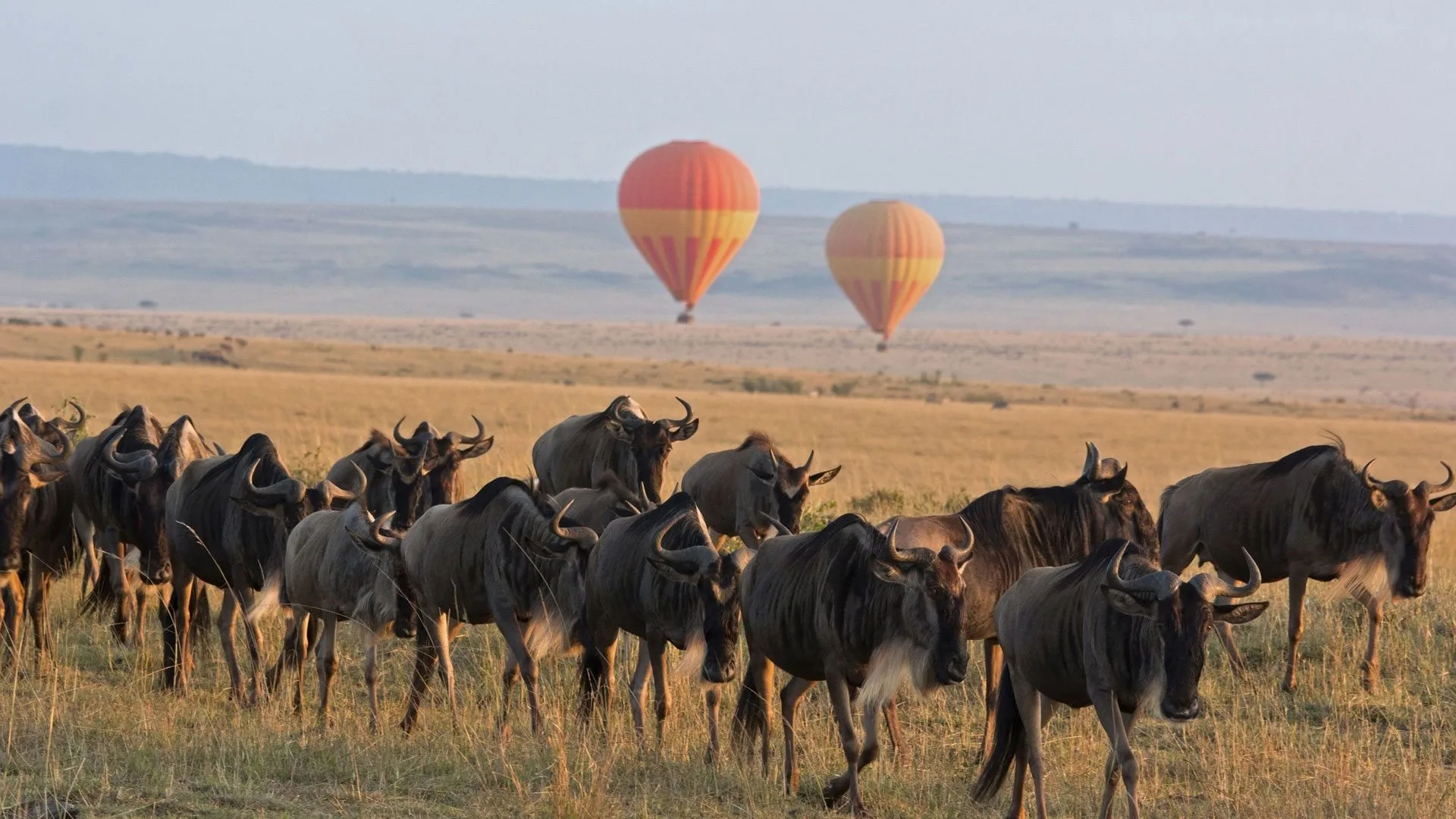
An optional Masai Mara hot-air balloon safari can be arranged at additional cost, subject to availability and operating conditions. The experience generally begins before sunrise. After inflation, the balloon rises above the plains, offering an aerial perspective of wildlife trails, river systems and the enormous scale of the ecosystem. Flights depend on weather and operating conditions and cannot be guaranteed.
After landing, the experience normally concludes according to the balloon operator's program before you reconnect with your safari arrangements.
Accommodation: Masai Mara lodge or tented camp
Meal Plan: Breakfast, Lunch & Dinner
Activity: Full-day game drive; optional balloon safari
Where you stay
-
Day 8: Masai Mara – Extended Wildlife and Big Cat Exploration - Main destination
- Masai Mara National Reserve
- Meals
- Breakfast, Lunch, Dinner
A third substantial day in the greater Mara ecosystem is one of the major strengths of this ten-day itinerary. Many short safaris provide only one full day here. Additional time allows the experience to become considerably more relaxed and rewarding.
Today can be tailored according to your previous sightings. If leopard has remained elusive, your guide can devote additional time to likely habitats. If you have encountered lions, you may revisit the pride to observe whether their behavior has changed. Photographers may choose to spend longer with particular subjects rather than moving rapidly from sighting to sighting, and the early morning and late afternoon provide particularly attractive light.
During the middle of the day, predators frequently rest, but wildlife activity never completely stops. Elephants may continue feeding, giraffes browse and buffaloes rest or move toward water. Vultures circling overhead can sometimes indicate a carcass, and the behavior of herbivores can reveal the presence of predators before you see them.
This is where an experienced guide becomes particularly valuable. Wildlife guiding involves interpreting an entire landscape rather than simply driving toward known sightings. If your itinerary includes a private conservancy component, activities may differ according to local regulations and the specific camp selected. Return to your accommodation for another evening surrounded by the sounds of the wilderness.
Accommodation: Masai Mara lodge or tented camp
Meal Plan: Breakfast, Lunch & Dinner
Activity: Extended wildlife and Big Five exploration
Where you stay
-
Day 9: Masai Mara to Nairobi / Additional Wildlife Experience - Main destination
- Masai Mara National Reserve
- Meals
- Breakfast, Lunch, Dinner
After several days of intensive Mara wildlife viewing, begin the return journey toward Nairobi or continue to a selected complementary destination according to the customized version of your itinerary. If time and routing permit, enjoy a final early morning game drive before departure.
This last drive should not be treated as an afterthought, because wildlife can produce surprises at any moment. You may encounter elephants moving across the plains at sunrise, lions returning from nighttime activity, hyenas around a carcass or giraffes feeding in beautiful morning light, although no sighting can be guaranteed.
After breakfast, continue toward Nairobi. Depending on the selected arrangement, you may stay overnight in Nairobi or incorporate another conservation experience. Travelers wishing to reduce road travel may request a fly-in/fly-out variation, subject to domestic flight schedules and budget. Upon reaching Nairobi, settle into your hotel and enjoy a relaxed evening after the wilderness portion of the journey.
Accommodation: Nairobi hotel or selected safari property
Meal Plan: Breakfast and other meals according to confirmed arrangements
Activity: Final Mara game drive and transfer
Where you stay
-
Day 10: Nairobi – Optional Activities and Departure - Main destination
- Masai Mara National Reserve
- Drive time
- Return transfer as outlined in the itinerary
- Meals
- Breakfast, Lunch
Enjoy breakfast at your hotel. The day's schedule depends primarily on the departure time of your international flight. If you have a late departure, optional Nairobi experiences may be incorporated. Alternatively, simply enjoy a relaxed morning before your airport transfer.
Your representative will collect you at the agreed time and transfer you to the airport. The 10 Days Kenya Big Five Safari concludes after ten days of contrasting landscapes, intensive game viewing and opportunities to encounter some of Africa's most iconic wildlife.
By the end of the journey, the Big Five will hopefully represent much more than five names on a checklist. You will have experienced the habitats they depend upon, observed their behavior and gained a better understanding of the conservation challenges involved in ensuring these species remain part of Kenya's wild landscapes.
Meal Plan: Breakfast; additional meals according to arrangements
Activity: Optional Nairobi activities and airport transfer
Best Destinations for a Kenya Big Five Safari
Kenya contains numerous protected areas, but certain destinations are particularly useful when constructing a Big Five-focused itinerary.
Masai Mara National Reserve
The Masai Mara is one of Kenya's premier wildlife destinations. It is particularly renowned for: Lions, Leopards, Elephants, Buffaloes, Cheetahs, Spotted hyenas, Wildebeest, Zebras, Giraffes, Hippos, Crocodiles, Numerous antelope species.
The open landscape often makes wildlife easier to observe than in heavily wooded ecosystems. The Mara is also internationally associated with the Great Wildebeest Migration. However, the reserve remains an exceptional wildlife destination throughout the year, even when the largest migration herds are elsewhere.
Amboseli National Park
Amboseli is one of Africa's most famous elephant destinations. The combination of elephants, wetlands, open plains and views toward Kilimanjaro creates some of Kenya's most recognizable safari scenery. Besides elephants, Amboseli can support: Lions, Buffaloes, Cheetahs, Hyenas, Giraffes, Zebras, Wildebeest, Hippos, Numerous antelope, Diverse birdlife.
Lake Nakuru National Park
Lake Nakuru is particularly valuable on a Big Five itinerary because of its role in rhinoceros conservation. Its relatively compact size also means visitors can explore several habitat types during a game drive. Possible wildlife includes: Black rhinos, White rhinos, Buffaloes, Rothschild's giraffes, Lions, Leopards, Zebras, Waterbucks, Baboons, Warthogs, Numerous birds.
Where you stay
03 Rates
Safari rates 2027-2029
Indicative per person. Season, group size and lodge style change the total — your quotation confirms current rates.
-
Essential (Budget)
Essential (Budget)
Budget camps and lodges suit travelers who prioritize wildlife while keeping costs lower.
Great value camps
-
Comfort (Mid-range)
Comfort (Mid-range)
Mid-range tented camps and lodges balance comfort and price with private rooms or tents and en-suite facilities.
Quoted for your dates
-
Premium (Luxury)
Premium (Luxury)
Luxury camps and lodges focus on location, service and more intimate wildlife experiences.
Premium camps and lodges
-
Signature (High-end)
Signature (High-end)
Signature camps and lodges are the most exclusive stays — small, highly private properties with exceptional guiding and setting.
Exclusive signature stays
04 Activities
Safari activities
Game viewing is the core of this itinerary. Optional extras are quoted separately and depend on season, permits and availability. Individual species and river crossings are never guaranteed.
-
Included
Morning and afternoon game drives
Included in a typical day on this safari. Exact timing follows the confirmed itinerary.
View activity -

Included
Opportunities for sunrise and sunset wildlife photography
Included in a typical day on this safari. Exact timing follows the confirmed itinerary.
View activity -
Optional
Hot-air balloon safari in the Masai Mara.
Available at extra cost when conditions, permits and your dates allow. Not guaranteed.
View activity -
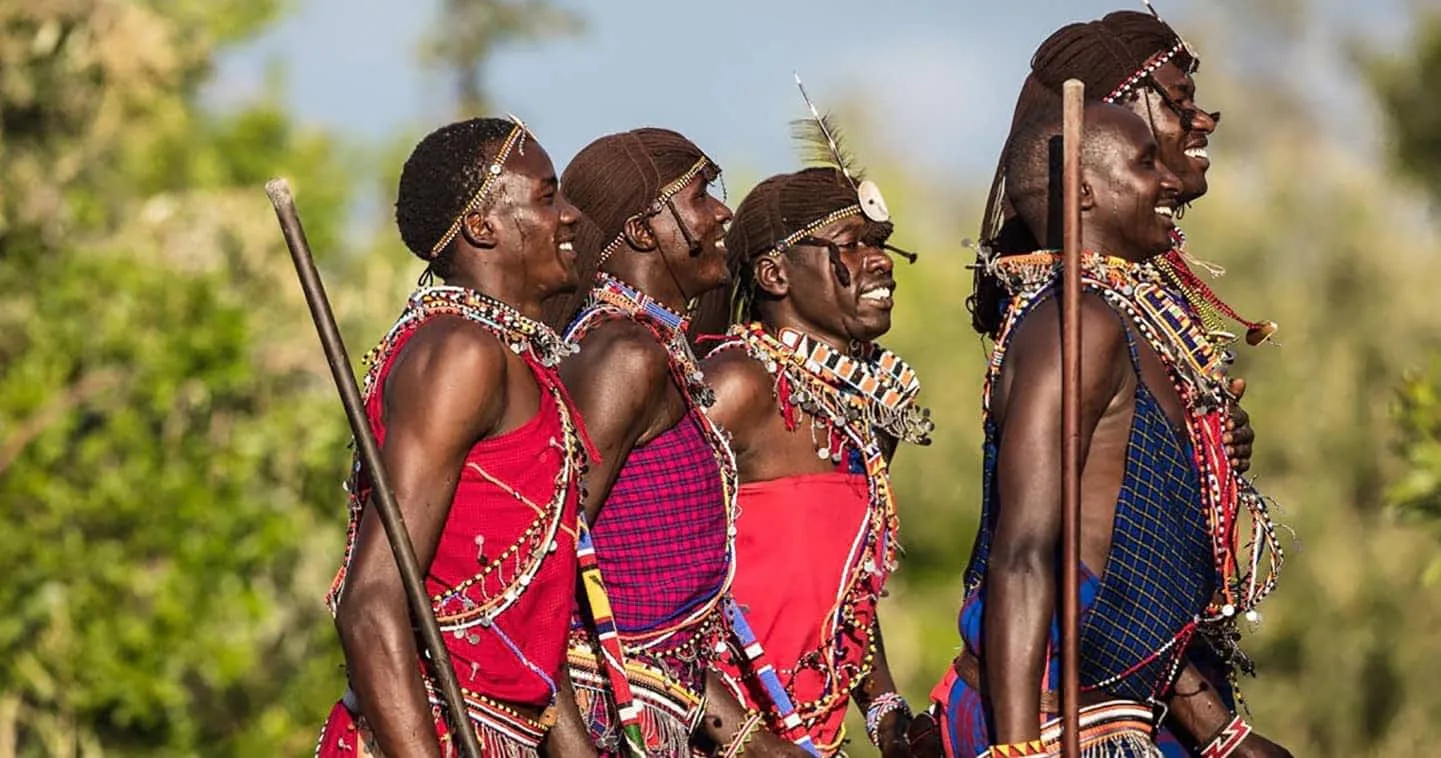
Optional
Cultural experiences.
Available at extra cost when conditions, permits and your dates allow. Not guaranteed.
View activity
Additional information
Plan This Safari
Private Conservancies
Depending on the final route and budget, private conservancies can be incorporated into the safari. Conservancy experiences can provide lower vehicle densities, exclusive accommodation and activities governed by the regulations of the individual conservation area. The exact advantages depend on the specific conservancy selected.
Big Five Safari Versus General Kenya Wildlife Safari
Travelers sometimes ask whether they should choose a Big Five safari or a general wildlife safari. In practice, there is considerable overlap. A Big Five safari simply places additional emphasis on finding lion, leopard, elephant, buffalo and rhino. However, a good safari should never ignore other wildlife.
Cheetahs are not members of the Big Five, yet encountering one hunting across the Mara can become the highlight of an entire journey. Giraffes are not Big Five animals, but watching them walk across the plains at sunrise is an iconic African experience. Hippos, crocodiles, hyenas, zebras, wildebeest and birds are equally important parts of Kenya's ecosystems. The best Big Five safari therefore combines the search for these five famous mammals with appreciation of the entire landscape.
Can You See All the Big Five in 10 Days?
A well-designed ten-day itinerary provides excellent opportunities to search for all five species. However, wildlife sightings can never be guaranteed. Elephants and buffaloes may be relatively straightforward to find in several ecosystems. Lions can also be encountered frequently in suitable habitats, although their movements remain unpredictable. Rhino opportunities can be improved by visiting protected areas with established rhino populations. The leopard is often the greatest challenge because of its solitary behavior and exceptional camouflage. This uncertainty is an essential part of an authentic wildlife safari. Finding a leopard after several days of searching can be considerably more exciting precisely because the encounter was never guaranteed.
Best Time for a 10 Days Kenya Big Five Safari
Kenya offers wildlife viewing throughout the year. The best travel period depends on your priorities.
June to October – Dry Season
These months are among the most popular for Kenyan safaris. As dry conditions progress, wildlife may concentrate around permanent water sources and vegetation can become less dense in some areas. The period also overlaps with the months commonly associated with large migration herds entering parts of the Mara ecosystem. Demand can be high, particularly during peak migration months, so early accommodation reservations are advisable.
January to March – Warm and Often Dry
January through March can provide excellent general wildlife viewing. These months may offer clear conditions, good predator activity and attractive photographic opportunities.
April and May – Green Season
The longer rains generally occur during this period, although rainfall patterns vary. Landscapes can become exceptionally green and dramatic. Visitor numbers may decrease, potentially creating a quieter safari atmosphere. However, heavy rainfall can affect some roads and certain seasonal camps may close.
November and December – Short Rains
Short rains can refresh the vegetation and improve the color of the landscape. Wildlife remains present, and birding can be particularly rewarding as seasonal conditions change.
Big Five Safari During the Wildebeest Migration
Travelers visiting between approximately July and October frequently ask whether a Big Five safari can also include the Great Wildebeest Migration. Yes. The Masai Mara component can be particularly rewarding when large migrating herds are present in the Kenyan portion of the greater Serengeti-Mara ecosystem. However, the migration does not operate according to a fixed calendar. Wildebeest movements are influenced primarily by rainfall, grazing and water availability, and river crossings are even less predictable.
A herd can gather near a river and remain there for hours or days before crossing, while another herd may cross unexpectedly. For this reason, no responsible operator should guarantee a river crossing on a specific day. Spending several days in the Mara improves your opportunities while also providing excellent general wildlife viewing regardless of migration activity.
Private 10 Days Kenya Big Five Safari
A private safari is highly recommended for travelers who want flexibility. Your safari vehicle is reserved for your traveling party rather than shared with unrelated guests. This provides several advantages.
- You can spend longer at a leopard sighting without worrying that another traveler wants to leave.
- Photographers can request positioning according to light and subject.
- Families can adjust the length of game drives according to children's energy levels.
- Couples can enjoy a more private journey.
- Birdwatchers can stop for species that might be ignored on a conventional general-interest safari.
A private safari also allows your guide to learn your preferences over several days and progressively adapt the experience.
Safari Vehicle and Professional Driver-Guide
Your safari vehicle is one of the most important components of a road-based Kenya safari. Vehicles used for wildlife safaris are typically modified to improve visibility and passenger comfort during game drives.
A professional driver-guide does far more than transport you between destinations. Your guide helps identify animals and birds, interprets behavior, follows tracks, understands habitats and decides where to concentrate wildlife searches. Experience matters particularly when searching for elusive species such as leopards. A skilled guide watches the landscape constantly, and alarm calls, tracks, vultures, prey behavior and information from other professional guides can all provide clues. The relationship between guide and traveler often becomes one of the most memorable parts of a long private safari.
Accommodation for Your 10 Days Kenya Big Five Safari
The itinerary can be arranged across several accommodation categories.
Budget Accommodation
Budget safaris focus on keeping costs manageable while maintaining access to the major wildlife areas. Accommodation may include simple tented camps, safari camps and guesthouses.
Mid-Range Accommodation
Mid-range properties provide a comfortable balance between price and amenities. You can generally expect private rooms or permanent safari tents, en-suite bathrooms, restaurant facilities and comfortable communal spaces.
Luxury Accommodation
Luxury safari lodges and camps emphasize location, service, accommodation quality and dining. Some properties are situated in particularly scenic areas or provide more personalized safari experiences.
High-End and Exclusive Accommodation
High-end itineraries can incorporate boutique tented camps, private conservancies, premium suites, private vehicles and fly-in sectors. The exact combination can be customized according to your preferred budget.
Big Five Safari for Couples
A ten-day private safari is an excellent option for couples. The itinerary provides enough time to combine wildlife viewing with relaxed evenings in atmospheric safari camps. Couples can request accommodation emphasizing privacy, scenic locations and intimate dining. Optional experiences may include:
- Private sundowners
- Bush meals where permitted
- Hot-air balloon safari
- Premium tented suites
- Private vehicle arrangements
- Beach extension after the safari
Kenya Big Five Honeymoon Safari
For honeymoon travelers, the itinerary can be upgraded into a more romantic experience. Instead of maximizing the number of destinations, a honeymoon safari may spend longer in fewer high-quality camps. This reduces packing and allows couples to enjoy the accommodation itself.
Luxury tented camps can provide a remarkable combination of wilderness and comfort. A honeymoon itinerary can also finish with several nights on the Kenyan coast or Zanzibar, creating a classic safari-and-beach journey.
Family Big Five Safari
The 10 Days Kenya Big Five Safari can also be adapted for families. Private transportation is particularly valuable when traveling with children because game-drive duration can be adjusted. Family itineraries can incorporate:
- Family rooms or interconnected accommodation
- Camps accepting children of the relevant ages
- Shorter game drives where necessary
- Swimming and relaxation periods
- Educational wildlife experiences
- Child-friendly meal arrangements
- Reduced transfer times where practical
Parents should provide children's ages when requesting a quotation because some safari properties have specific age restrictions.
Big Five Safari for Photographers
Ten days provides a strong foundation for wildlife photography. Rather than rushing between destinations, photographers can spend longer with subjects. Early morning and late afternoon generally provide attractive light, while midday can still produce important behavioral opportunities.
- A telephoto lens is useful for portraits and distant wildlife.
- A wider lens can capture animals within the landscape.
Amboseli is particularly rewarding for environmental compositions involving elephants and, on clear days, Kilimanjaro. The Mara provides opportunities for predators, open plains and large herbivore concentrations. A private vehicle is strongly recommended for serious photographers because it provides greater control over positioning and time spent at sightings.
Birdwatching During the Safari
Even though the Big Five are the primary focus, Kenya's birdlife should not be overlooked. The itinerary crosses several habitats, potentially including:
- Open savannah
- Acacia woodland
- Wetlands
- Lakeshores
- River systems
- Highland areas
- Grassland
- Bushland
These habitats support a remarkable variety of birds. Possible sightings can include eagles, vultures, kingfishers, hornbills, rollers, storks, herons, egrets, bustards and numerous smaller species. Travelers who arrive primarily interested in mammals frequently leave Kenya with a new appreciation for African birdlife.
What to Pack for Your Big Five Safari
Pack lightweight and practical clothing. Neutral-colored clothing is generally preferable during wildlife activities. Early mornings can be cool, particularly in open vehicles or at higher elevations, so bring a warm layer. If your safari includes domestic flights, luggage restrictions may be significantly tighter than international airline allowances. Useful items include:
- Lightweight shirts and trousers
- Comfortable closed shoes
- Light fleece or jacket
- Sun hat
- Sunglasses
- Sunscreen
- Binoculars
- Camera and lenses
- Spare batteries
- Charging cables
- Power bank
- Personal medication
- Small daypack
- Reusable water bottle where appropriate
- Insect repellent
- Travel documents
Health and Travel Preparation
Travelers should obtain destination-specific medical advice from an appropriately qualified health professional before traveling. Requirements and recommendations can change according to nationality, travel history and route.
Travel insurance is strongly recommended. A comprehensive policy should ideally address medical emergencies, evacuation where applicable, trip interruption, cancellation and loss or damage of personal belongings according to the policy terms. Travelers should also check current passport and entry requirements well before departure.
Responsible Big Five Tourism
The future of Kenya's wildlife depends on successful conservation and responsible tourism. Big Five animals face different pressures.
- Rhinos have been heavily affected by poaching.
- Elephants have historically faced ivory-related threats and habitat pressure.
- Lions and leopards can come into conflict with communities where livestock and predators share landscapes.
Tourism can contribute positively when revenue supports protected areas, conservation initiatives and local livelihoods. Travelers also have responsibilities during game drives:
- Never pressure guides to approach wildlife too closely
- Do not encourage illegal off-road driving
- Keep noise levels appropriate around animals
- Never feed wildlife
- Follow park and conservancy regulations
- Avoid littering
- Respect other vehicles at sightings
- Do not block an animal's natural path
- Avoid behavior that places photography above animal welfare
The objective should always be to observe natural behavior without unnecessarily altering it.
Combining the Big Five Safari With a Beach Holiday
After ten days of wildlife viewing, a beach extension can provide an excellent conclusion to the journey. Kenya's Indian Ocean coastline offers warm tropical conditions and a dramatically different environment from the safari regions. A safari can potentially be combined with destinations such as the wider Diani Beach area or other Kenyan coastal locations. Alternatively, travelers may extend their journey to Zanzibar in Tanzania, subject to international entry requirements and flight arrangements. A beach extension is particularly popular with honeymooners and families.
What Is Typically Included?
The exact inclusions will be clearly stated in your personalized quotation. Depending on the confirmed itinerary, the safari can include:
- Airport transfers specified in the program
- Private safari transportation
- Professional English-speaking driver-guide
- Accommodation for the stated nights
- Meals according to the itinerary
- Scheduled game drives
- Park and conservation fees specified in the quotation
- Bottled drinking water in the safari vehicle
- Applicable government taxes included in the confirmed package
Never rely solely on a general inclusion list. The final confirmed quotation should be used as the authoritative reference for your booking.
What Is Typically Excluded?
Items that may be excluded include:
- International flights
- Visa or entry costs
- Travel insurance
- Optional activities
- Hot-air balloon safari unless specifically included
- Premium alcoholic beverages
- Personal purchases
- Laundry where not included by the lodge
- Gratuities
- Additional accommodation before or after the safari
- Services not expressly listed in the confirmed itinerary
Why Spend 10 Days Searching for the Big Five?
The real advantage of a ten-day safari is not simply that it gives you more chances to find five animals. It gives you time to understand them.
You can watch an elephant family instead of photographing it and immediately driving away. You can return to a lion pride on another day and discover completely different behavior. You can search patiently through riverine woodland until the shape of a leopard finally appears among the branches. You can observe buffaloes as part of a herd rather than as an isolated Big Five entry.
And when you encounter a rhino, you can appreciate why seeing this prehistoric-looking animal alive in a protected Kenyan landscape represents an extraordinary conservation achievement. A 10 Days Kenya Big Five Safari is therefore best understood as a comprehensive wildlife journey built around five iconic species but enriched by everything else encountered along the way.
Book Your 10 Days Kenya Big Five Safari
Your safari can be customized according to your:
- Preferred travel dates
- Number of travelers
- Accommodation category
- Budget
- Wildlife priorities
- Photography interests
- Family requirements
- Preferred balance between road travel and domestic flights
- Interest in the Great Migration
- Preferred private conservancies
- Beach-extension plans
Whether you are planning your first African safari, a honeymoon, a family wildlife holiday or a dedicated photographic journey, ten days provides enough time to experience Kenya's Big Five landscapes at a rewarding pace. From elephants beneath the enormous skies of Amboseli to rhinos in protected Rift Valley ecosystems and lions and elusive leopards across the plains of the Masai Mara, this journey brings together several of Kenya's greatest wildlife experiences in one carefully structured safari.
Primary Keyphrase: 10 Days Kenya Big Five Safari
Exact URL: `/safari-packages/10-days-kenya-big-five-safari/`
Planning Questions
Frequently Asked Questions
Is 10 days enough to see the Big Five in Kenya?
Ten days provides very good opportunities because the itinerary can combine several complementary wildlife destinations. However, wildlife remains wild and no ethical operator can guarantee all five species.
Which Big Five animal is hardest to find?
Leopards are often the most challenging because they are solitary, secretive and extremely well camouflaged. Rhino sightings can also depend heavily on the destination selected.
Where can I see lions in Kenya?
The Masai Mara is particularly famous for lions, although they occur in several Kenyan protected areas.
Where can I see elephants?
Amboseli is internationally renowned for elephants and is an excellent destination for observing elephant families.
Where can I see rhinos?
The itinerary can include protected areas known for rhino conservation, such as Lake Nakuru and other appropriate conservation areas.
Can I see both black and white rhinos?
Kenya protects populations of both species. Whether both are seen during your individual safari depends on the selected route and natural wildlife movements.
Can I see leopards in the Masai Mara?
Yes. Leopards inhabit the Mara ecosystem, particularly around riverine woodland and other suitable habitats. Sightings cannot be guaranteed.
Is the Masai Mara included?
A Big Five-focused ten-day safari can include several nights in the Masai Mara because of its outstanding predator and general wildlife viewing.
Is Amboseli included?
Amboseli can be incorporated as an important elephant-focused destination.
Is Lake Nakuru included?
Lake Nakuru can be included to add a Rift Valley ecosystem and improve opportunities for rhino viewing.
Can I see the wildebeest migration?
Travelers visiting during the relevant period may encounter migration herds in the Mara ecosystem. Exact migration locations and river crossings cannot be guaranteed.
Is the safari private?
It can be organized as a private safari with your own safari vehicle and driver-guide.
Can I customize the route?
Yes. The itinerary can be modified according to travel dates, accommodation preference, budget, wildlife priorities and available time.
Can I upgrade to luxury lodges?
Yes. Budget, mid-range, luxury and high-end versions can be arranged.
Is this safari suitable for children?
Yes, subject to the ages of the children and the policies of selected accommodations. Family-friendly routing can be created.
Can solo travelers book this safari?
Yes. Solo travelers can request a private safari, although single occupancy and vehicle costs affect the final price.
Can we fly between parks?
Domestic flights can replace selected road transfers where schedules and budget allow.
Do I need binoculars?
Binoculars are highly recommended. They dramatically improve wildlife and bird observation, particularly when animals cannot ethically be approached closely.
How early do game drives start?
Morning drives often begin around sunrise or according to park, camp and seasonal arrangements. Exact schedules are coordinated locally.
Are Big Five sightings guaranteed?
No. Kenya's safari animals are wild and move freely within their ecosystems. The itinerary is designed to maximize opportunities, not manufacture guaranteed sightings.
05 Request Quote
Request Quote
Tell us your dates, group size, and preferred lodge style — we will send a tailored quote for this safari.
Want to extend your safari?
Add Amboseli, Diani Beach, Tanzania and Zanzibar, or gorilla trekking in Uganda or Rwanda — we tailor the journey to your dates.