
1 Day Kenya Safari
Plan a 1 Day Kenya Safari with private transport, expert guiding and wildlife viewing. Explore the best one-day…
View SafariHandpicked Kenya Safari Tours for Every Traveler
Explore Kenya conservation safaris focused on rhinos, elephants, endangered species, community conservancies and responsible wildlife tourism.
A conservation safari is a wildlife holiday designed to deepen the traveller's understanding of environmental protection and responsible tourism. Traditional game drives remain an important part of the experience. However, the itinerary may also include visits to conservancies, discussions with knowledgeable guides, conservation interpretation and activities that explain the relationship between wildlife and surrounding communities.
Some programmes focus on endangered species such as rhinoceroses. Others examine elephant conservation, predator coexistence, habitat restoration or community-managed wildlife areas. The precise activities depend on the destination and the organisations involved. Not every conservation facility accepts visitors, and some sensitive operations must remain restricted. Responsible itineraries respect these limitations rather than treating conservation work as entertainment.
Showing 1–12 of 215 safaris
Plan a 1 Day Kenya Safari with private transport, expert guiding and wildlife viewing. Explore the best one-day…
View SafariExplore the 10 Days Family Kenya Safari with a day-by-day safari plan, key wildlife experiences, destinations, accommodation ideas,…
View SafariExplore the 10 Days Fly-in Kenya Safari with a day-by-day safari plan, key wildlife experiences, destinations, accommodation ideas,…
View SafariExplore the 10 Days Honeymoon Kenya Safari with a day-by-day safari plan, key wildlife experiences, destinations, accommodation ideas,…
View SafariPlan a 10 Days Kenya Big Five Safari with expert guides, game drives and carefully chosen camps. Request…
View SafariA 10 day Kenya journey connecting Nairobi, Ol Pejeta, Samburu or Buffalo Springs, Solio, Lake Nakuru, Maasai Mara…
Lake Naivasha, Lake Nakuru, Masai Mara
View SafariPlan a 10 Days Kenya Safari with expert guides, game drives and carefully chosen camps. Request a quote.
View SafariPlan a 10 Days Kenya Safari & Diani Beach with expert guides, game drives and carefully chosen camps.…
Diani Beach
View SafariPlan a 10 Days Kenya Wildlife Safari with expert guides, game drives and carefully chosen camps. Request a…
View SafariPlan a 10 Days Luxury Kenya Safari with expert guides, game drives and carefully chosen camps. Request a…
View SafariA 10 day Kenya journey connecting Nairobi, Maasai Mara, Lake Naivasha, Amboseli and Diani Beach.
Amboseli, Diani Beach, Lake Naivasha
View SafariPlan a 10 Days Masai Mara & Amboseli with expert guides, game drives and carefully chosen camps. Request…
Masai Mara, Amboseli
View SafariKenya supports extraordinary biodiversity, but its wildlife faces several pressures. Habitat fragmentation can restrict animal movement between protected areas. Expanding settlements, infrastructure and agricultural activity may reduce access to traditional migration routes. Human-wildlife conflict is another important challenge. Elephants may damage crops, predators may attack livestock and communities living near wildlife habitats can experience significant economic losses.
Poaching and illegal wildlife trade remain concerns for certain species, particularly where valuable wildlife products are involved. Climate variability also influences water availability, vegetation and the distribution of wildlife. Conservation programmes respond through habitat protection, wildlife monitoring, community engagement, law enforcement and research. Tourism can contribute to these efforts when it is managed responsibly and generates meaningful benefits for conservation and local people.
Ol Pejeta Conservancy is one of Kenya's best-known conservation destinations. Located in the Laikipia region, it supports black and southern white rhinoceroses alongside elephants, buffaloes, predators and numerous other species. The conservancy is internationally recognised for its rhino conservation work and its role in protecting the remaining northern white rhinoceroses.
Visitors can learn about wildlife protection, conservation management and the challenges facing endangered species. Certain educational experiences may be available through the conservancy, but access arrangements and activities should be confirmed in advance. Ol Pejeta is particularly suitable for travellers interested in rhinos and conservation science.
Lewa Wildlife Conservancy is an important conservation landscape in northern Kenya. It supports rhinos, Grevy's zebras, elephants and numerous other wildlife species. Lewa is associated with long-term wildlife protection and community conservation initiatives. Its landscape includes open grassland, woodland and varied terrain.
A conservation-focused visit may combine wildlife viewing with opportunities to understand how conservation management operates, subject to available programmes. Lewa is particularly attractive for travellers seeking a conservation-oriented safari with carefully selected accommodation.
The conservancies surrounding the Masai Mara National Reserve are important examples of wildlife tourism operating alongside community land-use arrangements. Different conservancies have distinct governance structures, access regulations and tourism models. In many areas, tourism partnerships help create economic incentives for maintaining wildlife habitat.
The conservancy system can contribute to habitat connectivity and provide alternative income opportunities for participating landowners. Visitors should understand that conservancies are not identical. Their conservation arrangements, permitted activities and community benefit mechanisms vary. A responsible safari operator should explain the specific model used by the selected conservancy.
The Amboseli ecosystem is internationally known for elephants and the landscapes surrounding Mount Kilimanjaro. Elephants move across areas that extend beyond the boundaries of Amboseli National Park. Conservation therefore depends on maintaining suitable habitat and supporting coexistence between wildlife and surrounding communities.
The ecosystem provides an opportunity to discuss elephant behaviour, habitat connectivity and the challenges associated with human-wildlife conflict. A conservation-oriented Amboseli safari can combine game drives with appropriate educational interpretation.
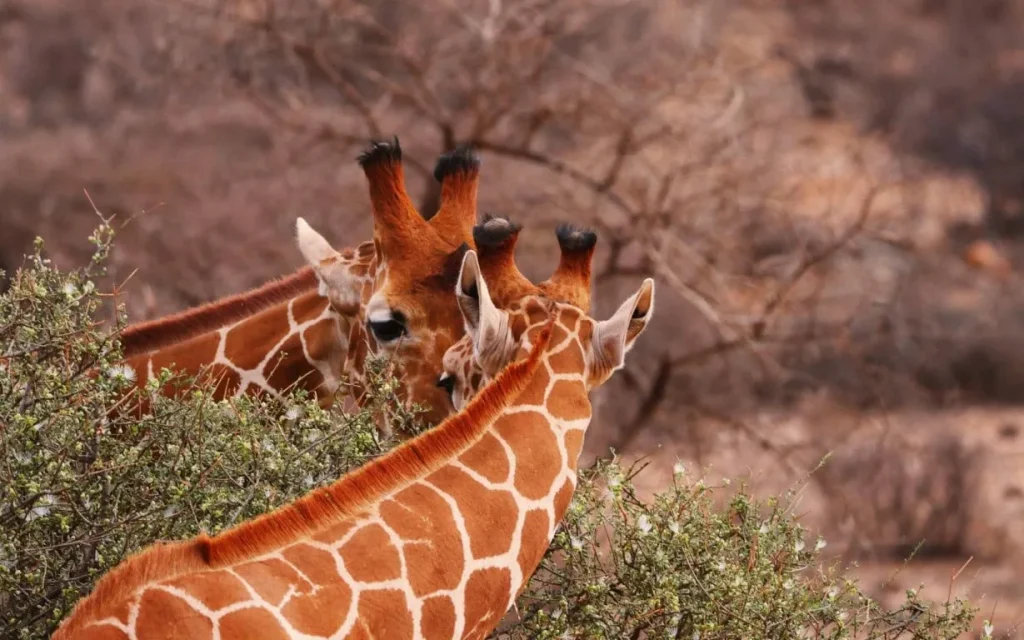
Northern Kenya contains important community conservancy landscapes. These areas support wildlife such as elephants, Grevy's zebras, reticulated giraffes and predators. Community conservancies can contribute to wildlife protection while supporting local livelihoods. The effectiveness and structure of individual programmes vary, so travellers should select experiences carefully.
Samburu and neighbouring areas are particularly rewarding for visitors interested in the relationship between wildlife conservation and pastoralist communities.
Nairobi National Park offers an unusual conservation perspective because it is located beside a major city. The park supports rhinos, lions, buffaloes, giraffes and numerous bird species. Its location highlights the challenges of maintaining wildlife habitats close to expanding urban development. Visitors can explore the park while learning about habitat connectivity and the pressures facing protected areas near large population centres.
Rhinoceroses are among the most important species associated with Kenya conservation safaris. Kenya supports black and southern white rhinos, both of which require sustained protection and management. Black rhinos are generally browsers and often use woodland or thicker vegetation.
Southern white rhinos are primarily grazers and may be encountered in more open habitats. Rhino conservation involves monitoring populations, protecting habitat, preventing poaching and managing genetic diversity. Some conservation areas maintain specialised protection teams and monitoring programmes.
Travellers should understand that sensitive operational details may not be shared publicly. A responsible rhino conservation experience focuses on education and appreciation rather than access to restricted security activities.
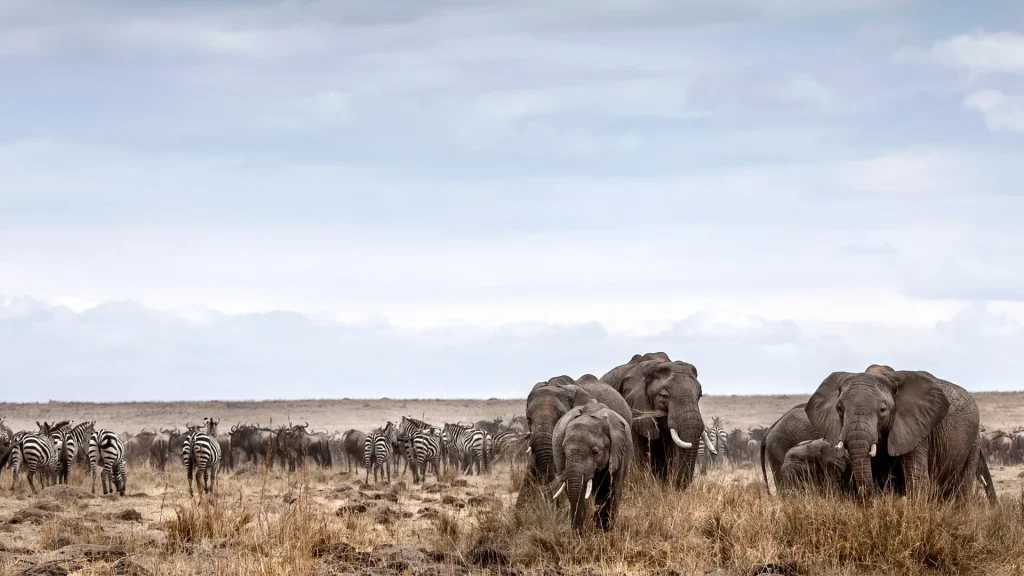
Elephants are among Kenya's most recognisable wildlife species. They play important ecological roles by shaping vegetation, dispersing seeds and influencing the structure of habitats. Elephants also have complex social relationships, with family groups often led by experienced females.
Conservation challenges include habitat loss, human-wildlife conflict and barriers to movement between suitable habitats. Amboseli, Tsavo and northern Kenya provide opportunities to observe elephants and learn about their ecological importance. A conservation-oriented guide can explain how elephant behaviour, seasonal movement and habitat use influence management decisions.
Lions, leopards, cheetahs and other predators are essential components of Kenya's ecosystems. However, predators may come into conflict with livestock owners when they move outside protected areas. Conservation programmes may involve improved livestock protection, community engagement and wildlife monitoring.
The Masai Mara ecosystem is particularly suitable for discussing predator conservation because wildlife inhabits a landscape that includes protected reserves, conservancies and surrounding community areas. Travellers should avoid activities that disturb predators or interfere with hunting behaviour.
The Grevy's zebra is one of northern Kenya's distinctive wildlife species. It differs from the more widespread plains zebra in appearance, body size and ecological requirements. Grevy's zebras are associated with dry northern landscapes and face conservation challenges related to habitat conditions, competition for resources and other pressures.
Samburu, Lewa and selected northern conservancies provide opportunities to observe the species. A conservation safari can introduce travellers to the importance of protecting wildlife that receives less international attention than elephants or lions.
Community participation is central to many conservation programmes in Kenya. Wildlife frequently moves across landscapes used for livestock grazing, agriculture and settlement. Conservation cannot succeed over the long term without considering the needs and rights of people living in these areas.
Community conservancies may create opportunities for employment, tourism income, land-management agreements and other benefits. However, the distribution of benefits and the effectiveness of conservation arrangements differ between projects. Travellers should seek operators and accommodation providers that can explain how local communities participate in decision-making and benefit from tourism.
A responsible safari respects wildlife, habitats and local communities. In practice, that usually means:
Arrive at Jomo Kenyatta International Airport and transfer to your hotel. Depending on arrival time, meet your safari representative for an introduction to Kenya's conservation landscape. Discuss the destinations, wildlife interests and conservation themes covered during the journey.
Overnight in Nairobi.
After breakfast, travel north towards Laikipia. The journey passes through changing landscapes before reaching Ol Pejeta Conservancy. Enjoy an afternoon game drive, looking for rhinos and other wildlife. Your guide will introduce the conservancy's role in wildlife protection.
Overnight in the Ol Pejeta area.
Spend the day exploring Ol Pejeta. Game drives may provide opportunities to observe rhinos, elephants, buffaloes and predators. Depending on availability and advance arrangements, selected conservation education activities may be included. The focus is on understanding wildlife management and the challenges of protecting endangered species.
Overnight in Ol Pejeta.
Depart towards Samburu National Reserve. The landscape becomes drier as the route approaches northern Kenya. Enjoy an afternoon game drive. Look for elephants, reticulated giraffes, Grevy's zebras and other northern wildlife species.
Overnight in the Samburu region.
Spend the day exploring Samburu's wildlife habitats. The guide will discuss the importance of riverine environments and the conservation challenges facing northern Kenya's wildlife. Where appropriate and available, the itinerary may include a carefully selected community conservation learning experience.
Overnight in Samburu.
Travel towards the Great Rift Valley and Lake Nakuru National Park. This is a substantial journey, so the programme should allow adequate time for stops. Depending on arrival time, enjoy an introductory game drive. Lake Nakuru is an important rhino conservation area.
Overnight in or near Lake Nakuru.
Spend the day exploring Lake Nakuru National Park. Look for rhinos, buffaloes, giraffes and numerous bird species. Your guide will discuss protected-area management and the role of habitat conservation. The park's varied landscapes provide opportunities to observe wildlife in different environments.
Overnight in the Lake Nakuru area.
After breakfast, return to Nairobi. The journey provides an opportunity to reflect on the conservation themes explored during the safari. Arrive for your onward transfer or additional accommodation. This itinerary can be extended to include the Masai Mara or Amboseli.
Accommodation selection is particularly important for responsible travel. Travellers may prefer properties that demonstrate credible environmental practices and meaningful community relationships. However, sustainability claims should be assessed carefully. A lodge describing itself as eco-friendly is not automatically operating to a high conservation standard.
Useful questions include how the property manages water, waste and energy, how it employs local staff and whether it contributes to recognised conservation initiatives. Safari Trips to Kenya offers Essential, Comfort, Premium and Signature accommodation categories, allowing travellers to balance comfort and budget.
Conservation-oriented travel is possible throughout the year. January to March often provides relatively dry conditions in several regions. April and May can bring heavier rainfall, which may affect road access and outdoor activities. June to October is a popular period for wildlife viewing.
November and December may bring short rains and greener landscapes. The best season depends on the destinations and conservation activities included. Some educational experiences may have restricted schedules or require advance reservations.
Tourism can generate revenue through park fees, conservancy charges, accommodation and guiding services. These funds may support wildlife protection, habitat management and local employment. However, the conservation impact of tourism depends on how businesses operate and how revenue is distributed.
Travellers can make more informed choices by asking about conservation contributions and community partnerships. Longer stays in carefully selected destinations may also reduce unnecessary travel while supporting local tourism businesses.
A family conservation safari can introduce children and teenagers to wildlife ecology and environmental responsibility. Guides can explain animal behaviour, food chains, habitat relationships and conservation challenges in an accessible way. Rhino conservation areas can be particularly valuable for learning about endangered species.
Families should choose age-appropriate activities and avoid overly long travel days. Educational experiences should be engaging without disturbing animals or disrupting conservation work.
Students and academic groups may be interested in conservation-oriented itineraries. Possible themes include wildlife ecology, protected-area management, community conservation and environmental change. However, a tourism safari is not equivalent to a scientific research placement.
Research activities may require institutional permissions, ethical approvals and additional arrangements. Travellers seeking formal research participation should contact relevant organisations well in advance.
The price depends on the duration, destinations, accommodation category and number of travellers. Conservancy fees may differ from national park entry fees. Special educational activities can involve additional charges or require advance arrangements. Private transport and guiding costs are shared among the travelling party.
A detailed quotation should explain what is included and identify any optional activities.
It is a wildlife holiday that combines game viewing with opportunities to learn about wildlife protection, habitats and conservation programmes.
Ol Pejeta Conservancy, Lewa Wildlife Conservancy and Lake Nakuru are important rhino conservation destinations.
Some organisations offer educational experiences, but participation depends on the programme, permissions and availability.
Yes. They can provide valuable educational experiences for children and adults.
Yes. Wildlife viewing is usually an important part of the itinerary.
Yes, where visitor access is permitted and suitable arrangements are available.
Costs vary. Some conservancies have additional fees, while other itineraries can be arranged within moderate budgets.
Yes. Several conservation destinations offer Premium and Signature accommodation.
A Kenya conservation safari provides an opportunity to experience wildlife while developing a deeper understanding of the work required to protect it. Safari Trips to Kenya can arrange customised itineraries covering Ol Pejeta, Lewa, Samburu, Lake Nakuru, the Masai Mara and other suitable destinations. Whether your interests include rhino conservation, elephants, community conservancies or responsible wildlife tourism, we can help create a programme that combines meaningful learning with rewarding safari experiences. Contact Safari Trips to Kenya with your travel dates, preferred duration and conservation interests to request a personalised Kenya conservation safari package.