
Tsavo East & West
Red Elephants, Vast Wilderness, Volcanic Landscapes and Classic Kenya Safaris
Tsavo is one of Africa’s great wilderness regions — a vast southern Kenya safari landscape divided between Tsavo East National Park and Tsavo West National Park, together forming one of Kenya’s largest and most varied protected ecosystems.
It is about scale: red-earth plains, volcanic hills, springs, rivers and long horizons. Elephants, lions and other wildlife occur — none of those sightings can be guaranteed. Tsavo is not a substitute for the Masai Mara.
- Location Southern and southeastern Kenya
- Main parks Tsavo East and Tsavo West National Parks
- Famous for Red elephants, wilderness and volcanic scenery
- Typical Stay 3–5 nights for East + West
- Access Road from Nairobi, Mombasa, Diani and Amboseli
- Best For Wilderness, photography, families and safari-and-beach
Overview
Tsavo East is the open red-earth half: Galana River, Yatta Plateau and the dust-coated elephants that make the destination famous. Tsavo West is the volcanic half: hills, lava and Mzima Springs. They are complementary, not substitutes — a complete Tsavo safari uses both when time allows.
The Mara is comparatively compact and famous for concentrated predator viewing. Tsavo is famous for wilderness. Game drives can cover enormous distances through changing country, often with fewer vehicles. Individual lions and elephants are never guaranteed.
Its position between Nairobi, Amboseli and the Kenya Coast makes Tsavo the backbone of efficient southern circuits: Nairobi → Amboseli → Tsavo West → Tsavo East → Diani, or Mombasa → Tsavo East → Tsavo West → Amboseli → Nairobi.

Why Visit Tsavo?
Tsavo rewards travellers who want enormous landscapes, red-earth elephants, volcanic scenery and the feeling of genuine wilderness — not a compact predator circuit.
-
One of Kenya’s greatest wilderness landscapes
Many parks are famous for wildlife density. Tsavo is famous for space: long horizons, few other vehicles and huge areas of undeveloped habitat. The experience is exploration as much as checklist viewing.
-
Tsavo’s famous red elephants
The reddish appearance comes from iron-rich dust, not a different species. After bathing, elephants throw soil over their bodies. In Tsavo East that soil is red-orange. Sightings are never guaranteed.
-
Two completely different national parks
East is broader, flatter and drier. West is hillier, more volcanic and more topographically varied. Visit both rather than treating one as a stand-in for the other.
-
Excellent elephant country
Elephants may appear alone, in family groups or around water. Behaviour can include feeding, dust bathing, drinking and caring for calves. Photographers often look for red-dust animals against open plains.
-
Lions, leopards and cheetahs
Lions occur across the ecosystem; leopards use riverine, rocky and woodland cover, especially in West; cheetahs may use open habitats. None of those predators can be promised on a given drive.
-
Safari-and-beach logistics
Tsavo sits between Nairobi and the Indian Ocean, so it pairs naturally with Amboseli, Diani and Mombasa. That geography is one of the strongest reasons to include it on a Kenya itinerary.
Understanding Tsavo East and Tsavo West
The most important planning decision is whether to visit Tsavo East, Tsavo West or both. This parent introduces the combined ecosystem. Each park hub owns its own landscapes, and the comparison page owns the detailed choice.
-
Tsavo East: open red plains
Vast open wilderness, red soil, the Galana River and the Yatta Plateau. Visibility can be broader than in West, which helps wildlife viewing when animals are on the plains.
-
Galana River and Yatta Plateau
The Galana corridor draws elephants, crocodiles, hippos where water allows, birds and sometimes predators. The Yatta Plateau is a major geological landmark on the East side.
-
Tsavo West: volcanic and intimate
Hills, lava, woodland, viewpoints and more broken terrain. West is more visually complex and especially strong for landscape photography.
-
Mzima Springs
One of West’s most famous attractions: an unexpectedly lush spring system with hippos, crocodiles, birds and surrounding vegetation inside a largely dry safari region.
-
Chyulu Hills next door
Travellers interested in volcanic geology can add Chyulu Hills for green hills, lava and walking — a landscape neighbour, not a Tsavo substitute.
Top Things to Do in Tsavo
-

Morning and Afternoon Game Drives
Cooler mornings for active predators and elephant movement; late afternoon for warm light. Full-day drives suit a park this large — carry water, binoculars and a packed lunch where arranged.
-

Elephant photography
Red elephants, family groups, dust bathing and animals set in broad landscapes. A private vehicle helps. Individual animals are never guaranteed.
-
Mzima Springs
The key West attraction: springs, hippos, crocodiles and a lush contrast with dry volcanic country.
-

Galana River and volcanic country
East’s river corridor and West’s lava landscapes give two different photographic days on the same safari.
-

Birdwatching
Habitat range from springs and rivers to dry plains supports a long bird list. Specialist notes live on the birds page.
-
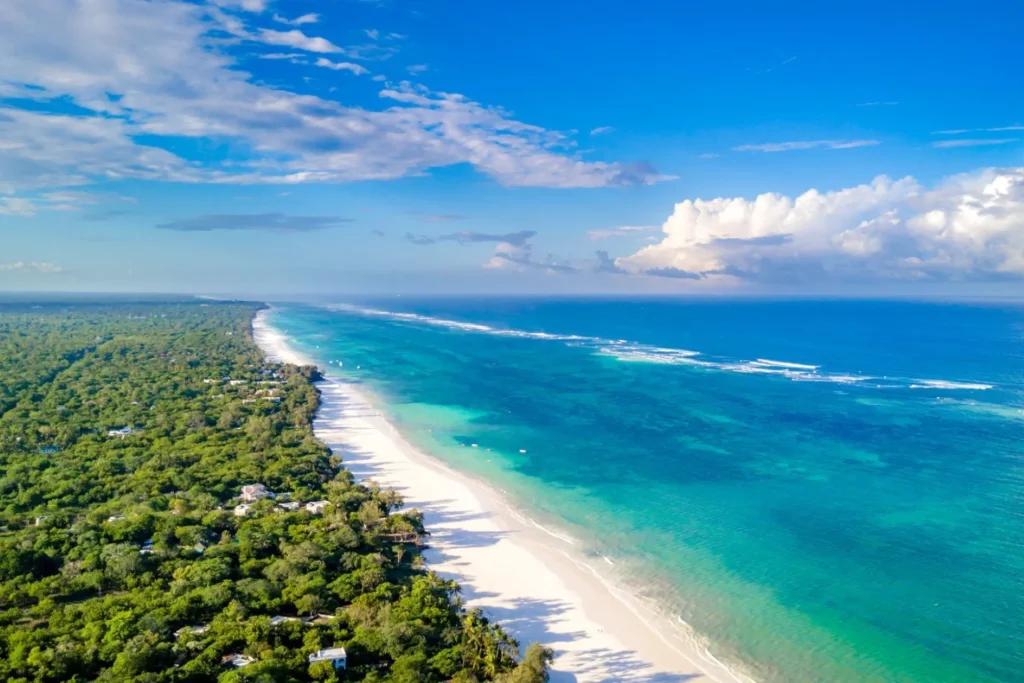
Combine safari and coast
One of Tsavo’s greatest logistical advantages: finish in Diani or Mombasa, or start on the coast and drive inland.
Plan a Tsavo Safari
Shared Tsavo catalogs for East and West: itineraries, photography, families, costs and first-time questions.
- Tsavo Safaris Browse Tsavo itineraries by duration and camp style.
- Safari Packages Ready-made circuits that include Tsavo with Amboseli or the Kenya Coast.
- Things to Do Game drives, Mzima Springs, the Galana River and photography.
- Photography Safari Red earth, volcanic country and environmental wildlife images.
- Family Safari Paced private safaris that work well for children.
- Safari Cost What a Tsavo stay actually costs — lodges, fees and transfers.
- Entrance Fees Current park-fee notes, quoted when we plan your safari.
- Travel Guide Practical destination notes for first-time visitors.
Wildlife & Birds
Tsavo supports elephants, lions, leopards, cheetahs, buffaloes, giraffes, zebras, antelopes, hippos, crocodiles, hyenas and a wide bird list. Elephants are the signature animals; predators occur but are never guaranteed. Do not treat Tsavo as a guaranteed Big Five checklist.
Red colouring on elephants is temporary dust, not a separate species. Hippos and crocodiles concentrate at permanent water, including Mzima Springs and suitable river habitat. Specialist species pages live in the Tsavo silo rather than on this parent.
-
Red elephants
Dust bathing in iron-rich soil creates the famous reddish appearance. Strongest imagery is associated with Tsavo East. Never a different species; never guaranteed.
-
Lions
An important predator across the ecosystem. Historical “man-eater” stories belong to the railway era; a modern safari should focus on ecology, not sensational history. Sightings are never guaranteed.
-
Leopards and cheetahs
Leopards remain elusive; West’s broken terrain can be good habitat. Cheetahs may use open country. Neither is a promised sighting.
-
Buffaloes, giraffes and plains game
Buffaloes gather near rivers, springs and grazing. Giraffes photograph well against red earth and acacias. Zebras and antelopes use the open and bush habitats.
-
Hippos and crocodiles
Associated with permanent water — Mzima Springs in West and suitable river habitat including the Galana.
-
Birds
Raptors, hornbills, rollers, bee-eaters, ostriches, bustards, waterbirds and woodland species across both parks. Serious birders should allow time in East and West.
Wildlife & Photography Guides
Elephants, predators and East vs West landscapes — sightings are never guaranteed.
- Tsavo Wildlife Elephants, predators and plains game across the greater Tsavo ecosystem — never guaranteed.
- Tsavo Red Elephants Dust-coated elephants on iron-rich soil — colouring is temporary, not a different species.
- Birds of Tsavo Dry-country and riverine birdlife around springs, rivers and water points.
- Tsavo East vs Tsavo West Open red plains versus volcanic hills and Mzima Springs — complementary, not substitutes.
Best Time to Visit

Tsavo can be visited through much of the year. Dry periods often improve visibility and concentrate wildlife around water, though landscapes can be dusty. Green periods bring greener scenery, dramatic skies and bird activity, with muddier roads and more dispersed animals. Month-by-month weather belongs on the dedicated pages.
-
Dry season
Improved visibility, wildlife around water and generally easier roads. Dust can create dramatic backlit photographs — and coat cameras.
-
Green season
Greener landscapes, skies, bird activity and sometimes fewer visitors. Heavy rain can slow tracks and spread animals away from permanent water.
-
Heat and dust
Tsavo is generally warm to hot, with strong midday temperatures. Pack for sun and dust even in greener months.
How to Get There

-
Nairobi to Tsavo
A classic overland start, often via Amboseli. Driving time depends on traffic, stops and lodge location. Detailed Nairobi logistics live on the dedicated page.
-
Mombasa, Diani and fly-in
Tsavo is one of Kenya’s most practical safaris from Mombasa and the south coast. Air access is possible for shorter luxury stays. Check schedules for travel dates and camp location.
Where to Stay
Lodges and camps range from wilderness luxury to simpler budget stays. Location affects drive times to Galana, Mzima and the park gates as much as the room itself. Start with the Tsavo accommodation page, then luxury or budget if you already know the category. The wider accommodation silo also has Tsavo West lodges, family lodges and a Tsavo lodging guide.
View Tsavo LodgesWhere to Stay in Tsavo
Lodges and camps across Tsavo East, Tsavo West and the wider ecosystem. Location affects drive times as much as the room.
How Many Days Do You Need in Tsavo?
One day is too short for the broader ecosystem — it may work only as a limited coast excursion into one section. Two nights suit a short East or West safari. Three nights are stronger for one park or a fast combination. Four nights work well for East + West. Five nights allow slower exploration. For most travellers visiting both parks, three to five nights is the useful range.
Tsavo Safari Cost
Price depends on nights, lodge category, travellers, private vehicle, road versus fly-in, season and whether you start in Nairobi, Mombasa or Diani. A short coast safari has a different structure from a private Nairobi–Amboseli–Tsavo circuit. We confirm current rates when we send a quote rather than publishing a permanent table here.
What usually increases the cost
- Luxury lodges and private vehicles
- Internal flights
- Peak dates and single occupancy
- Custom photographic arrangements
How to keep costs in check
- Road travel from Nairobi or the coast
- Mid-range camps and a shared vehicle as a small group
- Three to five well-paced nights covering both parks
- Avoiding unnecessary one-night stops
First Safari, Families & Practical Planning
-
Families
Tsavo works well for families, especially with a coast finish: elephants, lodge pools and varied landscapes. Long distances can tire children, so pacing matters. Use a private vehicle and honest drive times.
-
Honeymooners and photographers
Couples often want fewer vehicles, scenic lodges and privacy — a strong Amboseli → Tsavo → Diani line. Photographers come for red elephants, volcanic scenery, Mzima, dust and sunsets. A private vehicle is particularly valuable.
-
What to pack
Lightweight neutral clothing, hat, sunglasses, sunscreen, insect repellent, binoculars, camera, reusable bottle, a light fleece for early drives, personal medication and dust protection for lenses. Tsavo can be hot and dusty in dry periods.
-
Responsible safari travel
Stay on authorised roads, keep wildlife distance, never block elephants, never feed animals, keep noise low, reduce plastic and follow ranger instructions. Corridors beyond the parks matter for long-ranging elephants.
Tsavo vs Amboseli, the Masai Mara and Samburu
Choose Tsavo for wilderness, longer game drives, red elephants and varied East–West landscapes. Choose Amboseli for Kilimanjaro, concentrated elephant viewing and wetlands. Mountain views and individual animals are never guaranteed. The strongest southern option is to combine both.
The Mara is better for predator density, the Great Migration and compact open savannah — Tsavo is not a Mara substitute. Samburu is stronger for northern specialist species such as Grevy’s zebra, reticulated giraffe and gerenuk. A comprehensive Kenya safari can include Tsavo with the Mara or Samburu for ecological contrast.
Choose Tsavo for
- Wilderness scale and fewer vehicles
- Red elephants and open East plains
- Mzima Springs and volcanic West
- Safari-and-coast routing from Nairobi or Mombasa
Pair with
- Amboseli for Kilimanjaro and wetland elephants
- Diani or Mombasa for an Indian Ocean finish
- Chyulu Hills for green volcanic walking country
- Masai Mara for concentrated predators — never a Tsavo replacement
Combine Tsavo with Other Destinations
East, West, Amboseli, Chyulu, coast and Mara pairings around the greater Tsavo ecosystem.
- Tsavo East Open red plains, Galana River, Yatta Plateau and dust-coated elephants.
- Tsavo West Volcanic hills, lava country and Mzima Springs — complementary, not a substitute for East.
- Amboseli Kilimanjaro wetlands then Tsavo wilderness. Mountain views are never guaranteed.
- Chyulu Hills Green volcanic hills and walking country between Amboseli and Tsavo.
- Diani Beach The classic safari-and-beach finish after Tsavo East.
- Mombasa Swahili coast gateway — Fort Jesus and Old Town before or after wilderness.
- Masai Mara Concentrated predators and open savannah — not a Tsavo substitute. River crossings are never guaranteed.
- Amboseli + Tsavo Classic southern Kenya road safari.
- Five days Amboseli and Tsavo A slower southern circuit with more park time.
- East and West safari Both sides of the greater Tsavo ecosystem in one itinerary.
- Tsavo + Diani Beach Wilderness then the Kenya Coast.
- Mombasa to Tsavo A practical coastal starting point for Tsavo.
- Nairobi to Tsavo Overland from the capital into the greater Tsavo ecosystem.
- Diani to Tsavo A south-coast starting point for red-earth wilderness.
Travel Tips
- Allow three to five nights if you want both Tsavo East and Tsavo West.
- Red elephants are dust-coated, not a different species. Sightings are never guaranteed.
- East and West are complementary — not substitutes for each other or for the Mara.
- A strong route is Nairobi → Amboseli → Tsavo West → Tsavo East → Diani.
FAQs
Where is Tsavo?
Tsavo lies in southern and southeastern Kenya between Nairobi and the Indian Ocean coast.
Is Tsavo one national park?
No. The safari region is primarily divided into Tsavo East National Park and Tsavo West National Park.
Which is better, Tsavo East or Tsavo West?
Neither is universally better. East is open red plains, Galana and red elephants. West is volcanic, more intimate and home to Mzima Springs. Visit both when time allows.
What is Tsavo famous for?
Elephants, red-earth landscapes, enormous wilderness, lions and volcanic scenery. Individual sightings can never be guaranteed.
Why are Tsavo elephants red?
They coat themselves in the region’s red dust. They are not a different species.
Can I see lions, leopards or cheetahs?
Lions, leopards and cheetahs occur in suitable habitats. Leopards remain elusive. None of those sightings can be guaranteed.
Are there rhinos?
Rhinos are associated with parts of the wider Tsavo conservation landscape, but Tsavo should not be marketed as Kenya’s most reliable rhino destination. Ol Pejeta is stronger for rhino-focused viewing.
How many days do I need?
Three to five nights works particularly well if visiting both East and West. Two nights suit a short stay in one park.
Can I combine Tsavo with Amboseli, Diani or Mombasa?
Yes. Amboseli plus Tsavo is one of southern Kenya’s strongest road combinations. Diani and Mombasa are the classic coast pairings.
Is Tsavo a substitute for the Masai Mara?
No. The Mara is stronger for predator density and the Great Migration. Tsavo is stronger for wilderness scale, elephants and safari-and-coast routing. A comprehensive safari can include both.
Is Tsavo suitable for families?
Yes, especially on a paced private itinerary and when combined with the coast. Long distances need honest planning.
How do I get there, and what does it cost?
Most travellers arrive by road from Nairobi, Mombasa or Diani. Cost and park fees depend on dates, lodges and routing — we confirm current figures when we send a quote.
Browse Tsavo Guides
This parent introduces the combined Tsavo ecosystem. Child pages own safaris, packages, wildlife, red elephants, birds, activities, seasons, costs, access and lodges.
No pages match that search.
Safari planning 4 pages
Wildlife 4 pages
Activities 2 pages
When to travel 2 pages
Costs and getting there 8 pages
Where to stay 3 pages
Ready to Explore Tsavo?
Tsavo works best when travellers recognise its scale. Trying to “do Tsavo” in a rushed single day misses much of what makes it special. For a comprehensive experience, allow around three to five nights.
A strong line can run Nairobi → Amboseli → Tsavo West → Tsavo East → Diani or Mombasa. From the coast: Mombasa or Diani → Tsavo East → Tsavo West → coast. Lions, elephants and river wildlife are never guaranteed.
Tell us your dates, travellers, lodge category, number of safari nights, whether you want East, West or both, whether elephants or photography matter, and whether you want Amboseli or a Kenya Coast start or finish. We can then send a quote for the route.
- Tailor-Made Safaris
- Best Price Guarantee
- No Hidden Costs
- 24/7 Support
- Local Safari Experts 24/7 support in Kenya
- Tailor-Made Safaris Personalized to your needs
- Best Price Guarantee No hidden costs
- Responsible Tourism Travel with a positive impact