

Birds of Tsavo
The birds of Tsavo are an important part of one of Kenya’s largest and most varied wildlife landscapes. Although Tsavo is best known for its red-dusted elephants, dramatic scenery and extensive wilderness, its two national parks also offer rewarding birdwatching across dry savannah, acacia woodland, riverine vegetation, rocky hills and freshwater habitats.
Tsavo East National Park and Tsavo West National Park provide contrasting birdwatching experiences. Tsavo East is characterised by expansive plains, dry bushland and river systems, while Tsavo West contains more varied terrain, including volcanic landscapes, woodland, hills and important water sources. Together, the parks support hundreds of bird species, with diverse habitats attracting hornbills, rollers, bee-eaters, ostriches, bustards, starlings, kingfishers, raptors and numerous smaller birds, while wetland and riverine habitats introduce additional species that may be absent from the driest parts of the ecosystem.
For visitors travelling between Nairobi and Kenya’s Indian Ocean coast, Tsavo is also a practical safari destination where birdwatching can be combined with traditional wildlife viewing and incorporated into itineraries continuing to Mombasa, Diani Beach or Watamu. A successful Tsavo Birdwatching Safari should focus on habitat diversity rather than simply trying to cover the greatest possible distance. Bird activity varies with rainfall, vegetation, water availability and time of day, so careful planning and patient observation are particularly valuable.
Why Tsavo Is an Important Birdwatching Destination
The greater Tsavo ecosystem lies in southeastern Kenya and contains extensive dryland habitats influenced by seasonal rainfall, with vegetation and wildlife activity responding to changes in moisture and available food. This environment supports birds adapted to relatively dry conditions: some species feed on the ground, others use thorny bushes for shelter, and many raptors rely on open spaces for hunting.
However, Tsavo is not entirely dry. Rivers, springs and wetlands create important areas of biological productivity that attract birds depending on water, fish, aquatic insects or denser vegetation, and the contrast between dry bushland and freshwater environments is particularly important for bird diversity. Tsavo also offers a relatively uncrowded atmosphere in many areas compared with some of Kenya’s most frequently visited safari destinations, so its vast landscapes can make birdwatching feel exploratory, especially when travelling with a knowledgeable guide.
For experienced birdwatchers, the parks offer opportunities to observe dry-country species alongside birds associated with riverine and woodland habitats. For beginners, larger birds such as hornbills, ostriches, storks and raptors provide an accessible introduction to Kenya’s birdlife.
Birds of Tsavo East National Park
Tsavo East National Park is characterised by extensive open landscapes, semi-arid bushland, scattered trees and the Galana River system. Its relatively open terrain can be rewarding for observing larger birds and species that use exposed perches. Birdwatchers may encounter hornbills, rollers, starlings, bustards, ostriches and various birds of prey, and the Galana River and associated vegetation introduce additional opportunities for observing birds that depend on water and denser habitats.
Open-Country Birds
Open plains and sparse vegetation provide habitat for birds adapted to ground feeding and hunting. Ostriches are among the most conspicuous large birds that may be encountered in suitable areas, while bustards and other ground-dwelling species can be more difficult to locate because their plumage blends with dry vegetation. Slow driving and careful scanning improve the chances of detecting movement.
Woodland and Bushland Birds
Acacia woodland and thorny bushland support numerous smaller species. Hornbills may be seen moving between trees, while rollers and bee-eaters often use exposed branches as hunting perches, and starlings and weavers add colour and activity to these habitats.
Riverine Birds
The Galana River supports an important ecological corridor, and suitable riverine habitats may attract kingfishers, herons, egrets and other birds associated with water. Birdwatchers should also examine the surrounding trees, where different species may feed or rest. River access must follow park regulations and wildlife safety procedures.
Birds of Tsavo West National Park
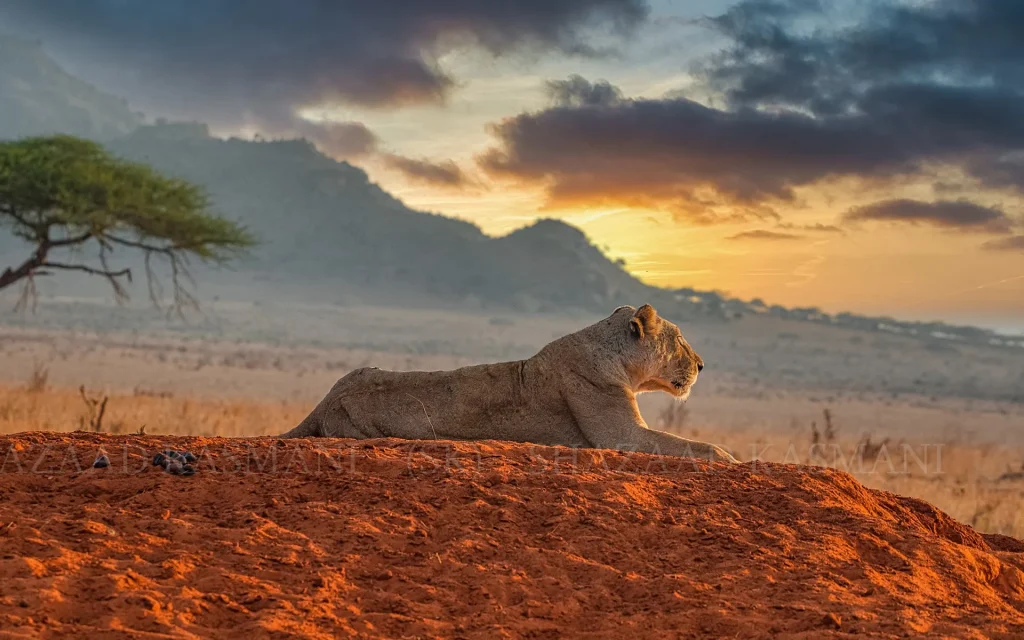
Tsavo West National Park offers a more varied landscape, with volcanic features, rocky hills, woodland, open plains and important water sources. This diversity creates opportunities to observe bird communities associated with different habitats, and Tsavo West is particularly attractive to travellers who enjoy combining birdwatching with scenery and traditional game viewing.
Mzima Springs
Mzima Springs is one of Tsavo West’s best-known attractions. The springs provide freshwater habitats within a generally dry region, and birdwatchers may encounter kingfishers, herons, cormorants and other birds associated with suitable aquatic environments. The surrounding vegetation can also support woodland species. Visitors should follow designated access arrangements and remain attentive to wildlife safety instructions, as hippos and crocodiles inhabit the wider aquatic environment.
Woodland Habitats
Woodland areas support hornbills, woodpeckers, starlings and other birds. Some species remain concealed in foliage and are more easily detected by their calls, and early morning excursions can be especially productive.
Rocky Hills and Open Country
Rocky terrain and elevated areas may provide suitable perches or nesting locations for raptors, while open country supports species adapted to grassland and dry savannah. Birdwatchers should scan both the sky and exposed branches.
Notable Birds to Look for in Tsavo
Ostriches
The Common Ostrich is among the largest birds associated with Kenya’s open savannah habitats. Its long legs, powerful body and flightless lifestyle make it distinctive. Ostriches may be observed walking or running across suitable open terrain, and their presence depends on local habitat conditions and natural movements.
Hornbills
Hornbills are among the most recognisable birds of dry woodland and savannah. Their large bills and characteristic movements make them interesting to observe, and different species occupy different habitats and may feed on insects, fruit or small animals. Birdwatchers should examine exposed branches and trees along game-drive tracks.
Lilac-breasted Roller
The Lilac-breasted Roller is admired for its bright plumage. It often perches on exposed branches while watching for insects and other prey, and its colours can contrast beautifully with Tsavo’s dry landscapes.
Bee-eaters
Bee-eaters are colourful, agile birds that catch flying insects. They may return repeatedly to favourite perches after hunting, and their rapid movements make them particularly interesting photographic subjects.
Starlings
Tsavo’s dry-country habitats support various starlings. Some have striking metallic plumage, while others are more subdued, and their social behaviour and vocalisations can make them conspicuous.
Secretarybird
The Secretarybird is associated with suitable open grassland and savannah habitats. Its long legs and upright posture distinguish it from other birds of prey, and it hunts primarily while walking across the ground. Sightings should be considered rewarding rather than guaranteed.
Kori Bustard
The Kori Bustard is a large ground-dwelling bird associated with open savannah. Its mottled plumage provides camouflage against dry vegetation, and careful scanning is often necessary to detect it.
Birds of Prey in Tsavo
Tsavo’s extensive landscapes provide habitat for a variety of raptors. Eagles, vultures, hawks and other birds of prey may be observed soaring above open country or resting in trees.
Martial Eagle
The Martial Eagle is a powerful African raptor associated with savannah and woodland. It hunts a variety of vertebrate prey, and because of its extensive habitat requirements and conservation pressures, sightings are particularly special.
Bateleur
The Bateleur is recognised by its short tail and distinctive flight silhouette. It often spends considerable time soaring while searching for food.
Tawny Eagle
The Tawny Eagle is associated with open woodland and savannah. Its plumage varies, so identification may require attention to body shape and other characteristics.
Vultures
Vultures play an important ecological role by consuming carrion. Their populations face threats in many parts of Africa, including poisoning and habitat-related pressures, and observing vultures provides an opportunity to understand the importance of scavengers in maintaining ecosystem health.
Waterbirds and Riverine Species
Although Tsavo is often associated with dry landscapes, its rivers and springs support important aquatic habitats. Birds associated with suitable water sources may include herons, egrets, kingfishers, cormorants and storks, and their feeding techniques differ considerably: kingfishers may dive towards prey, herons often wait patiently in shallow water, and cormorants pursue fish underwater. These differences demonstrate how multiple bird species can share a habitat while using different food resources. Waterbird sightings depend on local conditions, and not every species will be present at every water source.
Best Places for Birdwatching in Tsavo
Galana River
The Galana River is an important feature of Tsavo East. Its surrounding vegetation provides habitat for birds associated with water and woodland, and observation opportunities depend on road access, water levels and wildlife activity.
Aruba Dam Area
The Aruba Dam area in Tsavo East may attract wildlife and birds when suitable water conditions exist, and its productivity changes with rainfall and water availability.
Mzima Springs
Mzima Springs provides freshwater habitats and opportunities to observe birds associated with water and surrounding vegetation.
Acacia Woodland
Woodland habitats throughout the parks are important for hornbills, rollers, starlings and smaller birds.
Open Plains
Open landscapes provide opportunities to observe ostriches, bustards, secretarybirds and raptors.
Best Time for Birdwatching in Tsavo
Birdwatching in Tsavo is possible throughout the year. However, seasonal rainfall influences vegetation, water availability and bird activity. The generally drier periods often provide easier game-drive conditions and clearer visibility across open landscapes. During wetter periods, vegetation may become greener and insect abundance may increase, and some birds become more vocal during breeding periods. Migratory birds from the northern hemisphere may be present during approximately November to April, although rainfall patterns vary and weather conditions can affect road access. For travellers with particular target species, recent observations and specialist guiding are useful.
Bird Photography in Tsavo
Tsavo Bird Photography benefits from the parks’ open landscapes and distinctive colours. The reddish soil and dry vegetation can create attractive backgrounds for birds, and large birds such as ostriches, bustards and raptors may provide opportunities for environmental portraits. Colourful rollers and bee-eaters can be photographed from suitable distances. A telephoto lens is recommended for detailed bird photography, and early morning and late afternoon often provide softer light. Strong midday sunlight and heat shimmer can reduce image quality, particularly when photographing distant subjects. Photographers should avoid disturbing wildlife or encouraging guides to leave authorised tracks.
Combining Birdwatching with Tsavo Wildlife Safaris
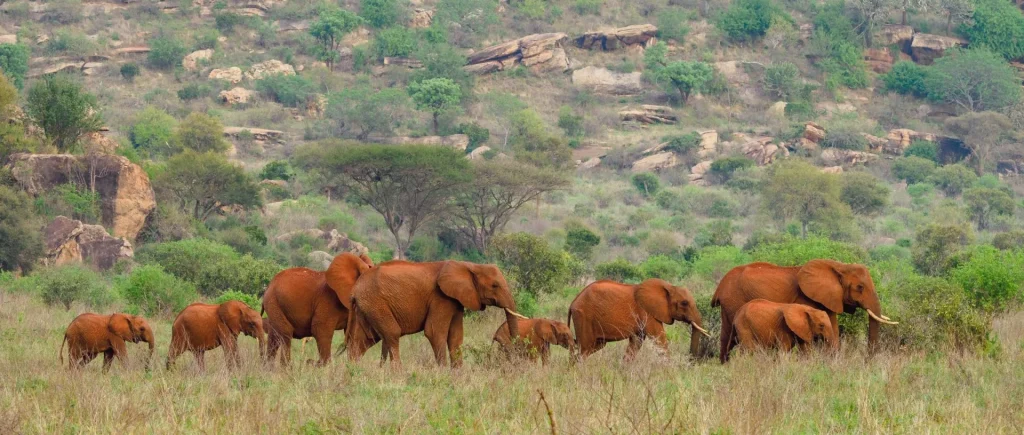
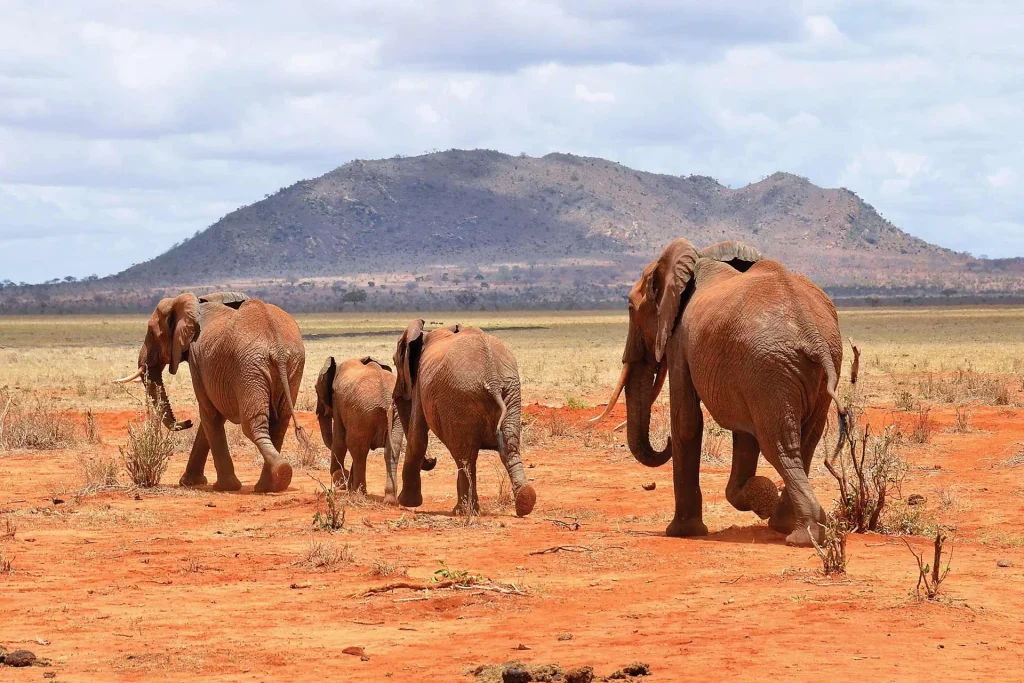
Tsavo is internationally recognised for its elephant populations. Tsavo East is particularly associated with elephants that may appear reddish because of dust and soil. Other wildlife may include buffaloes, giraffes, zebras, antelopes and predators, though sightings depend on natural movements and conditions. A combined Tsavo Wildlife Safari allows visitors to enjoy both birds and mammals. Birdwatching can add interest during quieter periods between major mammal sightings, and a knowledgeable guide can explain bird behaviour while exploring the wider ecosystem.
Suggested Three-Day Tsavo Birdwatching Safari
Day 1: Nairobi to Tsavo East
Depart Nairobi in the morning and travel towards Tsavo East National Park. The journey takes several hours, depending on traffic, route and accommodation location. After entering the park, begin exploring suitable habitats and look for hornbills, rollers, raptors and ground-dwelling birds. Continue to your lodge or camp for lunch or a suitable break, enjoy an afternoon game drive focusing on birds and larger wildlife, then return for dinner and overnight accommodation.
Day 2: Tsavo East to Tsavo West
Begin with an early morning game drive and explore suitable open-country and riverine habitats before travelling towards Tsavo West. After arrival, continue birdwatching in woodland and other accessible areas. Depending on the itinerary and current access arrangements, a visit to Mzima Springs may be included. Return to your accommodation for dinner and overnight.
Day 3: Morning Birdwatching and Departure
Begin with an early excursion focusing on birds and other wildlife and explore suitable habitats according to current conditions. After breakfast, depart towards Nairobi or continue to Kenya’s coast. Travellers with more time may extend their safari to Amboseli or another birdwatching destination.
Accommodation for Tsavo Birdwatching
Accommodation options vary between Tsavo East, Tsavo West and surrounding areas. Location is important because the parks are extensive and travel distances can be substantial; staying close to planned game-drive areas may reduce unnecessary driving. At Safari Trips to Kenya, accommodation is organised across four broad categories: Essential focuses on practical, comfortable properties; Comfort offers additional amenities while maintaining good value; Premium provides enhanced facilities and carefully selected locations; and Signature is suitable for travellers seeking distinctive, high-end safari accommodation. The best choice depends on budget, travel route and birdwatching priorities.
Practical Birdwatching Tips
- Bring binoculars and a field guide or bird identification application.
- Wear neutral-coloured clothing suitable for hot and dusty conditions.
- Carry drinking water, sun protection and a hat; a light jacket may be useful during cooler mornings.
- A telephoto lens is recommended for serious bird photography.
- Allow time for quiet observation, because some birds are detected first by calls or movement rather than appearance.
- Follow park regulations and remain on authorised tracks.
Conservation of Tsavo’s Birdlife
Tsavo’s birdlife depends on the protection of extensive dryland habitats and important water sources. Changes in land use, habitat degradation and other environmental pressures can affect wildlife, and raptors and vultures face particular conservation challenges. Responsible tourism helps create economic value around protected landscapes. Visitors can contribute by respecting wildlife, avoiding litter and following conservation regulations, and birdwatching also encourages appreciation of species that may receive less attention than large mammals.
Frequently Asked Questions
Is Tsavo good for birdwatching?
Yes. Tsavo East and Tsavo West support diverse bird communities across dry savannah, woodland, rivers and freshwater habitats.
Which park is better for birds: Tsavo East or Tsavo West?
Both are rewarding. Tsavo East is particularly associated with open dryland habitats, while Tsavo West offers more varied terrain and important freshwater environments.
Can ostriches be seen in Tsavo?
Ostriches occur in suitable open habitats, but sightings are not guaranteed.
Is Tsavo suitable for bird photography?
Yes. Open landscapes, colourful birds and varied habitats provide excellent photographic opportunities.
How many days should I spend birdwatching in Tsavo?
Two to four days can provide a useful introduction. Longer itineraries allow more time to explore both parks.
Can Tsavo be combined with a beach holiday?
Yes. Tsavo is well positioned for itineraries travelling between Nairobi and Kenya’s Indian Ocean coast.
Plan Your Tsavo Birdwatching Safari
The birds of Tsavo offer a fascinating introduction to southeastern Kenya’s dryland and riverine ecosystems. From hornbills and colourful rollers to powerful raptors, ostriches and wetland birds, Tsavo rewards visitors who explore its varied habitats patiently. Safari Trips to Kenya can arrange a private Tsavo Birdwatching Safari, combine Tsavo East and Tsavo West or incorporate birdwatching into a longer wildlife and beach itinerary. Contact our team with your preferred travel dates, number of travellers and birdwatching interests to request a personalised safari proposal.