
1 Day Kenya Safari
Plan a 1 Day Kenya Safari with private transport, expert guiding and wildlife viewing. Explore the best one-day…
View SafariHandpicked Kenya Safari Tours for Every Traveler
Discover Nairobi to Tsavo safari itineraries covering Tsavo East and West, red elephants, volcanic landscapes, accommodation, travel routes and safari planning tips.
The Tsavo ecosystem is divided by the Nairobi–Mombasa transport corridor, which includes a major highway and railway line.
Tsavo East National Park covers approximately 13,747 square kilometres, making it one of Kenya's largest national parks. Its landscapes include open plains, semi-arid scrub, river systems and distinctive geological features.
Tsavo West National Park covers approximately 9,065 square kilometres. It has more varied topography, including volcanic landscapes, hills, woodland, springs and extensive lava formations.
Both parks are managed by the Kenya Wildlife Service, although visitor access, road conditions and accommodation locations differ.
The parks support elephants, buffaloes, lions, leopards, giraffes, zebras, antelopes and many other species. However, wildlife distribution varies significantly across the vast landscape, and some animals are much harder to locate than in smaller protected areas.
Showing 1–12 of 215 safaris
Plan a 1 Day Kenya Safari with private transport, expert guiding and wildlife viewing. Explore the best one-day…
View SafariExplore the 10 Days Family Kenya Safari with a day-by-day safari plan, key wildlife experiences, destinations, accommodation ideas,…
View SafariExplore the 10 Days Fly-in Kenya Safari with a day-by-day safari plan, key wildlife experiences, destinations, accommodation ideas,…
View SafariExplore the 10 Days Honeymoon Kenya Safari with a day-by-day safari plan, key wildlife experiences, destinations, accommodation ideas,…
View SafariPlan a 10 Days Kenya Big Five Safari with expert guides, game drives and carefully chosen camps. Request…
View SafariA 10 day Kenya journey connecting Nairobi, Ol Pejeta, Samburu or Buffalo Springs, Solio, Lake Nakuru, Maasai Mara…
Lake Naivasha, Lake Nakuru, Masai Mara
View SafariPlan a 10 Days Kenya Safari with expert guides, game drives and carefully chosen camps. Request a quote.
View SafariPlan a 10 Days Kenya Safari & Diani Beach with expert guides, game drives and carefully chosen camps.…
Diani Beach
View SafariPlan a 10 Days Kenya Wildlife Safari with expert guides, game drives and carefully chosen camps. Request a…
View SafariPlan a 10 Days Luxury Kenya Safari with expert guides, game drives and carefully chosen camps. Request a…
View SafariA 10 day Kenya journey connecting Nairobi, Maasai Mara, Lake Naivasha, Amboseli and Diani Beach.
Amboseli, Diani Beach, Lake Naivasha
View SafariPlan a 10 Days Masai Mara & Amboseli with expert guides, game drives and carefully chosen camps. Request…
Masai Mara, Amboseli
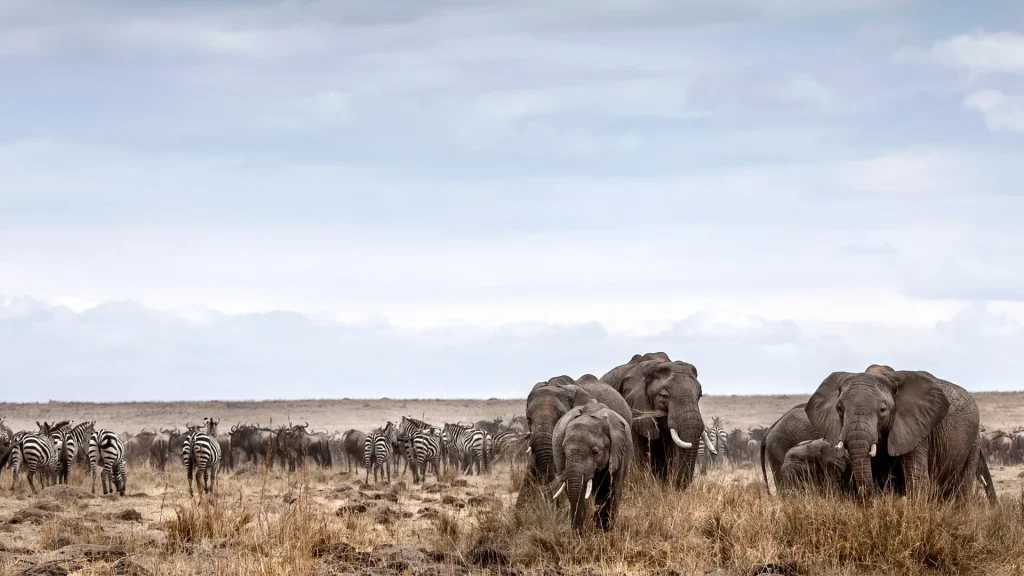
View SafariThe Tsavo Red Elephants are among the region's most recognisable wildlife attractions. Their reddish appearance results from dust bathing in iron-rich soils rather than a different elephant species.
Dust bathing helps elephants protect their skin and manage parasites. Observing these animals in the open landscapes of Tsavo East can be particularly rewarding for photographers.
Elephants may occur in family groups or larger aggregations depending on conditions. Guides should maintain safe distances and never obstruct their movements.
Tsavo provides an experience of scale that is difficult to reproduce in smaller parks. Open plains stretch towards distant hills, while dry riverbeds and seasonal watercourses shape the landscape.
Tsavo West adds volcanic features, rocky terrain and springs, creating a different visual character from Tsavo East.
This landscape diversity makes the region especially attractive to travellers interested in geology, ecology and photography.
Tsavo supports numerous species associated with dry-country habitats. In addition to elephants and buffaloes, visitors may encounter giraffes, zebras, antelopes, predators and a wide range of birds.
Some animals can be elusive because vegetation and the size of the parks provide extensive cover.
A well-planned safari should allow sufficient time for exploration rather than expecting sightings to occur immediately.
Tsavo lies along the broader route between Nairobi and Kenya's coast. Travellers can arrange a safari that begins in Nairobi and finishes near Mombasa or Diani Beach, subject to the selected itinerary.
This can be more efficient than returning to Nairobi after the safari and then travelling to the coast separately.
Tsavo East is particularly known for open landscapes, red elephants and the Galana River. Its relatively broad vistas can be attractive for wildlife photography.
The park's extensive size means animals may be dispersed. During dry periods, water sources and riverine areas can be particularly important for wildlife viewing.
Tsavo East is often included in safaris travelling between Nairobi and the Kenyan coast.
Tsavo West offers a more varied landscape, with volcanic terrain, hills, woodland and springs. Its scenic attractions include Mzima Springs and the Shetani Lava Flow.
Wildlife can be more difficult to spot in some wooded areas, but the park rewards travellers who appreciate landscapes and ecological variety.
Travellers primarily interested in open plains and red elephants may prefer Tsavo East. Those interested in volcanic scenery, springs and contrasting habitats may find Tsavo West especially appealing.
A combined itinerary provides the broadest experience, although sufficient time is needed to avoid excessive driving.
Travel time depends on whether the safari visits Tsavo East or Tsavo West and which entrance or lodge is selected.
For Tsavo West, a common route follows the Nairobi–Mombasa highway towards Mtito Andei or another suitable access point. The journey to some western park entrances may take approximately four to six hours, depending on traffic and conditions.
For Tsavo East, the journey may continue farther along the highway towards Voi or other access points. Travel times of approximately five to seven hours or longer are possible, particularly when the final lodge is located well inside the park.
The distances between the parks and their internal attractions can also be substantial. Travellers should therefore avoid choosing a safari solely by counting the number of parks visited.
The following proposed itinerary focuses on Tsavo West because it provides a practical three-day road safari from Nairobi. Travellers wishing to include Tsavo East as well should consider an additional day or a route finishing towards the coast.
Begin with pickup from your Nairobi hotel or another agreed location. After meeting your professional safari guide, travel southeast along the Nairobi–Mombasa highway towards the Tsavo region. The road passes through changing landscapes, including settlements, agricultural areas and increasingly dry country.
Depending on the selected route, weather and visibility, distant views of the Chyulu Hills or other regional landmarks may be possible. Your guide can explain the geography of southeastern Kenya and the importance of the Tsavo ecosystem for wildlife conservation.
Arrive in the Tsavo West area around midday or early afternoon, depending on traffic and accommodation location. Proceed to the selected lodge or camp for check-in and lunch if included in the confirmed meal plan.
Later, begin your first game drive in Tsavo West National Park. Explore suitable tracks through woodland, open areas and rocky landscapes, searching for elephants, buffaloes, giraffes, zebras and other wildlife. Predators occur in the park but can be difficult to locate.
Return to your accommodation in the evening for dinner and overnight.
Approximate driving time: 4–6 hours or longer, depending on the route.
Accommodation: Selected Essential, Comfort, Premium or Signature lodge or camp.
Meals: As confirmed in the quotation.
Begin early with breakfast or another agreed meal arrangement before departing for a full day of exploration. Your guide will plan the route around wildlife activity, road conditions and the attractions included in the confirmed itinerary.
One of the park's best-known attractions is Mzima Springs, where clear groundwater emerges in a landscape that is otherwise relatively dry. The springs support aquatic life and surrounding vegetation, attracting birds and other wildlife. Access to walking areas and viewing facilities is controlled, and visitors must follow the applicable safety arrangements.
The day may also include views of the Shetani Lava Flow, a striking geological feature formed by volcanic activity. Its dark lava landscape provides a contrast to the surrounding woodland and plains. Travellers interested in geology can learn about the volcanic processes that shaped parts of Tsavo West.
Continue with wildlife viewing, searching for elephants, buffaloes, giraffes, antelopes and predators. Some areas are densely vegetated, so animals may be harder to observe than in open grassland parks. A patient approach is especially important.
Lunch may be arranged at the lodge or as a picnic in an authorised location. The afternoon can be used to explore additional habitats, with time for photography and interpretation of the landscape.
Return to the lodge or camp in the evening for dinner and overnight.
Safari activities: Full-day game drive and selected scenic attractions.
Accommodation: Second night in the Tsavo West area.
Meals: According to the confirmed package.
Begin with an early breakfast and, where time permits, a short game drive or wildlife viewing while travelling towards the park exit.
The morning offers another opportunity to observe animals under cooler conditions and photograph the landscape before the long road journey.
After checkout, depart towards Nairobi along the selected highway route. Your guide will arrange suitable comfort stops and monitor traffic conditions.
Arrival in Nairobi is normally expected in the afternoon or evening, depending on departure time, road conditions and the location of your accommodation.
Your safari concludes with drop-off at the agreed location.
Approximate return drive: 4–6 hours or longer.
End of safari: Nairobi.
Travellers wanting to experience both parks should consider at least four days, with additional time preferable for a relaxed itinerary.
Depart Nairobi and travel to Tsavo West. After check-in, enjoy an afternoon game drive through selected habitats.
Spend the night at a lodge or camp in the Tsavo West area.
Spend the day exploring Tsavo West, including Mzima Springs and selected volcanic landscapes where access permits.
The programme should allow time for wildlife viewing rather than concentrating exclusively on sightseeing attractions.
Travel towards Tsavo East using the appropriate road route and park access arrangements. After arrival, enjoy a game drive in the park's open landscapes.
Look for elephants, buffaloes, giraffes and other wildlife while appreciating the differences between the two parks.
Spend the night in or near Tsavo East.
Begin with an early game drive before checking out and continuing towards Nairobi or the Kenyan coast.
Travellers finishing in Mombasa or Diani may find this route particularly practical, depending on the selected accommodation and transfer arrangements.
The exact sequence should be planned around realistic distances, park fees and lodge locations.
Tsavo is one of Kenya's important elephant landscapes. Elephants use extensive areas in search of food and water, and their movements may extend beyond national park boundaries.
The red-dust appearance of many Tsavo elephants makes them especially attractive for photography.
Lions inhabit both Tsavo East and Tsavo West. Tsavo's lions are also historically associated with the construction of the Uganda Railway, although modern safari experiences should focus on present-day wildlife behaviour and conservation.
Sightings are unpredictable, particularly in areas with extensive vegetation.
Leopards occur in suitable habitats but are difficult to locate. Their secretive behaviour means visitors should not expect guaranteed sightings.
African buffaloes are found in the Tsavo ecosystem and may be encountered near water sources or grazing areas.
They are powerful animals and should always be observed from a safe distance.
Tsavo supports giraffes, zebras and various antelope species adapted to different habitats. Their distribution depends on vegetation, water availability and seasonal conditions.
Both parks offer rewarding birdwatching, with species associated with woodland, dry plains, rivers and wetlands.
Birdwatchers should carry binoculars and allow time to observe smaller species rather than focusing only on large mammals.
The Galana River is an important feature of Tsavo East, supporting riverine habitats and attracting wildlife.
Its banks can provide opportunities for observing animals and birds, although visitors must remain within authorised areas.
Lugard Falls is associated with a series of rapids and sculpted rock formations along the Galana River. Water levels and access conditions vary.
The area offers geological and scenic interest beyond conventional wildlife viewing.
The Yatta Plateau is an extensive lava formation and one of the region's notable geological features.
Its scale contributes to the distinctive landscape of Tsavo East.
Aruba Dam is a recognised wildlife viewing area in Tsavo East, particularly when water attracts animals during drier conditions.
Wildlife concentrations vary, and sightings cannot be guaranteed.
Mzima Springs is one of Tsavo West's best-known attractions. The springs provide clear water and support aquatic and surrounding terrestrial habitats.
Visitors must follow controlled access arrangements because wildlife, including potentially dangerous animals, may occur in the area.
The Shetani Lava Flow offers a dramatic example of the region's volcanic history. Its dark, rugged surface contrasts with the surrounding landscape.
Chaimu Hill is associated with volcanic terrain and scenic views. Access and suitability depend on current park regulations and conditions.
The Ngulia Rhino Sanctuary is associated with black rhino conservation in Tsavo West. Visitor access and rhino viewing opportunities are subject to specific management arrangements.
Travellers should not assume that a sanctuary visit or rhino sighting is automatically included in a standard game drive.
These months often bring relatively warm and dry conditions. Wildlife may concentrate around reliable water sources, although sightings depend on local conditions.
Daytime temperatures can be high, making early morning and late afternoon game drives particularly attractive.
The longer rainy season can bring greener landscapes and changing wildlife distribution. Some tracks may become difficult after heavy rainfall.
Birdwatching can be rewarding, but travellers should plan with flexibility.
This period is often comparatively dry and is popular for wildlife safaris. Animals may be easier to locate around water sources during drier conditions.
Accommodation demand can increase during major holiday periods.
Shorter rains may occur, bringing fresh vegetation and changes in animal movements.
Rainfall patterns are variable, so visitors should not expect identical conditions every year.
Essential Tsavo Safari Accommodation focuses on affordability and practical comfort. Some properties may be outside the parks, requiring additional transfers.
Comfort Tsavo Safari Lodges provide a balance between facilities and price. They are suitable for families, couples and small groups.
Premium Tsavo Safari Lodges may offer upgraded rooms, attractive settings and additional hospitality facilities.
Established properties in the Tsavo region include Kilaguni Serena Safari Lodge and selected lodges near Voi, subject to availability and current operating arrangements.
Signature Tsavo Safari Accommodation focuses on distinctive settings, personalised service and high-end hospitality.
Travellers should confirm the exact location, room category and included services before booking.
The cost of a Nairobi to Tsavo Safari depends on the number of days, parks visited, accommodation category, vehicle type and group size.
A combined Tsavo East and Tsavo West itinerary may involve additional park fees and longer transfers compared with a safari focused on one park.
Private vehicle costs are shared among the travellers, so per-person rates generally decrease as the group becomes larger.
Accommodation prices vary by property and season. Park entrance charges are set by the Kenya Wildlife Service and should be checked when preparing the final quotation.
A package may include transport, professional guiding, accommodation, specified meals, scheduled game drives and applicable park fees.
The exact services depend on the selected itinerary. Additional attractions, airport transfers and coastal transfers should be listed individually where included.
International flights, travel insurance, personal purchases, gratuities and additional drinks are commonly excluded unless stated otherwise.
Optional activities and accommodation upgrades may carry separate charges.
A Private Tsavo Safari provides flexibility for photography, wildlife viewing and route planning. It is particularly useful because the parks are extensive and travel distances can be substantial.
A group safari may reduce per-person costs but follows a common schedule.
Before booking, confirm vehicle type, group size, accommodation arrangements and the amount of time allocated to each park.
An Amboseli and Tsavo Safari combines elephant viewing and Mount Kilimanjaro scenery with Tsavo's volcanic landscapes and extensive wilderness.
A Tsavo Safari and Diani Beach Holiday is a practical combination for travellers wanting wildlife experiences followed by coastal relaxation.
Tsavo can be included in itineraries beginning or ending in Mombasa, depending on the selected route.
A return safari from Nairobi is suitable for travellers with international flights departing from Jomo Kenyatta International Airport.
Carry lightweight clothing, a sunhat, sunscreen, insect repellent and sufficient drinking water. Tsavo can be hot and dusty, so suitable clothing and camera protection are important.
Binoculars are useful for distant wildlife, while a telephoto lens helps with photography.
Follow park regulations and remain inside the vehicle except at authorised locations. Never feed wildlife or ask your guide to drive off permitted tracks.
Travellers should consult appropriate medical advice before visiting Kenya and ensure that travel insurance covers the planned activities.
Travel time varies by park entrance and lodge location. Many journeys take approximately four to seven hours or longer.
Tsavo East is known for open landscapes and red elephants, while Tsavo West offers volcanic scenery, springs and more varied terrain.
It may be possible with a fast-paced itinerary, but four days or longer generally provide a more comfortable experience.
Tsavo supports important elephant populations, although sightings depend on wildlife movements and conditions.
The wider Tsavo ecosystem supports several Big Five species, but sightings are not guaranteed. Rhinos are particularly difficult to observe.
Yes, provided the itinerary accounts for long drives, temperatures and children's needs.
Yes. A safari can be designed to continue towards the Kenyan coast rather than returning to Nairobi.
Private arrangements offer greater flexibility, especially for photographers and travellers wanting to explore both parks.
A Nairobi to Tsavo Safari offers a rewarding combination of wildlife, geological scenery and extensive natural landscapes. Tsavo East's red elephants and open plains complement Tsavo West's volcanic features, springs and woodland habitats.
Safari Trips to Kenya can arrange private road safaris, professional guiding, suitable accommodation and customised itineraries covering one or both parks. Travellers can also combine Tsavo with Amboseli or continue towards Mombasa and Diani Beach.
Contact Safari Trips to Kenya with your travel dates, group size and preferred accommodation category to receive a tailored Tsavo safari proposal.