

Getting to Tsavo
Getting to Tsavo is one of the most practical ways to add a wildlife safari to a holiday in Nairobi, Mombasa or Diani Beach. The Tsavo ecosystem lies between Kenya’s capital and the Indian Ocean coast, making it especially convenient for travellers who want to combine game drives with a beach holiday.
However, there is an important distinction that many first-time visitors overlook: Tsavo is not a single national park. It consists principally of Tsavo East National Park and Tsavo West National Park, two separate protected areas with different entrances, landscapes, wildlife-viewing conditions and travel routes.
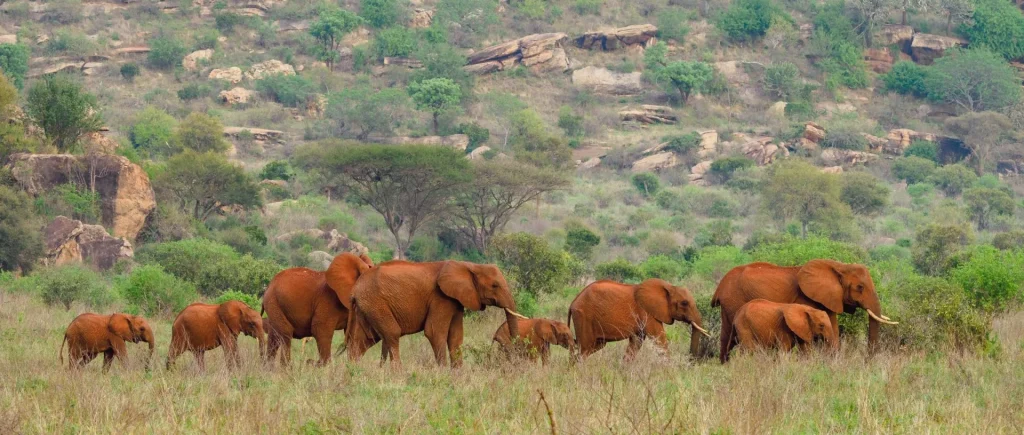
Tsavo East is known for its broad plains, reddish soils and elephants that often appear red after dusting themselves. Tsavo West is more varied in terrain, with volcanic formations, wooded hills, rocky landscapes and attractions such as Mzima Springs. Both parks can be reached by road, and the wider region is served by the Nairobi–Mombasa Standard Gauge Railway; specialist aviation arrangements may also be available.
The most convenient route depends on which park you intend to visit, where your lodge is located and whether you are travelling from Nairobi or the coast. This guide explains the principal transport options, estimated driving times, park gates, railway connections and practical considerations for planning a Tsavo safari in Kenya.
Where Are Tsavo East and Tsavo West?
The two national parks are located in southeastern Kenya, and the Nairobi–Mombasa transport corridor passes between important parts of the wider Tsavo landscape.
Tsavo East National Park
Tsavo East National Park lies mainly to the east and north of the principal Nairobi–Mombasa corridor. It covers a vast area of semi-arid savannah and is one of Kenya’s largest national parks, known for elephants, lions, buffaloes, giraffes and open landscapes.
Tsavo West National Park
Tsavo West National Park lies to the west and south of the main corridor. Its scenery is more varied, with volcanic hills, woodland, lava formations and natural springs, and it supports elephants, buffaloes, lions, leopards and other wildlife.
Why the Distinction Matters
A lodge in Tsavo West may be several hours from a gate used to enter Tsavo East, and booking accommodation without checking the exact park can lead to unnecessary driving. Your itinerary should always identify whether you are visiting Tsavo East, Tsavo West or both.
How Far Is Tsavo from Nairobi?
The answer depends on the selected park and entrance. From Nairobi, the road distance to parts of Tsavo West may be approximately 230–280 kilometres, while reaching certain Tsavo East entrances can involve a longer journey. Driving times commonly range from around four to six hours or more, and traffic on the Nairobi–Mombasa highway, roadworks, weather and the lodge location can affect the journey. Travellers should avoid using a single distance estimate for the entire Tsavo ecosystem.
How Far Is Tsavo from Mombasa?
Tsavo East is particularly accessible from Mombasa; depending on the chosen entrance, the journey can take approximately two to four hours. Tsavo West generally requires a longer transfer from the coast, with the exact time depending on the selected gate and lodge. For travellers staying at Diani Beach, additional time may be needed to reach the main highway.
Getting to Tsavo East from Nairobi
One of the common routes follows the Nairobi–Mombasa highway southeast towards the Tsavo region. The road passes through towns such as Athi River, Sultan Hamud, Emali and Mtito Andei before continuing towards suitable access points; for some Tsavo East itineraries, travellers continue towards Voi.
Why Use This Route?
The highway is paved and forms a major transport corridor, allowing travellers to reach the Tsavo region without navigating remote roads for the entire journey. However, heavy trucks and traffic can slow progress, and the final approach to some gates or lodges may involve unpaved roads.
Recommended Departure Time
An early departure from Nairobi is advisable. It allows more time for stops and can make an afternoon game drive possible, depending on the lodge location.
Getting to Tsavo East from Mombasa
The Mombasa–Voi route is one of the most commonly used approaches to Tsavo East. Travellers follow the main road inland from the coast towards Voi, then continue to an appropriate park entrance, which makes Tsavo East a popular destination for Mombasa beach-and-safari holidays.
One-Night Tsavo East Safari
A one-night visit is possible from Mombasa, although the itinerary is relatively short. Travellers usually depart early, enjoy an afternoon game drive, stay overnight and return the following day after another wildlife activity.
Two-Night Tsavo East Safari
Two nights allow more time for wildlife viewing and are generally preferable for visitors who want to explore the park rather than spend much of the trip travelling.
Getting to Tsavo from Diani Beach
Diani Beach is located south of Mombasa, and travellers commonly reach the Tsavo region by road. The route depends on traffic arrangements around Mombasa and the selected park entrance.
Diani to Tsavo East
Tsavo East is a practical safari extension from Diani. The journey may take approximately three-and-a-half to five hours or longer, depending on the starting point and gate.
Diani to Tsavo West
Tsavo West generally requires a longer transfer, and a multi-day safari is recommended.
Why Combine Tsavo with Diani?
Diani offers Indian Ocean beaches and coastal relaxation, while Tsavo provides a contrasting wildlife experience. Combining the two allows travellers to enjoy both safari and beach activities without necessarily returning to Nairobi.
Getting to Tsavo West from Nairobi
Tsavo West is commonly approached from Nairobi using the Nairobi–Mombasa highway. Travellers may enter through suitable gates around the Mtito Andei area or other authorised approaches; the correct route depends on the lodge location.
Road Conditions
The main highway is paved, but internal park roads may be rough and some routes pass through rocky or volcanic terrain. A 4×4 vehicle is recommended.
Getting to Tsavo West from Amboseli
Amboseli National Park is one of the most rewarding destinations to combine with Tsavo West. The two parks offer contrasting scenery: Amboseli is known for elephants and views towards Mount Kilimanjaro when weather permits, while Tsavo West features varied terrain, volcanic landscapes and Mzima Springs. The road transfer depends on the exact route and accommodation and commonly takes several hours; a combined itinerary is more practical than returning to Nairobi between the parks.
Getting to Tsavo by SGR Train
Kenya’s Standard Gauge Railway, commonly known as the SGR, connects Nairobi and Mombasa and provides an alternative to driving the entire distance along the highway. Stations serving the wider Tsavo region include Voi and Mtito Andei, subject to the current train timetable and stopping pattern. Not every train stops at every station, so travellers must confirm the specific service before booking.
Nairobi to Voi by Train
Voi can be a practical railway access point for Tsavo East. After arrival, guests require a road transfer to the park gate or accommodation.
Nairobi to Mtito Andei by Train
Mtito Andei may be useful for certain Tsavo West itineraries, although the correct station depends on the lodge location.
Mombasa to Voi by Train
Travellers arriving from Mombasa may use a suitable train service to Voi, but a safari vehicle must meet them at the station.
Important SGR Considerations
Train travel does not replace the need for a safari vehicle, and guests still require transport between the railway station and the park. Train schedules, luggage policies and station stops should be confirmed through the official railway booking system.
Is the SGR Better Than Driving?
The SGR can be attractive for travellers who prefer not to spend the entire journey on the highway and may also be convenient for independent travellers. However, a train-based safari requires careful coordination: the safari operator must arrange station pickup, park entry and game drives. A private road safari can be more flexible because the same vehicle remains with the guests throughout the journey. The best choice depends on budget, convenience and the wider itinerary.
Can You Fly to Tsavo?
The wider Tsavo ecosystem has airstrips used for safari aviation and private charter arrangements, but regular scheduled passenger flights directly to every Tsavo lodge are not generally available. Travellers considering a flying safari should confirm the selected airstrip, flight operator, landing permissions and transfer arrangements. For most standard Tsavo safaris, road transport or an SGR connection is more practical.
Tsavo East National Park Gates
Tsavo East has several designated entrances.
Voi Gate
Voi Gate is one of the commonly used access points and is convenient for certain routes from Mombasa and Voi town.
Manyani Gate
Manyani Gate provides another access option, although its suitability depends on the direction of travel.
Sala Gate
Sala Gate can be relevant for travellers approaching from the coastal hinterland and particular routes.
Buchuma Gate
Buchuma Gate is another entrance used on suitable approaches to the park. Not all gates are equally convenient for every lodge, so your guide should confirm the best access point.
Tsavo West National Park Gates
Tsavo West also has several access points.
Mtito Andei Gate
Mtito Andei Gate is a major access point from the Nairobi–Mombasa highway.
Chyulu Gate
Chyulu Gate is relevant to certain routes approaching from the Chyulu Hills region.
Maktau Gate
Maktau Gate serves suitable approaches to the western and southern parts of the park. Other authorised entrances may be available; gate use should be confirmed according to the current itinerary.
Which Tsavo Gate Should You Use?
The correct entrance depends on the park and lodge. For example, a property near Voi may be conveniently reached through a Tsavo East entrance, while a lodge near Mzima Springs requires a different approach. Selecting the wrong gate can add significant travel time, so before departure confirm the accommodation’s exact location and the planned entry route.
Road Conditions Inside Tsavo
Tsavo’s internal roads vary considerably: some are established gravel tracks, while others may be rough, dusty or muddy. During wet periods, certain routes may become difficult to use. Because Tsavo is extensive, visitors should avoid travelling without adequate fuel, water and route knowledge, and a professional guide is particularly valuable.
Do You Need a 4×4 for Tsavo?
A 4×4 safari Land Cruiser is recommended because it provides suitable ground clearance and better capability on rough tracks. Some established routes may be manageable in other vehicles during dry conditions, but road conditions can change, and a 4×4 is especially useful when combining Tsavo East and Tsavo West.
Where to Stay in Tsavo East
Accommodation options include lodges and tented camps inside and near the park.
Ashnil Aruba Lodge
Ashnil Aruba Lodge is an established accommodation option in Tsavo East.
Satao Camp
Satao Camp offers a traditional tented safari atmosphere.
Voi Safari Lodge
Voi Safari Lodge is known for its elevated setting and wildlife-viewing opportunities. Accommodation should be selected according to the intended gate and wildlife-viewing areas.
Where to Stay in Tsavo West
Kilaguni Serena Safari Lodge
Kilaguni Serena Safari Lodge is one of Tsavo West’s established safari properties.
Severin Safari Camp
Severin Safari Camp offers tented accommodation within the Tsavo West region.
Finch Hattons Luxury Safari Camp
Finch Hattons provides a high-end safari experience, with a location and accommodation style suited to travellers seeking a Signature safari.
Tsavo East Versus Tsavo West: Which Is Easier to Reach?
From Mombasa and Diani, Tsavo East is generally more convenient. From Nairobi, both parks are accessible by road, although the preferred route depends on the lodge. From Amboseli, Tsavo West is usually the more natural combination, and for travellers using the SGR, the most suitable station depends on the destination.
Best Time to Travel to Tsavo
Tsavo can be visited throughout the year.
January to March
These months are often hot and relatively dry, and wildlife may concentrate around dependable water sources.
April to May
Rainfall can affect internal park roads, although the landscape may become greener.
June to October
These months are popular for safari travel, and dry conditions can make wildlife viewing rewarding.
November to December
Short rains may occur. Travel remains possible, although road conditions can change.
What Wildlife Can You See in Tsavo?
Elephants
Tsavo is particularly famous for elephants, and their reddish appearance often results from dusting themselves with the local soil.
Lions
Lions occur in both parks, although sightings are not guaranteed.
Buffaloes
African buffaloes are among the large herbivores found in the ecosystem.
Giraffes
Giraffes may be encountered in suitable habitats.
Leopards
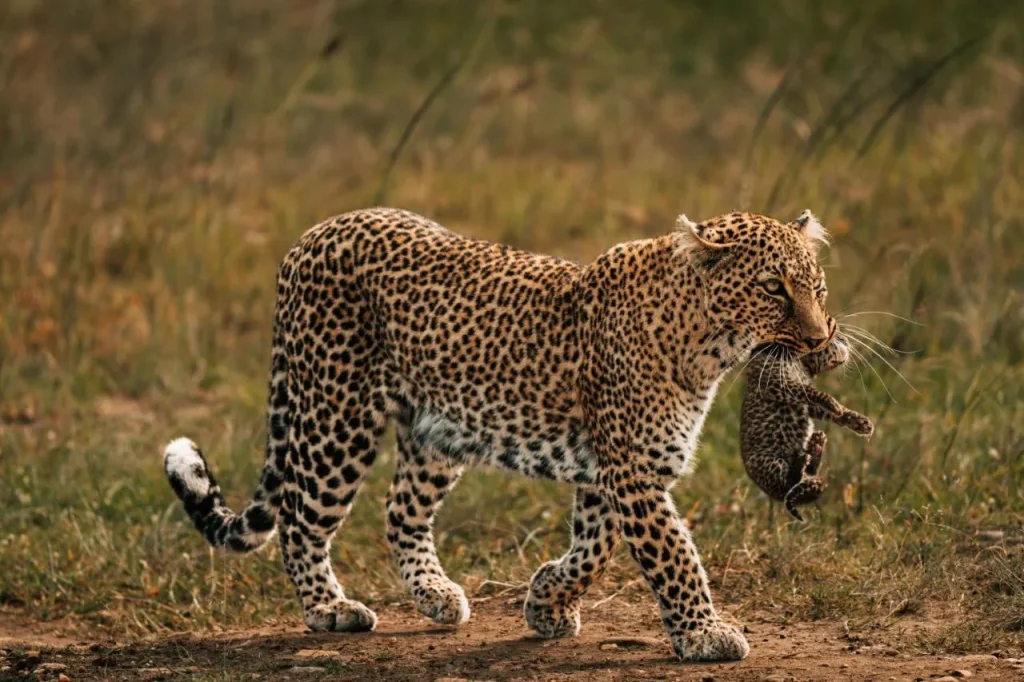
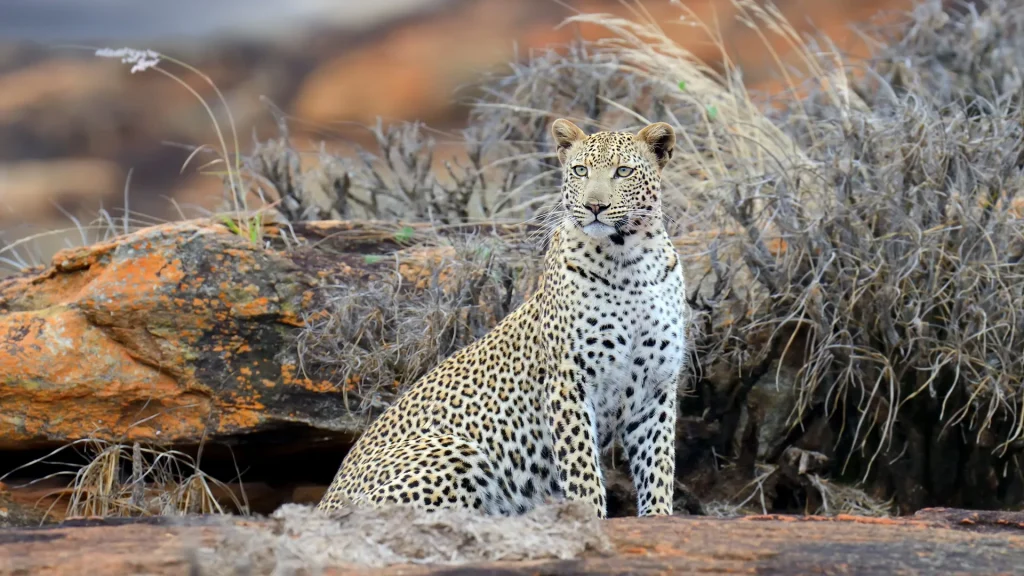
Leopards occur but are generally difficult to locate.
Birds
Tsavo supports numerous bird species across its varied habitats.
How Many Days Should You Spend in Tsavo?
One night provides a brief introduction, two nights allow more time for game drives, and three or four nights are suitable for travellers exploring both parks. For a combined safari-and-beach itinerary, a two- or three-day Tsavo East visit is a popular choice.
Suggested Three-Day Tsavo East Safari from Mombasa
Day 1: Mombasa to Tsavo East
Depart Mombasa early and travel inland towards Tsavo East. Enter the park and enjoy a game drive, check in at your lodge for lunch, and continue wildlife viewing in the afternoon.
Day 2: Full-Day Tsavo East Safari
Explore the park’s open plains and suitable wildlife areas, looking for elephants, lions, giraffes, buffaloes and other animals. Enjoy lunch at the lodge or a packed meal according to the itinerary.
Day 3: Return to Mombasa
Enjoy a morning game drive if time permits, then depart the park and travel back to Mombasa or Diani Beach.
Suggested Four-Day Amboseli and Tsavo West Safari
Day 1: Nairobi to Amboseli
Travel from Nairobi to Amboseli and enjoy an afternoon game drive.
Day 2: Amboseli Wildlife Safari
Explore the park’s plains and wetlands, looking for elephants and other wildlife.
Day 3: Amboseli to Tsavo West
Travel towards Tsavo West and enjoy scenic landscapes and wildlife viewing.
Day 4: Tsavo West to Nairobi or Mombasa
Enjoy a morning activity if time permits, then continue to your selected destination.
How Much Does It Cost to Get to Tsavo?
Transport costs depend on the route, vehicle, group size and accommodation. Private 4×4 safaris generally cost more than shared options, and SGR travel may reduce some transport expenses, but guests still require a safari vehicle. Park fees are charged according to current Kenya Wildlife Service regulations, accommodation rates vary by season and category, and you should always confirm whether fees, meals, transfers and game drives are included.
Practical Tips for Travelling to Tsavo
Careful preparation makes Tsavo transfers and game drives more comfortable:
- Start road transfers early
- Confirm whether your lodge is in Tsavo East or Tsavo West
- Use the correct park gate
- Carry drinking water and sun protection
- Pack a warm layer for early game drives
- Confirm SGR station stops before booking
- Use a suitable safari vehicle
- Allow extra time during rainy periods
- Avoid unnecessary night driving
Frequently Asked Questions
How far is Tsavo from Nairobi?
The distance depends on whether you are visiting Tsavo East or Tsavo West and which gate you use.
How long does it take to drive?
Many routes take approximately four to six hours or longer from Nairobi, depending on the destination.
Is Tsavo East close to Mombasa?
Yes. Tsavo East is one of the most practical wildlife safari destinations from the Kenyan coast.
Can I take the SGR train to Tsavo?
Yes. Suitable services may stop at Voi or Mtito Andei, subject to the current timetable.
Can I fly to Tsavo?
Specialist aviation and charter arrangements may be possible, but road transport is more common.
Which is better, Tsavo East or Tsavo West?
Tsavo East offers broad open landscapes, while Tsavo West is known for varied scenery and volcanic features.
Do I need a 4×4?
A 4×4 is recommended for a dedicated safari.
Can I combine Tsavo with Diani Beach?
Yes. Tsavo East is particularly convenient for a beach-and-safari itinerary.
Book Your Tsavo Safari with Safari Trips to Kenya
Getting to Tsavo East and Tsavo West is straightforward when the route, accommodation and transport are planned together. At Safari Trips to Kenya, we arrange private and group safaris from Nairobi, Mombasa and Diani Beach. Our packages can include road transfers, SGR station pickups, suitable safari vehicles, accommodation and guided game drives. Contact our team with your travel dates, number of guests and preferred starting point to plan a personalised Tsavo safari itinerary.