

Best Time to Visit Tsavo
The best time to visit Tsavo is generally during the relatively dry months of January and February and from June through October. During these periods, wildlife may concentrate around permanent water sources, vegetation is often less dense and game-drive conditions can be more convenient. However, Tsavo East and Tsavo West offer different landscapes and wildlife experiences, making both parks worthwhile at various times of year.
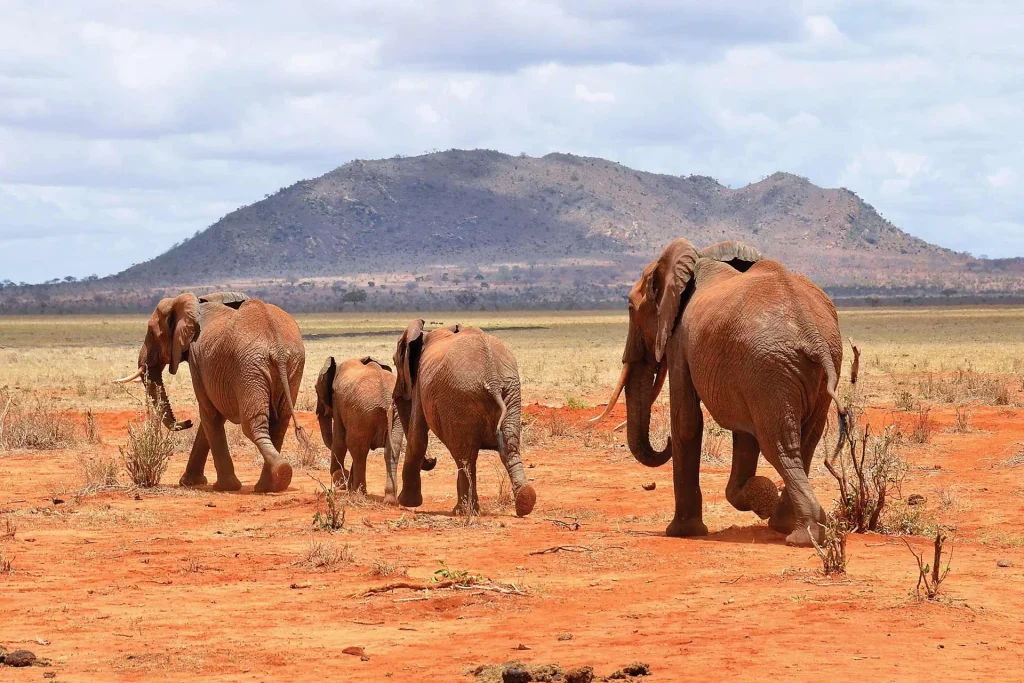
Together, Tsavo East National Park and Tsavo West National Park form one of Kenya’s largest protected wildlife landscapes. Located between Nairobi and the Indian Ocean coast, the parks are particularly attractive for travellers combining a wildlife safari with a holiday in Mombasa, Diani Beach or Watamu. Tsavo East is famous for its extensive open landscapes, red soils and elephants that often appear reddish after dust-bathing, while Tsavo West is more varied in terrain, with volcanic features, hills, woodland and attractions such as Mzima Springs.
Although the parks are often marketed together, they should not be treated as identical destinations, because wildlife visibility, road conditions and the overall safari experience can differ considerably. Choosing the right season therefore involves considering which park you want to explore, the wildlife you hope to observe and whether your itinerary includes the coast.
When Is the Best Time for a Tsavo Safari?
The most dependable period for a Tsavo wildlife safari is generally June through October. During these months, rainfall is often relatively limited, and animals may become more dependent on permanent water sources. Tsavo East’s open habitats can provide particularly rewarding opportunities to observe elephants, giraffes, zebras, buffalo and other large mammals, while Tsavo West’s thicker vegetation can make wildlife more difficult to locate but the park compensates with varied scenery and distinctive habitats.
January and February are also excellent months for both parks. The wetter months, particularly April and May, can bring green landscapes and attractive scenery, although some tracks may become muddy and wildlife may disperse.
Understanding Tsavo’s Climate
Tsavo lies in a generally hot, semi-arid region of southeastern Kenya, where daytime temperatures can be high, particularly in lower-altitude areas. The parks experience seasonal rainfall, with wetter periods commonly occurring around March to May and October to December, though rainfall varies considerably between years and across the large Tsavo landscape. The principal relatively dry periods are generally January to February and June to October.
During dry conditions, animals may concentrate around rivers, springs and other dependable water sources. During wetter periods, temporary pools and fresh vegetation become available across wider areas, allowing wildlife to disperse. These seasonal changes influence game viewing but do not determine whether animals are present.
Best Time to Visit Tsavo Month by Month
January: Warm Weather and Excellent Game Drives
January is one of the strongest months for a Tsavo East and Tsavo West safari. Rainfall is often relatively limited, and the landscape may be drying after the short rains. Elephants remain a major attraction, particularly in Tsavo East, and visitors may also encounter giraffes, zebras, buffalo, antelope and predators. January is particularly convenient for travellers combining Tsavo with a beach holiday along the Kenyan coast.
February: Dry Conditions and Good Wildlife Viewing
February often continues the relatively dry conditions experienced in January. Vegetation may become shorter, improving visibility in open areas, and wildlife may depend more heavily on permanent water sources, which can be particularly rewarding in Tsavo East where large mammals are often easier to observe across open landscapes. February is also suitable for travellers planning a Kenya safari and Diani Beach holiday.
March: Transition Towards the Long Rains
March is a transitional month: early March may remain relatively dry while rainfall can become more frequent later. Fresh vegetation begins to develop, changing the appearance of the landscape, and wildlife may spread into areas with newly available grazing. March can be attractive for photographers who appreciate changing scenery and dramatic skies.
April: Green Landscapes and Rainy Conditions
April commonly falls within the long-rains period, and rainfall can transform parts of Tsavo into green landscapes. However, heavy showers may affect roads and make some tracks difficult to navigate, and wildlife may become more widely dispersed as temporary water sources become available. April is best suited to flexible travellers who are comfortable with occasional changes to game-drive routes.
May: Quiet Safaris During the Long Rains
May often continues the wetter period, although rainfall may gradually decrease. The parks can be greener than during the main dry season, birdwatching may be rewarding, and visitor numbers can be lower in some areas. However, dense vegetation and muddy tracks may affect wildlife viewing, so travellers should confirm current road conditions before planning remote excursions.
June: Improving Conditions
June generally marks the transition towards drier weather. Vegetation begins to dry, wildlife may gradually become more concentrated around dependable water sources, and the landscape may retain greenery from the preceding rains. June is a good month for travellers seeking a balance between scenery and wildlife viewing.
July: Excellent Dry-Season Safari Conditions
July is among the strongest months for visiting Tsavo. Relatively dry weather often makes game drives convenient, elephants, buffalo and other mammals may be easier to locate in suitable habitats, and Tsavo East is particularly attractive for visitors interested in extensive landscapes and elephant photography. July is also popular among travellers combining safari destinations with the Kenyan coast.
August: Peak Safari Season
August offers many of the advantages of July: the weather is often relatively dry, wildlife may concentrate near dependable water sources, and accommodation demand can increase during international holiday periods. Travellers planning a combined Tsavo and Diani Beach safari should book early.
September: Excellent Wildlife Viewing
September is another strong month for Tsavo. Dry conditions may continue, animals can be easier to locate around permanent water sources, and photographers may appreciate the contrast between Tsavo East’s red soils and the park’s wildlife. Tsavo West remains attractive for its varied landscapes and scenic features, and September is particularly suitable for travellers seeking productive game drives.
October: Late Dry Season and Changing Weather
October often begins with relatively dry conditions, and wildlife may remain concentrated near dependable water sources until seasonal rains arrive. Rainfall can increase later in the month, so October remains a strong month for game viewing, but travellers should prepare for changing weather.
November: Short Rains and Green Landscapes
November is commonly associated with the short rains. Fresh vegetation may transform parts of the parks, wildlife can become more widely dispersed as water becomes available across the landscape, and birdwatching may be rewarding with attractive scenery for photography. However, some tracks may become muddy after heavy showers.
December: Holiday Safaris and Coastal Travel
December often brings improving conditions as the short rains diminish, although showers may continue. Tsavo remains attractive for elephants and other wildlife, and the parks are particularly convenient for travellers spending Christmas or New Year on the Kenyan coast. Accommodation demand may increase during festive periods.
Tsavo East Versus Tsavo West: Which Is Better?
The choice between Tsavo East National Park and Tsavo West National Park depends on your interests. Tsavo East is generally associated with more open landscapes and opportunities to observe elephants and other large mammals across broad plains, and its red soils create distinctive photographic conditions, particularly when elephants have been dust-bathing.
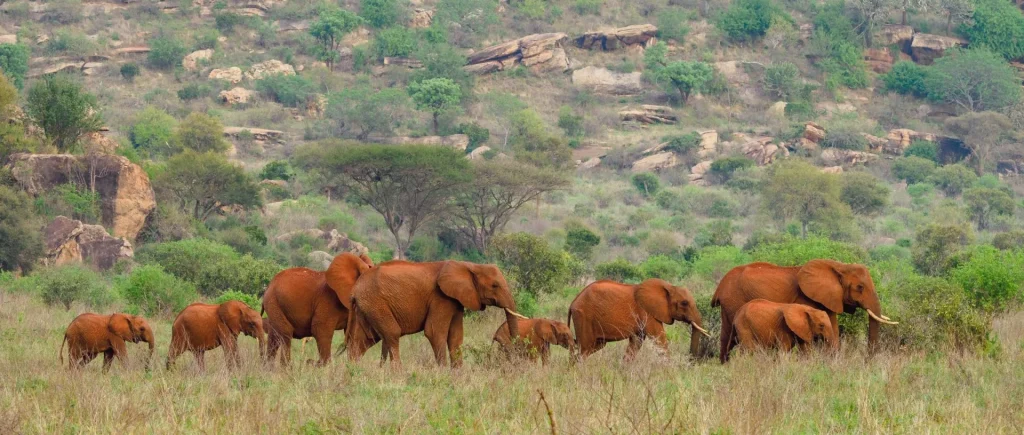
Tsavo West has more varied terrain, including volcanic landscapes, hills, woodland and springs. Wildlife can be more difficult to locate in some areas because of thicker vegetation, but Tsavo West offers a broader combination of wildlife viewing and landscape attractions. Travellers with sufficient time should consider visiting both parks.
Best Time to See Elephants in Tsavo
Elephants are among Tsavo’s most famous animals. Tsavo East is particularly well known for elephants that often appear reddish after covering themselves in the park’s iron-rich dust. These elephants are not a separate species; their appearance results from dust-bathing behaviour. Elephants occur throughout the year, but dry-season conditions may encourage them to spend more time around dependable water sources. Visitors may observe family groups, calves and adult bulls. A knowledgeable guide can explain elephant behaviour and identify suitable viewing areas, and travellers should maintain safe distances and never obstruct elephant movements.
Best Time to See Lions in Tsavo
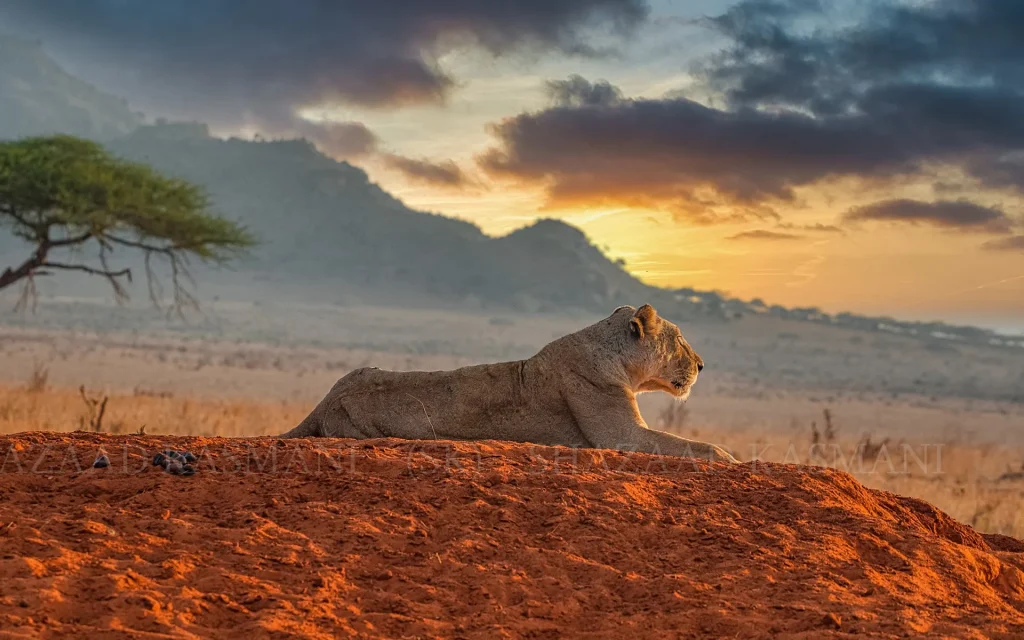
Tsavo is historically associated with lions, including the famous man-eating lions connected with railway construction in the late nineteenth century. Today, lions remain an important part of the parks’ wildlife communities and may be encountered in grassland, woodland or other suitable habitats. Early morning and late afternoon game drives can be useful because predators may be more active during cooler periods, but lion sightings are never guaranteed. Travellers particularly interested in predators should allow multiple game drives rather than relying on a short visit.
Other Wildlife in Tsavo
Buffalo
African buffalo occur in both parks and may be encountered in groups around grazing areas and water sources.
Giraffes
Giraffes are among the distinctive large mammals of the Tsavo landscape and may be observed browsing in woodland and moving through open habitats.
Zebras and Antelope
Zebras and several antelope species contribute to Tsavo’s wildlife diversity, and their movements change according to grazing and water availability.
Leopards
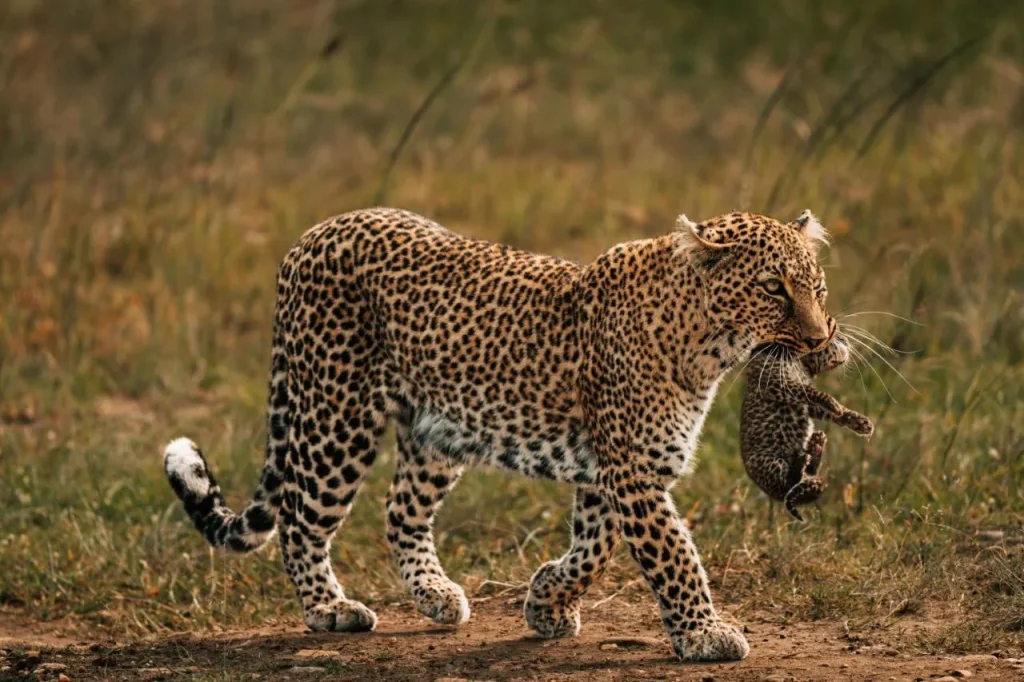
Leopards occur in suitable habitats but are generally elusive, and sightings require patience and are unpredictable.
Hippos and Crocodiles
Hippos and crocodiles may be encountered in suitable aquatic habitats, including areas associated with permanent water. Visitors should follow park regulations and avoid approaching water bodies on foot without authorisation.
Mzima Springs in Tsavo West
Mzima Springs is one of Tsavo West’s best-known attractions. The springs are fed by groundwater and support aquatic habitats within the otherwise relatively dry landscape. Visitors may have opportunities to observe hippos, fish and other wildlife, depending on current conditions. Access arrangements and visitor facilities should be confirmed before travelling. Mzima Springs provides a useful contrast to the open grasslands and volcanic terrain elsewhere in Tsavo West.
Shetani Lava Flow
The Shetani Lava Flow is another distinctive feature of Tsavo West. Its dark volcanic landscape provides insight into the region’s geological history and is particularly attractive for travellers interested in scenery and photography. Visitors should follow designated routes and park instructions. The lava flow is not primarily a wildlife-viewing destination, but it adds variety to a Tsavo West itinerary.
Best Time for Birdwatching in Tsavo
Tsavo birdwatching is rewarding throughout the year. The parks support species associated with dry woodland, grassland, wetlands and other habitats, and seasonal migrants may add diversity during parts of the wetter months. Early morning is often particularly productive. Travellers interested in birds should consider both Tsavo East and Tsavo West because their habitats differ.
Best Time for Wildlife Photography
The relatively dry months are generally favourable for photographing large mammals. Tsavo East’s open landscapes and red soils create distinctive images, and early morning and late afternoon light can be particularly attractive. The green season offers different opportunities, including fresh vegetation and dramatic skies. Photographers should protect equipment from dust during dry periods and rain during wetter months.
How Many Days Should You Spend in Tsavo?
A two-night safari provides a useful introduction to one park. Three or four nights allow travellers to explore both Tsavo East and Tsavo West at a more comfortable pace, and a longer stay may appeal to photographers and wildlife enthusiasts. The ideal duration depends on whether Tsavo is part of a road safari from Nairobi or a beach extension from Mombasa or Diani.
Getting to Tsavo From Nairobi
Tsavo lies between Nairobi and Kenya’s Indian Ocean coast. Travel times vary considerably because both parks cover extensive areas and have multiple access points. A road journey from Nairobi to selected Tsavo West entrances may take several hours, while reaching more distant locations requires additional time. Travellers should plan transfers according to their chosen lodge and park entrance. A private 4×4 safari vehicle provides flexibility for game drives and onward travel.
Tsavo Safaris From Mombasa and Diani
A Tsavo safari from Mombasa is a popular option for travellers staying on the coast. Tsavo East is particularly convenient for some coastal safari itineraries, while Tsavo West can also be included although driving distances may be longer depending on the route. One-night safaris are possible, but two or more nights provide more time for wildlife viewing. Travellers should avoid overly rushed itineraries that leave little time for game drives.
Accommodation Options in Tsavo
Essential
Essential Tsavo accommodation includes modest lodges and camps offering practical facilities.
Comfort
Comfort safari lodges provide en-suite accommodation, dining facilities and convenient access to game drives.
Premium
Premium Tsavo accommodation offers additional comfort, attractive settings and personalised services.
Signature
Signature safari accommodation may include luxury lodges and distinctive properties with high-end facilities. Travellers should confirm whether accommodation is inside or outside the park and how this affects game-drive arrangements.
Tsavo Safari Prices
The cost of a Tsavo safari package depends on travel dates, accommodation, transport, guiding and park fees. Private safaris provide flexibility, while shared departures may reduce transport costs. Park entrance fees can change, and travellers should request current quotations. A complete package should explain accommodation, meals, game drives, transport and entrance fees, and optional activities and personal expenses may be excluded.
Combining Tsavo With Other Destinations
Tsavo combines naturally with Amboseli National Park, because the parks offer contrasting landscapes and wildlife experiences. Travellers can also continue to Diani Beach, Mombasa or Watamu for a coastal holiday, and longer itineraries may include Lake Nakuru National Park and the Masai Mara National Reserve. The best route depends on available time and preferred transport.
Practical Tips for Visiting Tsavo
- Carry lightweight clothing for warm daytime conditions.
- Bring sunscreen, a hat and sufficient drinking water.
- Use binoculars and suitable camera equipment, and protect cameras from dust during dry periods.
- Follow park regulations and remain inside the vehicle except at designated areas.
- Avoid approaching wildlife or water bodies on foot without authorisation.
- Confirm current road conditions during the rainy season.
Frequently Asked Questions About Tsavo
What Is the Best Month to Visit Tsavo?
January, February and June through October are generally excellent choices for wildlife viewing.
Is Tsavo East Better Than Tsavo West?
Tsavo East is particularly attractive for open landscapes and elephants. Tsavo West offers varied terrain, volcanic scenery and attractions such as Mzima Springs.
Can You See Elephants All Year?
Yes. Elephants inhabit the Tsavo ecosystem throughout the year, although sightings are not guaranteed.
Is Tsavo Worth Visiting During the Rainy Season?
Yes. Green landscapes and birdwatching can be rewarding, although some roads may be affected by rainfall.
How Many Nights Are Recommended?
Two nights provide a useful introduction. Three or four nights are preferable for visiting both parks.
Can You Visit Tsavo From Diani Beach?
Yes. Tsavo is a popular safari extension from the Kenyan coast.
Can Tsavo Be Combined With Amboseli?
Yes. The parks complement each other and are frequently included in southern Kenya safari itineraries.
Plan Your Tsavo Safari With Safari Trips to Kenya
The best time to visit Tsavo East and Tsavo West depends on your wildlife interests and preferred travel conditions. For relatively dry weather and conventional game drives, January, February and June through October are particularly attractive, while for green landscapes and birdwatching the wetter months can also provide rewarding experiences. Safari Trips to Kenya can arrange a private Tsavo safari, a safari from Mombasa or Diani Beach, or a longer itinerary combining Tsavo with Amboseli and other Kenyan destinations. Share your preferred travel dates, number of travellers and accommodation category to receive a tailored safari proposal.