

The birds of Lake Naivasha are among the most accessible and varied bird communities in Kenya’s Great Rift Valley. Located approximately 90 kilometres northwest of Nairobi in a straight line, Lake Naivasha is a freshwater lake surrounded by papyrus wetlands, acacia woodland, grasslands, farms and other habitats that support an impressive diversity of birdlife.
Unlike many alkaline Rift Valley lakes, Lake Naivasha provides freshwater habitats for fish-eating birds, waterfowl and numerous species associated with aquatic vegetation. Its shoreline is especially rewarding for visitors interested in observing African fish eagles, kingfishers, pelicans, cormorants, herons, ibises and other waterbirds.
The wider Lake Naivasha ecosystem has recorded hundreds of bird species, although published totals vary according to the geographical area covered and the checklist used. For travellers, the attraction lies not simply in the number of species but in how easily different birds can be observed in their natural surroundings. A morning spent along the lake may reveal an African fish eagle calling from a tall tree, a pied kingfisher hovering above the water or an African jacana stepping carefully across floating vegetation, demonstrating how birds with very different feeding techniques can share the same wetland environment.
Lake Naivasha Birdwatching is suitable for beginners, experienced birders, wildlife photographers and families. The lake is also conveniently located for travellers combining birdwatching with Lake Nakuru National Park, Hell’s Gate National Park or a longer Kenya Wildlife Safari.
Why Lake Naivasha Supports Such Diverse Birdlife
Lake Naivasha occupies a freshwater basin in the eastern branch of the African Rift Valley. Its water levels and shoreline habitats have changed substantially over time, influenced by rainfall, river inflows, evaporation and human water use. Freshwater conditions allow the lake to support fish, aquatic invertebrates and vegetation that provide food for numerous birds: fish-eating species hunt in open water, while herons and egrets search shallow margins for small animals.
Papyrus stands and other wetland vegetation provide shelter for birds that prefer dense cover, exposed shoreline areas attract waders, and nearby woodland supports species that rarely enter the water. The relationship between the lake and its surrounding vegetation is particularly important because birds may feed in one habitat, nest in another and use nearby trees for resting or observation.
Lake Naivasha is also part of a wider landscape used by migratory birds. During suitable seasons, visiting species from Europe and Asia join resident birds, increasing the variety available to birdwatchers. However, bird distribution is not constant: water levels, vegetation changes, human activity and seasonal conditions influence where individual species can be observed.
African Fish Eagle: Lake Naivasha’s Iconic Bird
The African Fish Eagle is arguably the most recognisable bird associated with Lake Naivasha. Adult fish eagles have a white head, neck and upper chest, contrasting with a darker body and powerful yellow bill, and their distinctive calls are frequently heard around suitable freshwater habitats throughout East Africa.
Fish eagles often perch on exposed branches overlooking the water. From these vantage points, they watch for fish near the surface before descending to capture prey with their talons. Although fish form an important part of their diet, African fish eagles may also consume other suitable animals or scavenge when opportunities arise.
At Lake Naivasha, visitors may observe fish eagles during boat excursions or from suitable shoreline viewpoints. Their presence is one reason the lake is particularly attractive to wildlife photographers. A successful photograph does not require encouraging a bird to perform: patient observation of natural hunting, calling and resting behaviour is more responsible than baiting birds to create artificial photographic opportunities. Early morning can be especially rewarding because the light is often softer and the lake may be calmer.
Kingfishers of Lake Naivasha
Kingfishers are among the most interesting Lake Naivasha Birds, particularly for travellers who enjoy watching hunting behaviour. Several kingfisher species occur in the wider region, although their abundance and visibility vary by habitat.
Pied Kingfisher
The Pied Kingfisher is one of the most conspicuous kingfishers around suitable freshwater environments. Its black-and-white plumage makes it relatively easy to identify, and it is famous for its ability to hover above water before diving towards fish. Visitors may observe pied kingfishers perched on branches, hovering over open water or returning to a favourite feeding position.
Their hunting technique is particularly interesting because they can remain suspended in the air while assessing the position of prey below. For photographers, hovering birds present a challenge because they move rapidly and may dive without warning.
Malachite Kingfisher
The Malachite Kingfisher is a small, brilliantly coloured bird associated with freshwater vegetation. Its blue upperparts and orange underparts make it a striking photographic subject, and unlike the larger pied kingfisher, the malachite kingfisher often hunts from low perches close to the water. Its small size means that careful observation is needed, particularly among reeds and shoreline plants, and a pair of binoculars can help visitors locate these birds before attempting photographs.
Giant Kingfisher
The Giant Kingfisher is substantially larger than most other African kingfishers. It has a powerful bill and distinctive black-and-white plumage, is associated with suitable water bodies and can sometimes be observed perched above the shoreline. Because it is less conspicuous than the frequently hovering pied kingfisher, a sighting can be particularly rewarding.
Pelicans of Lake Naivasha
Pelicans are among the largest waterbirds that visitors may encounter around Lake Naivasha. Their enormous bills and expandable throat pouches are specialised adaptations for catching fish.
Great White Pelican
The Great White Pelican is a large, pale bird that may be observed swimming, resting or flying over suitable lake habitats. Its broad wings allow it to soar efficiently, sometimes using rising air currents, and groups of pelicans may cooperate while feeding, although behaviour depends on local conditions. Watching these birds take flight can be impressive because their large bodies appear surprisingly graceful in the air.
Pink-backed Pelican
The Pink-backed Pelican is another species associated with freshwater environments in parts of Africa. It is generally smaller than the great white pelican and often uses trees for roosting or nesting. Its presence around Lake Naivasha depends on habitat conditions and local movements, and birdwatchers should examine pelicans carefully rather than assuming that every individual belongs to the same species.
Cormorants and Darters
Cormorants are common components of many East African freshwater bird communities. Their bodies and bills are adapted for pursuing fish underwater.
Great Cormorant
The Great Cormorant is a large, dark waterbird that may be observed swimming, diving or resting with its wings spread. Wing-spreading is a familiar behaviour among cormorants and is associated with feather drying and other aspects of their physiology.
Long-tailed Cormorant
The Long-tailed Cormorant, also known as the reed cormorant, is smaller and associated with freshwater habitats. It may be seen diving close to shoreline vegetation, and comparing its size and proportions with larger cormorants is a useful identification exercise.
African Darter
The African Darter has a long, slender neck and pointed bill. When swimming, it may keep much of its body submerged, leaving the neck and head visible above the surface, which has earned darters the informal description of snakebirds. Darters use their pointed bills to capture fish and are fascinating to observe during feeding.
Herons and Egrets of Lake Naivasha
Herons and egrets are particularly well represented in suitable shallow-water habitats. Their long legs allow them to move through water, while their specialised bills help them capture aquatic prey.
Grey Heron
The Grey Heron is a large bird with grey plumage and a long neck. It often stands motionless while waiting for prey, and a patient observer may witness the sudden forward strike used to capture fish or other animals.
Purple Heron
The Purple Heron is more closely associated with dense wetland vegetation. Its slender build and subdued colouring help it blend into reeds, and this species may be more difficult to observe than the conspicuous grey heron.
Great Egret
The Great Egret is a tall, white bird that feeds in shallow water. Its elegant appearance makes it a popular photographic subject, and great egrets may be seen searching for fish, amphibians and aquatic invertebrates.
Little Egret
The Little Egret is smaller and more active than the great egret. It may use quick movements to disturb prey while feeding, and watching the different hunting techniques of herons and egrets can be one of the most educational aspects of wetland birdwatching.
African Jacana: The Bird That Walks on Floating Vegetation
The African Jacana is one of the most distinctive birds associated with freshwater wetlands. Its exceptionally long toes distribute its weight across floating leaves and aquatic vegetation, allowing the bird to move over plants that would not support the weight of many other species. Jacanas feed on insects and other small animals found among aquatic vegetation, and their unusual feet are an excellent example of adaptation to a specialised habitat.
Visitors may encounter African jacanas in suitable vegetated areas around Lake Naivasha, and they are particularly interesting to photograph when moving across floating plants.
Ibises, Spoonbills and Storks
Lake Naivasha’s wetland habitats may support a variety of larger wading birds.
Sacred Ibis
The African Sacred Ibis is recognisable by its white body and contrasting dark head and neck. It feeds on a variety of small animals and other suitable food sources.
Hadada Ibis
The Hadada Ibis is well known for its loud, distinctive calls. It often feeds in grassland and other terrestrial habitats rather than remaining exclusively at the water’s edge, and visitors may hear hadadas before seeing them.
African Spoonbill
The African Spoonbill has a distinctive flattened bill used to detect prey in shallow water. Its feeding technique involves sweeping the bill from side to side.
Yellow-billed Stork
The Yellow-billed Stork is a striking wetland bird with a long yellow bill. It feeds by moving through shallow water and detecting prey with its bill. These species illustrate how different bill shapes allow birds to exploit different food sources within the same ecosystem.
Ducks, Geese and Other Waterfowl
Lake Naivasha provides habitat for several species of ducks and other waterfowl. The Egyptian Goose is among the more conspicuous species in suitable habitats, and its distinctive facial markings and terrestrial feeding behaviour make it relatively easy to recognise. Other waterfowl may include white-faced whistling ducks and various ducks associated with freshwater environments, although species composition changes with season, water levels and habitat conditions.
Birdwatchers interested in waterfowl should examine quieter bays and vegetated shoreline areas where birds may rest or feed. A telescope can be useful when observing distant groups without approaching them.
Birds of the Surrounding Acacia Woodland
The Birds of Lake Naivasha are not limited to aquatic species. The surrounding acacia woodland and open country support numerous birds that rarely enter the water, including hornbills, barbets, starlings, weavers, sunbirds and various birds of prey.
Superb Starling
The Superb Starling is a colourful and sociable bird associated with open habitats. Its metallic blue-green plumage is particularly striking in sunlight.
Lilac-breasted Roller
The Lilac-breasted Roller may be encountered in suitable open woodland. Its colourful plumage makes it one of Kenya’s most popular photographic birds.
Weavers
Several weaver species occur in the wider region. Weavers are particularly interesting because of their elaborate nest-building behaviour, and some construct suspended nests using strips of grass and other plant material. Birdwatchers should observe nesting activity from a suitable distance to avoid disturbance.
Raptors Around Lake Naivasha
In addition to African fish eagles, the wider Naivasha landscape supports other birds of prey. Raptors may be observed soaring above open country, perched in woodland or hunting over grasslands, and their identification requires attention to size, wing shape, tail proportions and plumage because young birds may look substantially different from adults.
A specialist guide can help distinguish similar species and explain their ecological roles. Vultures and other scavenging birds may also occur in suitable surrounding landscapes, although their distribution and abundance vary.
Migratory Birds at Lake Naivasha
Lake Naivasha forms part of a wider network of habitats used by migratory birds. Many species travel between Eurasia and Africa, spending part of the northern winter in suitable African wetlands. Migratory waders may use exposed shorelines and shallow water to feed, while other migrants occupy grasslands, woodland or wetland vegetation.
The period from approximately November to April can be particularly interesting for observing a mixture of resident and migratory species, although the arrival and departure of individual species varies and changes in lake levels may influence the availability of feeding habitat for waders.
Best Time to See Birds at Lake Naivasha
Birdwatching is possible throughout the year. Resident species such as African fish eagles, kingfishers and many herons may be observed in suitable habitats during different seasons, and migratory species add variety during parts of the year. Rainfall can influence vegetation, insect abundance and breeding behaviour, although heavy rain or strong winds may make boat excursions less comfortable or unsuitable.
Early morning is often a productive time for birdwatching because temperatures are generally lower and many birds are active, and late afternoon can also provide attractive light for photography. The best time for a particular species depends on its behaviour and preferred habitat rather than a fixed daily schedule.

Bird Photography at Lake Naivasha
Bird Photography at Lake Naivasha is particularly rewarding because many waterbirds can be observed from relatively open viewpoints. A telephoto lens allows photographers to capture birds without approaching too closely, and fast shutter speeds can help freeze the movement of hovering kingfishers or birds in flight. For stationary subjects, photographers may concentrate on composition, reflections and background quality.
Water conditions can change quickly, affecting reflections and visibility. Photographers should also be aware that bright midday light may produce harsh shadows, while early morning often provides softer light and calmer conditions. Responsible photography requires maintaining appropriate distances and avoiding disturbance to feeding or nesting birds.
Responsible Birdwatching Around Lake Naivasha
Lake Naivasha is an important ecological and economic resource. Tourism, agriculture, fisheries and local communities all depend on the wider lake environment.
- Birdwatchers should respect private property, designated access points and local conservation requirements.
- Boat operators should avoid approaching nesting colonies or pursuing birds for photographs.
- Feeding birds to attract them is not recommended because it can alter natural behaviour.
- Visitors should avoid leaving litter and should never remove plants, eggs or other natural materials.
- Supporting responsible guides and tourism businesses helps encourage the long-term protection of wetland habitats.
Frequently Asked Questions About Birds of Lake Naivasha
What birds are most commonly associated with Lake Naivasha?
African fish eagles, pied kingfishers, cormorants, pelicans, herons, egrets and African jacanas are among the characteristic birds of suitable lake habitats.
Is Lake Naivasha good for birdwatching?
Yes. Its freshwater wetlands and surrounding woodland provide opportunities to observe a wide variety of bird species.
Can flamingos be seen at Lake Naivasha?
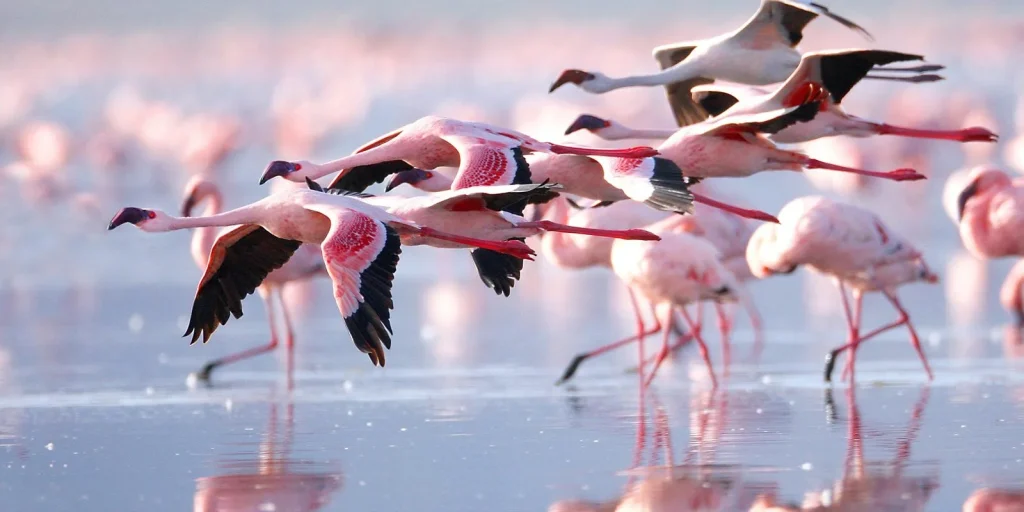
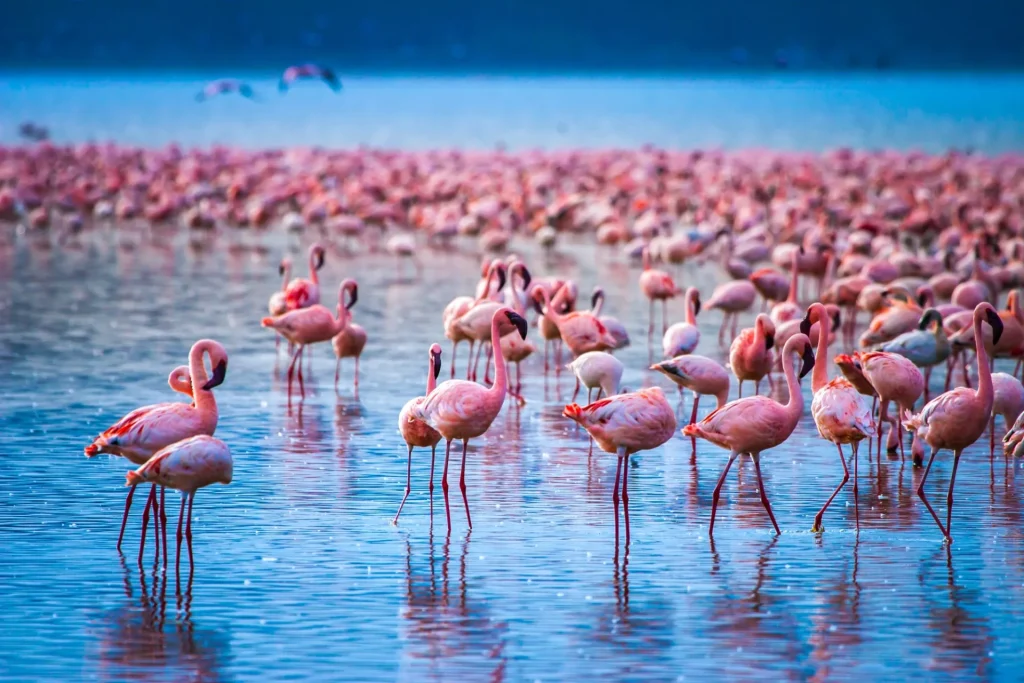
Lake Naivasha is primarily a freshwater birdwatching destination rather than a reliable location for large flamingo concentrations. Travellers interested in flamingos should consider suitable alkaline Rift Valley lakes and current local conditions.
Are kingfishers easy to see?
Pied kingfishers can be conspicuous around suitable open water. Smaller kingfishers may require more patient observation.
Can birds be photographed from a boat?
Yes, provided the boat is operated safely and wildlife is approached responsibly.
Is specialist birdwatching experience necessary?
No. Lake Naivasha is suitable for beginners as well as experienced birdwatchers.
Discover the Birds of Lake Naivasha
The birds of Lake Naivasha demonstrate the remarkable diversity of Kenya’s freshwater ecosystems. From the powerful African fish eagle to the hovering pied kingfisher and the delicate African jacana, each species reveals a different relationship with the lake’s habitats.
Safari Trips to Kenya can incorporate Lake Naivasha birdwatching into a Kenya Birding Safari, a Rift Valley wildlife itinerary or a longer holiday combining lakes, national parks and forest destinations. Contact our team to plan a birdwatching experience that matches your interests, travel dates and preferred safari style.