

The birds of Kenya represent one of the richest and most varied bird communities in Africa. More than 1,100 bird species have been recorded across the country, ranging from colourful rollers and bee-eaters to large eagles, flamingos, forest specialists and migratory shorebirds.
Kenya’s remarkable bird diversity is closely connected to its geography. The country stretches from the Indian Ocean coastline through dry savannahs, tropical forests and the Great Rift Valley to high mountains and alpine environments, and each landscape supports birds adapted to particular conditions. For travellers, this means that birdwatching in Kenya is not restricted to specialist expeditions: many distinctive birds can be observed during ordinary wildlife safaris, boat excursions, forest walks and even short stays around Nairobi.
However, visitors interested in building a comprehensive bird list need to understand how species are distributed. A bird associated with coastal forest may never be encountered in the Masai Mara, while a highland specialist may be absent from the dry northern reserves. This guide introduces Kenya’s major bird groups, important habitats, notable species and the best destinations for birdwatching.
How Many Bird Species Are Found in Kenya?
Kenya has recorded more than 1,100 bird species, making it one of the most diverse birdwatching countries on the African continent. The precise total depends on the checklist and taxonomic system being used, and different authorities occasionally recognise different species boundaries, particularly when scientific research leads to the splitting or combining of previously recognised species.
Nature Kenya and its associated bird committee maintain a national checklist that incorporates historical records, modern observations and current ornithological research. For travellers, the important point is that Kenya supports an exceptional range of birds across many different ecosystems, including resident species, seasonal migrants, occasional visitors and birds whose distributions are restricted to relatively small geographical areas.
Why Kenya Has Such Diverse Birdlife
Kenya occupies an important position in East Africa, where several major ecological regions meet. Its coastal forests contain species associated with the East African coastal belt, western Kenya includes tropical forest habitats with connections to the wider Congo Basin, and the central highlands support birds adapted to cooler mountain environments. Northern Kenya contains dry-country species associated with the Somali-Masai region, the Great Rift Valley provides freshwater and alkaline lakes that attract numerous waterbirds, and extensive savannah ecosystems support grassland birds, raptors, scavengers and woodland species. This combination of habitats explains why birdwatchers can encounter such different species during a single journey across the country.
Most Recognisable Birds of Kenya
Lilac-breasted Roller
The Lilac-breasted Roller is one of Kenya’s most recognisable birds. Its colourful plumage includes shades of turquoise, blue, green, purple and brown, and rollers are frequently observed perched on exposed branches, where they watch for insects and other small prey. They are especially popular with wildlife photographers because their bright colours contrast with the subdued tones of savannah vegetation, although their presence at a particular location is never guaranteed.
African Fish Eagle
The African Fish Eagle is closely associated with lakes, rivers and wetlands. Adults have a distinctive white head and chest, contrasting with dark wings and body feathers, and their powerful calls are among the characteristic sounds of East African freshwater environments. Fish eagles can be encountered around suitable habitats in places such as Lake Naivasha and other Kenyan lakes, and watching one scan the water from an exposed perch is a memorable birdwatching experience.
Secretarybird
The Secretarybird is a distinctive bird of prey associated with open grasslands. Its unusually long legs and upright posture distinguish it from most other raptors, and unlike eagles that hunt mainly from the air, secretarybirds spend substantial time walking across the ground. They search for insects, reptiles and other small animals, and open savannah landscapes provide suitable opportunities to observe them, although sightings can be unpredictable.
Kori Bustard
The Kori Bustard is among the heaviest flying birds in the world. Its large body, long neck and mottled plumage make it an impressive sight in open grassland, although despite its size the bird can blend surprisingly well into dry vegetation. Kori bustards are often observed walking slowly while searching for food, and they are particularly interesting to birdwatchers who enjoy studying ground-dwelling species.
Grey Crowned Crane
The Grey Crowned Crane is recognised by its golden crown of stiff feathers and occurs in suitable grassland and wetland habitats. The species is admired for its appearance and elaborate courtship behaviour, and cranes are also important indicators of healthy wetland and grassland environments. Habitat loss and other pressures have affected populations in parts of their range, making responsible conservation particularly important.
Superb Starling
The Superb Starling is one of East Africa’s most colourful and familiar birds. Its metallic plumage and contrasting underparts make it relatively easy to recognise, and these social birds may be encountered around open woodland, savannah and some human-modified environments. Their behaviour can be particularly entertaining, especially when groups interact while feeding, and although common in suitable areas they remain rewarding subjects for beginner birdwatchers.
Vulturine Guineafowl
The Vulturine Guineafowl is associated with dry habitats in parts of northern Kenya. Its striking blue plumage, spotted feathers and unusual head shape distinguish it from more familiar guineafowl species, and these birds are often observed moving in groups across dry woodland and bushland. Northern Kenya destinations such as Samburu are particularly relevant for travellers interested in seeing them.
Somali Ostrich
The Somali Ostrich is another distinctive bird associated with arid and semi-arid regions. It differs from the common ostrich in appearance and geographical distribution, and the species is particularly relevant to birdwatchers exploring northern Kenya. As with other wildlife, observations depend on local movements and suitable habitat.
Flamingos and Waterbirds of Kenya
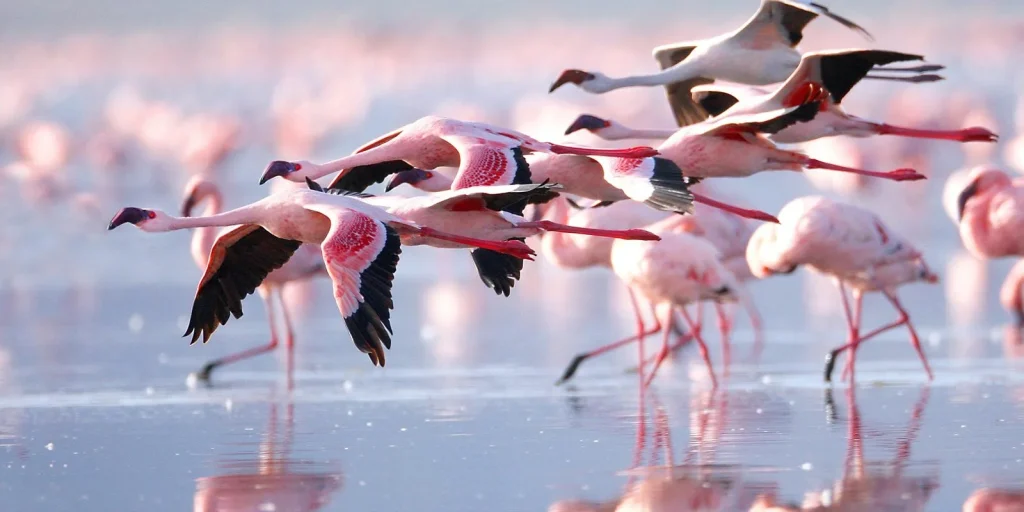
Flamingos are among Kenya’s most internationally recognised birds, and the country’s Rift Valley lakes have historically supported large concentrations of these striking waterbirds. However, flamingo numbers and distribution are highly variable, and changes in water levels, salinity, food availability and other environmental conditions influence where birds gather.
Lesser Flamingo
The Lesser Flamingo is particularly associated with suitable alkaline lakes. Its specialised feeding behaviour allows it to exploit microscopic food sources, including certain algae and cyanobacteria, and large gatherings can create remarkable scenes. Visitors should not expect the same concentrations throughout the year.
Greater Flamingo
The Greater Flamingo is generally larger and has a different bill structure from the lesser flamingo. It feeds on a variety of aquatic organisms in suitable wetland habitats, and both species may occur in Kenya’s Rift Valley lake system.
Pelicans
Pelicans are another important group of Kenyan waterbirds. Their large bills and distinctive feeding behaviour make them relatively easy to recognise, and they may be observed resting, flying or feeding around suitable lakes.
Herons, Egrets and Storks
Kenya supports numerous species of herons, egrets and storks. These birds occupy a variety of wetland environments, from freshwater lakes to marshes and riverbanks. Some hunt by standing motionless in shallow water, while others move actively in search of prey, and their feeding techniques provide fascinating opportunities for behavioural observation.
Birds of Prey in Kenya
Kenya’s diverse landscapes support a substantial variety of raptors. These birds play important ecological roles by controlling prey populations and, in the case of vultures, consuming carrion.
Martial Eagle
The Martial Eagle is a powerful African bird of prey associated with open woodland and savannah. It hunts a variety of vertebrate prey, and because it requires extensive habitat and suitable prey populations, sightings should be considered special rather than routine.
Bateleur
The Bateleur is recognised by its distinctive silhouette and short tail. It often spends considerable time soaring while searching for food, and its unusual flight profile can help experienced birdwatchers distinguish it from other raptors.
Vultures
Several vulture species occur in Kenya. They are particularly important in savannah ecosystems, where they help remove carcasses, although vultures face serious conservation threats in many parts of Africa, including poisoning and habitat-related pressures. Observing these birds provides an opportunity to appreciate the ecological importance of scavengers.
African Hawk-Eagle
The African Hawk-Eagle is associated with woodland and savannah habitats and is a powerful predator that hunts birds and other suitable prey. Identifying eagles accurately can be challenging because plumage varies with age and species, and a specialist guide can help visitors recognise differences in body shape, wing pattern and behaviour.
Kenya’s Endemic and Restricted-Range Birds
Some of the most important Kenya Bird Species are those with very limited geographical distributions. Endemic birds occur naturally only within a particular country or region, depending on the species definition being used, and Kenya’s restricted-range species are especially interesting to experienced birdwatchers because finding them may require visiting specific habitats.
Taita Thrush
The Taita Thrush is associated with the remaining indigenous forests of the Taita Hills. Its restricted distribution makes habitat conservation particularly important, and birdwatchers interested in this species should plan carefully and use knowledgeable local guides.
Taita Apalis
The Taita Apalis is another highly threatened bird associated with the Taita Hills. Its survival depends on the protection and restoration of suitable forest habitat, and it is not a species that visitors should expect to encounter during a conventional savannah safari.
Sharpe’s Longclaw
Sharpe’s Longclaw is associated with suitable highland grassland habitats in Kenya. Its conservation is closely linked to the preservation of appropriate grassland environments, and birdwatchers seeking this species need to consider habitat conditions and access arrangements.
Hinde’s Babbler
Hinde’s Babbler is a Kenyan endemic associated with particular areas of central and eastern Kenya. It is an important example of a bird whose distribution is limited despite the country’s extensive overall bird diversity.
Clarke’s Weaver
Clarke’s Weaver, also known as the Kilifi weaver, is associated with Kenya’s coastal region. Its restricted range and habitat requirements make it particularly relevant to conservation-focused birdwatching.
Aberdare Cisticola
The Aberdare Cisticola is associated with highland habitats. Cisticolas can be difficult to identify because many species have similar appearances, and vocalisations, habitat and geographical location are often important identification clues.
Best Places to See Birds in Kenya
Masai Mara National Reserve
The Masai Mara is internationally famous for its large mammals and the Great Wildebeest Migration. However, it also supports numerous birds associated with savannah, woodland, riverine habitats and wetlands. Birdwatchers may encounter rollers, hornbills, bustards, secretarybirds, vultures and eagles, and the reserve is particularly suitable for travellers who want to combine birdwatching with conventional wildlife viewing.
Amboseli National Park
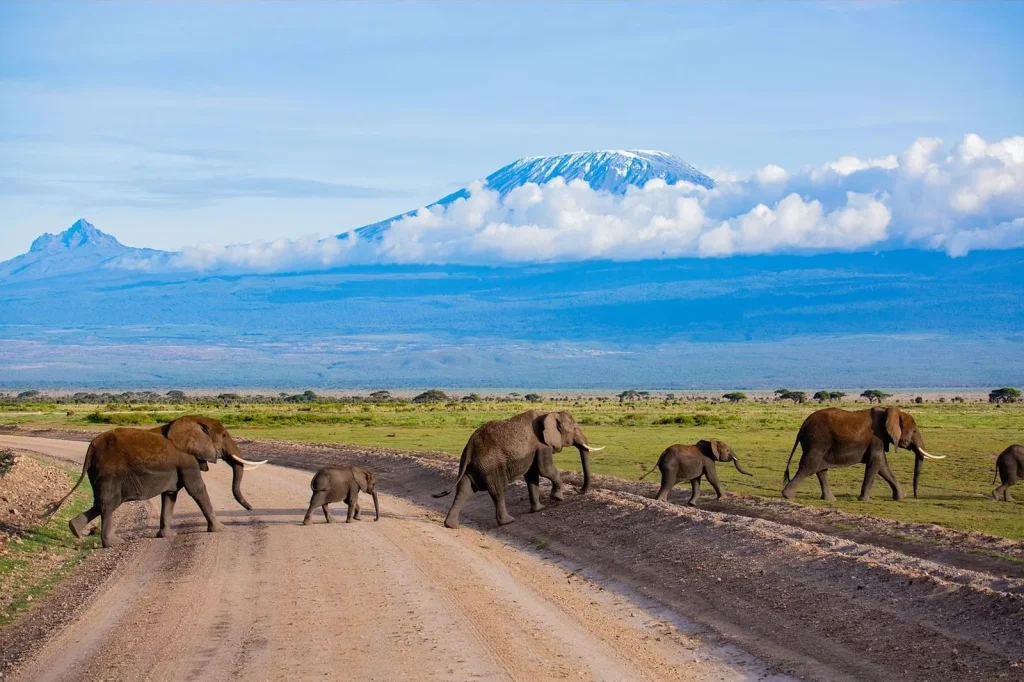
Amboseli National Park supports an impressive variety of birds across its wetlands, grasslands and woodland habitats. Notable groups include storks, herons, egrets, raptors and open-country species. The park is especially attractive to photographers because of its open landscapes and distinctive scenery, and birdwatching can be combined with opportunities to observe elephants and other wildlife.
Lake Naivasha
Lake Naivasha is a freshwater birdwatching destination in the Great Rift Valley. African fish eagles, kingfishers, cormorants, herons and numerous other waterbirds may be encountered, and boat excursions can provide valuable observation opportunities when conducted responsibly. The lake’s accessibility from Nairobi makes it suitable for shorter birdwatching itineraries.
Lake Nakuru National Park
Lake Nakuru National Park is associated with flamingos and other waterbirds. Its woodland and grassland habitats also support a variety of terrestrial species, and the park can be combined with Lake Naivasha on a Rift Valley birdwatching itinerary.
Lake Baringo
Lake Baringo is particularly important for birdwatchers interested in dry-country and freshwater species. Its surrounding habitats support hornbills, barbets, bee-eaters and numerous other birds, and specialist local guides can be particularly valuable when searching for difficult species.
Kakamega Forest
Kakamega Forest is one of Kenya’s most important destinations for tropical forest birdwatching. Its bird communities differ considerably from those found in open savannah parks, forest birdwatching requires patience, careful listening and an understanding of bird calls, and the forest is especially worthwhile for travellers interested in specialist identification.
Arabuko-Sokoke Forest
Arabuko-Sokoke Forest is an important coastal forest ecosystem. It supports several restricted-range and conservation-significant bird species, specialist guiding is recommended for travellers hoping to observe difficult forest birds, and the forest can be combined with a coastal holiday around Watamu or Malindi.
Samburu National Reserve
Samburu National Reserve offers opportunities to observe dry-country birds associated with northern Kenya. Vulturine guineafowl, Somali ostriches and various hornbills are among the notable species of the region, and the reserve also supports an interesting variety of mammals, making it suitable for combined wildlife and birdwatching safaris.
Migratory Birds in Kenya
Kenya is an important destination for migratory birds travelling between continents. Many birds from Europe and Asia spend part of the northern winter in African habitats, and these migrants join resident species in wetlands, grasslands, woodlands and coastal environments. Some birds migrate within Africa in response to seasonal changes in rainfall and food availability.
The presence of migratory species can make certain periods particularly rewarding for birdwatchers, although migration timing varies by species and year. Travellers interested in particular migrants should consult recent observations and specialist guidance when planning their itinerary.
Best Time for Birdwatching in Kenya
Birdwatching in Kenya is possible throughout the year, and the ideal period depends on the habitats and species of interest. From approximately November to April, many migratory birds from the northern hemisphere are present, which can increase the variety of species encountered in suitable locations. Rainfall may also stimulate breeding activity and improve feeding conditions, although wet weather can affect road access and walking conditions.
The generally drier periods are often convenient for combining birdwatching with conventional wildlife safaris. Different regions experience different rainfall patterns, so travellers should avoid assuming that one season is equally suitable across the entire country. For specialist birdwatching, target species and habitat conditions should guide the choice of travel dates.
Birdwatching for Beginners
Kenya is an excellent destination for people beginning to develop an interest in birds. Many species are colourful, relatively large or easily observed in open habitats, and a beginner does not need to identify every bird encountered. Learning to recognise common groups such as storks, herons, kingfishers, hornbills and raptors provides a useful foundation.
- Binoculars are highly recommended.
- A field guide or reliable identification application can help visitors compare similar species.
- Travelling with a knowledgeable guide is especially useful because bird identification often depends on behaviour, calls and habitat rather than colour alone.
Bird Photography in Kenya
Kenya Bird Photography offers opportunities ranging from large wetland birds to colourful woodland species. Different habitats present different photographic challenges: open savannahs often provide clear views, but strong sunlight and heat shimmer can affect image quality; forests may offer beautiful backgrounds but limited light and obstructed sightlines; and wetlands provide opportunities for reflections and feeding behaviour.
A telephoto lens is particularly useful for photographing birds without disturbing them. Photographers should allow sufficient time for observation rather than rushing between locations, and responsible photography means avoiding disturbance to nests, feeding areas and sensitive habitats.
Combining Birdwatching with a Kenya Wildlife Safari
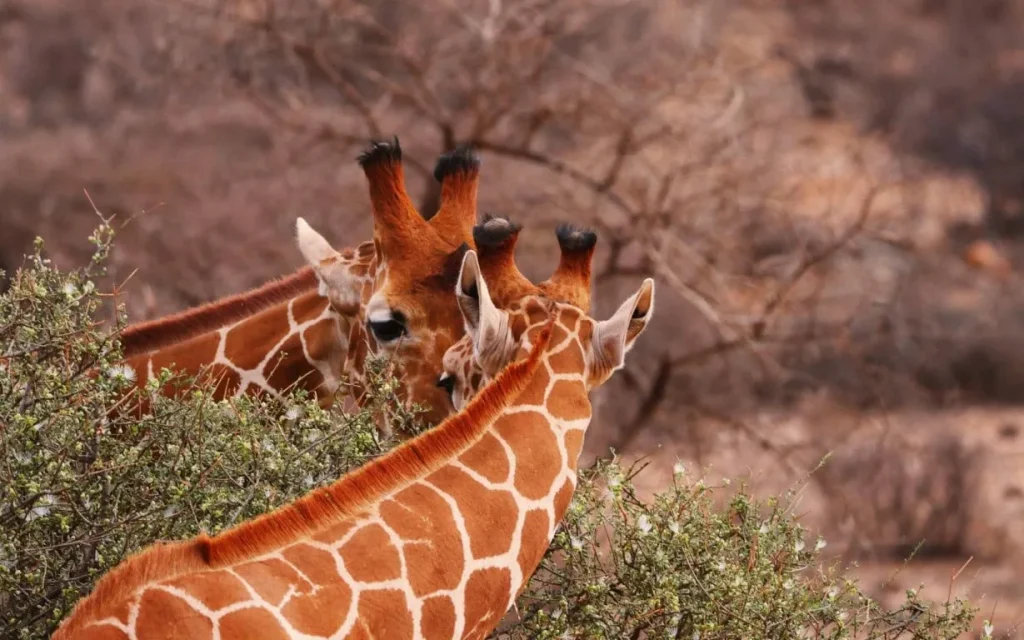
Birdwatching can significantly enrich a conventional Kenya Wildlife Safari. While travellers search for lions, elephants, giraffes and other mammals, they may also encounter numerous birds, and the presence of birds can reveal information about the surrounding environment. Vultures may indicate scavenging activity, while wetland birds reflect the availability of aquatic habitats.
A private safari itinerary provides flexibility to stop for interesting observations, which is especially useful for travellers who want to photograph birds without sacrificing opportunities to see larger wildlife.
Suggested Kenya Birdwatching Route
A practical birdwatching itinerary should combine habitats rather than simply visiting as many parks as possible. A seven- to ten-day journey could begin in Nairobi and continue through Lake Naivasha, Lake Nakuru and Lake Baringo. Travellers with additional time may include Kakamega Forest or Samburu, a southern circuit could combine Amboseli, the Masai Mara and Rift Valley lakes, and a coastal itinerary may include Arabuko-Sokoke Forest, Watamu and nearby wetland habitats.
The best route depends on travel time, road conditions, budget and target species. For serious birdwatchers, spending additional time in fewer productive habitats is often more rewarding than rushing through many destinations.
Conservation of Kenya’s Birds
Kenya’s birdlife faces a variety of conservation pressures. Habitat loss, wetland degradation, agricultural expansion, pollution and other environmental changes can affect bird populations, and species with restricted distributions are particularly vulnerable because they depend on relatively small areas of suitable habitat. Raptors and vultures face additional threats, including poisoning and collisions with infrastructure.
Conservation organisations, researchers, communities and government agencies contribute to monitoring and protecting important bird habitats. Responsible tourism can support these efforts by creating economic value around protected landscapes and encouraging appreciation of wildlife, and visitors can contribute by following park regulations, respecting sensitive habitats and supporting responsible local guides.
Frequently Asked Questions About Birds of Kenya
How many bird species are found in Kenya?
More than 1,100 bird species have been recorded. Exact totals vary according to the checklist and taxonomy used.
What is Kenya’s most famous bird?
There is no single definitive answer, but the lilac-breasted roller, African fish eagle, flamingos and grey crowned crane are among the country’s most recognisable birds.
Where is the best place for birdwatching in Kenya?
The best destination depends on the species of interest. Lake Baringo, Lake Naivasha, Kakamega Forest, Arabuko-Sokoke and Amboseli offer different birdwatching experiences.
Are there endemic birds in Kenya?
Yes. Kenya has several endemic and restricted-range species, including birds associated with the Taita Hills, highland grasslands and coastal forests.
Can birds be seen during a normal safari?
Yes. Many savannah birds, raptors and waterbirds can be observed during conventional game drives.
When are migratory birds present?
Many migrants from the northern hemisphere occur in Kenya between approximately November and April, although timing varies by species.
Is specialist equipment necessary?
Binoculars are highly recommended. A field guide is useful, while specialist photography equipment is optional.
Discover the Birds of Kenya with Safari Trips to Kenya
The birds of Kenya reveal the country’s ecological diversity in a way that large-mammal safaris alone cannot. From the wetland birds of the Great Rift Valley to the forest specialists of Kakamega and the dry-country species of Samburu, each region contributes something different to Kenya’s remarkable birdlife.
Safari Trips to Kenya can help travellers incorporate birdwatching into a traditional wildlife itinerary or arrange a more specialised Kenya Birding Safari. Share your travel dates, preferred destinations, number of travellers and birdwatching interests with our team to receive a personalised safari proposal.