

Great Migration and Samburu Safari
Great Migration and Samburu Safari: From the Masai Mara to Northern Kenya
A Great Migration and Samburu safari combines two of Kenya’s most distinctive wildlife destinations in one journey. In the Masai Mara, travellers explore open grasslands where enormous herds of wildebeest and zebra may gather during the migration season. In Samburu National Reserve, the scenery changes to semi-arid plains, rocky hills, acacia woodland and the palm-lined Ewaso Ng’iro River, home to wildlife associated with Kenya’s northern landscapes.
This combination is particularly attractive because the two reserves offer different experiences rather than repeating the same wildlife viewing. The Masai Mara is internationally recognised for the Great Wildebeest Migration, large predator populations and extensive savannah landscapes. Samburu is famous for the Samburu Special Five: Grevy’s zebra, reticulated giraffe, Beisa oryx, gerenuk and Somali ostrich. Elephants, lions, leopards and other wildlife occur in both destinations, but the habitats and animal behaviour can be very different.
The journey also introduces travellers to contrasting parts of Kenya. The Masai Mara lies in the southwest near the Tanzanian border, while Samburu is located in the country’s semi-arid north. Because these destinations are far apart, the itinerary requires realistic travel planning—a short safari may involve too much time on the road, while a carefully designed eight- to ten-day journey allows enough time to appreciate both regions. This guide explains the best months to travel, the wildlife to expect, practical routes, accommodation options and recommended itineraries for combining the Great Migration with Samburu.
Why Combine the Masai Mara With Samburu?
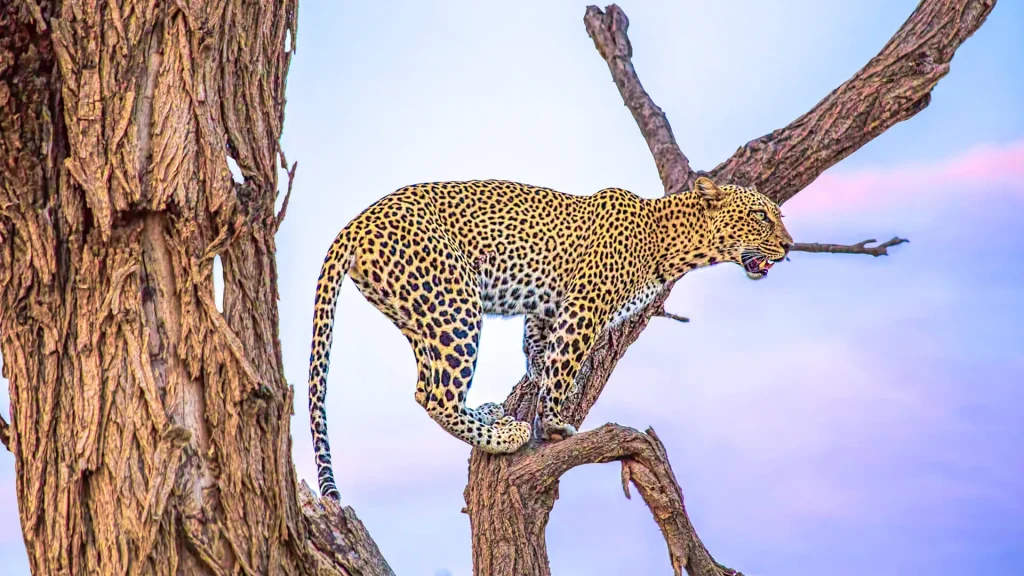
The strongest reason is wildlife diversity. The Masai Mara provides opportunities to observe migration herds, lions, cheetahs, leopards, elephants and other savannah animals, while Samburu adds distinctive northern Kenya species that are uncommon or absent from many southern safari destinations.
The landscapes are also dramatically different. The Mara is associated with rolling grasslands, river systems and broad horizons; Samburu has a drier character, with acacia woodland, rugged hills, doum palms and riverine habitats. This contrast makes a combined itinerary especially rewarding for photographers, experienced safari travellers and visitors who want to see more than one side of Kenya, and it offers a broader understanding of conservation, as different landscapes face different ecological and community challenges.
Understanding the Great Wildebeest Migration
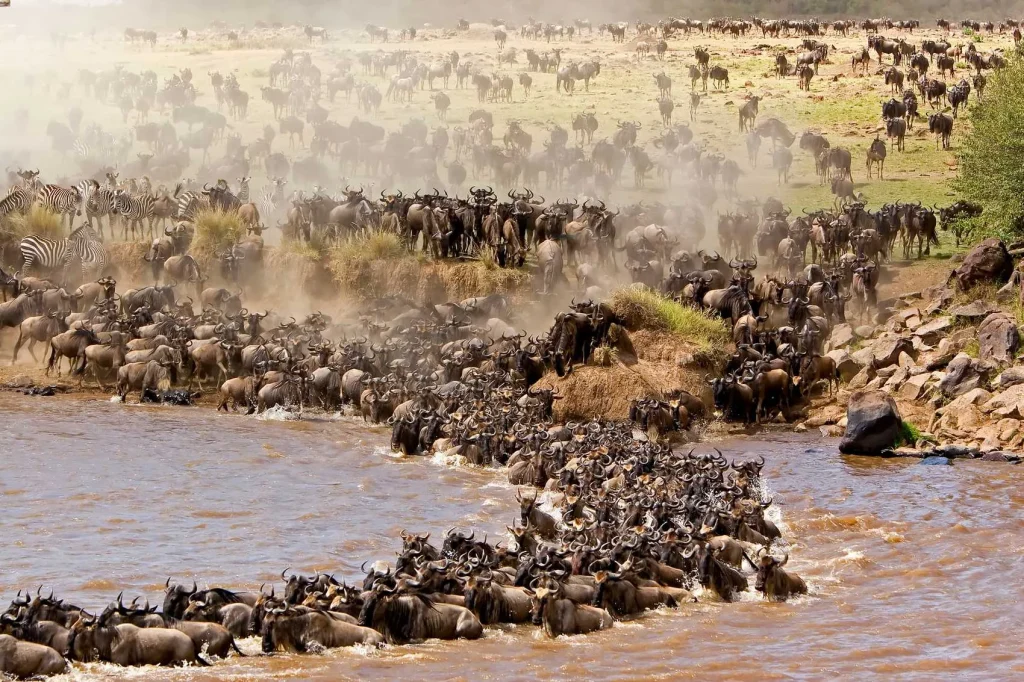
The Great Wildebeest Migration takes place across the Serengeti–Mara ecosystem in Tanzania and Kenya. Large populations of wildebeest, accompanied by zebra and other grazing animals, move in response to rainfall and the availability of suitable pasture. The migration is a year-round ecological process rather than a single event.
During parts of the year, substantial herds occupy the southern Serengeti. At other times, animals move through central, western and northern areas, and large herds may enter Kenya’s Masai Mara during the middle and later months of the year. However, their movements vary according to environmental conditions.
The Masai Mara Migration Season
July through October is the principal planning window for migration viewing in Kenya. During this period, substantial herds may be present in the Mara ecosystem. The Mara River is associated with dramatic crossings, but these cannot be predicted precisely—some herds may approach the river and wait for extended periods before crossing, while others may move away without crossing. Travellers should therefore allow several game drives rather than expecting a crossing during one particular excursion.
Wildlife Beyond the Migration
The Masai Mara remains an excellent wildlife destination outside the migration season. Its resident animals include lions, elephants, giraffes, buffalo, zebras, antelope and other species. Cheetahs and leopards may also be encountered, although sightings are never guaranteed. This means a Masai Mara and Samburu safari can be rewarding even when the main migration herds are elsewhere in the ecosystem.
What Makes Samburu National Reserve Special?
Samburu National Reserve lies in northern Kenya and protects a landscape very different from the Masai Mara. Its semi-arid habitats include grassland, acacia woodland, rocky terrain and riverine vegetation, and the Ewaso Ng’iro River is one of the reserve’s most important ecological features.
During dry periods, wildlife may become increasingly dependent on the river and other dependable water sources, which can create rewarding game-viewing opportunities. Samburu is also particularly attractive for travellers interested in northern Kenya’s distinctive species.
The Samburu Special Five
The Samburu Special Five are five animals closely associated with northern Kenya.
Grevy’s Zebra
Grevy’s zebra is an endangered zebra species with narrow stripes, large rounded ears and a distinctive appearance. It differs from the more familiar plains zebra commonly encountered in the Masai Mara and occupies suitable grassland and semi-arid habitats.
Reticulated Giraffe
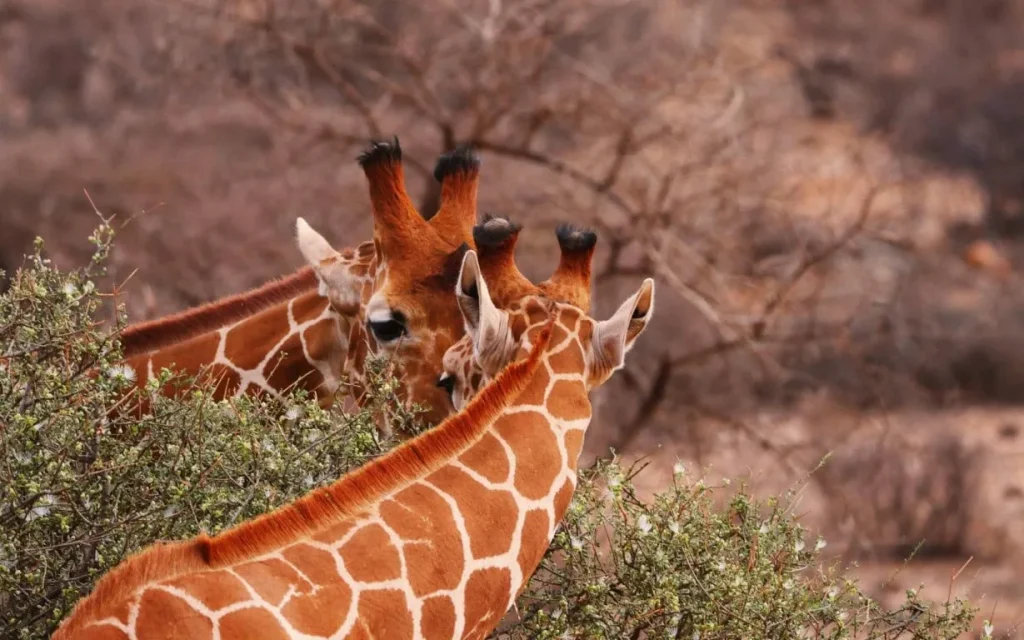
The reticulated giraffe is recognised by its sharply defined coat pattern, with large polygonal patches separated by pale lines. These giraffes are particularly associated with northern Kenya.
Beisa Oryx
The Beisa oryx is a striking antelope with long, straight horns, adapted to relatively dry environments and often observed in open habitats.
Gerenuk
The gerenuk is famous for its long neck and unusual feeding behaviour—it can stand on its hind legs to browse vegetation that would otherwise be difficult to reach. Observing this behaviour is a highlight for many visitors.
Somali Ostrich
The Somali ostrich is a distinctive bird associated with dry landscapes in northern Kenya and one of the reserve’s most recognisable species.
Best Time for a Great Migration and Samburu Safari
The strongest overall planning period is generally July through September, extending into October when migration conditions remain favourable. This period often combines good opportunities for migration viewing in the Masai Mara with relatively dry conditions in Samburu, though the two destinations have different rainfall patterns and wildlife movements remain unpredictable.
July
July is a popular month for combining the Masai Mara and Samburu. Migration herds may begin occupying northern parts of the Serengeti–Mara ecosystem, and Samburu often experiences relatively dry conditions, making wildlife viewing around dependable water sources rewarding.
August
August is one of the strongest months for this combination. Substantial migration herds may be present in the Masai Mara, and Samburu’s dry landscapes can provide opportunities to observe elephants and the Special Five, although accommodation demand may be high in both destinations.
September
September is another excellent choice. Migration activity may continue in the Masai Mara, while Samburu often remains relatively dry—a combination that can be attractive for photographers and travellers seeking a balance between wildlife viewing and comfortable travel conditions.
October
October can still offer migration opportunities, although herd movements depend on rainfall. Samburu may begin experiencing seasonal changes as the short rains approach, so travellers should prepare for variable weather.
Can You Combine Samburu With the Migration in January or February?
Yes, but the Masai Mara may not host the main migrating herds during these months. January and February are often excellent for resident wildlife viewing in the Masai Mara, and Samburu also commonly experiences relatively dry conditions. A January or February itinerary can therefore provide outstanding wildlife encounters, but it should not be marketed as a guaranteed Masai Mara migration safari. Travellers specifically seeking the main migration herds during this period may prefer the southern Serengeti in Tanzania.
Wildlife Viewing in the Masai Mara
The Masai Mara is particularly attractive for predators and plains wildlife.
Lions
Lions may be observed resting, moving through grassland or interacting with pride members.
Cheetahs
Cheetahs favour relatively open habitats where they can locate and pursue prey.
Leopards
Leopards are generally more elusive and often use riverine woodland or thicker vegetation.
Elephants
Elephants occur throughout suitable habitats in the Mara ecosystem.
Wildebeest and Zebras
Large migrating herds may be present seasonally, while resident grazing animals remain throughout the year.
Wildlife Viewing in Samburu
Samburu offers opportunities to observe elephants, giraffes, Grevy’s zebras, antelope and predators. The Ewaso Ng’iro River is particularly important during dry periods—elephants may be observed moving through riverine woodland or gathering near water. Lions and leopards occur in the reserve, although sightings depend on daily movements. The Special Five provide a distinctive wildlife focus, and birdwatching can also be rewarding because Samburu supports species associated with dry-country habitats.
The Ewaso Ng’iro River
The Ewaso Ng’iro River is central to Samburu’s ecology. Its waters and surrounding vegetation provide important habitat for wildlife, and during dry periods animals may depend more heavily on the river. The river supports birds, crocodiles and other aquatic or river-associated species, although water levels can change with rainfall across the wider catchment. Visitors should never approach the riverbank on foot without appropriate authorisation and professional guidance.
How Many Days Do You Need?
A combined Masai Mara and Samburu safari works best with at least seven or eight days; a shorter itinerary may involve excessive driving. Eight to ten days provide a more comfortable balance between wildlife viewing and transfers. Travellers with additional time can include Ol Pejeta Conservancy, Lewa Wildlife Conservancy or Lake Nakuru National Park, which add rhino conservation experiences and other wildlife habitats. The ideal itinerary depends on budget, transport preferences and available travel days.
Recommended 8-Day Great Migration and Samburu Safari
Day 1: Arrival in Nairobi
Arrive at Jomo Kenyatta International Airport, transfer to your hotel and relax after the journey. Overnight in Nairobi.
Day 2: Nairobi to Samburu
Travel north towards Samburu National Reserve, passing through changing landscapes as the journey leaves the central highlands. Arrive at your lodge or camp and enjoy an afternoon game drive if time permits.
Day 3: Full-Day Samburu Safari
Spend the day exploring Samburu, searching for the Special Five, elephants, lions and other wildlife. Your guide may focus on riverine habitats and suitable open areas.
Day 4: Additional Samburu Game Drives
Enjoy another day in the reserve, with more opportunities to observe northern Kenya’s distinctive wildlife.
Day 5: Transfer Towards the Masai Mara
Travel towards the Masai Mara using a carefully planned road or flight arrangement. Because the destinations are far apart, this may require a substantial travel day or suitable flight connections.
Day 6: Full-Day Masai Mara Safari
Explore the reserve, searching for lions, elephants, cheetahs, leopards and other wildlife. During migration season, your guide may visit suitable areas where herds have recently been reported.
Day 7: Additional Masai Mara Game Drives
Enjoy another full day in the Mara, with flexibility for migration viewing and predator encounters.
Day 8: Return to Nairobi
Travel back to Nairobi by road or domestic flight and connect with your onward journey.
Recommended 10-Day Masai Mara, Samburu and Ol Pejeta Safari
A ten-day itinerary allows a broader wildlife experience.
Day 1: Arrival in Nairobi
Arrive and transfer to your accommodation.
Day 2: Nairobi to Samburu
Travel north and enjoy an introductory game drive.
Day 3: Full-Day Samburu Safari
Explore the reserve’s riverine and semi-arid habitats.
Day 4: Additional Samburu Wildlife Viewing
Enjoy another day searching for elephants, predators and the Special Five.
Day 5: Samburu to Ol Pejeta
Travel towards Ol Pejeta Conservancy in the Laikipia region and enjoy a game drive if arrival time permits.
Day 6: Ol Pejeta Conservation Experience
Explore the conservancy and learn about rhino protection. Specialist activities should be arranged in advance.
Day 7: Transfer to Masai Mara
Continue towards the Masai Mara using a suitable road or flight arrangement.
Day 8: Full-Day Masai Mara Safari
Enjoy game drives focused on predators, plains wildlife and migration herds when seasonally present.
Day 9: Additional Masai Mara Game Drives
Spend another day exploring the reserve.
Day 10: Return to Nairobi
Travel back to Nairobi for departure.
Adding Lake Nakuru National Park
Lake Nakuru National Park is a useful addition to a longer itinerary, known for rhino conservation and varied Rift Valley habitats. Visitors may encounter black and white rhinos, giraffes, buffalo and other wildlife, and Lake Nakuru also supports diverse birdlife. Including the park can provide a stronger opportunity to observe rhinos, which are not commonly encountered in many areas of the Masai Mara or Samburu.
Adding Lewa Wildlife Conservancy
Lewa Wildlife Conservancy is another attractive northern Kenya destination, internationally recognised for rhino conservation and carefully managed wildlife tourism. Lewa supports black and white rhinos, Grevy’s zebras, elephants and other wildlife, and the conservancy can complement Samburu particularly well. However, accommodation availability may be limited, and some specialist experiences require advance arrangements.
Travelling Between Samburu and the Masai Mara
The distance between Samburu and the Masai Mara is substantial, and a road transfer may require a long travel day that should not be underestimated. Some itineraries use domestic flights or connections through suitable regional airports, though flight schedules vary and may not provide a convenient direct service on every date. Travellers should compare road and air options according to budget and available time, and a carefully planned itinerary avoids sacrificing too many game-drive hours to transfers.
Road Safari Versus Flying Safari
A road safari offers opportunities to observe changing landscapes and visit destinations along the route, and it can also be more economical for small groups sharing a vehicle. However, long distances may be tiring.
A flying safari can reduce selected transfer times and provide more time in wildlife destinations, and it may be particularly attractive for travellers with limited holiday time. However, domestic flights have luggage restrictions and depend on available schedules. The best choice depends on budget, comfort preferences and itinerary design.
Accommodation in Samburu
Samburu offers a range of safari accommodation. Some lodges and camps are located within the reserve or nearby conservation areas; others are situated outside the main reserve boundaries. Location affects game-drive arrangements and access times, and travellers should confirm whether park fees, meals and activities are included. Accommodation should be selected according to the desired experience rather than price alone.
Accommodation in the Masai Mara
The Masai Mara offers a wide range of lodges and tented camps, some inside the national reserve and others in surrounding conservancies or nearby areas. Location matters during migration season—a property close to suitable wildlife-viewing areas may reduce travel time. However, the location of migrating herds changes naturally, and no accommodation can guarantee river crossings or predator encounters.
Accommodation Categories
Safari Trips to Kenya uses four accommodation categories: Essential focuses on practical comfort and affordability; Comfort offers established facilities and good value; Premium provides additional comfort, attractive locations and personalised service; and Signature includes high-end lodges and distinctive safari properties. Travellers should consider location, guiding arrangements and included activities alongside room quality.
What Does a Great Migration and Samburu Safari Cost?
The cost depends on the number of days, accommodation category, travel season and transport. July through September is a popular period for migration-focused safaris, and accommodation demand may be high, particularly in the Masai Mara. Private safaris offer flexibility but may cost more for solo travellers or couples; group departures can reduce shared transport costs. Domestic flights increase convenience but may add to the overall price. A complete quotation should identify accommodation, meals, transport, guiding, park fees and game drives, while optional activities, drinks, gratuities and personal expenses may be excluded.
Wildlife Photography in Both Destinations
The Masai Mara and Samburu offer contrasting photographic opportunities. The Masai Mara’s open grasslands are attractive for photographing lions, cheetahs and migrating herds, while Samburu provides distinctive backgrounds, including acacia woodland, rocky hills and riverine vegetation. The Special Five are particularly interesting photographic subjects. A telephoto lens is useful for wildlife at a distance; a wider lens can capture animals within their landscape. Photographers should protect equipment from dust during dry periods.
Birdwatching on a Masai Mara and Samburu Safari
Both destinations support diverse birdlife. The Masai Mara offers opportunities to observe secretarybirds, bustards, vultures, eagles and other savannah species, while Samburu supports birds associated with northern Kenya’s dry habitats—the Somali ostrich is particularly distinctive. Birdwatchers may also encounter hornbills, kingfishers, weavers and various raptors. A specialist guide can improve opportunities to identify less conspicuous species.
Is This Safari Suitable for Families?
A Masai Mara and Samburu safari can be suitable for families, though long road transfers may be tiring for younger children. Families should consider accommodation facilities, vehicle seating arrangements and daily schedules. A private safari provides flexibility for breaks and shorter game drives, and flying between selected destinations may also reduce travel fatigue. The best itinerary depends on the children’s ages and the family’s interests.
Responsible Wildlife Viewing
Responsible tourism is important in both destinations. Visitors should maintain appropriate distances from wildlife, vehicles should not obstruct migration herds or pressure animals towards river crossings, and elephants should be given space to move naturally. Wildlife should never be fed. Travellers should follow park regulations and the instructions of professional guides—responsible behaviour helps protect the ecosystems that make Kenya’s wildlife experiences possible.
Frequently Asked Questions
Can You Combine the Great Migration and Samburu?
Yes. A combined itinerary can include the Masai Mara during migration season and Samburu for northern Kenya’s distinctive wildlife.
What Is the Best Month?
August and September are excellent overall choices, although migration movements remain unpredictable.
How Many Days Do You Need?
Eight to ten days provide a comfortable balance between the two destinations.
What Is the Samburu Special Five?
The Special Five are Grevy’s zebra, reticulated giraffe, Beisa oryx, gerenuk and Somali ostrich.
Can You See the Big Five?
The combined itinerary offers opportunities to see several Big Five species. Adding Ol Pejeta or Lake Nakuru can improve opportunities for rhino viewing.
Are River Crossings Guaranteed?
No. River crossings are natural events and cannot be scheduled.
Can You Fly Between Samburu and the Masai Mara?
Flight arrangements may be possible, but routes and schedules must be confirmed for the intended travel dates.
Is Samburu Worth Visiting After the Masai Mara?
Yes. Samburu offers contrasting scenery and distinctive northern Kenya wildlife that complements the Masai Mara experience.
Plan Your Great Migration and Samburu Safari
A Great Migration and Samburu safari combines Kenya’s famous migration landscapes with the distinctive wildlife of the country’s semi-arid north. The Masai Mara offers opportunities to observe migrating herds, predators and extensive savannah wildlife; Samburu adds the Special Five, elephants and the dramatic Ewaso Ng’iro River landscape.
Safari Trips to Kenya can arrange private Masai Mara and Samburu safaris, scheduled group departures and customised itineraries that also include Ol Pejeta, Lewa or Lake Nakuru. Share your travel dates, number of travellers, preferred accommodation category and transport preferences to receive a tailored safari proposal. A carefully planned journey will provide enough time to appreciate both regions without rushing through the landscapes that make them special.