1 Day Kenya Safari
Plan a 1 Day Kenya Safari with private transport, expert guiding and wildlife viewing. Explore the best one-day…
View SafariHandpicked Kenya Safari Tours for Every Traveler
Discover Kenya Uganda safari packages combining Masai Mara wildlife, Bwindi gorilla trekking and Uganda's national parks. Explore routes, costs and travel tips.
Kenya and Uganda complement one another exceptionally well because their most sought-after wildlife experiences are different. In Kenya, the emphasis is often on open-country game viewing, predator behaviour and the seasonal movement of large herbivore populations. Uganda adds dense tropical forests, primate tracking, boat safaris and landscapes characterised by crater lakes, mountains and lush vegetation.
For many travellers, the greatest attraction is combining a Masai Mara Safari with Bwindi Gorilla Trekking. The Masai Mara provides opportunities to observe large mammals from a safari vehicle, while gorilla trekking involves walking through forest terrain with trained guides and trackers to locate a habituated mountain gorilla family.
These activities also create a welcome change of pace. Game drives may involve several hours travelling through savannah landscapes, whereas gorilla trekking is a physically active experience with variable walking distances and terrain. Spending time in both environments gives travellers a broader understanding of East Africa's ecosystems.
A combined safari can also include chimpanzees, rhinos, boat excursions and cultural experiences. However, the itinerary should be structured around realistic travel distances, confirmed permit availability and enough time at each destination.
Showing 1–12 of 215 safaris
Plan a 1 Day Kenya Safari with private transport, expert guiding and wildlife viewing. Explore the best one-day…
View SafariExplore the 10 Days Family Kenya Safari with a day-by-day safari plan, key wildlife experiences, destinations, accommodation ideas,…
View SafariExplore the 10 Days Fly-in Kenya Safari with a day-by-day safari plan, key wildlife experiences, destinations, accommodation ideas,…
View SafariExplore the 10 Days Honeymoon Kenya Safari with a day-by-day safari plan, key wildlife experiences, destinations, accommodation ideas,…
View SafariPlan a 10 Days Kenya Big Five Safari with expert guides, game drives and carefully chosen camps. Request…
View SafariA 10 day Kenya journey connecting Nairobi, Ol Pejeta, Samburu or Buffalo Springs, Solio, Lake Nakuru, Maasai Mara…
Lake Naivasha, Lake Nakuru, Masai Mara
View SafariPlan a 10 Days Kenya Safari with expert guides, game drives and carefully chosen camps. Request a quote.
View SafariPlan a 10 Days Kenya Safari & Diani Beach with expert guides, game drives and carefully chosen camps.…
Diani Beach
View SafariPlan a 10 Days Kenya Wildlife Safari with expert guides, game drives and carefully chosen camps. Request a…
View SafariPlan a 10 Days Luxury Kenya Safari with expert guides, game drives and carefully chosen camps. Request a…
View SafariA 10 day Kenya journey connecting Nairobi, Maasai Mara, Lake Naivasha, Amboseli and Diani Beach.
Amboseli, Diani Beach, Lake Naivasha
View SafariPlan a 10 Days Masai Mara & Amboseli with expert guides, game drives and carefully chosen camps. Request…
Masai Mara, Amboseli
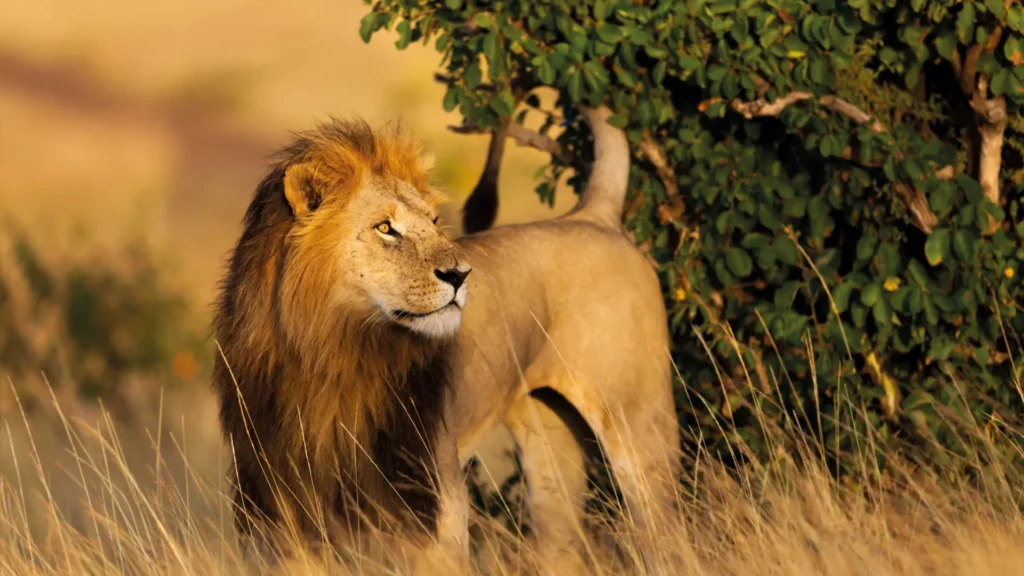
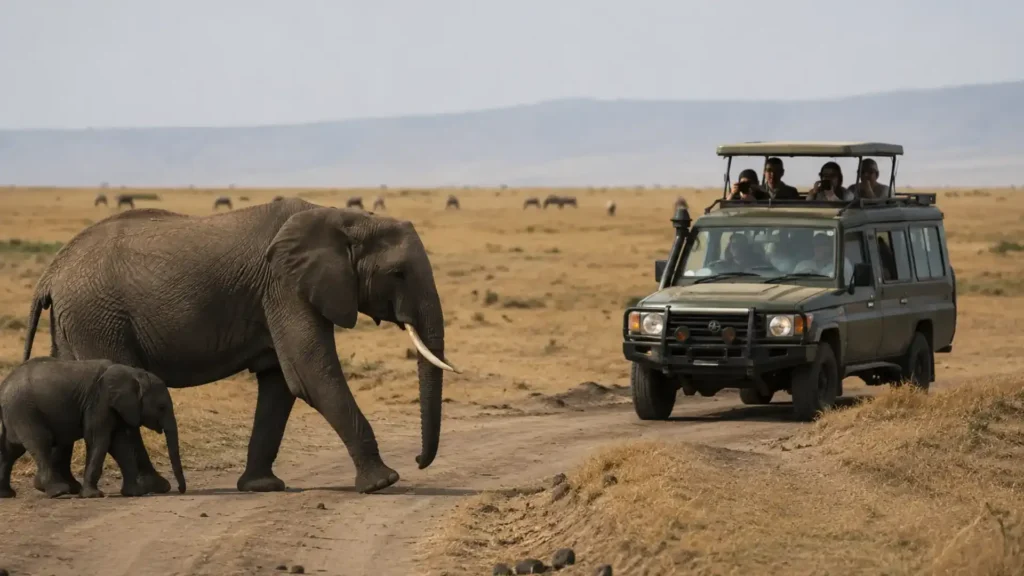
View SafariThe Masai Mara National Reserve is often the principal Kenyan destination in a Kenya-Uganda itinerary. Its open grasslands support lions, cheetahs, leopards, elephants, buffaloes, giraffes and numerous grazing mammals.
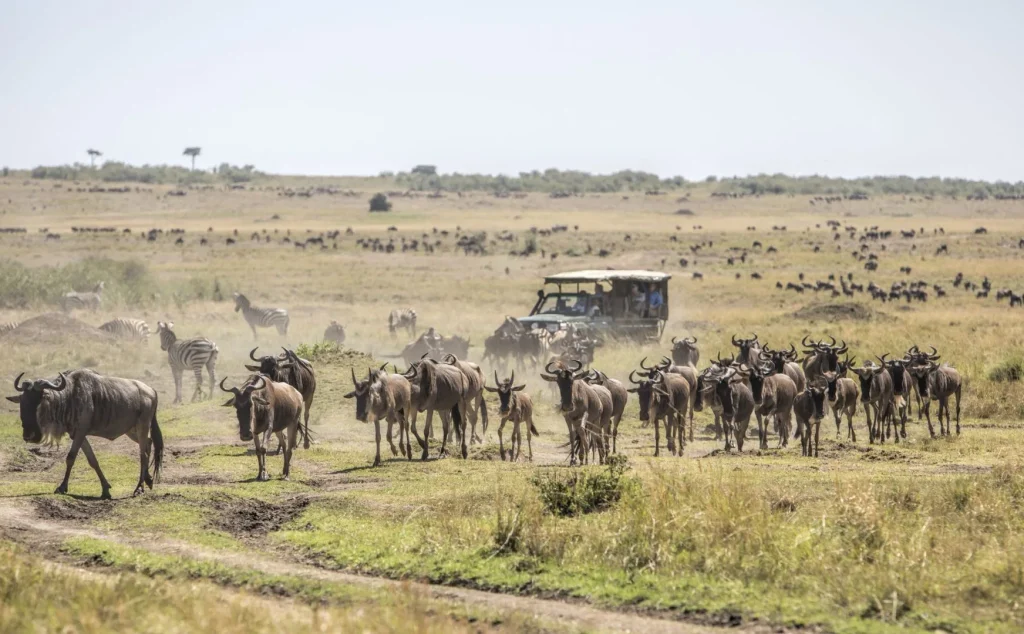
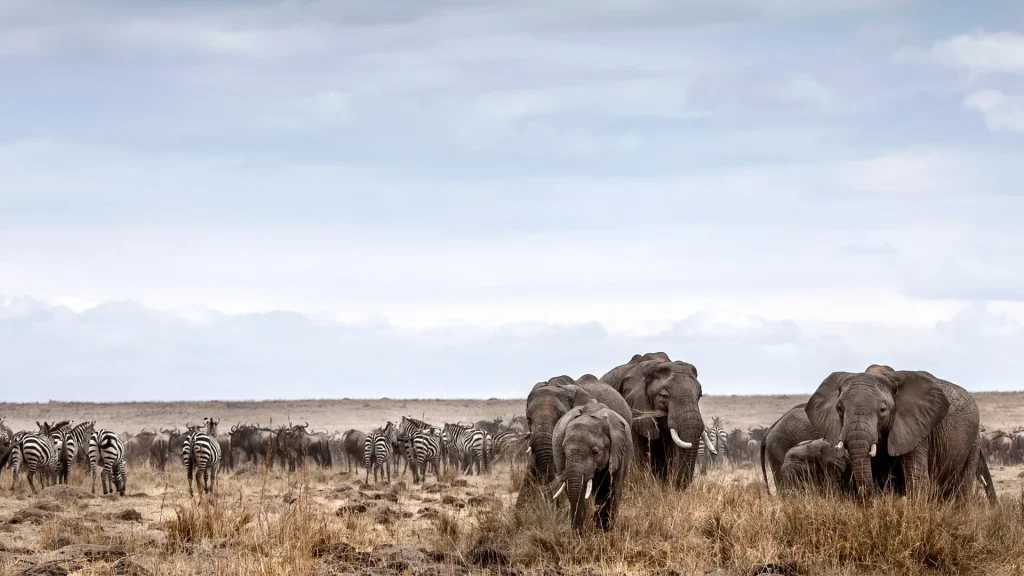
During part of the year, the wider Mara-Serengeti ecosystem hosts migratory wildebeest and zebras. Their movements depend on rainfall and grazing conditions, so river crossings should never be treated as guaranteed events.
A stay of at least three nights is attractive for travellers who want substantial wildlife-viewing time. Shorter stays are possible, but transfers can reduce the number of game drives available.
Lake Nakuru National Park can be included for travellers interested in rhino conservation, birdlife and Great Rift Valley scenery. The park supports black and white rhinoceroses, although sightings depend on their movements and viewing conditions.
Lake Nakuru also provides a useful contrast to the Masai Mara, with woodland, lake-edge habitats and different wildlife concentrations. Its location makes it practical for some road-based Kenya itineraries.
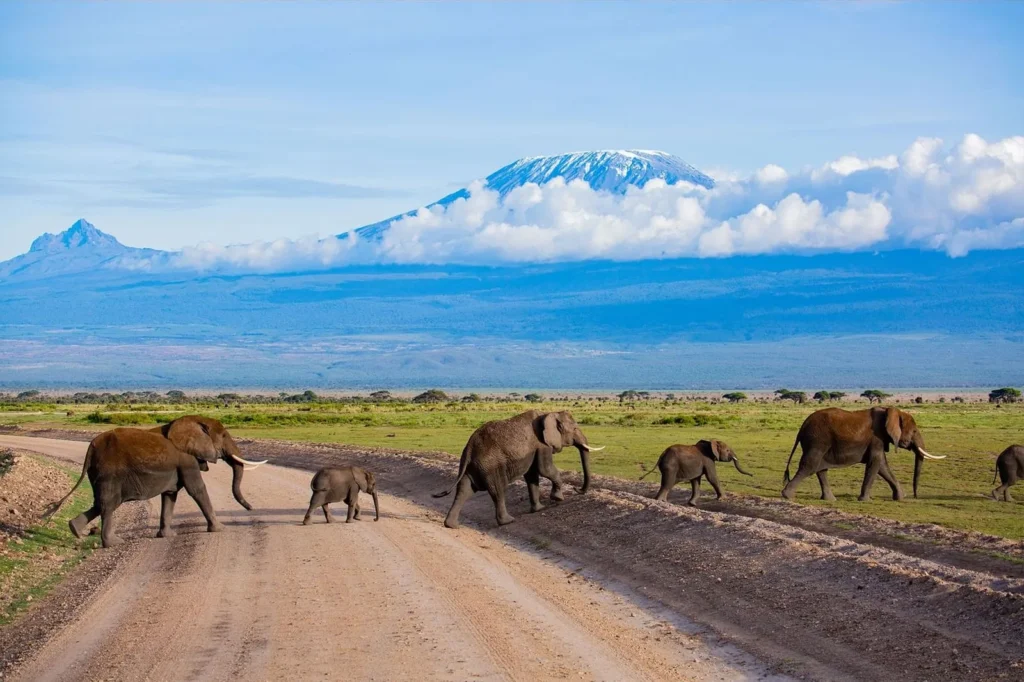
Amboseli National Park is particularly attractive for travellers who want to observe elephants and photograph Mount Kilimanjaro. The park's wetlands and open plains support numerous animals, and its landscapes are noticeably different from the Masai Mara.
Including Amboseli requires additional time because it lies southeast of Nairobi, whereas the Masai Mara is southwest of the capital. Travellers with fewer than ten days may find it better to focus on one Kenyan wildlife destination and reserve sufficient time for Uganda's gorillas.
Bwindi Impenetrable National Park is the centrepiece of most Kenya-Uganda gorilla safaris. Located in southwestern Uganda, the park protects a significant population of endangered mountain gorillas and contains extensive montane and lowland forest habitats.
Gorilla trekking is organised through designated sectors, including Buhoma, Ruhija, Rushaga and Nkuringo. The sector assigned to a traveller affects the most convenient accommodation location and road-transfer arrangements.
On the trekking day, visitors attend a briefing before entering the forest with authorised guides and trackers. The duration of the walk varies considerably depending on the gorillas' location, terrain and weather conditions.
Once a habituated gorilla family is located, standard trekking visits normally allow up to one hour observing the animals, subject to conservation regulations and ranger instructions.
Kibale National Park is among Uganda's most important chimpanzee habitats. The forest supports several primate species, and organised chimpanzee tracking provides opportunities to observe chimpanzees in their natural environment.
Chimpanzee tracking is different from gorilla trekking. Chimpanzees may move rapidly through the forest, climb into the canopy and communicate loudly with other group members. The experience can be physically demanding, depending on the animals' movements.
Kibale combines well with Queen Elizabeth National Park, making it a useful addition to longer Uganda Safari Tours.
Queen Elizabeth National Park offers traditional wildlife viewing in a landscape of savannah, wetlands, crater lakes and forested areas. The park supports elephants, buffaloes, Uganda kobs, hippos, crocodiles and several predator species.
The Kazinga Channel boat excursion is a particularly rewarding activity because animals frequently gather along the shoreline. Birdwatchers may also encounter numerous waterbirds and other species.
The Ishasha sector is associated with tree-climbing lions, although sightings are unpredictable. Travellers should allow enough time for wildlife viewing rather than expecting to find lions immediately.
Murchison Falls National Park lies in northwestern Uganda and is particularly known for the Nile River and the powerful waterfall where the river passes through a narrow rock gorge.
Game drives, river excursions and visits to the falls are among the principal activities. The park supports elephants, giraffes, buffaloes, lions and numerous antelope species.
Murchison Falls is a worthwhile addition to an extended itinerary, but its location means that including it alongside Kenya, Kibale and Bwindi requires additional travel days.
The following is a proposed itinerary rather than a confirmed departure. Accommodation, activities and flight arrangements should be finalised according to travel dates, permit availability and individual preferences.
Arrive at Jomo Kenyatta International Airport, where your representative meets you for a transfer to your Nairobi accommodation. The remainder of the day is reserved for relaxation after your international journey, with the exact programme depending on your arrival time.
Nairobi is a practical starting point for Kenya safaris because it connects with major national parks and regional airports. Travellers arriving early may choose optional city activities, but these should be arranged around available time and personal interests.
Your guide can explain the upcoming safari schedule, vehicle arrangements, luggage requirements and expected travel conditions. Overnight accommodation is in Nairobi, with meals according to the selected hotel package.
After breakfast, depart Nairobi for the Masai Mara, travelling through the Great Rift Valley and onward toward southwestern Kenya. The journey commonly takes approximately five to seven hours or longer depending on road conditions, stops and the lodge's location.
The route provides an introduction to Kenya's highland scenery, agricultural landscapes and rural settlements. Travellers may stop at suitable viewpoints or rest areas, depending on the departure schedule.
Arrive at your selected safari camp or lodge, check in and enjoy lunch if timing permits. An afternoon game drive may be possible, depending on arrival time and park-access arrangements.
Your first wildlife excursion introduces the Mara's open plains and the animals that inhabit them. Overnight at a Masai Mara safari camp or lodge.
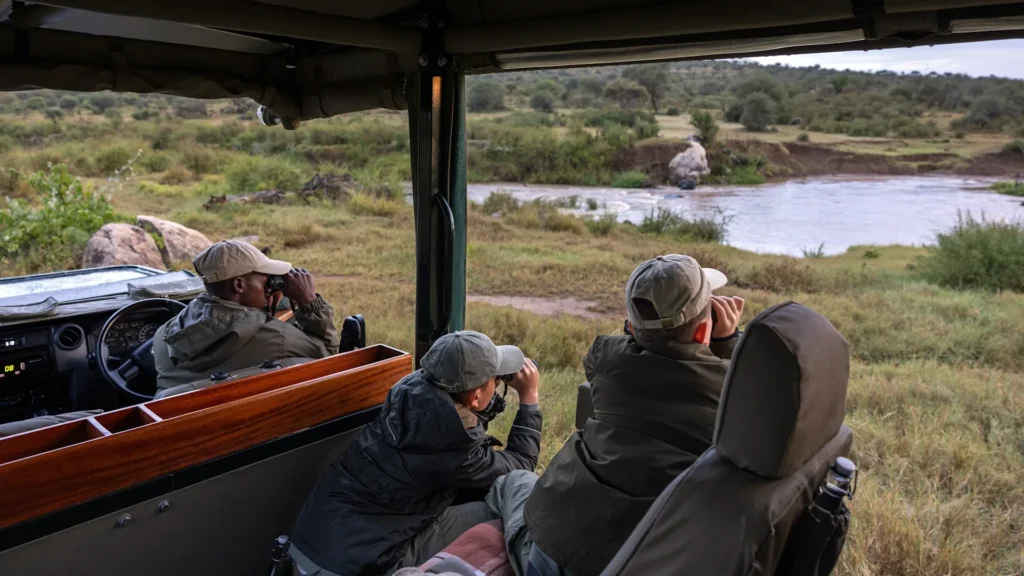
Spend the day exploring the Masai Mara with your professional safari guide. Early morning is often rewarding because temperatures are cooler and predators may still be active after the night.
The reserve supports lions, elephants, buffaloes, giraffes, zebras, wildebeest and numerous antelope species. Your guide will select appropriate routes based on recent wildlife activity, weather and access conditions.
Depending on the selected programme, you may enjoy morning and afternoon game drives or a longer excursion with a packed lunch. The aim is to spend meaningful time observing wildlife behaviour rather than travelling rapidly between sightings.
During migration months, the guide may explore suitable areas where herds have recently been reported. However, the exact timing and location of river crossings cannot be guaranteed.
Return to the lodge for dinner and overnight accommodation.
Begin with an early game drive if permitted by your accommodation and departure arrangements. This provides another opportunity to observe wildlife under changing light conditions.
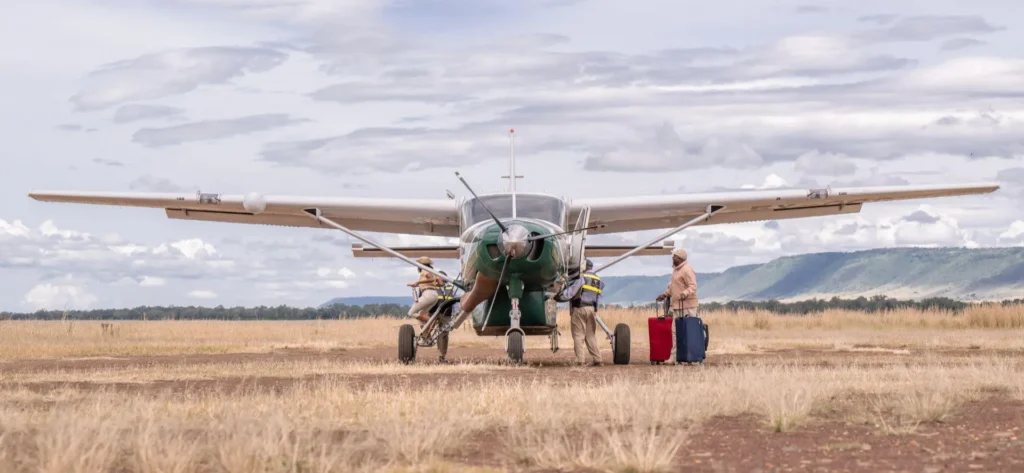
After breakfast, prepare for the journey back to Nairobi. A road transfer normally occupies much of the day, although a scheduled domestic flight can be considered as an alternative.
On arrival in Nairobi, transfer to your hotel for dinner and overnight accommodation according to the package. The overnight stop allows a more comfortable connection with Uganda the following day.
Transfer to the airport for your scheduled regional flight from Nairobi to Entebbe. Flight times and availability depend on the airline and travel date.
After arriving in Uganda and completing immigration formalities, meet your Ugandan safari representative. Depending on arrival time, you may explore selected attractions around Entebbe or simply relax at your hotel.
Entebbe lies on the northern shore of Lake Victoria and provides a convenient gateway to Uganda's western national parks. Overnight in Entebbe.
Today you travel toward southwestern Uganda and the forests of Bwindi. For a ten-day itinerary, a domestic flight to an appropriate airstrip near the Bwindi region is often preferable to a full-day road journey.
Flights commonly use airstrips such as Kihihi or Kisoro, depending on the gorilla trekking sector and airline schedule. A road transfer from the airstrip to the lodge is still required.
Travellers choosing an entirely road-based journey should expect a long transfer that may take approximately eight to eleven hours or more, depending on the destination sector, road conditions and stops.
Arrive at your selected forest lodge, settle in and prepare for the following day's gorilla trekking adventure. Overnight near Bwindi.
After an early breakfast, transfer to the designated gorilla trekking briefing point. Uganda Wildlife Authority personnel explain the conservation rules, safety procedures and expectations for the trek.
You then enter the forest with authorised guides and trackers. Trekking conditions vary from relatively manageable walks to demanding hikes across steep, muddy or densely vegetated terrain.
The guides follow information about the assigned gorilla family's movements, but the time required to locate the animals cannot be predicted precisely. Porters may be available to assist with personal belongings, subject to local arrangements.
Once the gorillas are located, visitors normally spend up to one hour observing their behaviour. You may see adults feeding, juveniles playing or family members resting together, depending on what the animals are doing.
After the trek, return to the lodge for relaxation. Overnight near Bwindi.
Depart Bwindi and travel north toward Queen Elizabeth National Park. Depending on the gorilla sector and selected route, the journey may pass through the Ishasha region.
The transfer introduces changing landscapes, including forested hills, cultivated valleys and savannah areas. Travelling time varies considerably, so the itinerary should not promise a specific afternoon activity without checking the route.
If conditions and timing permit, enjoy wildlife viewing in the Ishasha sector. The area is known for lions that sometimes rest in trees, but sightings remain unpredictable.
Continue to your selected lodge in the Queen Elizabeth area for dinner and overnight accommodation.
Begin the day with a game drive in a suitable wildlife-viewing area of Queen Elizabeth National Park. The Kasenyi plains are associated with Uganda kobs, buffaloes, elephants and predators.
Your guide will search for wildlife while explaining the park's grassland ecosystems and the relationships between grazing animals and predators. Early morning conditions often provide comfortable temperatures for extended game viewing.
Later, enjoy a boat excursion along the Kazinga Channel, subject to the confirmed itinerary. Hippos, crocodiles, buffaloes, elephants and waterbirds may be observed along the shoreline.
Return to your lodge for dinner and overnight accommodation.
After breakfast, begin your return journey toward Entebbe. The road transfer from the Queen Elizabeth region commonly takes much of the day, with actual duration depending on the lodge location, traffic and road conditions.
Travellers with early international flights should not plan to drive from Queen Elizabeth National Park and depart on the same morning. An additional overnight stay in Entebbe or a suitable domestic flight may be necessary.
If your departure schedule permits, your guide will transfer you to Entebbe International Airport for your onward flight. Otherwise, the itinerary can be extended with an extra night near the airport.
A twelve-day itinerary offers more flexibility and reduces pressure on individual travel days. Travellers can spend additional time in Kenya, include chimpanzee tracking in Uganda or extend their stay near Bwindi.
One possible arrangement is three nights in the Masai Mara, one night in Nairobi, one night in Entebbe, two nights in Kibale, one night in Queen Elizabeth, two nights in Bwindi and a final night in Entebbe. This provides a broad wildlife and primate experience, although regional flight connections and road distances must be checked before confirmation.
The extra time is especially useful for travellers interested in Chimpanzee Tracking in Kibale National Park. Adding Kibale introduces a second major primate experience and creates a more complete understanding of Uganda's tropical forest habitats.
Travellers who prefer fewer transfers may instead spend longer in the Masai Mara and Bwindi, using flights to connect the two countries. This is often preferable for photographers, older travellers and families seeking a less demanding schedule.
Kenya and Uganda can both be visited throughout the year, but their seasonal patterns are not identical. The best combined travel period depends on whether the priority is migration viewing, gorilla trekking conditions or general wildlife observation.
June through September is commonly attractive for combined safaris because many parts of Kenya and southwestern Uganda experience relatively drier conditions. In the Masai Mara, the migration period often draws particular attention during July, August and September.
In Bwindi, relatively drier conditions can make forest trekking more manageable, although rain remains possible at any time. Gorilla sightings depend on the assigned family and tracking arrangements rather than on a particular month.
December through February is another popular period for Kenya Uganda Gorilla Safaris. Many safari regions experience relatively favourable wildlife-viewing conditions, and trekking trails in Bwindi may be less muddy than during wetter periods.
This period is suitable for travellers who want a combination of savannah wildlife and forest experiences without concentrating on the Great Migration.
Rainfall can be more substantial during March, April and May, particularly in parts of Uganda. Bwindi's steep forest trails may become slippery, and road transfers can take longer.
However, gorilla trekking operates throughout the year subject to park conditions, and the forests can be especially green and atmospheric. Travellers considering this period should prepare for rain and discuss accommodation accessibility with their operator.
These months may bring short rains in parts of East Africa, although conditions vary considerably. The landscape can be lush, and some wildlife destinations may experience fewer visitors outside major holiday periods.
Flexible travellers can still enjoy rewarding safaris, provided the itinerary accounts for weather and transfer conditions.
A gorilla trekking permit is essential for visiting habituated mountain gorilla families in Uganda. Permits are issued through the Uganda Wildlife Authority and are limited in number to protect the animals and regulate visitor access.
For foreign non-resident adults, Uganda's standard gorilla trekking permit has been priced at USD 800 under the applicable published tariff. However, permit prices, eligibility categories and seasonal promotions may change, so the current rate must be verified before confirming a quotation.
The minimum age for standard gorilla trekking in Uganda is generally 15 years. Travellers should also be reasonably prepared for walking on uneven forest terrain, although the physical demands vary from one trek to another.
Gorilla trekking permits are date-specific and linked to the relevant trekking arrangements. Advance booking is strongly recommended, particularly during popular travel months.
Visitors must follow conservation regulations, including health-related restrictions intended to reduce the risk of transmitting illnesses to gorillas. Rangers provide the applicable instructions before each trek.
Accommodation selection has a substantial effect on the comfort and price of a combined safari. Kenya and Uganda both offer a range of lodges, camps and hotels, but the available facilities differ by destination.
Essential Safari Accommodation focuses on affordability and practical comfort. Travellers may stay in simple safari camps, guesthouses or budget lodges with basic facilities.
This category is suitable for travellers who prioritise wildlife activities and are comfortable with fewer amenities.
Comfort accommodation generally includes private bathrooms, comfortable beds, organised meals and convenient access to major safari activities. It is a popular option for couples and small groups.
In Bwindi, choosing a lodge close to the correct trekking sector is particularly important because transferring between sectors can involve lengthy journeys.
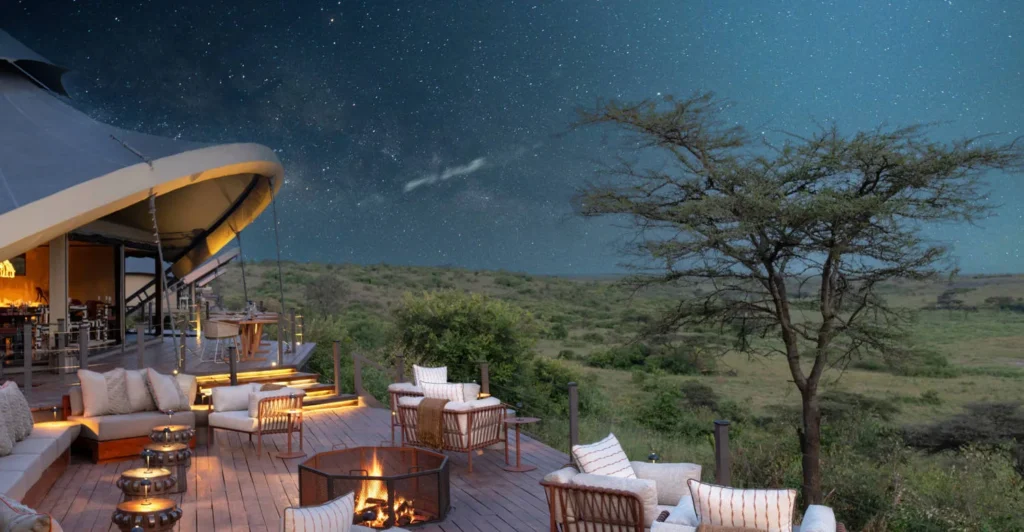
Premium lodges may offer more spacious rooms, attractive views, upgraded dining and additional guest facilities. In Kenya, premium camps can provide excellent wildlife-area locations, while Uganda's forest lodges may offer views of surrounding hills and vegetation.
Signature properties focus on privacy, distinctive design and personalised service. These may include exclusive safari camps, luxury forest lodges and properties with specialised guest experiences.
The precise inclusions should always be checked, as luxury accommodation does not automatically mean that permits, transfers or all activities are included.
The cost of a Kenya Uganda Combined Safari depends on travel duration, accommodation category, season, group size and transport arrangements.
Gorilla permits represent a substantial fixed expense. Additional costs include Kenya park or conservancy fees, Uganda park fees, regional flights, domestic flights, vehicles, guides, accommodation and meals.
A private safari for two travellers will generally have a higher per-person vehicle cost than a private safari for four or six people sharing suitable transport. However, larger groups may require additional vehicles or different accommodation arrangements.
Regional flights can increase the package cost but may save considerable travelling time. For visitors with limited annual leave, this trade-off is often worthwhile.
When comparing quotations, check whether the package includes gorilla permits, chimpanzee permits, park entrance fees, airport transfers, domestic flights and international connections between Kenya and Uganda.
A cheaper quotation may exclude important activities or involve longer road transfers. The overall value of the itinerary should therefore be assessed alongside the headline price.
A Private Kenya Uganda Safari provides flexibility in departure dates, daily schedules and accommodation choices. It is especially suitable for couples, families, photographers and travellers who want to adjust the pace of the journey.
Private arrangements also make it easier to incorporate domestic flights, additional rest days or special interests such as birdwatching and conservation experiences.
Group safaris can reduce certain shared costs, but combining two countries is more complicated than operating a single-country departure. Participants must coordinate regional flights, gorilla permit dates and accommodation availability.
Before booking a group departure, confirm whether the entire journey is escorted by one operator or whether separate Kenya and Uganda arrangements are connected through scheduled transfers.
Travellers should verify the entry requirements for both Kenya and Uganda according to their nationality. Kenya uses an electronic travel authorisation system for many visitors, while Uganda has its own visa and entry procedures.
Some travellers may be eligible for an East Africa Tourist Visa under applicable conditions, but eligibility, permitted entry points and validity requirements must be checked with official authorities. Do not assume that a single document automatically covers every travel arrangement.
Passports should meet the validity requirements of both countries. Yellow fever vaccination documentation may also be relevant, particularly when travelling between East African countries.
Regional flights should be booked with sufficient connection time, especially when separate tickets are involved.
Gorilla trekking requires more physical effort than a conventional vehicle-based safari. Travellers should prepare for walking on steep, uneven and potentially muddy forest trails.
Comfortable hiking boots, a waterproof jacket, gardening-style gloves and a small daypack are useful. Long trousers and long sleeves help protect against vegetation and insects.
Porters may be available at trekking departure points to assist with carrying bags and negotiating difficult sections of the trail. Their services are normally arranged separately unless specifically included in the package.
Travellers with mobility limitations should discuss their needs well in advance so that available assistance and suitable trekking arrangements can be explored.
Medical advice regarding malaria prevention, vaccinations and personal health requirements should be obtained from a qualified professional before departure.
Mountain gorillas are endangered animals whose protection depends on careful conservation management. Responsible tourism contributes to conservation funding and can support communities living near protected habitats.
Visitors should maintain the distances directed by rangers, avoid touching animals and follow all health restrictions. Flash photography and disruptive behaviour should be avoided in accordance with the applicable regulations.
In Kenya, responsible safari practices include respecting wildlife-viewing distances, remaining on authorised tracks and avoiding crowding around predators.
Choosing experienced guides and responsible accommodation providers can help ensure that the safari supports conservation rather than placing unnecessary pressure on wildlife.
Yes. Kenya and Uganda can be combined through regional flights and coordinated safari arrangements. Nairobi and Entebbe are common international gateways for these itineraries.
A minimum of approximately eight to ten days can cover selected highlights, but twelve to fourteen days is generally more comfortable for travellers wanting several wildlife destinations and gorilla trekking.
Yes. A Masai Mara and Gorilla Trekking Safari is one of the most popular combined itineraries. The route normally involves a connection between Kenya and Uganda, followed by a transfer to Bwindi.
They may be included, but this must be confirmed in the quotation. Some packages include permits in the advertised price, while others list them separately.
A valid permit provides access to the organised trekking experience, subject to applicable regulations and operational conditions. However, gorillas are wild animals, and the exact duration and nature of encounters cannot be guaranteed.
Families can enjoy many wildlife activities in both countries, but standard gorilla trekking in Uganda generally has a minimum age of 15 years. Alternative activities should be arranged for younger children.
Either direction can work. The best choice depends on international flights, gorilla permit availability, regional connections and the desired order of activities.
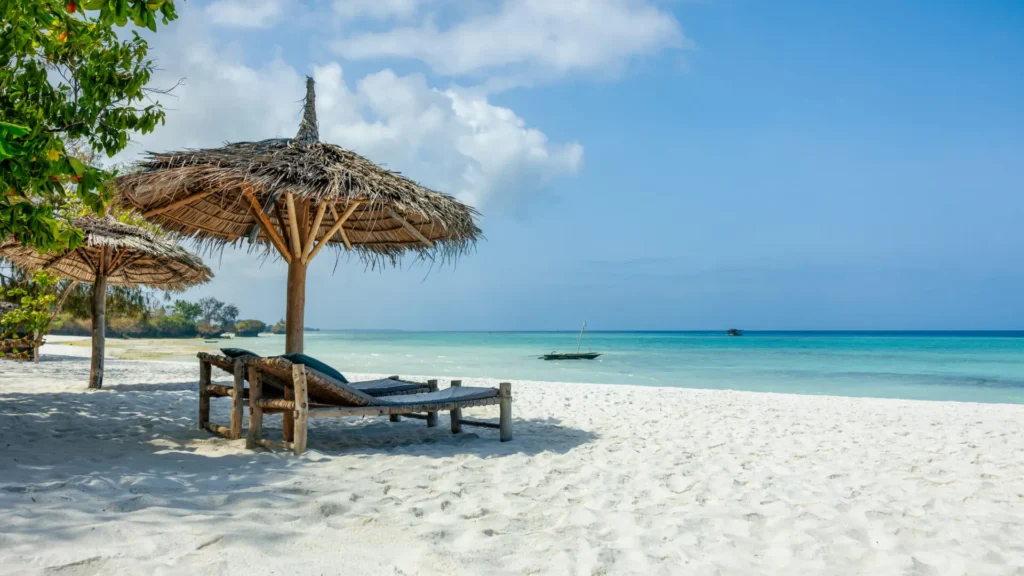
Yes. Diani Beach, Watamu or other Kenyan coastal destinations can be added before or after the safari. Additional days are recommended to avoid rushing between wildlife destinations and the coast.
A well-organised Kenya-Uganda holiday should balance wildlife viewing, forest trekking, travel time and opportunities to relax. The most effective itinerary is not necessarily the one that visits the greatest number of parks, but the one that allows sufficient time for the experiences that matter most.
Safari Trips to Kenya can help you explore Kenya Uganda Safari Packages combining the Masai Mara, Amboseli or other Kenyan destinations with Bwindi gorilla trekking and selected Uganda wildlife parks.
Private itineraries can be adapted to different accommodation categories, group sizes and travel dates. Domestic flights can be incorporated where practical, while road-based arrangements provide opportunities to experience more of the countryside.
To request a personalised quotation, provide your preferred travel dates, number of travellers, desired trip duration, accommodation standard and whether gorilla trekking or chimpanzee tracking is a priority.
With careful planning, a Kenya Uganda Safari offers a rewarding combination of classic African wildlife viewing and close encounters with some of the continent's most remarkable primates.