
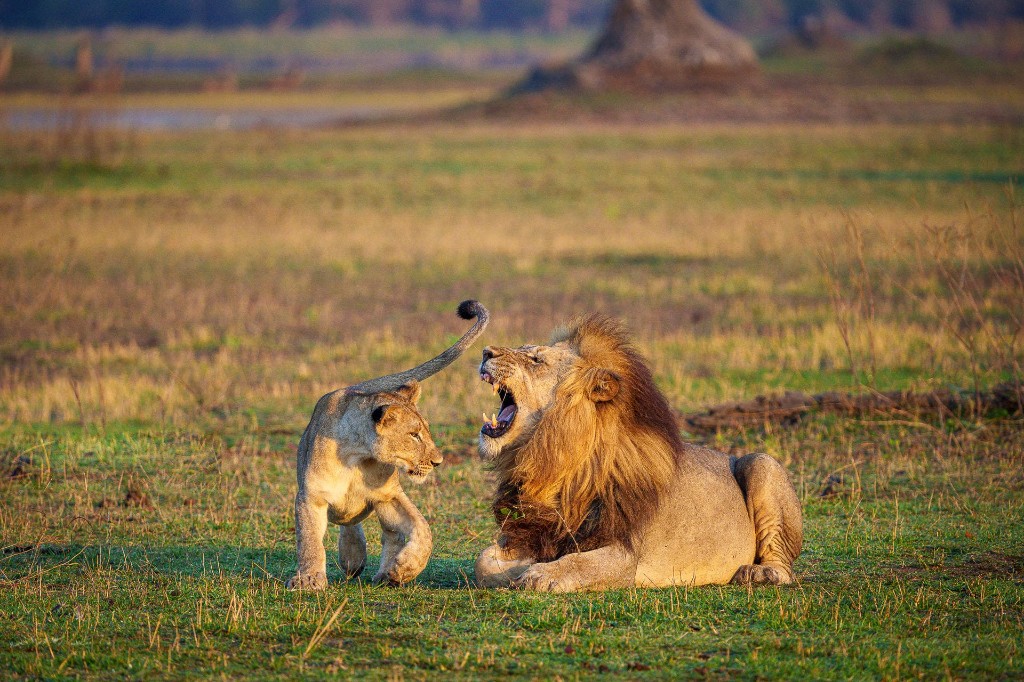
Walking safaris in Kenya offer a different way to experience the African wilderness. Instead of observing wildlife exclusively from a safari vehicle, travellers explore suitable natural habitats on foot under the supervision of qualified guides.
A walking safari encourages visitors to notice details that can easily be overlooked during a conventional game drive. Animal tracks, insects, bird calls, medicinal plants, grazing patterns and the relationships between different species become important parts of the experience. The pace is generally slower, and the emphasis is on understanding the environment rather than covering large distances or searching for the Big Five.
Kenya offers walking safari opportunities in selected conservancies, private wildlife areas and other locations where guided walking activities are authorised. Popular regions include Laikipia, conservancies surrounding the Masai Mara, parts of northern Kenya and selected private wildlife properties. However, walking is not permitted everywhere. National parks and reserves have specific regulations, and visitors should never assume that they can leave their safari vehicle simply because an area appears quiet.
This guide explains how guided walking safaris in Kenya work, where to experience them, what wildlife may be encountered, how to prepare and how to combine a bush walk with a traditional safari.
What Is a Walking Safari?
A walking safari is a guided wildlife and nature experience conducted on foot in an authorised area. Unlike a conventional game drive, the activity focuses on the immediate environment. Guides may explain how to identify animal tracks, recognise signs of recent wildlife activity and understand the ecological relationships between plants and animals. Visitors may learn to distinguish the footprints of different antelope species, recognise signs of elephant feeding or identify birds through their calls.
The experience is often educational and interactive. Walking safaris vary considerably in duration and difficulty. Some are short guided nature walks lasting one or two hours. Others form part of longer wilderness programmes involving several hours of walking or multi-day itineraries. The appropriate activity depends on the location, wildlife conditions, visitor fitness and operator arrangements.
Why Choose a Walking Safari in Kenya?
A Kenya walking safari provides a more intimate connection with the landscape. When travelling in a vehicle, attention naturally focuses on large mammals visible from the road. Walking creates opportunities to appreciate smaller wildlife and environmental details. The smell of vegetation, the texture of the ground and the sounds of birds become more noticeable.
Guides can explain how animals use different habitats and how seasonal changes influence wildlife movement. Walking also creates opportunities to learn about conservation and local ecological knowledge. In some conservancies, guides may discuss the relationships between wildlife protection, community land management and tourism.
For travellers who have already enjoyed several game drives, a walking safari adds variety. It is particularly appealing to nature enthusiasts, photographers interested in landscapes and visitors who enjoy active outdoor experiences.
Best Places for Walking Safaris in Kenya
Walking safari opportunities are distributed across several regions. The suitability of a destination depends on local regulations and the specific operator.
Laikipia Walking Safaris
Laikipia is one of Kenya’s most established regions for guided wilderness experiences. Its landscape includes open grasslands, acacia woodland, rocky hills and river valleys. Several conservancies and private wildlife properties offer walking activities under professional supervision.
The region is known for wildlife conservation initiatives and varied safari experiences. Depending on the property, walks may focus on tracking, birdwatching, plants and signs of wildlife activity. Some programmes combine walking with traditional game drives. Laikipia can be particularly suitable for travellers who want a more active safari without giving up comfortable accommodation.
Masai Mara Conservancy Walking Safaris
The Masai Mara National Reserve is famous for game drives and seasonal wildebeest migration activity. Walking activities are more commonly associated with authorised conservancies surrounding the reserve rather than unrestricted walking inside the main national reserve. Conservancies such as Mara North, Naboisho and Olare Motorogi may offer guided walking activities through participating camps, subject to their current rules.
These walks introduce visitors to the grassland ecosystem from a different perspective. Guides may explain animal tracks, grazing patterns and the ecological importance of smaller species. The presence of large wildlife requires careful planning and professional supervision. A walking safari should never be treated as an opportunity to approach lions, elephants or other potentially dangerous animals on foot.
Samburu and Northern Kenya
Northern Kenya offers striking landscapes that differ from the southern savannah reserves. The region includes dry river valleys, rocky terrain and vegetation adapted to relatively arid conditions. Selected conservancies and safari properties offer guided walking experiences.
These activities may introduce visitors to local plants, animal tracks and the ecological adaptations of wildlife in dry environments. Some programmes also incorporate cultural interpretation by knowledgeable local guides. Walking in northern Kenya can be physically demanding because of heat and terrain, making early morning departures particularly useful.
Lewa and Surrounding Conservancies
The Lewa Wildlife Conservancy and nearby conservation landscapes are internationally recognised for wildlife protection. Walking activities may be available through authorised accommodation providers and conservancy programmes. The exact arrangements depend on conservation regulations and the property selected. Travellers should confirm whether guided walking is included in their accommodation package or offered at an additional cost.
Private Wildlife Sanctuaries
Some private wildlife sanctuaries and conservancies offer shorter guided nature walks. These can be suitable for travellers who want an introduction to walking safaris without undertaking a demanding wilderness expedition. However, the presence of large wildlife, terrain and safety requirements vary. The operator should explain the expected difficulty and supervision arrangements before the activity begins.
Walking Safaris Versus Game Drives
Walking safaris and game drives offer complementary experiences. A game drive allows visitors to cover larger distances and search for wildlife across different habitats. It is generally the preferred method for observing large mammals such as lions, elephants, buffaloes and giraffes.
A walking safari covers a much smaller area and focuses on detailed interpretation. Visitors may spend considerable time examining tracks, plants, insects and other signs of wildlife. The slower pace creates opportunities for discussion and observation.
Walking safaris are not intended to replace game drives. For most travellers, the strongest itinerary combines both activities. A morning bush walk followed by an afternoon game drive can provide two very different perspectives on the same ecosystem.
What Wildlife Can You See on a Walking Safari?
Wildlife sightings vary according to habitat, season and the location of the walk. Small mammals, birds, insects and reptiles may be observed. Visitors may also see antelope species, giraffes or other larger animals from suitable distances. However, walking safaris are not designed around approaching dangerous wildlife.
Guides assess animal behaviour, wind direction, visibility and other conditions before deciding where to walk. In areas with elephants, buffaloes, lions or other potentially dangerous animals, additional precautions are necessary. Some walks may be conducted in areas where large dangerous wildlife is absent or less common. Travellers should ask what kind of wildlife encounter is realistically expected. The value of a walking safari often lies in understanding the environment rather than seeing a particular animal.
Learning to Identify Animal Tracks
Animal tracking is one of the most interesting elements of a guided bush walk. Different species leave distinctive footprints. Guides may explain how hoof shape, stride length and track patterns help identify animals. Tracks can also reveal information about movement direction and recent activity.
However, interpreting tracks accurately requires experience. Soil type, weather and the age of the tracks can affect their appearance. A professional guide can explain these limitations and help visitors understand what can reasonably be inferred. Tracking activities are educational rather than a guarantee of finding the animal responsible for the tracks.
Understanding Plants and the Savannah Ecosystem
Walking safaris provide opportunities to examine vegetation in greater detail. Kenya’s savannah and woodland habitats support numerous grasses, shrubs and trees. Different plants provide food, shade and shelter for wildlife. Guides may explain how browsing animals influence vegetation and how seasonal rainfall changes plant growth.
Some programmes include information about traditional uses of plants. Such interpretation should be provided respectfully and accurately, particularly when discussing local cultural knowledge. Visitors should avoid collecting plants or disturbing vegetation unless explicitly authorised. The aim is to appreciate the ecosystem without damaging it.
Birdwatching on Foot
Birdwatching in Kenya can be particularly rewarding during guided walks. Moving slowly allows visitors to listen for calls and observe birds using different parts of the habitat. Woodland species may be easier to detect through sound than from a moving vehicle. Open grasslands provide opportunities to observe ground-dwelling birds and raptors.
A guide can help identify species and explain their feeding behaviour. Binoculars are useful, especially when observing birds at a distance. Birdwatchers should communicate their interests before the walk so the guide can adjust the pace where appropriate.
How Safe Are Walking Safaris in Kenya?
Safety is the most important consideration when planning a walking safari. Wild animals are unpredictable, and walking in their habitat carries risks. Activities should be conducted only in authorised areas with qualified guides following applicable safety procedures. Some walking programmes require an armed ranger or other authorised security personnel, depending on the location and wildlife conditions.
Visitors must follow instructions throughout the activity. Important precautions include remaining with the group, avoiding sudden movements and not attempting to approach wildlife. Guides may change or cancel a walk because of animal activity, weather or other safety concerns. These decisions should be respected. No walking safari can be described as completely risk-free.
What Happens During a Guided Walking Safari?
A typical walking safari begins with a briefing. The guide explains the route, expected duration, safety rules and the type of terrain. Visitors may be advised to walk in a particular formation and remain quiet when wildlife is nearby.
The group then moves slowly through the authorised area. Stops may be made to examine tracks, identify birds or discuss vegetation. The guide may alter the route according to wildlife activity. Some walks include rest stops or refreshments, depending on the programme. At the end, visitors return to the starting point or meet a vehicle at an agreed location. The precise arrangements vary between operators.
Best Time for Walking Safaris in Kenya
Walking safaris can be offered during different seasons, depending on the destination. Relatively dry conditions may make some trails easier to navigate. However, dry-season temperatures can be high in certain regions. Early morning is often a suitable time because conditions are cooler and wildlife activity may be more noticeable.
During wetter periods, vegetation can be lush, but trails may become muddy. Rainfall can also affect visibility and the safety of particular routes. Travellers should confirm seasonal activity availability with their chosen operator.
What to Wear on a Walking Safari
Clothing should be comfortable, practical and suitable for the terrain. Useful items include:
- Long trousers to protect legs from vegetation and insects
- A lightweight long-sleeved shirt for sun protection
- Closed walking shoes or hiking boots with good grip
- Neutral colours, which are commonly recommended
- A hat, sunscreen and drinking water
- A light jacket for cooler mornings
- A small daypack for water, personal medication and essential items
Avoid carrying excessive equipment. A small daypack is generally sufficient for the essentials listed above.
Fitness Requirements
Walking safari difficulty varies widely. Some guided nature walks are suitable for visitors with moderate fitness. Others involve uneven terrain, rocky slopes or several hours of walking. Travellers should ask about distance, elevation, expected duration and available rest stops.
Anyone with mobility limitations should communicate their requirements before booking. The operator can then advise whether the activity is appropriate or whether an alternative experience would be more suitable. Walking safaris should not be presented as universally accessible because conditions vary significantly.
Walking Safaris for Families
Families may enjoy guided nature walks, but age restrictions apply at some properties. These restrictions depend on the presence of dangerous wildlife, the nature of the activity and operator policies. Short educational walks in suitable environments may be available for younger visitors. More demanding wilderness walks may have higher minimum ages. Parents should confirm the rules before booking. Children must remain under appropriate supervision and follow guide instructions.
Photography During Walking Safaris
Walking safaris provide opportunities for landscape, plant, insect and environmental photography. However, carrying heavy camera equipment can become uncomfortable during longer walks. A lightweight camera or suitable lens may be more practical than a large collection of equipment.
Photographers should avoid becoming distracted while walking through wildlife habitat. The guide’s safety instructions always take priority over taking photographs. Wildlife should be photographed from appropriate distances without attempting to approach animals.
Walking Safari Accommodation
Many walking safaris are arranged through conservancy lodges and tented camps. Accommodation may range from simple bush camps to exclusive luxury properties. Safari Trips to Kenya uses four broad categories:
- Essential accommodation focuses on practical comfort and affordability
- Comfort accommodation offers a balance of room quality, service and value
- Premium accommodation provides upgraded facilities and more personalised hospitality
- Signature accommodation represents the most exclusive safari properties
Walking activities may be included in some packages and charged separately in others. Always confirm the arrangements before booking.
Combining Walking Safaris with Other Activities
Walking safaris work well as part of a broader Kenya itinerary. A Masai Mara safari may combine game drives in the reserve with authorised walks in a neighbouring conservancy. A Laikipia safari may include walking, wildlife drives and other conservation-focused activities. Northern Kenya itineraries can combine guided walks with cultural experiences and traditional game viewing.
Travellers interested in a more varied holiday may also add Amboseli National Park, Lake Nakuru or Kenya’s Indian Ocean coast. The most effective itinerary balances active experiences with sufficient rest and wildlife-viewing time.
Responsible Walking Safari Practices
Walking safaris should have minimal impact on the environment. Key practices include:
- Remain on the authorised route and follow guide instructions
- Do not remove plants, feathers, bones or other natural materials
- Avoid disturbing nesting birds or approaching wildlife unnecessarily
- Carry out all litter
- Respect local communities and private land boundaries
Where conservancy tourism supports local conservation and land management, travellers can learn how tourism activities contribute to broader environmental goals.
Frequently Asked Questions
Are walking safaris allowed in Kenya?
Yes, but only in locations where they are authorised and conducted according to applicable regulations.
Can I walk in the Masai Mara National Reserve?
Visitors should not assume that unrestricted walking is permitted in the main reserve. Guided walking activities are more commonly arranged through authorised surrounding conservancies.
Are walking safaris dangerous?
Walking in wildlife habitat carries risks. Qualified guides, appropriate supervision and adherence to safety procedures are essential.
Will I see lions or elephants on foot?
Encounters with large wildlife are possible in some areas, but walking safaris are not designed to approach dangerous animals.
How long does a walking safari last?
Some walks last one or two hours, while specialised programmes may be longer.
Do I need hiking experience?
Not always. Requirements depend on the terrain and duration of the chosen activity.
Are walking safaris suitable for children?
Some are, but minimum ages and safety restrictions vary by operator.
What is the best place for a walking safari in Kenya?
Laikipia and selected Masai Mara conservancies are among the established options, although the best destination depends on the desired experience.
Book a Walking Safari in Kenya
Walking safaris in Kenya provide an opportunity to appreciate wildlife habitats beyond the traditional safari vehicle experience. From animal tracking and birdwatching to learning about vegetation and conservation, guided bush walks reveal details that make the landscape more meaningful.
Safari Trips to Kenya can help incorporate authorised walking activities into private safari itineraries and suitable group programmes. Accommodation can be selected from Essential, Comfort, Premium and Signature categories. Contact Safari Trips to Kenya with your travel dates, preferred destinations and activity interests to plan a Kenya safari that combines game drives with rewarding guided walking experiences.