1 Day Kenya Safari
Plan a 1 Day Kenya Safari with private transport, expert guiding and wildlife viewing. Explore the best one-day…
View SafariHandpicked Kenya Safari Tours for Every Traveler
Explore Kenya educational safaris for schools, families and groups. Discover wildlife ecology, conservation, culture, geography and customised learning itineraries.
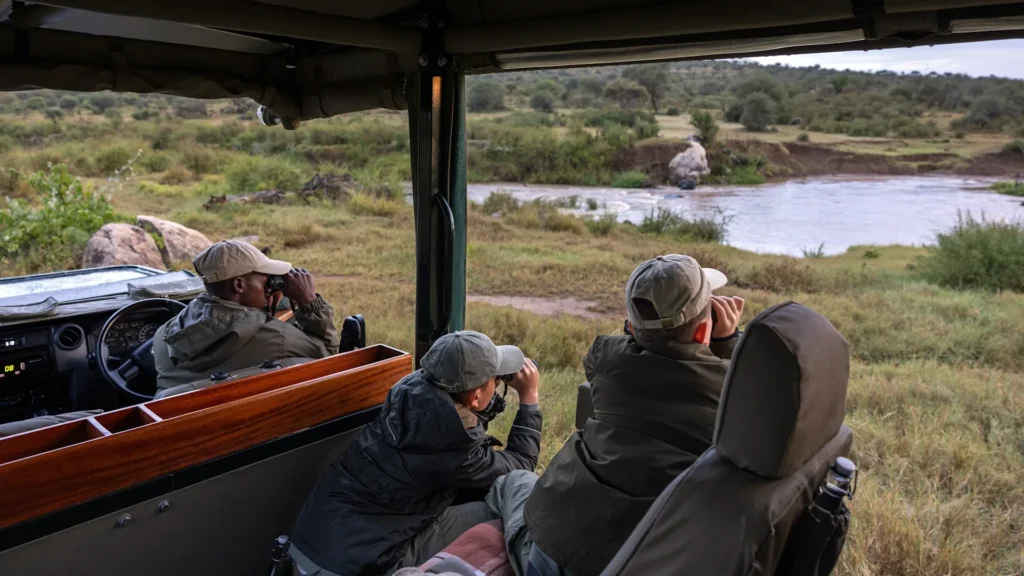
An educational safari is a guided travel experience designed around defined learning objectives. A conventional safari may concentrate on seeing lions, elephants, giraffes and other animals. An educational safari uses these encounters to explain ecological relationships, animal behaviour and conservation challenges.
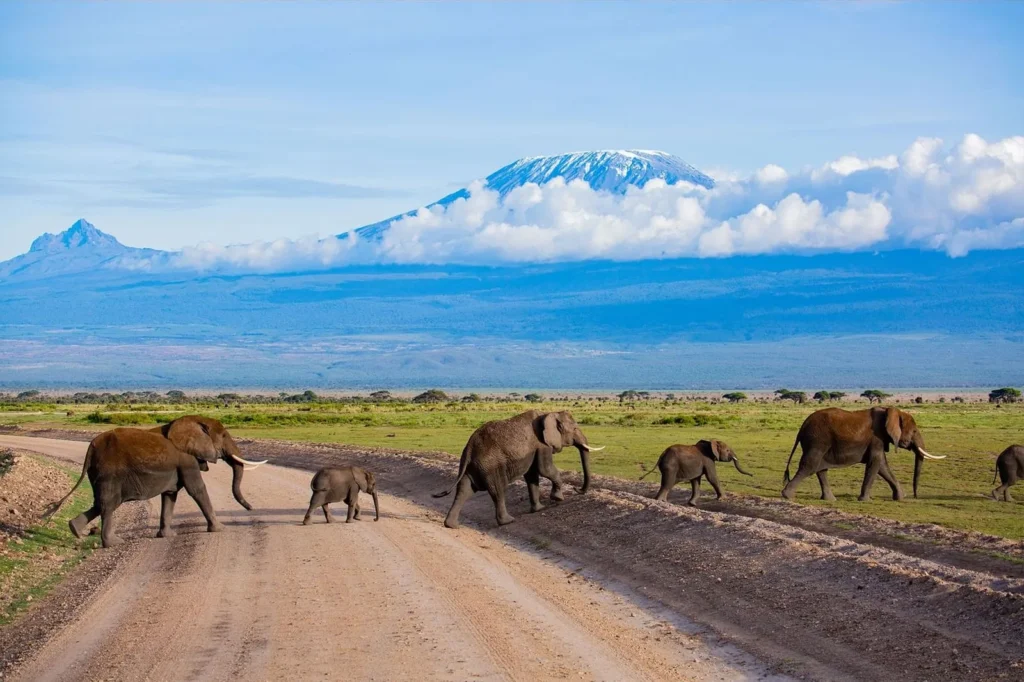
For example, observing elephants in Amboseli can introduce discussions about social behaviour, wetland habitats and wildlife movement. A visit to Lake Nakuru may provide opportunities to explore rhino conservation, bird ecology and the characteristics of Rift Valley lakes. In the Masai Mara, students can examine grassland food webs, predator-prey relationships and the role of seasonal wildlife movement. Educational safaris can also include cultural learning experiences when these are arranged respectfully and with appropriate community participation.
Showing 1–12 of 215 safaris
Plan a 1 Day Kenya Safari with private transport, expert guiding and wildlife viewing. Explore the best one-day…
View SafariExplore the 10 Days Family Kenya Safari with a day-by-day safari plan, key wildlife experiences, destinations, accommodation ideas,…
View SafariExplore the 10 Days Fly-in Kenya Safari with a day-by-day safari plan, key wildlife experiences, destinations, accommodation ideas,…
View SafariExplore the 10 Days Honeymoon Kenya Safari with a day-by-day safari plan, key wildlife experiences, destinations, accommodation ideas,…
View SafariPlan a 10 Days Kenya Big Five Safari with expert guides, game drives and carefully chosen camps. Request…
View SafariA 10 day Kenya journey connecting Nairobi, Ol Pejeta, Samburu or Buffalo Springs, Solio, Lake Nakuru, Maasai Mara…
Lake Naivasha, Lake Nakuru, Masai Mara
View SafariPlan a 10 Days Kenya Safari with expert guides, game drives and carefully chosen camps. Request a quote.
View SafariPlan a 10 Days Kenya Safari & Diani Beach with expert guides, game drives and carefully chosen camps.…
Diani Beach
View SafariPlan a 10 Days Kenya Wildlife Safari with expert guides, game drives and carefully chosen camps. Request a…
View SafariPlan a 10 Days Luxury Kenya Safari with expert guides, game drives and carefully chosen camps. Request a…
View SafariA 10 day Kenya journey connecting Nairobi, Maasai Mara, Lake Naivasha, Amboseli and Diani Beach.
Amboseli, Diani Beach, Lake Naivasha
View SafariPlan a 10 Days Masai Mara & Amboseli with expert guides, game drives and carefully chosen camps. Request…
Masai Mara, Amboseli
View SafariKenya's varied geography creates opportunities for learning across several disciplines. The Great Rift Valley provides a setting for studying geological processes, lakes and landscapes. National parks and conservancies offer opportunities to observe biodiversity and conservation management.
Coastal environments introduce marine ecology, coral reefs and the relationship between tourism and natural resources. Cultural experiences can provide opportunities to learn about history, languages, livelihoods and community perspectives. Because these themes can be connected within one itinerary, Kenya is suitable for interdisciplinary educational programmes.
Wildlife ecology is one of the most accessible subjects for educational safaris. Students can observe how animals interact with their habitats and how different species use available resources. A guide may explain the relationship between grazers and vegetation, the role of predators in ecosystems and the importance of water availability.
The Masai Mara is particularly suitable for studying savannah ecology.
Conservation biology examines how species and habitats can be protected. Several Kenyan destinations lend themselves to field interpretation:
Kenya's landscapes provide opportunities to study physical geography. The Great Rift Valley is particularly important because it illustrates large-scale geological processes. Students may explore escarpments, volcanic landscapes and lake environments. Tsavo West offers opportunities to discuss volcanic formations and geological history.
Climate variability influences rainfall, vegetation, water availability and wildlife movement. Educational safaris can introduce these relationships through direct observation. Students may compare wetland environments with semi-arid landscapes and discuss how different ecosystems respond to changing conditions.
Cultural geography examines how people interact with places and environments. Appropriately arranged community experiences can introduce learners to local livelihoods, land use and cultural traditions. These activities should be based on respectful exchange rather than staged or intrusive encounters.
Nairobi National Park is a convenient starting point for educational travel. Its proximity to Nairobi makes it suitable for short field excursions. The park supports rhinos, lions, buffaloes, giraffes and numerous bird species. Its location beside a major city creates opportunities to discuss urban development, habitat protection and wildlife conservation.
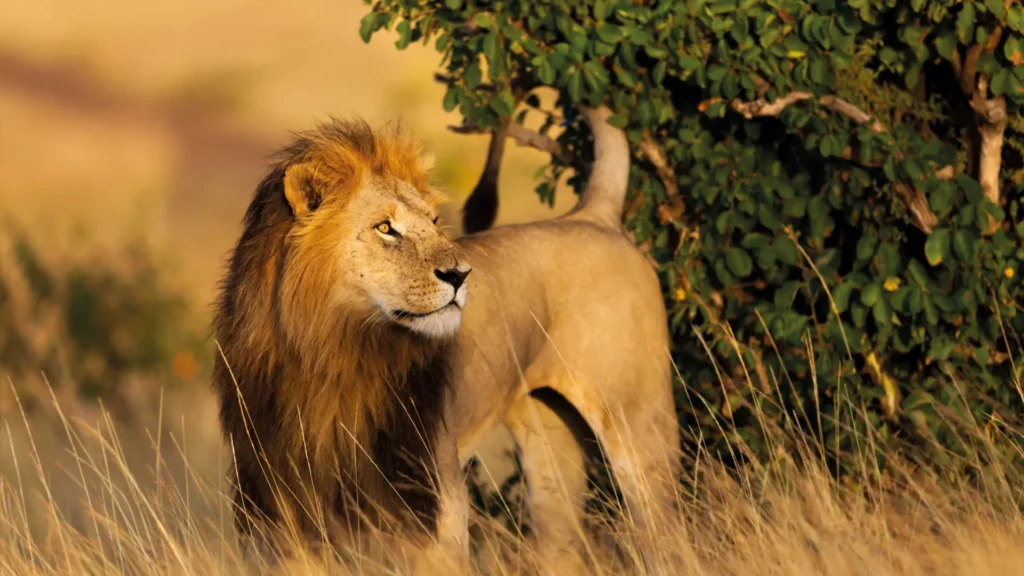
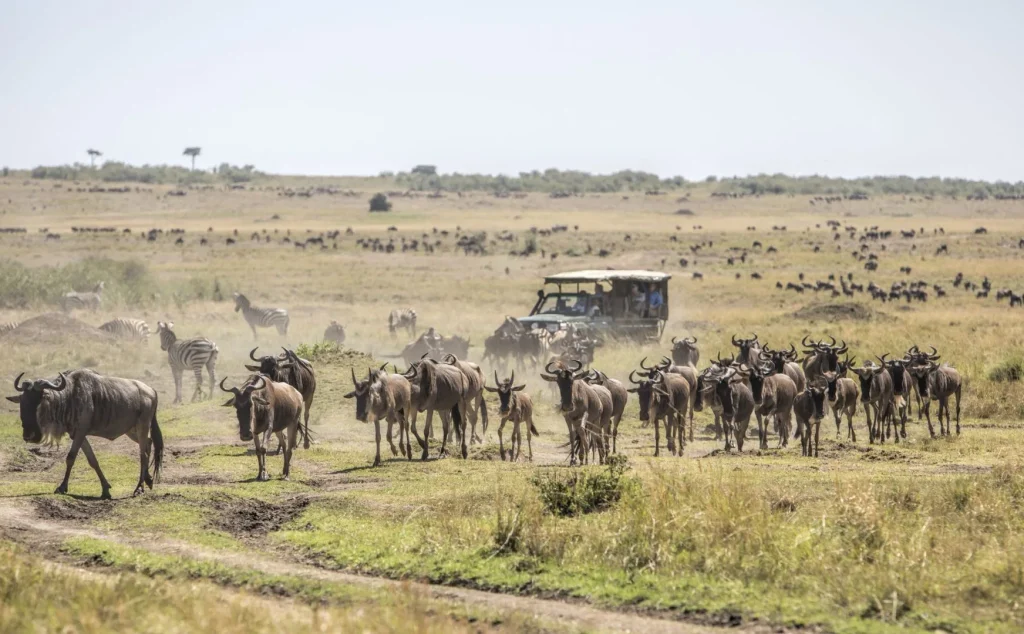
The Masai Mara is one of Kenya's most important educational safari destinations. Its grasslands provide opportunities to study predator-prey relationships, herbivore behaviour and savannah ecology. Students may observe lions, elephants, giraffes, zebras, buffaloes and numerous antelope species.
The wider Serengeti-Mara ecosystem is also associated with seasonal wildlife migration. The timing of migration movements depends on rainfall and grazing conditions.
Lake Nakuru National Park offers opportunities to study wetlands, birds and rhino conservation. Its habitats include lake environments, woodland and grassland. Students can learn about the relationship between water conditions and bird distribution. The park also provides a setting for discussing endangered species protection.
Lake Naivasha is a freshwater lake in the Great Rift Valley. Its aquatic habitats support fish eagles, kingfishers, herons and numerous other birds. Educational visits may include suitable lakeshore observations or boat excursions under appropriate conditions. The lake provides opportunities to discuss freshwater ecosystems and the pressures associated with human activity.
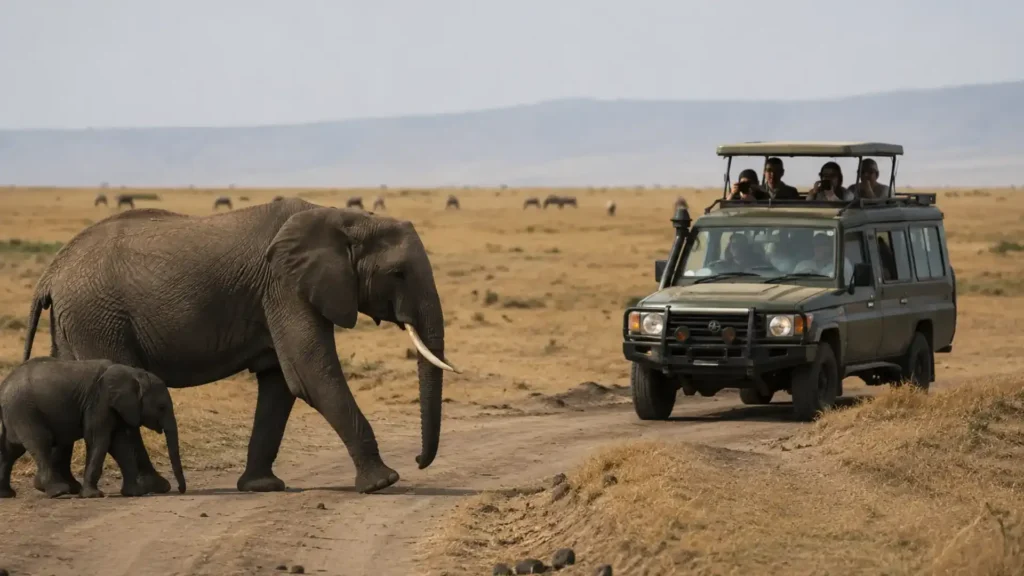
Amboseli National Park is particularly valuable for learning about elephants and wetland ecology. Its open landscapes make it possible to observe animal behaviour from safari vehicles. The park also provides opportunities to discuss habitat connectivity and the relationship between wildlife and surrounding communities.
Ol Pejeta Conservancy is an important destination for conservation education. It supports rhinos and other wildlife and is associated with significant conservation initiatives. Educational experiences may be available by advance arrangement. Students can learn about endangered species protection, wildlife management and conservation challenges.
Tsavo West National Park is particularly useful for geography and environmental education. Its volcanic landscapes, rocky hills and natural springs provide opportunities to discuss geological processes. The park also supports a variety of wildlife habitats.
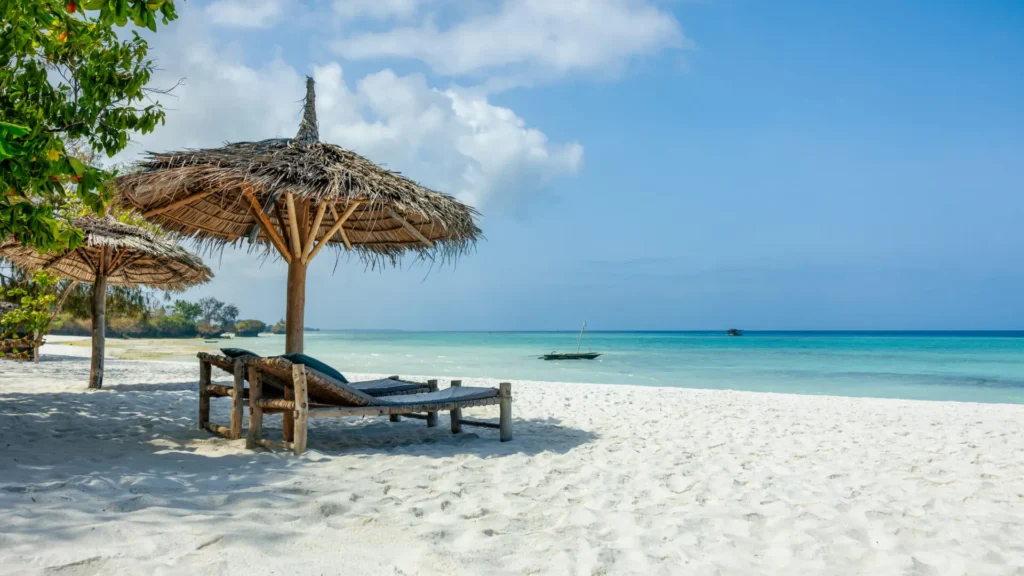
The coastal region around Watamu provides opportunities to explore forest and marine ecosystems. Arabuko-Sokoke Forest supports distinctive coastal forest biodiversity. Nearby marine environments can introduce discussions about coral reefs, marine conservation and sustainable tourism.
Activities depend on weather, access rules and the suitability of the group.
Arrive at Jomo Kenyatta International Airport and transfer to your accommodation. Meet the guide and programme coordinator for an introduction to the educational itinerary. Discuss the learning objectives, destinations and expected conduct during wildlife excursions. Overnight in Nairobi.
Begin with a guided wildlife excursion in Nairobi National Park. Observe suitable wildlife habitats and discuss the challenges of protecting biodiversity near a major city. The guide may introduce concepts such as habitat fragmentation, protected-area management and human-wildlife interactions.
Depending on the programme, an additional educational visit may be arranged. Overnight in Nairobi.
Travel towards the Great Rift Valley. Stop at appropriate viewpoints to discuss the region's geography and geological history. Continue to Lake Naivasha and explore suitable lakeshore habitats. The afternoon may include a guided discussion of freshwater ecology and birdlife.
Overnight in the Lake Naivasha area.
After breakfast, travel to Lake Nakuru National Park. Explore the park's different habitats during a guided game drive. Discuss rhino conservation, wetland ecology and the relationship between environmental conditions and wildlife distribution. Overnight in or near Lake Nakuru.
Travel towards the Masai Mara region. The journey introduces changing landscapes and land-use patterns. After arrival, enjoy an introductory game drive. The guide will explain the structure of the savannah ecosystem and the roles of different animal species.
Overnight in the Masai Mara.
Spend the day exploring the Masai Mara. Observe herbivores, predators and other wildlife. The guide may discuss food chains, animal behaviour, competition and the ecological importance of different species. Students can record observations and compare habitats.
Overnight in the Masai Mara.
Continue exploring the Mara ecosystem. Depending on the itinerary and availability, a suitable conservation or community learning experience may be arranged. The focus should be on respectful engagement and understanding how tourism, land use and conservation interact. The afternoon may include additional wildlife observation.
Overnight in the Masai Mara.
After breakfast, return to Nairobi. The journey provides an opportunity to review the learning objectives and discuss observations made during the safari. Arrive for your onward transfer. The programme can be extended with additional destinations or specialised educational activities.
A Kenya school safari should be designed around the age, interests and learning needs of the students. Primary school groups may benefit from shorter activities and accessible explanations of wildlife behaviour. Secondary school students can explore more complex subjects, including ecology, conservation and geography.
Teachers may wish to incorporate field observation exercises, guided discussions and reflective assignments. Safety, supervision and accommodation arrangements are particularly important. School groups should have clearly defined responsibilities for teachers, chaperones and safari staff.
University groups may require more specialised programmes. Possible subjects include conservation biology, environmental science, geography, tourism studies and community development. An academic itinerary can incorporate structured observations and discussions with relevant organisations where arrangements are available.
However, educational tourism should not be presented as formal scientific research without the necessary permissions. Research projects may require institutional approvals and additional arrangements.
A family educational safari combines wildlife adventure with opportunities for children and adults to learn together. Guides can explain animal behaviour, conservation and natural history in an engaging way. Families may prefer shorter driving days and accommodation with suitable facilities.
A private vehicle provides flexibility for rest stops and changing interests. Educational activities can be adapted according to the children's ages.
Educational safaris are not limited to schools and universities. Adult travellers may be interested in conservation, photography, birdwatching, geology or cultural history. A specialist itinerary can focus on particular subjects while retaining the comfort and flexibility of a private safari.
For example, a birdwatching-focused educational safari may explore the Rift Valley lakes and Kakamega Forest. A conservation-oriented programme may concentrate on Ol Pejeta, Samburu and community conservancies.
The most effective activities support clearly defined learning objectives. A wildlife observation session may focus on animal behaviour. A guided walk, where permitted, can introduce vegetation, tracks and smaller ecological features. A conservation discussion can explore species protection and habitat management.
A cultural learning experience may examine local livelihoods and land-use practices. Activities should be selected according to age, safety, accessibility and available permissions.
Safety is especially important when travelling with students and organised groups. Participants should receive clear instructions before entering wildlife areas. Wild animals must never be approached without appropriate professional guidance. Students should remain inside safari vehicles unless the guide confirms that leaving is permitted and safe.
Accommodation should be selected according to group size and supervision requirements. Medical information, emergency contacts and travel insurance arrangements should be reviewed before departure.
Cultural learning should be based on respect, consent and meaningful exchange. Communities should not be treated as attractions. Visitors should ask permission before photographing individuals. Educational programmes should avoid stereotypes and simplistic explanations of cultural practices.
Where possible, activities should support locally led initiatives and provide fair compensation for participants.
Accommodation requirements vary according to the type of group. School groups may prioritise safety, affordability and practical room arrangements. University groups may require meeting spaces or facilities for group discussions. Families may prefer comfortable lodges with suitable leisure facilities.
Safari Trips to Kenya offers Essential, Comfort, Premium and Signature accommodation categories. The selected properties should be assessed according to group needs, location and available facilities.
Transport planning is an important part of a successful educational itinerary. Smaller groups may travel in private safari vehicles. Larger groups may require multiple vehicles or other suitable transport arrangements. The number of passengers should allow comfortable seating and safe wildlife viewing.
Long journeys should include appropriate rest stops. For student groups, vehicle allocation and supervision arrangements should be confirmed before departure.
Educational safaris can be arranged throughout the year. January to March often provides relatively dry conditions in several regions. April and May may bring heavier rainfall, affecting some roads and outdoor activities. June to October is popular for wildlife viewing.
November and December can bring short rains and greener landscapes. School and university schedules may be the main factor determining travel dates.
The cost depends on group size, duration, destinations, accommodation and activities. Larger groups may benefit from sharing transport costs, although they may require additional vehicles and staff. Park fees, accommodation and guiding represent important expenses. Special educational activities may involve additional charges.
A detailed quotation should identify inclusions and exclusions clearly.
Educational safaris are more effective when participants understand the learning objectives in advance. Teachers may introduce Kenya's geography, ecosystems and wildlife before the journey. Students can prepare questions and identify subjects they hope to investigate. Field notebooks and observation exercises can help structure learning.
After the safari, participants may prepare presentations, reports or reflective assignments. This approach helps connect travel experiences with broader educational goals.
It is a guided safari that combines wildlife viewing with structured learning about ecology, conservation, geography or culture.
Yes. Programmes can be adapted according to students' ages and learning objectives.
Yes. University groups can arrange educational itineraries, although formal research may require additional permissions.
The Masai Mara, Lake Nakuru, Amboseli, Ol Pejeta and Nairobi National Park offer different learning opportunities.
Yes, where suitable programmes are available and access is permitted.
Yes. Private family safaris can combine wildlife viewing with age-appropriate learning.
Five to eight days can provide a useful introduction. Longer programmes allow more specialised activities.
Yes. Learning objectives can inform destination selection and the structure of activities.
Yes, although weather and school schedules influence the best travel period.
Yes. Coastal destinations can introduce marine ecology, conservation and cultural history.
A well-designed Kenya educational safari transforms wildlife travel into an opportunity for discovery and learning. Safari Trips to Kenya can arrange customised programmes for schools, universities, families and adult learning groups. Whether your interests include wildlife ecology, conservation, geography, cultural learning or environmental education, we can help create an itinerary that balances meaningful activities with rewarding safari experiences. Contact Safari Trips to Kenya with your group size, travel dates, preferred duration and learning objectives to request a personalised Kenya educational safari package.