
1 Day Kenya Safari
Plan a 1 Day Kenya Safari with private transport, expert guiding and wildlife viewing. Explore the best one-day…
View SafariHandpicked Kenya Safari Tours for Every Traveler
Explore Kenya road safaris from Nairobi, including Masai Mara, Amboseli and Rift Valley routes, driving times, safari vehicles, accommodation and planning tips.
A Kenya Safari by Road is a wildlife holiday in which most transfers between destinations are completed using a safari vehicle. The journey typically begins in Nairobi, although road safaris can also start from Mombasa, Diani, or other locations. A professional driver-guide accompanies guests through the itinerary, providing transport and interpretation of the wildlife, landscapes, and destinations visited. Once inside national parks and reserves, the same vehicle may be used for game drives, depending on the programme.
This arrangement reduces the need for repeated airport transfers and allows travellers to maintain continuity with their guide throughout the journey. Road safaris can range from short two- or three-day wildlife trips to comprehensive itineraries lasting two weeks or longer.
Showing 1–12 of 215 safaris
Plan a 1 Day Kenya Safari with private transport, expert guiding and wildlife viewing. Explore the best one-day…
View SafariExplore the 10 Days Family Kenya Safari with a day-by-day safari plan, key wildlife experiences, destinations, accommodation ideas,…
View SafariExplore the 10 Days Fly-in Kenya Safari with a day-by-day safari plan, key wildlife experiences, destinations, accommodation ideas,…
View SafariExplore the 10 Days Honeymoon Kenya Safari with a day-by-day safari plan, key wildlife experiences, destinations, accommodation ideas,…
View SafariPlan a 10 Days Kenya Big Five Safari with expert guides, game drives and carefully chosen camps. Request…
View SafariA 10 day Kenya journey connecting Nairobi, Ol Pejeta, Samburu or Buffalo Springs, Solio, Lake Nakuru, Maasai Mara…
Lake Naivasha, Lake Nakuru, Masai Mara
View SafariPlan a 10 Days Kenya Safari with expert guides, game drives and carefully chosen camps. Request a quote.
View SafariPlan a 10 Days Kenya Safari & Diani Beach with expert guides, game drives and carefully chosen camps.…
Diani Beach
View SafariPlan a 10 Days Kenya Wildlife Safari with expert guides, game drives and carefully chosen camps. Request a…
View SafariPlan a 10 Days Luxury Kenya Safari with expert guides, game drives and carefully chosen camps. Request a…
View SafariA 10 day Kenya journey connecting Nairobi, Maasai Mara, Lake Naivasha, Amboseli and Diani Beach.
Amboseli, Diani Beach, Lake Naivasha
View SafariPlan a 10 Days Masai Mara & Amboseli with expert guides, game drives and carefully chosen camps. Request…
Masai Mara, Amboseli
View SafariOne of the main advantages of a road safari is the opportunity to see Kenya's varied countryside. A journey from Nairobi to the Masai Mara, for example, passes through highland landscapes and sections of the Rift Valley before reaching the grasslands of southwestern Kenya. Travelling toward Amboseli introduces visitors to different environments, including semi-arid landscapes and areas influenced by the presence of Mount Kilimanjaro.
These journeys help travellers appreciate the geographical diversity of the country.
A Private Kenya Road Safari can be customised according to travel dates, interests, and preferred destinations. Families may want shorter driving days and additional time at lodges. Photographers may prefer longer stays in wildlife-rich parks. Couples might combine a safari with a coastal holiday, while wildlife enthusiasts may focus on several national parks.
Road transport makes many of these combinations practical, provided distances are planned realistically.
Road safaris can be arranged using Essential, Comfort, Premium, or Signature accommodation. The cost per person often decreases when more travellers share the fixed expenses of a safari vehicle and guide. Group departures can offer additional savings for solo travellers or couples. However, the total price still depends on accommodation, park fees, travel season, itinerary length, and vehicle arrangements.
Having the same driver-guide throughout a road safari can improve continuity. The guide becomes familiar with the group's interests, preferred game-drive pace, and photography requirements. A knowledgeable guide also helps visitors understand wildlife behaviour, conservation issues, and the landscapes encountered between destinations.
The Masai Mara National Reserve is one of Kenya's most famous wildlife destinations and a major highlight of many road safaris. Located in southwestern Kenya, the reserve is known for its open grasslands, resident predators, and seasonal wildebeest migration. Visitors may encounter lions, elephants, giraffes, buffaloes, zebras, antelopes, and numerous bird species. The reserve also provides opportunities to observe cheetahs and leopards, although these animals are not guaranteed sightings.
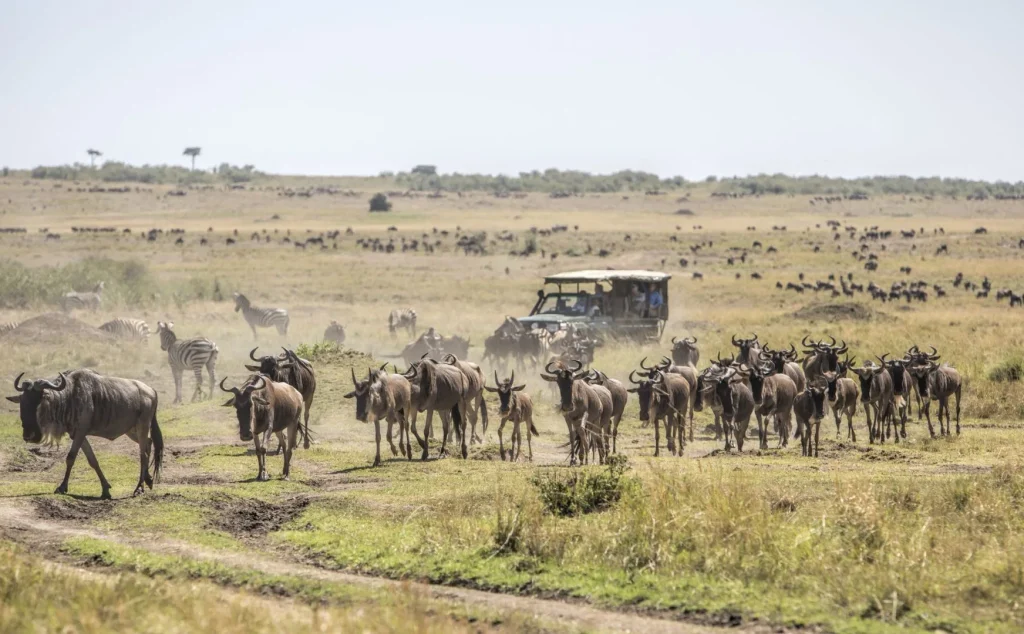
During the migration season, large wildebeest herds may move into the Mara ecosystem from northern Tanzania. The road journey from Nairobi commonly takes approximately five to seven hours or longer, depending on the selected entrance, accommodation location, traffic, and road conditions. For a satisfying experience, we generally recommend at least two nights, with three or more nights preferable for travellers strongly interested in wildlife photography.
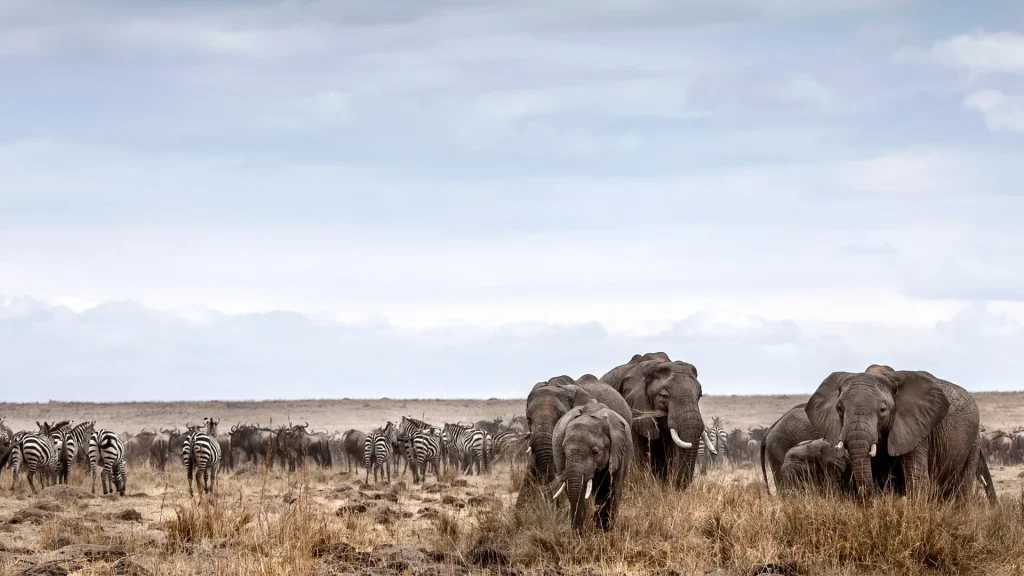
Amboseli National Park is particularly famous for its elephants and views toward Mount Kilimanjaro. The park contains open plains, seasonal wetlands, and habitats that attract a variety of wildlife. Elephants are a major attraction, and visitors may observe family groups moving across the landscape. Other possible sightings include buffaloes, zebras, wildebeest, giraffes, and various antelopes.
Kilimanjaro provides an impressive backdrop when weather conditions allow clear views, particularly during certain morning periods. Road travel from Nairobi often takes approximately four to five hours, although the final duration depends on traffic, road conditions, and accommodation location. Amboseli is a strong choice for a short road safari or as part of a longer southern Kenya itinerary.
Lake Nakuru National Park is situated in Kenya's Rift Valley and is known for rhino conservation, varied birdlife, and woodland and grassland habitats. Both black and white rhinos occur in the park, although sightings depend on conditions. Other wildlife includes buffaloes, giraffes, zebras, and various antelope species. Flamingos may be present depending on lake conditions and food availability, but their numbers fluctuate.
Lake Nakuru is commonly included between Nairobi and the Masai Mara or as part of a wider Rift Valley itinerary. Road travel from Nairobi typically takes several hours, depending on traffic and route conditions.
Lake Naivasha is a freshwater lake in the Great Rift Valley and an attractive stop on Kenya road safari itineraries. The lake is known for birdlife, hippos, and scenic surroundings. Boat excursions may provide opportunities to observe waterbirds and hippos from appropriate distances. Nearby attractions include Hell's Gate National Park, where permitted activities can include cycling and walking in designated areas under applicable rules.
Lake Naivasha is useful for breaking up longer road journeys and introducing variety between traditional game-drive destinations.
Tsavo East National Park is one of Kenya's major protected wildlife areas. Its expansive landscapes include open plains, seasonal rivers, and habitats associated with elephants and other large mammals. The park is particularly attractive for travellers combining wildlife safaris with holidays along Kenya's coast. Road access is possible from Nairobi and Mombasa, although distances and travel times depend on the chosen entrance.
Tsavo West National Park offers varied scenery, including volcanic landscapes, hills, woodland, and water sources. The park is known for attractions such as Mzima Springs and its diverse wildlife habitats. Wildlife can be more difficult to locate in some densely vegetated areas than on open savannah plains. However, the scenery and ecological diversity make Tsavo West a rewarding destination.
It can be combined with Tsavo East or Amboseli in longer road safari itineraries.
This is one of the most popular short safari routes in Kenya. It is suitable for travellers who want to concentrate on the Masai Mara without visiting multiple parks. Three- and four-day programmes are common, with longer stays recommended for photographers and wildlife enthusiasts.
This route combines Rift Valley wildlife with the open grasslands of the Masai Mara. It is particularly attractive for visitors interested in rhinos, lions, elephants, and varied scenery. A five- or six-day itinerary provides a reasonable starting point, although longer programmes allow a more relaxed pace.
This route focuses on Amboseli's elephants, wetlands, and Kilimanjaro views. It can be completed as a short safari, although two or more nights provide better opportunities for game drives.
This route is especially suitable for travellers planning a safari followed by a beach holiday. It combines southern Kenya's wildlife destinations with an overland journey toward the Indian Ocean coast. The itinerary can end in Mombasa or continue to Diani Beach, depending on the holiday arrangements.
A longer circuit combining these destinations provides contrasting landscapes and wildlife experiences. Because the route includes substantial transfers, it should be planned over enough days to avoid excessive driving. An eight- to ten-day itinerary is generally more comfortable than attempting the same route in a very short period.
The following proposed itinerary combines Amboseli, Lake Naivasha, and the Masai Mara. It is an example rather than a confirmed departure.
Driving time is one of the most important considerations when designing a road safari. Approximate travel times from Nairobi include:
These are general planning estimates rather than guaranteed journey durations.
Traffic around Nairobi, roadworks, weather, park entrances, rest stops, and the location of accommodation can all affect the schedule.
Journeys between parks may take considerably longer than routes beginning in Nairobi.
When preparing a customised safari, we calculate transfer requirements using the actual accommodation locations and intended route.
Vehicle selection influences comfort, wildlife viewing, and overall safari quality.
A 4x4 Safari Land Cruiser is a popular choice for private and premium road safaris.
Safari-configured vehicles may include raised suspension, suitable seating arrangements, and pop-up roofs for wildlife viewing.
The exact specification depends on the vehicle supplied.
Land Cruisers are especially useful on routes where road conditions are challenging.
Safari minivans are also used on some Kenya road safari programmes.
They can provide a more economical transport option on suitable routes.
However, their suitability depends on road conditions, itinerary requirements, and the specific vehicle configuration.
For travellers prioritising comfort on rough roads or extensive wildlife viewing, a Land Cruiser may be preferable.
Travellers should confirm the number of passengers sharing a vehicle.
A smaller group generally provides more personal space for photography and luggage.
Pop-up roofs can improve visibility during game drives, but passengers must follow guide instructions and park safety regulations.
Seat belts should be used during road transfers, and visitors should remain seated when required.
A Private Kenya Road Safari provides exclusive use of the safari vehicle for your travelling party.
This arrangement is particularly attractive for couples, families, and small groups.
Private travel allows greater flexibility in departure times, game-drive priorities, and rest stops.
Travellers can also choose accommodation according to their preferred comfort level.
A private safari does not mean unrestricted access to wildlife areas. All activities remain subject to park regulations, road conditions, and operating hours.
A Kenya Group Safari is suitable for travellers who want to share transport expenses.
Group departures typically follow fixed itineraries and predetermined dates.
They can be especially attractive for solo travellers who would otherwise bear the full cost of a private vehicle.
However, group travel involves shared decisions about stops, game-drive duration, and daily schedules.
Travellers should confirm the maximum group size, vehicle seating arrangements, accommodation standards, and any single-room supplement before booking.
Kenya offers wildlife-viewing opportunities throughout the year, but weather conditions influence road access and the overall experience.
These months often provide warm weather and productive wildlife viewing in several major parks.
They can be suitable for travellers seeking a combination of game drives and relatively dry conditions.
The long-rains season can bring heavy showers and challenging road conditions in some areas.
Certain tracks may become muddy or temporarily inaccessible.
However, the landscapes are often green, and some accommodation providers offer seasonal rates.
This is a popular period for road safaris.
Conditions are often relatively dry in many wildlife areas, although weather varies geographically.
The Masai Mara migration season generally falls within part of this period.
Short rains may occur, bringing fresh vegetation and changing wildlife distributions.
Road safaris remain possible, but travellers should allow flexibility where weather affects travel conditions.
Safari Trips to Kenya offers accommodation options across four broad categories.
Essential accommodation focuses on practical facilities, suitable locations, and value.
It may include modest lodges, established camps, and other comfortable properties appropriate for budget-conscious travellers.
Comfort accommodation offers an upgraded experience with private facilities, established dining arrangements, and pleasant surroundings.
This category is suitable for many couples, families, and small groups.
Premium lodges and camps generally provide more spacious accommodation, enhanced service, and attractive settings.
They are particularly popular with travellers seeking additional comfort after long road transfers.
Signature accommodation includes distinctive safari properties offering high levels of hospitality and personalised service.
Some properties may provide private activities or exclusive arrangements, depending on the package.
The cost of a Kenya Road Safari depends on several factors.
Safari duration is important because longer itineraries require additional accommodation nights, vehicle days, guiding services, and park visits.
Accommodation standards also affect the price considerably.
Travel season influences lodge rates and availability, particularly during popular migration months and major holiday periods.
The number of travellers sharing a vehicle affects the cost per person.
Park entrance fees, conservancy fees, and optional activities must also be considered.
Rather than relying on a single advertised price, travellers should compare detailed quotations that clearly explain what is included.
Depending on the selected package, inclusions may cover:
The final quotation should identify all included services.
Common exclusions may include international flights, visas or electronic travel authorisations where applicable, travel insurance, personal expenses, gratuities, and optional activities. Alcoholic beverages and certain premium drinks may also be excluded. Balloon safaris, special cultural experiences, and additional conservation activities normally require separate arrangements unless specifically included. Travellers should review the final itinerary and quotation carefully before paying a deposit.
A road safari offers opportunities to experience Kenya's countryside and may be more economical for travellers sharing a vehicle. It also allows convenient combinations of destinations along suitable routes. A Kenya Flying Safari reduces time spent on long transfers and can be particularly attractive for shorter holidays. However, flights introduce baggage restrictions, airport reporting requirements, and additional costs.
A combined road-and-flying itinerary can provide a useful compromise. For example, visitors might travel overland through several parks and return to Nairobi by domestic flight from the Masai Mara.
One of the most appealing ways to extend a road safari is to finish along Kenya's Indian Ocean coast. A southern Kenya route can connect Amboseli and Tsavo with Mombasa or Diani Beach. After several days of game drives, travellers can relax at a coastal resort. Beach activities may include swimming, boat excursions, cultural visits, and other experiences depending on the location and conditions.
The transition from wildlife areas to the coast creates a varied holiday without necessarily returning to Nairobi. Travellers should consider coastal weather patterns when choosing dates.
Families often appreciate the flexibility of private road safaris. A private vehicle allows the itinerary to be adjusted around children's ages, interests, and rest requirements. However, long driving days can be tiring for younger travellers. We recommend limiting unnecessary transfers and allowing at least two nights in major wildlife destinations where possible.
Family-friendly accommodation should be selected according to room arrangements, child policies, and safety considerations. Game-drive duration can also be adapted to suit the family.
Couples may prefer a private road safari with a comfortable vehicle and carefully selected lodges. The itinerary can combine wildlife experiences with relaxation and scenic stops. Premium and Signature accommodation may be particularly attractive for honeymooners or anniversary travellers. However, couples should still prioritise realistic travel times rather than attempting to include too many destinations.
A well-paced itinerary often provides a better experience than a longer list of parks visited too quickly.
Photography-focused travellers benefit from spending more time in fewer wildlife destinations. A private vehicle can provide flexibility around subjects, lighting, and observation periods. Photographers should consider the amount of camera equipment they intend to carry and the space available in the vehicle. Early morning and late-afternoon game drives can offer attractive lighting conditions.
Professional guides can help identify wildlife behaviour and suitable viewing positions while respecting park regulations.
Soft-sided luggage is often easier to arrange in safari vehicles than large rigid suitcases. Bring comfortable clothing, a warm layer for cool mornings, sunscreen, and suitable footwear.
Keep medication, travel documents, water, and important personal items accessible during transfers.
Avoid scheduling tight international flight connections immediately after long overland journeys.
Travellers with mobility limitations should communicate their needs before booking so suitable vehicles and accommodation can be considered.
Remain inside the vehicle when required, avoid feeding animals, and follow your guide's instructions.
Comprehensive travel insurance is advisable for international safari holidays, including appropriate medical and evacuation coverage.
Road safaris can be organised with professional drivers, suitable vehicles, and established routes. However, road conditions, weather, and other travel risks still require sensible precautions.
The journey commonly takes five to seven hours or longer, depending on the route, accommodation location, traffic, and road conditions.
A 4x4 Land Cruiser is often preferable for challenging road conditions and extensive game drives, while a safari van may be suitable for certain lower-cost itineraries.
Yes. However, the destinations are separated by substantial distances, so sufficient travel days should be allowed.
Yes, particularly with private itineraries that include manageable transfer times and suitable family accommodation.
Yes. Routes through Amboseli and Tsavo can be designed to finish at Mombasa or Diani Beach.
Three or four days can cover one major wildlife destination. Seven to ten days provide more opportunities to combine different parks without excessive rushing.
Yes. Some itineraries use road transport for selected sections and domestic flights for longer transfers.
A rewarding Kenya Road Safari depends on good route planning, realistic travel times, appropriate accommodation, and professional guiding. At Safari Trips to Kenya, we develop road safari itineraries covering the Masai Mara, Amboseli, Lake Nakuru, Lake Naivasha, Tsavo, and other suitable wildlife destinations. Our programmes can be tailored for private travellers, families, couples, photographers, and scheduled group departures.
We offer Essential, Comfort, Premium, and Signature accommodation options, with safari transport arranged according to the itinerary and group size.
Contact us with your preferred travel dates, number of travellers, desired destinations, and approximate budget. We will help you develop a Kenya Road Safari Package that provides meaningful wildlife experiences while keeping travel distances and daily schedules practical.