
1 Day Kenya Safari
Plan a 1 Day Kenya Safari with private transport, expert guiding and wildlife viewing. Explore the best one-day…
View SafariHandpicked Kenya Safari Tours for Every Traveler
All-inclusive Kenya safaris are ideal for travelers who want to experience Kenya's spectacular wildlife, landscapes and safari destinations
An all-inclusive Kenya safari is a prearranged safari itinerary in which most of the major components required to travel through Kenya's wildlife destinations are bundled into a single package. The safari may begin from Nairobi, Mombasa or another agreed starting point. International travelers arriving through Nairobi are normally met at Jomo Kenyatta International Airport and transferred either to their Nairobi accommodation or onward toward the first safari destination depending on arrival time and itinerary design. From there, travelers follow a planned route through one or several national parks, reserves or conservancies.
A short safari might focus exclusively on the Masai Mara or Amboseli. A longer safari could combine Amboseli, Lake Naivasha, Lake Nakuru and the Masai Mara. Extended journeys may include Samburu, Laikipia, Tsavo, Mount Kenya, the Kenya Coast or several additional destinations.
Transportation can be entirely by road, entirely by scheduled light aircraft, or a combination of road and air travel. The objective is to integrate these arrangements into a coherent journey so that accommodation, transfers, wildlife activities and travel times work together.
Showing 1–12 of 215 safaris
Plan a 1 Day Kenya Safari with private transport, expert guiding and wildlife viewing. Explore the best one-day…
View SafariExplore the 10 Days Family Kenya Safari with a day-by-day safari plan, key wildlife experiences, destinations, accommodation ideas,…
View SafariExplore the 10 Days Fly-in Kenya Safari with a day-by-day safari plan, key wildlife experiences, destinations, accommodation ideas,…
View SafariExplore the 10 Days Honeymoon Kenya Safari with a day-by-day safari plan, key wildlife experiences, destinations, accommodation ideas,…
View SafariPlan a 10 Days Kenya Big Five Safari with expert guides, game drives and carefully chosen camps. Request…
View SafariA 10 day Kenya journey connecting Nairobi, Ol Pejeta, Samburu or Buffalo Springs, Solio, Lake Nakuru, Maasai Mara…
Lake Naivasha, Lake Nakuru, Masai Mara
View SafariPlan a 10 Days Kenya Safari with expert guides, game drives and carefully chosen camps. Request a quote.
View SafariPlan a 10 Days Kenya Safari & Diani Beach with expert guides, game drives and carefully chosen camps.…
Diani Beach
View SafariPlan a 10 Days Kenya Wildlife Safari with expert guides, game drives and carefully chosen camps. Request a…
View SafariPlan a 10 Days Luxury Kenya Safari with expert guides, game drives and carefully chosen camps. Request a…
View SafariA 10 day Kenya journey connecting Nairobi, Maasai Mara, Lake Naivasha, Amboseli and Diani Beach.
Amboseli, Diani Beach, Lake Naivasha
View SafariPlan a 10 Days Masai Mara & Amboseli with expert guides, game drives and carefully chosen camps. Request…
Masai Mara, Amboseli
View SafariThe exact inclusions depend on the safari package, but comprehensive itineraries normally incorporate most of the essential components required for the trip.
Many Kenya safari packages begin with a meet-and-greet service at the airport. After clearing immigration and collecting luggage, travelers are met by a representative or safari guide and assisted with the next stage of their journey. Depending on the itinerary, this may involve a transfer to a Nairobi hotel, a domestic airport, or departure toward the first safari destination. Having this arrangement organized in advance removes much of the uncertainty associated with arriving in an unfamiliar destination.
Transportation is one of the most important components of an all-inclusive safari. Road safaris generally use purpose-adapted safari vehicles capable of handling both highways and the rougher tracks encountered inside wildlife areas. The safari vehicle becomes an important part of the experience because travelers may spend several hours each day inside it.
A properly planned private safari gives guests their own vehicle and professional driver-guide throughout the agreed itinerary. This provides flexibility regarding game-drive timing, photography stops and wildlife interests. Group safaris may use shared vehicles, allowing transportation costs to be divided among several travelers.
The quality of guiding can significantly influence the overall safari experience. A professional Kenya safari driver-guide does far more than transport guests between destinations. Experienced guides understand wildlife behavior, seasonal animal movements, habitats, road conditions and the geography of the parks and reserves they visit.
During game drives, they help identify animals and birds, interpret behavior and position the vehicle responsibly for wildlife viewing and photography. A knowledgeable guide may recognize subtle signs that indicate predators nearby, understand where elephants are likely to move during particular conditions, or interpret alarm calls from antelopes and birds. For many travelers, the guide becomes one of the most memorable parts of the entire safari.
Accommodation is normally one of the largest components of an all-inclusive Kenya safari package. Kenya offers an exceptionally broad range of safari accommodation, from simple camps and affordable lodges to elegant tented camps and highly exclusive luxury properties. Accommodation can therefore be selected according to budget and preferred safari style.
Budget accommodation focuses on providing the essential facilities needed for a comfortable safari while controlling costs. Properties may be located outside reserve boundaries or in nearby safari towns and gateway areas. Budget accommodation can be suitable for travelers who prioritize wildlife viewing over luxury facilities.
Mid-range accommodation provides a balance between comfort and price. Guests can generally expect private rooms or permanent safari tents, en-suite bathrooms, restaurant facilities and comfortable communal areas. For many travelers, the mid-range category provides excellent overall value.
Luxury safari camps and lodges emphasize location, service, exclusivity and personalized experiences. Properties may have relatively few rooms, allowing more individualized attention. Luxury camps located within private conservancies can also provide access to activities that may not be permitted in national parks and reserves.
At the highest end of Kenya's safari market are intimate camps, private villas and exclusive-use properties. These experiences may include private vehicles, highly personalized guiding, premium dining and exceptional locations. For honeymooners, families seeking privacy or travelers celebrating important occasions, these properties can provide a highly customized safari experience.
Most safari lodges and camps provide meal plans because guests are often staying in remote wildlife areas where independent restaurants are unavailable. Breakfast, lunch and dinner are therefore commonly included during the safari portion of the itinerary. Breakfast may be served before or after the morning game drive depending on the day's schedule. Lunch may be served at the lodge, provided as a packed picnic during an extended game drive or arranged at another designated location.
Dinner is usually served at the safari lodge or camp. Some luxury properties may include selected beverages, while others charge separately for alcoholic drinks, premium wines or certain imported beverages. Travelers should check exactly which meal plan applies to each property.
Game drives are the foundation of most all-inclusive Kenya safari holidays. Depending on the itinerary, travelers may participate in morning, afternoon or extended full-day game drives. Early mornings can be particularly rewarding because temperatures are cooler and predators may still be active after the night. Afternoon drives provide another opportunity to explore different sections of the protected area and observe wildlife as temperatures begin to fall.
In large destinations such as the Masai Mara, extended game drives can be valuable because wildlife sightings may occur far from the accommodation. A packed lunch can allow travelers to remain inside the wildlife area rather than returning to camp in the middle of the day.
Entrance and conservation fees are an important part of Kenya safari pricing. Different destinations operate under different management structures. Travelers may encounter national park fees, national reserve fees or private conservancy charges.
These fees can represent a significant percentage of the total safari cost, particularly on longer itineraries. For this reason, travelers comparing apparently similar safari packages should establish whether the quoted prices include all relevant park and conservancy fees. A cheaper quotation that excludes these charges may ultimately cost substantially more than it initially appears.
Even comprehensive all-inclusive Kenya safaris normally have exclusions. International flights to and from Kenya are frequently excluded unless the itinerary specifically states otherwise.
Other common exclusions may include:
Optional experiences such as hot-air balloon safaris are also often quoted separately. Travelers should therefore read both the inclusions and exclusions before confirming a safari.
Kenya's diversity allows all-inclusive safari packages to be designed around very different combinations of wildlife, landscapes and experiences.
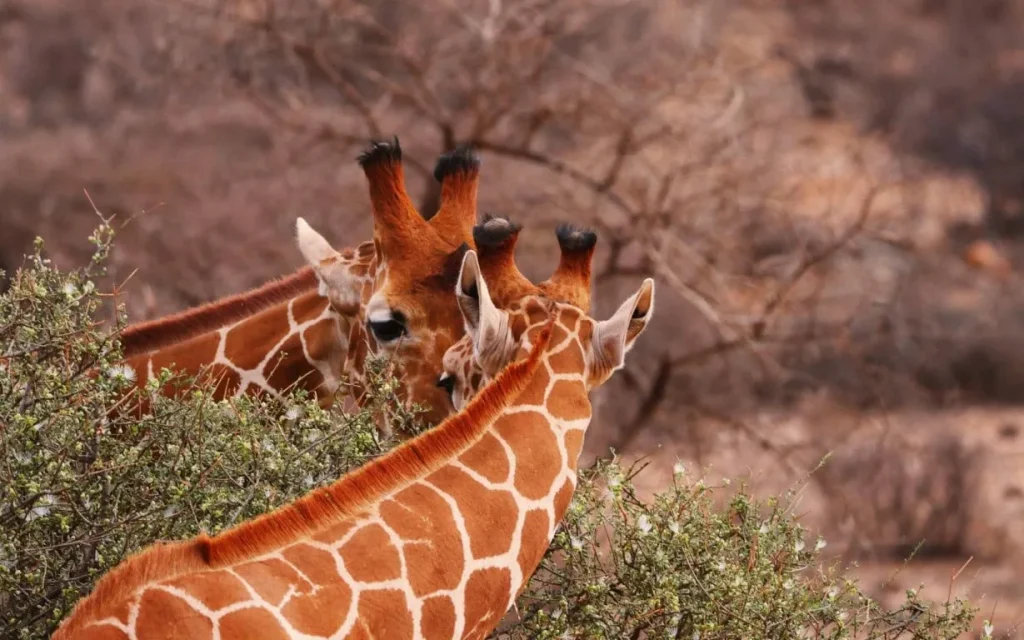
The Masai Mara is one of Africa's most celebrated wildlife destinations and one of the most important components of many Kenya safari itineraries. Its sweeping grasslands support extraordinary concentrations of wildlife. Travelers may encounter lions, elephants, buffaloes, leopards, cheetahs, giraffes, zebras, wildebeest, hyenas, hippos, crocodiles and numerous antelope species.
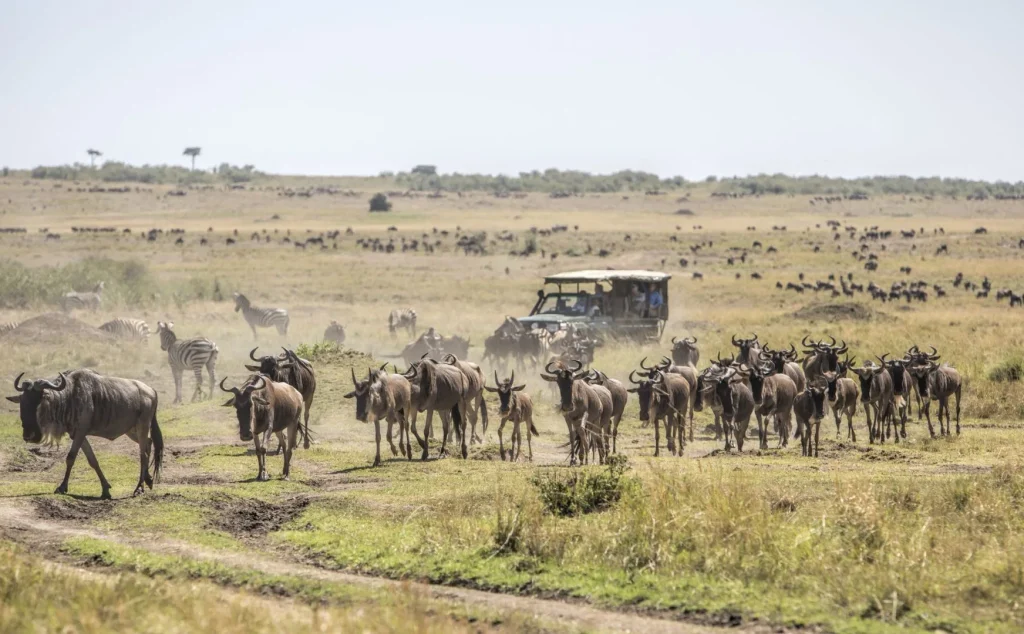
The wider Mara ecosystem is also famous for its role in the Great Wildebeest Migration, when vast numbers of wildebeest and zebras move through the Serengeti-Mara ecosystem. However, the Masai Mara should not be considered only a migration destination. Resident wildlife makes it an excellent safari area throughout much of the year. An all-inclusive Masai Mara safari may be arranged entirely by road from Nairobi or as a fly-in safari using scheduled light aircraft.
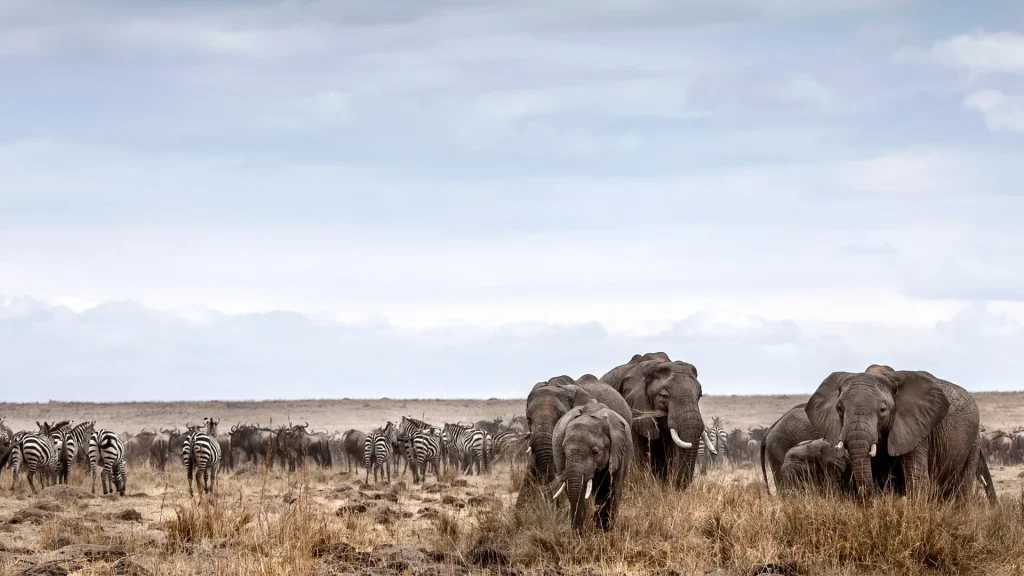
Amboseli is another outstanding destination for an all-inclusive Kenya safari. The park is particularly famous for its elephants. Large elephant herds moving across relatively open landscapes can provide some of the most memorable wildlife encounters in Kenya.
On clear days, Mount Kilimanjaro forms a dramatic backdrop to the Amboseli ecosystem. This combination of wildlife and scenery makes Amboseli particularly attractive to photographers. Amboseli can be visited as a short safari from Nairobi or incorporated into longer circuits involving Tsavo, the Rift Valley or the Masai Mara.
Lake Nakuru can provide an important contrast to Kenya's open savannah destinations. The park is situated within the Great Rift Valley and is known for its varied habitats, birdlife and opportunities to observe rhinos. Because of its geographical position, Lake Nakuru can be incorporated conveniently into road itineraries connecting Nairobi with the Masai Mara. This can make it an efficient addition to a longer all-inclusive safari.
Lake Naivasha offers a different type of experience from conventional game-drive destinations. Its freshwater environment, birdlife and Rift Valley scenery make it a useful stop between other major safari areas. Depending on the itinerary, travelers may combine Lake Naivasha with nearby attractions and activities. It can also provide a relaxing break between longer periods of game driving.
Samburu introduces travelers to the dramatic semi-arid landscapes of northern Kenya. The wildlife community differs in several respects from southern Kenya. Species associated with northern Kenya add variety for travelers who want a broader wildlife experience. Samburu can be combined with Mount Kenya, Laikipia and other northern destinations to create a distinctive all-inclusive safari circuit.
Laikipia has become one of Kenya's most interesting safari regions. The landscape includes private ranches, wildlife conservancies and community conservation areas. Depending on the property and conservancy, travelers may have access to experiences beyond conventional daytime game drives. This makes Laikipia especially attractive to repeat safari visitors and travelers interested in conservation-oriented journeys.
Tsavo East and Tsavo West together form one of Kenya's largest protected wildlife landscapes. Their location makes them particularly useful for travelers combining safari with the Kenya Coast. A road itinerary can move between Nairobi, Amboseli, Tsavo and the coast, creating a natural transition from wildlife safari to beach holiday. Tsavo's enormous landscapes can also provide a very different sense of scale from smaller protected areas.
Road safaris remain one of the most popular ways to explore Kenya. They allow travelers to observe the gradual changes in landscape between destinations and can provide excellent value when several parks are being combined. A classic road circuit might begin in Nairobi and travel toward Amboseli before continuing through the Rift Valley and eventually reaching the Masai Mara. Other itineraries can focus on northern Kenya or connect the southeastern parks with the Indian Ocean coast.
Road travel is particularly practical for private safaris because the same vehicle and guide can often remain with guests throughout much of the journey. This continuity can make the safari feel more personal. However, road distances should be planned realistically.
Trying to visit too many destinations within a short holiday can result in excessive time spent transferring between parks. A good itinerary balances travel with sufficient time for actual wildlife viewing.
Fly-in safaris are designed for travelers who want to reduce road-transfer times. Scheduled light aircraft connect Nairobi with several important safari destinations. Flying can make it possible to reach remote camps quickly and spend more of the holiday inside wildlife areas. This approach is especially popular for luxury safaris, honeymoons and shorter high-value trips.
For example, travelers with limited time may fly from Nairobi to the Masai Mara rather than spending several hours traveling by road. After several nights in the Mara, they may return to Nairobi by air or connect onward depending on available routes. Fly-in safaris are usually more expensive than comparable road safaris because domestic flights add to the overall cost. Nevertheless, the time saved can make them excellent value for travelers whose holiday duration is limited.
An all-inclusive safari does not have to use only one form of transportation. Combining road and air travel can sometimes provide the best balance. Travelers might explore several destinations by road and then fly from the final safari area back to Nairobi.
Alternatively, they might drive outward through the Rift Valley and return from the Masai Mara by air. This reduces repetitive driving while still allowing travelers to experience Kenya's changing landscapes.
A private all-inclusive Kenya safari gives travelers their own safari vehicle and guide for the agreed itinerary. This is particularly valuable for couples, families, photographers and travelers with specialized interests. Private safaris allow greater flexibility regarding departure times and game-drive priorities.
If guests want to spend longer observing a pride of lions, a leopard resting in a tree or elephants interacting around a water source, they generally have more control over the schedule than they would in a shared vehicle. Private safaris can also be surprisingly cost-effective for families or small groups because the vehicle cost is shared among the participants.
Luxury safaris combine outstanding wildlife viewing with carefully selected accommodation and highly personalized service. Travelers may stay in intimate tented camps, boutique lodges, private conservancies or exclusive-use villas. A luxury safari can include fly-in transportation, private vehicles, specialist guides and carefully arranged dining experiences.
However, the greatest luxury on safari is often not the size of the room. Location, privacy, guiding quality and access to wildlife can be considerably more important. A strategically located camp can reduce unnecessary driving and allow travelers to begin wildlife viewing soon after leaving their accommodation.
Mid-range safaris are among the most popular choices for travelers seeking a balance between comfort and cost. Accommodation generally provides private rooms or permanent safari tents with en-suite facilities. Meals and standard lodge facilities are usually included.
Travelers can still enjoy the same national parks and wildlife species encountered on luxury safaris. The main differences generally involve accommodation style, location, service levels and the degree of exclusivity. A well-designed mid-range itinerary can therefore deliver an exceptional safari without reaching luxury-level pricing.
Budget safaris focus on controlling costs while preserving the essential wildlife experience. Savings may be achieved through simpler accommodation, shared transportation, road travel or properties located outside the most expensive areas. Budget travelers should still evaluate itineraries carefully.
The cheapest package is not necessarily the best value if it involves excessive driving, poorly located accommodation or insufficient time inside the parks. The objective should be to reduce unnecessary costs without compromising the fundamental purpose of the safari.
Kenya can be an excellent family safari destination. An all-inclusive arrangement is particularly useful for families because transportation, accommodation and activities can be coordinated in advance. Family itineraries should consider children's ages, attention spans and tolerance for long drives. Trying to include too many destinations can make the safari tiring for younger travelers.
Instead, families may benefit from spending several nights in fewer locations. Selected lodges provide family rooms, swimming pools, children's activities or educational wildlife programs. A private vehicle can also be extremely valuable because families have greater control over game-drive duration and departure times.
Kenya is one of Africa's classic honeymoon destinations. A honeymoon safari can combine wildlife, intimate accommodation, private guiding and a beach extension. The Masai Mara is particularly popular for honeymooners because of its wildlife density and wide selection of romantic safari camps.
Amboseli can add spectacular scenery, while conservancy stays may provide greater privacy. After safari, couples can continue to the Indian Ocean for several nights on the Kenya Coast. This creates a natural combination of adventure and relaxation.
One of Kenya's greatest advantages is the ability to combine world-class safari destinations with an Indian Ocean beach holiday within the same country. Travelers can begin with wildlife viewing and finish with several days on the coast. Popular coastal extensions can include Diani and other destinations along the Kenya Coast.
A safari-and-beach itinerary can be particularly attractive for honeymooners, families and travelers planning longer holidays. Transportation between safari areas and the coast can be arranged by road, rail or domestic flight depending on the itinerary. A well-designed package ensures that the transition between safari and beach is efficient rather than consuming unnecessary holiday time.
The Great Wildebeest Migration is one of the world's most famous wildlife spectacles. The migration involves enormous numbers of wildebeest, accompanied by zebras and other herbivores, moving through the wider Serengeti-Mara ecosystem. Travelers hoping to experience the migration in Kenya generally focus on the Masai Mara during the period when migratory herds are expected within the Kenyan part of the ecosystem.
However, migration timing is influenced by rainfall and grazing conditions. No responsible safari planner should guarantee a specific river crossing on a particular day. Travelers should instead allow sufficient time in the Mara and understand that the migration is a dynamic natural process.
Kenya is an outstanding destination for wildlife photography. Photography-focused all-inclusive safaris can be designed with longer game drives, private vehicles and strategically selected accommodation. A private vehicle is particularly valuable because photographers can determine how long they remain at individual sightings. Vehicle positioning, lighting and patience can significantly influence photographic results.
Destinations such as the Masai Mara, Amboseli and Samburu provide very different photographic environments. Amboseli is particularly famous for elephants and mountain landscapes, while the Mara provides classic savannah scenes and predator opportunities.
The ideal safari duration depends on the number of destinations and the traveler's priorities.
Short safaris work best when focused on one major destination or a compact route. A three- or four-day safari can provide an excellent introduction to Kenya when time is limited.
Five to seven days provides considerably greater flexibility. Travelers can combine two or three complementary destinations without spending the entire holiday transferring between them. This duration is particularly popular with first-time visitors.
Eight to ten days allows for a more comprehensive safari circuit. Travelers can spend multiple nights in key destinations and explore different ecosystems. This is often an excellent duration for visitors traveling to Kenya primarily for safari.
Longer safaris provide opportunities to combine several regions while maintaining a comfortable pace. Northern Kenya, the Rift Valley, the Masai Mara, Amboseli and Tsavo can potentially be incorporated depending on route design. A beach extension can also be added.
Travelers with more than two weeks can experience Kenya in considerably greater depth. Long itineraries can combine wildlife, conservation, culture, mountain landscapes and the coast without making every day a transfer day.
Kenya offers rewarding wildlife experiences throughout the year, although conditions vary by season and destination. Drier periods are popular because wildlife may concentrate around dependable water sources and vegetation can become less dense. These periods can also coincide with strong visitor demand.
The Great Wildebeest Migration creates particularly high interest in the Masai Mara during the months when migratory herds are generally present in the Kenyan ecosystem. Green-season travel offers a different experience. Landscapes become lush, birdlife can be excellent and visitor numbers may be lower in certain destinations. Travelers should therefore choose their safari period according to wildlife priorities, budget and personal preferences rather than assuming that only one season is suitable.
There is no single price for an all-inclusive Kenya safari. The cost depends on several interconnected factors.
Longer safaris require additional accommodation, park fees, guiding and transportation.
Private vehicle costs are divided among the people using the vehicle. This means per-person costs can often decrease as group size increases.
Accommodation prices can vary substantially between low, shoulder and peak seasons.
Budget, mid-range, luxury and high-end camps have significantly different nightly rates.
Protected-area fees can form a substantial part of the overall safari price.
Domestic flights increase the cost but can significantly reduce travel time.
Balloon safaris, specialized walking activities, cultural experiences and other optional excursions may increase the overall cost. For this reason, travelers should compare complete safari inclusions rather than simply comparing headline prices.
The best safari is not necessarily the itinerary containing the greatest number of destinations. A strong itinerary should provide enough time in each wildlife area.
Before booking, consider:
Answering these questions makes it considerably easier to identify the right safari structure.
Packing should be practical. Neutral-colored lightweight clothing works well for most safari situations. Mornings can sometimes be surprisingly cool, particularly when traveling in open vehicles or at higher elevations, so layering is useful. Travelers should also consider comfortable footwear, sun protection, insect repellent, binoculars, camera equipment, personal medication and appropriate travel documents.
Domestic light-aircraft flights may have stricter luggage restrictions than international airlines. Travelers using fly-in safari arrangements should therefore check baggage allowances before departure.
Safari tourism depends on healthy wildlife populations and functioning ecosystems. Travelers can contribute to responsible tourism by choosing reputable operators and accommodations, respecting protected-area rules and following guide instructions around wildlife. Animals should never be pressured for photographs.
Vehicles should maintain appropriate distances and avoid obstructing wildlife unnecessarily. Responsible safari practices protect both animals and the quality of the experience for future visitors.
Packages commonly include safari transportation, professional guiding, accommodation, specified meals, scheduled game drives and other services identified in the itinerary. Exact inclusions vary between packages.
They may be included, but this should always be confirmed. Park and conservancy fees can represent a substantial part of the safari cost.
International airfare is commonly excluded unless specifically stated.
Yes. Private safaris can include a dedicated safari vehicle and professional driver-guide for the agreed itinerary.
Meals are commonly included at safari lodges and camps, but the precise meal plan should be confirmed for each accommodation.
This depends on the property. Some luxury camps include selected beverages, while other lodges charge separately for drinks.
Yes. Private itineraries can often be customized according to duration, accommodation preference, destinations, transportation and activities.
Yes. The Masai Mara is one of the most popular destinations included in Kenya safari packages.
Yes. Safari-and-beach combinations are one of Kenya's major attractions.
Yes. Family-friendly accommodation, private vehicles and carefully paced itineraries can make Kenya an excellent family safari destination.
Yes. Kenya is particularly well suited to honeymoon safaris combining intimate camps, wildlife experiences and coastal relaxation.
Neither is universally better. Road safaris allow travelers to experience the changing landscapes and can provide better value. Fly-in safaris reduce transfer time and are particularly useful for shorter or luxury itineraries.
This depends on the complete itinerary and wildlife priorities. Multiple nights are generally preferable because they provide more time for game drives and reduce the risk of the visit feeling rushed.
Costs vary enormously according to accommodation category, season, safari duration, transportation method and group size. Kenya offers options ranging from budget and mid-range safaris to highly exclusive luxury experiences.
Early planning is advisable for popular travel periods, especially when travelers require specific camps, family rooms or migration-season accommodation.
A carefully designed all-inclusive Kenya safari allows travelers to experience the country's wildlife without having to coordinate dozens of separate travel arrangements. From the sweeping plains of the Masai Mara to the elephant herds of Amboseli, the Rift Valley landscapes around Lake Nakuru and Lake Naivasha, the distinctive wilderness of Samburu and Laikipia, and the vast landscapes of Tsavo, Kenya provides extraordinary variety within a single safari destination.
The key to a successful all-inclusive safari is not simply choosing the package containing the greatest number of inclusions. It is choosing an itinerary in which the destinations, accommodation, guiding, transportation, activities and available time work together. Travelers should therefore compare complete itineraries carefully and pay particular attention to park fees, accommodation location, transportation arrangements, meal plans and optional activities.
Whether you are planning your first African safari, a family wildlife holiday, a honeymoon, a Great Migration journey, a photography safari or a luxury safari-and-beach vacation, an all-inclusive arrangement can simplify the logistics while allowing the journey to be customized around your priorities. The result should be more than a collection of hotel reservations and game drives. A well-planned all-inclusive Kenya safari becomes a complete journey through some of East Africa's most remarkable landscapes—watching elephants crossing the plains, searching for big cats in the early morning, listening to the sounds of the African bush after sunset and experiencing Kenya's extraordinary wildlife at a pace that allows you to appreciate it properly.