
The first question many travellers ask when considering a mountain gorilla safari is straightforward: how much does it cost to see gorillas in Uganda?
The answer begins with the trekking permit, but it does not end there. A complete gorilla safari also involves getting to the forest, arranging accommodation, travelling with a suitable guide and allowing enough time to reach the trekking briefing point comfortably.
For most international visitors, the gorilla trekking cost in Uganda is considerably lower than the equivalent permit cost in Rwanda. This makes Uganda an attractive destination for travellers who want to encounter endangered mountain gorillas while also experiencing East Africa’s forests, lakes and savannah wildlife.
However, the cheapest advertised package is not always the best value. Accommodation location, vehicle arrangements, driving distances and whether permits are genuinely included can make a substantial difference. This guide explains the principal costs involved in planning a Uganda gorilla trekking safari, with particular attention to travellers combining Uganda with a Kenya holiday.
How Much Does Gorilla Trekking in Uganda Cost?
The main cost is the gorilla trekking permit issued through the Uganda Wildlife Authority (UWA). Under the published tariff applicable to the 2024–2026 period, the standard mountain gorilla trekking permit for a foreign non-resident is USD 800 per person. Other visitor categories have different rates, and fees can change between tariff periods; travellers booking for 2027 or later should confirm the applicable rate before paying.
A complete safari normally costs more than the permit because it includes several additional services. These may include:
- Ground transport to Bwindi or Mgahinga
- Accommodation before and after trekking
- Meals
- A professional driver-guide
- Fuel and vehicle expenses
- Transfers to the correct trekking briefing point
- Other activities included in the itinerary
The final price depends on whether you travel privately or join a group, how many nights you stay, and whether you arrive through Entebbe or Kigali.
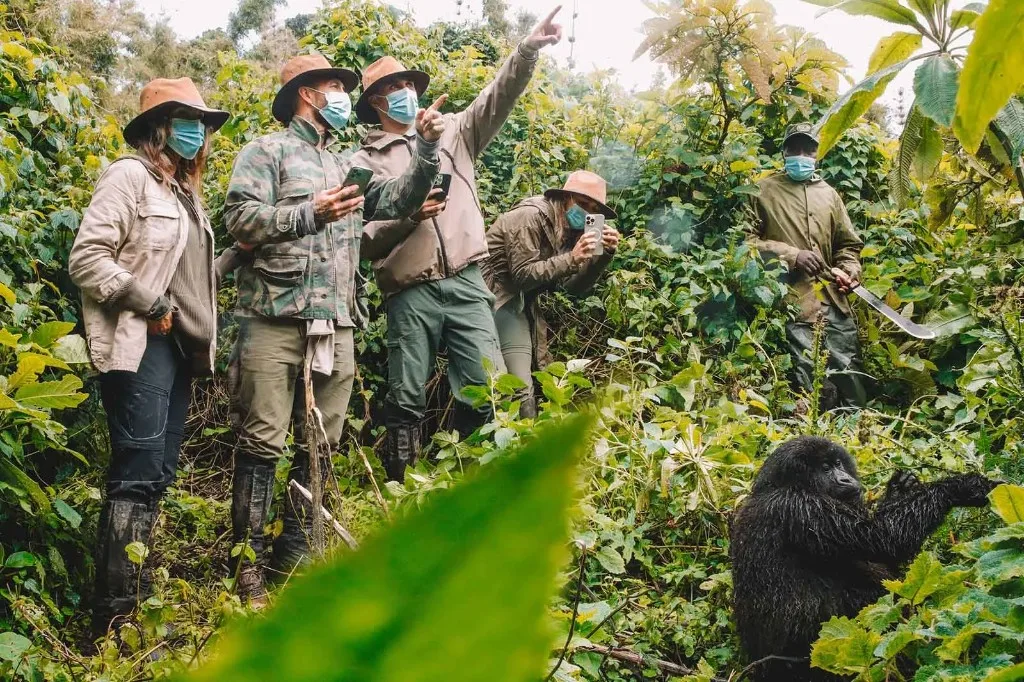
Uganda Gorilla Trekking Permit Prices
Gorilla permits are regulated rather than freely priced by individual safari companies. For the 2024–2026 UWA tariff period, the principal published rates were:
| Visitor category | Standard trekking permit |
|---|---|
| Foreign non-resident | USD 800 |
| Foreign resident | USD 700 |
| Rest of Africa category | USD 500 |
| East African Community citizen | UGX 300,000 |
These figures are historical published tariff references, not a guarantee of the price applicable to every future travel date. Eligibility rules and documentary requirements apply.
A standard permit generally provides one regulated encounter with a habituated mountain gorilla family, with a maximum observation period of one hour once the gorillas are located. The permit does not automatically include your accommodation, transport from the airport or other safari services, so when comparing quotations, confirm that the permit has been included in the total package price.
Why Are Gorilla Trekking Permits Expensive?
Mountain gorillas are among the world’s most carefully protected wild animals. They live in a limited number of forest habitats, and tourism is managed to reduce disturbance. Permit revenue contributes to the wider conservation system, including park management, monitoring and other operational requirements, while gorilla tourism also creates economic opportunities through guiding, accommodation, transport and associated services.
The cost reflects the limited number of visitors permitted to encounter a gorilla family on a particular day. It is important to understand that paying for a permit does not guarantee a particular gorilla family, a short trek or perfect photographic conditions; the experience takes place in a natural forest environment where the animals move freely.
Where Can You Trek Gorillas in Uganda?
Uganda has two principal mountain gorilla trekking destinations.
Bwindi Impenetrable National Park
Bwindi Impenetrable National Park is Uganda’s best-known gorilla trekking destination. The park protects a mountainous tropical forest in southwestern Uganda, and trekking is organised through several sectors, including Buhoma, Ruhija, Rushaga and Nkuringo. These sectors are not interchangeable from a transport perspective: the journey between them can be substantial, particularly on mountain roads, so your accommodation should be selected according to the sector assigned to your permit. A traveller trekking in Rushaga should not automatically book accommodation in Buhoma simply because both are described as being near Bwindi.
Mgahinga Gorilla National Park
Mgahinga Gorilla National Park lies in southwestern Uganda near the borders with Rwanda and the Democratic Republic of the Congo. Its volcanic scenery provides a distinctive setting, and Mgahinga is smaller than Bwindi and offers a different trekking environment. Permit availability and the relevant gorilla group arrangements must be confirmed before travel, and the park can be attractive for travellers combining gorilla trekking with golden monkey tracking or other activities in the Virunga region.
Gorilla Trekking Cost by Safari Duration
The length of your itinerary affects the overall price.
Two-Day Gorilla Trekking Safari
A two-day itinerary is sometimes arranged from Kigali because the distance to southwestern Uganda is shorter than the road journey from Entebbe. The first day involves the cross-border transfer and overnight accommodation; the second day includes trekking and the return journey. This is a demanding programme, especially if the return transfer is long—it may suit travellers with very limited time, but it leaves little flexibility.
Three-Day Gorilla Trekking Safari
A 3-day Uganda gorilla safari is a common choice. Day one is used for travel to the trekking region, day two is dedicated to the gorilla experience, and day three is reserved for the return transfer. This structure is more comfortable than attempting the entire journey in two days.
Four-Day Gorilla Trekking Safari
Four days allow a more relaxed itinerary. Depending on the route, travellers may add Lake Bunyonyi, a cultural experience or another suitable activity, and the additional night also provides more flexibility around long transfers.
Five- to Seven-Day Gorilla Safari
A longer safari can combine gorillas with Queen Elizabeth National Park, Lake Mburo or another destination. This is especially attractive for travellers who want a broader Uganda experience rather than a single trekking activity.
Eight- to Fourteen-Day Uganda Safari
Longer journeys may include Murchison Falls, Kibale, Queen Elizabeth, Bwindi and Lake Mburo, offering opportunities for chimpanzee trekking, game drives, boat safaris and mountain gorilla trekking.
Accommodation Costs Around Bwindi
Accommodation is one of the most variable components of a gorilla safari.
Essential Accommodation
Essential accommodation includes practical guesthouses and budget lodges. These properties focus on providing a comfortable place to sleep, meals and convenient access to the trekking area, with facilities generally simpler than those at higher-end lodges.
Comfort Accommodation
Comfort properties typically offer private bathrooms, suitable dining arrangements and more developed guest facilities. They are popular with travellers seeking a balance between price and convenience.
Premium Accommodation
Premium lodges may offer spacious rooms, attractive forest views and enhanced hospitality, suitable for travellers who want greater comfort before and after trekking.
Signature Accommodation
Signature properties focus on distinctive locations, personalised service and more exclusive facilities; some offer high-end cottages or suites overlooking forested landscapes. The best choice depends on the exact trekking sector, travel style and budget. A lodge’s location is often more important than its advertised luxury category.
Does Accommodation Include Gorilla Permits?
Usually, a lodge room rate should not be assumed to include a gorilla permit. Some safari packages combine accommodation and permits in one quotation, while others list them separately. Before booking, ask whether the quoted total includes the permit for every traveller participating in the trek, and if one person is trekking while another is not, the itinerary should reflect the different activity costs.
Transport Costs for Gorilla Trekking
Transport can account for a substantial portion of a gorilla safari quotation. Bwindi is located far from Uganda’s main international airport at Entebbe, and a road safari normally requires a long journey across southwestern Uganda. The exact duration depends on the route, road conditions, traffic and trekking sector. Private safari vehicles provide flexibility but involve costs for the vehicle, fuel and driver-guide, while a group safari may reduce the per-person transport cost because several travellers share the same vehicle.
Gorilla Trekking from Entebbe
Travellers arriving at Entebbe International Airport can begin their Uganda journey from the Entebbe or Kampala area. A direct road transfer to Bwindi is lengthy and commonly occupies most of a day; some itineraries break the journey with an overnight stop or incorporate other parks, which can make the overall trip more enjoyable. Travellers should avoid scheduling a gorilla trek immediately after a late international arrival without adequate time for travel and rest.
Gorilla Trekking from Kigali
Kigali is an alternative gateway for gorilla trekking in southwestern Uganda. The journey involves crossing the Rwanda–Uganda border and is particularly useful for travellers with limited time, although border formalities, road conditions and permit-sector locations affect the total journey. Travellers must check entry requirements for both countries. A Kigali-based itinerary may reduce road travel time, but it does not change the Ugandan gorilla permit price.
Gorilla Trekking from Kenya
Travellers already visiting Kenya can add Uganda to their safari. The most practical option is often to fly from Nairobi to Entebbe and continue towards the gorilla trekking region; an alternative may involve flying to Kigali and travelling by road into Uganda, depending on flight schedules and travel requirements. A combined itinerary could include the Masai Mara, Lake Nakuru or Amboseli before continuing to Uganda. The overall cost depends on international or regional flights, accommodation and ground transport; for a Kenya and Uganda safari, it is important to coordinate gorilla permits with flight dates before finalising the programme.
Domestic Flights to Bwindi
Domestic flights can reduce the time spent on the road. Scheduled services may operate between Entebbe and airstrips serving southwestern Uganda, such as Kihihi or Kisoro, depending on the route and operator. The final transfer from the airstrip to the lodge is still required, baggage allowances may be restrictive (particularly on smaller aircraft), and flight schedules and prices should be confirmed before booking. A flying safari can be attractive for luxury travellers, older visitors or anyone who prefers to minimise long road transfers.
Private Gorilla Trekking vs Group Safari
A private safari offers exclusive use of the vehicle and driver-guide and allows greater flexibility with accommodation choices and travel stops. A group safari shares transport costs among several travellers; for solo visitors, joining a group can substantially reduce the cost compared with hiring a vehicle privately. However, group departures may have fixed dates and accommodation arrangements. The gorilla trekking activity itself is organised under park authority procedures, and travelling privately does not automatically provide a private gorilla family encounter.
Gorilla Trekking Cost for Solo Travellers
Solo travellers often pay more per person for private transport and single-room accommodation, although a group departure can help reduce these expenses. Not every group safari has a confirmed departure, so ask about the minimum number of participants, maximum group size, room-sharing arrangements and any single supplement. If you prefer a private room, confirm that it is included in the quotation.
Gorilla Trekking Cost for Couples
Couples can share vehicle and accommodation costs, and a three-day private safari for two people generally costs less per person than an equivalent private trip for one. However, both travellers require individual gorilla permits if both intend to trek; if one person chooses not to participate, alternative activities may be arranged where practical.
Gorilla Trekking Cost for Families
Gorilla trekking is subject to a minimum age requirement, generally 15 years under the applicable Ugandan rules. Families travelling with younger children need an itinerary that provides suitable alternative activities and supervision, and children’s ages can also affect accommodation costs and room arrangements. Travellers should confirm current park rules before booking.
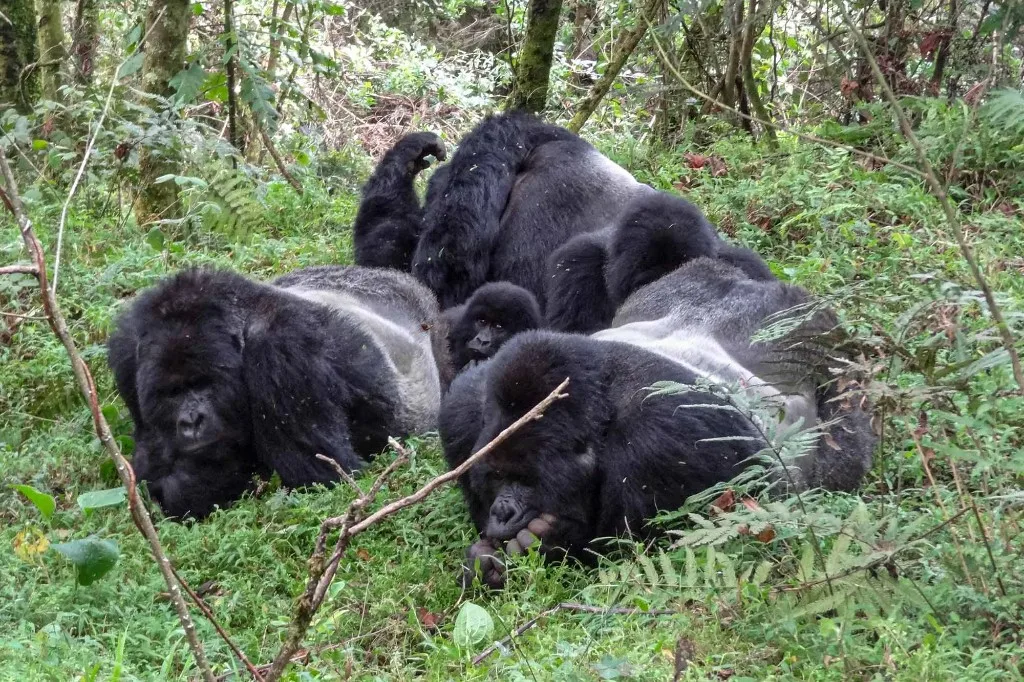
Gorilla Trekking vs Gorilla Habituation Cost
Uganda offers a specialist gorilla habituation experience in addition to standard trekking. The habituation programme provides a different experience with a longer permitted observation period under the applicable rules, and it also has a higher permit price. For the 2024–2026 tariff period, the published foreign non-resident habituation permit price was USD 1,500. Availability is more limited than standard trekking; travellers interested in this experience should confirm the current fee, permitted observation time and available dates before booking.
Uganda vs Rwanda Gorilla Trekking Cost
Uganda and Rwanda are the two principal countries offering established mountain gorilla tourism programmes. The standard Rwanda gorilla trekking permit has commonly been priced at USD 1,500 for international visitors, subject to eligibility rules and any applicable offers, while Uganda’s standard foreign non-resident permit was USD 800 under the 2024–2026 tariff.
The permit difference can be substantial for couples and families with eligible trekkers, but the complete safari cost also depends on accommodation, transport and the number of nights. Rwanda’s Volcanoes National Park is relatively accessible from Kigali, while Bwindi generally involves longer travel from Entebbe—the cheapest permit does not always produce the cheapest complete itinerary.
Are There Discounted Gorilla Permits?
Occasional promotional arrangements or revised tariffs may apply to particular periods or visitor categories; these should be verified directly against official information before being advertised. Travellers should not assume that discounted permits are available simply because they are travelling during a rainy season. A safari company may also offer an accommodation or transport promotion without changing the official permit price—always ask which component of the quotation has been discounted.
Best Time for Budget Gorilla Trekking
Gorilla trekking operates during much of the year. Drier periods are generally popular because forest trails may be easier to negotiate; in Uganda, June to August and December to February are commonly preferred travel periods. However, the forest can receive rainfall at any time. Wetter periods may bring muddy trails, but they can also offer attractive scenery and potentially different accommodation rates. Permit availability and official prices should always be checked separately from seasonal lodge offers.
Additional Costs to Budget For
Beyond the permit and main safari package, travellers may need to budget for several personal expenses. These can include:
- International or regional flights
- Entry authorisations or visas, where applicable
- Travel insurance
- Tips for guides, drivers and lodge staff
- Porter services
- Personal drinks and laundry
- Optional cultural activities
- Additional accommodation before or after the safari
Some travellers also choose to hire a porter during the trek, which can provide practical assistance on steep or muddy terrain while supporting local employment.
What Happens on Gorilla Trekking Day?
The trekking day normally begins with an early briefing at the designated park meeting point. Visitors are assigned to trekking groups under the park authority’s procedures, and guides explain safety requirements and expected conduct. The walk may involve steep slopes, dense vegetation and uneven forest paths, and the time required to locate gorillas varies.
Once the gorilla family is found, visitors are normally permitted a maximum of one hour of observation under the standard trekking programme. Afterwards, the group returns to the starting point. A gorilla trek should be treated as a full-day commitment even when the actual encounter occurs relatively early.
How Difficult Is Gorilla Trekking?
The difficulty depends on the gorillas’ location, terrain and weather. Some treks are relatively short, while others involve several hours of walking through steep or muddy forest. A reasonable level of fitness is helpful, and travellers with mobility concerns should discuss their needs well in advance. Special assistance arrangements may be possible in certain circumstances, but availability and suitability must be confirmed. No operator can guarantee that a particular trek will be easy.
What to Wear for Gorilla Trekking
Dress for forest conditions and a potentially demanding walk:
- Long trousers and long-sleeved clothing to protect against vegetation and insects
- Sturdy hiking boots with good grip
- A lightweight waterproof jacket
- Gardening-style gloves, which may help when moving through vegetation
- Drinking water, permitted snacks and personal medication
- A small backpack rather than heavy luggage
- Camera equipment that is manageable during the trek

Gorilla Trekking Photography
Mountain gorilla photography can be challenging because forest light changes rapidly, and a camera with good low-light performance can be useful. Flash photography is prohibited during regulated gorilla encounters. Visitors must maintain the required distance and follow the guide’s instructions—the welfare of the gorillas takes priority over photography. Avoid sudden movements, loud noises and attempts to attract the animals’ attention.
How to Book a Gorilla Trekking Permit
The first step is to choose your preferred trekking date, then confirm permit availability for the appropriate destination and sector. Once availability is established, the required booking and payment procedures should be followed; permit terms may restrict cancellations, refunds and date changes, so travellers should review the applicable conditions before payment. For a combined Kenya and Uganda safari, gorilla permit confirmation should be coordinated with regional flights and accommodation reservations.
How Far in Advance Should You Book?
Popular travel periods can experience strong demand, and travellers with fixed dates should arrange permits well in advance. Those planning to travel during June, July, August, September or the December holiday period should be particularly mindful of availability. Last-minute permits may sometimes be available, but they should never be assumed; early planning also improves the choice of accommodation near the correct trekking sector.
Sample Three-Day Uganda Gorilla Trekking Safari
Day 1: Travel to Bwindi
Begin your journey from Entebbe or Kigali, depending on the agreed itinerary. Travel towards southwestern Uganda, passing through changing landscapes and rural communities, arrive at your lodge near the assigned trekking sector, and enjoy dinner while preparing for the following day’s activity.
Day 2: Mountain Gorilla Trekking
After an early breakfast, transfer to the briefing point, meet the park guides and join your assigned trekking group. Walk through the forest in search of a habituated gorilla family, enjoy the regulated observation period once located, and return to the lodge for relaxation and overnight.
Day 3: Return Transfer
After breakfast, begin the return journey to your agreed destination. The route and arrival time depend on the departure point and road conditions.
Sample Seven-Day Kenya and Uganda Safari
Day 1: Arrival in Nairobi
Arrive in Kenya and transfer to your hotel.
Day 2: Nairobi to Masai Mara
Travel to the Masai Mara and enjoy an afternoon game drive if time permits.
Day 3: Masai Mara Wildlife Safari
Explore the reserve, searching for lions, elephants, giraffes and other wildlife.
Day 4: Return to Nairobi
Travel back to Nairobi and overnight before the regional flight.
Day 5: Fly to Entebbe
Take a scheduled flight to Uganda, subject to availability, and overnight in Entebbe.
Day 6: Travel to Bwindi
Continue to the gorilla trekking region by the agreed road or flight arrangement.
Day 7: Gorilla Trekking
Join the gorilla trekking experience. An additional day should be added for a comfortable return transfer and onward international departure—this example demonstrates the importance of allowing realistic travel time when combining Kenya and Uganda.
How to Reduce Gorilla Safari Costs Without Compromising the Experience
The most effective way to reduce costs is usually to manage transport and accommodation choices. Joining a confirmed group departure can reduce vehicle expenses, and choosing a comfortable lodge near the trekking briefing point can offer better value than an expensive property requiring a long transfer. Travelling with friends or family allows transport costs to be shared, and avoiding unnecessary overnight stops may also help, provided the itinerary remains practical. However, do not compromise on permit legitimacy, vehicle safety or professional guiding simply to obtain a lower price.
Frequently Asked Questions
How Much Is a Gorilla Trekking Permit in Uganda?
The published foreign non-resident rate for the 2024–2026 UWA tariff period was USD 800. Confirm the applicable tariff for your travel date.
Is the Permit Included in a Gorilla Safari Package?
It depends on the operator and quotation. Always request written confirmation.
Is Gorilla Trekking Cheaper in Uganda Than Rwanda?
Uganda’s standard permit has been substantially cheaper than Rwanda’s standard international permit, although complete safari costs vary.
Can I Trek Gorillas from Kenya?
Yes. Travellers can combine Kenya with Uganda using suitable regional flights and ground transfers.
Can I Trek Gorillas in One Day?
The trekking activity takes place on one day, but most international visitors require additional travel and accommodation days.
Is Gorilla Trekking Worth the Cost?
For many wildlife enthusiasts, observing mountain gorillas in their natural habitat is a major travel highlight. The value is personal, and sightings and conditions remain subject to nature.
Do I Need Travel Insurance?
Comprehensive travel insurance is strongly recommended, particularly for medical emergencies and trip disruptions.
Plan Your Uganda Gorilla Safari from Kenya
Understanding the cost of gorilla trekking in Uganda allows you to compare itineraries more effectively. The permit is the essential starting point, but accommodation location, transport, guiding and realistic travel times determine the overall experience. At Safari Trips to Kenya, we can help travellers combine Kenya’s wildlife destinations with gorilla trekking in Uganda, selecting suitable accommodation and coordinating the itinerary around available permits. Whether you prefer an Essential, Comfort, Premium or Signature safari, we can prepare a personalised quotation showing the principal inclusions and costs.