
A wildlife safari introduces travellers to Kenya’s extraordinary landscapes and animals, but the country’s identity extends far beyond its national parks. In villages, towns, markets and historic coastal settlements, people continue to shape and reinterpret traditions that have developed over generations.
Kenya cultural tours provide opportunities to explore this human dimension of travel. Visitors may meet local guides, learn about pastoral livelihoods, discover Swahili architecture, observe traditional crafts or explore the food and music of different communities. The most rewarding cultural experiences are not staged performances presented without explanation; they are respectful encounters that allow visitors to understand how people live today, how communities preserve aspects of their heritage and how traditions adapt to changing economic and social circumstances.
Kenya is home to numerous ethnic and linguistic communities, each with its own history and cultural practices. The Maasai are widely associated with the southern savannah, while Swahili heritage is particularly visible along the Indian Ocean coast. Communities such as the Samburu, Turkana, Kikuyu, Luo, Kalenjin, Luhya and many others contribute to Kenya’s cultural diversity. A carefully planned Kenya safari and cultural tour can combine wildlife viewing with community-led experiences, historic sites and opportunities to support local businesses, and Safari Trips to Kenya can incorporate suitable cultural activities into private safari itineraries, subject to local availability, community permissions and the interests of the travellers.
Why Include Cultural Experiences in a Kenya Safari?
Wildlife and landscapes are often the first reasons people visit Kenya, yet cultural activities can provide context for what travellers see in the national parks. Many protected areas are surrounded by communities whose livelihoods are connected to land, livestock, agriculture and tourism, and understanding these relationships can help visitors appreciate the challenges of wildlife conservation and the importance of community participation.
A cultural visit may explain how pastoralists manage livestock, how artisans create objects for local use and sale, or how coastal trading networks influenced architecture and cuisine. These experiences can also create economic opportunities when they are organised fairly and locally. The value of a cultural tour depends on its quality, not simply the number of activities included—a meaningful conversation with a knowledgeable local guide may be more informative than several hurried stops.
Maasai Cultural Experiences in Kenya
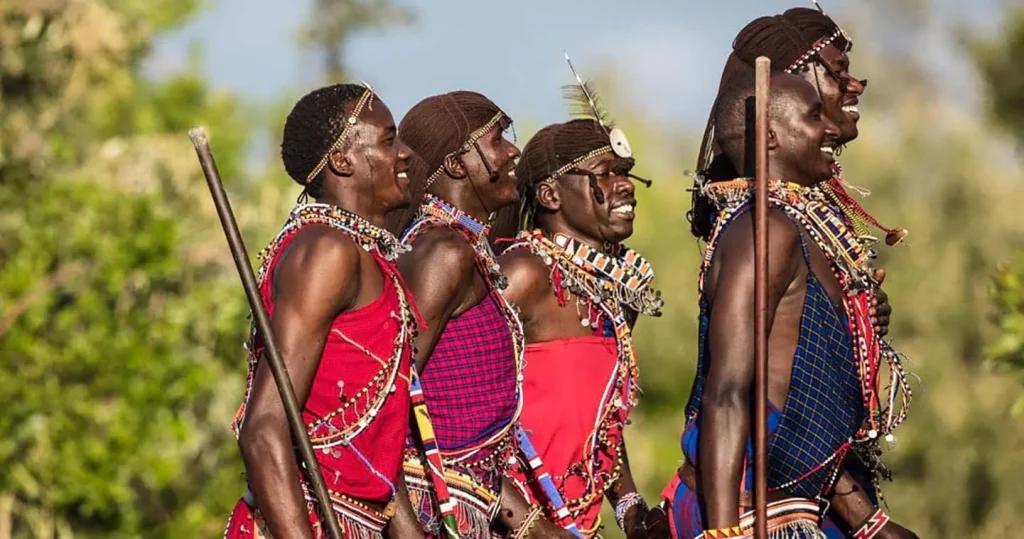
The Maasai are among Kenya’s best-known communities, particularly in the southern rangelands around the Masai Mara and Amboseli ecosystems. Maasai cultural heritage includes pastoral traditions, distinctive forms of dress, beadwork, oral history and social institutions. However, Maasai communities are diverse: their lifestyles and livelihoods vary, and many people combine traditional practices with education, business, conservation and other modern occupations. A responsible cultural visit should reflect this complexity rather than presenting Maasai life as unchanged or isolated from the modern world.
Maasai Village Visits Near the Masai Mara
Some communities near the Masai Mara offer organised visits where guests can learn about local homes, livelihoods, crafts and traditions. The experience may include conversations with residents, explanations of cultural practices and opportunities to purchase locally made products, though activities vary by village and operator. Travellers should confirm what the visit includes, whether photography is permitted and how visitor fees are distributed, and a community visit should be voluntary and conducted with the consent of participants.
Maasai Cultural Visits Around Amboseli
The Amboseli ecosystem is closely associated with Maasai communities. Cultural activities in the surrounding area can complement elephant-focused game drives, and visitors may learn about pastoral livelihoods, the importance of livestock and the relationship between community land and wildlife movement corridors. These discussions can provide useful insight into the realities of conservation beyond the boundaries of a national park.
What to Expect During a Maasai Cultural Visit
A cultural visit may include an introduction by a local host, an explanation of community history and demonstrations of selected practices. Some visits feature traditional songs or dances, while others focus on conversation, crafts or daily life; the content should be explained before booking, and travellers should not assume that every village offers identical experiences.
Samburu Cultural Experiences in Northern Kenya
The Samburu are a pastoral community associated with parts of northern Kenya. Samburu cultural heritage includes distinctive clothing, beadwork, oral traditions and livestock-related practices, and the landscapes around Samburu National Reserve provide opportunities to combine wildlife viewing with suitable community experiences. A cultural activity may introduce visitors to local perspectives on pastoralism, conservation and changing livelihoods; as with all community tourism, the experience should be arranged through responsible local hosts.
Swahili Cultural Tours on Kenya’s Coast
Kenya’s Indian Ocean coast offers a different cultural landscape. Swahili heritage developed through centuries of interaction among coastal African communities and traders from the wider Indian Ocean region, reflected in architecture, language, cuisine, religious traditions and historic settlements. Visitors can explore Swahili culture in places such as Mombasa and Lamu.
Mombasa Old Town
Mombasa Old Town contains narrow streets, historic buildings and architectural features associated with the city’s long trading history. A guided walk can introduce travellers to carved doors, balconies, religious buildings and the multicultural influences visible in the urban landscape, and local guides can explain how the area functions as a living neighbourhood rather than simply a historic attraction. Visitors should respect residents’ privacy and seek permission before photographing people.
Fort Jesus
Fort Jesus is a major historic site in Mombasa, built by the Portuguese in the late sixteenth century. It reflects the region’s complex history of trade, military competition and colonial influence, is recognised as a UNESCO World Heritage Site, and a guided visit can help explain its architectural features and historical significance.
Lamu Old Town
Lamu Old Town is another UNESCO World Heritage Site and an important centre of Swahili heritage. Its historic urban fabric, traditional architecture and cultural practices make it particularly interesting for travellers who enjoy history. Visitors should approach the town as a living community, respecting local customs and daily routines.
Traditional Kenyan Crafts
Craft production is an important part of cultural tourism. Different communities and artisans produce beadwork, baskets, textiles, woodcarvings and other objects that may have practical, ceremonial or commercial significance. Buying directly from artisans or reputable community enterprises can help support local livelihoods, but travellers should avoid assuming that every product sold in a tourist market is locally handmade—asking about the maker, materials and production process can provide a more meaningful shopping experience.
Maasai Beadwork
Maasai beadwork is widely recognised for its colours and patterns. Beaded jewellery and decorative items can communicate aspects of identity, social relationships and personal expression, though meanings vary by context and community. A knowledgeable artisan can explain the significance of particular designs, and travellers should avoid treating all beadwork as interchangeable or assigning fixed meanings to colours without local explanation.
Kenyan Food and Culinary Experiences
Food offers another way to explore Kenya’s cultural diversity. A culinary experience may include visiting a local market, learning about ingredients or participating in a cooking demonstration. Popular foods found in different parts of Kenya include ugali, sukuma wiki, nyama choma, chapati and various rice and bean dishes, and coastal cuisine often reflects Swahili and Indian Ocean influences, including spices, coconut and seafood. Recipes and preparation styles vary between households and regions, and a good culinary tour should explain these differences rather than presenting one dish as representative of every Kenyan community.
Nairobi Cultural Experiences
Nairobi offers opportunities to explore Kenya’s history, art and contemporary culture. The city is home to museums, galleries, markets and cultural institutions, and a guided city tour can provide insight into Kenya’s urban development and creative industries. Travellers may also explore suitable craft markets and cultural centres, though Nairobi is a large city and activities should be planned with realistic travel times.
Bomas of Kenya
Bomas of Kenya is a cultural centre in Nairobi associated with presentations of Kenyan traditions, architecture, music and dance. It can provide an introduction to aspects of the country’s cultural diversity, but a cultural centre is different from a community-led village visit. Travellers should understand the distinction between curated performances and everyday community life—both can be informative when presented with appropriate context.
Cultural Tourism and Wildlife Conservation
In many parts of Kenya, wildlife habitats overlap with community lands. Tourism can create economic incentives for conservation when communities receive meaningful benefits, and community conservancies are particularly important in some regions—they may support wildlife conservation while providing employment, lease payments or other benefits to local landowners. Arrangements differ between conservancies, and travellers should not assume that every cultural visit or safari fee automatically benefits communities equally. A responsible operator should be able to explain the nature of the experience and the relevant local arrangements.
How to Choose a Responsible Cultural Tour
Responsible cultural tourism begins with respect. Keep these principles in mind when comparing operators and activities:
- The community should have a meaningful role in designing and managing the experience
- Visitors should understand what they are paying for
- Photography should be based on consent
- Children should not be treated as tourist attractions
- Cultural practices should be explained accurately, without exaggeration or pressure to perform
- Respect local customs concerning dress, behaviour and religious spaces
Photography During Cultural Tours
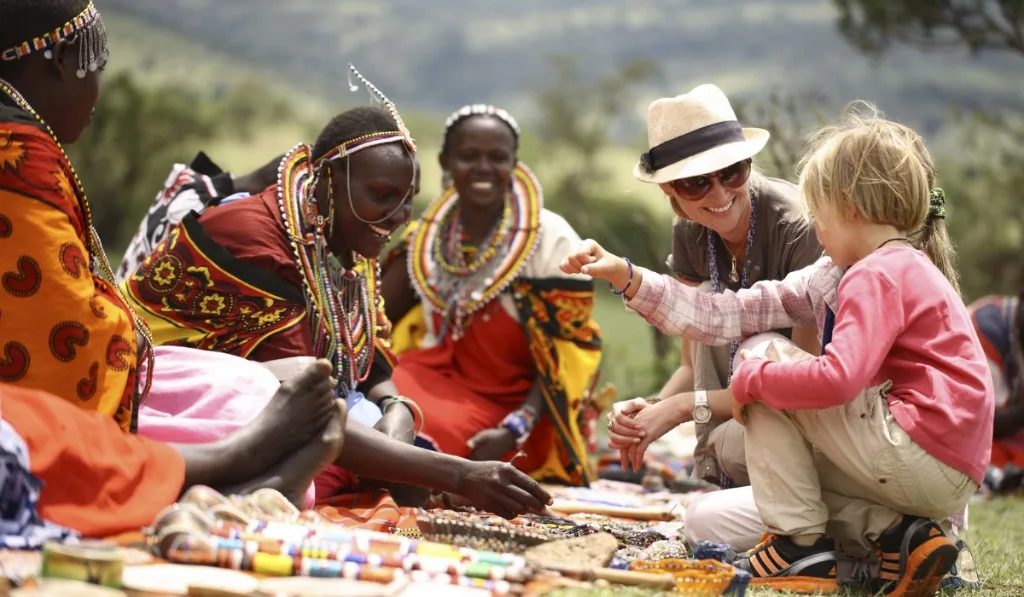
Photography can be a sensitive part of cultural travel. Always ask permission before photographing individuals, and let a guide explain when photography is appropriate. Some ceremonies, homes or religious activities may not be suitable for photographs, and visitors should accept a refusal without argument—a respectful encounter is more important than obtaining a particular image.
Cultural Tours for Families
Cultural activities can be valuable for children and teenagers, who may learn about different languages, crafts, food traditions and livelihoods. Activities should be appropriate to the children’s ages, and shorter visits with interactive explanations may be more engaging for younger travellers. Parents should encourage respectful questions and avoid presenting communities as curiosities.
Cultural Tours for Couples
Couples may enjoy cultural experiences that complement a wildlife or beach holiday—a guided historic walk, craft workshop or culinary activity can add variety to the itinerary. Private arrangements may provide more flexibility, though availability depends on local hosts and the nature of the activity.
Combining Cultural Tours with the Masai Mara
The Masai Mara is one of Kenya’s best-known wildlife destinations. A safari may include game drives and an optional community-led Maasai cultural visit, scheduled without compromising essential wildlife-viewing time and usually arranged as a separate, clearly described experience.
Combining Cultural Tours with Amboseli
Amboseli offers opportunities to learn about Maasai communities and the relationship between pastoral livelihoods and wildlife conservation. A cultural visit can complement the park’s elephant viewing and should take place through suitable community arrangements outside areas where access is restricted.
Combining Cultural Tours with Diani Beach
A coastal holiday can include cultural experiences in nearby towns and historic sites. Travellers may explore Swahili heritage, local markets or suitable community activities, and the best option depends on the accommodation location and available time.
Combining Cultural Tours with Lamu
Lamu offers opportunities for a more focused heritage itinerary. Guided walks can introduce visitors to architecture, maritime history and Swahili traditions, and travellers should allow enough time to appreciate the town rather than treating it as a brief photo stop.
Suggested 7 Days Kenya Wildlife and Cultural Safari
Day 1: Arrival in Nairobi
Arrive in Nairobi and transfer to your selected hotel. Depending on arrival time, enjoy a short orientation or rest.
Day 2: Nairobi Cultural Exploration
Explore selected cultural and historical attractions with a local guide. Possible activities include a museum visit, cultural centre or craft market, and the programme should reflect your interests and opening arrangements.
Day 3: Nairobi to Masai Mara
Travel to the Masai Mara region, enjoy an afternoon game drive if arrival time permits, and overnight at your selected lodge or camp.
Day 4: Masai Mara Wildlife Safari
Spend the day exploring suitable wildlife-viewing areas and look for lions, elephants, giraffes, zebras and other animals. Wildlife sightings remain unpredictable.
Day 5: Maasai Community Experience
Enjoy a scheduled community-led cultural visit, subject to availability, learn about local livelihoods, crafts and traditions, and use the remainder of the day for a game drive or relaxation.
Day 6: Masai Mara to Nairobi
Return to Nairobi and, depending on the schedule, enjoy an optional cultural or culinary activity.
Day 7: Departure
Transfer to the airport or continue with an onward Kenya itinerary.
How Much Do Kenya Cultural Tours Cost?
Prices depend on the activity, location, duration and number of travellers. Some cultural visits charge an entrance or community fee; private guides and transport may add to the total, and craft purchases are usually separate. A transparent quotation should identify what is included and whether additional payments are expected.
Best Time for Cultural Tours in Kenya
Cultural experiences can be arranged throughout the year, though access, events and activity schedules vary. Some communities may have seasonal agricultural or pastoral responsibilities, and historic sites and cultural centres may have fixed opening hours. Travellers should confirm availability rather than assuming that a particular event or ceremony can be scheduled on demand.
Frequently Asked Questions About Kenya Cultural Tours
What are cultural tours in Kenya?
They are guided experiences that introduce visitors to local communities, traditions, history, crafts and contemporary cultural life.
Can I visit a Maasai village?
Yes, through suitable community-led arrangements.
Are cultural visits included in Kenya safaris?
Some itineraries include them, while others offer them as optional activities.
Is photography allowed?
It depends on the activity and the consent of participants.
Are cultural tours suitable for children?
Many are, provided the programme is age-appropriate.
Can I combine cultural tours with wildlife safaris?
Yes. Cultural experiences can be included alongside visits to the Masai Mara, Amboseli and other destinations.
Are cultural tours available on the coast?
Yes. Swahili heritage experiences are particularly relevant in Mombasa and Lamu.
How can I support local communities?
Choose community-led experiences, pay agreed fees and purchase crafts directly from artisans where possible.
Plan Your Kenya Cultural Tour with Safari Trips to Kenya
Kenya cultural tours add depth to a wildlife safari by introducing travellers to the people, histories and traditions connected to the landscapes they explore. From Maasai community experiences to Swahili heritage and traditional crafts, cultural activities can create meaningful memories when organised respectfully. Safari Trips to Kenya can incorporate suitable cultural experiences into private safari itineraries, with activities selected according to traveller interests and local availability. Contact Safari Trips to Kenya to plan a Kenya safari and cultural tour that combines wildlife, landscapes and responsible community experiences.