
1 Day Kenya Safari
Plan a 1 Day Kenya Safari with private transport, expert guiding and wildlife viewing. Explore the best one-day…
View SafariHandpicked Kenya Safari Tours for Every Traveler
Explore Kenya adventure safaris with Mount Kenya trekking, walking safaris, Rift Valley cycling, rafting, wildlife game drives and coastal activities.
There is a particular thrill in seeing a herd of elephants from an open-roof safari vehicle. But Kenya also rewards travellers who want to experience its landscapes more actively: hiking above the clouds on Mount Kenya, cycling beneath the cliffs of Hell's Gate, following animal tracks with an experienced walking guide or rafting through the rapids of the Tana River.
Kenya adventure safaris combine the country's exceptional wildlife with outdoor activities that bring travellers closer to its geography, ecosystems and communities. They offer a more varied way to experience Kenya, particularly for visitors who enjoy walking, hiking, cycling and exploring places beyond conventional safari routes. An adventure safari does not have to be physically extreme: one traveller may dream of climbing to Point Lenana on Mount Kenya, while another simply wants a gentle nature walk followed by a comfortable afternoon at a safari lodge.
At Safari Trips to Kenya, we design adventure itineraries around your fitness, experience, interests and available travel time. We can combine Masai Mara wildlife safaris, Mount Kenya trekking, Rift Valley adventures, northern Kenya exploration and coastal activities in one carefully planned journey.
Showing 1–12 of 215 safaris
Plan a 1 Day Kenya Safari with private transport, expert guiding and wildlife viewing. Explore the best one-day…
View SafariExplore the 10 Days Family Kenya Safari with a day-by-day safari plan, key wildlife experiences, destinations, accommodation ideas,…
View SafariExplore the 10 Days Fly-in Kenya Safari with a day-by-day safari plan, key wildlife experiences, destinations, accommodation ideas,…
View SafariExplore the 10 Days Honeymoon Kenya Safari with a day-by-day safari plan, key wildlife experiences, destinations, accommodation ideas,…
View SafariPlan a 10 Days Kenya Big Five Safari with expert guides, game drives and carefully chosen camps. Request…
View SafariA 10 day Kenya journey connecting Nairobi, Ol Pejeta, Samburu or Buffalo Springs, Solio, Lake Nakuru, Maasai Mara…
Lake Naivasha, Lake Nakuru, Masai Mara
View SafariPlan a 10 Days Kenya Safari with expert guides, game drives and carefully chosen camps. Request a quote.
View SafariPlan a 10 Days Kenya Safari & Diani Beach with expert guides, game drives and carefully chosen camps.…
Diani Beach
View SafariPlan a 10 Days Kenya Wildlife Safari with expert guides, game drives and carefully chosen camps. Request a…
View SafariPlan a 10 Days Luxury Kenya Safari with expert guides, game drives and carefully chosen camps. Request a…
View SafariA 10 day Kenya journey connecting Nairobi, Maasai Mara, Lake Naivasha, Amboseli and Diani Beach.
Amboseli, Diani Beach, Lake Naivasha
View SafariPlan a 10 Days Masai Mara & Amboseli with expert guides, game drives and carefully chosen camps. Request…
Masai Mara, Amboseli
View SafariA Kenya adventure safari combines wildlife viewing with activities that involve active exploration. Unlike a conventional safari focused primarily on vehicle-based game drives, an adventure itinerary may include walking, trekking, cycling, horseback riding, rafting or other outdoor experiences.
These activities introduce different perspectives on Kenya's landscapes. Walking reveals details that are easily overlooked from a vehicle, while cycling creates a stronger sense of terrain and distance and mountain trekking introduces high-altitude environments that differ dramatically from the savannah. Adventure activities also require careful planning: weather, fitness, safety equipment, guiding standards and access regulations all influence what is appropriate, and the best itinerary balances adventure with sufficient time for rest, wildlife viewing and comfortable travel.
Kenya is particularly suitable for active holidays because it offers a remarkable variety of landscapes within one country. You can explore the highlands around Mount Kenya, descend into the Great Rift Valley, visit wildlife conservancies and finish your journey on the Indian Ocean coast, which makes it possible to combine several activities without travelling between multiple countries.
A well-planned active Kenya safari allows travellers to experience wildlife in different ways. A vehicle safari is ideal for covering larger areas and observing potentially dangerous animals from a protected position, while a guided walk, where permitted, introduces smaller ecological details such as tracks, plants and birdlife. The activities complement one another rather than competing.
Mount Kenya is Africa's second-highest mountain and one of the continent's most rewarding trekking destinations. Its slopes contain several ecological zones, from montane forest and bamboo to moorland, alpine vegetation and dramatic rocky summits. For most non-technical trekkers, Point Lenana, at approximately 4,985 metres, is the main summit objective, while the mountain's higher peaks, Batian and Nelion, require technical mountaineering skills and should not be treated as ordinary trekking destinations.
The Sirimon Route is commonly chosen for its approach through the mountain's northwestern landscapes. The Chogoria Route is admired for dramatic valleys, mountain lakes and scenic viewpoints, and the Naro Moru Route is another established approach with challenging sections and different terrain. The best route depends on your fitness, experience, available time and preferred scenery.
A trek to Point Lenana commonly takes approximately four to six days, depending on the route and acclimatisation schedule. Shorter programmes can involve more rapid altitude gain and may increase the risk of altitude-related illness, so adequate acclimatisation should be a priority. Travellers should also prepare for cold temperatures, strong winds and rapidly changing mountain weather.
Some lower-altitude trails are suitable for reasonably fit beginners, but a multi-day high-altitude trek requires preparation and an understanding of the physical demands. A traveller with no previous mountain experience may prefer a guided day hike before considering a summit itinerary.
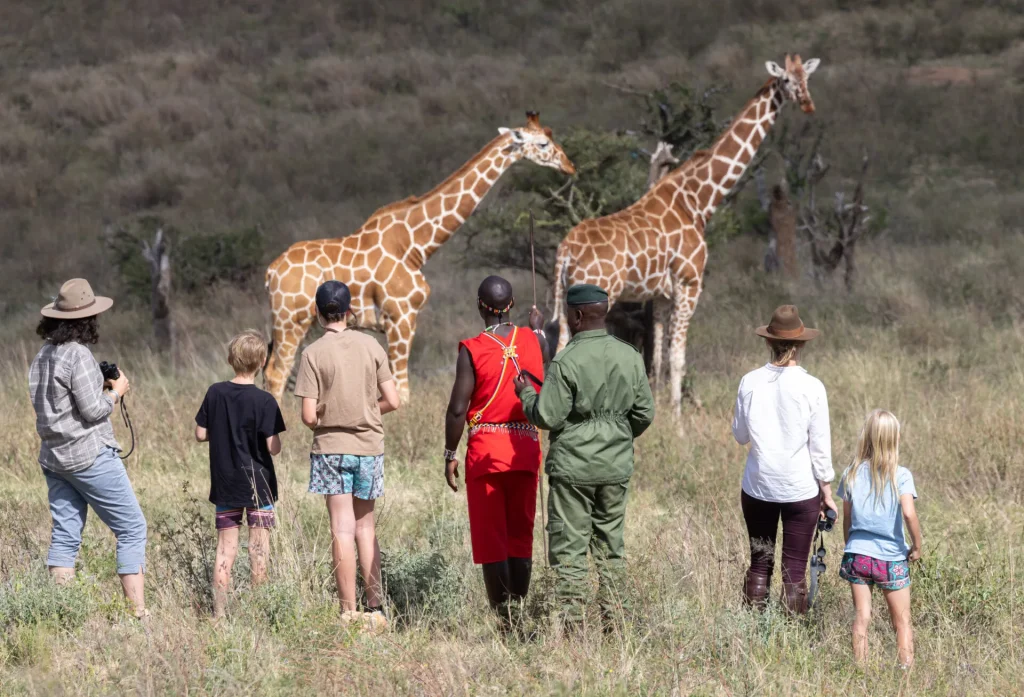
A Kenya walking safari offers a slower, more detailed experience of the natural environment. Instead of concentrating only on large animals, a walking guide may explain tracks, droppings, plants, insects, birds and the relationships between different species.
Walking safaris are not permitted everywhere. Activities must take place in authorised areas under applicable regulations, with appropriately qualified guides and any required ranger support. Selected conservancies offer walking experiences, while certain parks have designated nature trails or guided activities.
Walking encourages travellers to notice details that are often missed during vehicle-based game drives. A guide may identify signs of recent animal activity, explain how vegetation changes across a landscape or demonstrate how birds communicate, so the experience is educational as well as adventurous. However, visitors should never attempt independent walks in wildlife areas where access is restricted or potentially dangerous.
Hell's Gate National Park, near Lake Naivasha, is one of Kenya's best-known destinations for cycling and outdoor exploration. Its landscape includes dramatic cliffs, volcanic formations and open areas that provide a distinctive setting for active travel. Cycling may be available along designated routes, subject to current park regulations and conditions, and the terrain can be dusty, uneven and hot during the middle of the day, making an early start preferable.
A typical cycling excursion may involve riding along designated tracks while enjoying views of the surrounding landscape. Depending on the route and conditions, visitors may encounter wildlife such as zebras or antelopes, although animal sightings are not guaranteed and riders must maintain suitable distances. Bicycles and local guides may be available through operators near the park; before departure, confirm equipment condition, helmet availability, permitted routes and emergency arrangements.
A Lake Naivasha adventure safari can include cycling, guided nature activities and an optional boat excursion. This combination is particularly attractive for travellers who want an active day between longer wildlife safaris.
For travellers seeking a more energetic experience, white-water rafting in Kenya may be arranged on suitable sections of the Tana River through specialist operators. Rafting conditions vary according to river levels, weather and the particular section used, and some excursions may be suitable for beginners while others involve more demanding rapids.
Suitability depends on the river conditions and operator requirements. Participants should receive a safety briefing and appropriate equipment, including helmets and buoyancy aids, and the operator should explain swimming requirements, minimum ages and any relevant medical restrictions. Rafting should only be booked through experienced providers with suitable rescue procedures.
The suitability of a rafting trip depends on current river conditions rather than a fixed national safari season. Always confirm availability and safety conditions with the specialist operator before including rafting in your itinerary.
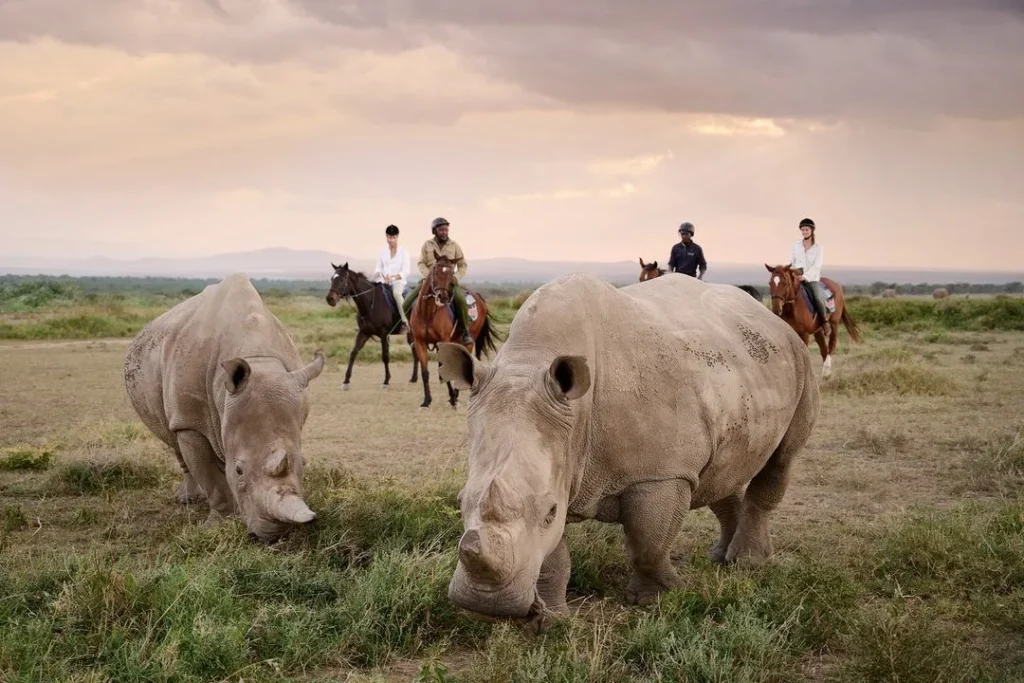
A horseback safari provides another way to explore selected landscapes. Horse riding may be offered in private conservancies and ranching areas where the activity is authorised; some operators provide gentle rides for beginners, while others specialise in longer excursions for experienced riders.
Riding near wildlife requires particular care, knowledgeable guides and horses accustomed to the environment. Minimum riding experience, age restrictions and safety requirements vary, and not every conservancy permits horseback riding, so availability must be confirmed before booking.
Northern Kenya has a long history of camel use, particularly in dry regions where camels are well adapted to the environment. Selected community and specialist operators may offer camel trekking experiences, ranging from short excursions to longer journeys that introduce travellers to remote landscapes and aspects of northern Kenya's pastoral heritage.
Longer treks require careful planning for water, food, camping, weather and local access arrangements, and they should be organised with knowledgeable local guides and appropriate animal welfare standards.
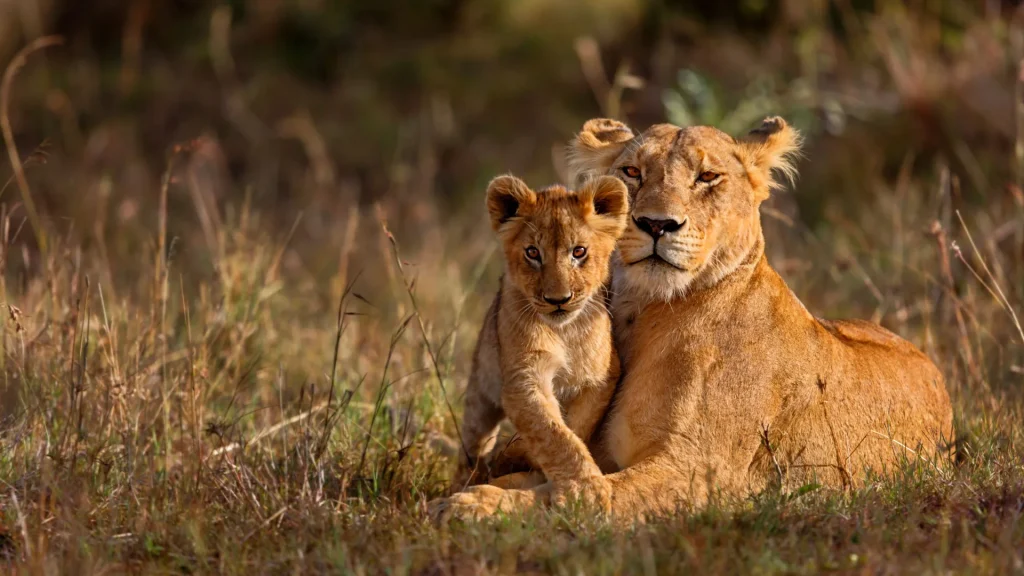
The Masai Mara is best known for vehicle-based wildlife viewing, but selected neighbouring conservancies may offer activities such as guided walking safaris or horseback riding, subject to their regulations. These experiences should not be confused with unrestricted walking inside the national reserve, because access rules differ between the reserve and surrounding conservancies.
For travellers interested in combining wildlife with adventure, a conservancy-based stay may be particularly attractive. A longer itinerary also allows time for conventional game drives, ensuring that active activities do not replace the main wildlife experience.
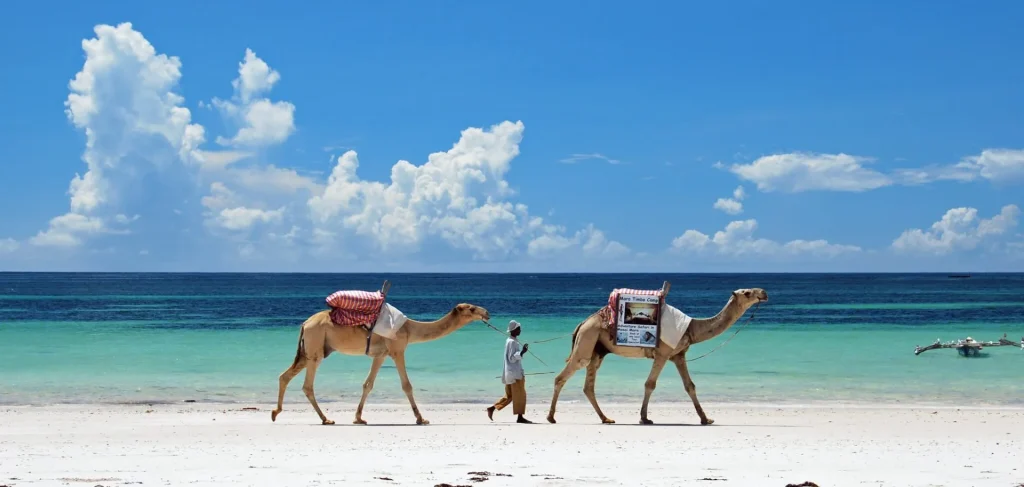
Kenya's Indian Ocean coastline offers opportunities for water-based adventure after an inland safari. Depending on the destination and conditions, activities may include snorkelling, scuba diving, kayaking, paddleboarding and boat excursions.
Diani Beach, Watamu and the Mombasa coast are among the destinations commonly considered for safari-and-beach holidays. Marine activities depend on weather, sea conditions, operator availability and the experience of participants; diving should be arranged through qualified operators, with appropriate training and medical screening where required. A coastal extension can provide a relaxing conclusion to a physically active inland journey.
The following itinerary combines mountain scenery, active outdoor experiences and wildlife viewing.
Arrive at Jomo Kenyatta International Airport and transfer to your hotel. Meet your safari representative for an orientation covering the route, activities and equipment requirements. Overnight: Nairobi
Travel towards the Mount Kenya region and, depending on arrival time, enjoy a guided nature activity or gentle acclimatisation walk. Overnight: Mount Kenya region
Spend the day exploring an authorised hiking route selected according to your fitness and weather conditions. A full summit trek requires additional days and cannot be completed as an ordinary day hike. Overnight: Mount Kenya region
Travel towards Ol Pejeta Conservancy and enjoy an afternoon game drive. The conservancy supports rhinos, elephants, buffaloes, giraffes and other wildlife. Overnight: Ol Pejeta region
Enjoy morning and afternoon game drives and, depending on availability, additional conservation-related experiences may be arranged. Overnight: Ol Pejeta region
Travel towards the Great Rift Valley and check into your accommodation near Lake Naivasha. Spend the afternoon relaxing or enjoying a suitable nature activity. Overnight: Lake Naivasha
Enjoy a guided cycling or walking excursion in Hell's Gate National Park, subject to current regulations and conditions, then spend the afternoon relaxing or exploring the lakeside. Overnight: Lake Naivasha
Travel towards the Masai Mara and enjoy an afternoon game drive if timing permits. Overnight: Masai Mara region
Explore the reserve with your safari guide, searching for lions, elephants, giraffes, buffaloes and other wildlife. Overnight: Masai Mara region
Enjoy additional wildlife viewing and, where available and authorised, an optional guided walking activity may be arranged in a suitable conservancy. Overnight: Masai Mara region
Return to Nairobi through the Great Rift Valley and spend the evening relaxing at your hotel. Overnight: Nairobi
Transfer to the airport for your onward flight. The itinerary can be extended with a full Mount Kenya trek, rafting or a coastal adventure holiday.
Not every traveller wants the same physical challenge. A gentle adventure safari may include short guided walks, easy cycling and conventional wildlife game drives. A moderate adventure safari may involve longer hikes, more demanding cycling routes or several hours of outdoor activity on consecutive days, while a challenging adventure safari may include high-altitude trekking, extended wilderness walks or specialist activities requiring previous experience.
We recommend discussing your fitness, medical considerations, activity experience and preferred pace before confirming an itinerary, because the aim is to create an enjoyable journey rather than an unnecessarily exhausting schedule.
Safety planning is especially important when activities involve remote landscapes, wildlife, water or high altitude. Choose qualified guides and reputable specialist operators, and ensure that the itinerary includes suitable equipment, clear safety instructions and appropriate emergency arrangements.
The ideal season depends on the activities selected. For Mount Kenya trekking, relatively drier periods often provide more favourable hiking conditions, although mountain weather can change rapidly throughout the year. Wildlife safaris can be rewarding year-round, with seasonal differences in rainfall, vegetation and animal movements.
Cycling and hiking around the Rift Valley may be more comfortable during cooler parts of the day, while rafting conditions depend on river levels and specialist operator assessments and coastal activities are influenced by sea and weather conditions. Rather than choosing one season for every activity, it is better to plan around the most important experience in your itinerary.
Packing requirements depend on the activities included.
Adventure travel does not necessarily require basic accommodation. Depending on your preferences, we can arrange comfortable lodges, boutique hotels, safari camps and selected mountain accommodation. Our Essential, Comfort, Premium and Signature categories help travellers choose suitable standards.
For active itineraries, location and practicality are often more important than luxury facilities, and accommodation close to an activity starting point may reduce early morning transfers and improve the overall experience.
The cost of Kenya adventure safaris depends on the duration, destinations, accommodation, activity fees and group size. Specialist activities such as mountain trekking, rafting and horseback riding may involve additional guiding, equipment or conservation charges, and private transport and professional safari guiding also influence the total price.
A personalised quotation should distinguish between included activities and optional experiences, with any specialist equipment requirements clearly explained.
Not necessarily. Activities can be selected for different fitness levels, from gentle nature walks to demanding mountain treks.
Yes. Mount Kenya can be combined with destinations such as Ol Pejeta, Lake Nakuru, Lake Naivasha or the Masai Mara.
Guided walking activities can be arranged in authorised areas with appropriately qualified guides. Wildlife-related risks remain, so instructions must be followed.
Yes. Many activities can be adapted for families, although age and safety restrictions apply to some experiences.
Yes. A coastal extension can include relaxation and suitable marine activities.
Yes. Private itineraries provide greater flexibility with activity selection, pace and accommodation.
A well-designed Kenya Adventure Safari combines memorable wildlife encounters with active experiences suited to your interests and abilities. Whether you want to trek on Mount Kenya, cycle through Rift Valley landscapes, enjoy guided walking safaris or combine wildlife viewing with rafting and coastal activities, we can help plan a practical itinerary.
At Safari Trips to Kenya, we tailor each adventure according to travel dates, group size, fitness level, accommodation preferences and activity interests. Contact our team to request a personalised Kenya adventure safari package.