
1 Day Kenya Safari
Plan a 1 Day Kenya Safari with private transport, expert guiding and wildlife viewing. Explore the best one-day…
View SafariHandpicked Kenya Safari Tours for Every Traveler
Planning your first Kenya safari? Discover the best parks, ideal itineraries, wildlife, costs, accommodation, packing tips and expert advice for beginners.
Kenya has a long history of wildlife tourism and offers a wide range of safari experiences. Its national parks, reserves, and conservancies support elephants, lions, buffaloes, giraffes, zebras, antelopes, rhinos, and numerous bird species. Different destinations provide contrasting landscapes, making it possible to experience several ecosystems during one holiday.
The country also has established transport connections, professional safari guides, and accommodation ranging from practical camps to luxury lodges. For first-time visitors, this variety makes Kenya a particularly attractive introduction to African wildlife travel.
Showing 1–12 of 215 safaris
Plan a 1 Day Kenya Safari with private transport, expert guiding and wildlife viewing. Explore the best one-day…
View SafariExplore the 10 Days Family Kenya Safari with a day-by-day safari plan, key wildlife experiences, destinations, accommodation ideas,…
View SafariExplore the 10 Days Fly-in Kenya Safari with a day-by-day safari plan, key wildlife experiences, destinations, accommodation ideas,…
View SafariExplore the 10 Days Honeymoon Kenya Safari with a day-by-day safari plan, key wildlife experiences, destinations, accommodation ideas,…
View SafariPlan a 10 Days Kenya Big Five Safari with expert guides, game drives and carefully chosen camps. Request…
View SafariA 10 day Kenya journey connecting Nairobi, Ol Pejeta, Samburu or Buffalo Springs, Solio, Lake Nakuru, Maasai Mara…
Lake Naivasha, Lake Nakuru, Masai Mara
View SafariPlan a 10 Days Kenya Safari with expert guides, game drives and carefully chosen camps. Request a quote.
View SafariPlan a 10 Days Kenya Safari & Diani Beach with expert guides, game drives and carefully chosen camps.…
Diani Beach
View SafariPlan a 10 Days Kenya Wildlife Safari with expert guides, game drives and carefully chosen camps. Request a…
View SafariPlan a 10 Days Luxury Kenya Safari with expert guides, game drives and carefully chosen camps. Request a…
View SafariA 10 day Kenya journey connecting Nairobi, Maasai Mara, Lake Naivasha, Amboseli and Diani Beach.
Amboseli, Diani Beach, Lake Naivasha
View SafariPlan a 10 Days Masai Mara & Amboseli with expert guides, game drives and carefully chosen camps. Request…
Masai Mara, Amboseli
View SafariA safari is a journey focused on observing wildlife in natural environments. In Kenya, most safaris involve travelling through national parks, reserves, or conservancies in a suitable vehicle with a professional guide. These wildlife-viewing excursions are commonly called game drives.
Game drives often take place in the early morning and late afternoon, when temperatures may be cooler and wildlife activity can be rewarding. However, animal movements vary, and some species may be encountered at any suitable time. A safari may also include selected conservation experiences, cultural activities, guided walks in permitted areas, or a beach extension.
The Masai Mara National Reserve is one of the most popular destinations for a first Kenya safari. Its open grasslands and riverine habitats support lions, elephants, buffaloes, giraffes, zebras, antelopes, and numerous birds. Cheetahs and leopards are also present, although sightings are less predictable.
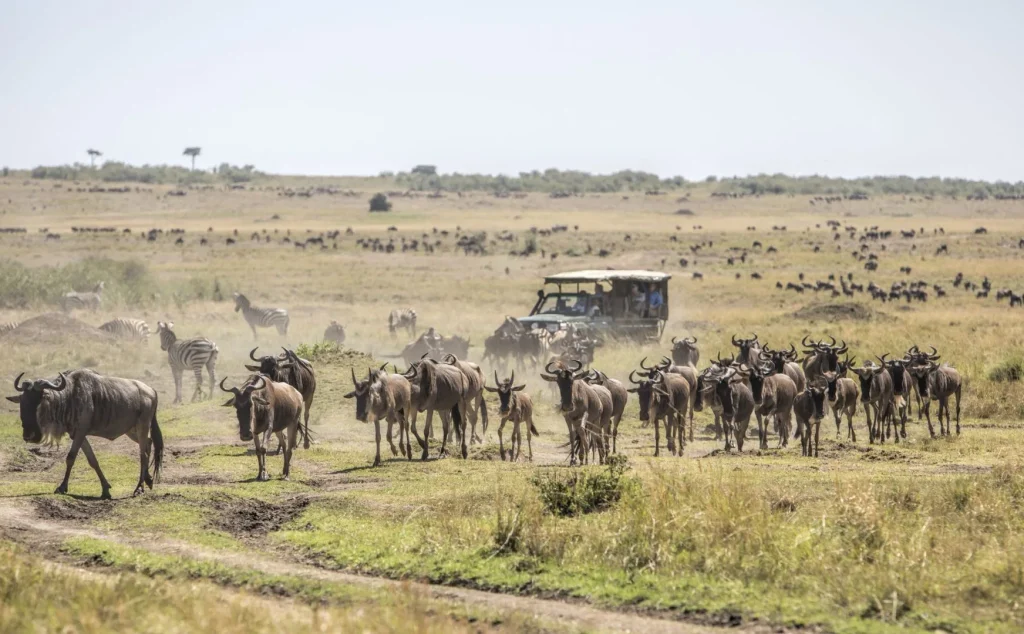
The reserve is associated with the Great Wildebeest Migration, when substantial herds may enter the Mara ecosystem from Tanzania. Migration movements depend on rainfall and grazing conditions, so exact timing and river crossings cannot be guaranteed. For first-time visitors, the Masai Mara provides an excellent introduction to savannah wildlife.
A stay of three or four nights allows more time to explore different habitats.
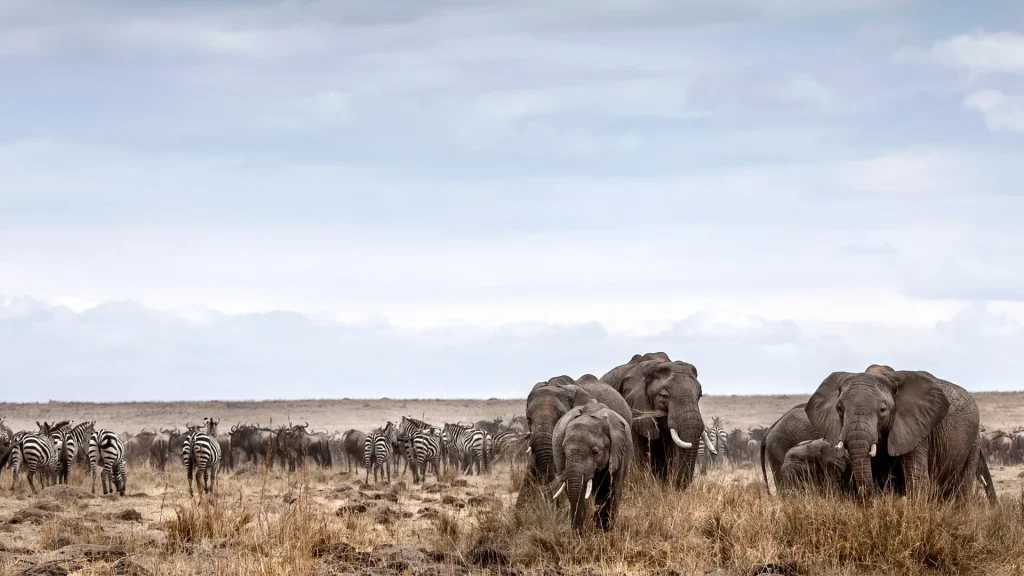
Amboseli National Park is particularly famous for elephants. The park's wetlands, open plains, and seasonal lakebeds support elephant families and other wildlife. Mount Kilimanjaro may be visible when the weather is clear, creating a striking landscape. Amboseli is suitable for first-time visitors who are particularly interested in elephants and photography.
A two- or three-night stay can provide rewarding wildlife experiences.
Lake Nakuru National Park is an important rhino habitat in the Great Rift Valley. Both black and white rhinos occur in the park. Visitors may also encounter buffaloes, giraffes, antelopes, and numerous birds. Lake Nakuru is often combined with the Masai Mara because the two destinations fit naturally into a road safari circuit.
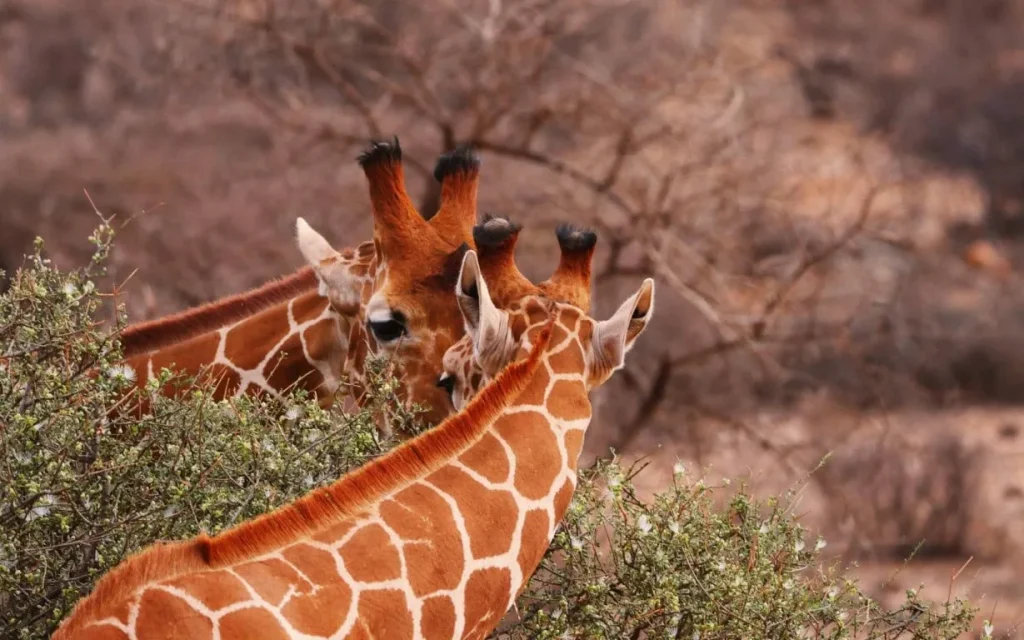
Samburu National Reserve offers a different environment from the southern Kenya parks. Its semi-arid landscapes support Grevy's zebra, reticulated giraffe, gerenuk, Beisa oryx, and other wildlife. Elephants and predators are also present. Samburu is particularly attractive for travellers who want to explore different ecosystems during a longer safari.
Ol Pejeta Conservancy is an important rhino conservation destination in Laikipia. The conservancy supports black and white rhinos, elephants, buffaloes, and other wildlife. Selected conservation experiences may be available, subject to advance arrangements. It is a good option for first-time visitors interested in wildlife protection.
Tsavo East and Tsavo West provide extensive landscapes and varied wildlife experiences. Tsavo East is known for elephants and open terrain. Tsavo West offers hills, woodland, volcanic features, and natural springs. These parks are particularly practical for travellers combining a safari with a holiday near Mombasa or Diani Beach.
The best destination depends on your priorities. If you want a classic savannah safari with opportunities to observe predators, the Masai Mara is an excellent choice. If elephants and landscape photography are your main interests, Amboseli is particularly attractive. If you want to improve your opportunities to observe rhinos, consider Lake Nakuru or Ol Pejeta.
If you prefer distinctive wildlife and less familiar landscapes, Samburu is worth including. For a first safari lasting seven to ten days, combining two or three complementary destinations is often more rewarding than trying to visit every major park.
A three-day safari can provide an introduction to one destination. However, travel time may occupy much of the first and final days. Four or five days allow more wildlife-viewing time or a combination of two destinations. Seven to ten days provide a useful balance for first-time visitors who want to experience different habitats.
A two-week itinerary allows for a slower pace, additional destinations, or a beach extension. The ideal duration depends on your available holiday time and tolerance for road travel.
Arrive at Jomo Kenyatta International Airport and meet your representative. Transfer to your selected Nairobi hotel. Spend the remainder of the day relaxing after your international flight. Your safari briefing covers the itinerary, accommodation, game drives, and practical arrangements.
After breakfast, depart Nairobi toward Amboseli National Park. The journey passes through changing landscapes before reaching the park region. Check in at your selected lodge or camp. Enjoy an afternoon game drive in search of elephants and other wildlife.
Return for dinner and overnight accommodation.
Begin the day with an early game drive. Your guide explores the park's plains and wetlands in search of elephants, buffaloes, zebras, giraffes, and birds. Mount Kilimanjaro may be visible when conditions are clear. Spend the afternoon exploring additional habitats.
Return to your accommodation for dinner.
After breakfast, travel toward Lake Naivasha. This is a substantial road journey, and the duration depends on traffic and stops. After arrival, check in at your accommodation. An optional boat excursion may be arranged if time permits.
Depart after breakfast and continue toward the Masai Mara. The route passes through rural landscapes before approaching the reserve. After arrival, check in at your selected lodge or tented camp. An afternoon game drive may be possible depending on the schedule.
Spend the day exploring the Masai Mara with your professional guide. Search for lions, elephants, buffaloes, giraffes, zebras, and other wildlife. During the migration season, substantial wildebeest herds may occupy parts of the ecosystem. Return to camp for dinner.
Enjoy another full day in the Mara. Your guide selects suitable routes according to wildlife movements. An optional balloon safari may be available at additional cost. Return to your accommodation for your final evening in the reserve.
After breakfast, begin the return journey to Nairobi. The road transfer commonly occupies much of the day. Upon arrival, transfer to your hotel or airport according to the agreed arrangements.
Kenya supports a remarkable variety of wildlife. Elephants are among the most impressive animals to observe, particularly in Amboseli and Tsavo. Lions occur in several major safari destinations, including the Masai Mara. Buffaloes, giraffes, zebras, antelopes, and numerous bird species are also widespread in suitable habitats.
Rhinos can be encountered in protected areas such as Lake Nakuru and Ol Pejeta. Cheetahs and leopards occur in several destinations but can be difficult to locate. Wildlife sightings are never guaranteed, and every safari experience is different.
The term Big Five refers to lions, leopards, elephants, buffaloes, and rhinos. It originated in historical hunting terminology but is now widely used in wildlife tourism. First-time visitors often hope to observe all five species. However, no single park guarantees sightings of every member.
For example, rhinos are more reliably associated with certain protected areas than with standard game drives in some savannah parks. A multi-destination itinerary can improve the range of wildlife habitats explored.
A game drive involves travelling through a protected wildlife area with a professional guide. The guide selects suitable routes based on animal movements, habitat conditions, and park regulations. When wildlife is encountered, the vehicle may stop at an appropriate viewing distance.
Guests can observe animal behaviour, take photographs, and ask questions. The guide may explain ecological relationships, animal identification, and conservation issues. Game drives vary in duration according to the itinerary, park rules, and weather conditions.
Comfortable clothing is more important than specialised safari fashion. Lightweight trousers, shirts, and comfortable footwear are practical for most game drives. Neutral colours such as beige, olive, brown, and khaki are commonly chosen. A warm jacket is useful for early mornings and cooler evenings.
Bring a hat, sunglasses, sunscreen, and suitable rain protection according to the season. Bright colours are not automatically prohibited on ordinary vehicle safaris, but practical clothing that does not easily show dust is often preferable.
Binoculars are one of the most useful items for wildlife viewing. Animals may be distant, and binoculars allow visitors to appreciate details that are difficult to see with the naked eye. A camera or smartphone is useful for recording memories. Bring spare batteries, charging cables, and sufficient storage.
Personal medication, travel documents, sunscreen, insect repellent, and a reusable water bottle are also practical. Travellers using domestic safari flights should confirm luggage limits and baggage requirements.
A private safari provides exclusive use of the vehicle and a customised itinerary. This is particularly suitable for families, couples, photographers, and travellers who want flexibility. A group safari follows a scheduled departure and fixed itinerary. Group tours can reduce costs, particularly for solo travellers.
However, they generally provide less flexibility around game-drive timing and accommodation. First-time visitors should choose the arrangement that best matches their budget and travel style.
Road safaris allow visitors to experience changing landscapes and rural environments. They are often more economical for private groups and families. However, driving distances between parks can be substantial. Flying safaris reduce travel time and may be attractive for travellers with limited days.
Domestic flights operate according to specific schedules, baggage restrictions, and weather conditions. The best option depends on budget and comfort preferences.
Kenya offers accommodation ranging from modest camps to exclusive luxury lodges. Safari Trips to Kenya uses four broad categories. Essential accommodation focuses on practical comfort and affordability. Comfort accommodation generally provides private bathrooms, established dining facilities, and comfortable rooms.
Premium accommodation offers enhanced comfort and attractive locations. Signature accommodation includes distinctive properties and personalised service. Accommodation location should be considered alongside facilities and price.
Kenya is a year-round safari destination. January through March often provides relatively dry conditions in several regions. April and May are associated with the long-rains period. June through October is popular for wildlife safaris, particularly in the Masai Mara.
November and December may bring short rains, although wildlife viewing remains possible. The best travel period depends on your chosen destinations and wildlife interests.
The cost depends on duration, accommodation category, park fees, vehicle type, and number of travellers. Private safaris may cost more per person for couples than group departures. Domestic flights can reduce travel time but increase transport expenses. Park and conservancy fees can represent a substantial part of the total cost.
A detailed quotation should identify all included services.
Depending on the itinerary, inclusions may cover airport transfers, safari transport, professional guiding, accommodation, specified meals, scheduled game drives, and park entrance fees. Drinking water during safari activities may also be included. Optional activities and special services should be listed separately.
The final quotation should be reviewed carefully.
International flights, travel insurance, gratuities, personal purchases, additional drinks, and optional activities are commonly excluded. Domestic flights may also be excluded unless specifically stated. Travellers should confirm all exclusions before booking.
Before travelling, review the current entry requirements for Kenya based on your nationality and travel circumstances. Check passport validity and applicable electronic travel authorisation requirements through official channels. Consult an appropriate travel-health professional about vaccinations, malaria prevention, and other health considerations.
Travel insurance should cover the activities included in your itinerary and any relevant medical evacuation arrangements. Requirements can change, so information should be verified before departure.
Wildlife should always be treated with respect. Visitors should follow instructions from their professional guide and remain inside the vehicle where required. Animals should never be fed or approached. In some safari lodges, wildlife may move through unfenced accommodation grounds.
Guests should follow lodge instructions, particularly after dark. Children should be supervised carefully.
An itinerary with too many destinations may involve long transfers and limited game-drive time. Spending longer in fewer parks often provides a better experience.
A lodge far from the wildlife-viewing areas may reduce time available for game drives. Location should be considered alongside price and facilities.
Wildlife movements are unpredictable. A safari is most rewarding when travellers appreciate the complete natural environment rather than focusing only on a checklist.
Road journeys can be substantial, particularly between distant parks. Travellers should review the itinerary carefully and allow realistic transfer times.
Excessive luggage can be inconvenient, especially when using small domestic aircraft. Pack according to the itinerary and confirmed baggage restrictions.
Yes. Kenya offers established safari infrastructure, professional guides, diverse wildlife destinations, and accommodation across different budgets.
The Masai Mara is a popular choice because of its wildlife diversity, although Amboseli and other destinations also provide rewarding experiences.
Seven to ten days provide a useful starting point for exploring several destinations.
Kenya supports all five species, but sightings depend on the destinations visited and wildlife movements.
Safaris can be enjoyed safely when travellers follow professional guidance, park regulations, and accommodation safety procedures.
No. Comfortable, practical clothing is generally sufficient for ordinary vehicle safaris.
Yes. Suitable accommodation, transport, and activities can be arranged according to children's ages.
Private safaris provide greater flexibility, while group tours may be more economical.
Yes. Diani, Mombasa, Watamu, and other coastal destinations can be included.
They may be included, but this must be confirmed in the final quotation.
Your first African safari should be exciting, comfortable, and carefully organised. Safari Trips to Kenya can arrange private and suitable group itineraries to the Masai Mara, Amboseli, Lake Nakuru, Samburu, Ol Pejeta, Tsavo, and other wildlife destinations. Our packages can include professional guiding, suitable transport, park visits, and Essential, Comfort, Premium, or Signature accommodation.
Contact us with your preferred dates, number of travellers, available days, wildlife interests, and approximate budget. We will help you plan a Kenya safari for first-time visitors that provides a memorable introduction to Africa's wildlife and landscapes.