
1 Day Kenya Safari
Plan a 1 Day Kenya Safari with private transport, expert guiding and wildlife viewing. Explore the best one-day…
View SafariHandpicked Kenya Safari Tours for Every Traveler
Discover Kenya camping safaris in the Masai Mara, Amboseli, Lake Nakuru and Tsavo. Compare camping styles, itineraries, prices, equipment and travel seasons.
A Kenya camping safari is a wildlife holiday in which overnight accommodation involves tents or designated camping facilities rather than conventional hotel rooms. The experience usually combines guided game drives, road transfers, meals and overnight stays in campsites or established camping properties.
The level of comfort depends on the selected package. Basic camping may involve sleeping bags, mattresses, shared washrooms and simple dining facilities. More comfortable programmes may provide standing-height tents, camp beds, prepared meals and dedicated support staff.
Permanent tented camps are another option, although they should be distinguished from traditional camping. These properties often operate more like lodges, with furnished tents and established hospitality services.
Before booking, travellers should establish exactly which camping style is included. The word camping alone does not indicate whether accommodation is basic, fully serviced or lodge-style.
Showing 1–12 of 215 safaris
Plan a 1 Day Kenya Safari with private transport, expert guiding and wildlife viewing. Explore the best one-day…
View SafariExplore the 10 Days Family Kenya Safari with a day-by-day safari plan, key wildlife experiences, destinations, accommodation ideas,…
View SafariExplore the 10 Days Fly-in Kenya Safari with a day-by-day safari plan, key wildlife experiences, destinations, accommodation ideas,…
View SafariExplore the 10 Days Honeymoon Kenya Safari with a day-by-day safari plan, key wildlife experiences, destinations, accommodation ideas,…
View SafariPlan a 10 Days Kenya Big Five Safari with expert guides, game drives and carefully chosen camps. Request…
View SafariA 10 day Kenya journey connecting Nairobi, Ol Pejeta, Samburu or Buffalo Springs, Solio, Lake Nakuru, Maasai Mara…
Lake Naivasha, Lake Nakuru, Masai Mara
View SafariPlan a 10 Days Kenya Safari with expert guides, game drives and carefully chosen camps. Request a quote.
View SafariPlan a 10 Days Kenya Safari & Diani Beach with expert guides, game drives and carefully chosen camps.…
Diani Beach
View SafariPlan a 10 Days Kenya Wildlife Safari with expert guides, game drives and carefully chosen camps. Request a…
View SafariPlan a 10 Days Luxury Kenya Safari with expert guides, game drives and carefully chosen camps. Request a…
View SafariA 10 day Kenya journey connecting Nairobi, Maasai Mara, Lake Naivasha, Amboseli and Diani Beach.
Amboseli, Diani Beach, Lake Naivasha
View SafariPlan a 10 Days Masai Mara & Amboseli with expert guides, game drives and carefully chosen camps. Request…
Masai Mara, Amboseli
View SafariCamping provides an atmosphere that differs from staying in a conventional hotel. The sounds of insects, birds and distant wildlife can become part of the overnight experience.
At suitable campsites, guests may enjoy sunrise views, fresh morning air and evenings spent discussing the day's wildlife encounters.
However, camping does not mean unrestricted access to wilderness areas. Campsites operate under specific safety rules, and guests must follow staff instructions.
Camping can reduce accommodation expenses compared with some lodge-based programmes. This makes it attractive to backpackers, students, solo travellers and visitors who want to devote more of their budget to wildlife activities.
The final price still depends on park fees, transport, group size, guiding and the camping arrangements. A low-cost camping package is not automatically better value if important services are excluded.
Travelling between wildlife destinations, staying in different environments and spending evenings outdoors creates a distinctive adventure. Camping safaris appeal to travellers who enjoy simple routines, outdoor living and flexible expectations.
Shared camping safaris can be sociable. Participants travel together, share meals and discuss wildlife sightings.
Private camping safaris are also available for couples, families and friends who prefer their own guide and vehicle.
Budget camping safaris Kenya programmes generally prioritise affordability.
Accommodation may consist of basic tents or economical permanent camping facilities. Bathrooms may be shared, depending on the property.
Transport is commonly shared on group departures. These safaris are suitable for travellers comfortable with straightforward facilities and a structured itinerary.
Fully serviced camping arrangements provide additional support. Camp staff may manage tent setup, cooking and other camp operations.
Facilities vary significantly, so the exact sleeping arrangements, bathroom provisions and services should be confirmed.
Mobile camping involves moving the camp or camping equipment between destinations. This can provide access to different wildlife landscapes and a traditional expedition atmosphere.
Such programmes require careful logistical planning, including approved camping locations, equipment and support personnel.
Private camping safaris provide a dedicated vehicle and guide for the travelling party. They allow greater flexibility in departure dates, itinerary design and daily activities.
Private arrangements can be attractive for photographers, families with older children and travellers with particular interests.
Group camping safaris bring together travellers following a common itinerary. Shared transport and guiding can reduce the per-person cost.
However, group departures normally follow fixed schedules, and the number of participants varies.
The Masai Mara is among the most popular destinations for camping safaris in Kenya. Its open grasslands support lions, cheetahs, elephants, buffaloes, giraffes, zebras, wildebeest and numerous antelope species.
Camping accommodation is available in the wider Mara region, including properties outside the main reserve.
Travellers should distinguish between staying inside a protected area and staying near an entrance gate. This affects driving time, park access and potentially fees.
A three- or four-day camping safari provides an introduction to the reserve, while longer stays allow more time for wildlife observation.
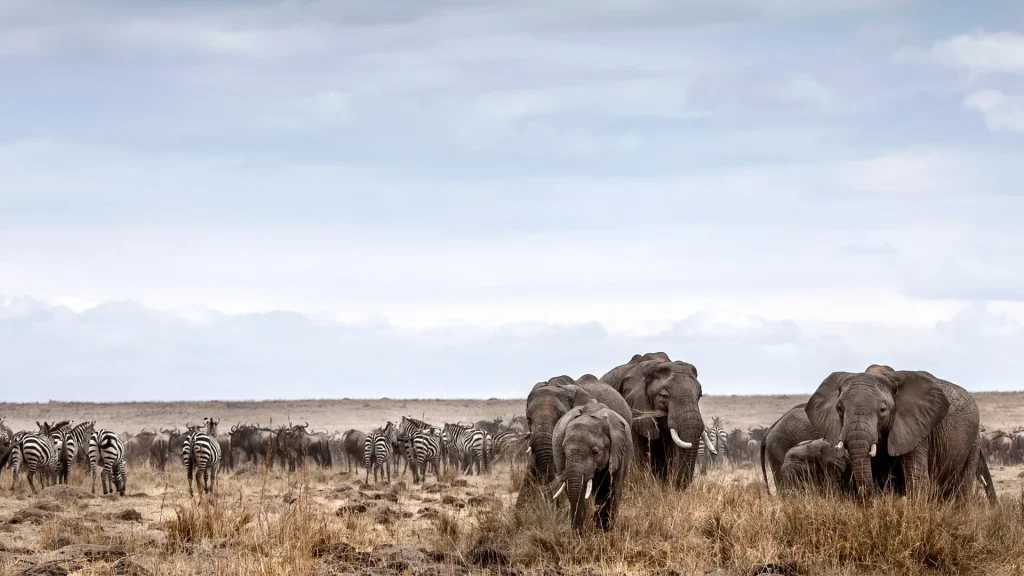
Amboseli is famous for elephant herds and views towards Mount Kilimanjaro when weather conditions permit. Its wetlands, plains and seasonal lakebeds create varied habitats.
Camping in the Amboseli region can be combined with Nairobi or additional parks. The selected campsite's location matters because travel time to the park can affect early morning game drives.
Lake Nakuru offers opportunities to observe rhinoceroses, buffaloes, giraffes and numerous bird species. Its woodland and lakeshore habitats provide a contrast to the Masai Mara.
Camping options in the surrounding region can be incorporated into multi-park itineraries.
Tsavo East offers expansive landscapes and opportunities to observe elephants, buffaloes, giraffes and other wildlife. It can be included in camping itineraries linking Nairobi with Kenya's coast.
The park's size means that campsite location and game-drive routing require careful planning.
Tsavo West is known for varied scenery, including volcanic landscapes, hills and springs. It provides a different safari environment from the open grasslands of the Masai Mara.
Camping arrangements must use approved facilities and follow park regulations.
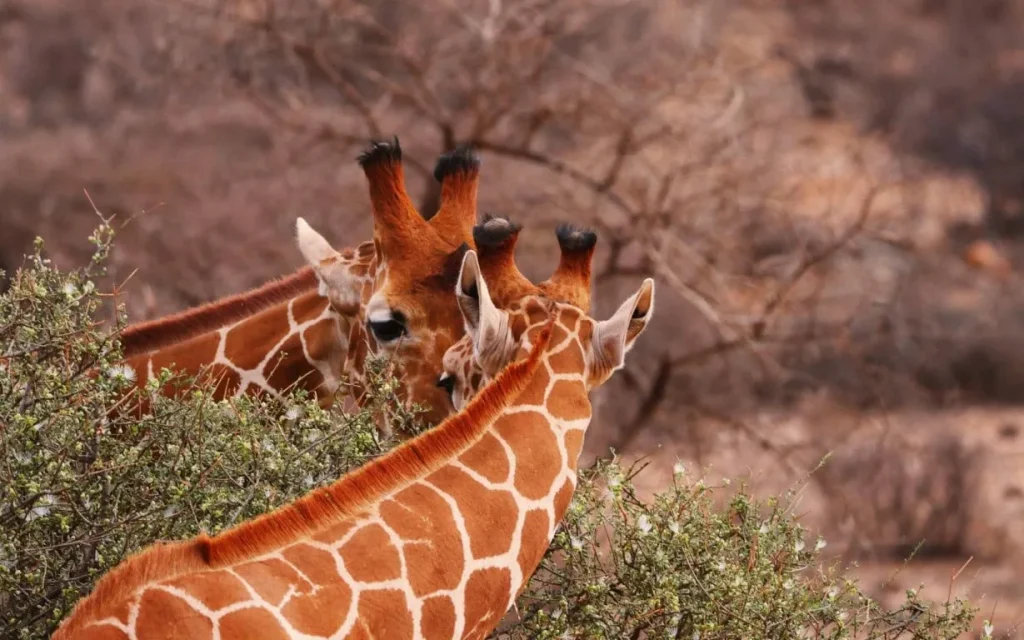
Samburu offers a distinctive northern Kenya experience. Its dry landscapes support Grevy's zebra, reticulated giraffe, gerenuk, Beisa oryx and Somali ostrich.
The reserve is attractive for travellers who want to explore beyond the most familiar southern safari circuit.
A typical camping safari day begins early. Guests may wake before sunrise, have breakfast or a light refreshment and depart for a morning game drive.
Early morning is often a productive period for wildlife observation because temperatures are cooler and many animals are active. Depending on the itinerary, guests may return to camp for lunch or spend more time exploring the park with a packed meal.
Afternoon game drives provide further opportunities for wildlife viewing. After returning to camp, guests can freshen up, enjoy dinner and relax.
The exact routine depends on campsite facilities, park regulations and the guide's schedule.
Depart Nairobi in the morning and travel towards the Masai Mara. The journey passes through sections of the Rift Valley and rural landscapes.
Arrival time depends on traffic, road conditions and stops. After reaching the selected camp, settle into the accommodation and enjoy lunch or refreshments according to the schedule.
An afternoon game drive may be possible. Return to camp for dinner and overnight.
After breakfast, depart for an extended wildlife-viewing experience. Look for lions, elephants, giraffes, zebras, buffaloes, antelopes and other animals.
The guide will select routes according to park conditions and recent wildlife observations. A picnic lunch may be arranged at an appropriate location.
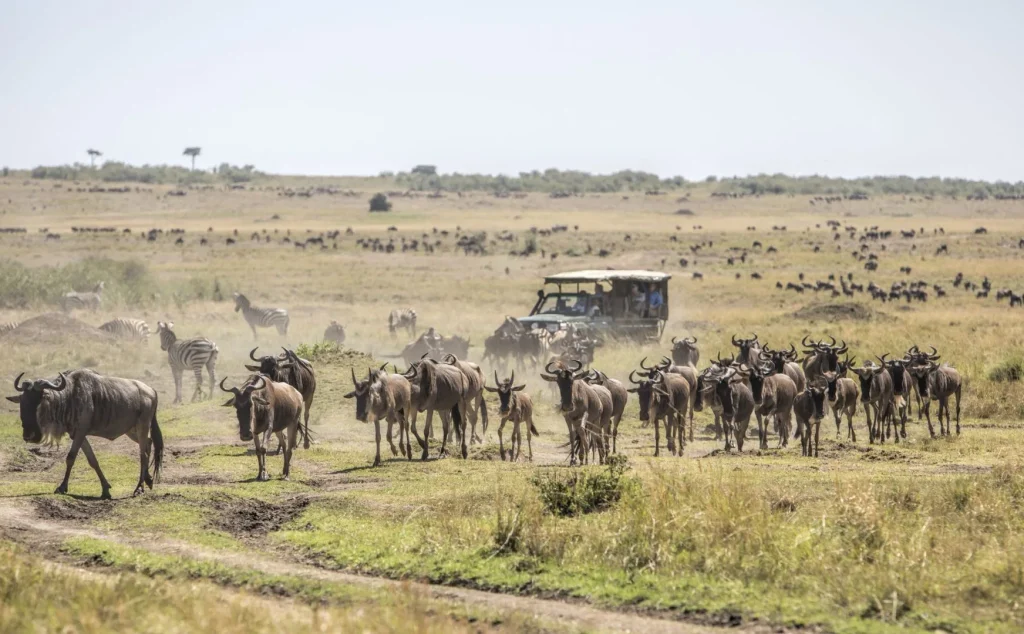
During migration periods, large wildebeest herds may be present, but their location and river-crossing behaviour cannot be guaranteed. Return to camp in the evening.
After breakfast, prepare for the return journey. Depending on the package and park-entry arrangements, an additional morning activity may be possible.
Travel back to Nairobi, arriving according to road conditions and traffic.
A six-day camping itinerary can combine Lake Nakuru and the Masai Mara. On the first day, depart Nairobi for the Rift Valley and continue to the Lake Nakuru region.
The second day focuses on Lake Nakuru National Park, with opportunities for rhino viewing and birdwatching. On the third day, travel towards the Masai Mara and settle into the selected camp.
Days four and five provide wildlife viewing in the Masai Mara, allowing time to explore different habitats and observe animal behaviour. On day six, return to Nairobi.
This itinerary provides a useful balance between destination variety and time spent on game drives.
An eight-day itinerary can combine Amboseli, Lake Nakuru and the Masai Mara. Amboseli introduces travellers to elephant habitats and scenic plains.
Lake Nakuru adds woodland, lakeshore habitats and opportunities for rhino viewing. The Masai Mara provides classic savannah wildlife experiences.
However, the road journeys between these destinations can be substantial. Travellers who prefer a relaxed pace may benefit from additional nights or a different route.
Many Kenya camping safaris use safari vans or purpose-built 4x4 Land Cruisers. Vehicle choice depends on the package, road conditions and group size.
A 4x4 Land Cruiser may be preferable for certain routes and rougher conditions, but it can cost more. Travellers should confirm the vehicle type before booking.
They should also ask about passenger numbers, seating arrangements and luggage capacity. On group departures, adequate viewing access is important for wildlife photography and general comfort.
Basic camping may involve dome tents and sleeping mattresses. More comfortable programmes may include larger tents and camp beds.
Travellers should confirm whether sleeping bags, pillows, blankets and other bedding are supplied.
Some campsites provide shared toilets and showers. Others have private bathroom facilities.
Hot water availability can vary.
Meals may be prepared by camp staff, a safari cook or an established camping property. The meal plan should be confirmed in advance.
Dietary restrictions and food allergies should be communicated before departure.
Power availability varies. Some camps provide charging points, while others have limited electricity.
Travellers should bring suitable power banks when permitted.
Safe drinking water arrangements should be confirmed. Visitors should not assume that untreated tap or campsite water is suitable for drinking.
Packing should focus on comfort, practicality and changing weather conditions. Useful items include lightweight clothing, a warm jacket, comfortable footwear, a hat, sunscreen and insect repellent.
Early mornings can be cool, especially in higher-altitude areas. A flashlight or headlamp is useful around campsites.
Travellers may also need a sleeping bag, towel and personal toiletries, depending on the package. Binoculars and a camera can enhance wildlife viewing.
Soft-sided luggage is often more practical than large hard-shell suitcases.
Safety is essential when staying in or near wildlife areas. Visitors must follow guide and campsite instructions.
Wild animals should never be approached, fed or disturbed. Guests should not leave tents or designated areas at night without following the campsite's safety procedures.
Food should be stored appropriately. Children require close supervision.
Camping in protected areas must take place at authorised locations.
These months can offer rewarding wildlife viewing in several destinations. Daytime conditions may be warm, while nights can be cooler depending on altitude.
The longer rainy season can affect camping comfort and road accessibility. Some camps may close or have limited operations.
Waterproof equipment and flexible planning become particularly important.
This is a popular period for camping safaris. The Masai Mara attracts visitors interested in the Great Wildebeest Migration, although herd movements are unpredictable.
Early booking is advisable during peak months.
Shorter seasonal rains may occur. December is popular for holiday travel, especially around Christmas and New Year.
Camping safari costs depend on duration, transport, accommodation standard, travel season and group size. Budget group departures may offer lower per-person prices because transport and guiding costs are shared.
Private camping safaris usually cost more per person for small parties. Park fees remain an important component of the total cost.
Travellers should confirm whether the quotation includes camping equipment, meals, park fees, transport, guiding and drinking water. Optional activities, tips and personal expenses may be excluded.
Group camping safaris can be an attractive option for solo travellers. They provide opportunities to meet other visitors while sharing transport costs.
Solo travellers should confirm whether the accommodation involves a private tent, shared tent or additional single supplement.
Camping can be enjoyable for families with older children who are comfortable with outdoor activities. However, basic campsites may not be suitable for very young children.
Parents should consider bathroom facilities, sleeping arrangements, food requirements and campsite safety. A private camping safari may offer greater flexibility.
A camping safari generally emphasises adventure and practical accommodation. A lodge safari provides more conventional hospitality facilities.
Camping can offer lower accommodation costs, but this depends on the package. Lodges may be preferable for travellers seeking private bathrooms, extensive amenities or a more predictable level of comfort.
Neither option is automatically better. The choice depends on travel style and expectations.
Responsible camping helps protect wildlife habitats and natural landscapes. Visitors should avoid littering and follow waste-disposal procedures.
Wildlife should not be fed or disturbed. Campfires should only be used where permitted and managed according to local rules.
Travellers should respect local communities and conservation regulations.
Established camping safaris operate with safety procedures, but guests must follow guide instructions and campsite rules.
They can be, particularly on shared group departures, although total costs depend on transport, park fees and accommodation arrangements.
Many do, but the equipment included varies by package.
Most organised campsites provide bathroom facilities, although the standard varies.
Yes. Private camping arrangements can be organised for individuals, couples, families and groups.
It is possible in some areas, but rainfall can affect comfort, roads and campsite operations.
Camping safaris can visit the Masai Mara during migration periods, but herd movements and river crossings cannot be guaranteed.
A three- or four-day Masai Mara camping safari is a popular introduction.
Yes. Mixed accommodation itineraries can provide a balance between adventure and comfort.
Safari Trips to Kenya designs camping safaris for travellers seeking wildlife experiences, outdoor adventure and practical accommodation. Choose a short Masai Mara camping holiday, a multi-park wildlife itinerary or a privately guided expedition.
Share your travel dates, number of travellers, preferred destinations and budget. Our team can recommend a Kenya camping safari that matches your comfort expectations and provides rewarding wildlife experiences.