
1 Day Kenya Safari
Plan a 1 Day Kenya Safari with private transport, expert guiding and wildlife viewing. Explore the best one-day…
View SafariHandpicked Kenya Safari Tours for Every Traveler
Discover Kenya student safaris with educational wildlife drives, conservation visits, cultural learning and flexible itineraries for schools and universities.
Kenya is particularly suitable for educational travel because it contains an exceptional variety of ecosystems within a relatively accessible geographical area. Students can move from the urban environment of Nairobi to savannah grasslands, freshwater lakes, highland forests and semi-arid landscapes. Each destination provides a different setting for studying wildlife, climate, land use and human interaction with nature.
The country's national parks, reserves and conservancies also provide practical examples of different approaches to wildlife management. Students can compare protected national parks with community conservancies, examine the importance of wildlife corridors and explore the economic relationship between conservation and tourism. These discussions become more meaningful when students can see the landscapes and communities involved.
Another advantage is the availability of experienced safari guides, conservation education facilities and accommodation options suitable for different group budgets. A student programme does not need to depend entirely on expensive luxury camps. Carefully selected educational facilities, group-friendly hotels and appropriate budget accommodation can make a substantial difference to the overall cost.
For international students, a Kenya School Safari also offers exposure to East African cultures, languages and history. Local educational exchanges and community visits, when arranged with suitable partners and consent, can encourage thoughtful conversations about different ways of life.
Showing 1–12 of 215 safaris
Plan a 1 Day Kenya Safari with private transport, expert guiding and wildlife viewing. Explore the best one-day…
View SafariExplore the 10 Days Family Kenya Safari with a day-by-day safari plan, key wildlife experiences, destinations, accommodation ideas,…
View SafariExplore the 10 Days Fly-in Kenya Safari with a day-by-day safari plan, key wildlife experiences, destinations, accommodation ideas,…
View SafariExplore the 10 Days Honeymoon Kenya Safari with a day-by-day safari plan, key wildlife experiences, destinations, accommodation ideas,…
View SafariPlan a 10 Days Kenya Big Five Safari with expert guides, game drives and carefully chosen camps. Request…
View SafariA 10 day Kenya journey connecting Nairobi, Ol Pejeta, Samburu or Buffalo Springs, Solio, Lake Nakuru, Maasai Mara…
Lake Naivasha, Lake Nakuru, Masai Mara
View SafariPlan a 10 Days Kenya Safari with expert guides, game drives and carefully chosen camps. Request a quote.
View SafariPlan a 10 Days Kenya Safari & Diani Beach with expert guides, game drives and carefully chosen camps.…
Diani Beach
View SafariPlan a 10 Days Kenya Wildlife Safari with expert guides, game drives and carefully chosen camps. Request a…
View SafariPlan a 10 Days Luxury Kenya Safari with expert guides, game drives and carefully chosen camps. Request a…
View SafariA 10 day Kenya journey connecting Nairobi, Maasai Mara, Lake Naivasha, Amboseli and Diani Beach.
Amboseli, Diani Beach, Lake Naivasha
View SafariPlan a 10 Days Masai Mara & Amboseli with expert guides, game drives and carefully chosen camps. Request…
Masai Mara, Amboseli
View SafariOne of the strongest reasons to organise a Kenya Wildlife Education Tour is the opportunity to observe animals in their natural habitats. Students can examine feeding patterns, social structures, territorial behaviour and adaptations to environmental conditions.
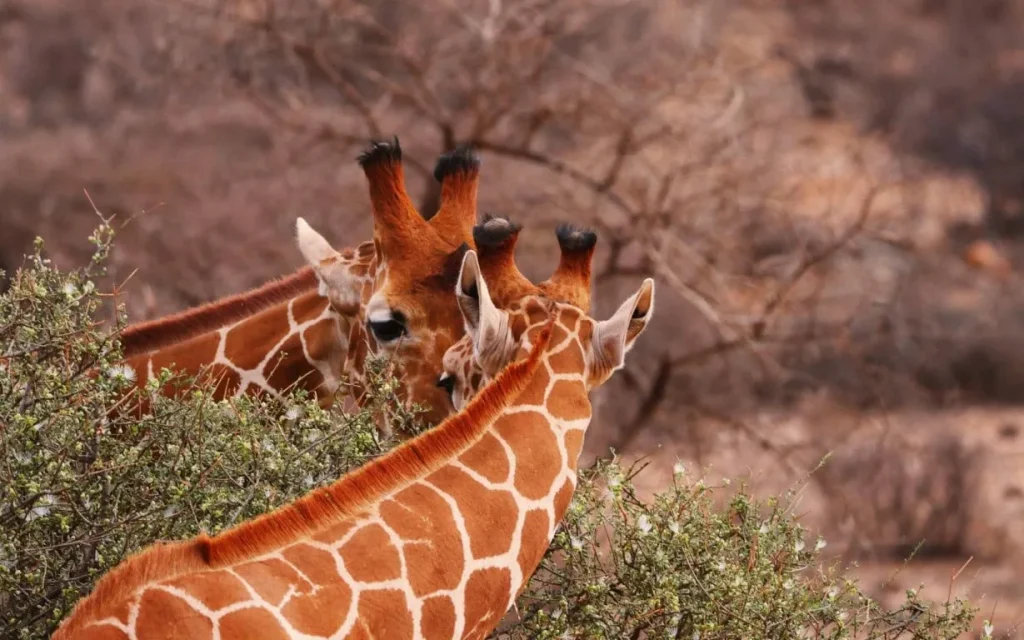
In the Masai Mara National Reserve, for example, a guided wildlife drive may provide opportunities to observe lions, elephants, giraffes, zebras, antelopes and numerous bird species. The educational emphasis can extend beyond identifying animals to discussing how each species contributes to the ecosystem.
Students might investigate why different herbivores feed on different vegetation, how predators influence prey behaviour or why large mammals require extensive habitats. A knowledgeable guide can explain what is being observed while helping students distinguish direct evidence from assumptions.
Kenya's contrasting environments make it possible to compare grasslands, wetlands, woodlands and montane forests within one educational programme. Students can study how rainfall, altitude, soils and vegetation influence wildlife distribution.
At Lake Naivasha, for instance, the focus might include freshwater ecology, birdlife, invasive species and the competing demands placed on water resources. In savannah destinations, students can examine grazing patterns, fire ecology, seasonal water availability and habitat fragmentation.
For university groups, these observations can be connected to structured field assignments. Activities may include habitat descriptions, bird counts, vegetation surveys or wildlife observation records, subject to park regulations and any research permissions required.
Wildlife conservation is an especially valuable subject for educational travel because students can see the practical complexity of environmental protection. Conservation involves more than protecting animals from poaching. It also includes habitat management, community participation, tourism planning, scientific monitoring and reducing human-wildlife conflict.
Visits to suitable conservation education centres can introduce students to these subjects through presentations, demonstrations and discussions. Kenya Wildlife Service operates conservation education initiatives, while various conservancies and conservation organisations offer learning opportunities subject to prior arrangement.
A strong programme should encourage students to ask critical questions. How do communities benefit from wildlife tourism? What happens when elephants damage crops? How can tourism contribute to conservation without creating excessive environmental pressure? These discussions help turn an enjoyable safari into a meaningful learning experience.
Kenya provides an excellent setting for studying physical and human geography. The Great Rift Valley, volcanic landscapes, highland agricultural areas and savannah ecosystems illustrate the relationship between geological history and modern land use.
Students can explore how altitude influences temperature and vegetation, why certain areas experience seasonal drought, and how human settlement patterns interact with wildlife habitats. Where appropriate, teachers can incorporate map-reading exercises, landscape interpretation and field journals.
Climate change can also form part of the programme. Students can consider how changing rainfall patterns affect grazing, agriculture, water availability and wildlife movements without attributing individual weather events to climate change without supporting evidence.
Nairobi National Park is particularly convenient for short educational visits because it lies close to the capital. Students can experience a protected wildlife landscape while examining the challenges of conservation near a rapidly growing city.
The park supports a variety of wildlife, including giraffes, zebras, buffaloes, rhinos and predators, although sightings vary. Its proximity to urban development creates useful opportunities to discuss land-use planning, wildlife corridors and the pressures faced by protected areas.
Educational groups can also consider the Nairobi Safari Walk and other appropriate conservation learning facilities. The suitability of each visit depends on group size, age restrictions, opening arrangements and educational objectives.
For schools with limited time, a Nairobi-based programme can provide substantial educational value without the expense of travelling to distant national parks.
The Masai Mara is one of Kenya's best-known wildlife destinations and an excellent location for studying savannah ecology. Its open grasslands support diverse herbivores and predators, creating opportunities to examine food webs and animal behaviour.
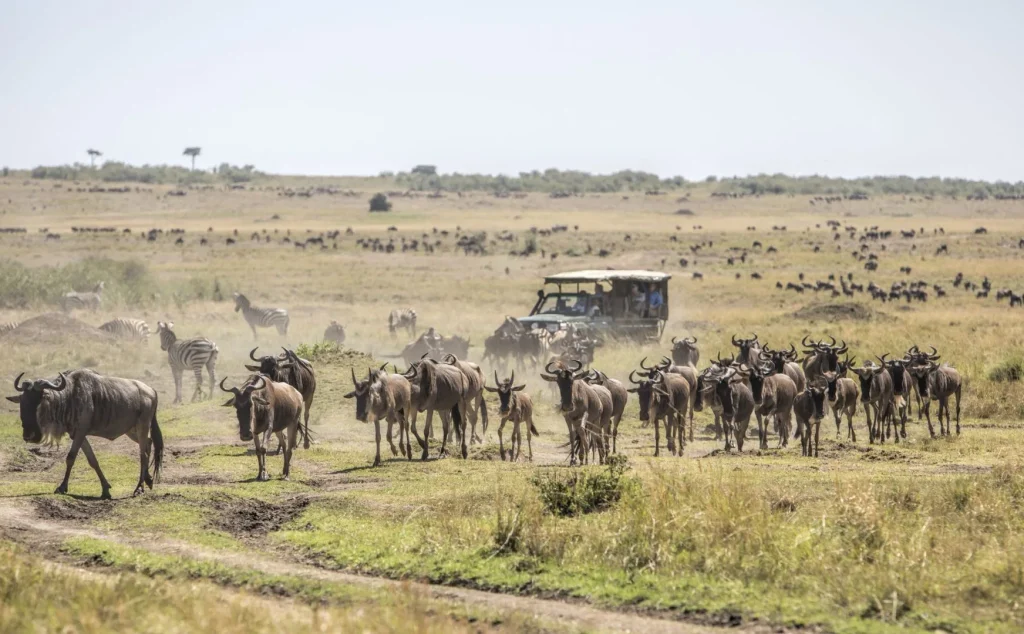
Students can learn about migration, territorial behaviour, scavenging and the ecological importance of large herbivores. During suitable months, the wider Serengeti-Mara ecosystem also supports major movements of wildebeest and zebras, although the timing and location of herds vary with rainfall.
The Mara provides a setting for discussing tourism management and the relationship between protected wildlife areas and surrounding communities. Educational visits should emphasise respectful observation, responsible photography and compliance with reserve regulations.
Lake Nakuru National Park combines wildlife observation with lessons about freshwater and alkaline lake environments. The park is known for rhinos, giraffes, buffaloes and birdlife, including flamingos when ecological conditions are favourable.
Students can explore the relationship between lake conditions, food availability and bird distribution. Water-level changes and the effects of surrounding land use also provide useful discussion topics.
Lake Nakuru is a practical addition to a programme travelling through the Rift Valley because it offers a different ecosystem from the open grasslands of the Masai Mara.
The Lake Naivasha area offers valuable opportunities to study wetlands, water use, agriculture and bird ecology. Boat excursions may provide opportunities to observe waterbirds and hippos, with activities arranged through suitable operators and subject to safety conditions.
Nearby Hell's Gate National Park is notable for its volcanic scenery, cliffs and geothermal landscape. Its geology can support educational discussions about the Rift Valley and the processes that shaped East Africa.
Walking and cycling activities may be possible in designated areas under current park rules, but must be assessed carefully for student age, supervision, wildlife conditions and operator requirements.
Amboseli National Park is particularly valuable for studying elephant ecology and the importance of water in relatively dry environments. The park's swamps support wildlife against a backdrop of open plains and, in clear weather, views of Mount Kilimanjaro.
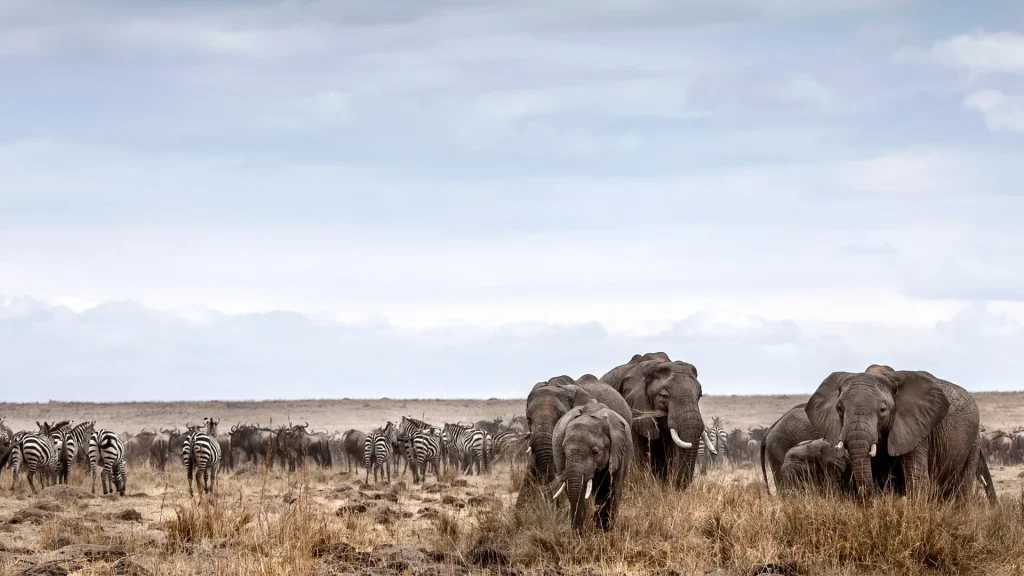
Students can examine how elephants influence vegetation, why water sources attract wildlife and how seasonal environmental conditions affect animal movement. The wider Amboseli ecosystem also provides opportunities to discuss wildlife corridors and coexistence between people and animals.
A programme focused on elephant conservation can be especially rewarding here, provided any specialist educational encounters are arranged with authorised organisations.
The following is a proposed educational itinerary, not a confirmed departure. It can be adapted to academic objectives, age groups, budgets and available accommodation.
Students arrive in Nairobi and transfer to their prearranged accommodation. Depending on arrival times, the programme begins with an orientation covering the itinerary, health and safety procedures, wildlife etiquette and expected conduct.
Teachers and group leaders can introduce the learning objectives and explain how students will record observations throughout the journey. A short introductory presentation may cover Kenya's geography, conservation history and major ecosystems.
The evening is reserved for rest, group introductions and preparation for the following day's activities.
The group visits Nairobi National Park for a guided wildlife experience focused on urban conservation and habitat management. Students observe wildlife and discuss the challenges of protecting ecosystems near expanding cities.
An additional conservation education visit can be arranged where suitable facilities and educational sessions are available. Students may learn about animal rehabilitation, environmental education or wildlife management, depending on the chosen institution.
The day concludes with a guided discussion in which students compare the different conservation approaches encountered.
After breakfast, students travel into the Great Rift Valley. The journey provides opportunities to discuss geological formations, land use and changes in vegetation with altitude.
At Lake Naivasha, the group explores freshwater ecosystems and the importance of wetlands. A supervised boat excursion may be included where appropriate, with attention to water safety and wildlife viewing regulations.
Students complete short field assignments on birdlife, habitat conditions or human activities around the lake.
The morning may include a visit to Hell's Gate National Park, where students examine volcanic landscapes and learn about Rift Valley geology. Any outdoor activity is selected according to the group's capabilities and current park conditions.
The journey continues toward Lake Nakuru, where an afternoon wildlife drive introduces students to another protected ecosystem. Discussions can focus on lake ecology, rhino conservation and the effects of changing environmental conditions.
Students compare their observations with those made at Lake Naivasha.
The group travels toward the Masai Mara, passing through rural landscapes that illustrate Kenya's agricultural and pastoral economies. A guide can explain how land use changes along the route and why wildlife corridors are important.
After arrival and check-in, time permitting, students participate in an introductory wildlife drive. The emphasis is on identifying common savannah species and understanding their ecological roles.
An evening briefing prepares students for more detailed field observations the following day.
A full day in the Masai Mara National Reserve provides opportunities to study predator-prey relationships, grazing ecology and animal behaviour. Students can work with observation sheets designed for their academic level.
The guide may explain the relationship between seasonal rainfall and wildlife distribution, the importance of grassland habitats and the ecological role of scavengers. Wildlife encounters remain unpredictable, so learning activities should not depend on seeing any particular species.
Where an appropriate community learning visit has been arranged, students can also discuss the relationship between conservation, tourism and local livelihoods.
After breakfast, the group returns to Nairobi, allowing adequate time for the journey and any onward travel arrangements. Students can use part of the journey to review field notes and discuss their most important observations.
A concluding session may include short presentations, group reflections or an assessment linked to the original learning objectives. This helps students connect the experiences of the week with classroom subjects.
Depending on flight schedules, the programme ends with airport transfers or an additional overnight stay.
Accommodation is an important part of planning Affordable Student Safaris in Kenya. The right choice depends on student ages, supervision requirements, travel dates, destination and the level of comfort expected.
Our Essential category can include suitable budget hotels, basic safari camps and group-oriented accommodation. These options are often appropriate for educational groups seeking to prioritise learning experiences while controlling costs.
Comfort accommodation generally provides additional facilities and more conventional lodge or hotel arrangements. This can be useful for international school groups requiring private bathrooms, consistent meal services and clearly organised room allocations.
Premium and Signature options may be appropriate for university groups, specialist academic programmes or institutions with higher accommodation budgets. However, luxury accommodation is rarely necessary to achieve strong educational outcomes.
For younger students, accommodation selection should prioritise safeguarding arrangements, secure premises, suitable room layouts, dietary requirements and practical access to supervising adults.
Safety planning is essential for every Kenya Student Group Safari. Schools and universities should provide clear information about participants, medical needs, emergency contacts and supervision requirements before the programme is finalised.
Appropriate adult-to-student supervision ratios must be determined by the educational institution and applicable safeguarding policies. The safari operator can then plan vehicle allocations, accommodation and activities around those requirements.
Students must follow wildlife regulations at all times. They should remain inside vehicles unless guides confirm that exiting is permitted, avoid feeding animals and respect instructions during every wildlife encounter.
Long travel days should be managed carefully, with scheduled breaks and realistic driving distances. Adequate drinking water, sun protection, suitable clothing and access to medical support are also important.
For international groups, travel insurance, entry documentation, vaccinations and health advice should be reviewed well before departure. Schools should consult relevant health professionals and official travel guidance rather than relying solely on general destination information.
Kenya offers educational safari opportunities throughout the year, but the most suitable period depends on the programme's objectives and the institution's academic calendar. From June to October, many safari regions experience relatively dry conditions. Wildlife can be easier to observe around remaining water sources, although popular parks may attract substantial visitor numbers.
The January to March period can also be suitable for student travel, particularly for groups interested in savannah wildlife, birdlife and warmer conditions in some regions. The wetter periods, particularly around April and May in many destinations, may create logistical challenges on certain roads. Nevertheless, green-season landscapes can be valuable for ecology and vegetation studies, and some destinations may be less crowded.
Schools should consider examination schedules, holidays and the time needed for parental consent and travel documentation when selecting dates.
The cost of a student safari depends on several factors, including group size, destinations, accommodation, travel season, transport arrangements and the number of educational activities included. Group travel can reduce some per-person costs because vehicles, guides and certain logistical expenses are shared. However, schools should not assume that every park or facility automatically offers student discounts.
Eligibility for resident, citizen, student or educational rates may depend on current regulations, nationality, age, institution recognition and supporting documents. All applicable charges should be verified before a quotation is confirmed.
An accurate quotation should explain accommodation, meals, transport, park fees, guide services and any prearranged educational visits. It should also identify exclusions such as international flights, visas, insurance, personal expenses and optional activities.
For schools working with a fixed budget, reducing unnecessary travel distances can often be more effective than compromising on supervision or essential safety arrangements.
A customised package may include airport transfers, suitable safari transport, accommodation, specified meals, park entry fees, professional guiding and prearranged educational visits. Depending on the programme, additional services may include conservation presentations, academic field assignments, local educational exchanges and group coordination support. These activities must be agreed in advance and are not automatically included in every itinerary.
Optional activities such as boat excursions, specialist workshops or cultural visits should be clearly identified during the planning process.
Responsible travel is especially important when the purpose of a safari is education. Students should understand that wildlife is not there to perform for visitors and that responsible observation sometimes requires patience.
Groups should avoid activities that encourage inappropriate animal handling, disturb wildlife or treat local communities as tourist attractions. Cultural learning should be based on respectful engagement, informed consent and appropriate compensation where relevant.
Reducing unnecessary waste, following park rules and supporting legitimate conservation initiatives can reinforce the sustainability lessons taught throughout the programme. Educational groups can also consider how tourism expenditure affects local employment and conservation funding. These discussions help students understand that responsible tourism involves environmental, social and economic decisions.
Yes, provided the itinerary, activities, accommodation and supervision arrangements are appropriate for the students' ages. Younger groups generally benefit from shorter travel distances and simpler educational activities.
Yes. University programmes can focus on ecology, geography, conservation, tourism management or related subjects. Specialist research activities may require institutional partnerships and official permissions.
Group size depends on the available vehicles, accommodation, supervision arrangements and destination requirements. Large groups may need to be divided among several vehicles and accompanied by multiple guides.
They can be more economical when transport and accommodation are shared. However, costs depend on the itinerary, current park fees and whether participants qualify for any educational concessions.
Such visits may be possible when organised through appropriate partners. They should be designed around mutual respect, safeguarding and meaningful educational exchange rather than casual observation.
Useful items include comfortable clothing, sturdy footwear, sun protection, a reusable water bottle, a notebook, binoculars where available and any required personal medication. Packing requirements should be adjusted for the season and activities.
Yes. The Masai Mara is particularly suitable for wildlife ecology and conservation education, although travel time and accommodation costs should be considered when preparing the programme.
Several months of preparation is advisable, especially for large groups, popular travel periods and programmes requiring specialist educational visits. International groups may need additional time for institutional approval and travel documentation.
A successful Kenya Student Safari begins with clear educational objectives. The best itinerary is not necessarily the one that visits the greatest number of parks, but the one that gives students enough time to observe, ask questions, reflect and understand what they are experiencing.
Safari Trips to Kenya can help schools, universities and educational organisations develop programmes suited to their academic interests, group size and budget. From short Nairobi Conservation Education Tours to multi-day wildlife field trips through the Rift Valley and Masai Mara, the itinerary can be shaped around meaningful learning.
Contact Safari Trips to Kenya with your preferred travel dates, number of students, age range, academic objectives and estimated budget. We can prepare a proposed educational safari itinerary with suitable destinations, accommodation options, transport arrangements and clearly identified activities.