

The birds of Samburu reveal a very different side of Kenya’s wildlife. While southern safari destinations are famous for expansive grasslands and large migratory herds, Samburu National Reserve lies in a drier northern landscape where acacia woodland, rocky hills, semi-arid plains and riverine vegetation support a distinctive collection of birds.
Samburu is particularly interesting for birdwatchers because it offers opportunities to observe species associated with northern Kenya’s dry-country habitats. Among the most recognisable are the Vulturine Guineafowl and Somali Ostrich, both of which add considerable interest to a safari in the region. The Ewaso Ng’iro River provides an important ecological contrast to the surrounding dry landscape: its vegetation and water resources attract birds and mammals, creating opportunities to observe species associated with both riverine and semi-arid environments.
Samburu is also known for its distinctive mammal community, including Grevy’s zebra, reticulated giraffe, gerenuk and Beisa oryx, often grouped together as the Samburu Special Five. For travellers interested in Northern Kenya Birdwatching, Samburu offers an opportunity to explore bird communities that differ from those of the Masai Mara, Amboseli and the Rift Valley lakes.
Where Is Samburu National Reserve?
Samburu National Reserve is located in northern Kenya, within Samburu County, along the Ewaso Ng’iro River, and forms part of a wider landscape that includes neighbouring protected and community-managed conservation areas. The region is generally hotter and drier than many highland destinations in Kenya, and vegetation includes acacia woodland, dry bushland, open plains and riverine forest.
Travellers commonly reach Samburu by road from Nairobi, often passing through central Kenya. The journey usually takes approximately five to seven hours or longer, depending on traffic, route and accommodation location, and domestic flights may also be available to suitable airstrips, subject to airline schedules and operating arrangements. The reserve’s relatively remote setting is part of its appeal, particularly for travellers who want to experience northern Kenya’s distinctive landscapes.
Why Samburu Is Important for Birdwatching
Samburu lies within a region influenced by the dry habitats of northeastern Africa, and this geographical position contributes to a bird community that differs from those found in Kenya’s wetter western forests and southern grasslands. Many birds are adapted to limited rainfall, sparse vegetation and high temperatures, while others depend on the Ewaso Ng’iro River and its surrounding vegetation.
The combination of dry-country and riverine habitats creates opportunities to observe a varied selection of species. Birdwatchers may encounter guineafowl, ostriches, hornbills, bee-eaters, starlings, weavers and numerous raptors, and the wider Samburu–Buffalo Springs ecosystem has recorded hundreds of bird species, although totals depend on the geographical area and checklist used. For experienced birdwatchers, the reserve is particularly attractive because of its northern species, while for beginners, many of the larger and more colourful birds are relatively easy to appreciate during game drives.
Vulturine Guineafowl: One of Samburu’s Signature Birds
The Vulturine Guineafowl is among the most distinctive birds associated with northern Kenya. Its appearance is unlike that of the more familiar helmeted guineafowl: the bird has a relatively bare head, long neck feathers and striking blue plumage decorated with black-and-white markings, and its unusual head shape gives it a somewhat vulture-like appearance, explaining its common name.
Vulturine guineafowl are social birds and may be observed moving in groups through dry woodland and bushland while they search for seeds, plant material, insects and other suitable food. Their group behaviour is particularly interesting because individuals may remain close together while feeding and moving between suitable habitats. For photographers, a group of vulturine guineafowl crossing open ground can create an attractive composition, but these birds may move quickly into vegetation when disturbed, so a patient approach from a suitable distance is more effective than attempting to follow them aggressively.
Somali Ostrich: A Distinctive Northern Kenya Species
The Somali Ostrich is another notable bird associated with Samburu and other dry regions of northern Kenya. It is a large, flightless bird adapted to open and semi-arid landscapes, and the Somali ostrich differs from the common ostrich in appearance and geographical distribution. Adult males may show distinctive bluish-grey colouring on the neck and legs, particularly in breeding condition.
Ostriches are powerful runners and use their long legs to move efficiently across open ground while they feed on a variety of plant material and other suitable food. Although their large size makes them conspicuous, they may be absent from a particular game-drive route, so birdwatchers should scan open plains and areas with suitable visibility. Photographers should avoid approaching ostriches too closely, particularly when birds appear alert or are accompanied by young.
Hornbills of Samburu
Hornbills are among the most interesting birds associated with Samburu’s woodland and bushland, and their distinctive bills make them relatively recognisable. Different hornbill species occupy different habitats and may have different feeding preferences: some search for insects and small animals, while others consume fruit and other food.
Hornbills are also known for unusual nesting behaviour because in many species, the female remains inside a nest cavity during part of the breeding period while the male provides food. Birdwatchers may encounter hornbills moving through trees or foraging on the ground, and their calls can also help reveal their presence. A knowledgeable guide can assist with identifying different species.
Bee-eaters of Northern Kenya
Bee-eaters are colourful birds that feed primarily on flying insects. Their slender bodies, pointed bills and graceful flight make them attractive to birdwatchers, and bee-eaters often hunt from exposed perches, catching insects in flight before returning to a branch to consume them.
Different species may occur in suitable habitats within the wider Samburu region: some are associated with riverine vegetation, while others favour more open environments, and their presence and abundance can vary with season and insect availability. Photographers should watch for repeated use of particular perches, because remaining quietly at a suitable distance can provide opportunities to observe natural hunting behaviour.
Starlings and Other Colourful Birds
Samburu supports a variety of starlings and other colourful birds associated with dry savannah environments.
Superb Starling
The Superb Starling is one of East Africa’s most recognisable birds. Its metallic blue-green plumage and contrasting underparts make it conspicuous, and superb starlings are social and may be encountered in groups.
Golden-breasted Starling
The Golden-breasted Starling is a striking species associated with dry habitats in parts of East Africa. Its colourful plumage makes it a particularly rewarding birdwatching subject, although its occurrence depends on suitable habitat and local distribution.
Weavers
Weavers are interesting because of their elaborate nest-building behaviour. Some species construct suspended nests using grass and other plant materials, and birdwatchers may observe colonies in suitable trees or vegetation. Nesting birds should be watched from a distance to avoid disturbance.
Raptors of Samburu
Samburu’s open landscapes and scattered trees provide suitable habitats for numerous birds of prey that may be observed perched on exposed branches, soaring above the plains or hunting across open country.
Bateleur
The Bateleur is a distinctive African eagle recognised by its short tail and unusual flight silhouette. It often spends considerable time soaring while searching for food.
Martial Eagle
The Martial Eagle is a powerful raptor associated with savannah and woodland habitats that hunts a variety of vertebrate prey. Sightings are not guaranteed and should be regarded as special encounters.
Tawny Eagle
The Tawny Eagle occurs in suitable open habitats, and its plumage varies considerably, making identification challenging.
Vultures
Vultures are important scavenging birds that help remove carcasses and contribute to nutrient cycling, but their populations face serious conservation threats in many parts of Africa. Birdwatchers should appreciate their ecological role and avoid disturbing feeding birds.
Birds Along the Ewaso Ng’iro River
The Ewaso Ng’iro River is one of Samburu’s defining ecological features. Its water and surrounding vegetation support wildlife in an otherwise relatively dry landscape, and birds associated with riverine habitats may include kingfishers, herons, egrets and other species that use water or dense vegetation.
The river also attracts mammals, creating opportunities for combined wildlife observation. Birdwatchers should pay attention to trees along the riverbanks because these may provide perches, nesting sites and feeding opportunities. However, river access must follow reserve regulations and safety instructions: crocodiles and other wildlife may be present, and visitors should never approach the riverbank without appropriate guidance.
Dry-Country Birds of Samburu
One of the main reasons to visit Samburu is the opportunity to observe birds adapted to semi-arid environments. These species may differ considerably from birds encountered around Kenya’s freshwater lakes or tropical forests.
Dry-country birds often use sparse vegetation, rocky areas and open ground. Some have plumage that blends with the surrounding landscape, while others are brightly coloured but move quickly between bushes. Birdwatchers should look carefully at the ground as well as trees, because slow game drives can reveal birds that would otherwise be overlooked. A specialist guide familiar with northern Kenya’s birdlife can be particularly valuable.
Best Birdwatching Habitats in Samburu
Acacia Woodland
Acacia woodland supports hornbills, starlings, weavers and other species. Birdwatchers should examine tree canopies, exposed branches and lower vegetation.
Dry Bushland
Bushland provides habitat for birds adapted to sparse vegetation, and some species remain concealed and are more easily detected by their calls.
Open Plains
Open areas provide opportunities to observe Somali ostriches, ground-feeding birds and hunting raptors.
Riverine Vegetation
Vegetation along the Ewaso Ng’iro River supports birds associated with water and denser woodland.
Rocky Areas
Rocky habitats may attract species that use elevated terrain for nesting, resting or hunting, and the best locations depend on current wildlife movements and access arrangements.
Best Time for Birdwatching in Samburu
Samburu Birdwatching is possible throughout the year, although the region’s climate and seasonal conditions influence bird activity. The generally drier periods often provide easier game-drive conditions and clearer visibility.
During wetter periods, vegetation may become greener and insect availability may increase, and some birds become more active or vocal during breeding periods. Migratory species may be present during parts of the northern winter, although rainfall patterns in northern Kenya can be variable. Travellers should not assume that the same seasonal conditions apply across all Kenyan safari destinations, and for specialist birdwatching, current local observations and the preferred target species should guide travel planning.
Bird Photography in Samburu
Samburu Bird Photography offers distinctive opportunities because of the reserve’s dry landscapes and unusual bird species. Vulturine guineafowl are particularly attractive subjects because of their colourful plumage and social behaviour, while Somali ostriches can be photographed in open landscapes and hornbills and starlings may provide opportunities for detailed portraits.
Raptors can be photographed perched or in flight. A telephoto lens is useful for maintaining suitable distances, and early morning and late afternoon often provide softer light, although strong midday sunlight and heat shimmer can affect image quality. Photographers should also consider the background and avoid placing the subject against distracting vegetation. A private safari vehicle can provide flexibility when stopping is permitted, and wildlife should never be chased or disturbed to create a photograph.
Combining Birdwatching with Samburu’s Special Five
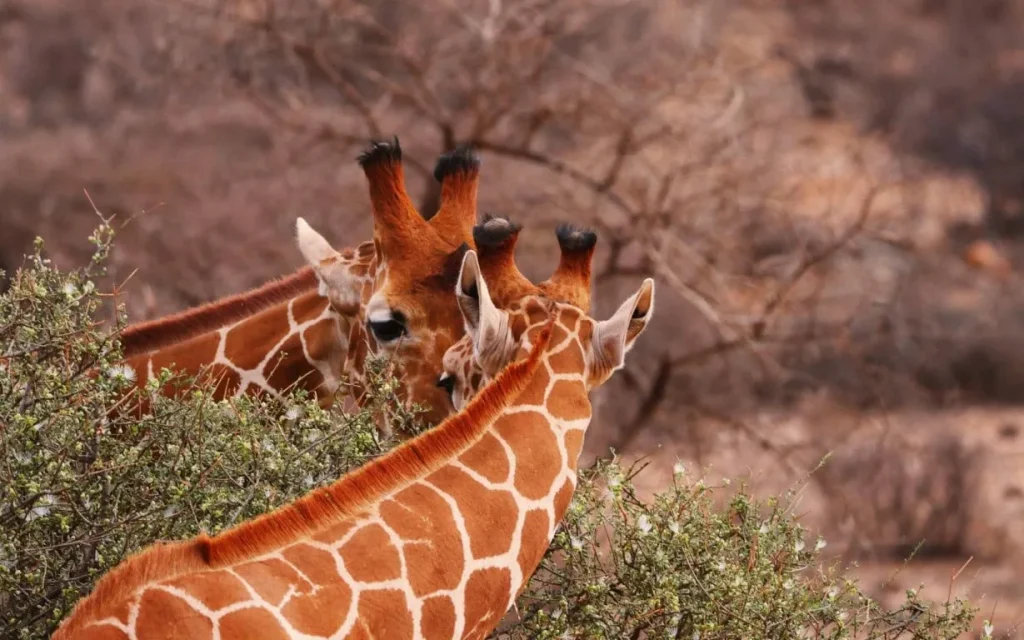
Samburu is particularly famous for its distinctive mammal community. The Samburu Special Five generally refers to Grevy’s zebra, reticulated giraffe, gerenuk, Beisa oryx and Somali ostrich, and the inclusion of the Somali ostrich makes this group particularly interesting for birdwatchers.
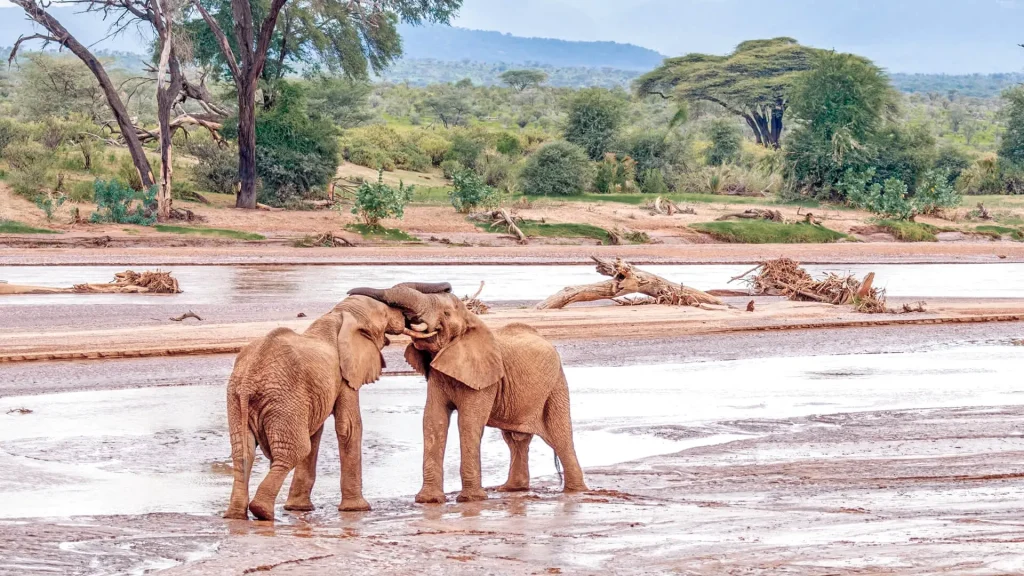
Grevy’s zebra is distinguished by its narrow stripes and other physical characteristics, the reticulated giraffe has a distinctive coat pattern, gerenuks are unusual antelopes known for their long necks and ability to browse while standing on their hind legs, and Beisa oryx are adapted to dry environments. A combined Samburu Wildlife Safari allows travellers to observe these mammals while also exploring the reserve’s birdlife. Other wildlife may include elephants, buffaloes and predators, although sightings depend on natural movements.
Suggested Three-Day Samburu Birdwatching Safari
Day 1: Nairobi to Samburu National Reserve
Depart Nairobi in the morning and travel north towards Samburu. The road journey commonly takes approximately five to seven hours or longer, depending on traffic, route and accommodation location. Arrive at your selected lodge or camp and enjoy lunch or a suitable break, then take an afternoon game drive focusing on birds and other wildlife. Look for vulturine guineafowl, Somali ostriches, hornbills and raptors before returning to your accommodation for dinner and overnight.
Day 2: Full-Day Birdwatching and Wildlife Viewing
Begin early when temperatures are generally more comfortable and explore dry bushland, acacia woodland and open plains. Look for dry-country birds and the Samburu Special Five, then continue towards suitable riverine habitats, where different bird species may be encountered. Enjoy lunch according to the agreed programme, continue exploring productive birdwatching areas in the afternoon, and return to your lodge or camp for dinner and overnight.
Day 3: Morning Safari and Return to Nairobi
Depending on accommodation location and departure arrangements, enjoy a morning birdwatching excursion and look for species that may have been missed during previous drives. After breakfast, begin the journey back towards Nairobi. Travellers with additional time may extend their itinerary to nearby conservation areas, central Kenya or other birdwatching destinations.
Accommodation for Samburu Birdwatching
Accommodation is available in and around the Samburu ecosystem. Properties vary in comfort, location and access arrangements: some lodges are positioned near the river, while others are located in surrounding conservation areas, and the best choice depends on budget, preferred comfort and the planned activities.
At Safari Trips to Kenya, accommodation can be arranged across four broad categories:
- Essential focuses on practical, comfortable properties.
- Comfort offers additional amenities while maintaining good value.
- Premium provides enhanced facilities and carefully selected locations.
- Signature is suitable for travellers seeking distinctive, high-end safari accommodation.
Birdwatchers should consider access to productive habitats and the flexibility of guiding arrangements.
Practical Birdwatching Tips
- Bring binoculars and a field guide or bird identification application.
- Wear neutral-coloured clothing suitable for hot and dusty conditions and carry sufficient drinking water and sun protection.
- A hat and lightweight long-sleeved clothing can be useful, and a telephoto lens is recommended for serious bird photography.
- Allow time for quiet observation, because some birds are detected first by their calls or movement.
- Avoid approaching nesting birds or using excessive recorded-call playback.
- Follow reserve regulations and your guide’s safety instructions.
Conservation of Samburu’s Birdlife
Samburu’s birdlife depends on the health of its dry-country and riverine habitats. Water availability is particularly important in this semi-arid environment, and changes in land use, habitat degradation and other environmental pressures can affect wildlife.
The Ewaso Ng’iro River supports numerous species and is an important resource for surrounding communities. Responsible tourism can contribute to conservation by supporting local livelihoods and encouraging appreciation of wildlife, and visitors should avoid littering, disturbing birds or damaging vegetation. Supporting responsible safari operators helps maintain the natural attractions that make Samburu valuable.
Frequently Asked Questions
Is Samburu good for birdwatching?
Yes. Samburu supports distinctive dry-country birds, riverine species and numerous raptors.
What are the most famous birds of Samburu?
Vulturine guineafowl and Somali ostriches are among the most recognisable species associated with the region.
Can I see Somali ostriches in Samburu?
Somali ostriches occur in suitable northern Kenya habitats, including the Samburu ecosystem, but sightings are not guaranteed.
Is Samburu different from the Masai Mara for birdwatching?
Yes. Samburu’s drier northern habitats support a different bird community from the Masai Mara’s southern savannah ecosystem.
What is the best time for birdwatching?
Birdwatching is possible year-round. Seasonal conditions influence bird activity, vegetation and road access.
How many days should I spend in Samburu?
Two to three nights generally provide a useful introduction, while specialist birdwatchers may benefit from a longer stay.
Plan Your Samburu Birdwatching Safari
The birds of Samburu offer a distinctive introduction to northern Kenya’s wildlife. From the remarkable vulturine guineafowl and Somali ostrich to colourful starlings, hornbills and powerful raptors, the reserve rewards travellers who explore its varied habitats carefully.
Safari Trips to Kenya can arrange a private Samburu Birdwatching Safari or combine Samburu with other important Kenya birding destinations. Contact our team with your preferred travel dates, number of travellers and birdwatching interests to request a personalised safari proposal.