
5 DAYS / 4 NIGHTS
Mid-range Migration Safari
Plan a mid-range migration safari in Kenya with comfortable Masai Mara camps, guided game drives, seasonal wildlife advice, itinerary options and booking tips.
- Wildlife Safari Private Journey
- Private Safari 4x4 Vehicle
- Expert Guide English Speaking
- All Meals Breakfast, Lunch, Dinner
- 24/7 Support We're here to help
01 Overview
Safari Overview
- Duration 5 days / 4 nights
- Destination Wildebeest Migration
- Starts / ends Nairobi
- Safari style Private 4×4 safari
- Accommodation Essential · Comfort · Premium · Signature
- Best for Wildlife viewing, photography
Mid-range Migration Safari: Experience the Great Wildebeest Migration in Comfort
A mid-range migration safari is an excellent choice for travellers who want to experience the Great Wildebeest Migration while enjoying comfortable accommodation, professional guiding and well-organised game drives without paying the premium associated with exclusive luxury safari camps.
The migration is one of Africa's most extraordinary wildlife movements. Each year, enormous numbers of wildebeest travel through the Serengeti–Mara ecosystem, accompanied by zebras and other grazing animals. Their movements are influenced by rainfall, grass growth and access to water, creating a continuously changing wildlife spectacle across northern Tanzania and southwestern Kenya.
For travellers visiting Kenya, the Masai Mara National Reserve is the main destination associated with migration viewing. During the northern phase of the migration, commonly between July and October, large herds may gather across the Mara ecosystem. Depending on conditions, some animals cross the Mara River, where strong currents, steep banks and Nile crocodiles create dramatic challenges.
A successful migration safari does not require the most expensive accommodation. What matters most is selecting the right travel period, allowing enough days for wildlife viewing, choosing a conveniently located camp and travelling with a knowledgeable safari guide.
Mid-range accommodation provides an appealing balance. Travellers can enjoy comfortable en-suite rooms or permanent safari tents, organised meals and access to the reserve while keeping the overall holiday budget more manageable.
This guide explains how to plan a Comfort-category migration safari in Kenya, including seasonal wildlife patterns, recommended itineraries, accommodation choices, safari costs, photography advice and practical booking considerations.
What Is a Mid-range Migration Safari?
A mid-range migration safari is a guided wildlife holiday designed around the seasonal movements of wildebeest in the Masai Mara, using comfortable accommodation rather than basic camping or exclusive luxury properties.
At Safari Trips to Kenya, the Comfort accommodation category is the closest equivalent to a conventional mid-range safari.
The experience typically combines professionally guided game drives, suitable safari transport, accommodation, meals and the necessary arrangements for visiting wildlife areas.
The exact services depend on the selected package.
Some travellers prefer a private 4x4 safari with a dedicated guide. Others choose a group departure where transport and guiding costs are shared.
Both arrangements can provide rewarding migration experiences.
The main difference between mid-range and luxury safaris is usually the accommodation and level of exclusivity, not access to the natural migration itself.
Guests staying at a comfortable tented camp can observe the same wildlife ecosystem as travellers staying at expensive luxury properties.
However, location matters. A camp close to productive wildlife areas may provide more practical advantages than a higher-end lodge requiring longer transfers.
Understanding the Great Wildebeest Migration
The Great Wildebeest Migration involves more than a million wildebeest moving through the Serengeti–Mara ecosystem.
Large numbers of zebras and other grazing animals participate in related seasonal movements.
The migration is not a single herd travelling in a perfectly organised circle. Instead, animals move in different groups, responding to local rainfall and pasture conditions.
During the early months of the year, substantial herds commonly gather in the southern Serengeti and adjoining Ndutu region.
As the seasons change, many animals move north through the Serengeti.
Later, some herds reach the northern Serengeti and Masai Mara, where river crossings may occur.
Eventually, changing grazing conditions encourage movement towards southern areas again.
The timing varies between years, making it important to plan around broad seasonal patterns rather than exact dates.
Why Choose the Masai Mara for a Migration Safari?
The Masai Mara National Reserve is one of the most accessible and productive destinations for migration-focused safaris in East Africa.
Its open grasslands provide opportunities to observe large concentrations of herbivores, while its predator populations create excellent wildlife-viewing possibilities.
Lions, cheetahs, leopards and hyenas may take advantage of seasonal prey availability.
The Mara River is another major attraction, particularly when wildebeest gather near crossing points.
However, the reserve is valuable beyond the migration.
Elephants, buffaloes, giraffes, zebras, antelopes, hippos, crocodiles and numerous bird species occur throughout the year.
This means a well-planned safari can remain rewarding even when the migrating herds are elsewhere.
Best Time for a Mid-range Migration Safari
July: The Northern Migration Period
July is commonly associated with the arrival of substantial wildebeest concentrations in the northern Serengeti and, depending on conditions, the Masai Mara.
Some years see earlier movements into Kenya, while others experience later arrivals.
Travellers visiting in July should understand that migration timing cannot be guaranteed.
The month can nevertheless offer excellent resident wildlife viewing and opportunities to observe changing herd movements.
August: A Popular Migration Month
August is among the most popular months for a Masai Mara migration safari.
Large herds may be present in the Mara ecosystem, and river crossings can occur when animals move between grazing areas.
Accommodation demand is often strong, particularly at well-positioned camps.
Travellers planning an August safari should consider booking well in advance.
September: Continued Migration Activity
September frequently offers excellent opportunities to observe wildebeest herds and predator activity.
River crossings may continue at different locations along the Mara River.
The distribution of animals changes according to grazing conditions.
A longer stay can be valuable because herds may move considerable distances between game drives.
October: Southward Migration Movements
October is often associated with the gradual movement of wildebeest towards the Serengeti.
Some herds may remain in Kenya, while others move south.
River crossings can still occur, but their frequency and location vary.
Travellers should avoid assuming that all wildebeest leave the Masai Mara on a particular date.
Can You Guarantee a Mara River Crossing?
No safari operator can guarantee a Mara River crossing.
Crossings are natural wildlife events influenced by animal behaviour, river conditions and herd movements.
Wildebeest may gather near a riverbank for hours before entering the water.
Sometimes they turn away without crossing.
At other times, a crossing begins unexpectedly and continues as large numbers of animals follow one another into the river.
The most practical approach is to allow several days in the Mara ecosystem.
This provides multiple opportunities to explore migration areas and reduces dependence on one particular game drive.
A knowledgeable guide can interpret recent wildlife activity, but cannot control animal movements.
Mid-range Accommodation for Migration Safaris
Accommodation location is particularly important during the migration season.
A camp near convenient reserve access routes can reduce daily transfers and provide more time for wildlife viewing.
Comfortable Tented Camps
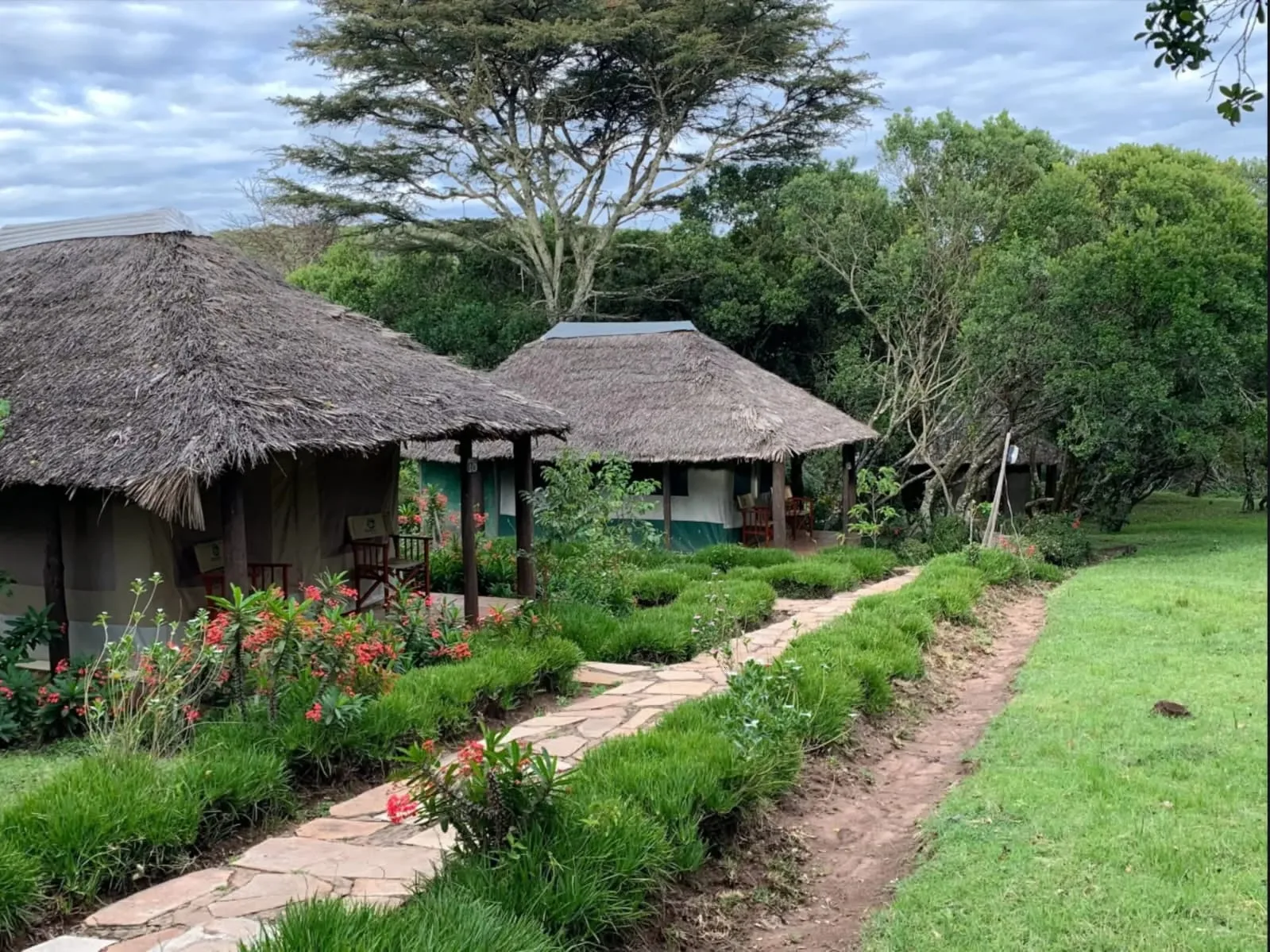
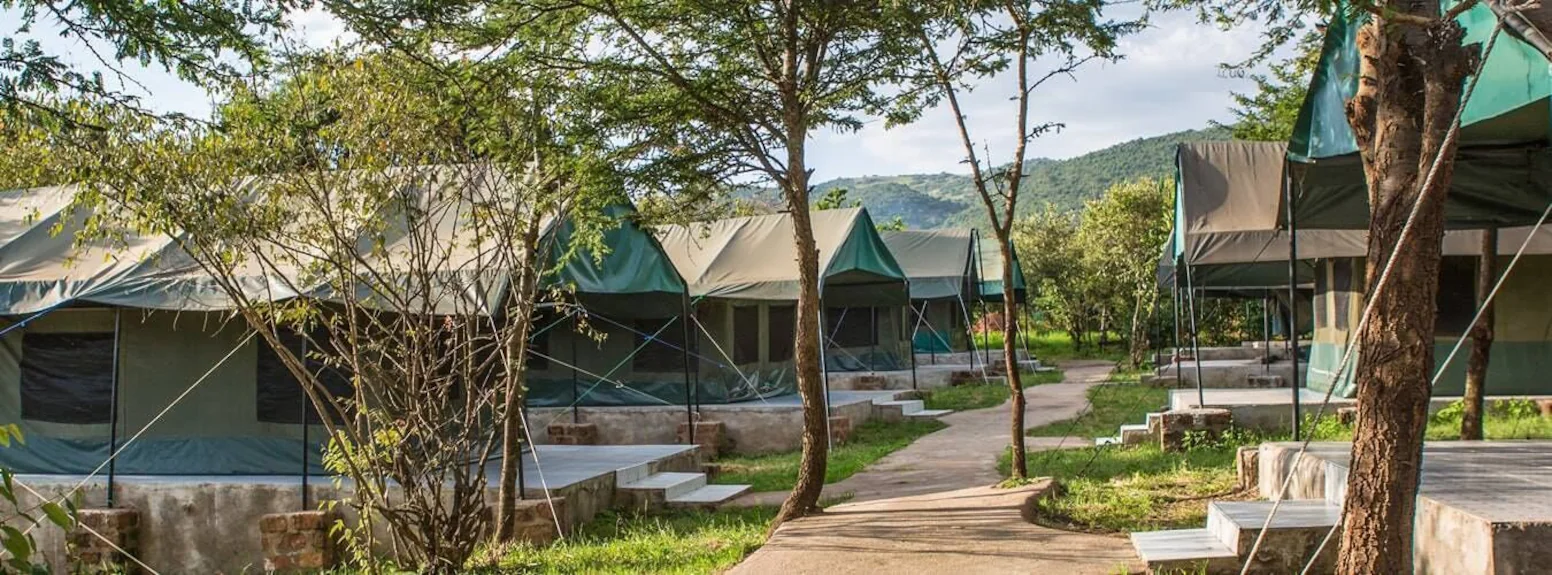
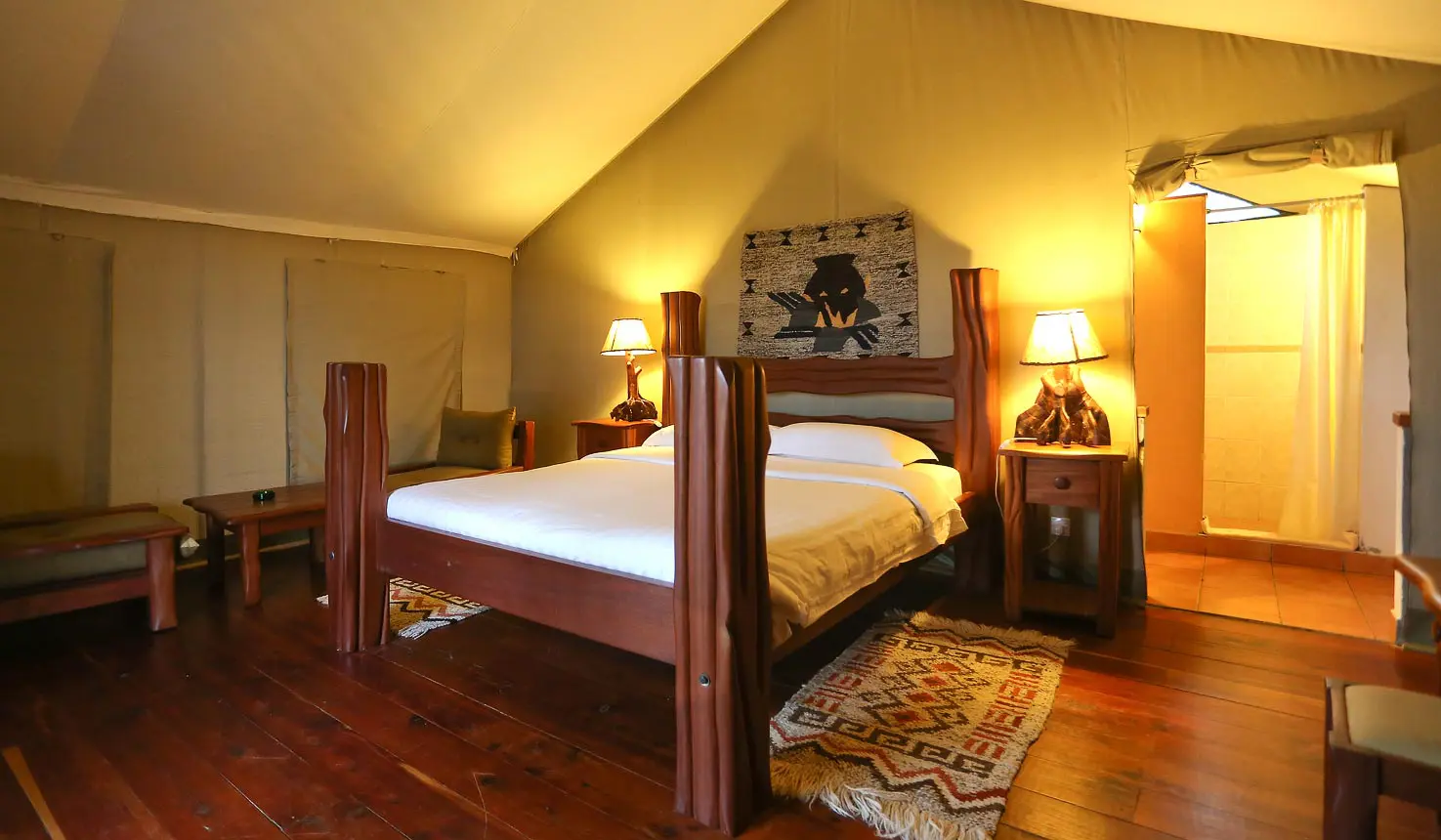
Permanent tented camps are popular because they combine the atmosphere of traditional safari camping with comfortable facilities.
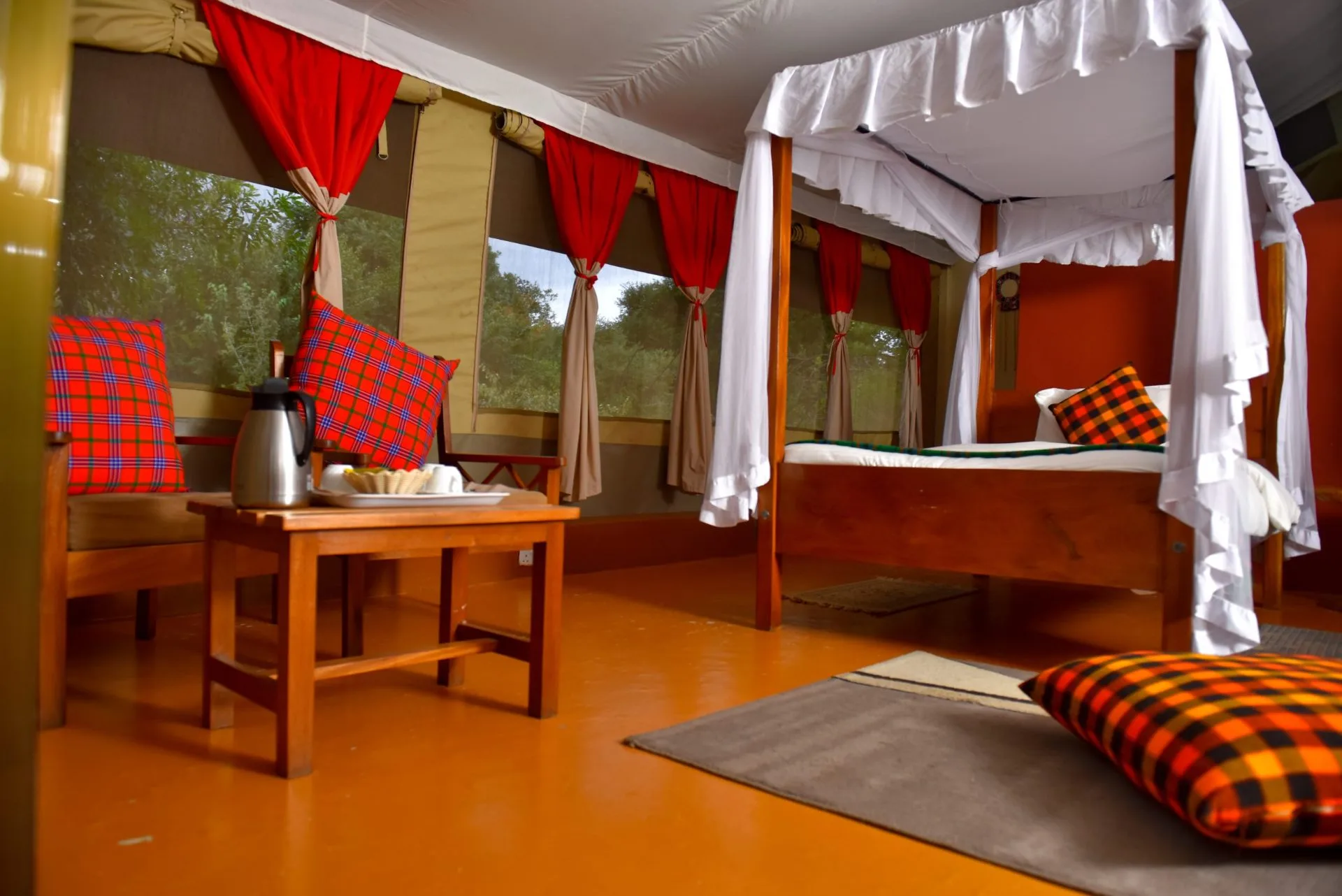
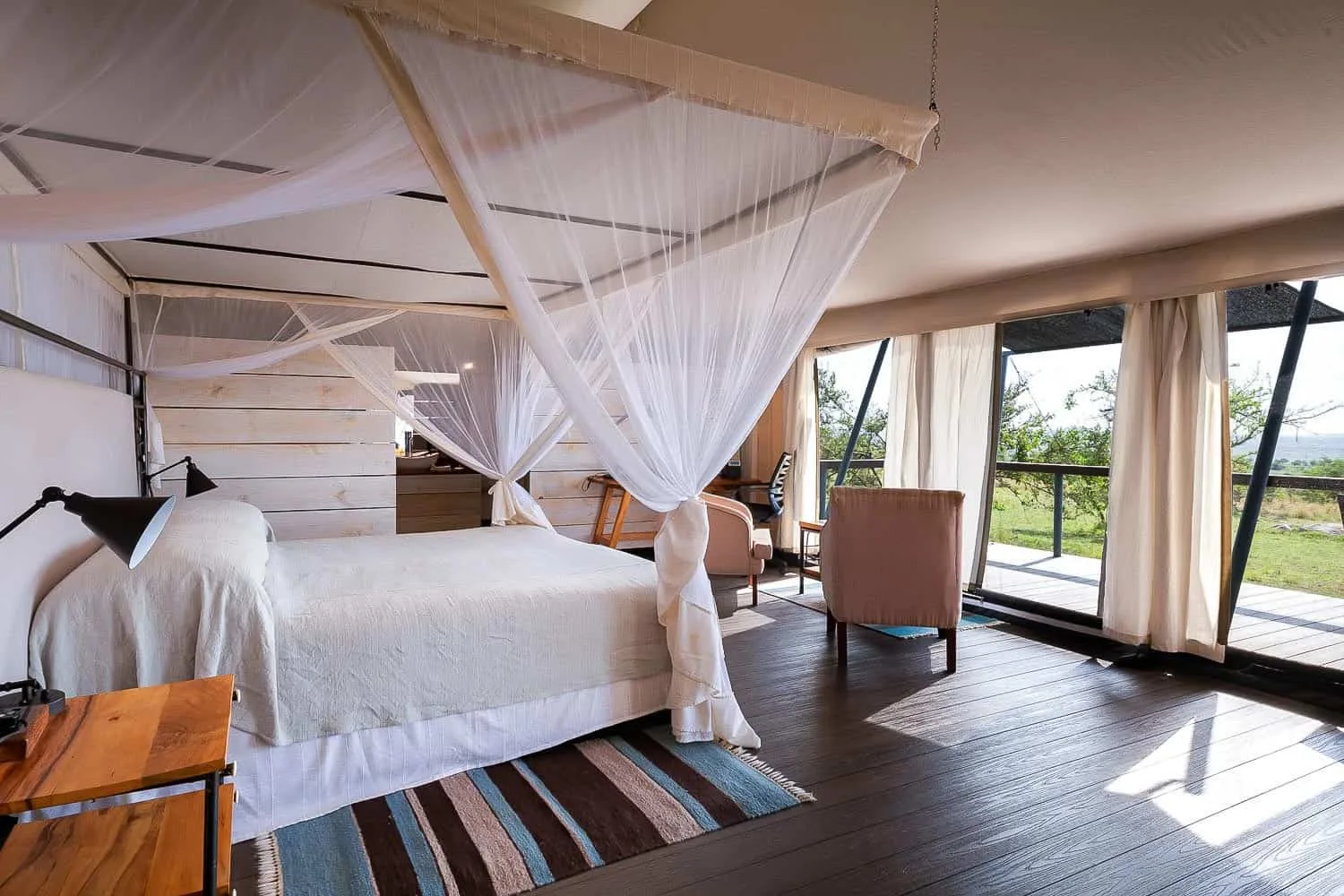
Depending on the property, tents may include proper beds, en-suite bathrooms, private verandas and electricity.
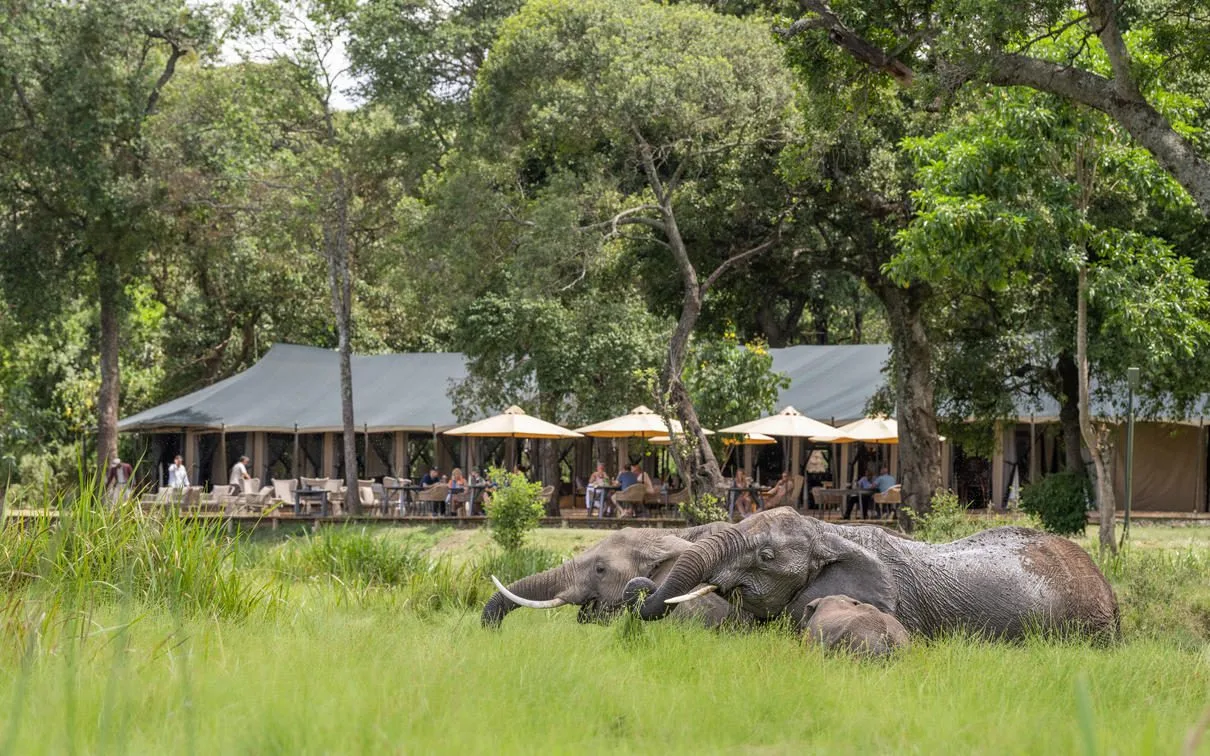
Some camps offer communal dining areas, lounges and landscaped grounds.
The quality of facilities varies, so travellers should review the selected room category.
Traditional Safari Lodges
Safari lodges provide another accommodation option.
They may offer conventional rooms, restaurants, swimming pools and other communal facilities.
This style can be attractive to families and travellers who prefer permanent buildings.
However, the location of the lodge should be considered alongside its facilities.
Accommodation Inside and Outside the Reserve
Some accommodation is located within the national reserve or surrounding conservancies, while other properties are outside protected boundaries.
Each location has advantages and disadvantages.
Accommodation inside wildlife areas may reduce transfers, but rates and conservation fees can be higher.
Properties outside the reserve may offer more affordable accommodation, although daily journeys to wildlife-viewing areas can take additional time.
The best choice depends on the complete safari itinerary.
Suggested Five-Day Mid-range Masai Mara Migration Safari
The following itinerary is a proposed example and should be customised according to travel dates, accommodation availability and current wildlife conditions.
Itinerary
- Day 1: Nairobi to the Masai Mara
- Day 2: Masai Mara Wildlife Safari
- Day 3: Mara River Migration Exploration
- Day 4: Additional Migration and Predator Viewing
- Day 5: Return to Nairobi

02 Itinerary
Mid-range Migration Safari: Detailed Itinerary
-

Day 1: Nairobi to the Masai Mara - Main destination
- Masai Mara National Reserve
- Drive time
- Road transfer as outlined in the itinerary
- Meals
- Lunch, Dinner
Depart Nairobi after breakfast and travel towards the Masai Mara.
The route passes through the Great Rift Valley region and the agricultural landscapes of southwestern Kenya.
Depending on traffic, road conditions and the selected camp, the journey commonly takes approximately five to seven hours or longer.
Arrive at your accommodation and check in.
If the schedule permits, enjoy an afternoon game drive through the surrounding wildlife area.
This first drive provides an introduction to the Masai Mara's grasslands and resident wildlife.
Return to the lodge for dinner and overnight accommodation.
Where you stay
-
Essential (Budget)
-
Comfort (Mid-range)
-
Premium (Luxury)
-
Signature (High-end)
-
Day 2: Full-Day Masai Mara Wildlife Safari - Main destination
- Masai Mara National Reserve
- Meals
- Breakfast, Lunch, Dinner
Begin the day early with breakfast and prepare for an extended game drive.
Your guide will explore areas where wildlife activity has recently been reported.
During the migration season, large wildebeest herds may be encountered grazing or moving through the landscape.
The Masai Mara also supports lions, elephants, buffaloes, giraffes, cheetahs and other species.
A packed lunch can allow guests to remain in the reserve for much of the day.
The guide may adjust the route according to wildlife movements and park regulations.
Return to your accommodation in the evening.
Where you stay
-
Day 3: Mara River Migration Exploration - Main destination
- Masai Mara National Reserve
- Meals
- Breakfast, Lunch, Dinner
Dedicate the day to exploring areas associated with the Mara River.
The guide will assess where migrating herds are gathering and whether suitable viewing opportunities are available.
Wildebeest may approach the river cautiously, sometimes remaining near the banks for extended periods.
If a crossing occurs, guests may witness animals entering the water and negotiating strong currents.
However, a crossing cannot be guaranteed.
Even without a crossing, the river supports hippos, crocodiles, birds and other wildlife.
Return to the lodge after the day's activities.
Where you stay
-
Day 4: Additional Migration and Predator Viewing - Main destination
- Masai Mara National Reserve
- Meals
- Breakfast, Lunch, Dinner
Spend another full day exploring the reserve.
This additional time is valuable because migration activity can change significantly between days.
The guide may focus on new herd locations or areas where predators have recently been observed.
Travellers interested in photography may prefer longer stops at productive sightings.
The day can also include broader wildlife exploration rather than concentrating exclusively on river crossings.
Return to the lodge for dinner and your final night.
Where you stay
-
Day 5: Return to Nairobi - Main destination
- Masai Mara National Reserve
- Drive time
- Return transfer as outlined in the itinerary
- Meals
- Breakfast, Lunch
Enjoy breakfast and prepare for the return journey.
Depending on the agreed itinerary, departure time and park access arrangements, a final wildlife activity may be possible.
Travel back to Nairobi, allowing sufficient time for traffic and onward connections.
Travellers continuing to another destination can arrange a suitable extension.
Where you stay
03 Rates
Safari rates 2027-2029
Indicative per person. Season, group size and lodge style change the total — your quotation confirms current rates.
-
Essential (Budget)
Essential (Budget)
Budget camps and lodges suit travelers who prioritize wildlife while keeping costs lower.
Great value camps
-
Comfort (Mid-range)
Comfort (Mid-range)
Mid-range tented camps and lodges balance comfort and price with private rooms or tents and en-suite facilities.
Quoted for your dates
-
Premium (Luxury)
Premium (Luxury)
Luxury camps and lodges focus on location, service and more intimate wildlife experiences.
Premium camps and lodges
-
Signature (High-end)
Signature (High-end)
Signature camps and lodges are the most exclusive stays — small, highly private properties with exceptional guiding and setting.
Exclusive signature stays
04 Activities
Safari activities
Game viewing is the core of this itinerary. Optional extras are quoted separately and depend on season, permits and availability. Individual species and river crossings are never guaranteed.
-
Included
Game drives
Scheduled wildlife drives in a 4x4 safari vehicle with a professional driver-guide.
View activity -

Included
Wildlife photography
Time in the field for landscape and wildlife photography. Sightings are never guaranteed.
View activity -
Optional
Optional extras
Balloon flights, cultural visits and other extras can be added when available and are quoted separately.
Additional information
Plan This Safari
Three-Day vs Five-Day Migration Safari
A three-day safari can provide an introduction to the Masai Mara, but travel time reduces the number of available game drives.
For travellers whose main objective is seeing large herds and potential river crossings, a longer itinerary is generally preferable.
A four-day safari provides additional flexibility.
A five-day safari offers more opportunities to explore different wildlife areas and respond to changing migration conditions.
Wildlife photographers may benefit from even longer stays.
The appropriate duration depends on budget, travel dates and the importance placed on specific sightings.
Private vs Group Mid-range Migration Safaris
Private Migration Safaris
A private Masai Mara safari provides a dedicated vehicle and guiding arrangements for the booking.
This allows greater flexibility over departure times, photography stops and wildlife-viewing priorities.
Couples, families and photographers may particularly appreciate this arrangement.
Private safaris also allow accommodation and itinerary choices to be tailored more closely to individual preferences.
Group Migration Safaris
A group migration safari allows travellers to share transport and guiding expenses.
This can make the experience more affordable, especially for solo travellers.
However, group itineraries generally follow fixed schedules.
Guests should confirm departure dates, accommodation arrangements, group-size limits and vehicle seating before booking.
The best choice depends on the desired balance between cost and flexibility.
Wildlife Beyond the Migration
The Masai Mara is an excellent destination for observing resident wildlife.
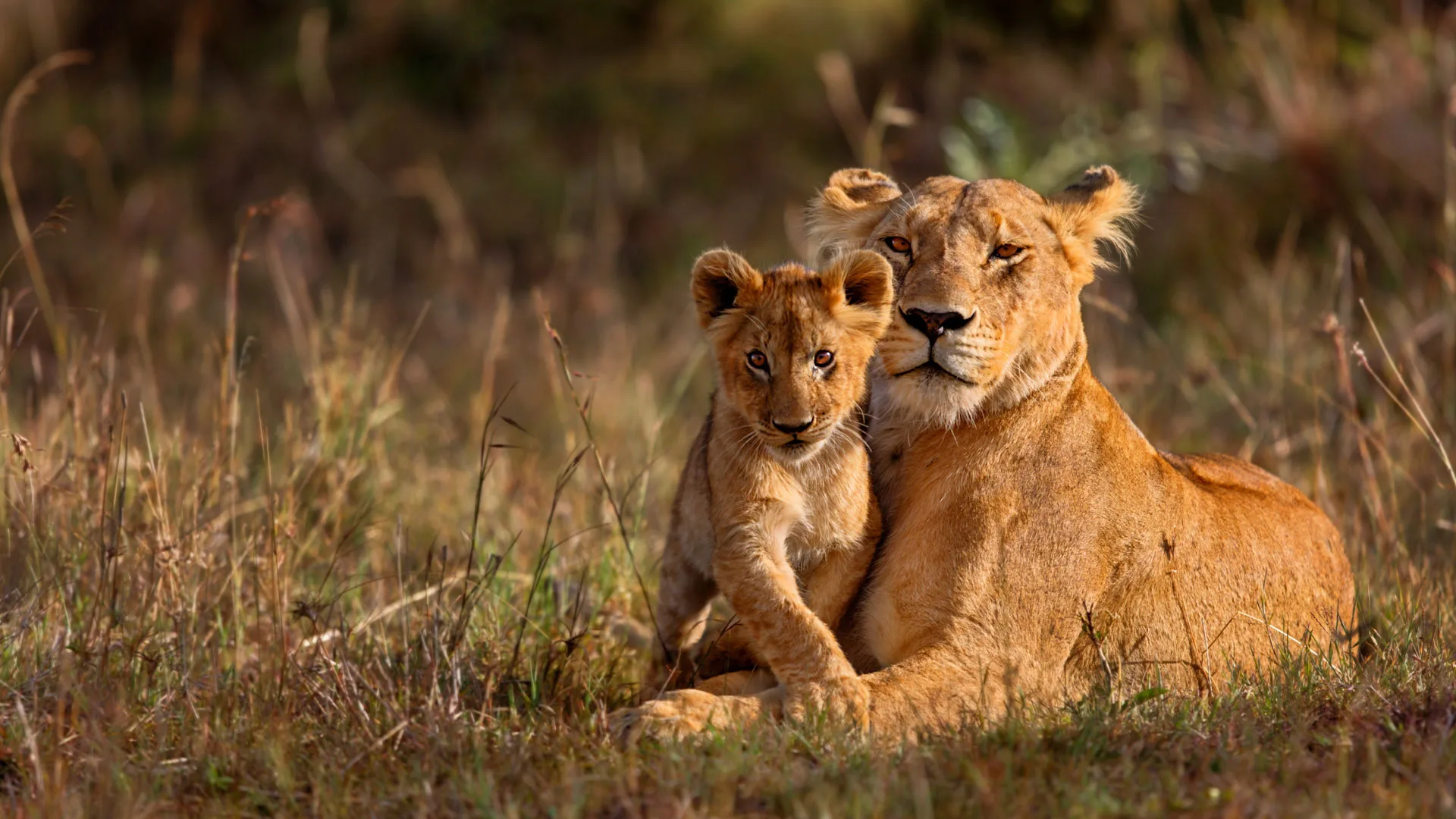
Lions
Lions are among the reserve's most sought-after predators.
They may be observed resting, moving between territories or interacting with other pride members.
Migration herds can create feeding opportunities, but lions are present throughout the year.
Cheetahs
Cheetahs favour open habitats where they can detect prey and use speed during hunting.
The Masai Mara's grasslands provide suitable conditions for these predators.
Sightings depend on animal movements and guide knowledge.
Leopards
Leopards are more elusive and are often associated with woodland and riverine habitats.
They may be encountered resting in trees or moving through suitable cover.
Patience is important when searching for them.
Elephants and Buffaloes
Elephants and buffaloes are important members of the Mara ecosystem.
Elephants may be encountered moving through grassland and woodland habitats.
Buffaloes occur in groups of varying sizes and can be particularly impressive when gathered in larger herds.
Hippos and Crocodiles
The Mara River supports hippos and Nile crocodiles.
These species contribute to the ecological importance of the river.
Visitors should observe them from safe, authorised locations.
Migration Safari Photography
A migration safari offers opportunities for wildlife photography, but preparation is important.
A camera with a telephoto lens can help photograph animals from a respectful distance.
Fast shutter speeds are useful for capturing moving wildebeest.
Wide-angle photography can be effective when herds spread across the grasslands.
Early morning and late afternoon light often provides attractive conditions.
Dust protection, spare batteries and sufficient memory storage are useful.
Photographers should never ask guides to disturb wildlife for a better image.
What Affects the Cost of a Mid-range Migration Safari?
Several factors influence safari pricing.
Travel Season
July to October is a popular migration period.
Accommodation demand may increase rates, particularly at conveniently located camps.
Accommodation Location
Properties inside or near productive wildlife areas may cost more than those farther away.
However, convenient access can reduce travel time.
Group Size
Sharing vehicle and guiding costs can reduce the price per person.
Private safaris for one or two travellers may cost more than group departures.
Safari Duration
Longer safaris require additional accommodation, meals, guiding and park access.
However, extra days can improve the overall wildlife-viewing experience.
Transport
Road safaris are common, while domestic flights can reduce transfer time.
Fly-in arrangements may increase the overall cost.
Combining the Migration with Other Kenya Destinations
Masai Mara and Lake Nakuru
A Masai Mara and Lake Nakuru safari combines open savannah wildlife with Rift Valley scenery and rhinoceros conservation experiences.
Masai Mara and Lake Naivasha
Lake Naivasha offers opportunities for boat excursions and exploring the surrounding Rift Valley region.
Activities should be arranged according to local regulations and safety requirements.
Masai Mara and Amboseli
Combining the Masai Mara with Amboseli creates a safari featuring big cats, seasonal migration activity and excellent elephant-viewing opportunities.
Masai Mara and Diani Beach
A Masai Mara and Diani Beach holiday combines wildlife viewing with relaxation along the Indian Ocean.
This option is particularly attractive for couples and families planning a longer Kenya holiday.
Responsible Migration Tourism
River crossings and large herd movements are sensitive wildlife events.
Vehicles should not block animal movement routes or crowd riverbanks in ways that interfere with natural behaviour.
Guides must follow the applicable reserve regulations.
Visitors should avoid shouting or attempting to influence animals.
Responsible tourism helps protect the wildlife that makes the migration so remarkable.
Book Your Mid-range Migration Safari in Kenya
A mid-range migration safari provides an excellent balance between comfort, wildlife viewing and value.
By selecting a suitable travel period, allowing enough days in the Masai Mara and choosing conveniently located accommodation, travellers can enjoy an outstanding safari without necessarily paying luxury rates.
At Safari Trips to Kenya, we help guests plan private and group migration safaris with professional guiding, comfortable accommodation and realistic itineraries.
Whether you are interested in wildebeest herds, potential Mara River crossings, big-cat photography or a broader Kenya wildlife holiday, we can help you explore suitable options.
Contact Safari Trips to Kenya to discuss your travel dates, preferred accommodation category, group size and ideal migration safari itinerary.
Individual species, river crossings and mountain views can never be guaranteed.
Planning Questions
Frequently Asked Questions
What is a mid-range migration safari?
It is a guided safari focused on the Great Wildebeest Migration using comfortable accommodation and practical safari arrangements rather than basic camping or exclusive luxury properties.
When is the best time for a Masai Mara migration safari?
July to October is commonly associated with northern migration activity, although timing varies with rainfall and grazing conditions.
Can I see wildebeest river crossings?
Crossings are possible during suitable migration periods, but they cannot be guaranteed.
How many days should I spend in the Masai Mara?
Four or five days is a useful choice for travellers who want several game drives and time to monitor migration activity.
Are mid-range camps comfortable?
Many provide en-suite accommodation, proper beds and organised meals. Facilities vary between properties.
Is a private migration safari better?
Private safaris provide greater flexibility, while group safaris can offer better value.
Can families join migration safaris?
Yes. Families should choose suitable accommodation and consider private transport for greater flexibility.
Is the migration visible throughout the year in Kenya?
No. The migration moves through the wider Serengeti–Mara ecosystem, and large herd concentrations are seasonal.
Do I need to book early?
Early booking is advisable during popular migration months, especially when specific camps or room types are preferred.
Can I combine a migration safari with a beach holiday?
Yes. The Masai Mara can be combined with destinations such as Diani Beach, Watamu or Mombasa.
05 Request Quote
Request Quote
Tell us your dates, group size, and preferred lodge style — we will send a tailored quote for this safari.
Want to extend your safari?
Add Amboseli, Diani Beach, Tanzania and Zanzibar, or gorilla trekking in Uganda or Rwanda — we tailor the journey to your dates.