

Hyenas During Great Migration
A spotted hyena moving through a herd of wildebeest may attract less attention than a lion or cheetah, but its presence is no less significant. Hyenas are among the most adaptable and effective large carnivores in the Serengeti–Mara ecosystem, and their behaviour becomes particularly fascinating when migratory herds move through their territories.
Hyenas during the Great Migration are not simply scavengers waiting for other predators to leave a carcass. Spotted hyenas are skilled hunters, intelligent social animals and important members of the ecosystem. They may hunt wildebeest calves, target vulnerable animals, compete with lions and feed on carcasses left by natural deaths or other predators, and their success depends on many factors including group size, prey availability, habitat and the behaviour of other carnivores.
For safari travellers, watching hyenas offers an opportunity to understand the migration beyond its famous river crossings. A hyena clan interacting with wildebeest can reveal complex hunting strategies, social relationships and predator-prey dynamics. This guide explores how hyenas behave during the migration, why they are important, where to observe them and what travellers should know when planning a predator-focused safari.
What Species of Hyena Is Most Associated with the Great Migration?
The spotted hyena (Crocuta crocuta) is the species most strongly associated with the Great Wildebeest Migration. Spotted hyenas are widespread across suitable habitats in the Serengeti–Mara ecosystem; they have powerful jaws, rounded ears, sloping backs and distinctive spotted coats, and are highly social carnivores whose groups are called clans.
Are Spotted Hyenas Related to Dogs?
Although hyenas may resemble dogs in some aspects of their appearance, they are not members of the dog family. Hyenas belong to the family Hyaenidae, and their evolutionary relationships are closer to the cat-like branch of carnivores, although they have developed distinctive anatomy and behaviour.
Are Hyenas Hunters or Scavengers?
Spotted hyenas are both hunters and scavengers. The popular image of hyenas surviving entirely on leftovers is inaccurate; they can hunt a wide range of prey, including medium and large herbivores, and also take advantage of carcasses when available. The balance between hunting and scavenging varies according to habitat, prey availability and circumstances.
During the Great Migration, large concentrations of wildebeest can provide substantial feeding opportunities. However, hyenas do not need to follow the migration continuously to survive, and resident prey species remain important.
How Do Hyenas Hunt Wildebeest?
Hyenas use different hunting strategies depending on the prey and conditions. They may pursue animals over distance or target individuals that are separated from a herd. Young, injured or weakened animals can be particularly vulnerable, although healthy adult wildebeest are powerful animals and can defend themselves; a successful hunt is not guaranteed.
Hunting in Groups
Hyenas may hunt cooperatively, and multiple individuals can increase the pressure on prey. However, not every hunt involves a large group, and individual hyenas can also hunt successfully.
Hunting at Night
Spotted hyenas are often active at night; their senses and physical endurance help them operate in low-light conditions. However, they can also be active during daylight, and safari visitors may encounter hyenas in the morning, afternoon or evening.
Hunting Wildebeest Calves
The calving season creates opportunities for predators. Newborn wildebeest are vulnerable during their earliest days, and hyenas may prey on calves although mothers and surrounding animals can respond defensively. These interactions form part of the natural predator-prey relationship.
Why Is the Great Migration Important to Hyenas?
The Great Migration brings large numbers of grazing animals through different parts of the ecosystem, creating changing opportunities for carnivores. Hyenas may encounter additional prey when migratory herds enter their territories, and carcasses from natural deaths, predation and other causes may also provide food.
However, the relationship is not simply one of predators following a single moving herd. Many hyena clans occupy established territories, and their movements and feeding behaviour are influenced by the resources available within and around those territories.
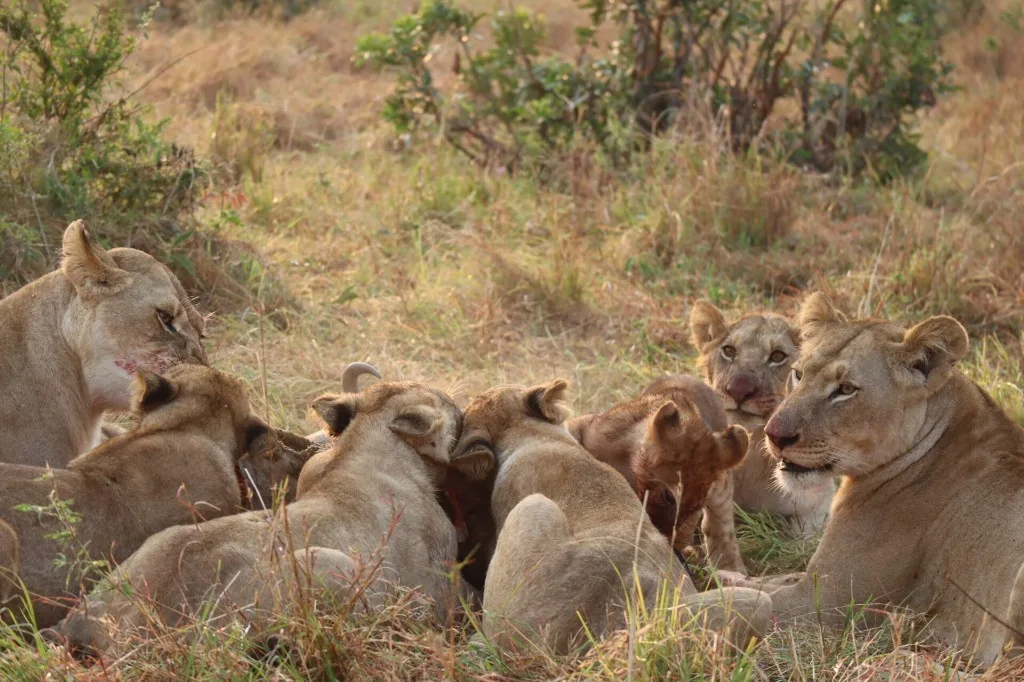
Do Hyenas Follow the Wildebeest Migration?
Some hyenas may travel considerable distances in search of food. However, spotted hyenas often live in territorial clans and do not necessarily undertake the same annual migration as wildebeest. Resident clans may benefit when migratory herds move through their territory.
This distinction is important. The migration changes food availability, but hyenas are not themselves part of the same large-scale herbivore movement.
Hyena Clans and Social Structure
Spotted hyenas have one of the most complex social systems among large carnivores. A clan may contain multiple adult females, males and young animals, and group size varies according to habitat and resources. Female spotted hyenas generally occupy dominant positions in the social hierarchy, and social relationships influence access to food, reproduction and interactions between individuals.
Female Dominance
Spotted hyena societies are notable for female dominance. Adult females are generally socially dominant over adult males, and rank is important within the clan.
Communication
Hyenas communicate through vocalisations, body posture and scent marking. Their famous laughing-like calls are only one part of a complex communication system.
Territorial Behaviour
Clans may defend territories against neighbouring groups, and territorial boundaries and resource availability influence interactions.
Hyenas Versus Lions During the Migration
The relationship between lions and hyenas is one of the most fascinating predator interactions in the African savannah. Both species hunt large herbivores and may also compete over carcasses. Lions can displace hyenas from food, while groups of hyenas may sometimes challenge lions under suitable circumstances; the outcome depends on numbers, age, sex and other factors.
Do Lions Steal Food from Hyenas?
Yes. Lions may take prey killed by hyenas, and hyenas may also scavenge from lion kills. Competition can occur in both directions.
Are Hyenas Afraid of Lions?
Lions are dangerous competitors, and hyenas respond according to the circumstances. A lone hyena may avoid a group of lions, while a large group of hyenas may behave differently, although these interactions are unpredictable.
Hyenas and Cheetahs
Cheetahs are specialised hunters that often rely on speed and stealth. Hyenas may compete with cheetahs over kills, and a cheetah can lose food to a larger or more numerous competitor. However, not every encounter results in conflict; the outcome depends on the animals involved and the circumstances.
Hyenas and Leopards
Leopards are solitary predators that may carry prey into trees to reduce the risk of losing it to other carnivores. Hyenas can be among the competitors that influence leopard feeding behaviour, although interactions vary and a leopard may avoid a hyena or defend its prey under particular circumstances.
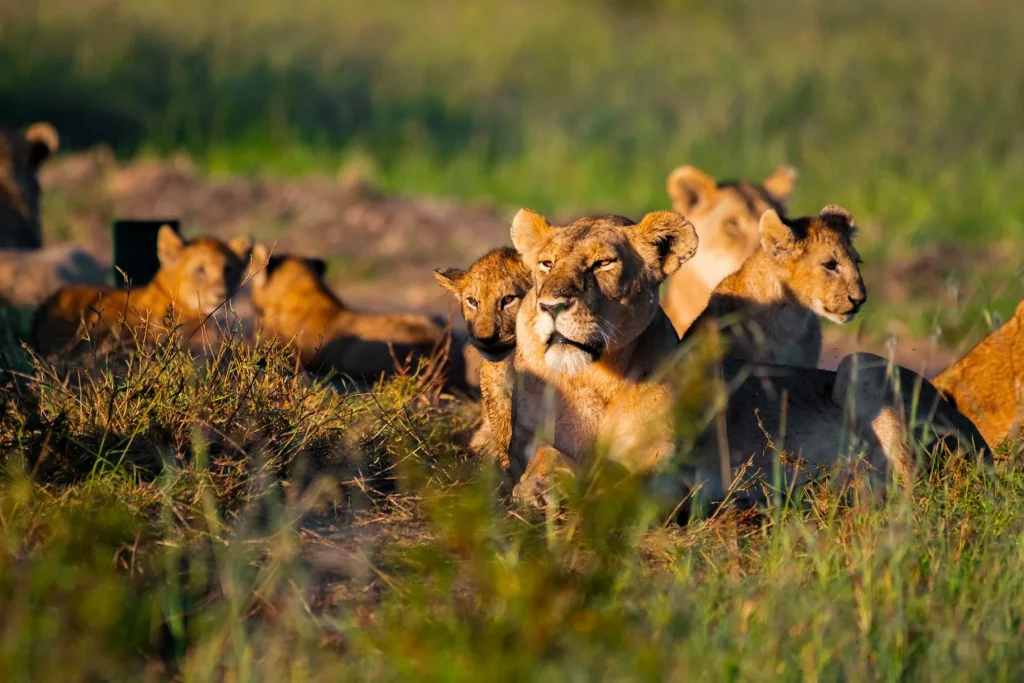
What Happens at a Wildebeest Carcass?
A wildebeest carcass can attract multiple scavengers and predators. Hyenas may feed on meat, skin and bones, and their powerful jaws allow them to consume parts of a carcass that some other carnivores cannot process as effectively. Vultures and other scavengers may also gather, and the sequence of animals arriving depends on the location and circumstances. A carcass can therefore provide an opportunity to observe the ecosystem’s nutrient recycling processes.
Why Do Hyenas Have Such Powerful Jaws?
Spotted hyenas have strong jaw muscles and specialised teeth that allow them to crush bones, providing access to nutrients that might otherwise remain unused. This feeding ability is one reason hyenas play an important ecological role.
However, their powerful jaws should not be interpreted as evidence that they are aggressive towards people under normal safari viewing conditions. Like all large carnivores, they should be observed from a safe distance.
Hyenas During the Wildebeest Calving Season
The southern Serengeti and Ndutu region are particularly associated with the wildebeest calving season, when large numbers of calves may be born during a relatively concentrated period and attract the attention of predators. Hyenas may hunt vulnerable calves or feed on carcasses, although predator behaviour depends on prey distribution and other conditions.
When Is Calving Season?
The calving season is commonly associated with January through March, particularly February, although timing varies with rainfall and grazing conditions.
Can Tourists See Hyenas Hunting Calves?
Possibly. However, hunting events cannot be guaranteed, and travellers should avoid choosing a safari based on promises of witnessing a particular kill.
Hyenas During the Mara River Crossing Season
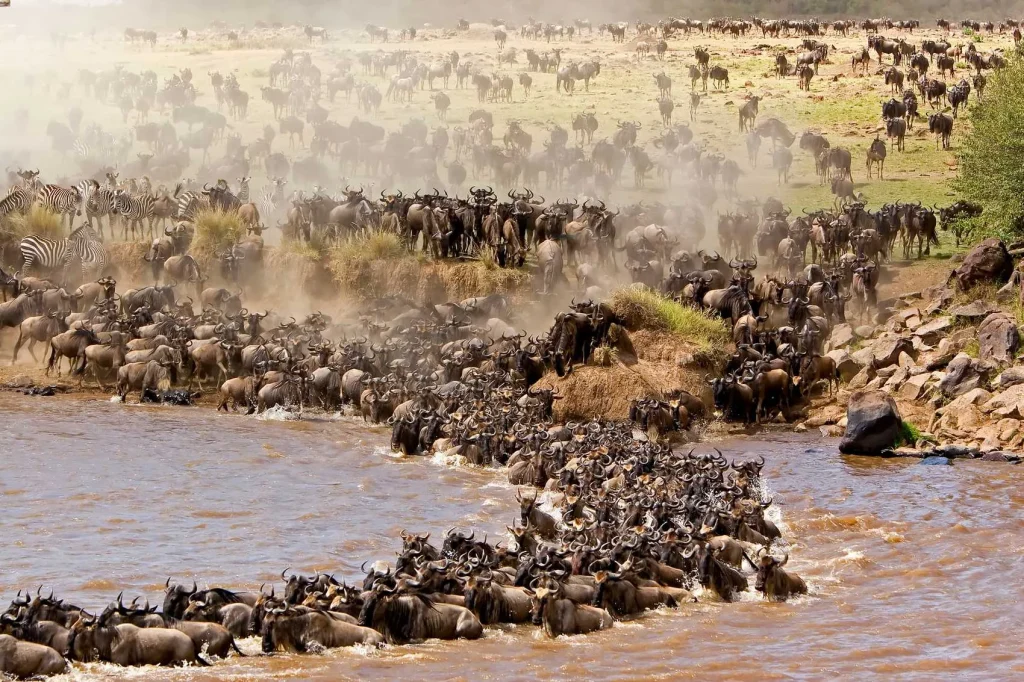
The Mara River is famous for wildebeest crossings. Some animals may die during crossings because of drowning, injury or other causes, and carcasses can provide food for scavengers. However, hyenas are not the only animals involved; crocodiles, vultures and other species may also benefit from available food. The relationship between hyenas and river crossings depends on access and local conditions.
Best Places to See Hyenas During the Migration
Masai Mara National Reserve
The Masai Mara supports spotted hyenas throughout the year. Visitors may encounter them during game drives, and migration season can create additional predator-prey interactions.
Northern Serengeti
The northern Serengeti is important during parts of the migration cycle, and hyenas may be observed in suitable habitats.
Central Serengeti
The central Serengeti supports resident carnivores, including hyenas, and wildlife viewing can be rewarding even when the main migratory herds are elsewhere.
Southern Serengeti and Ndutu
The southern plains are especially interesting during calving season, when predator activity can be an important attraction, although sightings remain unpredictable.
Best Time to See Hyenas in the Masai Mara
Hyenas are resident animals and can be seen throughout the year. The Great Migration may influence feeding opportunities when large herds are present, and July through October is commonly associated with migration activity in the Masai Mara, although timing varies. For travellers interested in hyenas rather than migration alone, the Mara can be rewarding outside the main migration season.
Best Time of Day for Hyena Viewing
Hyenas are often active during cooler periods and at night. Early morning game drives can provide opportunities to observe animals returning from nocturnal activity, and late afternoon may also be productive. However, hyenas can be active during the day, and a guide may identify suitable habitats and respond to current sightings.
How to Photograph Hyenas
Hyenas are excellent subjects for wildlife photography. Their expressive faces, social interactions and movement provide opportunities for compelling images. Useful approaches include:
- Photograph behaviour — look for interactions between clan members; grooming, greeting and communication can reveal social relationships.
- Use suitable light — morning and late afternoon light can be attractive.
- Include the environment — a wider composition can show hyenas moving through the savannah.
- Maintain distance — photographers should never pressure guides to approach animals too closely; responsible observation is essential.
Are Hyenas Dangerous to Safari Visitors?
Hyenas are powerful wild carnivores and should not be approached or fed. Visitors should remain inside safari vehicles where required and, at camps, follow staff instructions particularly after dark. Food should not be left accessible to wildlife. A hyena that appears curious or relaxed should not be treated as tame.
Why Are Hyenas Important to the Ecosystem?
Hyenas help regulate prey populations through hunting and also consume carcasses. Their feeding behaviour contributes to nutrient recycling, and as competitors with other carnivores they influence predator interactions. They are therefore important members of the Serengeti–Mara ecosystem, and their ecological role extends far beyond the stereotype of scavenging.
Hyena Conservation
Hyenas face pressures associated with habitat loss, conflict with people and changes in prey availability. Their survival depends on suitable habitats and functioning ecosystems, and conservation requires protecting wildlife landscapes while addressing the needs of neighbouring communities. Responsible tourism can help visitors appreciate the importance of these often misunderstood animals.
Suggested Four-Day Predator Safari in Masai Mara
Day 1: Nairobi to Masai Mara
Depart Nairobi and travel towards the Masai Mara. Arrive at the selected accommodation and enjoy an afternoon game drive where time permits. Look for hyenas, lions and other wildlife.
Day 2: Full-Day Predator Safari
Begin early with a game drive. Explore suitable habitats and look for predator activity, observing hyena behaviour where opportunities arise. Continue wildlife viewing during the afternoon.
Day 3: Great Migration and Carnivore Behaviour
Explore areas where migratory herds may be present during the appropriate season. Look for wildebeest, zebras and predators; hunting events cannot be guaranteed. Return to camp for dinner and overnight.
Day 4: Return to Nairobi
Enjoy breakfast and a final activity where the schedule permits, then return to Nairobi or continue to another destination.
Frequently Asked Questions About Hyenas During the Great Migration
Do hyenas hunt wildebeest?
Yes. Spotted hyenas are capable hunters and may prey on wildebeest.
Do hyenas only eat dead animals?
No. They hunt and scavenge.
Do hyenas follow the migration?
Hyenas may respond to changing food availability, but many live in territorial clans rather than following the full wildebeest migration.
Where can I see hyenas in Kenya?
The Masai Mara is one of Kenya’s best-known destinations for observing spotted hyenas.
Are hyenas active during the day?
Yes, although they are often particularly active during cooler periods and at night.
Do hyenas fight lions?
They may compete over food and sometimes engage in confrontations.
Can I see hyenas hunting during a safari?
Possibly, but hunting behaviour cannot be guaranteed.
Are hyenas important to conservation?
Yes. They are significant predators and scavengers within African ecosystems.
Plan a Great Migration Predator Safari
Hyenas during the Great Migration provide a fascinating perspective on the Serengeti–Mara ecosystem. Their hunting abilities, complex social relationships and interactions with lions and other carnivores make them among the most interesting animals to observe.
At Safari Trips to Kenya, we can design wildlife itineraries that focus on predator behaviour, migration viewing and the wider biodiversity of the Masai Mara. Whether you are interested in lions, cheetahs, leopards or spotted hyenas, our team can help plan a safari with realistic expectations and enough time to appreciate the natural behaviour of these remarkable animals.