

Great Migration Travel Tips
The Great Wildebeest Migration is one of Africa's most remarkable wildlife phenomena, but planning a successful migration safari requires realistic expectations and careful decisions about timing, location, accommodation and transport.
Every year, vast numbers of wildebeest, accompanied by zebras and other grazing animals, move through the greater Serengeti-Mara ecosystem in response to seasonal rainfall and grazing conditions. The migration is a continuous ecological process rather than a single event that occurs on a predictable date.
For visitors travelling to Kenya, the Masai Mara National Reserve and its surrounding ecosystem provide opportunities to observe migrating herds, predator activity and, during suitable periods, dramatic river crossings. However, there is no reliable way to guarantee that a particular crossing will occur during a specific game drive. Animals may gather near a river for hours, turn away without crossing or move to a different section altogether.
These Great Migration travel tips explain how to improve your safari planning, choose the right travel period, understand wildlife behaviour and make the most of your time in Kenya.
1. Understand How the Great Migration Works
Before booking accommodation or choosing travel dates, it helps to understand what drives the migration. The movement of wildebeest is influenced by rainfall, fresh grazing, water availability and seasonal breeding patterns. The animals travel through a connected landscape covering the Serengeti in Tanzania and the Masai Mara in Kenya.
Their journey is frequently described as a circular annual movement, but individual herds do not follow an identical route. Some groups may move north while others remain farther south. Different concentrations can occupy widely separated areas at the same time. This explains why migration reports may describe major activity in different parts of the ecosystem during the same week.
The migration is also much more than river crossings. Calving, grazing, predator interactions, herd movements and the social behaviour of animals all form part of the phenomenon. Travellers who appreciate these different aspects generally enjoy a more rewarding safari than those who measure success solely by witnessing one dramatic crossing.
2. Choose Your Travel Dates Carefully
One of the most important Great Migration safari tips is to select travel dates based on the experience you most want to see. For Kenya-based safaris, July through October is commonly considered the principal migration period. Nevertheless, migration movements can begin earlier or continue later depending on environmental conditions.
July: The Northern Movement
July is often associated with herds moving into northern Serengeti and parts of the Masai Mara ecosystem. Some years bring substantial concentrations of wildebeest into Kenya relatively early. Other years see major herds remaining in Tanzania for longer. July can therefore be a rewarding period, but travellers should avoid treating the first week of the month as a guaranteed start date for river crossings.
August: Peak Visitor Demand
August is one of the most popular months for Masai Mara migration safaris. Large herds may be present in the region, and the possibility of river crossing activity attracts wildlife photographers and safari enthusiasts. Accommodation demand can be high, particularly at well-located camps. Travellers should arrange accommodation and transport well in advance when visiting during this period.
September: Extended Migration Opportunities
September can provide excellent wildlife viewing, with herds sometimes distributed across the Mara ecosystem. Predator activity, grazing behaviour and river movements may all form part of the safari experience. The precise location of the animals still varies, making an adaptable game-drive programme essential.
October: Changing Conditions
October can be a transitional period as rainfall patterns begin influencing movement towards the southern parts of the ecosystem. Some years retain substantial migration activity in Kenya. In others, the largest concentrations may already be farther south. Travellers visiting in October should plan for a broader wildlife safari rather than relying entirely on the presence of large migrating herds.
3. Do Not Expect a Guaranteed River Crossing
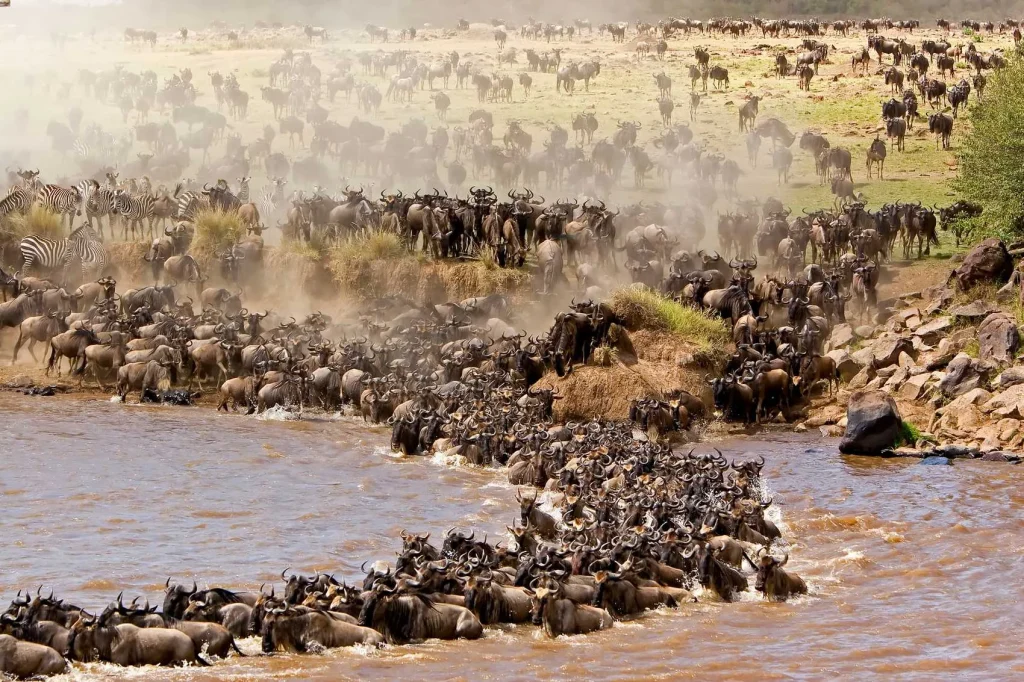
The Mara River crossing is one of the most photographed events associated with the migration. Wildebeest may gather in large numbers along the riverbanks, sometimes remaining there for extended periods before attempting to cross. Several factors influence their behaviour, including herd movement, river conditions and disturbances in the surrounding environment.
A group may approach the water, hesitate and then retreat. Another group may cross unexpectedly after relatively little warning. Crossings can occur at different points along the river, and there is no fixed timetable that guides can reliably predict. This unpredictability is a defining feature of the migration.
A responsible safari operator should never promise a crossing on a particular day. Instead, choose an itinerary that provides sufficient time to explore productive wildlife areas and allows guides to adjust plans according to current conditions.
4. Spend Enough Time in the Masai Mara
Travellers sometimes attempt to fit the entire migration experience into a short visit. Although a two-night safari can provide rewarding game viewing, the available time may be limited by road transfers and arrival schedules. Three nights usually provide a more comfortable introduction. Four or five nights can be particularly worthwhile for wildlife enthusiasts and photographers who want flexibility.
Longer stays increase the number of opportunities to observe migration activity, but they still do not guarantee a crossing. Consider your priorities before deciding how many nights to book. A traveller primarily interested in general wildlife viewing may be satisfied with a shorter itinerary. Someone hoping to photograph herd behaviour in changing light may benefit from several additional days.
5. Choose Accommodation Based on Location
Accommodation location can have a major effect on the quality of a migration safari. A camp inside the Masai Mara National Reserve may provide convenient access to game-viewing areas. A property near the Mara River may be useful for travellers concentrating on crossing activity. A conservancy camp may offer quieter wildlife viewing and additional activities, depending on its regulations.
However, the label Masai Mara accommodation covers properties across a large geographical area. Some camps are situated outside the reserve and require daily gate transfers. Others are located in conservancies that have separate access rules and fees.
Before booking, ask how long it normally takes to reach the areas included in your safari programme. Also confirm whether game drives, park fees and transfers are included. The best camp is not necessarily the most expensive. It is the one that provides the right balance of location, comfort and access for your itinerary.
6. Consider a Private Safari for Greater Flexibility
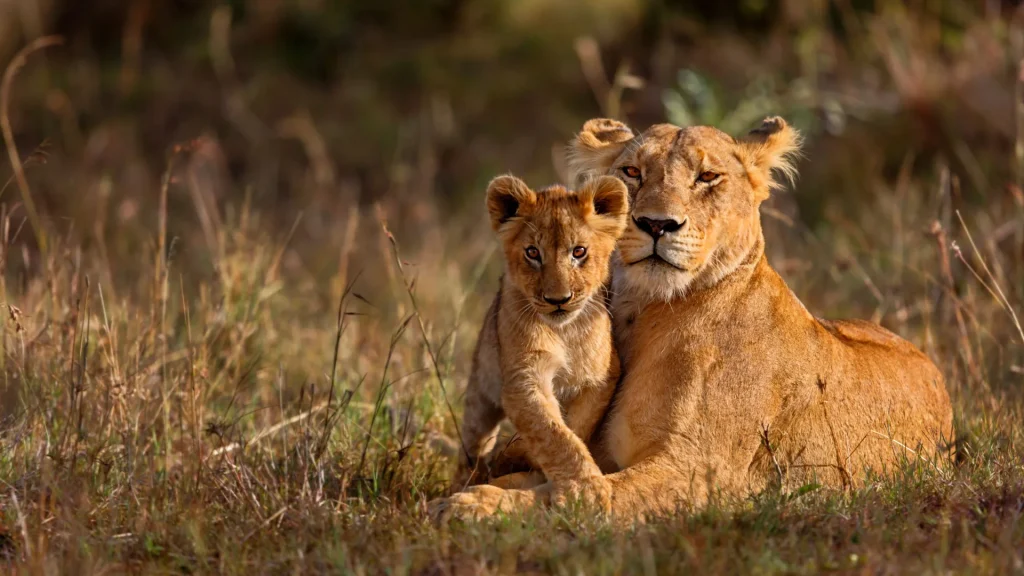
A private Masai Mara safari provides a dedicated vehicle and guide for your travelling party. This arrangement can be particularly valuable during the migration season. If you encounter an interesting wildlife situation, a private safari may allow you to remain longer without needing to follow the preferences of unrelated guests.
Photographers can discuss vehicle positioning and lighting conditions with their guide. Families can adjust the pace of the day around children's needs. Couples may prefer the privacy and freedom to decide when to return to camp.
Private safaris usually cost more per person than shared departures when travelling alone or as a couple, although the difference can narrow for larger groups. A group migration safari remains an attractive option for travellers seeking lower costs and a social experience. The right choice depends on your budget and expectations.
7. Select an Appropriate Safari Vehicle
The type of safari vehicle can influence comfort and photography opportunities. Purpose-built 4×4 safari Land Cruisers are commonly used for private and specialist wildlife safaris. Features may include pop-up roofs, suitable viewing windows, charging points and space for camera equipment. Vehicle specifications vary, so they should be confirmed before booking.
A pop-up roof allows travellers to stand and photograph wildlife from within the vehicle. Open-sided vehicles may be used in certain conservancy settings, subject to local rules and operator arrangements. Ask about seating capacity and whether each traveller has a suitable viewing position. A vehicle carrying fewer guests can be particularly useful for photographers with long lenses. During long migration game drives, comfort and reliable mechanical condition matter as much as photographic access.
8. Prepare for Long Game Drives
Migration safaris sometimes involve extended periods in the vehicle. A guide may spend much of the day exploring the reserve, following reports of herd movements or waiting near an active wildlife area. It is important to approach these drives with patience.
Practical preparations include:
- Carry sufficient drinking water, sun protection and any personal medication you may need
- Confirm packed-lunch arrangements before leaving camp if a full-day drive is planned
- Discuss bathroom stops with your guide, as facilities may be limited in remote areas
- Explain mobility requirements in advance if relevant
A well-planned safari should allow enough time for wildlife observation without placing unnecessary pressure on guests.
9. Follow Responsible Wildlife-Viewing Practices
The migration attracts substantial attention from safari vehicles. Responsible viewing helps protect wildlife and preserves the experience for other visitors. Always follow your guide's instructions and the applicable reserve regulations.
- Do not ask drivers to block the movement of wildebeest or approach animals at unsafe distances
- During river crossing activity, remain in permitted viewing areas without interfering with herd movement
- Avoid noise, sudden movements and crowding that can disturb animals
- Avoid shouting to attract attention or attempting to influence wildlife behaviour for photographs
- Never leave the safari vehicle in an unauthorised area
A successful wildlife encounter is one in which the animals can continue their natural behaviour without interference.
10. Understand the Importance of Experienced Guides
A knowledgeable guide is one of the most valuable parts of a Great Migration safari. Experienced guides understand wildlife behaviour, local geography and the practical realities of navigating the reserve. They can interpret tracks, observe herd direction and communicate with other guides where appropriate. Good guides also know when to wait and when to explore another area.
However, even the most experienced guide cannot predict every movement of wildebeest. Be cautious of promises that a particular guide can guarantee river crossings. Instead, look for professional communication, responsible driving and an ability to explain what you are seeing. A guide who provides context about grazing, predators and seasonal movement can make even a quiet wildlife period fascinating.
11. Pack Suitable Clothing for the Masai Mara
The Masai Mara's elevation means mornings and evenings can be surprisingly cool. During daytime game drives, conditions may become warmer, especially in direct sunlight. Layered clothing is generally more practical than packing only lightweight summer garments.
A useful Masai Mara safari packing list includes:
- Lightweight long-sleeved shirts and comfortable trousers
- A warm fleece or jacket for early morning drives
- A light waterproof layer
- Comfortable closed shoes
- A wide-brimmed hat
- Sunglasses and sunscreen
- Binoculars
- A reusable water bottle
- Personal medication
- Camera equipment and spare batteries
- Suitable electrical charging adapters
Neutral clothing colours are practical for bush activities, although specific clothing rules depend on the activities booked. Avoid overpacking, particularly if your itinerary includes domestic light-aircraft flights with luggage restrictions.
12. Bring Binoculars Even if You Have a Camera
Binoculars are extremely useful during migration safaris. They allow visitors to observe distant herd movements, identify birds and watch predator behaviour without relying on a camera's viewfinder. A good pair of binoculars can also make quieter moments more engaging.
Travellers often focus on photography equipment but underestimate the value of simply observing wildlife. If travelling as a couple, having separate binoculars can be convenient because interesting sightings may occur simultaneously in different directions. Ask whether your safari operator provides binoculars, but consider bringing your own if wildlife observation is a major priority.
13. Prepare Your Photography Equipment
The Great Migration provides opportunities for action photography, landscapes, portraits and behavioural images. A telephoto lens is useful for photographing wildlife at a respectful distance. A shorter lens can capture wide scenes showing the scale of migrating herds.
Photographers should carry spare batteries, sufficient memory cards and equipment for protecting cameras from dust. A beanbag may be useful for stabilising longer lenses on the vehicle. Check charging arrangements at your accommodation, especially when staying in smaller tented camps. Avoid changing lenses unnecessarily in dusty conditions. If photography is a major reason for travelling, explain your equipment requirements before choosing a vehicle.
14. Be Patient at River Crossing Locations
Waiting near the Mara River can be one of the most demanding parts of a migration safari. Large groups of wildebeest may approach the water and then hesitate. The animals may move along the bank, disperse or retreat into the grasslands.
It is tempting to assume that a crossing is about to begin whenever a herd gathers. However, no single behaviour guarantees that the animals will enter the water. A patient approach is essential.
Discuss with your guide how much time you want to spend waiting compared with exploring other wildlife areas. Some travellers are happy to devote several hours to a potential crossing. Others prefer a more varied safari that includes lions, elephants, giraffes and the wider landscape. Neither approach is wrong, provided expectations are realistic.
15. Remember That the Migration Includes Predators
The migration supports an extraordinary ecological system. Lions, spotted hyenas, cheetahs and other predators may take advantage of opportunities created by large herbivore concentrations. Crocodiles are associated with river crossing environments. However, predator sightings and hunting behaviour cannot be guaranteed.
Many memorable encounters involve observation rather than dramatic action. Watching a lion pride resting, a cheetah scanning open grassland or hyenas interacting around a territory can provide valuable insight into the ecosystem. Travellers should avoid expecting every game drive to include a hunt. The wider Masai Mara wildlife safari experience is rewarding because of its diversity.
16. Consider Flying to the Masai Mara
Travellers with limited time may prefer a fly-in Masai Mara safari. Scheduled domestic flights serve airstrips in the Mara ecosystem, reducing the need for a long road transfer from Nairobi. However, flight schedules and available routes vary. The chosen airstrip should be coordinated with the location of your accommodation.
A flight may still be followed by a substantial ground transfer, depending on the camp. Luggage limits can be restrictive, particularly on smaller aircraft. Confirm baggage allowances, transfer arrangements and flight times before finalising your international travel plans. For travellers combining several Kenyan destinations, a road safari may offer greater flexibility.
17. Book Early for Peak Migration Season
July, August and September are popular months for migration travel. Well-positioned camps, family accommodation and premium safari properties may receive strong advance demand. Booking early provides more choice and allows the safari itinerary to be planned around your preferred dates.
For peak-season travel, beginning enquiries six to twelve months ahead is often sensible. Some exclusive properties and fixed holiday periods may require even earlier planning. Late bookings are possible when space remains, but travellers should be prepared for limited accommodation choices. Before paying a deposit, review the cancellation policy, payment schedule and services included.
18. Understand What Your Safari Price Includes
Migration safari quotations can differ considerably. Some packages include accommodation, meals, park entry, vehicle transport and guiding. Others exclude certain fees, transfers or optional activities. Always request a clear breakdown.
Important items to verify include:
- Masai Mara park fees and conservancy fees
- Domestic flights and transfers
- Private vehicle supplements
- Meals, drinks and accommodation taxes
- Single-room supplements if travelling alone
- Child pricing and room-sharing arrangements for families
The lowest advertised price may not represent the lowest total cost. A transparent quotation makes it easier to compare different safari options.
19. Consider Combining the Migration with Other Destinations
The Masai Mara can be part of a longer Kenya safari. Complementary destinations include:
- Lake Nakuru National Park for rhinos and other wildlife in a distinctive Rift Valley environment
- Lake Naivasha for lakeside scenery and boat excursions, depending on the chosen programme
- Amboseli National Park for elephant viewing and landscapes associated with Mount Kilimanjaro
- Diani Beach or another coastal destination for relaxation after the safari
Combining destinations creates a more varied holiday and reduces dependence on migration activity alone. However, routes should be planned carefully to avoid spending too much of the trip in transit.
20. Protect Your Health and Travel Documents
Before travelling, check Kenya's current entry requirements through official government channels. Passport validity, electronic travel authorisation requirements and applicable exemptions can change. Health advice should be obtained from an appropriate travel medicine professional, particularly regarding malaria prevention and recommended vaccinations.
Carry any essential prescription medication in your hand luggage, along with supporting documentation where necessary. Travel insurance should be appropriate for safari activities, medical emergencies and itinerary disruptions. If travelling between Kenya and Tanzania, confirm the immigration requirements for your nationality and intended border crossings. Do not rely on outdated travel advice from informal sources.
21. Travel with Realistic Wildlife Expectations
One of the most valuable Great Migration travel tips is to remain flexible. The migration is a natural event influenced by changing environmental conditions. There may be days when the landscape is filled with wildebeest and other days when the herds are more dispersed. A crossing can happen unexpectedly, but it may also fail to occur during your visit.
This uncertainty does not mean the safari has been unsuccessful. The Masai Mara offers exceptional resident wildlife, varied landscapes and opportunities to understand the relationships between predators, herbivores and their environment. Travellers who appreciate the complete ecosystem often leave with a deeper understanding of the migration.
Frequently Asked Questions About Great Migration Travel
What is the best month to see the Great Migration in Kenya?
July to October is commonly associated with migration activity in the Masai Mara. August and September are popular choices, but actual herd movements vary each year.
How many days should I spend in the Masai Mara?
Three to four nights provide a useful balance for many travellers. Photographers and visitors strongly focused on migration behaviour may prefer longer stays.
Are river crossings guaranteed?
No. River crossings depend on wildlife behaviour and environmental conditions. They cannot be guaranteed by a safari operator or guide.
Is the Great Migration suitable for families?
Yes, provided the itinerary and accommodation are appropriate for the children's ages. Families should consider shorter game drives, room arrangements and camp safety policies.
Do I need a private safari?
A private safari is not essential, but it offers greater flexibility for photography, wildlife observation and daily schedules.
Can I visit the Masai Mara outside migration season?
Yes. The reserve supports resident wildlife throughout the year, although viewing conditions and seasonal patterns vary.
Should I choose a lodge or tented camp?
Both can provide excellent safari experiences. Location, guiding arrangements and overall comfort are more important than accommodation style alone.
Can I see the Great Migration from Nairobi on a day trip?
A day trip from Nairobi is generally not a practical way to experience the migration properly because of the distance and limited wildlife-viewing time. An overnight itinerary is strongly preferable.
Plan Your Great Migration Safari with Safari Trips to Kenya
A rewarding Great Wildebeest Migration safari begins with careful planning rather than promises of guaranteed sightings. The most important decisions involve travel dates, accommodation location, safari duration, guiding quality and the flexibility of your itinerary.
Safari Trips to Kenya can assist with private migration safaris, suitable group departures, accommodation selection and combined Kenya safari programmes. Travellers can choose between Essential, Comfort, Premium and Signature accommodation options according to their preferred level of comfort and budget. Share your intended travel dates, number of guests and main wildlife interests to begin planning a migration safari that balances excellent viewing opportunities with realistic expectations.