

Great Migration Safety Guide
Watching thousands of wildebeest move across the plains of East Africa is one of the world’s most remarkable wildlife experiences. The Great Wildebeest Migration takes place across the Serengeti–Mara ecosystem, involving large herds of wildebeest, zebras and other grazing animals as they follow seasonal rainfall and fresh pasture.
For many visitors, the most anticipated moments include seeing migrating herds on the grasslands, observing predators and witnessing the dramatic river crossings associated with the Mara River. These encounters can be unforgettable, but they take place in wild environments where animals behave naturally and conditions can change quickly.
A successful Great Migration Safari therefore requires more than selecting the right travel dates. It also involves understanding wildlife safety, choosing responsible guides, following park regulations and preparing for the practical challenges of travelling through remote conservation areas.
This Great Migration Safety Guide explains how to approach migration viewing responsibly, what precautions to take around elephants and predators, how to stay safe near river-crossing locations and what to consider when staying in safari lodges or tented camps.
The aim is not to make a safari feel intimidating. Most organised safaris are designed around established safety procedures. Understanding those procedures helps travellers enjoy wildlife encounters with greater confidence and respect.
Is the Great Migration Safari Safe?
A professionally organised Great Migration safari can be a safe and rewarding travel experience when visitors follow the guidance of qualified safari professionals and comply with park regulations. The Masai Mara and Serengeti are established tourism destinations with experienced guides, accommodation providers and wildlife-management authorities. However, they are natural environments rather than controlled attractions.
Wild animals may move unpredictably, weather can affect road conditions and some safari areas are far from major medical facilities. The most important safety principle is simple: wildlife must always be treated as wild. Even animals that appear calm can react defensively when startled, approached too closely or prevented from moving freely. Travellers should follow their guide’s instructions, remain inside vehicles where required and avoid actions that could disturb animals.
Understanding the Main Risks on a Migration Safari
Safety considerations generally fall into several categories.
Wildlife Encounters
Elephants, buffaloes, lions, leopards, hippos and other animals can be dangerous when approached improperly. The risk is reduced by maintaining appropriate distances and following professional guidance.
River-Crossing Areas
River crossings involve unpredictable herd movements, steep riverbanks, crocodiles and changing water conditions. Visitors should remain in permitted viewing locations.
Safari Vehicle Travel
Game drives may involve rough tracks, dust, uneven surfaces and occasional muddy sections. Vehicle safety and responsible driving are essential.
Remote Accommodation
Some safari camps are unfenced, allowing wildlife to move through surrounding areas. Guests must follow camp procedures, particularly after dark.
Weather and Health
Heat, strong sunlight, rainfall, insects and remote medical access require practical preparation. None of these considerations should prevent a properly planned safari, but they should influence the itinerary and traveller behaviour.
Mara River Crossing Safety
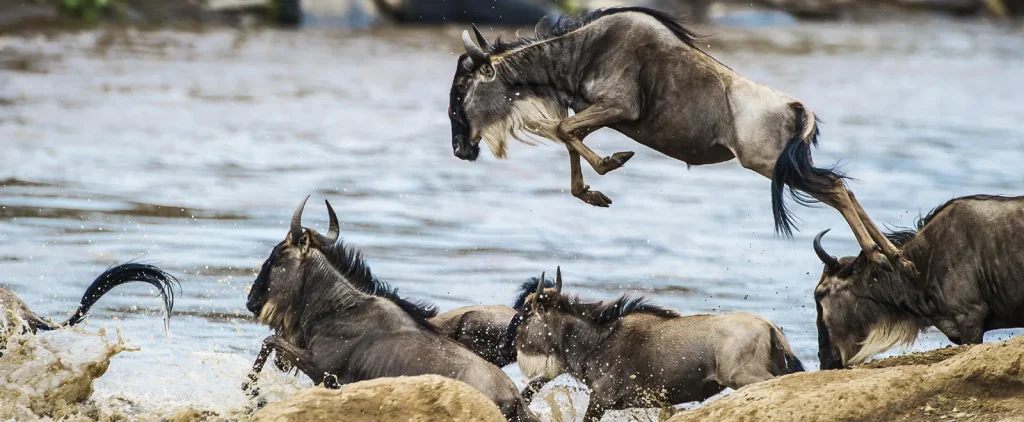
The Mara River crossings are among the most famous events of the Great Migration. During the northern migration period, large herds may approach riverbanks and eventually attempt to cross. These events are unpredictable and can attract numerous safari vehicles. Responsible viewing is especially important because poor vehicle positioning can disturb the animals or create unsafe situations.
Never Approach the Riverbank on Foot Without Authorisation
Visitors should not leave their safari vehicles at river-crossing locations unless they are in a designated area and their guide confirms that doing so is permitted. Riverbanks may be steep, unstable or slippery. Crocodiles and hippos can inhabit river environments, and wild animals may also move suddenly towards or away from the water.
Keep a Safe Distance from Migrating Herds
Large herds can change direction quickly. Vehicles should not block established wildlife routes or force animals towards the river. A crossing should occur naturally rather than because tourists or vehicles pressure animals to move.
Do Not Expect a Crossing on Demand
Wildebeest may gather near the river for hours before retreating. Some herds cross suddenly, while others remain in the area without entering the water. A responsible guide will explain the uncertainty rather than promising a particular event.
Avoid Dangerous Viewing Positions
Visitors should not stand on vehicle roofs, lean dangerously outside the vehicle or move into unstable positions to obtain photographs. Use appropriate camera equipment rather than trying to reduce the distance to wildlife.
Wildlife Safety During Game Drives
Game drives are the main activity on most migration safaris. A professional guide will choose routes based on wildlife activity, road conditions and park regulations. Visitors have an important role in maintaining safety.
Remain Inside the Vehicle
Do not leave the vehicle during a game drive unless your guide confirms that stopping and exiting are permitted. Animals can be difficult to detect in grassland or vegetation. A location that appears empty may contain wildlife nearby.
Avoid Sudden Movements
When observing predators or elephants, remain calm. Avoid shouting, making sudden movements or attempting to attract an animal’s attention.
Never Feed Wildlife
Feeding wild animals changes their behaviour and can create dangerous associations between people and food. It may also harm their health.
Follow Park Regulations
Different parks and conservancies have specific rules concerning roads, vehicle positioning, viewing hours and activities. Your guide should comply with these requirements. Visitors should not pressure guides to break regulations for better photographs.
Elephant Safety
Elephants are among the most impressive animals encountered in the Masai Mara and Serengeti. They are also powerful, intelligent animals that require considerable space. Elephants may react defensively when they feel threatened, particularly when calves are present.
A professional guide will assess body language and maintain an appropriate distance. Visitors should avoid loud noises and sudden movements, and never ask a driver to position the vehicle between a mother and her calf. If elephants approach, follow the guide’s instructions and remain calm. Do not attempt to interpret every elephant movement yourself — experienced guides are better positioned to assess the situation.
Lion and Predator Safety
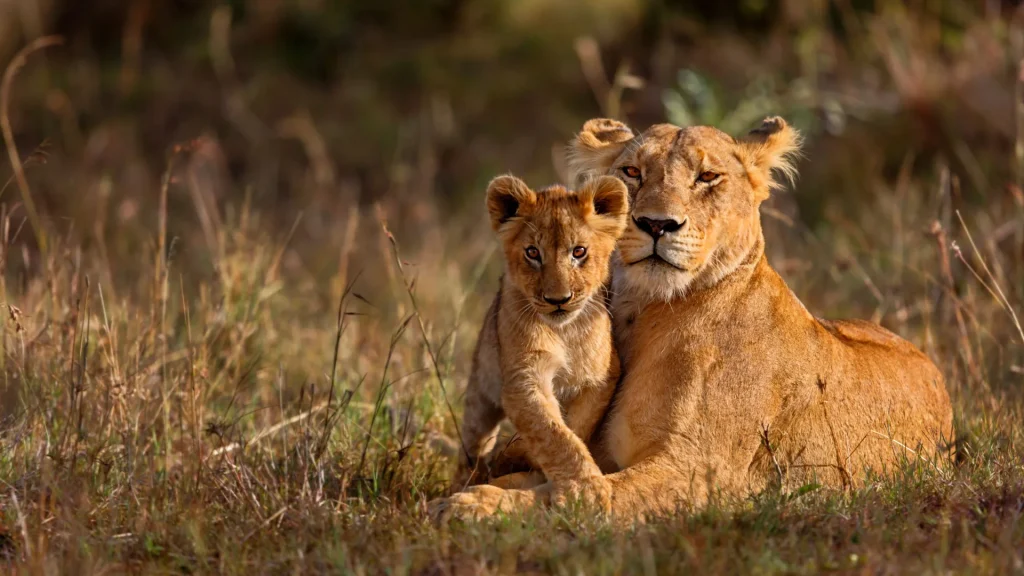
Lions, leopards, cheetahs and hyenas are among the predators that attract visitors to the migration ecosystem. Predator encounters can be memorable, but responsible observation is essential.
Lions
Lions may rest close to safari tracks or move through areas used by vehicles. Visitors should remain inside the vehicle and avoid attracting attention.
Leopards
Leopards are often elusive and may be found resting in trees or moving through vegetation. Do not approach a leopard on foot or attempt to follow it outside permitted routes.
Cheetahs
Cheetahs may hunt in open grassland habitats. Vehicles should not interfere with their movements or surround them during a hunt.
Hyenas
Hyenas are important predators and scavengers and should be observed from a respectful distance. Do not leave food accessible at camps or picnic locations.
Buffalo and Hippo Safety
African buffaloes can be unpredictable and should never be approached on foot without an authorised guide. Hippos are particularly important to consider near rivers and waterholes. Although they may appear inactive in water during the day, hippos can be dangerous when disturbed or when their movement routes are obstructed.
Visitors should avoid walking near water at night without appropriate guidance. At accommodation properties near rivers, follow staff instructions about where guests may walk.
Choosing a Safe Safari Vehicle
A suitable safari vehicle contributes significantly to comfort and safety. Many Kenya migration safaris use customised 4×4 Land Cruisers or other appropriate safari vehicles. Important considerations include vehicle condition, seating arrangements, communication equipment and the driver’s experience.
A reliable operator should maintain vehicles and prepare them for the intended route. Seat belts should be used as directed. Passengers should avoid standing through a roof opening while the vehicle is moving. Camera equipment and loose luggage should be secured to prevent injury during sudden braking or travel over uneven terrain.
Road Safety Between Safari Destinations
Some migration itineraries involve substantial road transfers from Nairobi to the Masai Mara or between different safari regions. Travel times vary with traffic, weather, road conditions and the selected accommodation.
Travellers should allow realistic transfer times and avoid itineraries that require unnecessary night driving or extremely long days. A private safari may offer more flexibility for rest stops. If travelling with children or older guests, discuss comfort requirements before booking. Where suitable, a fly-in safari can reduce some long overland transfers.
Fly-In Safari Safety
Light-aircraft services are commonly used to reach safari airstrips. Travellers should use reputable operators and follow baggage and boarding instructions. Smaller aircraft often have strict luggage allowances, and soft-sided luggage may be required.
Flight schedules can be affected by weather and operational conditions. Allow sufficient time for international flight connections, and do not assume that a safari airstrip provides the same facilities as a major international airport.
Safari Camp Safety
Many migration camps are located in or near wildlife habitats. Some are unfenced, and animals may move through the surrounding landscape. This is part of the safari environment, but it requires appropriate precautions.
Follow Staff Instructions
Camp staff will explain where guests may walk and whether escorts are required. Follow these instructions even when the camp appears quiet.
Avoid Walking Alone After Dark
Wildlife activity can increase after sunset. Some camps require staff escorts between guest tents and dining areas.
Keep Food Secure
Do not leave food outside tents or in locations accessible to animals. Follow camp guidance on food storage and waste disposal.
Do Not Approach Animals Near the Camp
Wildlife may occasionally be visible from guest accommodation. Observe from designated safe areas. Do not leave the tent to obtain a closer photograph.
Supervise Children
Children should not walk around unfenced safari properties without appropriate adult supervision. Confirm age policies before booking.
Tented Camp Safety
A safari tent is not the same as an ordinary camping tent. Many established tented camps provide proper beds, private bathrooms and organised hospitality services. However, canvas accommodation does not create a physical barrier equivalent to a secure building.
Guests should follow the property’s instructions concerning doors, windows, food and movement outside the tent. Do not attempt to touch animals through tent openings. If an animal is nearby, remain calm and contact camp staff using the established procedure.
Health Precautions Before Travelling
Travellers should seek advice from a qualified travel-health professional before departure. Health recommendations depend on nationality, travel history, medical circumstances and the areas visited.
Malaria Prevention
Malaria risk exists in parts of Kenya and Tanzania. A healthcare professional can advise on appropriate preventive measures. Insect repellent, suitable clothing and mosquito protection may also be recommended.
Vaccinations
Routine vaccinations should be reviewed before international travel. Yellow fever documentation may be relevant depending on travel history and entry requirements. Always check official country-specific guidance.
Travel Insurance
Comprehensive travel insurance is strongly recommended. The policy should cover medical treatment, emergency evacuation and relevant safari activities.
Personal Medication
Bring sufficient prescribed medication and keep essential items accessible during transfers. Travellers with medical conditions should discuss relevant arrangements before booking.
Heat, Sun and Hydration
Safari days may involve long periods outdoors or inside vehicles. Strong sunlight and warm temperatures can increase the risk of dehydration and sunburn. Practical precautions include:
- Carry drinking water
- Wear a sunhat and use appropriate sunscreen
- Choose lightweight clothing for warm afternoons
- Bring a warm layer for early morning game drives
Children and older travellers may need additional attention to hydration and temperature changes.
Rain and Road Conditions
Rainfall patterns vary across the migration ecosystem, and some tracks may become muddy or difficult to navigate. Drivers should assess conditions and avoid unsafe routes. Travellers should allow flexibility in their schedules. A rain jacket and suitable footwear can be useful.
Do not pressure a guide to cross flooded sections or continue along a dangerous track. The safety of passengers and wildlife should take priority over reaching a particular sighting.
Photography Safety
Photography is an important part of many migration safaris. However, attempting to capture dramatic images can lead visitors to take unnecessary risks. Key guidelines include:
- Use a suitable telephoto lens instead of approaching wildlife
- Secure cameras and lenses while travelling
- Avoid leaning dangerously outside the vehicle
- Do not use drones without the necessary permissions
- Follow restrictions on flash photography and other equipment use
- Always follow the guide’s instructions
Family Safety on a Migration Safari
Families can enjoy the Great Migration, but the itinerary should be adapted to children’s ages. Long game drives may be tiring for younger children, and private vehicles allow more flexible breaks. Parents should explain wildlife safety rules before entering the park, and children must remain supervised at all times.
Accommodation should be selected according to family room availability and age restrictions. Families should also consider the emotional impact of witnessing predator hunts or difficult river crossings. Parents can discuss these natural events with children in an age-appropriate way.
Safety for Older Travellers
Older travellers can enjoy migration safaris when itineraries are planned appropriately. Long road journeys and rough tracks may be uncomfortable for some guests. Discuss mobility requirements and medical considerations before booking.
A fly-in safari may reduce some transfer time. Accommodation with convenient access to dining and communal facilities may also be helpful. Guides should be informed of relevant accessibility requirements.
Responsible Migration Viewing
Responsible wildlife tourism is central to a safe safari. Visitors should:
- Ensure vehicles do not surround animals or obstruct movement routes
- Avoid creating pressure on migrating herds
- Remain quiet during sensitive sightings
- Dispose of litter appropriately
- Never feed wildlife
- Respect park regulations to protect both animals and visitors
What to Do in an Emergency
If an emergency occurs, follow the instructions of your guide or camp staff. Professional operators should have procedures for communication and obtaining assistance. Travellers should know how to contact their operator and keep essential travel documents and insurance details accessible.
Do not attempt to manage a wildlife emergency independently. In remote areas, response times may vary, which makes preparation and suitable insurance especially important.
Choosing a Responsible Safari Operator
A reputable safari operator should provide clear information about transport, accommodation, guiding and itinerary logistics. Before booking, ask about:
- The experience of the driver-guide
- The type of vehicle
- Whether park fees and relevant services are included
- Any medical, mobility or family requirements
Avoid operators that guarantee specific wildlife events or encourage unsafe viewing practices. A responsible guide will prioritise safety even when doing so means leaving a potentially dramatic sighting.
Frequently Asked Questions
Is it safe to watch the Great Migration?
Yes, when travelling with responsible guides and following park regulations. Wildlife encounters remain unpredictable, so safety instructions are essential.
Can tourists stand near the Mara River?
Visitors should remain in permitted viewing locations and follow their guide’s instructions. Approaching riverbanks on foot can be dangerous.
Are lions dangerous during game drives?
Lions are wild predators. Visitors should remain inside vehicles where required and maintain appropriate distances.
Are safari tents safe?
Established camps use safety procedures, but wildlife may move nearby. Guests must follow camp instructions.
Can children visit the migration?
Yes, subject to suitable accommodation, activities and supervision.
Is it safe to photograph river crossings?
Photography is possible from permitted viewing positions. Visitors should not compromise safety or disturb wildlife for a photograph.
What happens if it rains?
Rain can affect road conditions and game-drive routes. Guides may adjust activities for safety.
Do I need travel insurance?
Comprehensive travel insurance is strongly recommended, particularly for medical treatment and emergency evacuation.
Plan a Safe Great Migration Safari with Safari Trips to Kenya
A memorable migration safari combines extraordinary wildlife encounters with responsible guiding and sensible preparation. At Safari Trips to Kenya, we help travellers plan migration itineraries that balance wildlife opportunities, accommodation preferences and practical travel arrangements.
Our Great Migration Safari Packages can include the Masai Mara, suitable conservancy areas and additional Kenya wildlife destinations. We can organise private and group safaris with professional driver-guides and accommodation selected according to your needs.
Contact us with your travel dates, number of travellers and preferred safari style to begin planning a responsible Great Migration experience.