

Great Migration Misconceptions
The Great Wildebeest Migration is among Africa's most widely recognised wildlife events. Images of enormous wildebeest herds crossing rivers, crocodiles waiting in the water and predators pursuing animals across open grasslands have helped make the migration a major attraction for safari travellers.
Yet these dramatic images have also created several misconceptions about how the migration works. Some travellers believe the wildebeest cross the Mara River on a fixed date every year. Others assume that the migration occurs only in Kenya, that every safari during August includes a river crossing, or that choosing the most expensive lodge guarantees better wildlife sightings. These expectations can lead to disappointment, particularly when travellers plan short visits around an event that cannot be scheduled.
Understanding the reality behind common Great Migration misconceptions helps visitors choose suitable travel dates, plan realistic itineraries and appreciate the wider ecological importance of the migration. This guide examines the most frequent myths about the Great Wildebeest Migration, explains what actually happens in the Serengeti-Mara ecosystem and offers practical advice for planning a rewarding safari.
Misconception 1: The Great Migration Happens Only Once a Year
One of the most common misunderstandings is that the migration is a single event lasting a few weeks. In reality, the Great Wildebeest Migration is a continuous movement of animals through the wider Serengeti-Mara ecosystem. Wildebeest travel in response to changing rainfall, grass growth and access to water, and different parts of the migration cycle occur throughout the year.
During certain periods, large herds concentrate in the southern Serengeti and surrounding plains. At other times, they move through central and western regions before reaching northern Serengeti and the Masai Mara ecosystem. The animals eventually move towards areas where seasonal conditions support renewed grazing. This means there is no single annual migration date. For safari planning, the more useful question is which part of the migration you want to observe and where the animals are likely to be during your intended travel period.
Misconception 2: All Wildebeest Follow the Same Route
Migration maps often show a neat circular route connecting Tanzania and Kenya. These illustrations are useful for understanding broad seasonal patterns, but they simplify a much more complicated natural process. Individual herds do not move together in one continuous column. Different groups may occupy separate grazing areas, travel at different speeds or respond differently to local rainfall. Some animals may remain in one region while others move considerable distances.
The migration is therefore better understood as a shifting distribution of large herbivore populations across an extensive landscape. This distinction matters because travellers sometimes expect all migrating wildebeest to be concentrated in one location. In reality, substantial herds may be present in several parts of the ecosystem simultaneously. A knowledgeable guide considers local conditions and recent wildlife activity rather than relying entirely on a simplified migration map.
Misconception 3: The Migration Takes Place Only in Kenya
The Masai Mara National Reserve is internationally associated with dramatic river crossings. However, the greater part of the migration ecosystem lies within Tanzania's Serengeti landscape. The migration involves both countries, with animals moving through connected habitats. Kenya's Masai Mara becomes particularly important during periods when migrating herds occupy the northern ecosystem, while Tanzania offers opportunities to observe other stages, including calving and movements through central and northern Serengeti.
Neither country contains the entire migration experience. For travellers planning a Kenya safari, the Masai Mara remains an excellent destination, but it is important to recognise that the herds may be elsewhere during some months. Visitors with flexible travel plans can consider a Kenya and Tanzania migration safari, although international travel logistics, costs and park regulations require careful planning.
Misconception 4: The Mara River Crossings Happen on Fixed Dates
Some safari advertisements present the migration as though river crossings begin and end according to a precise calendar. This is misleading. Mara River crossings are influenced by animal movements, grazing conditions, river levels and other environmental factors. Crossings may occur at different locations and at irregular intervals.
A large herd can approach the river, remain near the bank for hours and then turn away. Another group may cross unexpectedly. Even during a period of substantial migration activity, there may be days without a major crossing at a particular viewing location. Travellers should therefore be cautious about itineraries promising a crossing on a specific date. The best approach is to select an appropriate seasonal window and allow several days for game viewing.
Misconception 5: August Guarantees a River Crossing
August is a popular month for Great Migration safaris in Kenya, and for good reason. Large concentrations of migrating animals may be present in the Masai Mara ecosystem during this period. However, being in the reserve during August does not guarantee that a crossing will take place while you are watching.
Herds may be grazing away from the river, approach a crossing point and retreat, or cross at another location beyond the area your vehicle can reasonably reach. A traveller spending only one day in the reserve has fewer opportunities to respond to changing conditions than someone staying for several nights. August can be a strong seasonal choice, but it should never be described as a guaranteed crossing month.
Misconception 6: The Great Migration Is Only About River Crossings
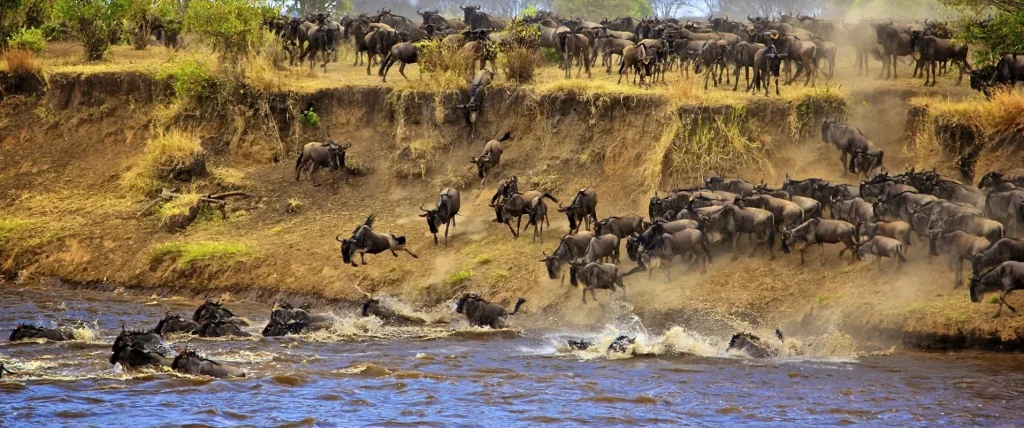
River crossings are dramatic and visually memorable, but they represent only one part of the migration. The wider event includes seasonal grazing, breeding, calving, herd movement and predator-prey interactions. Watching thousands of wildebeest spread across open grassland can be just as revealing as observing animals entering a river.
The presence of large herbivore populations influences the ecosystem through grazing, nutrient movement and interactions with predators and scavengers. Zebras and other herbivores also form part of the wider migration landscape. Travellers who focus exclusively on river crossings may overlook many fascinating wildlife encounters. A comprehensive Great Migration safari should allow time to explore the plains, riverine habitats and resident wildlife areas.
Misconception 7: Every River Crossing Is a Mass Casualty Event
Wildlife documentaries frequently highlight the most dramatic moments of river crossings. Scenes involving crocodiles, steep riverbanks and struggling animals are powerful, but they do not represent every crossing. Some crossings involve relatively manageable conditions, while others are difficult because of river depth, strong currents, crowded entry points or challenging banks. The level of danger varies according to the location and circumstances.
Not every crossing results in substantial losses, and not every crocodile seen in the river attacks an animal. It is important to appreciate these events as natural wildlife behaviour rather than expecting a dramatic confrontation at every crossing. Responsible safari guiding should prioritise observation and animal welfare, not sensationalism.
Misconception 8: Crocodiles Are the Main Threat to Migrating Wildebeest
Crocodiles are closely associated with Mara River crossings and may prey on animals entering the water. However, the migration involves numerous risks and ecological pressures. Wildebeest face challenges associated with exhaustion, difficult terrain, changing water conditions, disease and predation. Lions, spotted hyenas and other predators may take advantage of opportunities created by herd movements, and young animals can be particularly vulnerable during certain stages of the migration.
The survival of migrating animals depends on a complex combination of factors rather than one predator species. Understanding this broader context provides a more accurate picture of the migration's ecological significance.
Misconception 9: Every Wildebeest Crosses the Mara River
The migration is often portrayed as a single enormous herd crossing the Mara River together. In reality, animals move through multiple routes and habitats. Different groups may cross rivers at different locations, and some animals may not follow the same crossing patterns as others. The Mara River is an important feature of the northern migration landscape, but it is not a single checkpoint through which every animal passes in an identical manner.
Some herds may cross more than once as they move between grazing areas. Others may remain in different sections of the ecosystem. This is another reason why predicting a specific crossing is difficult.
Misconception 10: The Migration Can Be Predicted Precisely Months Ahead
Seasonal migration patterns are reasonably well understood. This allows safari operators to recommend broad travel windows based on historical experience. However, the exact position of herds several months in advance cannot be predicted with certainty. Rainfall may arrive earlier or later than usual, grass conditions may change, and local movements can also shift rapidly.
Travellers should distinguish between a migration season forecast and a guaranteed wildlife location. A responsible safari operator can explain the usual seasonal pattern while acknowledging that actual conditions may differ. This is particularly important when booking accommodation many months before travel.
Misconception 11: The Most Expensive Lodge Guarantees the Best Migration Sightings
Luxury accommodation can provide excellent service, comfortable rooms and high-quality guiding arrangements. However, the price of a lodge does not control wildlife movements. A premium camp may be located in a beautiful area but still require a substantial drive to reach the section of the reserve where migrating herds are active. A simpler camp with practical access to productive wildlife areas may provide equally rewarding viewing opportunities.
When comparing Masai Mara migration accommodation, consider location, guiding arrangements, vehicle quality and safari duration. Comfort is important, particularly during a long holiday, but it should be evaluated alongside wildlife logistics. Travellers should avoid assuming that luxury automatically translates into more dramatic sightings.
Misconception 12: All Masai Mara Camps Are Close to the River
The Masai Mara ecosystem covers a large area, including the national reserve, the Mara Triangle and surrounding conservancies. Accommodation is distributed across different landscapes. Some properties are close to sections of the Mara River, while others are located on open plains, near reserve gates or in adjoining conservancies. Even a camp overlooking a river may not be near the crossing point used by migrating herds during a particular period.
Travel times between accommodation and wildlife areas can be substantial. Before booking, request information about the property's actual location and the expected game-drive routes. The phrase Mara River camp should not be treated as a guarantee of crossing views.
Misconception 13: A One-Day Safari Is Enough to Experience the Migration
A short safari can provide memorable wildlife sightings. However, migration activity is unpredictable, and travel time can reduce the hours available for game viewing. A one-day excursion from Nairobi is particularly challenging because the Masai Mara is a considerable distance away by road. Even travellers arriving by air may have limited time to explore the reserve during a day visit.
For a more meaningful migration experience, an overnight safari is preferable. Three or four nights allow several game drives and greater flexibility, and photographers and wildlife enthusiasts may benefit from longer stays. The appropriate duration depends on the traveller's interests, but expecting to see every aspect of the migration in a single day is unrealistic.
Misconception 14: The Masai Mara Has No Wildlife Outside Migration Season
The Masai Mara is an important wildlife destination throughout the year. Resident populations of lions, elephants, giraffes, buffaloes, antelopes and many other animals remain in the ecosystem outside the principal migration months. Cheetahs and spotted hyenas are also important components of the wildlife community, and birdwatching opportunities vary with season and habitat.
Although the distribution and visibility of animals change, the reserve does not become empty when the largest migratory herds are elsewhere. Travellers visiting outside the peak migration season may enjoy different landscapes, visitor densities and accommodation prices. A Masai Mara wildlife safari can therefore be rewarding at many times of year.
Misconception 15: The Migration Is Only About Wildebeest
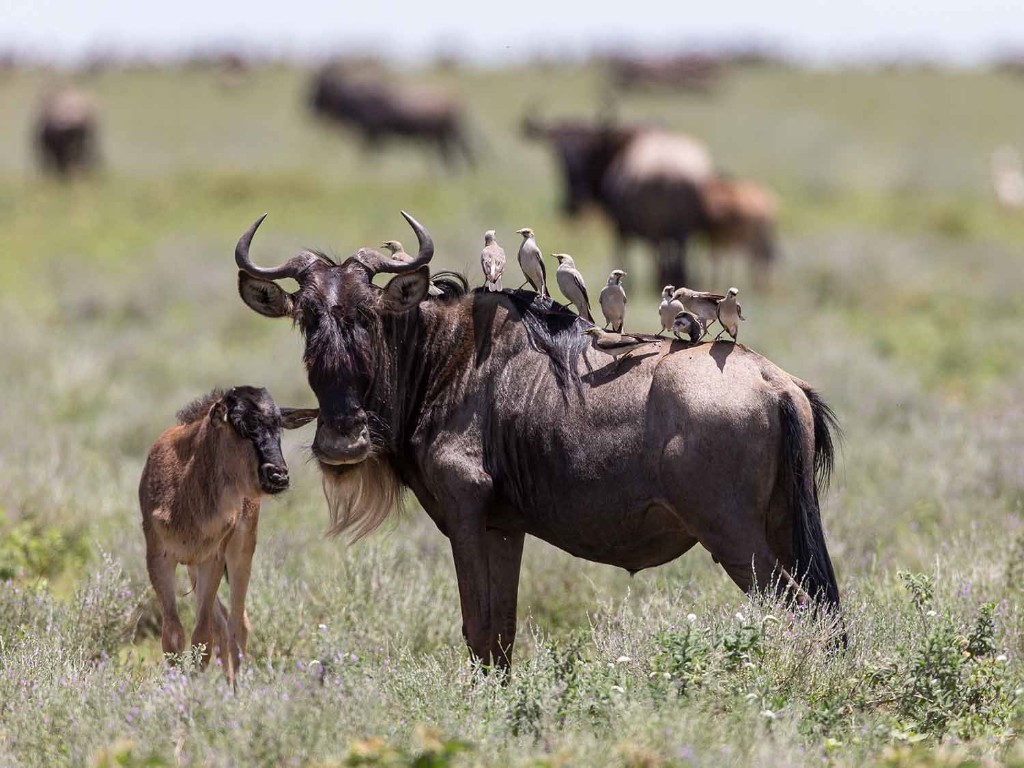
Wildebeest are the most numerous and recognisable animals associated with the migration. However, zebras and other grazing herbivores are also important participants in the wider ecosystem. Different species use grasslands in different ways, and their feeding preferences and movements contribute to the changing structure of vegetation. Predators, scavengers and numerous smaller species are connected to these ecological processes.
The migration is therefore not simply a movement of wildebeest from one country to another. It is part of a larger system involving grassland productivity, rainfall, herbivore populations and predator relationships. Recognising these connections makes the safari experience more informative.
Misconception 16: Predators Hunt Constantly During the Migration
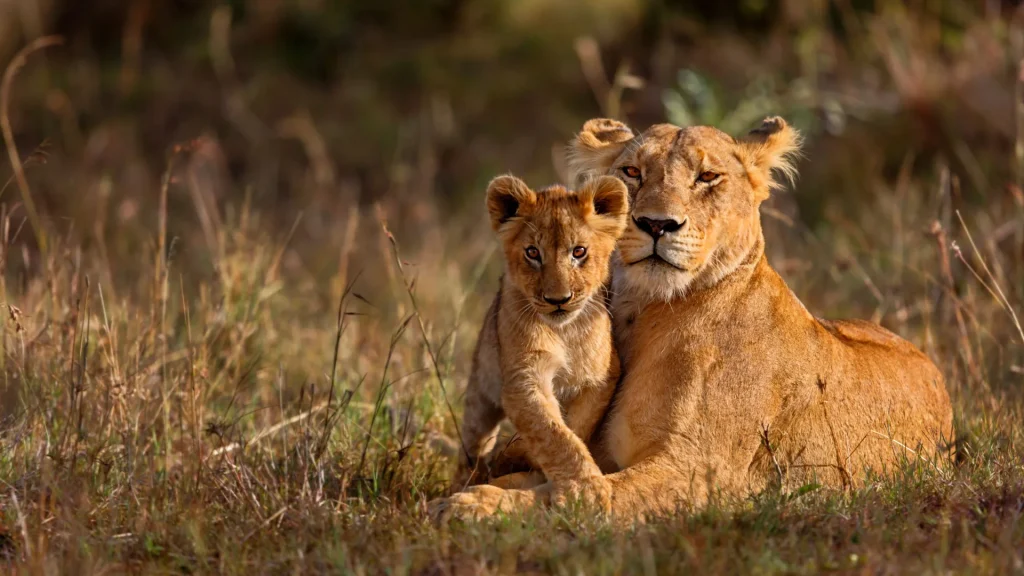
Large concentrations of prey animals create opportunities for predators. Nevertheless, lions, cheetahs and spotted hyenas do not hunt continuously. Predators spend substantial periods resting, travelling, interacting socially or observing their surroundings. Hunting success varies according to species, habitat and circumstances.
A game drive may include an active hunt, but it may also involve watching a lion pride resting beneath a tree. Both experiences provide insight into natural behaviour. Travellers should avoid expecting constant dramatic action simply because migrating herds are nearby. An experienced guide can explain predator behaviour even when no hunt occurs.
Misconception 17: Migration Safaris Are Only for Professional Photographers
The migration attracts photographers from around the world, but specialist equipment is not essential to appreciate it. Visitors can enjoy the scale of moving herds, wildlife interactions and landscape scenery without taking photographs. Binoculars are particularly useful for observing animals at a distance. Modern cameras and smartphones can capture meaningful memories, although long-distance wildlife photography may require telephoto equipment.
Travellers interested in photography should consider a suitable safari vehicle and enough time at sightings. Those who prefer observation can focus on the experience without feeling pressured to document every moment. A Great Migration safari can be rewarding for families, couples, solo travellers and wildlife enthusiasts with different interests.
Misconception 18: Migration Safaris Are Always Extremely Expensive
Peak-season Masai Mara accommodation can be costly, particularly at exclusive camps. However, safari prices vary according to accommodation category, transport, number of travellers and trip duration. Essential safari accommodation can provide a more affordable starting point, while Comfort safari packages offer a balance of facilities and cost. Premium and Signature options provide enhanced service, privacy and accommodation standards.
Group departures may reduce the per-person cost of transport and guiding. Private safaris can also become more economical per person when costs are shared among several travellers. The important consideration is the total package, including accommodation, park fees, transport and guiding. Travellers should compare complete quotations rather than assuming every migration safari requires the highest luxury budget.
Misconception 19: Group Safaris Cannot Provide Good Migration Viewing
Group safaris can provide excellent wildlife experiences when properly organised. A professional guide, suitable vehicle and sensible itinerary are more important than whether every guest belongs to the same travelling party. However, group travel involves shared decisions about timing and wildlife interests. Some participants may want to spend hours waiting for a crossing, while others prefer exploring different parts of the reserve.
A private migration safari provides greater flexibility for these individual preferences. A group Masai Mara safari can offer good value and opportunities to meet other travellers. Neither option is automatically superior. The right choice depends on budget, photography requirements and preferred travel style.
Misconception 20: Guides Can Make the Wildebeest Cross
Guides may understand common crossing areas and recognise signs of herd movement. However, they cannot make wildebeest cross a river at a chosen time. Attempting to influence animals by driving too close, blocking their movement or creating disturbances is inappropriate. Wildlife should be allowed to behave naturally.
Responsible guides follow reserve regulations and maintain suitable distances. A guide's role is to interpret behaviour, position the vehicle responsibly and help visitors understand what is happening. Travellers should be cautious of anyone promising to force or guarantee a crossing. Ethical wildlife viewing protects both the animals and the quality of the safari experience.
Misconception 21: The Great Migration Is Unchanged from Year to Year
Although the broad seasonal movement follows recurring ecological patterns, no two migration seasons are identical. Rainfall timing and distribution can differ, grass growth may vary across the landscape, and herd concentrations and crossing activity can therefore change between years. Long-term environmental pressures, land-use changes and conservation challenges also affect the wider ecosystem.
Travellers should avoid treating photographs or reports from a previous year as a precise prediction for their own safari. Historical patterns are useful for planning, but they cannot replace current observations. This is why flexible itineraries and knowledgeable local guiding are so important.
Misconception 22: You Must Witness a Crossing for the Safari to Be Successful
Perhaps the most important misconception is that a migration safari is unsuccessful unless the traveller sees wildebeest crossing the Mara River. Crossings are remarkable, but they are not the only meaningful experience. Watching thousands of animals move across open plains can reveal the extraordinary scale of the migration. Observing predator behaviour, grazing patterns and the interactions between different species can be equally memorable.
The Masai Mara also offers distinctive scenery, birdlife and opportunities to learn about conservation. A successful safari should be measured by the quality of the overall experience rather than one unpredictable event. Travellers who remain open to different wildlife encounters often gain a more complete understanding of the ecosystem.
How to Plan a Migration Safari with Realistic Expectations
Understanding these misconceptions is the first step towards planning a better safari. Practical planning steps include:
- Decide whether your main interest is river crossings, large herd concentrations, wildlife photography or a broader Kenya safari
- Choose travel dates based on the usual seasonal patterns while recognising that conditions vary
- Select accommodation according to location, comfort and practical access
- Allow sufficient time for game drives and avoid schedules that depend on one specific wildlife event
- Consider a private safari if flexibility is especially important
- Choose a guide who prioritises responsible wildlife viewing and communicates clearly about what can and cannot be predicted
Frequently Asked Questions About Great Migration Myths
Does the Great Migration happen at the same time every year?
The broad seasonal pattern is recurring, but exact herd movements vary according to rainfall, grazing conditions and other environmental factors.
Is August always the best month for the migration?
August is a popular period for visiting the Masai Mara, but it does not guarantee river crossings. Other months may also provide rewarding migration activity.
Can safari companies guarantee a Mara River crossing?
No. Crossings are natural wildlife events that cannot be scheduled or guaranteed.
Are there wildebeest in the Masai Mara all year?
Resident wildebeest may be present in the wider ecosystem, while the large migratory herds move seasonally between different regions.
Is the Great Migration only visible in Kenya?
No. The migration spans Kenya and Tanzania, with different stages occurring in the Serengeti-Mara ecosystem.
Are private safaris always better than group safaris?
Private safaris provide greater flexibility, while group safaris can offer better value. Both can provide rewarding wildlife viewing when properly organised.
Is luxury accommodation necessary?
No. Accommodation location, guiding quality and safari duration are often more important than luxury level alone.
How many nights should I book?
Three or four nights are a useful starting point for many travellers. Longer stays are worth considering when migration photography or river crossing observation is a major priority.
Can I visit the Masai Mara outside the migration season?
Yes. The reserve supports a wide range of resident wildlife throughout the year.
What is the biggest mistake when planning a migration safari?
One of the biggest mistakes is expecting a guaranteed river crossing on a fixed date. Flexible planning and realistic expectations are essential.
Experience the Real Great Migration with Safari Trips to Kenya
The Great Wildebeest Migration is remarkable precisely because it is a natural process rather than a scheduled performance. Its timing, movements and wildlife interactions are influenced by ecological conditions that cannot be controlled by safari operators. Understanding the facts behind common Great Migration myths helps travellers make better decisions about accommodation, travel dates, safari duration and guiding arrangements.
Safari Trips to Kenya can assist with Masai Mara migration safaris, private wildlife itineraries, suitable group departures and accommodation across Essential, Comfort, Premium and Signature categories. The aim is to create a safari that offers strong opportunities for wildlife observation while respecting the unpredictable nature of the migration.
Whether you witness a river crossing, observe herds moving across the plains or spend time exploring the Masai Mara's resident wildlife, the experience can provide a deeper appreciation of one of Africa's most important natural ecosystems. Contact Safari Trips to Kenya with your preferred travel period, group size and wildlife interests to plan a migration safari built around realistic expectations and rewarding game viewing.