
Great Migration and Amboseli Safari
A Great Migration and Amboseli Safari combines two of Kenya’s most iconic wildlife experiences: the seasonal arrival of enormous wildebeest herds in the Masai Mara and the remarkable elephant populations of Amboseli National Park. These destinations are among the most recognisable safari landscapes in East Africa, yet they offer very different experiences.
The Masai Mara National Reserve is famous for open grasslands, predators and the northern phase of the Great Wildebeest Migration. During the migration season, large numbers of wildebeest and zebras may move into the Mara ecosystem from Tanzania’s Serengeti. Amboseli National Park is particularly celebrated for its elephants and views towards Mount Kilimanjaro. Its mixture of open plains, wetlands and dry-country habitats provides a striking contrast to the Masai Mara.
Combining both parks allows travellers to experience Kenya’s wildlife diversity without depending entirely on one seasonal event. A migration crossing may or may not occur during your visit, but the Masai Mara supports resident wildlife throughout the year. Amboseli, meanwhile, offers opportunities to observe elephant families and other animals against one of Africa’s most recognisable mountain backdrops. This guide explains when to travel, how many days to allow, which routes work best and how to choose accommodation for a memorable Masai Mara and Amboseli Safari.
Why Combine the Masai Mara and Amboseli?
The two parks complement each other in several important ways. The Masai Mara is especially attractive for predator viewing, open grassland scenery and seasonal migration activity, while Amboseli is known for elephants, wetlands and views towards Kilimanjaro. A safari combining both provides a broader range of habitats and photographic subjects. Visitors may encounter lions, cheetahs, elephants, giraffes, zebras, buffaloes, antelope and numerous birds across the two destinations. The combination is also suitable for travellers who want a classic Kenya safari without necessarily crossing into Tanzania. However, the parks are separated by a substantial overland distance, so realistic travel planning is essential.
Understanding the Great Migration in the Masai Mara
The Great Wildebeest Migration is an annual movement of large grazing herds through the Serengeti–Mara ecosystem. Wildebeest follow seasonal rainfall and the availability of nutritious pasture. Zebras and other grazing animals also participate in the broader movement. The migration is continuous rather than a single event occurring on a fixed date.
When Do the Herds Reach the Masai Mara?
Large numbers of migrating wildebeest often enter the Masai Mara ecosystem between approximately July and October. However, timing varies from year to year. Rainfall can influence whether herds arrive earlier, later or remain concentrated in particular areas. Some herds may be present in the northern Serengeti while others occupy parts of the Mara. Visitors should not assume that all migrating animals cross into Kenya at the same time.
Mara River Crossings
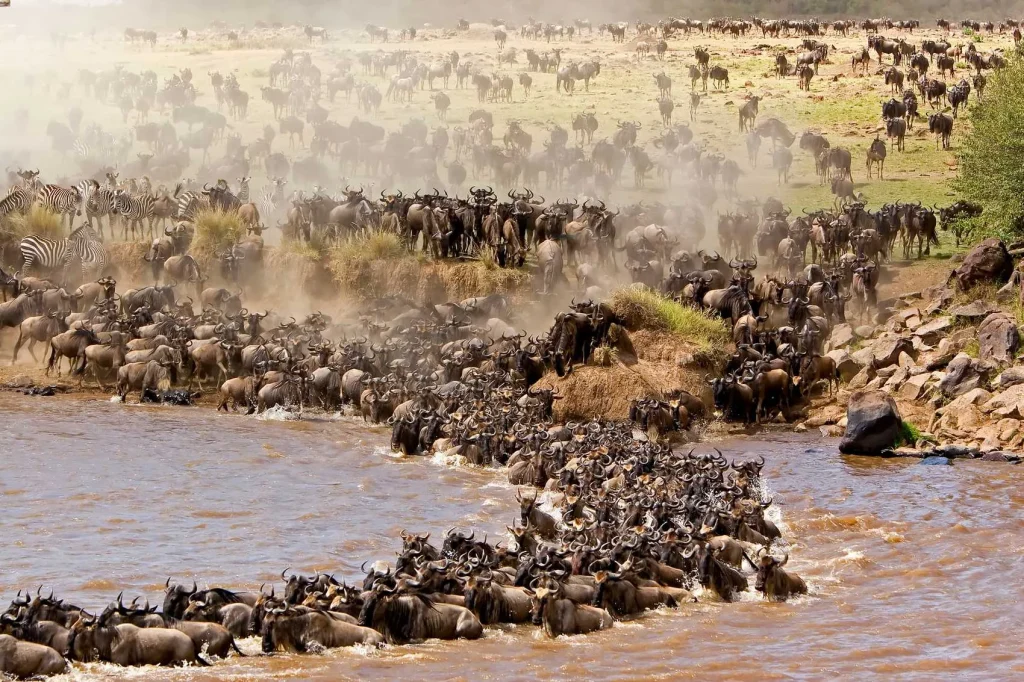
River crossings are among the most dramatic migration events. Herds may gather along riverbanks before entering the water, and crossings can involve powerful currents, steep banks and crocodile activity. However, they are unpredictable—animals may wait for long periods and then move away without crossing. A successful safari should be enjoyable even if no crossing occurs.
Resident Wildlife in the Masai Mara
The Masai Mara offers wildlife viewing beyond the migration. Lions, elephants, giraffes, buffaloes, zebras and various antelope inhabit the wider ecosystem, and cheetahs and leopards may also be encountered. The presence of resident wildlife makes the Mara rewarding during months when migrating herds are elsewhere.
Amboseli National Park: Kenya’s Elephant Landscape
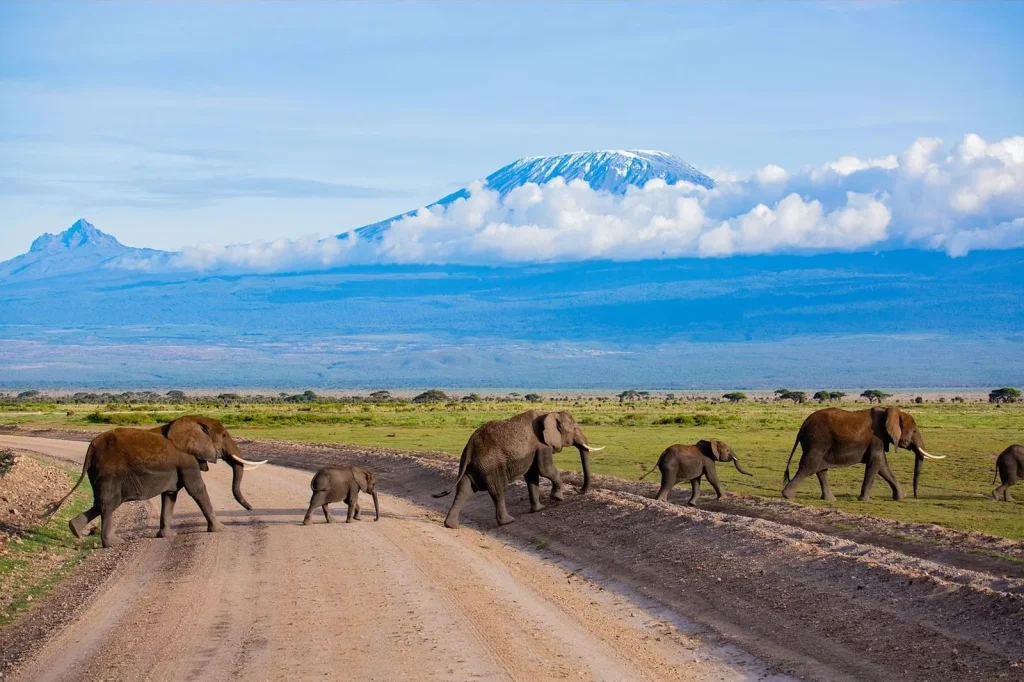
Amboseli National Park lies in southern Kenya near the Tanzanian border. Its most famous visual feature is the possibility of photographing elephants with Mount Kilimanjaro in the background—the mountain itself is located in Tanzania. Amboseli’s landscape includes open plains, seasonal wetlands and areas of dry-country vegetation, and these habitats support a variety of wildlife.
Elephants in Amboseli
Amboseli is internationally recognised for its elephant populations and long-running elephant research. Visitors may encounter family groups, calves and large bulls, and watching elephant behaviour can be one of the most rewarding experiences in the park. However, elephant movements depend on water availability and other ecological conditions. Guides should maintain appropriate distances and avoid interfering with the animals.
Mount Kilimanjaro Views
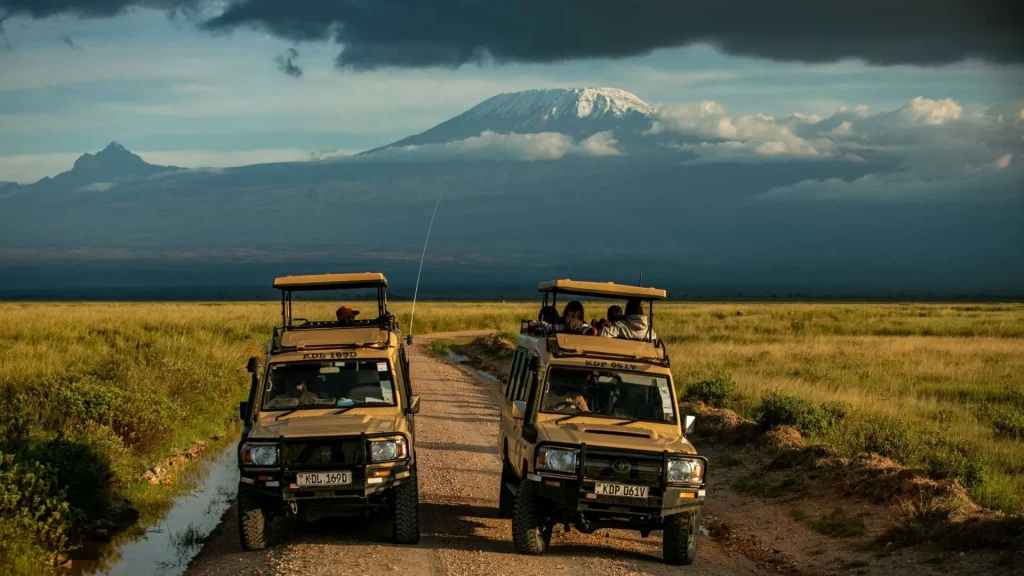
Mount Kilimanjaro provides a dramatic backdrop when weather conditions allow. The mountain may be obscured by cloud, particularly during certain times of day. Early morning can offer favourable visibility, but clear views cannot be guaranteed. Photographers should allow more than one opportunity to capture the mountain.
Other Wildlife in Amboseli
Amboseli supports buffaloes, zebras, giraffes, antelope, hippos and numerous birds. Lions and other predators are present, although sightings vary. Wetland areas can be particularly attractive for birdwatching. The park offers an ecological contrast to the grasslands of the Masai Mara.
Best Time for a Great Migration and Amboseli Safari
The best travel period depends on whether witnessing the northern migration is your main priority.
July to October
This is the most popular broad period for combining the Masai Mara migration with Amboseli. Large herds may be present in the Mara ecosystem, and Amboseli often experiences relatively dry conditions during much of this period. However, weather patterns and wildlife movements vary. Popular accommodation may book out early.
January to March
These months can provide rewarding wildlife viewing in both parks. However, the main migrating herds are generally expected farther south in the Serengeti ecosystem. A January or February Masai Mara visit should therefore be planned as a resident-wildlife safari rather than a guaranteed migration experience. Amboseli can still provide excellent elephant-viewing opportunities.
April to June
Rainfall can affect road conditions and visibility. The Masai Mara’s landscapes may be green and attractive. The main migration is generally elsewhere during much of this period. Travellers should consider seasonal accommodation arrangements.
November to December
Short rains may occur in both regions. The migration often moves southward through the wider ecosystem. Wildlife viewing remains possible, but the itinerary should not promise northern migration concentrations.
How Many Days Do You Need?
A Great Migration and Amboseli Safari requires enough time for wildlife viewing and transfers. Five days is possible but can feel rushed, especially when travelling entirely by road. Seven days provides a more practical balance, while eight to ten days allows additional game drives and potentially a stop at another destination. Photographers may prefer longer stays, particularly in the Masai Mara. The most important consideration is to avoid spending too much of the holiday moving between parks.
Suggested Seven-Day Masai Mara and Amboseli Safari
Day 1: Arrival in Nairobi
Arrive at Jomo Kenyatta International Airport and transfer to your hotel. Depending on arrival time, enjoy a relaxed evening and safari briefing. Overnight in Nairobi.
Day 2: Nairobi to Amboseli National Park
Depart after breakfast and travel towards Amboseli. The journey passes through changing landscapes and communities. Enter the park through the appropriate gate and continue towards your accommodation. Enjoy an afternoon game drive if timing allows and look for elephants, buffaloes, zebras and other wildlife. Overnight in Amboseli.
Day 3: Full-Day Amboseli Safari
Begin with an early game drive. Weather permitting, enjoy views towards Mount Kilimanjaro. Spend time observing elephants and exploring suitable wetland and grassland habitats. Return to the lodge for lunch or enjoy an appropriate packed-meal arrangement, then continue wildlife viewing in the afternoon. Overnight in Amboseli.
Day 4: Amboseli to Nairobi or Connecting Destination
Travel towards Nairobi as part of the transfer to the Masai Mara. Because the two parks are far apart, this can be a long travel day. Depending on the chosen transport arrangement, an overnight stop or flight connection may be preferable. A well-designed itinerary should avoid promising extensive game drives after an exhausting transfer.
Day 5: Travel to the Masai Mara
Continue to the Masai Mara by road or suitable air connection. Enter the reserve or adjoining accommodation area according to the itinerary. Enjoy an afternoon game drive if arrival timing permits. Overnight in the Masai Mara ecosystem.
Day 6: Full-Day Masai Mara Safari
Spend the day exploring suitable wildlife-viewing areas. During migration season, the guide may focus on locations where herds are currently present. Look for wildebeest, zebras, lions, elephants, giraffes and other animals. River crossings may occur but cannot be guaranteed. Return to camp for dinner and overnight.
Day 7: Final Game Drive and Departure
Enjoy a morning game drive if time permits. Travel back to Nairobi or use a suitable scheduled flight. International departures should be arranged with adequate connection time. This seven-day outline may be better extended to eight days when using road transport throughout.
An Eight-Day Alternative
An additional day can improve the pace considerably. For example, the itinerary can include three nights in the Masai Mara instead of two, which provides more opportunities for wildlife viewing and reduces the pressure to locate migrating herds within a single full day. Alternatively, the extra night can be used to break up a long transfer. The best arrangement depends on transport preferences and arrival and departure schedules.
Road Safari vs Fly-In Safari
Road Safari
A Kenya Road Safari allows travellers to experience the countryside between destinations. It is often economical for families or groups sharing a vehicle. However, Amboseli and the Masai Mara are far apart, and driving times depend on traffic, route and road conditions. Travellers should expect substantial transfer time.
Fly-In Safari
A fly-in itinerary can reduce some road travel. Scheduled flights may connect Nairobi with safari airstrips serving the Masai Mara and Amboseli region, subject to operating schedules. Not every desired connection is direct—some itineraries require transfers through Nairobi. Baggage restrictions should be checked before booking.
Combining Road and Air
A mixed itinerary can provide a balance between cost and convenience. For example, travellers may visit Amboseli by road and fly to the Masai Mara through an appropriate connection. The best option depends on available services and the total cost.
Accommodation in Amboseli
Amboseli offers lodges and tented camps at different comfort levels. Some properties are inside the national park, while others are located near its boundaries or in surrounding conservation landscapes. Accommodation location affects travel time to game-drive areas. Travellers interested in Kilimanjaro photography should consider the surrounding landscape and likely morning travel arrangements. A lodge advertising mountain views cannot guarantee clear weather.
Accommodation in the Masai Mara
The Masai Mara ecosystem includes properties inside the national reserve and in adjoining conservancies. The distinction is important—different areas may have different access arrangements, activities and conservation fees. During migration season, location can influence travel time to areas where herds are active. However, the herds move, and no accommodation can guarantee a particular crossing. Book early if travelling during popular migration dates.
Essential, Comfort, Premium and Signature Safaris
Safari Trips to Kenya offers accommodation planning across four broad categories:
- Essential suits travellers seeking practical accommodation and value.
- Comfort provides established lodges and camps with private facilities.
- Premium offers more spacious accommodation and attentive hospitality.
- Signature focuses on distinctive luxury experiences and personalised service.
The most suitable category depends on budget, preferences and the importance of accommodation location.
Wildlife Photography Opportunities
A Masai Mara and Amboseli itinerary is especially attractive for photographers because the two parks offer different subjects.
Migration Photography
The Masai Mara provides opportunities to photograph large herds, predators and expansive grasslands. A telephoto lens is useful for distant animals, while a wider lens can capture the scale of migration scenes.
Elephant Photography
Amboseli offers opportunities to photograph elephant families and large bulls. When Kilimanjaro is visible, the landscape can provide a memorable backdrop.
Bird Photography
Both parks support varied birdlife. Wetland habitats in Amboseli and grassland environments in the Mara provide different photographic opportunities.
Responsible Photography
Never pressure guides to approach animals too closely. Avoid blocking migration routes or disturbing elephants. Wildlife welfare and park regulations should take priority over photographs.
Can You See the Big Five?
The combined safari provides opportunities to encounter several Big Five species. Lions, elephants and buffaloes occur in both destinations. Leopards are present but elusive. Rhinoceros viewing depends on location and circumstances and should not be assumed—travellers particularly interested in rhinoceroses may consider adding a suitable destination such as Lake Nakuru or Ol Pejeta. No safari can guarantee all five species.
Safari Costs
The cost of a Great Migration and Amboseli Safari depends on season, accommodation, transport and group size. Migration-season accommodation in the Masai Mara can be expensive due to high demand. Private vehicles provide flexibility but involve transport costs that are shared among fewer travellers. Fly-in arrangements may increase the budget while reducing road travel. Park and conservation fees should be calculated according to the current applicable tariffs. A complete quotation should clearly identify all major inclusions and exclusions.
Family Safari Considerations
Families can enjoy both parks, but travel times require attention. Young children may find long road transfers tiring. A private vehicle allows more flexible breaks and game-drive schedules. Accommodation should be selected with attention to family rooms, age policies and safety arrangements. Unfenced safari camps require strict supervision. An eight- or nine-day itinerary may be more comfortable for families than a rushed five-day tour.
Health and Travel Preparation
Travellers should consult a qualified travel-health professional before departure. Advice may include malaria prevention, vaccinations and other relevant precautions. Kenya’s entry requirements should be checked using official immigration sources. Comprehensive travel insurance is recommended. Pack lightweight clothing, warm layers for early game drives, sun protection and comfortable shoes. Binoculars are useful in both parks.
Frequently Asked Questions
Can I see the Great Migration and elephants in one safari?
Yes. A Masai Mara and Amboseli itinerary combines seasonal migration viewing with Amboseli’s elephant habitats.
What is the best month?
August and September are popular choices, although migration timing and Kilimanjaro visibility cannot be guaranteed.
How many days do I need?
Seven to nine days is a useful range for many travellers, particularly when allowing for transfers.
Is Amboseli part of the Great Migration?
No. Amboseli is a separate wildlife ecosystem and is not part of the main Serengeti–Mara wildebeest migration circuit.
Can I see Mount Kilimanjaro?
Yes, when weather conditions allow. Cloud cover may obscure the mountain.
Is a river crossing guaranteed?
No. River crossings are unpredictable natural events.
Can I visit both parks by road?
Yes, but the transfer is substantial and should be planned carefully.
Is this safari suitable for honeymooners?
Yes. The combination offers wildlife variety, attractive landscapes and a range of comfortable accommodation options.
Book Your Great Migration and Amboseli Safari
A Great Migration and Amboseli Safari combines two contrasting highlights of Kenya: the immense herds of the Masai Mara and the elephants of Amboseli beneath the dramatic skyline of Kilimanjaro. The best itinerary balances seasonal wildlife opportunities with realistic travel times. Safari Trips to Kenya can help organise private and group departures, road and fly-in options, and suitable accommodation. Contact us with your travel dates, number of guests, preferred accommodation level and available days—we will help you plan a safari that combines the Masai Mara and Amboseli without unnecessary rushing.