10 Days Kenya Northern Reserves and Maasai Mara
A 10 day Kenya journey connecting Nairobi, Ol Pejeta, Samburu or Buffalo Springs, Solio, Lake Nakuru, Maasai Mara…
Lake Naivasha, Lake Nakuru, Masai Mara
View SafariHandpicked Masai Mara Safari Tours for Every Traveler
Discover Nairobi to Masai Mara safari options, including 3-day itineraries, Big Five wildlife, migration seasons, accommodation, road transfers and fly-in tours.
The Masai Mara National Reserve is located in southwestern Kenya, adjoining Tanzania's Serengeti ecosystem. Together, these landscapes support extensive wildlife populations and the seasonal movements associated with the Great Wildebeest Migration.
The national reserve is administered through the relevant Narok County authorities, while surrounding conservancies operate under separate management and land-use arrangements. This distinction matters because entry fees, permitted activities, accommodation access and driving regulations may differ.
The Masai Mara is not one uniform landscape. Its ecosystem includes rolling grasslands, riverine forests, rocky areas, seasonal streams and wooded sections. Wildlife distribution changes according to rainfall, grazing conditions and animal movements.
A typical Nairobi to Masai Mara road safari includes transport in a suitable safari vehicle, accommodation for the selected number of nights and scheduled game drives. Travellers may choose a private itinerary or join a group departure where available.
Showing 1–12 of 52 safaris
A 10 day Kenya journey connecting Nairobi, Ol Pejeta, Samburu or Buffalo Springs, Solio, Lake Nakuru, Maasai Mara…
Lake Naivasha, Lake Nakuru, Masai Mara
View SafariA 10 day Kenya journey connecting Nairobi, Maasai Mara, Lake Naivasha, Amboseli and Diani Beach.
Amboseli, Diani Beach, Lake Naivasha
View SafariPlan a 10 Days Masai Mara & Amboseli with expert guides, game drives and carefully chosen camps. Request…
Masai Mara, Amboseli
View SafariPlan a 10 Days Samburu, Ol Pejeta & Masai Mara with expert guides, game drives and carefully chosen…
Masai Mara, Samburu, Ol Pejeta
View SafariPlan a 11 Days Masai Mara, Amboseli & Tsavo with expert guides, game drives and carefully chosen camps.…
Masai Mara, Amboseli, Tsavo
View SafariExplore the 12 Days Masai Mara, Amboseli & Tsavo with a day-by-day safari plan, key wildlife experiences, destinations,…
Masai Mara, Amboseli, Tsavo
View SafariExplore Kenya on a 12 Days Samburu to Masai Mara Safari combining Samburu, Ol Pejeta, Lake Nakuru, Naivasha…
Masai Mara, Samburu
View SafariA 14 day Kenya journey connecting Nairobi, Ol Pejeta, Samburu, Solio, Lake Nakuru, Maasai Mara, Lake Naivasha, Amboseli,…
Amboseli, Lake Naivasha, Lake Nakuru
View SafariA 14 day Kenya journey connecting Nairobi, Ol Pejeta, Samburu, Solio, Lake Naivasha, Maasai Mara and Diani Beach.
Diani Beach, Lake Naivasha, Masai Mara
View SafariA 14 day Kenya journey connecting Nairobi, Maasai Mara, Lake Naivasha, Amboseli, Tsavo West, Tsavo East and Diani…
Amboseli, Diani Beach, Lake Naivasha
View SafariExplore the Great Wildebeest Migration on a 14-day Kenya and Tanzania safari through the Serengeti, Ngorongoro Crater, Amboseli…
Masai Mara
View SafariA 15 day Kenya journey connecting Nairobi, Ol Pejeta, Samburu or Buffalo Springs, Solio, Lake Nakuru, Maasai Mara,…
Amboseli, Lake Naivasha, Lake Nakuru
View SafariThe Masai Mara supports an impressive variety of large mammals and is particularly well known for predator viewing. Lions may be observed resting, hunting or interacting within prides, while cheetahs often use open grasslands where visibility is favourable.
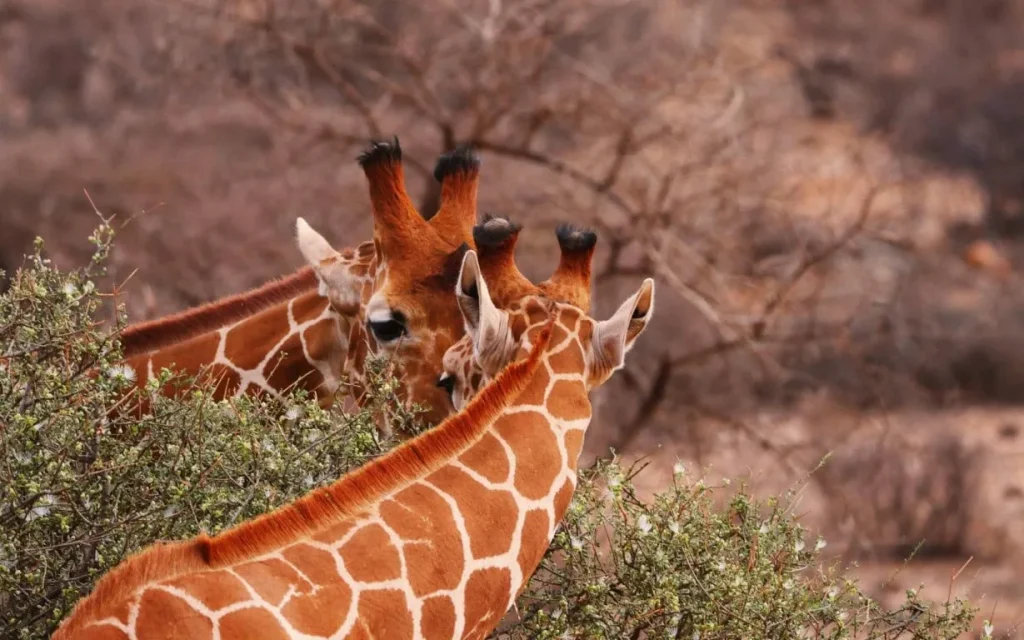
Leopards inhabit suitable wooded and riverine areas but are generally more elusive. Elephants, buffaloes, giraffes, zebras, wildebeests and numerous antelope species also contribute to the ecosystem.
Wildlife sightings are never guaranteed, and the quality of a safari should not be measured solely by the number of famous animals encountered. Patient observation of behaviour can be more rewarding than rushing between sightings.
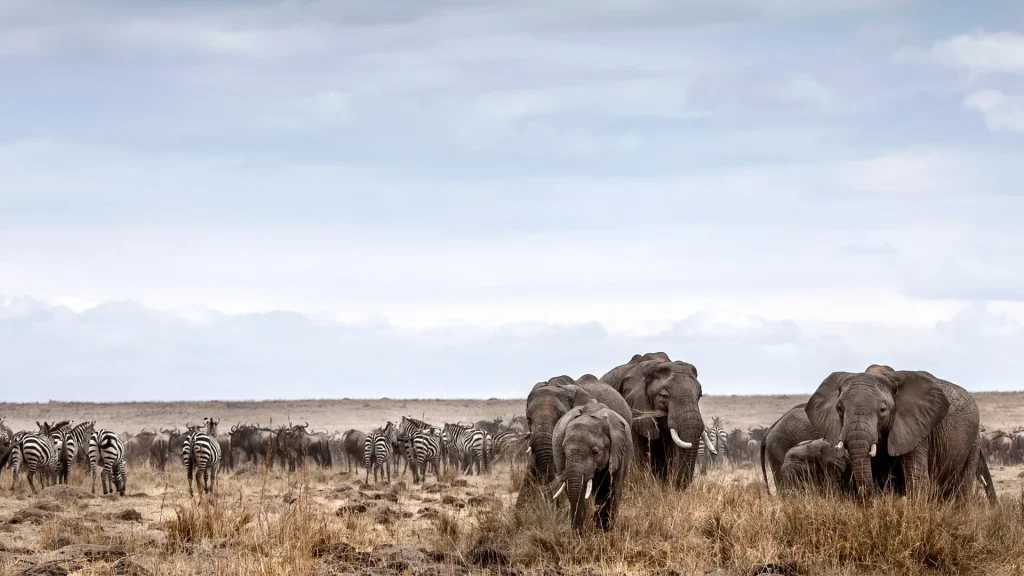
The Great Wildebeest Migration is a continuous ecological movement involving large numbers of wildebeests, zebras and other grazing animals across the wider Serengeti–Mara ecosystem.
Migration activity in the Kenyan Masai Mara is commonly associated with approximately July to October, although the timing varies with rainfall and grazing conditions. Animals may arrive earlier or later, and their movements do not follow a fixed calendar.
River crossings attract particular attention because animals may face strong currents, steep banks and crocodiles. However, crossings cannot be scheduled or guaranteed. Some visitors spend several days near a river without witnessing one, while others encounter migration herds elsewhere in the ecosystem.
Travellers interested in the migration should allow sufficient time and avoid booking solely on the expectation of a particular crossing.
The Mara's broad grasslands are an important part of its appeal. They provide opportunities for landscape photography and allow guides to interpret wildlife behaviour across a wide field of view.
The scenery changes with rainfall, from green grasslands to drier golden tones. Morning mist, distant hills and dramatic cloud formations can add character to photographs even when large animals are not immediately visible.
The Masai Mara can accommodate different travel styles, from relatively affordable group departures to exclusive private safaris with premium accommodation.
Travellers can also choose between road and air access, allowing the itinerary to reflect their available time, comfort preferences and budget.
The road distance depends on the selected reserve gate, lodge and route. Many commonly used itineraries cover roughly 250–300 kilometres or more, with travel times often ranging from five to seven hours. Some properties, particularly those farther inside the reserve or surrounding conservancies, require additional driving.
A common route travels northwest from Nairobi through the Rift Valley towards Narok before continuing to the Masai Mara region. Road conditions vary, and sections near the reserve or certain accommodation properties may be unpaved.
Travellers should treat published journey times as estimates rather than guarantees. Nairobi traffic, roadworks, weather, comfort stops and the final lodge location can all affect arrival.
A professional guide should plan the departure so that travellers reach their accommodation and begin any scheduled game drive without unnecessary rushing.
A Nairobi to Masai Mara Road Safari provides an opportunity to experience the changing countryside between the capital and the reserve. Travellers pass through towns, agricultural landscapes and Rift Valley scenery before reaching the grasslands of the Mara ecosystem.
Road transport is particularly practical for private groups and itineraries combining several destinations. The same vehicle may be used for transfers and game drives, depending on the package.
The main disadvantage is the time required for travel. A three-day road safari includes substantial driving on both the first and final days.
A Masai Mara Fly-in Safari generally uses a domestic flight from Nairobi's Wilson Airport to an airstrip serving the selected part of the Mara ecosystem.
Flight times are considerably shorter than road journeys, although travellers must also allow time for airport check-in, transfers and possible intermediate stops.
Fly-in packages usually involve game drives organised by the accommodation provider or a local operator using vehicles based in the destination.
Luggage allowances can be restrictive, particularly on smaller aircraft. Travellers should confirm baggage weight, bag type and flight schedules before booking.
The following itinerary illustrates a typical three-day road safari. It is a proposed programme, and the exact lodge, meals, game drives, park fees and activities should be confirmed in the final booking quotation.
Your safari begins with pickup from your Nairobi hotel or another agreed location. Meet your professional driver-guide and depart towards the Great Rift Valley, travelling through the outskirts of the capital and into Kenya's central highland landscapes. Depending on the selected route and traffic conditions, a short stop may be arranged at a suitable viewpoint.
Continue towards Narok, an important town along the route to the Masai Mara. The landscape gradually changes as you approach the wider Mara ecosystem, with open countryside, grazing areas and scattered settlements becoming more prominent. Your guide can explain the region's geography and the importance of livestock, tourism and wildlife conservation to surrounding communities.
Arrive in the Masai Mara area in the early afternoon or later, depending on road conditions and accommodation location. Check in at your selected lodge or camp and enjoy lunch if included in the confirmed package. After a short rest, prepare for the afternoon game drive.
During the game drive, your guide explores suitable tracks in search of elephants, giraffes, buffaloes, zebras, antelopes and predators. The first afternoon is an introduction to the reserve's grasslands and wildlife behaviour, and the route will depend on recent sightings and the time available before the required exit or return.
Return to your accommodation for dinner and overnight. Travellers staying in properties outside the reserve should understand that gate transfers may reduce the time available for game drives.
Approximate road journey: 5–7 hours or longer, depending on conditions and lodge location.
Accommodation: Selected Essential, Comfort, Premium or Signature lodge or camp.
Meals: As confirmed in the final quotation.
Begin early, when temperatures are cooler and many animals may be active. Depending on your accommodation and agreed schedule, enjoy breakfast before departure or arrange an early game drive with a suitable meal plan. The morning is an excellent time for photography because the light is often softer and wildlife may be moving between feeding and resting areas.
Your guide explores different habitats, searching for lions, cheetahs, elephants, buffaloes, giraffes and other animals. Predator sightings may require patience, particularly when vegetation is tall or animals are resting away from roads. A knowledgeable guide will interpret tracks, animal behaviour and environmental conditions rather than relying solely on reports from other vehicles.
If travelling during the migration period, the day's route may take account of recent herd movements. Large concentrations of wildebeests and zebras can be impressive even when no river crossing occurs. Travellers should understand that crossing activity is unpredictable and that wildlife welfare and reserve regulations take priority over obtaining a particular photograph.
Lunch may be arranged as a picnic in an authorised location or at the lodge, depending on the itinerary. A full-day excursion allows the guide to explore more distant areas, while a split morning and afternoon programme may provide a comfortable rest period during the warmest part of the day.
Continue wildlife viewing in the afternoon, paying attention to animal interactions and the changing landscape. Birdwatchers may encounter raptors, ground birds and species associated with woodland or riverine habitats. The Mara's smaller wildlife and ecological relationships are worth appreciating alongside its famous large mammals.
Return to the lodge or camp in the evening for dinner and overnight. The day's exact route will depend on accommodation location, wildlife activity, access rules and the guide's assessment of conditions.
Safari activity: Full-day game drive or morning and afternoon game drives.
Accommodation: Second night in the Masai Mara area.
Meals: According to the confirmed booking.
Begin the final day with breakfast and checkout, or an early game drive where the schedule and accommodation location allow. A morning wildlife excursion can provide another opportunity to observe animals in cooler conditions, but the time available must be balanced against the substantial return journey.
Travellers staying near a convenient exit may enjoy wildlife viewing while departing the reserve, subject to the applicable park access arrangements. Your guide will explain the planned route and ensure that the group leaves sufficient time for the drive to Nairobi.
Continue through Narok and the Rift Valley towards the capital. Comfort stops can be arranged along the way, and your guide will monitor traffic conditions as you approach Nairobi. The return journey often takes five to seven hours or longer, particularly during busy periods.
Arrive in Nairobi in the afternoon or evening, depending on the departure time and road conditions. Your safari ends with drop-off at the agreed hotel or another location. Travellers departing internationally should avoid tight flight connections and consider an additional night in Nairobi if necessary.
Approximate return drive: 5–7 hours or longer.
End of safari: Nairobi.
A 4 Days Masai Mara Safari is an excellent choice for travellers who want a less rushed experience. The additional night provides more time for wildlife viewing and reduces the pressure to locate particular animals during a single full day.
A practical four-day itinerary follows a similar route from Nairobi on the first day, with an afternoon game drive after arrival. Days two and three are dedicated to wildlife viewing, allowing exploration of different habitats or a more flexible approach to photography.
The fourth day involves breakfast, checkout and the return journey to Nairobi. Depending on the accommodation location and timing, limited morning wildlife viewing may be possible.
Four days are especially useful during the migration season, although additional time still cannot guarantee a river crossing.
Travellers with five or more days can consider dividing their stay between different parts of the Mara ecosystem. This may involve accommodation within the national reserve and a separate stay in a surrounding conservancy, subject to the relevant access arrangements.
A longer itinerary can provide opportunities to focus on wildlife behaviour, birdwatching and landscape photography rather than travelling continuously in search of famous species.
It also allows more flexibility during periods of poor weather or when wildlife movements make particular areas less productive.
For honeymooners and luxury travellers, additional nights may be worthwhile simply to enjoy the accommodation, scenery and slower pace.
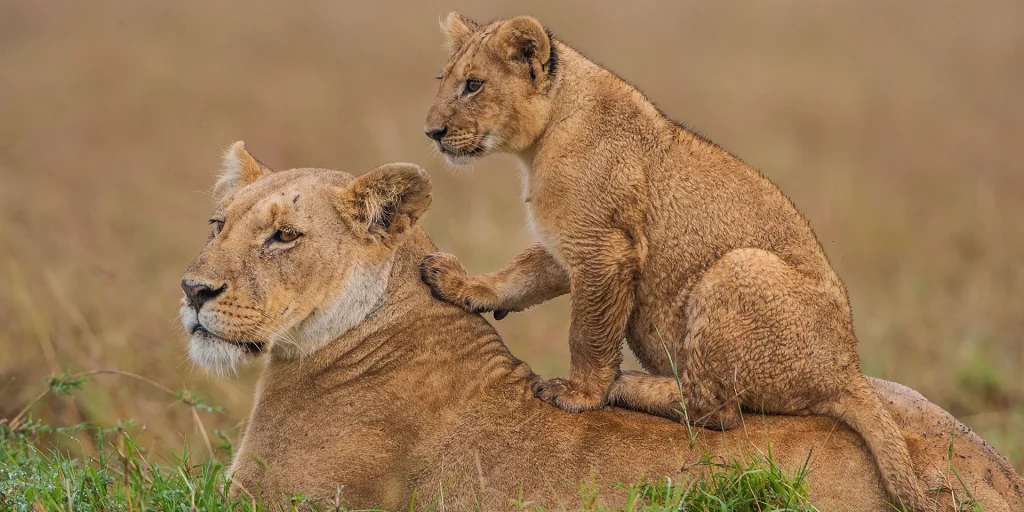
Lions are among the reserve's best-known predators. They may be observed resting, interacting within prides or moving across the grasslands.
Their activity varies with temperature, prey availability and other factors. Visitors should maintain appropriate distances and avoid pressuring guides to approach too closely.
Cheetahs are particularly associated with open grasslands where they can use speed to pursue prey. They are vulnerable to disturbance, especially when hunting or caring for cubs.
Responsible photography requires patience and respect for the animals' space.
Leopards often use riverine woodland and other areas providing cover. They are generally solitary and can be difficult to locate.
A leopard sighting is rewarding but should never be treated as a guaranteed component of a safari package.
Elephants occur across suitable habitats within the Mara ecosystem. Family groups may be seen feeding, travelling or interacting with calves.
Guides should allow elephants to cross roads freely and avoid obstructing their movements.
African buffaloes are among the large herbivores encountered in the Mara. Black rhinos also occur, although they are relatively scarce and difficult to locate.
Travellers particularly interested in rhinos may consider combining the Masai Mara with Lake Nakuru or Ol Pejeta.
Wildebeests and zebras are central to the migration ecosystem. Their movements respond to rainfall, grazing conditions and access to water.
Large herds can be impressive, but their exact location changes throughout the year.
These months often offer warm conditions and relatively dry periods. Resident wildlife remains present, and the landscape may provide good visibility.
The migration herds are generally concentrated farther south in the wider Serengeti ecosystem during much of this period, although local wildlife movements vary.
The longer rainy season can produce lush grasslands and attractive scenery. Some roads may become difficult after heavy rainfall, and wildlife may be more dispersed.
Travellers who enjoy green landscapes and quieter conditions may find this period rewarding.
This is a popular period for Masai Mara safaris, particularly because of the seasonal migration. July to October is commonly associated with substantial wildebeest movements in the Kenyan Mara, although timing varies.
Accommodation demand and reserve traffic can increase during peak months. Early booking is advisable for travellers with specific lodge preferences.
The shorter rains may bring fresh grass and changing wildlife distributions. Resident predators and herbivores remain part of the ecosystem.
These months can be attractive for travellers seeking a safari outside the busiest migration period.
Essential Masai Mara Safari Camps prioritise affordability and practical facilities. They may be located outside the reserve, so travellers should check transfer times and gate access arrangements.
Comfort Masai Mara Lodges provide a balance of facilities, service and value. They are suitable for couples, families and small groups seeking comfortable rooms and dependable meal arrangements.
Premium Masai Mara Safari Camps may offer upgraded tented accommodation, attractive locations and more personalised service. Their proximity to productive wildlife areas can influence the safari experience.
Signature Masai Mara Safari Lodges focus on distinctive settings, high-end hospitality and carefully designed experiences. Some are located within private or community conservancies with different activity rules from the national reserve.
The exact accommodation category should be matched to the traveller's expectations and confirmed before payment.
The price of a Nairobi to Masai Mara Safari depends on the number of nights, travel season, accommodation category, transport method and number of travellers.
Private road safaris generally become more economical per person as vehicle costs are shared among more passengers. Fly-in safaris may cost more because of domestic flights and local vehicle arrangements.
Park and conservancy fees can represent a significant part of the total cost, particularly during high-demand periods. Fees vary according to the area visited, visitor category and applicable rules, and should be checked when preparing the quotation.
Accommodation rates may also rise during the migration season. Travellers seeking specific premium or Signature properties should book early.
A reliable quotation should clearly distinguish included services from optional activities and personal expenses.
A confirmed package may include private or shared safari transport, professional guiding, specified accommodation, meals, scheduled game drives and applicable park fees.
The exact inclusions depend on the selected itinerary. Domestic flights, airport transfers and conservancy activities should not be assumed to be included unless listed in writing.
International flights, travel insurance, personal purchases, gratuities and additional drinks are commonly excluded unless specifically stated.
Optional activities such as a Masai Mara Hot Air Balloon Safari may be available at additional cost, subject to operating conditions and advance booking.
Cultural visits and specialist activities should also be clearly identified as included or optional.
A Private Masai Mara Safari provides flexibility for wildlife viewing, photography and travel pace. It is particularly suitable for families, honeymooners and travellers with specialised interests.
A Kenya Group Safari can offer lower per-person costs and a social atmosphere. However, group schedules are less flexible, and participants share decisions about time spent at sightings.
Before booking a group departure, confirm the vehicle type, seating arrangements, number of participants and accommodation configuration.
The Masai Mara's popularity makes responsible tourism especially important. Visitors should remain on authorised tracks, follow reserve and conservancy rules, and avoid crowding wildlife.
Predators can be particularly vulnerable to disturbance during hunting, feeding or caring for young. A responsible guide will prioritise animal welfare over close photographs.
Travellers should never ask a driver to chase wildlife, block animal movements or approach a river crossing in a way that interferes with the animals.
Supporting well-managed accommodation and conservation initiatives can contribute to the long-term protection of the ecosystem.
A Masai Mara and Lake Nakuru Safari combines predator-rich grasslands with rhino conservation and Rift Valley scenery. It is a popular route for travellers wanting greater wildlife variety.
Lake Naivasha offers freshwater scenery and optional boat excursions. It can provide a change of pace between road journeys and game drives.
Combining the Masai Mara with Amboseli National Park provides contrasting landscapes and excellent opportunities to observe elephants.
Because the destinations are separated by a substantial distance, travellers should allow enough time or consider suitable flight connections.
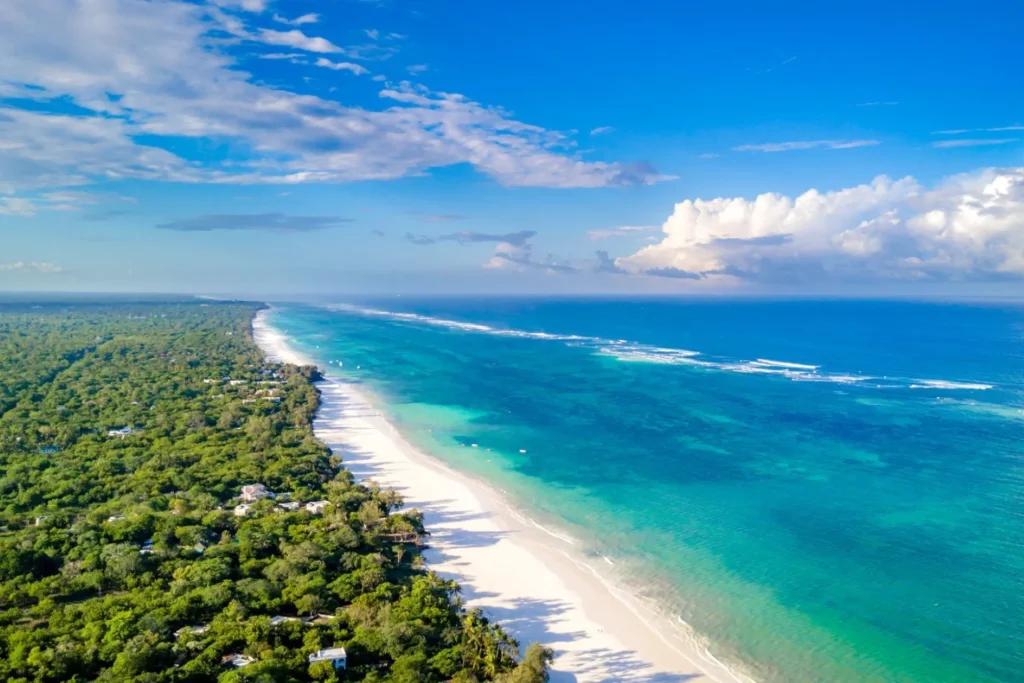
A safari followed by Diani Beach or another coastal destination provides an opportunity to relax after several days of early morning game drives.
Flight connections and transfer arrangements should be planned according to the selected itinerary.
Pack lightweight clothing, a warm layer for early mornings, sunscreen, insect repellent and comfortable footwear. A hat and sunglasses are useful during open-vehicle or roof-up game drives.
Binoculars improve wildlife viewing, especially when animals are distant. Photographers should bring suitable lenses, spare batteries and dust protection.
Travellers should consult appropriate medical guidance before visiting Kenya and ensure that travel insurance covers the planned activities.
Road journeys can be tiring, so travellers with limited mobility or concerns about long drives should discuss fly-in options.
Always carry identification and follow the guide's safety instructions throughout the safari.
The journey commonly takes five to seven hours or longer, depending on traffic, road conditions, the reserve gate and accommodation location.
Three days provide a worthwhile introduction, but four or five days offer more wildlife viewing time and a less rushed experience.
Substantial migration activity is commonly associated with July to October, but timing changes with rainfall and grazing conditions.
No. River crossings are unpredictable natural events and cannot be guaranteed for a particular date or itinerary.
All five Big Five species occur within the wider Mara ecosystem, but individual sightings are not guaranteed. Rhinos can be particularly difficult to locate.
Flying saves travel time, while driving offers greater flexibility and the opportunity to experience the countryside. The best choice depends on budget and available time.
Yes. Family safaris can be tailored around children's ages, accommodation requirements and suitable game drive durations.
Private arrangements provide greater control over the itinerary and wildlife viewing pace, which can be particularly valuable for photographers and families.
A Nairobi to Masai Mara Safari offers one of Kenya's most rewarding wildlife experiences, combining open grasslands, diverse mammals, predator viewing and the possibility of observing seasonal migration activity.
Safari Trips to Kenya can help arrange a three-day road safari, a longer private itinerary, a group departure or a fly-in experience. Accommodation can be selected from Essential, Comfort, Premium and Signature categories according to your preferences and budget.
Contact Safari Trips to Kenya with your travel dates, group size and preferred safari duration to receive a tailored Masai Mara proposal with clearly stated inclusions, accommodation and transport arrangements.