
11 DAYS / 10 NIGHTS
11 Days Masai Mara, Amboseli & Tsavo
Plan a 11 Days Masai Mara, Amboseli & Tsavo with expert guides, game drives and carefully chosen camps. Request a quote.
- Wildlife Safari Private Journey
- Private Safari 4x4 Vehicle
- Expert Guide English Speaking
- All Meals Breakfast, Lunch, Dinner
- 24/7 Support We're here to help
01 Overview
Safari Overview
- Duration 11 days / 10 nights
- Destination Masai Mara
- Starts / ends Nairobi
- Safari style Private safari
- Accommodation Essential · Comfort · Premium · Signature
- Best for Wildlife viewing, photography
11 Days Masai Mara, Amboseli & Tsavo Safari
The 11 Days Masai Mara, Amboseli & Tsavo safari is an extensive Kenya wildlife journey connecting three of the country's most celebrated safari regions: the predator-rich plains of the Masai Mara, the elephant country and Mount Kilimanjaro landscapes of Amboseli National Park, and the enormous wilderness of the Tsavo ecosystem.
This itinerary is particularly suitable for travelers who want more than a short introduction to Kenya. Eleven days gives you enough time to experience dramatically different habitats, search for the country's iconic wildlife, enjoy several full game-drive days and travel from the grasslands of southwestern Kenya through Amboseli to the vast semi-arid landscapes of Tsavo. The safari can include both Tsavo West National Park and Tsavo East National Park, creating one of Kenya's most complete southern wildlife circuits.
Each destination contributes something different. In the Masai Mara, the emphasis is on open savannah, large herbivore populations and exceptional opportunities to search for lions, cheetahs, leopards and spotted hyenas. During appropriate months, the wider ecosystem may also host large concentrations of wildebeest and zebra associated with the Great Migration.
Amboseli changes the scenery completely. Here, large elephant families move between open plains and permanent wetlands while Mount Kilimanjaro rises beyond the Kenyan border. On clear mornings, the combination of elephants, acacia-dotted plains and Africa's highest mountain creates some of the country's most recognizable safari landscapes. Tsavo then provides another transformation: the environment becomes broader, wilder and more rugged, with red-earth landscapes, volcanic features, rocky hills, woodland, seasonal rivers and vast horizons that give it a very different character from the Mara.
By combining these destinations, the 11 Days Masai Mara, Amboseli & Tsavo Safari delivers diversity rather than repetition. It is a journey through several versions of wild Kenya.
Why Choose the 11 Days Masai Mara, Amboseli & Tsavo Safari?
One of the main advantages of this itinerary is ecological variety. Many Kenya safaris concentrate almost entirely on the Masai Mara. The Mara deserves its reputation, but Kenya contains much more. This eleven-day route gives you the opportunity to compare several very different wildlife environments. You can experience:
- Open Mara grasslands.
- Riverine woodland.
- Predator territories.
- Great Migration possibilities.
- Amboseli wetlands.
- Kilimanjaro scenery.
- Large elephant herds.
- Tsavo volcanic landscapes.
- Red-soil elephant country.
- Vast semi-arid wilderness.
- Big Five opportunities.
- Diverse birdlife.
The journey is therefore especially attractive for first-time visitors who want a broader understanding of Kenya's safari landscapes. It also works well for photographers because the visual character of each destination changes substantially.
Safari at a Glance
A typical route can follow the sequence below. The exact routing can be adjusted according to accommodation, flights, road conditions, travel season and onward plans.
- Day 1: Arrival in Nairobi
- Day 2: Nairobi to Masai Mara
- Day 3: Full-day Masai Mara safari
- Day 4: Full-day Masai Mara safari
- Day 5: Masai Mara to Nairobi or onward transit
- Day 6: Continue to Amboseli National Park
- Day 7: Full-day Amboseli safari
- Day 8: Amboseli to Tsavo West
- Day 9: Tsavo West to Tsavo East
- Day 10: Full-day Tsavo East safari
- Day 11: Tsavo East to Nairobi or Kenya coast
Major Safari Highlights
Highlights of the 11 Days Masai Mara, Amboseli & Tsavo itinerary can include:
- Masai Mara National Reserve.
- Big-cat viewing.
- Lions.
- Leopards.
- Cheetahs.
- Spotted hyenas.
- Great Migration possibilities.
- Mara River ecosystem.
- Elephants.
- Buffaloes.
- Giraffes.
- Wildebeest.
- Zebras.
- Amboseli National Park.
- Mount Kilimanjaro views.
- Amboseli elephant families.
- Wetland wildlife.
- Tsavo West National Park.
- Volcanic landscapes.
- Mzima Springs region.
- Tsavo East National Park.
- Red elephants.
- Vast wilderness.
- Extensive game drives.
- Birdwatching.
- Photography.
- Private safari options.
- Budget, mid-range and luxury accommodation options.
- Optional beach extension.
Itinerary
- Day 1: Arrival in Nairobi, welcome to Kenya
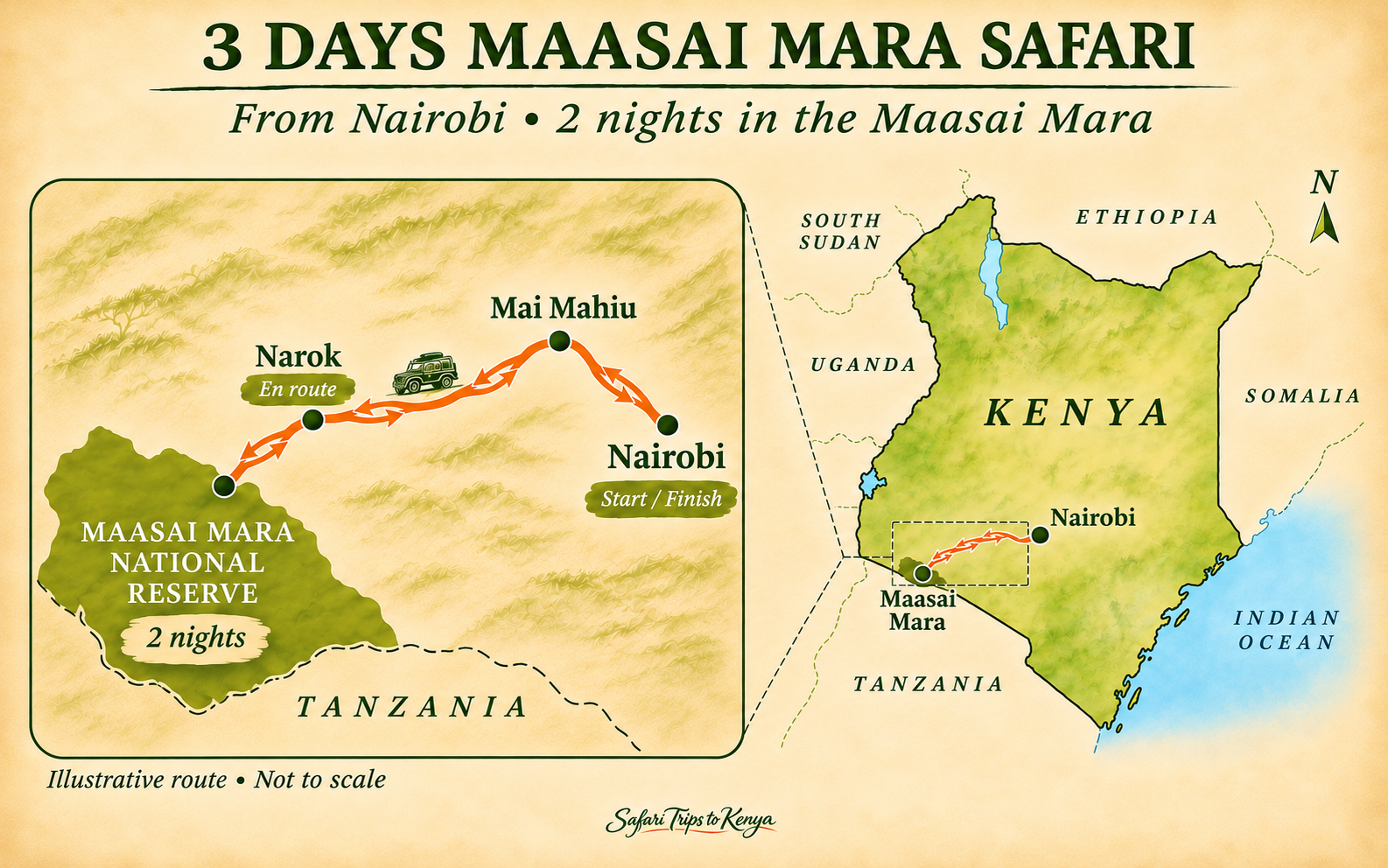
- Day 2: Nairobi to Masai Mara, enter Kenya's Great Savannah
- Day 3: Masai Mara Safari – Big Cats and Big Game
- Day 4: Masai Mara, great Migration, Mara River and Predator Country
- Day 5: Masai Mara to Nairobi, scenic Return Through the Rift Valley
- Day 6: Nairobi to Amboseli, elephants Beneath Kilimanjaro
- Day 7: Amboseli Safari – Elephants, Wetlands and Kilimanjaro
- Day 8: Amboseli to Tsavo West, into Kenya's Volcanic Wilderness
- Day 9: Tsavo West to Tsavo East, crossing the Great Tsavo Ecosystem
- Day 10: Tsavo East Safari – Red Elephants and Vast Wilderness
- Day 11: Tsavo East to Nairobi or Kenya Coast, end of Safari
02 Itinerary
11 Days Masai Mara, Amboseli & Tsavo: Detailed Itinerary
-
Day 1: Arrival in Nairobi – Welcome to Kenya - Main destination
- Masai Mara National Reserve
- Drive time
- Road transfer as outlined in the itinerary
- Meals
- Lunch, Dinner
Your 11 Days Masai Mara, Amboseli & Tsavo Safari begins when you arrive at Jomo Kenyatta International Airport in Nairobi. After immigration, baggage collection and customs formalities, meet your safari representative in the arrivals area and transfer to your selected Nairobi hotel.
The first day is deliberately kept flexible because international flights arrive at different times. Travelers arriving in the afternoon or evening can simply check in, rest and prepare for the safari. Those arriving earlier may have time for an optional Nairobi excursion. Possible activities can include:
- Giraffe Centre.
- Karen Blixen Museum.
- Nairobi National Museum.
- Selected craft markets.
- Local dining experience.
- Nairobi city orientation.
Activities are optional unless specifically included in your confirmed itinerary.
Later, meet your driver-guide or safari representative for a detailed briefing. Your guide can explain the route, estimated driving times, accommodation arrangements and game-drive schedule. Because this itinerary covers considerable distance, the briefing is also a useful opportunity to discuss luggage and daily departure times. Have dinner according to your hotel arrangement and rest. Tomorrow, the wildlife journey begins.
Accommodation: Nairobi hotel
Meal Plan: According to arrival arrangements
Activity: Airport transfer and safari briefing
Where you stay
-
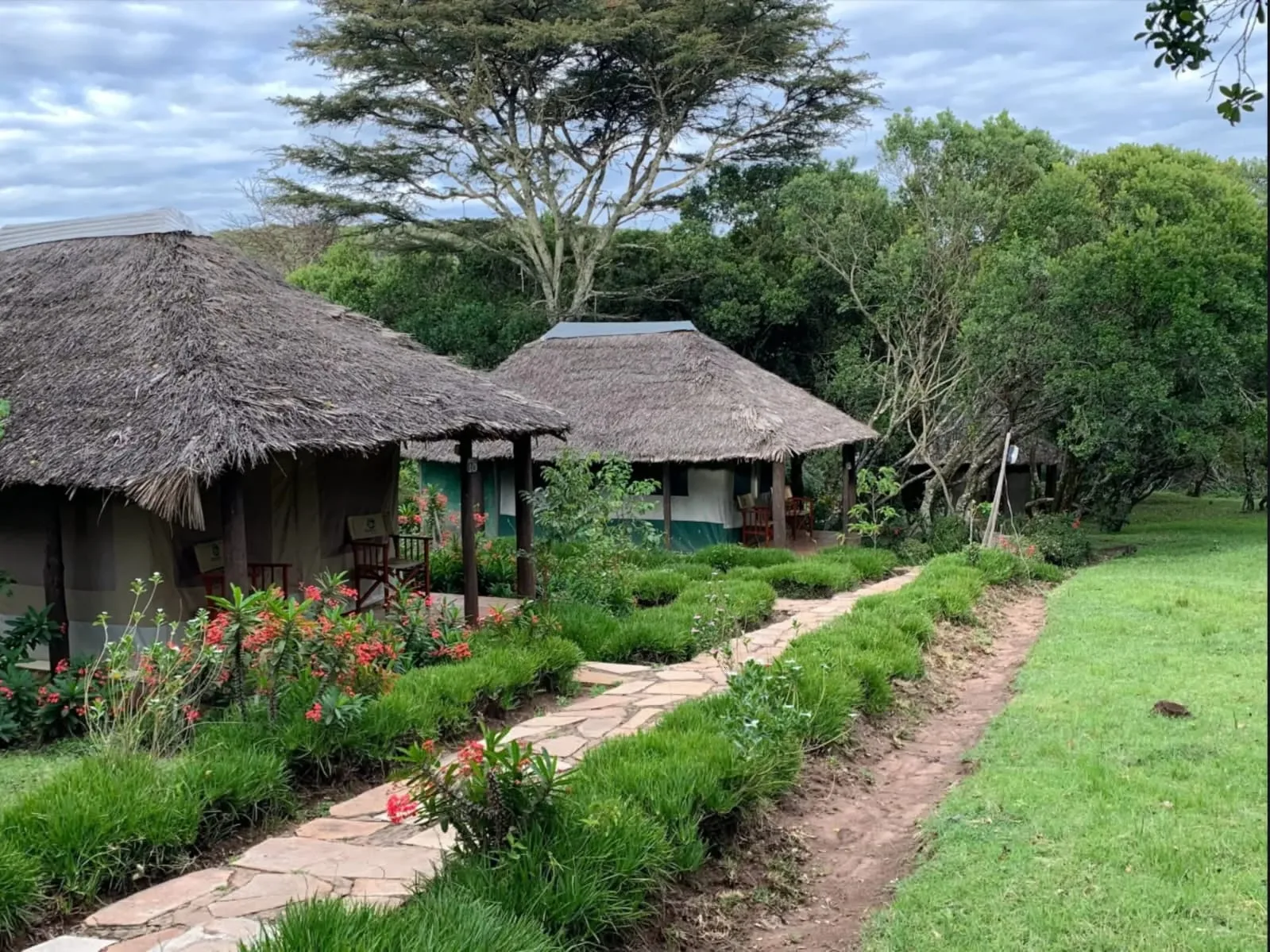
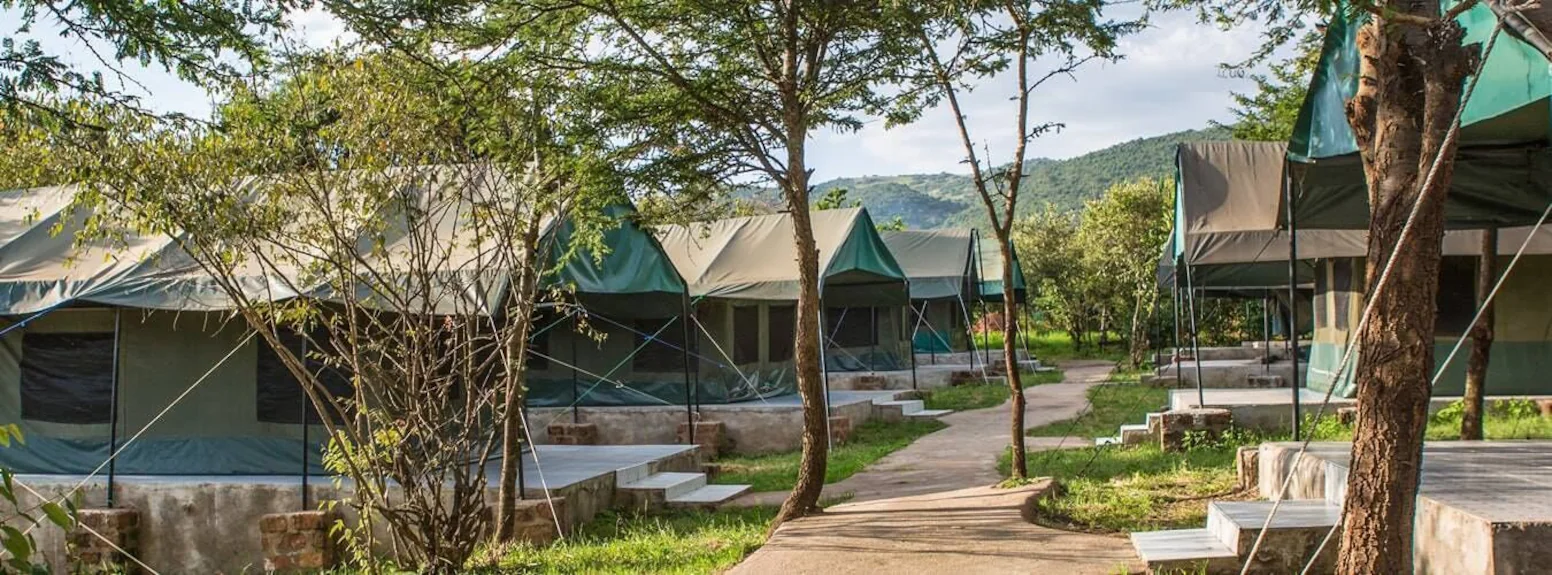
Essential (Budget)
-
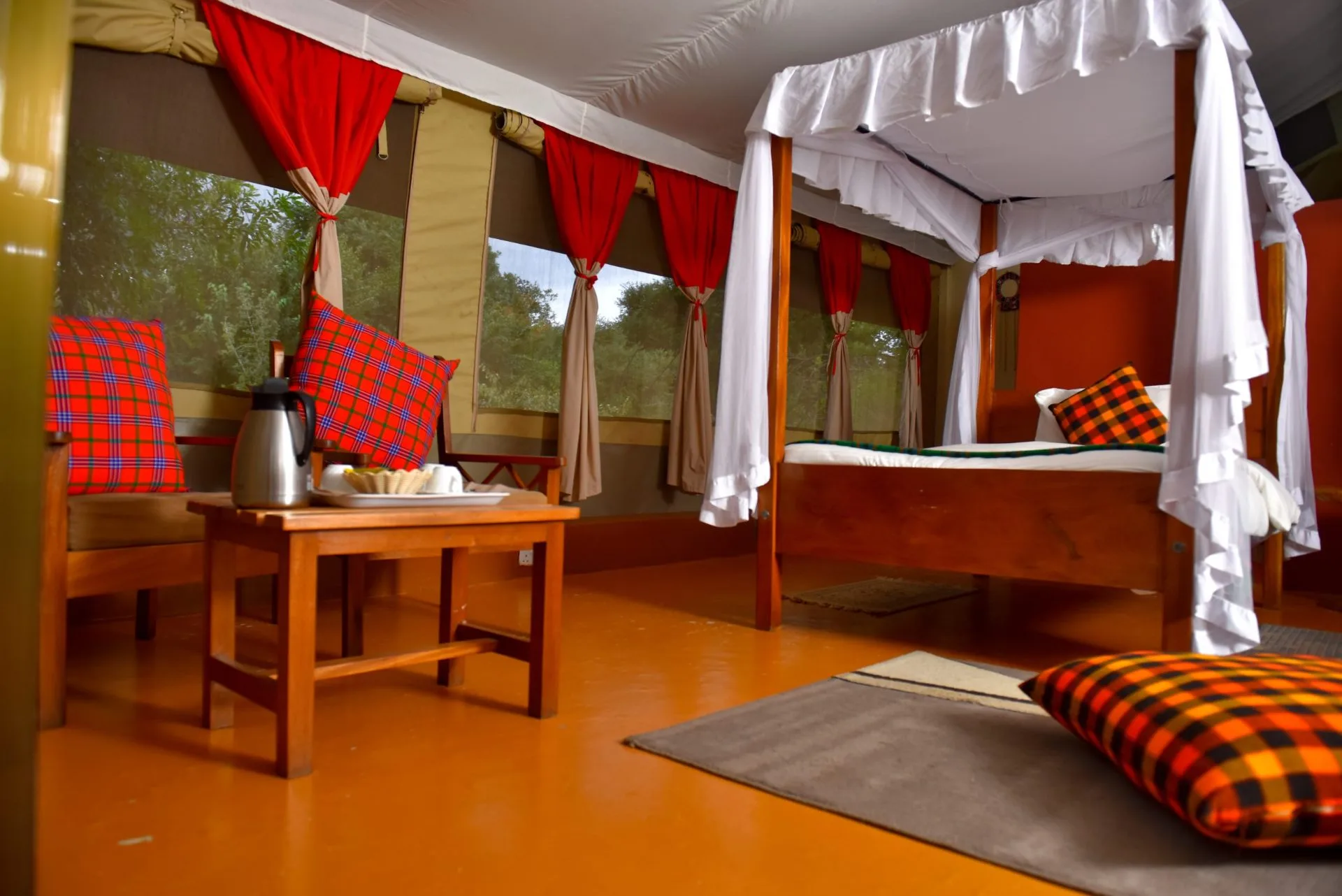
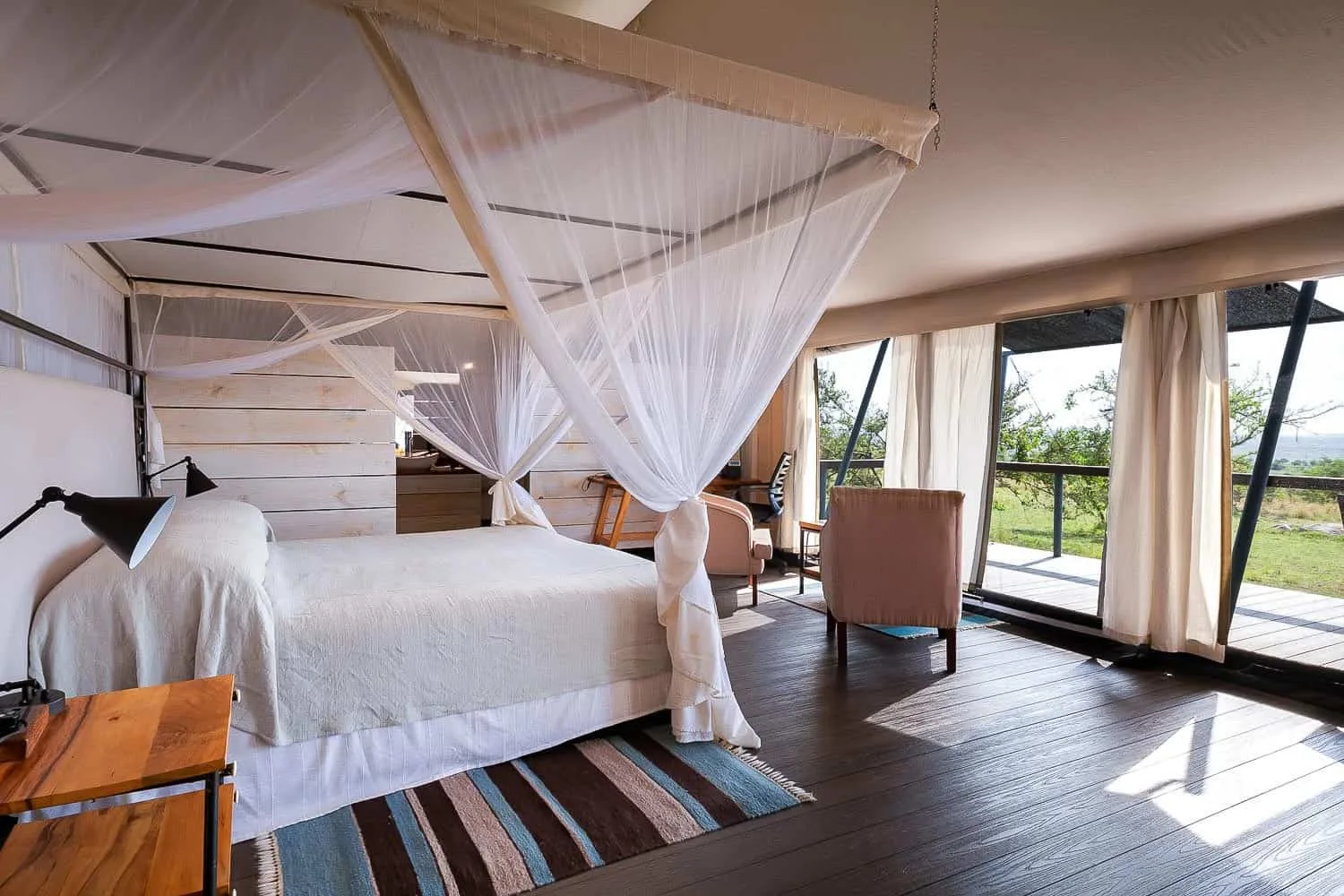
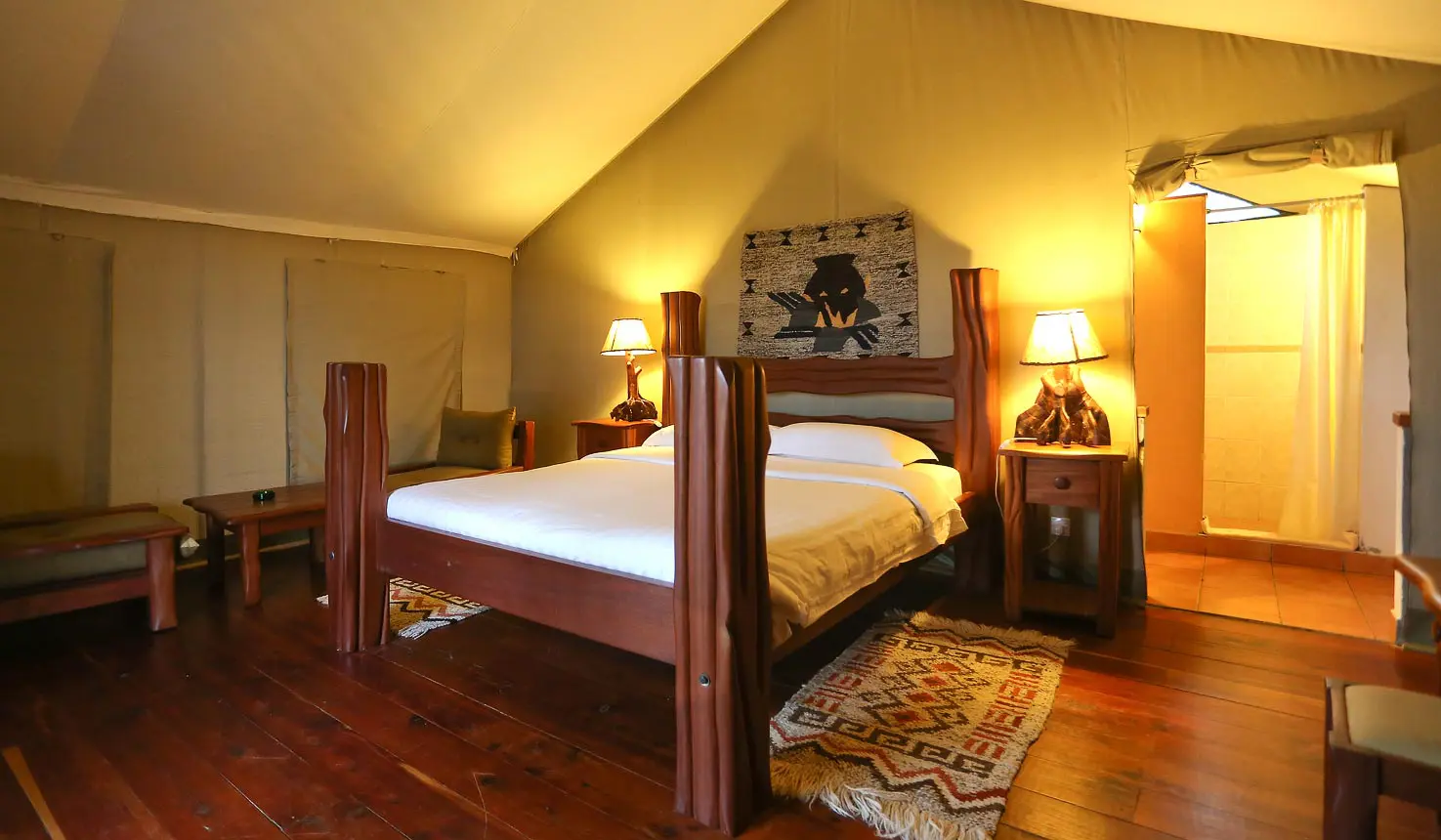
Comfort (Mid-range)
-
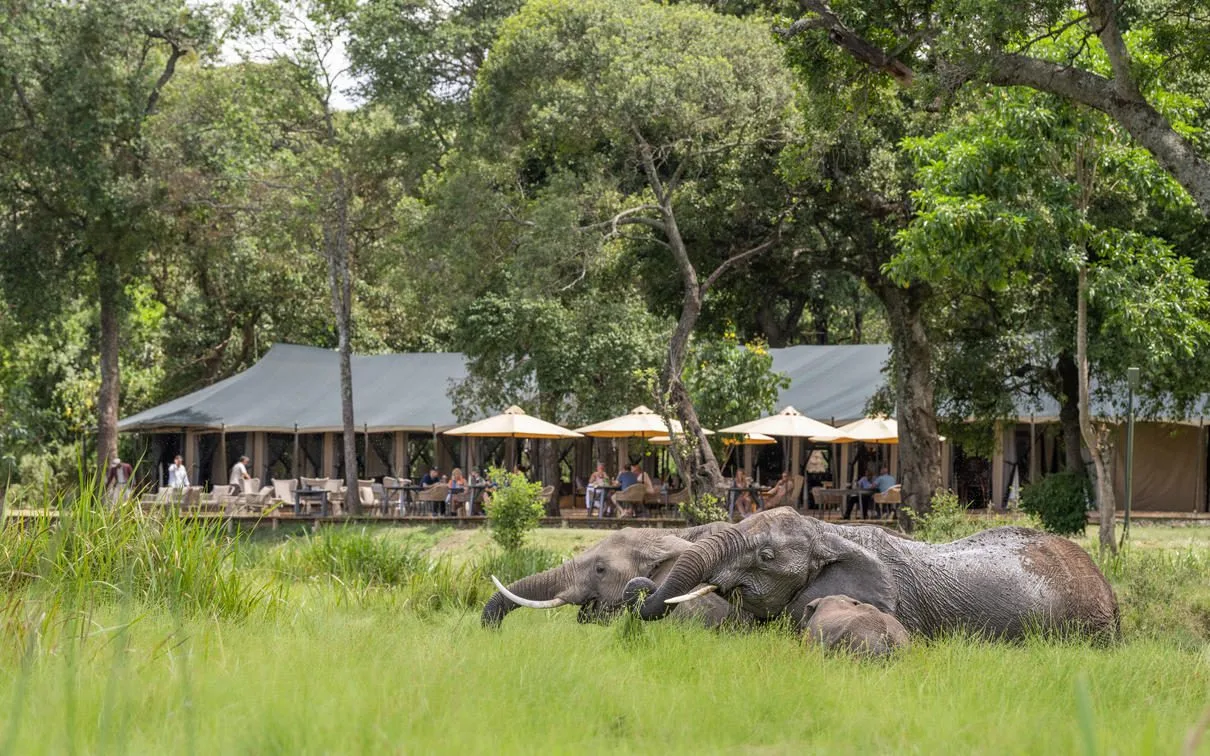
Premium (Luxury)
-
Signature (High-end)
-
Day 2: Nairobi to Masai Mara – Enter Kenya's Great Savannah - Main destination
- Masai Mara National Reserve
- Meals
- Breakfast, Lunch, Dinner
After breakfast, meet your safari driver-guide and depart Nairobi for the Masai Mara National Reserve. The road journey introduces you to Kenya beyond the capital. As you leave Nairobi, the urban landscape gradually gives way to rural settlements, farmland and increasingly open countryside.
Depending on the chosen route, you may descend toward the Great Rift Valley and stop at an appropriate viewpoint. The Rift Valley is one of East Africa's defining geological features. Continue toward Narok and eventually the greater Mara ecosystem. Road conditions vary, particularly on the final approaches to some camps and reserve gates.
Arrive around lunchtime or during the afternoon depending on traffic, road conditions and accommodation location. Check into your lodge or tented camp, have lunch and rest briefly. Later, begin your first Masai Mara game drive.
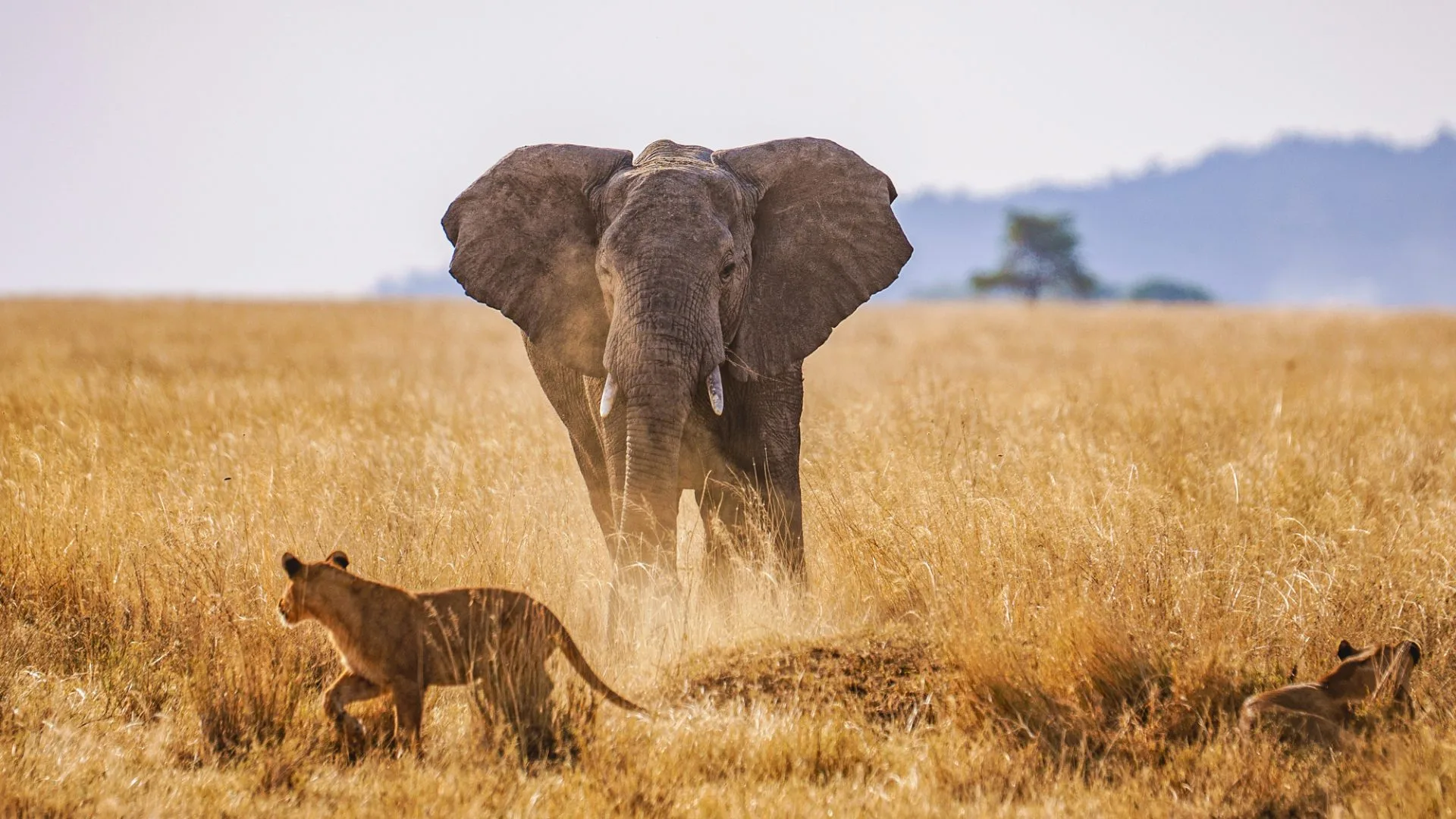
The transition into the Mara can be immediate. Zebras may appear across the plains, giraffes browse from scattered trees, wildebeest graze in open areas, elephants may move in family groups and topi often stand prominently on termite mounds. The first afternoon also provides your initial opportunity to search for predators. The Mara supports: Lions, Leopards, Cheetahs, Spotted hyenas, Jackals.
Your guide will interpret tracks, recent sightings and animal behavior while deciding where to search. As the afternoon light softens, enjoy the vastness of the Mara landscape. Return to camp before or around the appropriate closing time according to location and regulations, then have dinner and spend your first night in the wilderness.
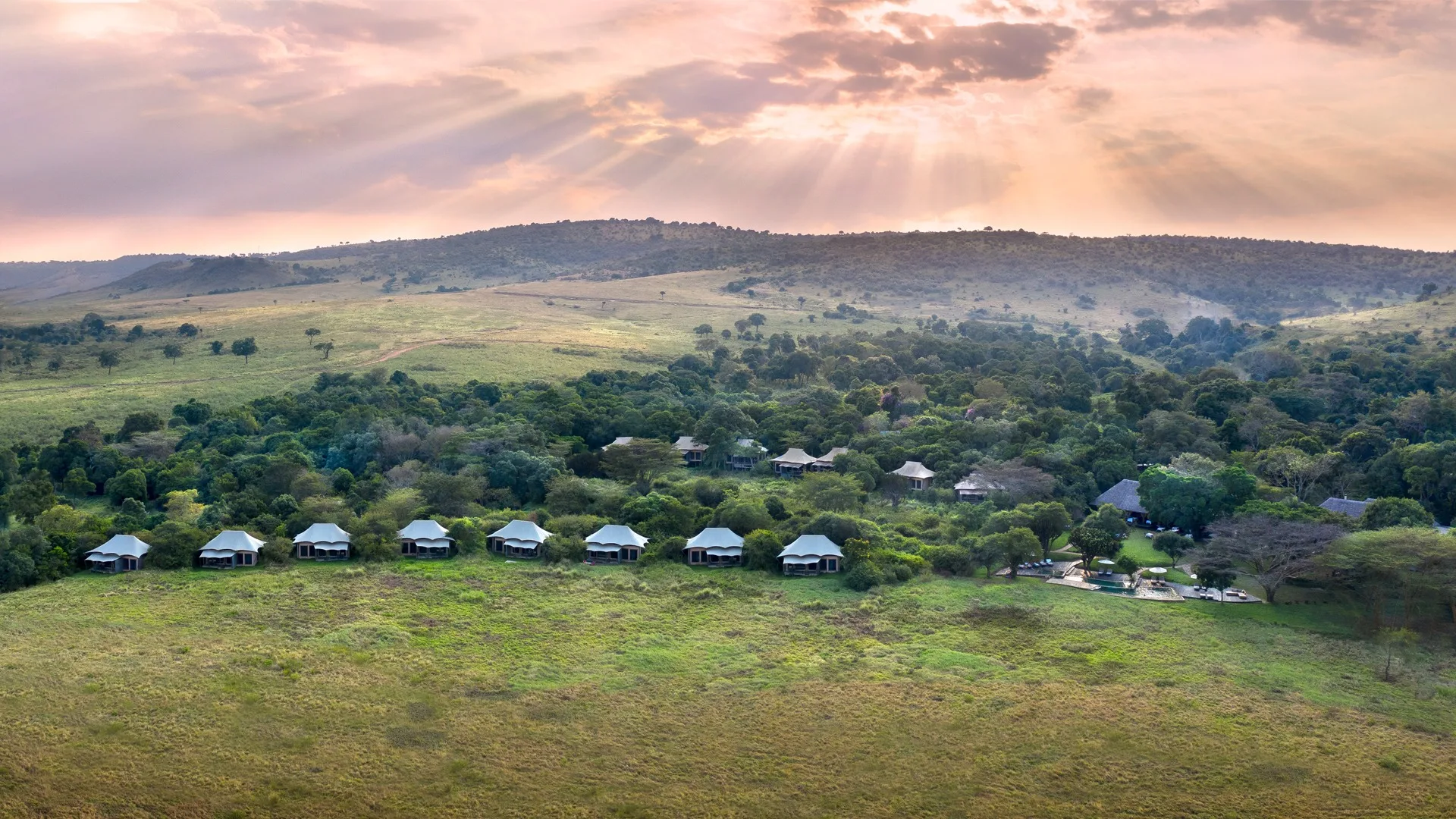
Accommodation: Masai Mara lodge or tented camp
Meal Plan: Breakfast, Lunch & Dinner
Activity: Nairobi-Masai Mara transfer and afternoon game drive
Where you stay
-
Day 3: Full-Day Masai Mara Safari – Big Cats and Big Game - Main destination
- Masai Mara National Reserve
- Meals
- Breakfast, Lunch, Dinner
Wake early for your first complete day in the Masai Mara. Morning is one of the most rewarding periods for game viewing, with cooler temperatures, predators that may still be active after the night, herbivores beginning to feed and bird activity that can be excellent. After an early breakfast, or with breakfast arrangements according to your camp, head onto the plains.
Searching for Lions
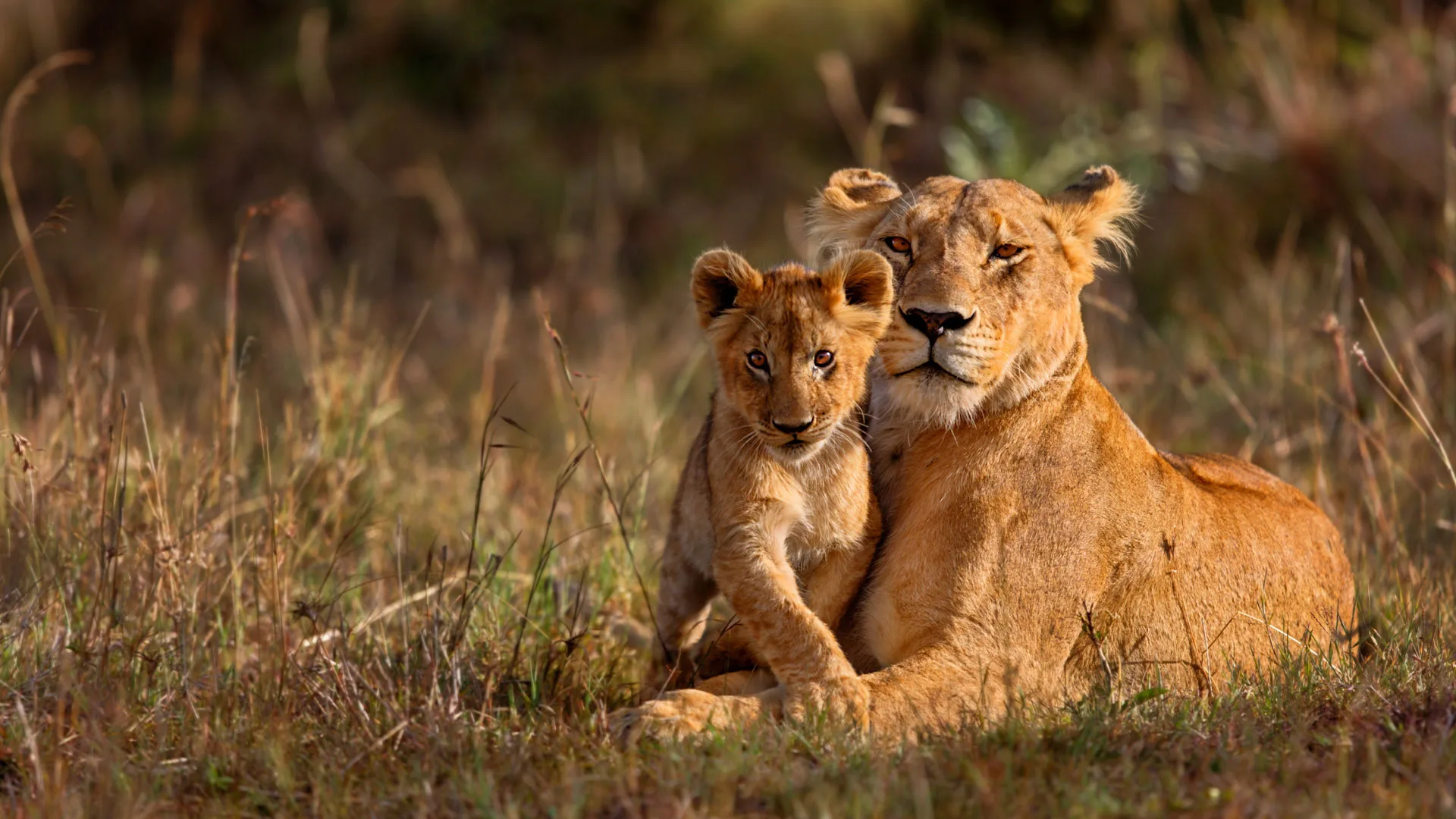
The Masai Mara is internationally renowned for lions. Prides occupy territories across different parts of the ecosystem, and you may encounter females resting with cubs, adult males patrolling territories or groups feeding after a successful hunt.
Lions often spend many hours resting. Rather than immediately leaving a sleeping pride, your guide may recommend waiting, because behavior can change quickly. A lion may suddenly become alert after hearing another pride, cubs may begin playing and females may get up and move. Patience often produces better safari experiences.
Searching for Cheetahs
Open grasslands provide suitable cheetah habitat. Cheetahs may use small rises and termite mounds to scan for prey. Their main advantage is speed, but hunting requires enormous energy. For this reason, they spend substantial time resting between periods of activity.
Searching for Leopards
Leopards are more elusive. Your guide may concentrate on:
- Riverine vegetation.
- Drainage lines.
- Woodland.
- Large trees.
A leopard may be almost invisible even when relatively close. Listen for alarm calls from prey species and monkeys, which can sometimes reveal the presence of a predator.
Continue your wildlife drive through the day. Depending on the plan, have a picnic lunch in an appropriate location. This avoids returning to camp and allows you to explore more distant sections of the ecosystem. During the afternoon, continue searching for: Elephants, Buffaloes, Giraffes, Zebras, Wildebeest, Eland, Topi, Impala, Gazelles, Warthogs, Hippos.
Return to camp in the evening.
Accommodation: Masai Mara lodge or tented camp
Meal Plan: Breakfast, Packed Lunch & Dinner
Activity: Full-day Masai Mara game drive
Where you stay
-
Day 4: Masai Mara – Great Migration, Mara River and Predator Country - Main destination
- Masai Mara National Reserve
- Meals
- Breakfast, Lunch, Dinner
Spend another full day exploring the Masai Mara. The value of multiple nights becomes particularly obvious today. Wildlife is constantly moving, so an area that appeared quiet yesterday may be productive this morning. Predators change locations, elephant families travel between feeding areas and large herbivore herds respond to grass and water conditions. Your guide can therefore adjust the day's route according to recent observations.
Great Wildebeest Migration
During appropriate months, substantial numbers of wildebeest and zebras may move into the Kenyan Mara from the Serengeti ecosystem. The migration is driven by environmental conditions rather than a fixed calendar. Rainfall affects grass, grass influences herbivore movement and herbivore movement influences predators, so the entire system is interconnected. The Kenyan Mara is most commonly associated with major migration activity during portions of approximately July through October, but exact timing changes from year to year.
Mara River
Depending on wildlife movements, you may explore the Mara River area. The river is home to: Hippos, Crocodiles, Birds, Riverine wildlife.
During migration periods, wildebeest may gather near crossing areas. However, crossings are unpredictable and no guide can guarantee that one will occur. Animals may approach the river, wait for hours and move away, and a crossing can also begin unexpectedly. The correct strategy is patience combined with realistic expectations. Even without a crossing, the Mara offers outstanding wildlife viewing.
Have lunch and continue the safari. Later, return toward camp while searching for predators in the softer evening light.
Accommodation: Masai Mara lodge or tented camp
Meal Plan: Breakfast, Lunch or Packed Lunch & Dinner
Activity: Full-day Masai Mara wildlife safari
Where you stay
-
Day 5: Masai Mara to Nairobi – Scenic Return Through the Rift Valley - Main destination
- Masai Mara National Reserve
- Meals
- Breakfast, Lunch, Dinner
Wake for breakfast. Depending on your accommodation location and planned departure time, there may be an opportunity for a final short Mara game drive. Then begin the journey back toward Nairobi. The drive gives you time to appreciate the transition from the wildlife-rich grasslands into Kenya's agricultural and urban landscapes. Stop for refreshments where appropriate and arrive in Nairobi later in the afternoon.
This overnight stop serves an important logistical purpose. Driving directly from the Masai Mara to Amboseli can create a very long and tiring day, so breaking the journey in Nairobi produces a more manageable safari pace.
Check into your hotel. The evening is free, and you may rest or enjoy dinner at the hotel or an appropriate restaurant. Travelers preferring a more premium itinerary may use domestic flights and different routing to reduce road time.
Accommodation: Nairobi hotel
Meal Plan: Breakfast; additional meals according to arrangement
Activity: Masai Mara-Nairobi transfer
Where you stay
-
Day 6: Nairobi to Amboseli National Park – Elephants Beneath Kilimanjaro - Main destination
- Masai Mara National Reserve
- Meals
- Breakfast, Lunch, Dinner
After breakfast, depart Nairobi and travel south toward Amboseli National Park. The drive generally takes several hours depending on traffic, road conditions and stops. As you move away from Nairobi, the landscape becomes increasingly open and dry.
Approaching Amboseli, keep looking south. If weather conditions are favorable, the enormous outline of Mount Kilimanjaro may emerge above the horizon. At 5,895 meters, Kilimanjaro is Africa's highest mountain. Although its summit lies across the international border in Tanzania, Amboseli provides some of the best-known views of the mountain, though cloud cover can hide it.
Arrive at your accommodation and have lunch. Later, begin an afternoon game drive. Amboseli is one of Africa's classic elephant destinations, and the ecosystem supports well-known elephant families that move between feeding grounds and wetlands. You may see:
- Adult females.
- Young calves.
- Juveniles.
- Large bulls.
Watching the social interactions of an elephant family can be one of the most rewarding experiences of the entire safari. Other wildlife can include: Buffalo, Zebra, Wildebeest, Giraffe, Impala, Grant's gazelle, Lion, Hyena, Warthog, Hippo.
Continue until evening. If Kilimanjaro is clear, the late afternoon can provide beautiful photography. Return to camp for dinner.
Accommodation: Amboseli lodge or tented camp
Meal Plan: Breakfast, Lunch & Dinner
Activity: Nairobi-Amboseli transfer and afternoon game drive
Where you stay
-
Day 7: Full-Day Amboseli Safari – Elephants, Wetlands and Kilimanjaro - Main destination
- Masai Mara National Reserve
- Meals
- Breakfast, Lunch, Dinner
Wake before sunrise. Early morning is particularly important in Amboseli because Kilimanjaro is often clearest before clouds develop around the mountain. Take coffee or tea and begin your morning safari. The cool light can transform the landscape, and elephants crossing open ground with Kilimanjaro behind them create one of Kenya's signature photographic scenes when the mountain is visible.
However, Amboseli offers far more than a mountain backdrop. Its wetlands are ecologically vital. Underground water associated with the wider Kilimanjaro catchment helps maintain marshes within an otherwise relatively dry ecosystem. These wetlands attract wildlife throughout the year: elephants may feed in the marsh, buffaloes gather around water, hippos occupy suitable pools and waterbirds can occur in impressive numbers.
Continue exploring different sections of the park. Search for lions around areas where herbivores concentrate, and watch for spotted hyenas moving through open areas. Giraffes browse woodland edges while zebras and wildebeest feed on grasslands. Birdwatchers should remain attentive because Amboseli supports a remarkable variety of species.
Depending on your safari style, you can return to the lodge for lunch or remain in the park with a picnic. If returning to camp, enjoy several hours of rest, which is useful on a longer safari. You can:
- Take a swim.
- Read.
- Sleep.
- Review photographs.
Later, return for an afternoon drive and continue wildlife viewing until sunset.
Accommodation: Amboseli lodge or tented camp
Meal Plan: Breakfast, Lunch & Dinner
Activity: Morning and afternoon or full-day Amboseli game drive
Where you stay
-
Day 8: Amboseli to Tsavo West National Park – Into Kenya's Volcanic Wilderness - Main destination
- Masai Mara National Reserve
- Meals
- Breakfast, Lunch, Dinner
After breakfast, leave Amboseli and travel toward Tsavo West National Park. The landscape changes noticeably. Tsavo West is characterized by a mixture of:
- Volcanic terrain.
- Rocky hills.
- Lava formations.
- Bushland.
- Woodland.
- Open areas.
- Springs.
The park forms part of the enormous Tsavo conservation landscape. Its rugged terrain creates a very different safari experience from the open plains of the Masai Mara. Wildlife can sometimes be more challenging to locate because vegetation is denser, which makes each sighting particularly rewarding. Possible animals include: Elephant, Buffalo, Giraffe, Zebra, Lion, Leopard, Antelope, Baboon, Monkey.
Arrive at your accommodation and have lunch depending on timing. Later, explore the park.
Mzima Springs
Where routing and current access arrangements allow, a visit to Mzima Springs can add another ecological dimension. Clear spring water supports an important aquatic environment, and the wider area is associated with hippos, crocodiles, fish, monkeys and birds. Always follow current park instructions and remain within authorized visitor areas.
Continue the game drive afterward. The red earth of Tsavo can coat elephants in a distinctive reddish dust, creating the famous appearance of Tsavo's "red elephants." The elephants are not a separate species or subspecies because of their color; the appearance comes from dust and soil. Return to the lodge for dinner.
Accommodation: Tsavo West lodge or tented camp
Meal Plan: Breakfast, Lunch & Dinner
Activity: Amboseli-Tsavo West transfer and game drive
Where you stay
-
Day 9: Tsavo West to Tsavo East – Crossing the Great Tsavo Ecosystem - Main destination
- Masai Mara National Reserve
- Meals
- Breakfast, Lunch, Dinner
Wake early for a morning game drive in Tsavo West. Morning temperatures are cooler and wildlife may be more active. Search along roads, water sources and open areas, and look carefully for predators. Lions occur throughout the ecosystem, leopards are present but elusive, and elephants and buffaloes can be more conspicuous.
After the morning safari, continue toward Tsavo East National Park. The transition between the two parks provides another change in scenery. Tsavo East is famous for enormous horizons, red soil and broad wilderness, and it is one of Kenya's largest protected areas. Arrive at your accommodation around lunchtime or later depending on routing.
After settling in, begin your first Tsavo East game drive. The park's vastness is one of its greatest attractions. Unlike smaller wildlife areas where vehicles can concentrate around a single predator sighting, Tsavo often feels expansive. You may travel substantial distances through seemingly empty wilderness before encountering a large elephant herd, and that sense of scale is part of the experience. Possible wildlife includes: Elephants, Lions, Buffaloes, Giraffes, Zebras, Waterbuck, Impala, Lesser kudu, Warthogs, Jackals, Hyenas, Numerous birds.
Return to your lodge or camp in the evening.
Accommodation: Tsavo East lodge or tented camp
Meal Plan: Breakfast, Lunch & Dinner
Activity: Tsavo West game drive, transfer to Tsavo East and afternoon safari
Where you stay
-
Day 10: Full-Day Tsavo East Safari – Red Elephants and Vast Wilderness - Main destination
- Masai Mara National Reserve
- Meals
- Breakfast, Lunch, Dinner
Today is dedicated to Tsavo East National Park. Begin early, because the first light across Tsavo's red earth can be spectacular.
Search for elephants. Tsavo's elephants are among the park's defining attractions, and many appear reddish because they cover themselves in the region's iron-rich soil and dust. Large family groups may move between feeding and drinking areas, and mature bulls can also be encountered. Spend time observing their behavior.
Tsavo is not simply about accumulating a long species list. Its greatest appeal lies in the combination of wildlife and wilderness. The landscapes are immense, and animals can appear against broad horizons rather than surrounded by numerous safari vehicles.
Search for lions. Tsavo has a famous historical association with lions, but today's animals are best appreciated as part of a functioning predator-prey ecosystem. Your guide may search around:
- Water sources.
- River systems.
- Open plains.
- Areas with concentrations of prey.
Leopards can occur but are difficult to find, and hyenas and jackals may also be encountered. Continue toward suitable scenic and wildlife areas according to current conditions. Depending on the route, attractions may include sections associated with the Galana River and other important habitats.
Have lunch either at the lodge or as a picnic according to your schedule. During the afternoon, continue game viewing and watch for birds. Tsavo's variety of habitats supports numerous species, and raptors can be especially interesting. As the sun lowers, photograph elephants against the warm colors of the landscape, then return for your final safari dinner.
Accommodation: Tsavo East lodge or tented camp
Meal Plan: Breakfast, Lunch & Dinner
Activity: Full-day Tsavo East game drive
Where you stay
-
Day 11: Tsavo East to Nairobi or Kenya Coast – End of Safari - Main destination
- Masai Mara National Reserve
- Drive time
- Return transfer as outlined in the itinerary
- Meals
- Breakfast, Lunch
Wake for breakfast. Depending on your departure schedule, take a final game drive while leaving the park. This is your last opportunity to search for wildlife: elephants may cross the road, giraffes may appear among acacias and a lion may unexpectedly emerge from the grass. Safari frequently saves surprises for the final morning.
Continue toward your onward destination. There are two particularly practical ways to finish this itinerary.
Option 1: Return to Nairobi
Travel back toward Nairobi for an international flight or additional overnight stay. Allow sufficient time for traffic and airport procedures.
Option 2: Continue to Kenya's Coast
Tsavo combines naturally with the Indian Ocean coast. Instead of returning north toward Nairobi, continue toward the Mombasa region and onward to destinations such as Diani Beach. This is an excellent option for travelers who want to finish an active wildlife safari with several days of relaxation.
The 11 Days Masai Mara, Amboseli & Tsavo Safari ends after exploring three of Kenya's most distinctive wildlife regions.
Meal Plan: Breakfast; additional meals according to onward arrangements
Activity: Final game drive and transfer to Nairobi or coast
Masai Mara – The Predator Heart of the Safari
The Masai Mara provides the strongest big-cat focus of this itinerary. Its relatively open terrain makes wildlife easier to observe than in heavily wooded environments. The ecosystem is especially renowned for: Lions, Cheetahs, Leopards, Spotted hyenas.
But predators depend on prey. The Mara's richness is supported by abundant herbivores such as: Wildebeest, Zebra, Topi, Impala, Gazelles, Buffalo, Giraffe, Eland.
During migration periods, this prey base can become even more spectacular.
Amboseli – Kenya's Elephant Kingdom
Amboseli's elephants are among the principal reasons to include the park. Because elephant families have been studied over long periods, the ecosystem has contributed substantially to our understanding of elephant behavior and social relationships. Travelers may observe elephants:
- Feeding.
- Drinking.
- Bathing.
- Socializing.
- Protecting calves.
- Crossing open plains.
Patience is important. Rather than simply photographing an elephant and moving on, watch the herd, because behavior often becomes increasingly interesting with time.
Mount Kilimanjaro Views from Amboseli
Kilimanjaro is located in Tanzania, but Amboseli provides the classic Kenyan view. The mountain can disappear completely behind cloud cover, so it is important to have realistic expectations. Clear views are never guaranteed. Early mornings frequently provide the best opportunities, and having two nights in Amboseli improves your chances compared with a rushed one-night visit.
Tsavo – Kenya's Great Wilderness
Tsavo is one of the most important features distinguishing this itinerary from more conventional Kenya circuits. The combined Tsavo landscape is enormous, and the safari experience can feel more exploratory. Vegetation is often denser, wildlife may be more widely dispersed and distances can be greater. This means Tsavo rewards patience. The landscape itself becomes part of the safari rather than merely a background to animals.
Tsavo East Versus Tsavo West
Although they form part of the same wider ecosystem, the two parks have distinct personalities.
Tsavo West
Tsavo West is generally associated with more varied and rugged scenery. Features can include:
- Volcanic landscapes.
- Hills.
- Woodland.
- Springs.
- Lava formations.
Tsavo East
Tsavo East is associated with:
- Vast open landscapes.
- Red soil.
- Large elephant populations.
- Broad horizons.
- Major river habitats.
Combining both creates a more complete understanding of the ecosystem.
Big Five Opportunities
The itinerary provides opportunities to search for the traditional Big Five: Lion, Leopard, Elephant, Buffalo, Rhinoceros.
However, rhinos are generally the most challenging member of the Big Five on this specific route. Travelers for whom rhinoceros viewing is a major priority may consider modifying the itinerary to include a stronger rhino destination such as Lake Nakuru or Ol Pejeta. Wildlife sightings can never be guaranteed.
Great Migration on This Safari
The Masai Mara portion can coincide with the Great Migration. Large wildebeest and zebra herds are most commonly associated with the Kenyan Mara during parts of approximately July through October. However, the migration does not operate according to fixed dates, and rainfall influences movement. If the migration is your main priority, accommodation location and number of Mara nights should be selected carefully.
Can We See a Mara River Crossing?
Possibly, during suitable migration periods, but crossings cannot be guaranteed. The wildebeest decide when and where to cross, and they may gather for hours and then retreat. Your safari should therefore be designed around the entire Mara wildlife experience rather than one unpredictable event.
Where you stay
03 Rates
Safari rates 2027-2029
Indicative per person. Season, group size and lodge style change the total — your quotation confirms current rates.
-
Essential (Budget)
Essential (Budget)
Budget camps and lodges suit travelers who prioritize wildlife while keeping costs lower.
Great value camps
-
Comfort (Mid-range)
Comfort (Mid-range)
Mid-range tented camps and lodges balance comfort and price with private rooms or tents and en-suite facilities.
Quoted for your dates
-
Premium (Luxury)
Premium (Luxury)
Luxury camps and lodges focus on location, service and more intimate wildlife experiences.
Premium camps and lodges
-
Signature (High-end)
Signature (High-end)
Signature camps and lodges are the most exclusive stays — small, highly private properties with exceptional guiding and setting.
Exclusive signature stays
04 Activities
Safari activities
Game viewing is the core of this itinerary. Optional extras are quoted separately and depend on season, permits and availability. Individual species and river crossings are never guaranteed.
-
Included
Extensive game drives
Included in a typical day on this safari. Exact timing follows the confirmed itinerary.
View activity -

Included
Photography
Included in a typical day on this safari. Exact timing follows the confirmed itinerary.
View activity -
Optional
Beach extension.
Available at extra cost when conditions, permits and your dates allow. Not guaranteed.
Additional information
Plan This Safari
Best Time for the 11 Days Masai Mara, Amboseli & Tsavo Safari
The itinerary can operate throughout much of the year.
January to March
These months can provide excellent general wildlife viewing. Conditions are often relatively dry, and Amboseli can be particularly rewarding.
April and May
The longer rains can create greener landscapes and visitor numbers may be lower. Road conditions can become more difficult, and some accommodation may close temporarily.
June
June is a useful transition toward the drier season. Wildlife viewing can be excellent.
July to October
This is a highly popular safari period, and the Mara may host substantial migration herds. Advance booking is strongly recommended.
November
Short rains can refresh the landscape. Birdlife can be excellent.
December
December offers good wildlife opportunities but becomes busy around Christmas and New Year.
Safari During the Green Season
The green season deserves consideration. Advantages can include:
- Lush landscapes.
- Fewer visitors.
- Dramatic skies.
- Excellent birding.
- Attractive accommodation rates at selected properties.
Rain can occasionally affect road conditions. Photography can nevertheless be beautiful because dust is reduced and vegetation becomes greener.
Road Safari or Fly-In Safari?
This itinerary can be organized using different transportation styles.
Private Road Safari
A private 4x4 provides continuity. The same guide can remain with you for much of the journey. Advantages include:
- Private vehicle.
- Flexible stops.
- Landscape experience.
- Luggage convenience.
- Lower cost than extensive flying.
The disadvantage is longer transfer time.
Fly-In Safari
Selected sectors can be replaced with scheduled flights. This reduces fatigue and is particularly useful between distant destinations. The disadvantages are higher cost and luggage restrictions.
Safari Vehicle
A 4x4 safari vehicle is particularly appropriate for this extended itinerary. Features may include:
- Pop-up roof.
- Window seats.
- Charging points depending on vehicle.
- Cooler box depending on arrangement.
- Storage space.
Vehicle specifications should be confirmed when booking. A private vehicle is highly recommended for photographers, families and travelers wanting maximum flexibility.
Accommodation Options
The safari can be arranged in several accommodation categories.
Budget Safari
Budget accommodation may include:
- Simple tented camps.
- Basic lodges.
- Guesthouse-style properties.
- Camps outside park boundaries.
The focus remains wildlife and affordability.
Mid-Range Safari
Mid-range accommodation generally provides:
- En-suite rooms or tents.
- Comfortable beds.
- Restaurant.
- Bar.
- Electricity.
- Hot showers.
- Swimming pools at selected properties.
This category provides excellent value.
Luxury Safari
Luxury properties can provide:
- Spacious suites.
- Premium tented accommodation.
- Superior locations.
- Fine dining.
- Pools.
- Spa facilities.
- Private decks.
- Enhanced service.
High-End Safari
High-end options may include:
- Boutique camps.
- Private villas.
- Private plunge pools.
- Butler service.
- Exclusive-use vehicles.
- Bush flights.
- Personalized dining.
Accommodation should be selected according to both budget and location.
Is This Safari Suitable for Families?
Yes. An eleven-day itinerary can work well for families because it provides substantial wildlife variety. Children can experience: Big cats, Elephants, Giraffes, Zebras, Hippos, Birds, Different landscapes.
However, drive times should be considered carefully. Families with younger children may prefer adding flights or modifying the routing. A private vehicle provides the greatest flexibility.
Is This Safari Suitable for Couples?
Yes. Couples can arrange the journey privately. Romantic upgrades may include:
- Boutique camps.
- Sundowners.
- Bush meals.
- Private dining.
- Balloon safari.
- Beach extension.
The route works particularly well for honeymooners wanting both wildlife and scenery.
Is This Safari Suitable for Solo Travelers?
Yes. A private safari provides maximum flexibility but can be relatively expensive for one traveler. Solo travelers can ask about:
- Scheduled departures.
- Shared safari options.
- Single supplements.
The exact availability varies.
Photography on the Safari
The itinerary is excellent for photographers because each region offers different visual opportunities.
Masai Mara
Best known for:
- Big cats.
- Open plains.
- Migration.
- Sunrise and sunset.
- Predator behavior.
Amboseli
Particularly strong for:
- Elephants.
- Kilimanjaro.
- Wetlands.
- Dust.
- Large mammals against open landscapes.
Tsavo
Excellent for:
- Red elephants.
- Wilderness landscapes.
- Dramatic terrain.
- Less conventional Kenya imagery.
A private vehicle provides the greatest photography flexibility.
Birdwatching
Birding opportunities are excellent throughout the route. The changing habitats produce significant species diversity. You may encounter: Raptors, Vultures, Storks, Herons, Egrets, Kingfishers, Hornbills, Bee-eaters, Rollers, Bustards, Ostriches, Waterbirds.
Dedicated birders should tell the guide before the safari. This allows the pace of game drives to be adjusted.
Optional Hot-Air Balloon Safari in the Masai Mara
A balloon safari can be added during the Masai Mara portion. The experience normally begins before sunrise. After a safety briefing, the balloon rises above the plains. From the air, you may observe:
- Wildlife herds.
- Rivers.
- Grasslands.
- Acacia trees.
- Animal trails.
The flight normally ends with breakfast according to the balloon operator's program. Advance booking is recommended. Ballooning is usually an additional-cost activity unless specifically included, and flights depend on operator decisions and weather.
Optional Maasai Cultural Experience
A community visit can be arranged in the greater Mara or Amboseli region. A responsible cultural experience may introduce travelers to:
- Livestock traditions.
- Housing.
- Clothing.
- Community organization.
- Education.
- Contemporary Maasai life.
Cultural visits should be conducted respectfully. Always ask before photographing individuals and understand fees before participating.
Meals During the Safari
Most safari accommodation operates on full board. This generally means:
- Breakfast.
- Lunch.
- Dinner.
During full-day game drives, lunch may be provided as a picnic. Dietary requirements should be communicated in advance. Properties can generally accommodate common dietary needs when given sufficient notice.
What Is Usually Included?
Depending on the final quotation, inclusions may cover:
- Airport transfer.
- Nairobi accommodation where stated.
- Safari transportation.
- Professional driver-guide.
- Fuel.
- Masai Mara entry fees.
- Amboseli park fees.
- Tsavo park fees.
- Accommodation.
- Meals stated.
- Game drives.
- Drinking water.
- Government taxes listed.
- Airstrip transfers where applicable.
Always rely on the confirmed quotation for exact inclusions.
What Is Usually Excluded?
Possible exclusions include:
- International flights.
- Visa or entry-related expenses.
- Travel insurance.
- Alcoholic drinks unless included.
- Premium beverages.
- Laundry where charged.
- Tips.
- Personal purchases.
- Balloon safari.
- Cultural visits unless included.
- Bush flights unless specified.
- Beach accommodation unless included.
- Activities not listed.
Packing for the Safari
Useful items include:
- Lightweight shirts.
- Long trousers.
- Shorts.
- Fleece.
- Warm jacket.
- Rain jacket.
- Comfortable shoes.
- Sandals.
- Sun hat.
- Sunglasses.
- Sunscreen.
- Insect repellent.
- Binoculars.
- Camera.
- Spare batteries.
- Memory cards.
- Power bank.
- Personal medication.
- Reusable water bottle.
- Small daypack.
Morning drives can be cold. Layers are useful.
Health Preparation
Before traveling, consult an appropriate healthcare professional regarding your individual health needs. Consider:
- Routine vaccinations.
- Destination-specific recommendations.
- Malaria prevention advice.
- Prescription medication.
- Sun protection.
- Hydration.
Carry important medication in your hand luggage where appropriate.
Travel Insurance
Comprehensive travel insurance is strongly recommended. A suitable policy should ideally address:
- Medical treatment.
- Emergency evacuation.
- Trip cancellation.
- Travel interruption.
- Flight disruption.
- Baggage loss.
Read policy terms carefully before travel.
Wildlife Safety
Always follow your guide's instructions. Do not:
- Leave the vehicle without permission.
- Feed wildlife.
- Approach animals on foot.
- Make unnecessary noise.
- Pressure guides to approach too closely.
- Block wildlife movement.
Some safari camps are unfenced. Wild animals may move through camp. Use escorts after dark where required.
Responsible Safari Travel
A responsible safari respects wildlife, habitats and local communities. Travelers can help by:
- Avoiding litter.
- Using reusable water bottles.
- Respecting park regulations.
- Keeping appropriate distance from animals.
- Supporting responsible accommodation.
- Respecting local cultures.
- Purchasing locally produced goods where appropriate.
Safari tourism depends on healthy ecosystems. Wildlife welfare must always take priority over photographs.
Masai Mara, Amboseli and Tsavo Versus a Short Kenya Safari
A short Kenya safari may provide excellent wildlife, but it often concentrates on only one or two parks. This eleven-day route allows you to understand how dramatically Kenya changes from region to region. The Mara is green, open and predator-rich. Amboseli is defined by elephants, wetlands and Kilimanjaro. Tsavo is enormous, red, rugged and wild. The wildlife overlaps, but the experience does not feel repetitive.
A lion in the Mara appears against open grassland. An elephant in Amboseli may stand beneath Kilimanjaro. An elephant in Tsavo may be covered in red dust. The same country produces completely different safari scenes.
Why Include Both Amboseli and Tsavo?
Amboseli and Tsavo are sometimes treated as interchangeable southern Kenya destinations. They are not. Amboseli is relatively compact and wildlife can concentrate around water, while Tsavo is immense. Amboseli's most famous image is an elephant against Kilimanjaro. Tsavo's identity comes from scale, red earth and wilderness. Combining them provides far greater landscape diversity.
Why Spend Several Days in the Masai Mara?
Predator sightings cannot be scheduled. A leopard may remain hidden. Lions may spend an entire afternoon sleeping. Cheetahs may be many kilometers away. Migration herds may shift overnight, so multiple days provide flexibility. If one morning is quiet, the next can be extraordinary. This is why the itinerary allocates meaningful time to the Mara rather than treating it as a one-night stop.
Extending the Safari to Diani Beach
The route is exceptionally well suited to a beach extension. After Tsavo East, continue toward the coast instead of returning to Nairobi. Spend several nights at Diani Beach. Activities can include:
- Swimming.
- Beach walks.
- Spa.
- Snorkeling.
- Diving.
- Sailing.
- Ocean excursions.
- Relaxation.
After eleven days of game drives and road travel, several quiet beach days can provide an ideal conclusion.
Combining This Safari with Zanzibar
Travelers can also connect toward Zanzibar. This creates a classic Kenya safari and Zanzibar beach holiday. Because Zanzibar is part of Tanzania, separate entry and travel requirements apply. Regional flight connections should be incorporated into the itinerary before booking.
Combining the Safari with Gorilla Trekking
For travelers planning a longer East African journey, Kenya can be combined with gorilla trekking in Uganda or Rwanda. The resulting itinerary can feature:
- Masai Mara big cats.
- Amboseli elephants.
- Tsavo wilderness.
- Mountain gorillas.
This creates extraordinary ecological contrast. Regional flights are normally the most practical way to connect the countries.
Customizing the 11 Days Masai Mara, Amboseli & Tsavo Safari
The itinerary is flexible. It can be adapted according to:
- Travel dates.
- Budget.
- Accommodation category.
- Wildlife priorities.
- Photography interests.
- Family needs.
- Honeymoon requirements.
- Migration season.
- Vehicle preference.
- Flight preference.
- Beach-extension plans.
Possible modifications include:
- More nights in Masai Mara.
- Additional Amboseli night.
- More Tsavo time.
- Removing Nairobi transit where suitable flights exist.
- Adding Lake Naivasha.
- Adding Lake Nakuru.
- Adding a rhino conservation destination.
- Finishing at Diani.
- Adding a balloon safari.
- Upgrading selected camps.
The goal is not simply to fit as many destinations as possible into eleven days. The goal is to create a route in which every destination contributes something meaningful.
Book Your 11 Days Masai Mara, Amboseli & Tsavo Safari
The 11 Days Masai Mara, Amboseli & Tsavo Safari is ideal for travelers who want a broad Kenya wildlife journey without restricting themselves to a single ecosystem. When requesting a personalized quotation, provide:
- Preferred travel dates.
- Number of travelers.
- Children's ages.
- Accommodation category.
- Approximate budget.
- Private or shared safari preference.
- Vehicle preference.
- Great Migration interest.
- Big Five interest.
- Photography requirements.
- Birding interests.
- Balloon safari interest.
- Cultural interests.
- Dietary requirements.
- Nairobi arrival flight.
- Onward or departure flight.
- Diani or Mombasa extension plans.
We can then design the itinerary around your priorities. For wildlife enthusiasts, more time can be allocated to the Masai Mara. For elephant lovers, Amboseli can be extended. For travelers seeking wilderness and fewer concentrated safari vehicles, additional time can be devoted to Tsavo. For photographers, a private vehicle and carefully selected camp locations can become the priority. For honeymooners, boutique accommodation, sundowners and a beach extension can be incorporated. For families, drive times and room configurations can be adjusted.
The strength of this safari lies in the contrast between its destinations. You begin among the famous predators and sweeping grasslands of the Masai Mara. You continue south to Amboseli, where elephant families move through wetlands beneath the enormous presence of Mount Kilimanjaro. You then enter Tsavo, where red earth, volcanic landscapes and vast horizons reveal another side of Kenya entirely. Over eleven days, you do not simply see more wildlife. You experience how Kenya's landscapes shape the wildlife that lives within them. That combination of Masai Mara predators, Amboseli elephants, Kilimanjaro scenery and Tsavo wilderness makes the 11 Days Masai Mara, Amboseli & Tsavo safari one of the most varied extended safari journeys in Kenya.
Primary Keyphrase: 11 Days Masai Mara, Amboseli & Tsavo
Exact URL: `/safari-packages/11-days-masai-mara-amboseli-and-tsavo/`
Individual species, river crossings and mountain views can never be guaranteed.
Planning Questions
Frequently Asked Questions
Is 11 days enough for Masai Mara, Amboseli and Tsavo?
Yes. Eleven days provides enough time to combine these regions while allowing multiple game drives in the major parks.
Which park is best for lions?
The Masai Mara generally provides particularly strong lion-viewing opportunities, although lions also occur in Amboseli and Tsavo.
Which park is best for elephants?
Amboseli is internationally famous for elephants, while Tsavo also supports important elephant populations.
Can I see Kilimanjaro?
Potentially. Amboseli provides famous views, but cloud cover can obscure the mountain.
Can I see the Great Migration?
Potentially, if your Masai Mara visit coincides with substantial migration herds in Kenya.
Are river crossings guaranteed?
No.
Can I see leopards?
Yes, leopards occur on the route, but they are elusive.
Can I see cheetahs?
Yes. Masai Mara provides particularly good cheetah habitat.
Can I see rhinos?
Rhinos are possible in parts of the wider route but are not the strongest focus of this itinerary. A dedicated rhino destination can be added if rhinos are a priority.
What are Tsavo's red elephants?
They are ordinary African elephants coated in Tsavo's reddish soil and dust.
Should I visit both Tsavo East and Tsavo West?
If time allows, yes. They provide different landscapes and together create a more complete Tsavo experience.
Is Tsavo East different from the Masai Mara?
Very much so. Tsavo East is larger, drier and often feels considerably more remote.
Can we travel entirely by road?
Yes.
Can we use domestic flights?
Selected sectors can be flown depending on schedule and budget.
Is the safari private?
It can be arranged as a private safari.
Can families book this itinerary?
Yes.
Can honeymooners book it?
Yes, with romantic accommodation and optional upgrades.
Can solo travelers join?
Yes, depending on private or scheduled-departure arrangements.
Can I add a balloon safari?
Yes, during the Masai Mara section.
Can I add cultural activities?
Yes, appropriate cultural visits can be arranged.
Can I finish at Diani Beach?
Yes. This is one of the most logical extensions because Tsavo is positioned toward Kenya's coast.
Can I finish in Mombasa?
Yes.
Can I return to Nairobi?
Yes.
What accommodation categories are available?
Budget, mid-range, luxury and high-end options can be arranged.
When should I book?
Book early for July through October and Christmas/New Year travel, especially when specific lodges are required.
05 Request Quote
Request Quote
Tell us your dates, group size, and preferred lodge style — we will send a tailored quote for this safari.
Want to extend your safari?
Add Amboseli, Diani Beach, Tanzania and Zanzibar, or gorilla trekking in Uganda or Rwanda — we tailor the journey to your dates.