10 Days Maasai Mara Amboseli and Diani Beach
A 10 day Kenya journey connecting Nairobi, Maasai Mara, Lake Naivasha, Amboseli and Diani Beach.
Amboseli, Diani Beach, Lake Naivasha
View SafariHandpicked Amboseli Safari Tours for Every Traveler
Plan a Nairobi to Amboseli safari with detailed itineraries, elephant viewing, Mount Kilimanjaro scenery, accommodation options, travel times and booking advice.
Amboseli National Park lies in southern Kenya, near the border with Tanzania and beneath the northern slopes of Mount Kilimanjaro. The mountain itself is located in Tanzania, but some of its most recognisable photographic views are obtained from the Kenyan side.
The park covers approximately 392 square kilometres and forms part of a wider ecosystem used by wildlife moving between protected areas, community lands and surrounding habitats. Its scenery is shaped by the influence of Kilimanjaro, whose underground water systems help sustain wetlands and swamps even when surrounding areas are dry.
These wetlands are particularly important for elephants and other wildlife. They provide drinking water, vegetation and habitat for numerous bird species.
A Nairobi to Amboseli safari typically involves travelling by road in a private safari vehicle, although flights may be available depending on schedules and the selected accommodation.
Showing 1–12 of 26 safaris
A 10 day Kenya journey connecting Nairobi, Maasai Mara, Lake Naivasha, Amboseli and Diani Beach.
Amboseli, Diani Beach, Lake Naivasha
View SafariPlan a 10 Days Masai Mara & Amboseli with expert guides, game drives and carefully chosen camps. Request…
Masai Mara, Amboseli
View SafariA 10 day Kenya journey connecting Mombasa, Taita Hills or LUMO, Tsavo West, Amboseli, Tsavo East and Diani…
Amboseli, Diani Beach, Mombasa
View SafariA 11 day Kenya journey connecting Nairobi, Amboseli, Tsavo West, Tsavo East and Watamu.
Amboseli, Nairobi, Tsavo East
View SafariPlan a 11 Days Masai Mara, Amboseli & Tsavo with expert guides, game drives and carefully chosen camps.…
Masai Mara, Amboseli, Tsavo
View SafariExplore the 12 Days Masai Mara, Amboseli & Tsavo with a day-by-day safari plan, key wildlife experiences, destinations,…
Masai Mara, Amboseli, Tsavo
View SafariA 14 day Kenya journey connecting Nairobi, Ol Pejeta, Samburu, Solio, Lake Nakuru, Maasai Mara, Lake Naivasha, Amboseli,…
Amboseli, Lake Naivasha, Lake Nakuru
View SafariA 14 day Kenya journey connecting Nairobi, Maasai Mara, Lake Naivasha, Amboseli, Tsavo West, Tsavo East and Diani…
Amboseli, Diani Beach, Lake Naivasha
View SafariA 15 day Kenya journey connecting Nairobi, Ol Pejeta, Samburu or Buffalo Springs, Solio, Lake Nakuru, Maasai Mara,…
Amboseli, Lake Naivasha, Lake Nakuru
View SafariA 16 day Kenya journey connecting Nairobi, Ol Pejeta, Samburu or Buffalo Springs, Solio, Lake Nakuru, Maasai Mara,…
Amboseli, Diani Beach, Lake Naivasha
View SafariA 18 day Kenya journey connecting Nairobi, Ol Pejeta, Samburu or Buffalo Springs, Solio, Lake Nakuru, Maasai Mara,…
Amboseli, Diani Beach, Lake Naivasha
View SafariPlan a 2 Days Amboseli Safari with expert guides, game drives and carefully chosen camps. Request a quote.
Amboseli
View SafariThe distance between Nairobi and Amboseli depends on the road route, departure point and park gate used.
A common route follows the Nairobi–Mombasa highway towards Emali before turning south towards the Amboseli region. Other routes use the Nairobi–Namanga road and approach the park from the western side.
The Kenya Wildlife Service identifies road access through gates including Iremito, Kimana and Meshanani. Travellers should generally allow approximately four to six hours for the road journey, although traffic, roadworks, weather and the location of the lodge can extend travel time.
The final approach may include unpaved roads, particularly when travelling to accommodation outside the park. A professionally organised Nairobi to Amboseli Road Safari should include reasonable comfort stops and enough time to arrive without unnecessary rushing.
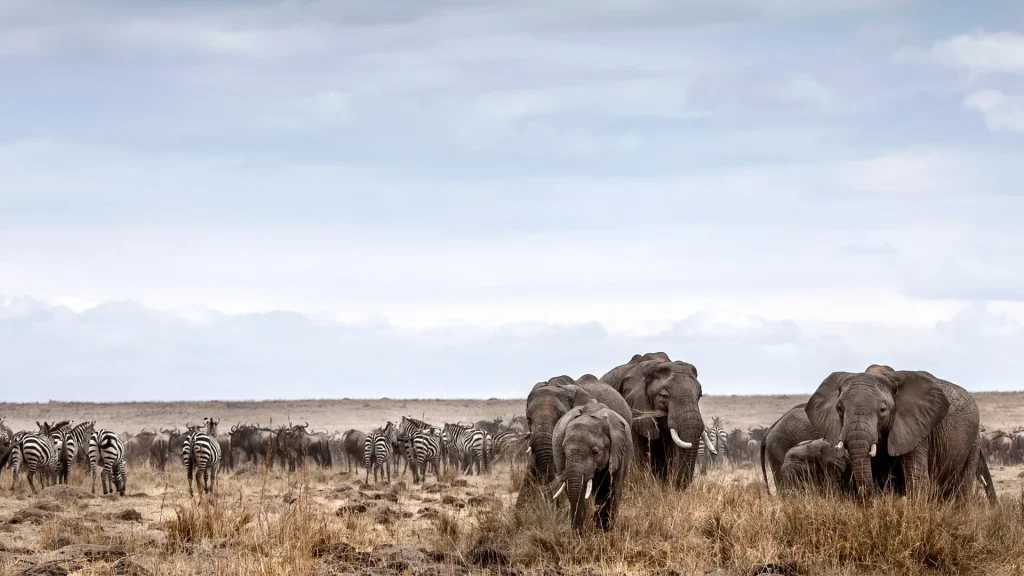
Amboseli is internationally recognised for its elephant populations and long-term elephant research. The park provides opportunities to observe elephants feeding, travelling between habitats, interacting within family groups and using the wetlands.
Elephants are highly social animals, and patient observation can reveal relationships between mothers, calves and other family members. Rather than concentrating only on close photographs, visitors can learn about elephant communication, family structure and the importance of maintaining wildlife corridors across the wider Amboseli ecosystem.
Mount Kilimanjaro rises to 5,895 metres above sea level and dominates the southern horizon when visibility is clear. Its snow-capped summit is particularly striking when viewed beyond Amboseli's grasslands and elephant herds.
However, the mountain is frequently obscured by cloud, especially during parts of the day. Early mornings often provide better visibility, but clear views cannot be guaranteed.
Travellers interested in photography should allow more than one morning in the area where possible.
Although Amboseli is famous for elephants, its wildlife diversity extends well beyond a single species. The park's grasslands support grazing herbivores, while acacia woodland provides browsing habitat for giraffes and other animals.
Swamps attract buffaloes, elephants, waterbirds and other wildlife, especially when surrounding landscapes become dry. The contrast between wetland and semi-arid habitats is one of the park's most interesting ecological features.
Amboseli can be visited as a two-day safari from Nairobi, but three days generally provide a more comfortable experience. Longer stays allow travellers to explore different areas without spending too much of the holiday travelling.
The park also combines well with other destinations, particularly Tsavo West and Tsavo East, when planning a safari that continues towards the Kenyan coast.
The following is a recommended itinerary illustrating how a three-day safari can be organised. It is not a fixed confirmed departure, and accommodation, meals, park fees and activities should be specified in the final quotation.
Your safari begins with pickup from your Nairobi hotel or another agreed location. After meeting your professional safari guide, you depart south towards Amboseli in a suitable safari vehicle. The journey takes you away from the capital's urban surroundings and into the more open landscapes of southern Kenya.
Depending on the selected route, the drive may follow the Nairobi–Mombasa highway towards Emali before continuing towards Amboseli. Along the way, you pass roadside settlements, agricultural areas and increasingly open country. Your guide can explain the landscapes, local communities and wildlife conservation issues associated with the region.
After approximately four to six hours of driving, depending on conditions and lodge location, you arrive in the Amboseli area. Check in at your selected accommodation and enjoy lunch if included in the confirmed programme. A short rest allows you to prepare for the afternoon game drive.
Later, enter Amboseli National Park and begin exploring its open plains and woodland habitats. Your guide searches for elephants, zebras, buffaloes, giraffes and other animals while explaining their behaviour and the ecological importance of the park's wetlands. If the weather is clear, Mount Kilimanjaro may provide an impressive backdrop.
Return to your lodge or camp in the evening for dinner and overnight accommodation, according to the confirmed meal plan. Approximate driving time: 4–6 hours, excluding extended stops and game drive time.
Accommodation: Selected Essential, Comfort, Premium or Signature lodge or camp in the Amboseli area. Meals: As specified in the final safari quotation.
Begin the morning with an early breakfast or another meal arrangement agreed with your lodge. Early game drives are particularly rewarding in Amboseli because temperatures are generally cooler and Mount Kilimanjaro may be more visible before clouds develop.
Your guide explores the park's grasslands and wetland areas, searching for elephants moving between feeding grounds and water sources. Amboseli's open terrain can provide excellent opportunities to observe elephant family groups, including adults and calves, while maintaining safe viewing distances.
Other wildlife may include wildebeests, zebras, buffaloes, giraffes, antelopes and predators such as lions or hyenas. Birdwatchers can look for herons, egrets, pelicans, raptors and other species associated with the park's varied habitats. The precise sightings depend on wildlife movements and seasonal conditions.
During the day, your guide may include a visit to Observation Hill, subject to park access and the agreed itinerary. This elevated viewpoint provides broad views over the surrounding plains and wetlands, helping visitors appreciate the relationship between the park's different habitats.
The safari can be organised with a picnic lunch in an authorised area or with a return to the lodge for lunch and rest. The most suitable approach depends on the location of the accommodation, weather and the preferences of the group.
In the afternoon, continue wildlife viewing in another section of the park. Rather than repeating the same route, your guide can respond to recent wildlife activity and explore different landscapes.
Return to your accommodation in the evening. Enjoy dinner and time to relax while reflecting on the day's wildlife encounters.
Safari activity: Morning and afternoon game drives or a suitably planned full-day excursion. Accommodation: Second night at the selected Amboseli lodge or camp.
Meals: As confirmed in the booking arrangements.
Wake early for a final opportunity to enjoy Amboseli's landscapes and wildlife. Depending on your accommodation location and the agreed schedule, you may begin with a morning game drive or enjoy wildlife viewing while travelling towards the park exit.
Morning conditions can be particularly attractive for photography. If Mount Kilimanjaro is visible, the combination of mountain scenery, grassland and wildlife can provide memorable final images of the safari.
After breakfast and checkout, begin the return journey towards Nairobi. Your guide follows the selected road route, with appropriate stops for refreshments and comfort.
The drive generally takes approximately four to six hours, although traffic approaching Nairobi may affect the arrival time. Travellers with onward flights should allow substantial additional time rather than relying on the earliest possible arrival estimate.
Your safari concludes with drop-off at the agreed Nairobi location, which may be a hotel, residence or airport depending on the confirmed arrangements. Approximate driving time: 4–6 hours, excluding extended stops.
Meals: According to the agreed package. End of safari: Nairobi.
A 2 Days Amboseli Safari is suitable for travellers with limited time who still want to experience the park's elephants and mountain scenery.
Depart Nairobi early and drive towards Amboseli. After arrival and check-in, enjoy an afternoon game drive focusing on the park's wildlife and scenic landscapes.
The first day includes a substantial road journey, so the amount of time available for wildlife viewing depends on departure time and traffic. Spend the night at a selected lodge or camp in the Amboseli area.
Begin with an early game drive, when conditions may be favourable for wildlife viewing and photography. After breakfast or the agreed morning programme, check out and travel back to Nairobi.
A two-day safari is practical but relatively fast-paced. Travellers who prefer a relaxed itinerary or want several opportunities to photograph Kilimanjaro should consider three days.
Elephants are the main attraction of an Amboseli Elephant Safari. The park's open landscapes often allow visitors to observe groups moving across grasslands or feeding in wetland vegetation.
Elephant behaviour is complex, and family groups maintain strong social relationships. A knowledgeable guide can explain how elephants communicate, protect young calves and respond to environmental changes.
Visitors must maintain safe distances and never block an elephant's path. Animals should always be allowed to move freely.
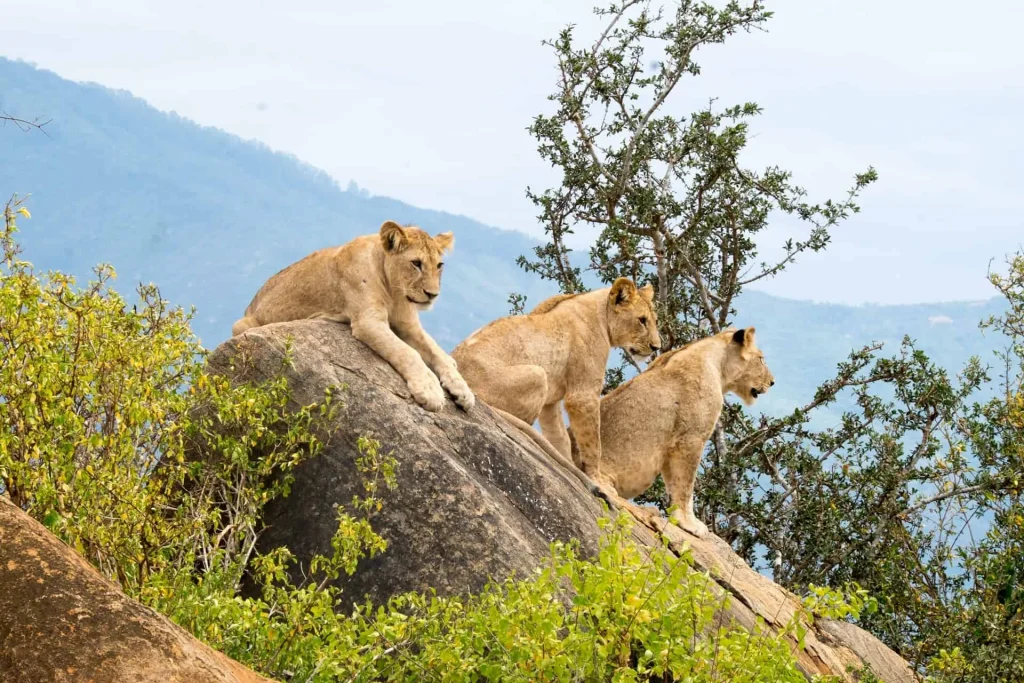
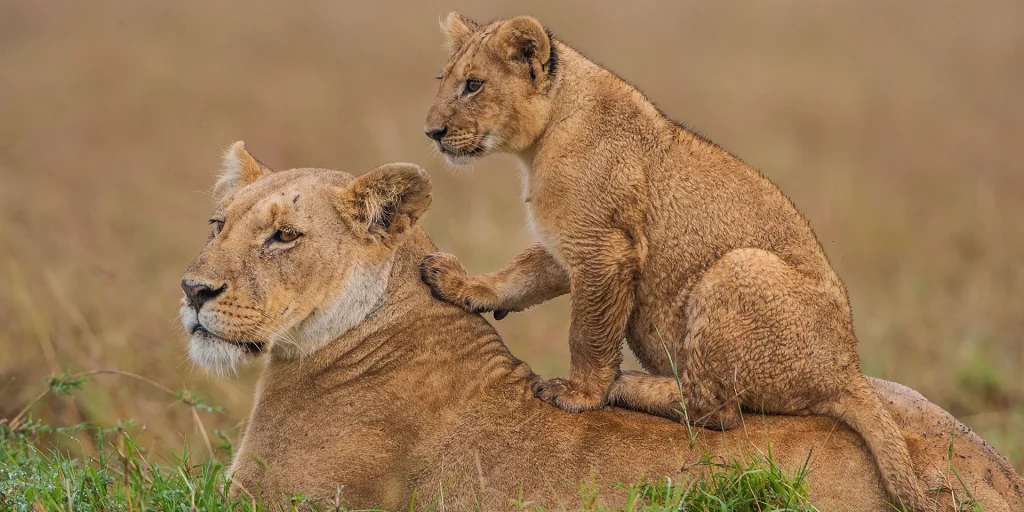
Lions inhabit the Amboseli ecosystem and may be encountered during game drives.
They can be difficult to locate when resting in vegetation or moving across large areas. Sightings are therefore unpredictable.
A patient guide may search for signs of predator activity, but no responsible operator can guarantee lion encounters.
African buffaloes occur in Amboseli and are often associated with grasslands and wetland areas.
They may be seen grazing in groups or resting near water. Their size and unpredictable defensive behaviour make it important to maintain appropriate viewing distances.
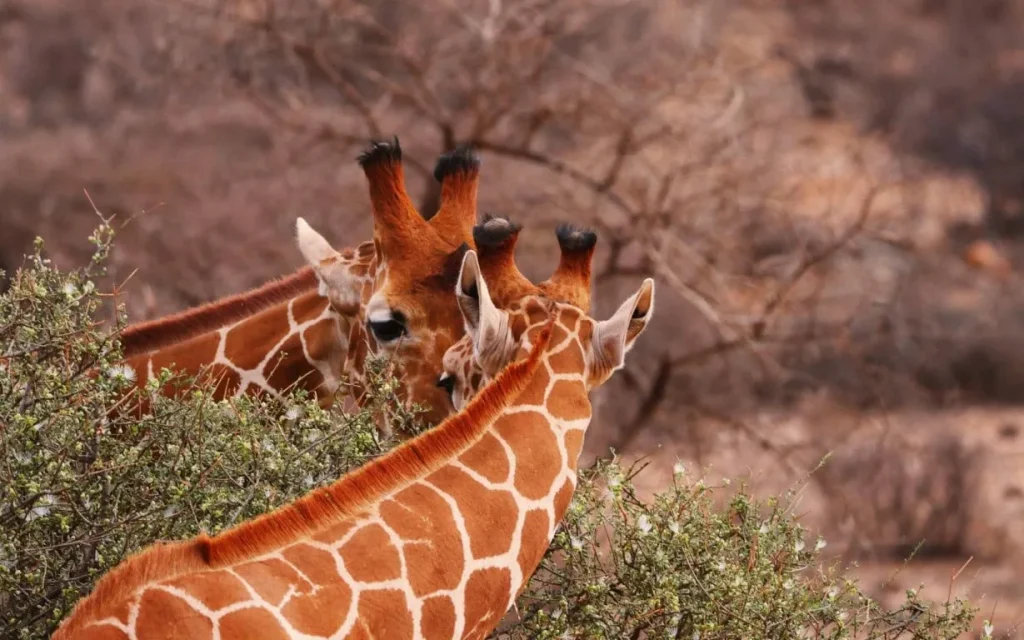
Giraffes can be observed browsing on trees and shrubs in suitable parts of the park and surrounding ecosystem. Their presence provides an interesting contrast to elephants and grazing animals because giraffes use different vegetation resources.
Zebras and wildebeests are important grazing herbivores in Amboseli's open habitats.
They may be encountered in groups moving between feeding areas and water sources. Their movements change according to rainfall, vegetation and other environmental conditions.
Amboseli is recognised as an important bird area and supports more than 400 recorded bird species. Its wetlands attract numerous waterbirds, while grasslands and woodland provide habitats for raptors and other species.
Birdwatchers may enjoy the park throughout the year, although the composition and activity of bird populations vary seasonally.
These months often offer warm conditions and relatively dry periods. Wildlife viewing can be rewarding, and Mount Kilimanjaro may be visible during clear mornings.
However, weather conditions are never entirely predictable, and occasional rainfall can occur.
The longer rainy season generally occurs during these months. Amboseli's landscapes may become greener, and birdlife can be particularly interesting.
Some roads may be affected by rain, and the mountain may be obscured by cloud more frequently. Travellers should plan with flexibility and use suitable vehicles.
This period is often relatively dry and is popular for wildlife safaris. As water becomes more concentrated in certain areas, animals may gather around permanent wetlands and other reliable sources.
Mornings can be cool, so travellers should carry appropriate clothing.
The shorter rainy season generally occurs around November, although rainfall varies between years. Fresh vegetation can transform the park's appearance, and birdwatching may be rewarding.
December is also a popular holiday period, making advance accommodation planning advisable.
Accommodation choice affects both the comfort and logistics of a safari.
Properties located inside the park or close to convenient gates may reduce daily transfer times. Accommodation farther away may offer attractive scenery or different pricing, but longer drives can reduce time available for game viewing.
Essential Amboseli Safari Lodges and camps focus on practical comfort and value. They are suitable for travellers prioritising wildlife experiences over extensive luxury facilities.
When comparing Essential accommodation, consider room quality, private bathroom availability, meal arrangements and distance from the park gate.
Comfort Amboseli Safari Camps provide a balance between affordability and facilities. They may offer en-suite rooms or tents, dining services and pleasant outdoor spaces.
This category is often suitable for couples, families and small private groups.
Premium Amboseli Lodges generally offer upgraded rooms, attractive settings and additional hospitality facilities. Some properties may provide views towards Mount Kilimanjaro, although actual mountain visibility depends on weather and room orientation.
Premium accommodation can be particularly appealing for travellers staying several nights.
Signature Amboseli Safari Lodges focus on high-end hospitality, distinctive settings and personalised service. They may suit honeymooners, photographers and travellers combining Amboseli with luxury properties in other Kenyan safari destinations.
The exact accommodation category and property should always be confirmed before booking.
Package inclusions vary according to the selected itinerary and quotation. A privately arranged safari may include transport in a suitable vehicle, professional driver-guide services, accommodation, specified meals and scheduled game drives.
Park entrance fees may be included or quoted separately. This should be clearly stated before payment.
Airport transfers, bottled drinking water and additional services may also be available depending on the package. Travellers should request a written list of confirmed inclusions rather than assuming that every Amboseli safari package provides the same arrangements.
Unless specifically included in the quotation, travellers may need to budget for international flights, travel insurance, personal expenses, gratuities and additional drinks. Optional cultural visits, special activities and accommodation upgrades may carry separate charges.
Visa or electronic travel authorisation requirements should also be checked according to nationality and current Kenyan immigration rules.
The cost of an Amboseli Safari Package depends on several factors.
Private safari transport and guide expenses are generally shared among the travellers using the vehicle. A couple may therefore pay more per person than a group of four or six sharing the same vehicle and guide.
A three-day safari includes more accommodation and guiding time than a two-day trip, but it also offers a less rushed experience. The additional night may be worthwhile for travellers interested in photography and multiple game drives.
Essential, Comfort, Premium and Signature properties have different pricing structures and facilities. The selected lodge can significantly influence the total safari cost, particularly during peak travel periods.
Accommodation prices may vary between high-demand and quieter periods. Travellers with flexible dates may have more options when choosing between different properties.
Park entrance charges are set by the relevant authorities and can change.
The applicable amount may depend on visitor category and age. Always request a quotation reflecting the current rules for your travel dates.
A Private Amboseli Safari provides exclusive use of the arranged vehicle and guide. This allows more flexibility for photography, meal stops, game drive pacing and accommodation preferences.
Private safaris are particularly suitable for couples, families, small groups and travellers with specialised interests.
A Group Amboseli Safari involves sharing transport and guiding arrangements with other travellers. This can reduce individual costs and provide a social experience.
However, group departures follow a common schedule, and accommodation or vehicle choices may be more limited. Travellers should confirm group size, seating arrangements, luggage allowances and departure dates before booking.
Tsavo West National Park offers volcanic landscapes, varied habitats and additional wildlife viewing opportunities. Combining the two destinations can create a more diverse southern Kenya safari.
The route and travel time depend on the selected accommodation and park access points.
Tsavo East National Park is known for expansive landscapes and its red-dust-covered elephants. A combined itinerary can continue towards the Kenyan coast, making it suitable for travellers planning a beach holiday.
Combining Amboseli with the Masai Mara National Reserve provides contrasting wildlife landscapes. Amboseli is especially associated with elephants and Kilimanjaro, while the Masai Mara is renowned for its predator populations and seasonal migration activity.
Because the destinations are far apart, travellers should allow enough days or consider suitable flight connections.
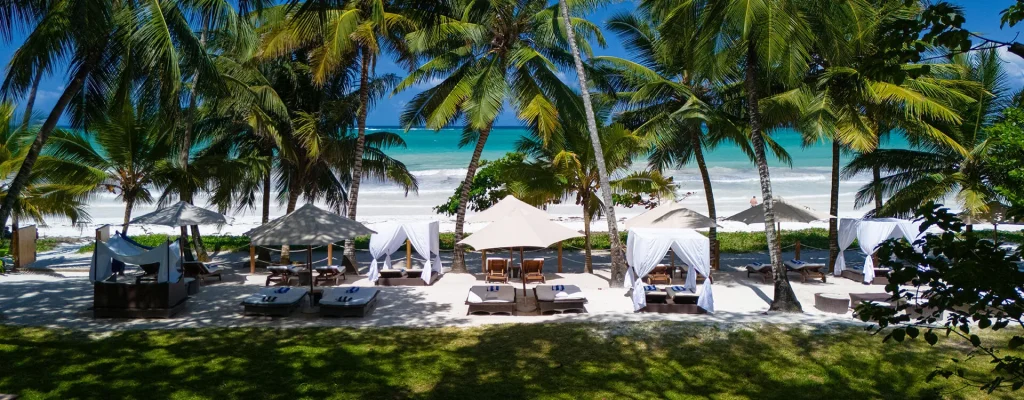
A wildlife safari followed by Diani Beach Holidays offers a combination of game drives and coastal relaxation. The most efficient route depends on the wider itinerary, transport arrangements and available travel time.
Lightweight, breathable clothing is suitable for much of the year. Neutral colours are practical for safari activities.
Carry a warm layer for early mornings and evenings, particularly during cooler months.
A camera with a telephoto lens is useful for wildlife photography. A wider lens can help capture landscapes and Mount Kilimanjaro.
Bring spare batteries, memory cards and protective covers for dust.
Carry sufficient drinking water, sunscreen, insect repellent and any personal medication. Follow professional medical advice regarding travel health preparations.
During game drives, remain inside the vehicle except at authorised locations.
Never feed animals or ask your guide to approach wildlife too closely. Avoid loud noises, sudden movements and behaviour that interrupts feeding or resting animals.
Responsible wildlife viewing protects animals and improves the experience for other visitors.
The Nairobi to Amboseli journey can be affected by traffic and road conditions. Avoid scheduling an international flight too soon after the expected return to Nairobi.
If a departure flight is important, consider spending the preceding night in Nairobi.
The journey commonly takes approximately four to six hours, depending on the route, traffic, road conditions and accommodation location.
Two days can provide an introduction to Amboseli, including an afternoon and morning game drive. However, three days offer more wildlife viewing time and a more relaxed schedule.
Yes, when weather conditions permit. The mountain is often clearer in the morning, but clouds can obscure it at any time.
Amboseli is well known for its elephant population, and sightings are often rewarding. However, wildlife movements are natural and no particular encounter can be guaranteed.
A day trip is technically possible, but the long return drive leaves limited time for wildlife viewing. An overnight stay is strongly preferable.
Yes. Amboseli can be an excellent family safari destination, particularly when game drive durations, accommodation and travel arrangements are tailored to children's ages.
A suitable 4x4 safari vehicle is generally recommended, especially when road conditions are challenging or travellers want improved wildlife viewing flexibility.
Yes. Private arrangements allow the itinerary to be customised around the group's preferred dates, accommodation category and travel interests.
Potential sightings include lions, buffaloes, giraffes, zebras, wildebeests, antelopes, hyenas and numerous bird species.
Yes. Amboseli can be incorporated into itineraries continuing towards Tsavo and the Kenyan coast, including Diani Beach and Mombasa.
A Nairobi to Amboseli Safari offers an excellent combination of accessible wildlife viewing, open landscapes and the possibility of seeing Mount Kilimanjaro rising beyond elephant herds.
The best itinerary depends on your available time, accommodation preferences and interest in wildlife photography. A two-day trip is suitable for a short visit, while three days or longer provide greater flexibility and a more relaxed experience.
Safari Trips to Kenya can help arrange private safari transport, professional guiding, suitable accommodation and customised itineraries. Travellers can choose from Essential, Comfort, Premium and Signature accommodation categories and discuss additional destinations where time permits.
Contact Safari Trips to Kenya with your preferred dates, number of travellers and accommodation standard to receive a tailored Amboseli Safari from Nairobi proposal.