
7 DAYS / 6 NIGHTS
7 Days Samburu, Nakuru & Masai Mara
Explore a 7 Days Samburu, Nakuru & Masai Mara safari featuring Samburu's rare wildlife, Lake Nakuru rhinos and legendary Big Five game viewing in the Masai Mara.
- Wildlife Safari Private Journey
- Private Safari 4x4 Vehicle
- Expert Guide English Speaking
- All Meals Breakfast, Lunch, Dinner
- 24/7 Support We're here to help
01 Overview
Safari Overview
- Duration 7 days / 6 nights
- Destination Masai Mara
- Starts / ends Nairobi
- Safari style Private 4×4 safari
- Accommodation Essential · Comfort · Premium · Signature
- Best for Wildlife viewing, photography
7 Days Samburu, Nakuru & Masai Mara Safari – Rare Northern Wildlife, Rhinos & Kenya's Legendary Savannah
The 7 Days Samburu, Nakuru & Masai Mara Safari is an exceptionally diverse Kenya wildlife itinerary combining three contrasting safari regions: the rugged semi-arid landscapes of Samburu National Reserve, the rhinoceros sanctuary and Rift Valley scenery of Lake Nakuru National Park, and the wildlife-rich grasslands of the Masai Mara National Reserve.
This safari is particularly rewarding for travelers who want to experience more than the traditional southern Kenya circuit. Samburu introduces species that are difficult or impossible to see in the Masai Mara, while Lake Nakuru strengthens opportunities for rhinoceros sightings before the journey culminates in Kenya's most celebrated big-cat destination.
In Samburu, travelers can search for the famous northern Kenya wildlife species often collectively described as the Samburu Special Five: Grevy's zebra, reticulated giraffe, gerenuk, Beisa oryx and Somali ostrich. Elephants are another major attraction, frequently gathering around the Ewaso Nyiro River.
Lake Nakuru provides an entirely different ecosystem of woodland, grassland, lake shore and rocky escarpments. It is particularly important for white and black rhinoceros conservation and also supports Rothschild's giraffes, buffaloes, lions, leopards and abundant birdlife.
The final destination, the Masai Mara, introduces vast savannahs, exceptional predator populations and some of Africa's most famous wildlife viewing. Lions, cheetahs, leopards, elephants, buffaloes, wildebeest, zebras and giraffes can all be encountered. During the seasonal movement of the Great Wildebeest Migration, large herds may also enter the Mara from Tanzania's Serengeti ecosystem, although timing and herd positions are never guaranteed.
For travelers seeking wildlife variety, this is one of the strongest seven-day Kenya safari combinations because it connects northern Kenya's specialized fauna with Rift Valley rhino country and the classic plains of the Mara.
7 Days Samburu, Nakuru & Masai Mara Safari at a Glance
- Day 1: Nairobi to Samburu National Reserve – Afternoon Game Drive
- Day 2: Full-Day Samburu Safari
- Day 3: Samburu to Lake Nakuru National Park
- Day 4: Lake Nakuru to Masai Mara National Reserve
- Day 5: Full-Day Masai Mara Safari
- Day 6: Second Full-Day Masai Mara Safari
- Day 7: Masai Mara to Nairobi – Departure
This route is designed to allocate meaningful wildlife time to Samburu and the Masai Mara while using Lake Nakuru as both a valuable wildlife destination and a natural geographical connection between northern Kenya and the Mara.
Itinerary
- Day 1: Nairobi to Samburu, journey to Kenya's Wild North
- Day 2: Samburu Safari – Search for the Samburu Special Five
- Day 3: Samburu to Lake Nakuru, from Northern Kenya to the Great Rift Valley
- Day 4: Lake Nakuru to Masai Mara, into Kenya's Great Savannah
- Day 5: Masai Mara Safari – Lions, Leopards, Cheetahs & Plains Wildlife
- Day 6: Second Full, day Masai Mara Safari, great Migration, Mara River & Deeper Exploration
- Day 7: Morning game drive – return to Nairobi

02 Itinerary
7 Days Samburu, Nakuru & Masai Mara: Detailed Itinerary
-

Day 1: Nairobi to Samburu National Reserve – Journey to Kenya's Wild North - Main destination
- Masai Mara National Reserve
- Drive time
- Road transfer as outlined in the itinerary
- Meals
- Lunch, Dinner
Your 7 Days Samburu, Nakuru & Masai Mara Safari begins in Nairobi. Your professional safari driver-guide will meet you at your Nairobi hotel, residence or another agreed pickup point in the morning. After introductions and a briefing about the safari, load your luggage into the safari vehicle and begin the journey north.
The first day's transfer is part of the adventure because the landscapes change dramatically as you leave Nairobi. You travel through Kenya's central highlands, passing agricultural areas and towns before continuing toward the more arid landscapes of northern Kenya. Depending on the selected route, weather and timing, the journey may provide distant views toward Mount Kenya, Africa's second-highest mountain, although views are never guaranteed.
As you continue north, the vegetation gradually becomes drier. The fertile highlands give way to thorn scrub, open bushland and dramatic semi-arid scenery, and this transition is one of the reasons Samburu feels so different from many other Kenyan safari destinations.
Eventually, you approach the wider Samburu ecosystem. Arrive at your selected lodge or tented camp around lunchtime or during the early afternoon, depending on road and traffic conditions. After check-in, enjoy lunch and take some time to relax before heading out in the later afternoon for your first Samburu game drive.
First Game Drive in Samburu
Samburu immediately introduces a different safari environment. Instead of the broad grasslands associated with the Masai Mara, much of the reserve consists of dry bushland, acacia scrub, rocky terrain and riverine vegetation.
The Ewaso Nyiro River is one of the most important ecological features of the reserve. Water attracts wildlife from surrounding dry areas, making the river corridor particularly productive for game viewing. Elephants frequently move toward the river to drink, feed and cool themselves, and large herds may be encountered crossing dry landscapes before disappearing into riverine vegetation.
Other possible sightings on your first afternoon include: Grevy's zebra, Reticulated giraffe, Gerenuk, Beisa oryx, Somali ostrich, African elephant, Impala, Grant's gazelle, Common waterbuck, Kirk's dik-dik, Olive baboon, Vervet monkey, Lion, Leopard, Cheetah, Spotted hyena.
The first afternoon provides an introduction rather than an attempt to see everything, and sightings are never guaranteed. Your guide will begin explaining how Samburu's animals have adapted to this relatively dry environment. As the temperature falls, wildlife activity often increases: predators that spent the hottest hours resting may begin moving, and elephants can become particularly active around the river.
Continue your game drive until late afternoon before returning to your accommodation. Enjoy dinner and your first night in northern Kenya.
- Destination: Samburu National Reserve
- Main activities: Nairobi–Samburu transfer and afternoon game drive
- Safari highlights: Ewaso Nyiro River, elephants, rare northern species and dramatic semi-arid landscapes
- Meals: Lunch and dinner depending on arrival arrangements
- Accommodation: Budget, mid-range or luxury lodge/tented camp in or near Samburu
Where you stay
-
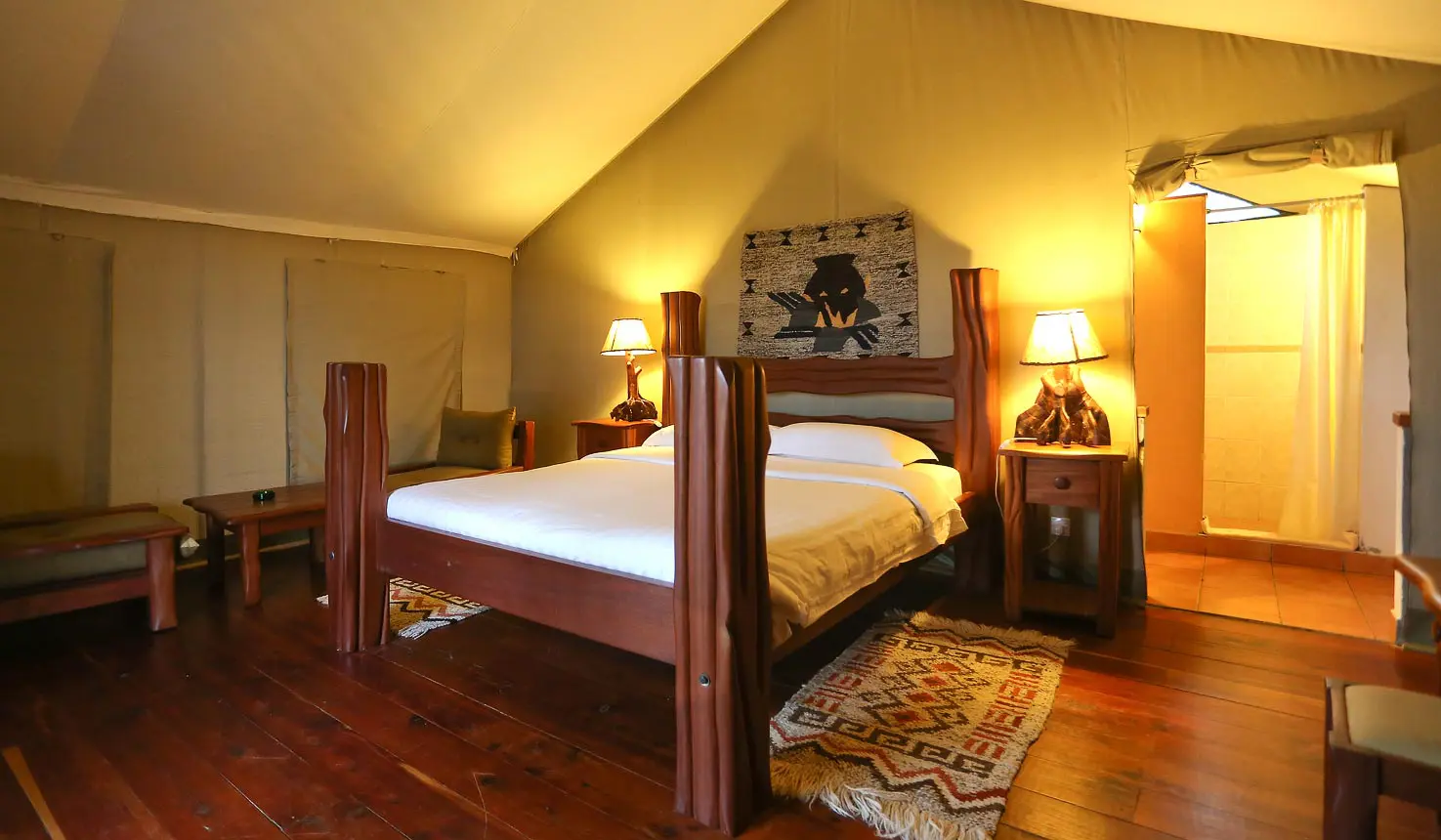
Essential (Budget)
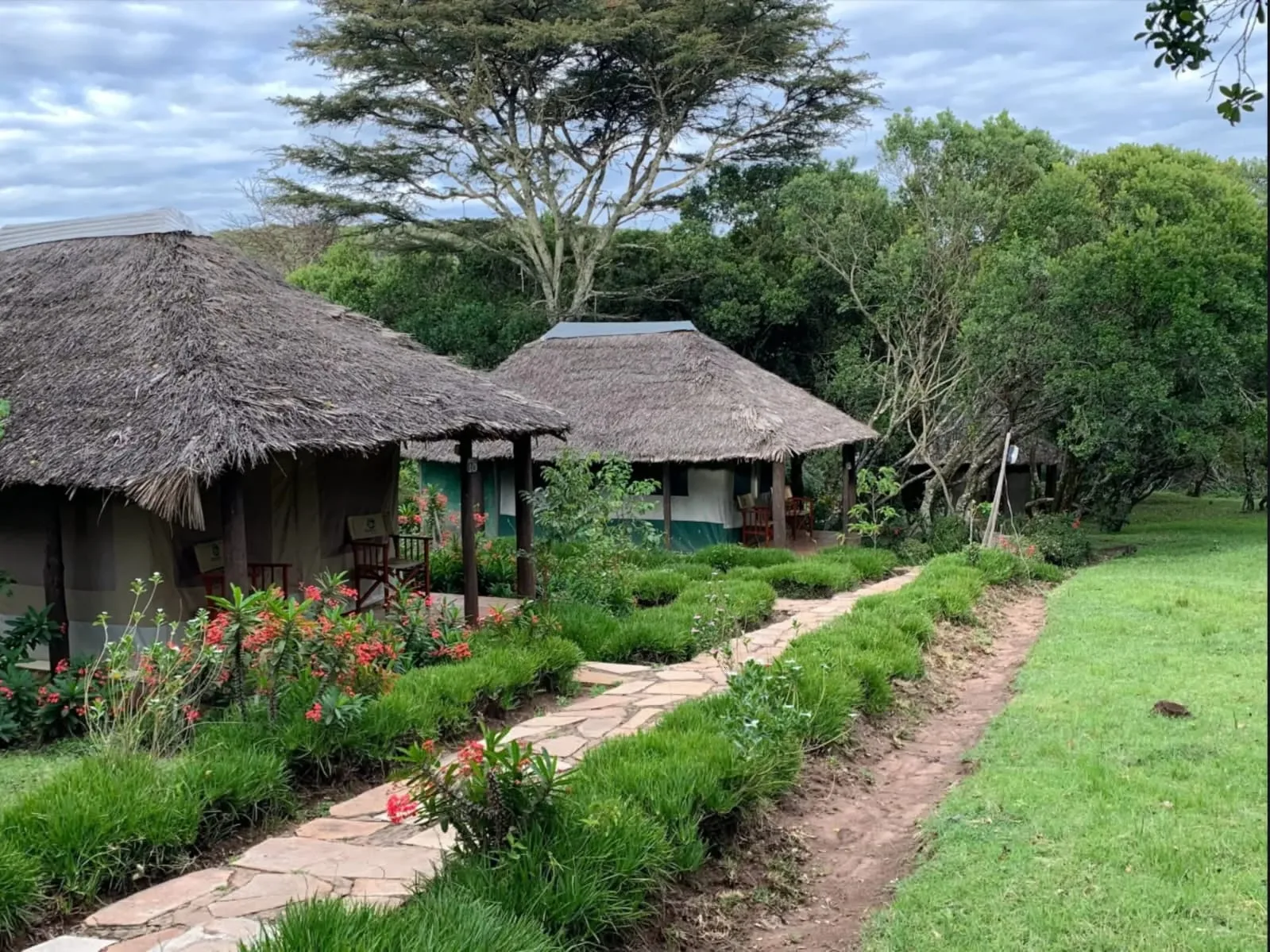
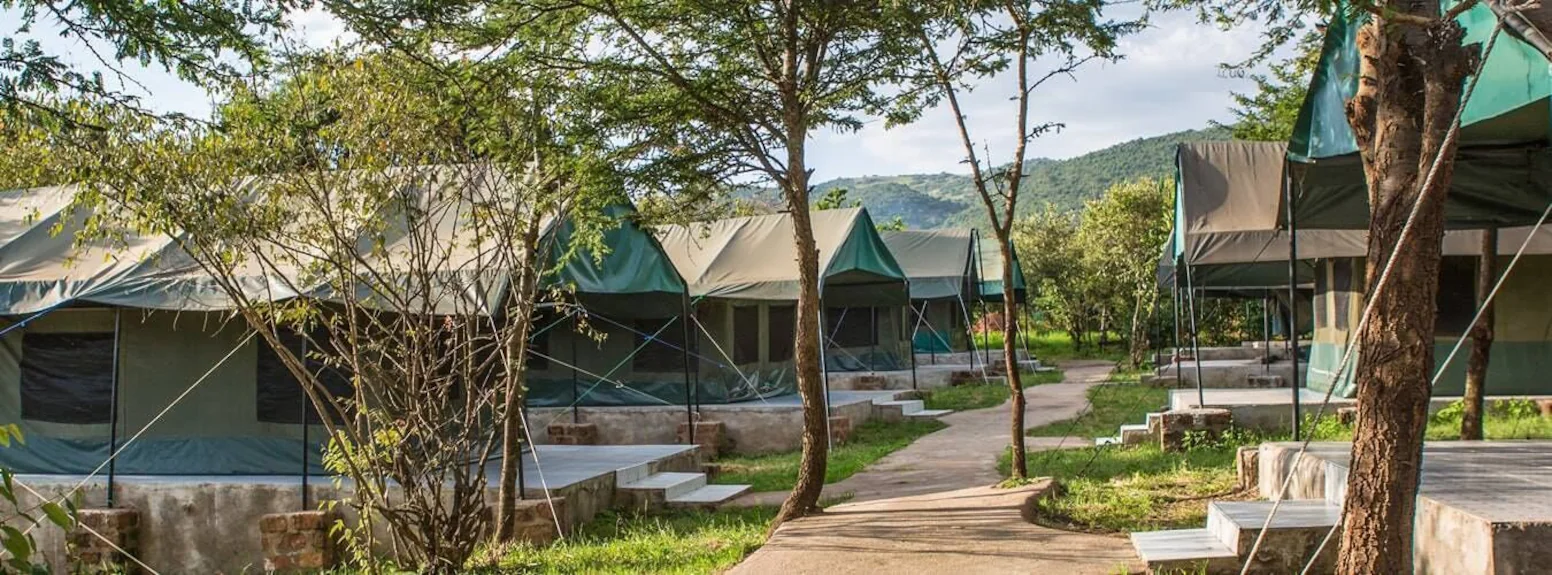
-
Comfort (Mid-range)
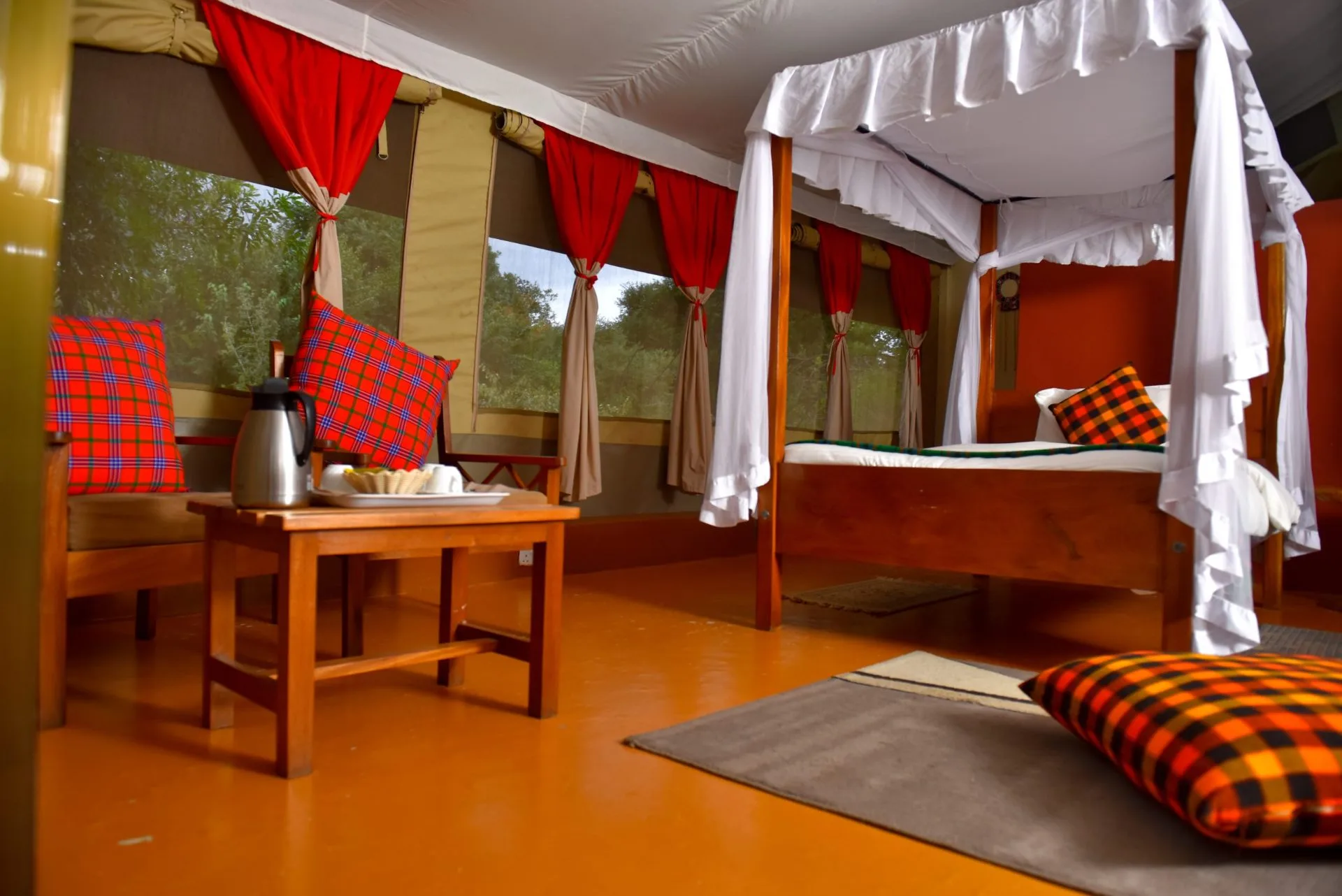
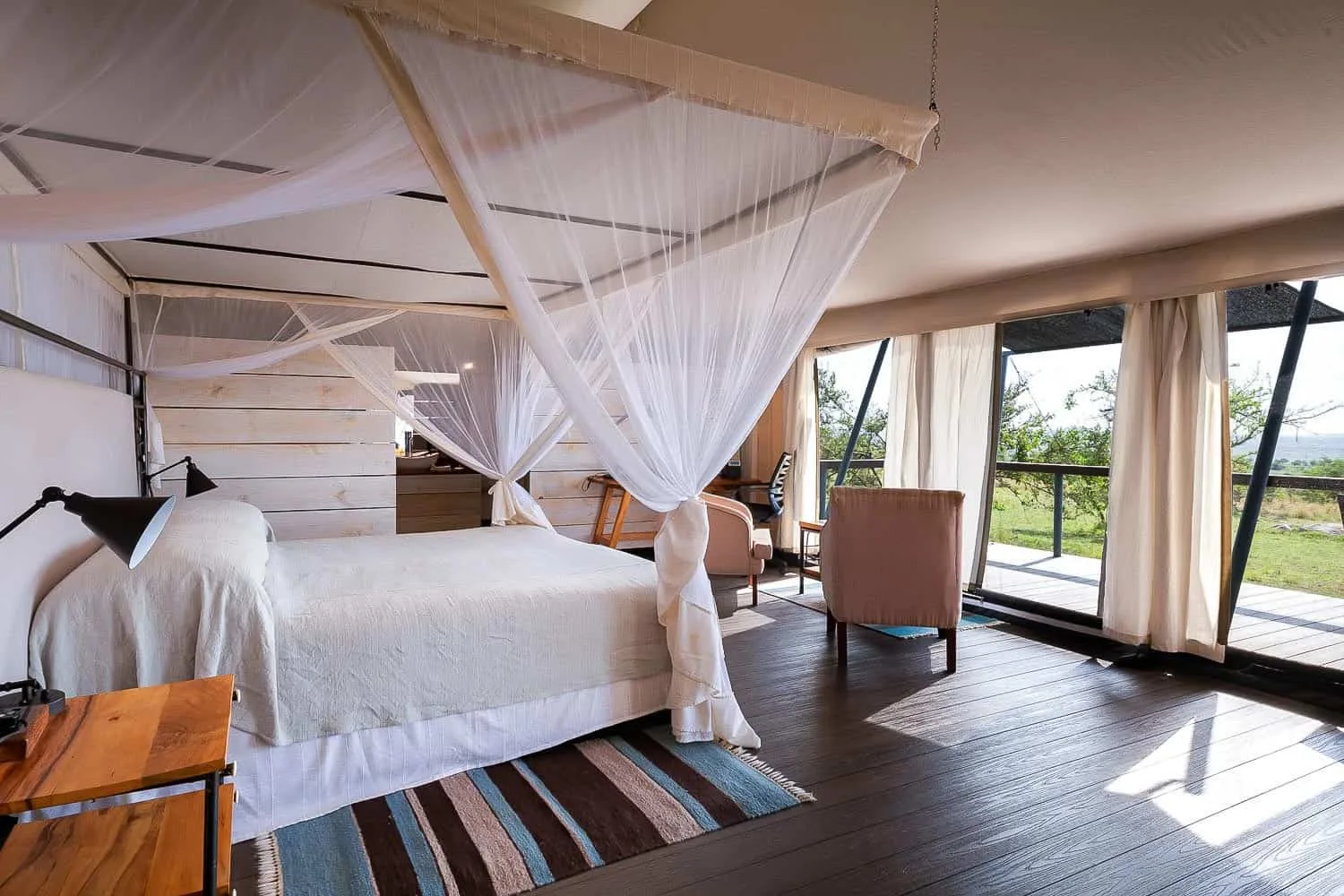
-
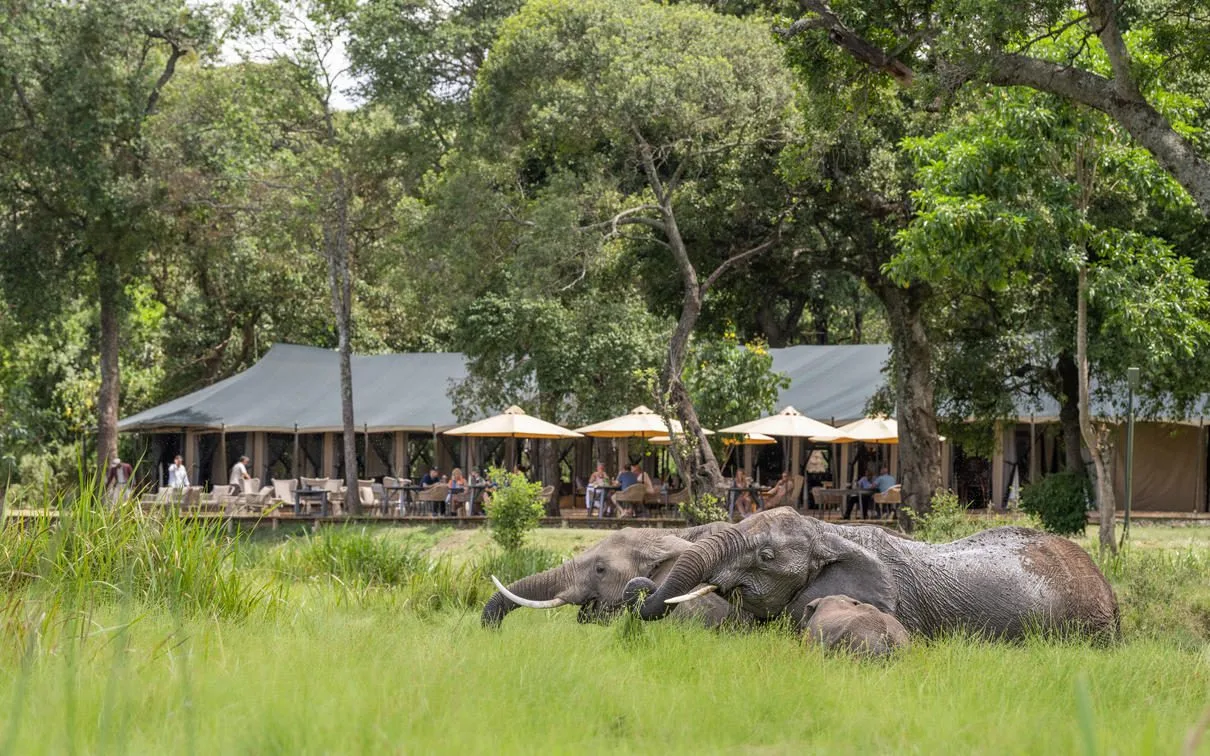
Premium (Luxury)
-
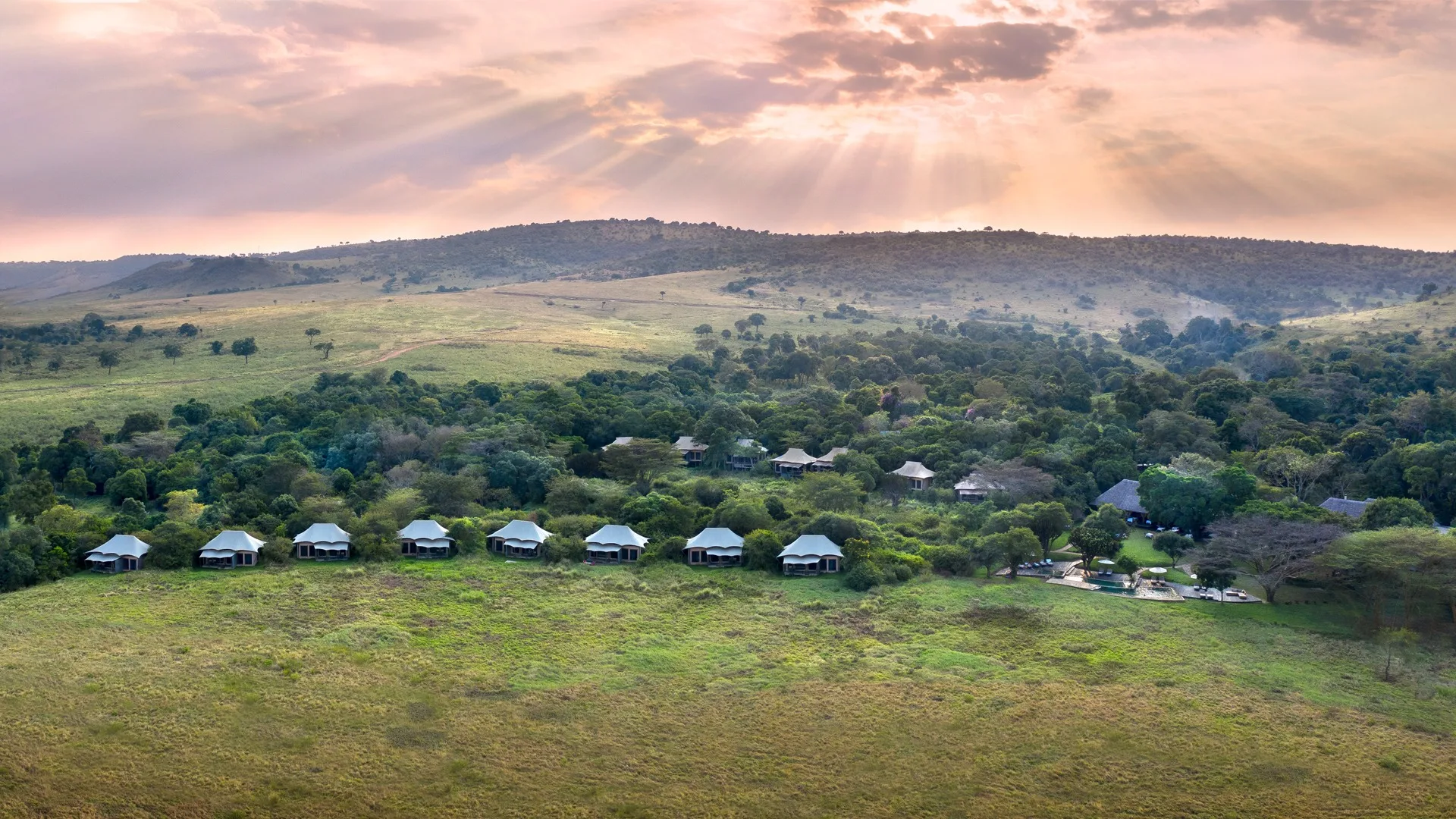
Signature (High-end)
-
Day 2: Full-Day Samburu Safari – Search for the Samburu Special Five - Main destination
- Masai Mara National Reserve
- Meals
- Breakfast, Lunch, Dinner
Wake early for your first complete day of game viewing. The morning light across Samburu's rugged landscape can be spectacular. After breakfast, head into the reserve with your professional guide. Today's primary objective is to explore the different habitats of Samburu while searching for the region's distinctive wildlife, including species rarely found on Kenya's more conventional southern safari routes.
The Samburu Special Five
Five animals have become particularly associated with wildlife safaris in northern Kenya and are commonly called the Samburu Special Five. These are:
- Grevy's zebra
- Reticulated giraffe
- Gerenuk
- Beisa oryx
- Somali ostrich
Finding these species adds an exciting dimension to the safari because several are absent from the Masai Mara, though individual sightings are never guaranteed.
Grevy's Zebra
The Grevy's zebra is one of Samburu's most distinctive animals. Compared with the more widespread plains zebra, Grevy's zebras have narrower, more closely spaced stripes, large rounded ears and a white belly. They are strongly associated with the dry landscapes of northern Kenya and parts of neighboring Ethiopia, and Samburu and the surrounding conservation areas are among the important places to observe them.
Your guide can help distinguish Grevy's zebra from plains zebra if both species are encountered. Their conservation status also makes sightings particularly significant.
Reticulated Giraffe
The reticulated giraffe is another northern Kenya specialty. Its coat pattern consists of large polygonal patches separated by striking pale lines, creating a highly distinctive net-like appearance. The dry bushland and acacia vegetation around Samburu provide ideal browsing habitat.
Reticulated giraffes are frequently among the most photogenic animals of the reserve, and their patterns contrast beautifully against the muted browns and greens of the northern landscape.
Gerenuk
The gerenuk, sometimes called the giraffe gazelle, is one of Samburu's most unusual antelopes. It has an exceptionally long neck and slender body, and one of its most remarkable behaviors is standing upright on its hind legs to reach leaves that other small antelopes cannot access.
Seeing a gerenuk feeding in this manner is a memorable wildlife encounter. Your guide will scan dry bushland carefully because gerenuks can blend surprisingly well into the surrounding vegetation.
Beisa Oryx
The Beisa oryx is a powerful antelope adapted to arid environments. Its long, straight horns and distinctive facial markings make it immediately recognizable. Oryx can survive in relatively dry conditions and may be encountered in open bushland and plains, and their presence further distinguishes Samburu from the greener ecosystems visited later in the safari.
Somali Ostrich
The Somali ostrich is the fifth member of the Samburu Special Five. Males can display striking blue-gray skin on the neck and legs, helping distinguish them from other ostrich populations, and they are well adapted to northern Kenya's dry landscapes. Watching these enormous flightless birds moving through open country adds another distinctive species to your Samburu experience.
Elephants of Samburu
Although the Special Five receive considerable attention, elephants are among Samburu's greatest attractions. The Ewaso Nyiro River provides a vital source of water, and elephant families often move toward the river during the day. You may watch elephants:
- Drinking
- Crossing the river
- Bathing
- Feeding on riverine vegetation
- Dust bathing
- Protecting calves
- Interacting within family groups
Because vegetation near the river can be relatively open, photographic opportunities can be excellent. Watching a herd descend toward the water against Samburu's rugged hills is one of northern Kenya's classic safari scenes.
Samburu Predators
Samburu supports a healthy predator community. Possible sightings include the following, although none can be guaranteed:
Lions
Lions may be encountered resting under acacia trees, walking through open country or near concentrations of prey.
Leopards
The riverine vegetation along the Ewaso Nyiro provides suitable leopard habitat. Leopards are naturally secretive, but Samburu is regarded as a rewarding location for searching for them.
Cheetahs
Cheetahs may occur in more open areas where visibility is good and suitable prey is available.
Spotted Hyenas
Hyenas can be encountered throughout the ecosystem. They are effective hunters as well as scavengers and play an important ecological role.
Samburu Birdlife
The reserve is also excellent for birdwatchers, and its northern location introduces species that may not be encountered farther south. Depending on season and habitat, possible birds include: Somali ostrich, Vulturine guineafowl, Eastern yellow-billed hornbill, Secretary bird, Martial eagle, Bateleur, Vultures, Kingfishers, Bee-eaters, Rollers, Sunbirds, Weavers.
The Ewaso Nyiro River attracts numerous water-associated species, and birdwatchers can request a slower pace that allows more time for identification.
Full-Day or Split Game Drives?
Today's schedule can generally be organized in two ways.
Full-Day Game Drive
Leave after breakfast with a packed lunch and remain in the wildlife area for much of the day. This maximizes exploration time.
Morning and Afternoon Drives
Undertake an early morning game drive, return to the lodge for breakfast or lunch and relaxation, then return for another drive later in the afternoon. This option can be particularly comfortable during hotter periods, and the final program can be adjusted according to your interests and lodge arrangements.
Return to your accommodation in the evening for dinner.
- Destination: Samburu National Reserve
- Main activity: Full-day wildlife exploration
- Safari highlights: Samburu Special Five, elephants, predators, Ewaso Nyiro River and northern Kenya birdlife
- Meals: Breakfast, lunch and dinner
- Accommodation: Same Samburu lodge or tented camp
Where you stay
-
Day 3: Samburu to Lake Nakuru National Park – From Northern Kenya to the Great Rift Valley - Main destination
- Masai Mara National Reserve
- Meals
- Breakfast, Lunch, Dinner
Enjoy breakfast before checking out and beginning the journey south toward Lake Nakuru National Park. Today's transfer takes you through another dramatic transition in Kenya's landscapes, as the dry northern environment gradually gives way to greener highland areas. Depending on the route and weather, you may again have distant views toward Mount Kenya, although these are never guaranteed.
Continue through Kenya's central regions toward the Great Rift Valley. The journey is substantial, so your driver-guide will make appropriate comfort and refreshment stops. Eventually, you descend toward the Lake Nakuru region, arriving during the afternoon depending on road conditions. After entering the national park, begin your game drive.
Rhino Safari in Lake Nakuru National Park
Lake Nakuru is particularly important for rhinoceros conservation, and both white rhinos and black rhinos can occur within the park. This makes Nakuru a strategically important destination on this itinerary, because neither Samburu nor the Masai Mara should be relied upon as the principal rhino destination. By including Lake Nakuru, travelers substantially improve their opportunity to encounter rhinoceros during the seven-day safari, although sightings can never be guaranteed.
White Rhinoceros
White rhinos are primarily grazers and are often encountered in relatively open grassland. Their broad mouths are adapted for feeding on grasses, and although enormous, white rhinos can appear surprisingly peaceful when grazing. Your guide will maintain a respectful viewing distance while providing opportunities for photography.
Black Rhinoceros
Black rhinos are browsers that feed on leaves, shrubs and woody vegetation and often use areas with thicker cover. Their hooked upper lip helps them grasp vegetation. Black rhinos can therefore be more difficult to locate than white rhinos, and finding one can be a particularly rewarding experience.
Rothschild's Giraffes
Lake Nakuru also provides opportunities to see Rothschild's giraffes, which gives the safari an extraordinary giraffe dimension. Across the complete seven-day route, travelers may encounter different giraffe populations: Reticulated giraffe in Samburu, Rothschild's giraffe around Lake Nakuru, Masai giraffe in the Masai Mara.
For wildlife enthusiasts, this geographic variation is one of the itinerary's hidden strengths.
Other Lake Nakuru Wildlife
Possible mammals include: African buffalo, Plains zebra, Waterbuck, Impala, Common warthog, Olive baboon, Vervet monkey, Hippopotamus, Lion, Leopard.
Buffaloes can be particularly abundant, and large groups may be encountered near open grasslands and wetland areas.
Flamingos and Lake Nakuru Birdlife
Lake Nakuru became internationally famous for enormous flamingo concentrations. Flamingo numbers fluctuate according to ecological conditions, particularly water levels and food availability, so travelers should not assume that the shoreline will always contain the immense numbers seen in historic photographs. Nevertheless, birdlife remains exceptionally diverse. Possible sightings include: Greater flamingos, Lesser flamingos, Pelicans, Cormorants, Herons, Egrets, Storks, African fish eagles, Kingfishers, Raptors, Numerous woodland birds.
After completing your game drive, proceed to your accommodation. Enjoy dinner and overnight in or around Lake Nakuru.
- Destination: Lake Nakuru National Park
- Main activities: Samburu–Nakuru transfer and afternoon wildlife viewing
- Safari highlights: White and black rhinos, Rothschild's giraffes, buffaloes, flamingos and Rift Valley scenery
- Meals: Breakfast, lunch and dinner
- Accommodation: Lodge or tented camp in or near Lake Nakuru
Where you stay
-
Day 4: Lake Nakuru to Masai Mara National Reserve – Into Kenya's Great Savannah - Main destination
- Masai Mara National Reserve
- Meals
- Breakfast, Lunch, Dinner
After breakfast, check out and begin the journey toward the Masai Mara National Reserve. Today's transfer introduces another dramatic ecological transition as you leave the lake and woodland environments of Nakuru and travel through the Great Rift Valley toward southwestern Kenya.
The route passes through agricultural landscapes, settlements and towns before approaching the wider Mara ecosystem. You will normally travel through or near Narok before continuing toward your chosen reserve gate, conservancy or lodge. As you approach the Masai Mara, the landscape opens dramatically and rolling grasslands begin stretching toward the horizon. Maasai settlements and livestock may be visible in community areas outside the reserve.
Arrive at your lodge or tented camp in the afternoon. After check-in, embark on your first Masai Mara game drive.
First Masai Mara Wildlife Experience
The difference from Samburu is immediately apparent. The Mara is characterized by broad grasslands interspersed with riverine forest, drainage lines and scattered acacia trees, and the ecosystem supports an extraordinary concentration of herbivores. Possible first sightings include: Wildebeest, Plains zebras, Topis, Impalas, Thomson's gazelles, Grant's gazelles, Masai giraffes, African buffaloes, African elephants, Common warthogs.
The abundance of prey supports an equally impressive predator population, and your guide will search for lions, cheetahs, leopards and spotted hyenas, although no species can be guaranteed. Late afternoon can be particularly productive as temperatures cool. Continue game viewing until the permitted closing time before returning to your lodge or camp.
- Destination: Masai Mara National Reserve
- Main activities: Lake Nakuru–Masai Mara transfer and afternoon game drive
- Safari highlights: First Mara predators, plains game and classic savannah landscapes
- Meals: Breakfast, lunch and dinner
- Accommodation: Budget, mid-range or luxury lodge/tented camp in or around the Masai Mara
Where you stay
-
Day 5: Full-Day Masai Mara Safari – Lions, Leopards, Cheetahs & Plains Wildlife - Main destination
- Masai Mara National Reserve
- Meals
- Breakfast, Lunch, Dinner
Wake early for your first complete day in the Masai Mara. After breakfast, depart with your safari guide for extensive game viewing. Morning is one of the most productive periods because temperatures are cooler and predators may still be active.
Lions of the Masai Mara
The Masai Mara is internationally famous for lions, and prides may occupy territories containing open plains, rivers, woodland and drainage lines. A morning drive might reveal:
- Lions walking across the plains
- A pride resting after feeding
- Cubs playing
- Females hunting
- Adult males patrolling territory
- Lions interacting around a kill
Your guide will observe animal behavior carefully rather than simply driving randomly across the reserve.
Searching for Leopards
Leopards are more elusive and often use riverine woodland and areas with mature trees. Your guide may investigate known territories and locations where fresh tracks or recent sightings have been reported. Leopards sometimes drag prey into trees to protect it from competing predators, and a leopard resting on a branch is one of the most sought-after photographic encounters in the Mara. However, sightings cannot be guaranteed.
Cheetahs on the Open Plains
The Masai Mara's grasslands provide excellent cheetah habitat. Cheetahs rely heavily on sight and speed, and they frequently use small rises or termite mounds to scan for prey and threats. Thomson's gazelles and other small antelopes are important prey species. Watching a cheetah moving gracefully across open grassland can be one of the day's highlights, though sightings are never guaranteed.
Elephants and Buffaloes
Elephants occur throughout the ecosystem, and family groups may feed quietly through woodland or move across open grasslands. Buffaloes can occur individually or in large herds, while older bulls are sometimes encountered in smaller groups. Both species are members of the traditional African Big Five.
Hippos and Rivers
The Mara's river systems support hippopotamuses. Depending on the game-drive route, you may visit sections of the Mara or Talek rivers where hippos can be observed, and Nile crocodiles also occur within major river systems. During migration season, these rivers become particularly significant because wildebeest herds may attempt crossings, but crossings are unpredictable and never guaranteed.
Picnic Lunch
A full-day game drive usually includes a packed picnic lunch at an appropriate designated area chosen by your guide. Eating lunch within the reserve saves considerable time that would otherwise be spent returning to the lodge.
After lunch, continue wildlife exploration. The afternoon may bring completely different sightings from the morning, as predators begin becoming active again when temperatures decline. Return to your accommodation in the evening.
- Destination: Masai Mara National Reserve
- Main activity: Full-day game drive
- Safari highlights: Lions, leopards, cheetahs, elephants, buffaloes, hippos and plains game
- Meals: Breakfast, lunch and dinner
- Accommodation: Same Masai Mara lodge or tented camp
Where you stay
-
Day 6: Second Full-Day Masai Mara Safari – Great Migration, Mara River & Deeper Exploration - Main destination
- Masai Mara National Reserve
- Meals
- Breakfast, Lunch, Dinner
Your second complete day in the Masai Mara significantly improves the quality of the safari. Wildlife viewing is unpredictable, so a second day allows you to explore different sectors, return to productive locations and spend longer observing particularly interesting animals. After an early breakfast, depart again with your guide.
Great Wildebeest Migration
If your safari occurs while the migratory herds are in the Kenyan section of the ecosystem, today's game drive may concentrate partly on the Great Wildebeest Migration. The migration involves enormous numbers of wildebeest accompanied by zebras and other grazers, which continuously move through the Serengeti-Mara ecosystem following rainfall, water and fresh pasture.
The Masai Mara is traditionally associated with significant migration activity during approximately July through October, but these dates are not fixed. Rainfall can change movement patterns: some years substantial herds arrive earlier, while in others they may remain longer farther south or return south earlier.
Mara River Crossings
River crossings are among the most dramatic events associated with the migration. Wildebeest may gather near the riverbank in large numbers and remain there for hours without crossing. Then, sometimes suddenly, animals begin entering the water and large numbers may follow. The river contains Nile crocodiles, and strong currents can create additional challenges.
However, it is essential to understand that river crossings are never guaranteed. They cannot be scheduled, and a guide may locate a large herd near the river only for the animals to move away. The safari should therefore be appreciated as a complete wildlife experience rather than judged solely by whether a crossing occurs.
Wildlife Behavior and Extended Observation
Because this is your second full Mara day, you can spend more time observing behavior. Instead of immediately leaving after identifying an animal, you may watch: Lion pride interactions, Elephant family behavior, Cheetah hunting preparation, Hyenas communicating, Giraffes browsing, Buffalo herd movements, Wildebeest social behavior, Vultures gathering around carcasses, Herbivores reacting to predators.
These longer encounters often become the most memorable moments of a safari.
Optional Masai Mara Hot-Air Balloon Safari
Day 6 is an excellent opportunity to add an optional hot-air balloon safari. The experience generally begins before sunrise, when guests are transferred from their lodge or camp to the launch area. After inflation and a safety briefing, the balloon takes off as daylight spreads across the Mara, and from above the landscape takes on an entirely different character. You may see:
- Herds moving across grassland
- Elephants
- Giraffes
- River systems
- Acacia woodland
- Wildebeest during migration season
- The enormous scale of the ecosystem
The flight normally lasts around an hour, although actual duration depends on wind and operating conditions, and flights can be delayed or cancelled when conditions are unsuitable. A breakfast experience typically follows landing. Balloon safaris carry an additional cost and should preferably be reserved in advance.
Optional Maasai Cultural Experience
A Maasai community visit can also be arranged. A responsible cultural experience can introduce travelers to:
- Traditional homestead structures
- Livestock keeping
- Family and community organization
- Traditional clothing
- Songs and dances
- Contemporary Maasai life
- Community conservation
The experience should be conducted respectfully and support the participating community.
Birding in the Masai Mara
Although famous for mammals, the Mara is also an excellent birding destination. Possible sightings include: Secretary birds, Southern ground hornbills, Martial eagles, Bateleurs, Tawny eagles, Vultures, Ostriches, Bustards, Crowned cranes, Storks, Rollers, Bee-eaters, Kingfishers.
Bird enthusiasts can request additional identification assistance from their guide. After a final extensive day in the Mara, return to your lodge or camp and enjoy dinner on your final night in the wilderness.
- Destination: Masai Mara National Reserve
- Main activity: Full-day wildlife viewing
- Optional activities: Balloon safari and Maasai cultural visit
- Meals: Breakfast, lunch and dinner
- Accommodation: Same Masai Mara lodge or tented camp
Where you stay
-
Day 7: Masai Mara to Nairobi – Final Safari Morning and Departure - Main destination
- Masai Mara National Reserve
- Drive time
- Return transfer as outlined in the itinerary
- Meals
- Breakfast, Lunch
Wake for your final morning on safari. Depending on your accommodation location, departure arrangements and international flight time, you may have a relaxed breakfast or arrange an early final game drive.
A final morning drive can produce completely new encounters: predators may still be active, hyenas may be returning from nighttime activity, and elephants and giraffes begin moving toward feeding areas. The early morning light also provides excellent photographic conditions.
Return for breakfast if necessary, check out and begin the road journey toward Nairobi. Travel through the Narok region and continue toward the Great Rift Valley, with comfort stops along the way. Arrive in Nairobi during the afternoon or early evening depending on road conditions and traffic. Your guide will transfer you to:
- Jomo Kenyatta International Airport
- Wilson Airport
- Your Nairobi hotel
- Another agreed city location
If your international flight leaves early on Day 7, the itinerary should be adjusted to include a flight from the Mara or an additional Nairobi night. Your arrival in Nairobi marks the end of the 7 Days Samburu, Nakuru & Masai Mara Safari.
- Destination: Nairobi
- Main activity: Masai Mara–Nairobi transfer
- Meals: Breakfast and lunch depending on arrangements
- Accommodation: Not included after the safari unless requested
Safari Destinations Included
Samburu National Reserve
Samburu provides the northern Kenya component of the safari. Its primary attractions include: Grevy's zebra, Reticulated giraffe, Gerenuk, Beisa oryx, Somali ostrich, Elephants, Lions, Leopards, Cheetahs, Ewaso Nyiro River, Arid landscapes, Excellent birdlife.
Samburu is particularly valuable for repeat safari travelers because it offers wildlife species not normally encountered in the Masai Mara.
Lake Nakuru National Park
Lake Nakuru introduces Rift Valley scenery and an important rhinoceros sanctuary. Highlights include:
- White rhinos
- Black rhinos
- Rothschild's giraffes
- Buffaloes
- Lions
- Leopards
- Flamingos
- Pelicans
- Lake scenery
- Woodland
- Escarpment views
The park strengthens the Big Five potential of the itinerary.
Masai Mara National Reserve
The Masai Mara provides the classic East African savannah experience. Highlights include: Lions, Leopards, Cheetahs, Elephants, Buffaloes, Wildebeest, Zebras, Giraffes, Hippos, Hyenas, Seasonal migration herds (never guaranteed), Mara River, Excellent photography.
Spending three nights in the Mara provides significantly more depth than a single overnight visit.
Three Different Giraffe Experiences
One of the most interesting features of this itinerary is the possibility of observing different giraffe populations across Kenya.
Reticulated Giraffe
Encountered primarily in northern Kenya, including Samburu, the reticulated giraffe has a coat of distinctive polygon-shaped patches separated by bright pale lines.
Rothschild's Giraffe
Lake Nakuru is an important location for this giraffe population.
Masai Giraffe
The Masai Mara supports the Masai giraffe, recognizable by its irregular, leaf-like coat markings. Travelers interested in biodiversity therefore receive an unusually varied giraffe experience within a single week.
Big Five Opportunities
The traditional African Big Five are:
- Lion
- Leopard
- Elephant
- African buffalo
- Rhinoceros
This safari provides strong opportunities to search for all five.
Lions
Samburu and the Masai Mara both support lions, and the Mara generally provides particularly strong opportunities.
Leopards
Leopards occur in Samburu, Lake Nakuru and the Masai Mara, but they remain elusive everywhere.
Elephants
Samburu and the Masai Mara both provide excellent elephant opportunities.
Buffaloes
Lake Nakuru and Masai Mara can support substantial buffalo populations.
Rhinoceros
Lake Nakuru is the primary rhino destination, and both black and white rhinoceros occur within the park. Seeing all five is possible but never guaranteed.
Where you stay
03 Rates
Safari rates 2027-2029
Indicative per person. Season, group size and lodge style change the total — your quotation confirms current rates.
-
Essential (Budget)
Essential (Budget)
Budget camps and lodges suit travelers who prioritize wildlife while keeping costs lower.
Great value camps
-
Comfort (Mid-range)
Comfort (Mid-range)
Mid-range tented camps and lodges balance comfort and price with private rooms or tents and en-suite facilities.
Quoted for your dates
-
Premium (Luxury)
Premium (Luxury)
Luxury camps and lodges focus on location, service and more intimate wildlife experiences.
Premium camps and lodges
-
Signature (High-end)
Signature (High-end)
Signature camps and lodges are the most exclusive stays — small, highly private properties with exceptional guiding and setting.
Exclusive signature stays
04 Activities
Safari activities
Game viewing is the core of this itinerary. Optional extras are quoted separately and depend on season, permits and availability. Individual species and river crossings are never guaranteed.
-
Included
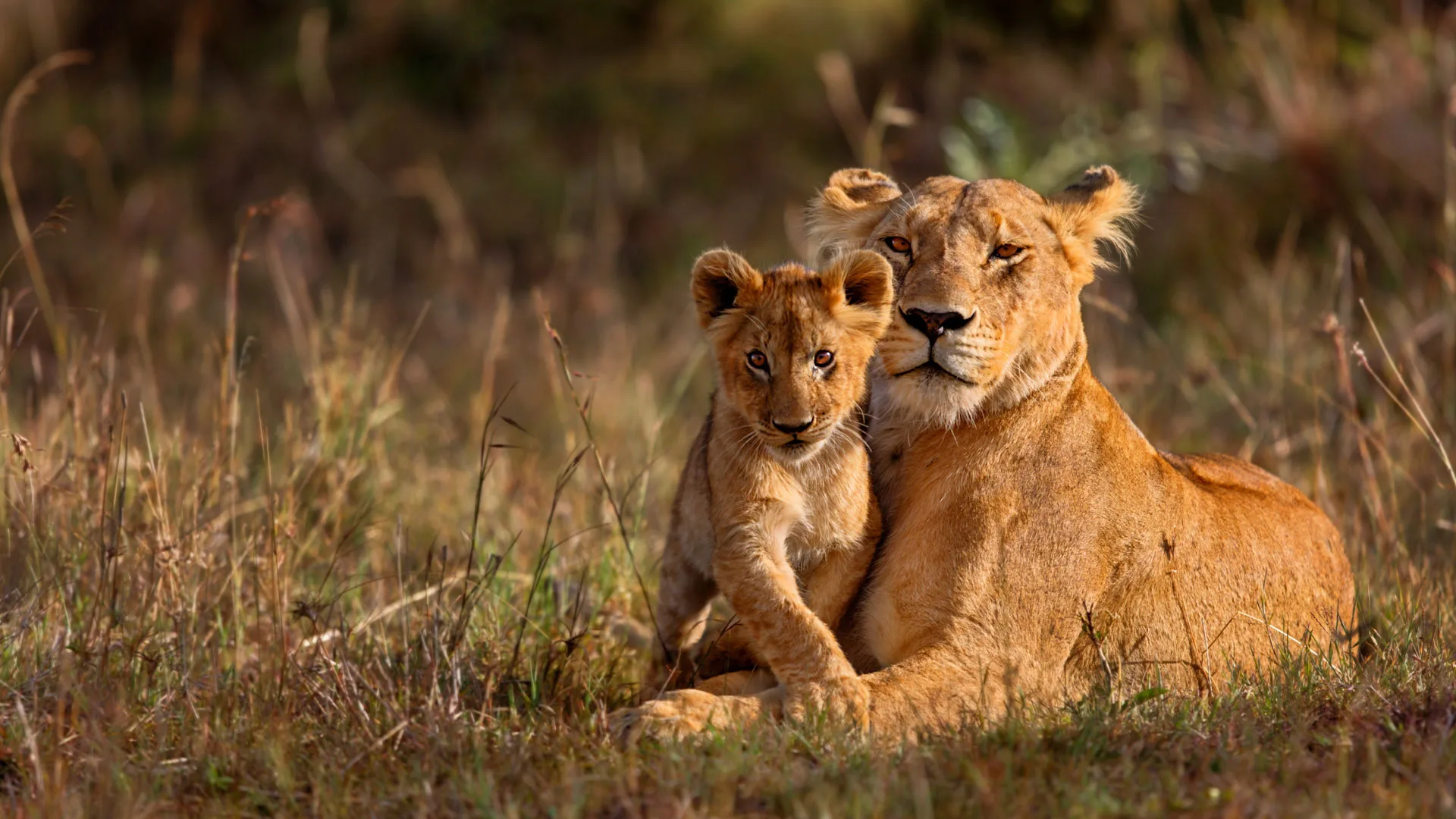
Game drives
Scheduled wildlife drives in a 4x4 safari vehicle with a professional driver-guide.
View activity -

Included
Wildlife photography
Time in the field for landscape and wildlife photography. Sightings are never guaranteed.
View activity -
Optional
Optional extras
Balloon flights, cultural visits and other extras can be added when available and are quoted separately.
Additional information
Plan This Safari
Why Choose Samburu Instead of Amboseli?
Travelers comparing Kenya safari routes often choose between Samburu and Amboseli. Both are excellent, but they provide very different experiences: Amboseli is famous for elephants and Mount Kilimanjaro, while Samburu is particularly attractive for travelers seeking rare northern wildlife species.
Choose Samburu if your priorities include:
- Grevy's zebra
- Reticulated giraffe
- Gerenuk
- Beisa oryx
- Somali ostrich
- Rugged northern scenery
- Ewaso Nyiro River
- A less conventional Kenya safari circuit
Choose Amboseli if your priorities are primarily:
- Large elephant herds
- Mount Kilimanjaro views (never guaranteed, as cloud often hides the mountain)
- Wetlands
- Classic elephant landscape photography
Travelers with additional time can include both.
Best Time for the 7 Days Samburu, Nakuru & Masai Mara Safari
The itinerary can be operated throughout the year.
January to February
These months can provide excellent wildlife viewing. Northern Kenya is often relatively dry, which can concentrate wildlife around reliable water sources, and the Masai Mara also remains productive.
March to May
Kenya generally experiences its longer rainy season during this period. Some roads can become challenging after heavy rain, but advantages can include:
- Green landscapes
- Excellent birdlife
- Lower visitor numbers
- Attractive photography
- Potentially lower accommodation rates
June
June is an excellent transitional month. Vegetation begins drying and wildlife viewing becomes increasingly productive.
July to October
This is one of Kenya's most popular safari periods. The Masai Mara may host substantial Great Migration herds, although their timing and position vary every year. Samburu can also provide excellent wildlife viewing as animals rely heavily on the Ewaso Nyiro River and other water sources.
November
Short rains often refresh the landscape, and birdlife can be excellent.
December
December provides rewarding game viewing but demand increases around Christmas and New Year, so early booking is advisable.
Budget Safari Option
A budget 7 Days Samburu, Nakuru & Masai Mara Safari can use economical lodges and permanent tented camps. Budget accommodation generally focuses on clean, comfortable essentials rather than premium facilities. Depending on the property, travelers may receive:
- Private room or tent
- Ensuite bathroom
- Restaurant
- Lounge
- Basic electricity
- Hot shower
- Simple safari atmosphere
Using more economical accommodation allows travelers to prioritize park fees, transportation and wildlife experiences.
Mid-Range Safari Option
Mid-range accommodation provides greater comfort while keeping the safari reasonably priced. Typical facilities may include:
- Spacious safari tents or rooms
- Private bathrooms
- Comfortable bedding
- Restaurants
- Lounge areas
- Electricity
- Swimming pools at some properties
- Attractive views
This category is particularly popular with couples and families.
Luxury Safari Option
Luxury accommodation can transform the itinerary into a premium safari. Properties may offer:
- Spacious luxury tents
- Private decks
- Fine dining
- Swimming pools
- Spa treatments
- Personalized service
- Premium locations
- Smaller camp environments
- Bush dining
- Sundowners where permitted
Domestic flights can also be incorporated to reduce road-transfer time.
Private Safari Experience
This itinerary is particularly well suited to a private safari vehicle, which means your traveling party controls the safari experience within park rules. Advantages include:
- Flexible departure times
- Longer photographic stops
- More time with rare species
- Ability to focus on birds or mammals
- No unrelated passengers
- Greater interaction with the guide
- Flexible comfort stops during transfers
For photographers, the ability to position the vehicle and wait patiently at a sighting can be especially valuable.
Photography Opportunities
The three destinations provide very different photographic environments.
Samburu
In Samburu, photograph:
- Reticulated giraffes
- Grevy's zebras
- Elephants along the river
- Gerenuks
- Oryx
- Lions
- Leopards
- Dry landscapes
- Dramatic hills
Lake Nakuru
At Lake Nakuru, photograph: White rhinos, Black rhinos, Rothschild's giraffes, Buffaloes, Flamingos, Pelicans, Lake landscapes, Woodland.
Masai Mara
In the Masai Mara, photograph: Lions, Leopards, Cheetahs, Elephants, Giraffes, Wildebeest, Zebras, Migration herds (seasonal and never guaranteed), Savannah sunrises and sunsets.
A combination of telephoto and wide-angle lenses is ideal.
Safari Cost
The price of a 7 Days Samburu, Nakuru & Masai Mara Safari depends on the final arrangements. Major pricing factors include:
- Number of travelers
- Travel dates
- Accommodation category
- Lodge location
- Safari vehicle
- Park fees
- Conservancy fees where applicable
- Domestic flights
- Optional activities
- Room configuration
- Seasonal supplements
Private safari costs are generally more economical per person when several travelers share the same vehicle. A personalized quotation should therefore be based on exact dates and party size.
Typical Safari Inclusions
Depending on the confirmed quotation, the safari may include:
- Private safari transportation
- Professional driver-guide
- Six nights' accommodation
- Meals specified in the itinerary
- Park and reserve fees listed in the quotation
- Game drives
- Bottled drinking water in the vehicle
- Nairobi pickup
- Nairobi drop-off
- Applicable taxes
- Safari planning and operational support
The final quotation should always be treated as the definitive list of inclusions.
Typical Safari Exclusions
Possible exclusions include:
- International flights
- Kenya entry authorization expenses
- Travel insurance
- Personal medical expenses
- Vaccinations
- Tips and gratuities
- Alcoholic beverages
- Premium drinks
- Laundry
- Souvenirs
- Hot-air balloon safari
- Optional cultural activities
- Activities not specifically included
- Pre- and post-safari accommodation unless stated
What to Pack
Recommended items include:
- Lightweight neutral-colored clothing
- Long trousers
- Long-sleeved shirts
- Fleece
- Light jacket
- Comfortable closed shoes
- Sun hat
- Sunglasses
- Sunscreen
- Insect repellent
- Binoculars
- Camera
- Spare batteries
- Memory cards
- Power bank
- Personal medication
- Small backpack
- Reusable water bottle
- Travel documents
Samburu can become hot during the day, while mornings in other parts of the itinerary may be cool. Layered clothing is therefore useful.
Is This Safari Suitable for First-Time Visitors?
Yes. Although Samburu is sometimes considered an addition for experienced safari travelers, combining it with Lake Nakuru and Masai Mara creates an excellent first Kenya safari. The itinerary provides:
- Rare northern species
- Elephants
- Rhinos
- Big cats
- Great Rift Valley scenery
- Classic savannah
- Seasonal migration possibilities
- Exceptional birdlife
It provides a broader picture of Kenya's ecological diversity than routes concentrated entirely in southern parks.
Is It Suitable for Wildlife Enthusiasts?
It is particularly suitable for serious wildlife enthusiasts, as the diversity of species is one of the itinerary's strongest advantages. Within seven days, travelers may search for the following, although individual sightings are never guaranteed: Grevy's zebra, Plains zebra, Reticulated giraffe, Rothschild's giraffe, Masai giraffe, Gerenuk, Beisa oryx, White rhino, Black rhino, Lion, Leopard, Cheetah, Elephant, Buffalo, Wildebeest.
Few short Kenya itineraries provide this degree of species variety.
Is It Suitable for Families?
Yes. A private vehicle allows the schedule to be adapted for children. Families can adjust:
- Game-drive length
- Departure times
- Meal schedules
- Rest stops
- Wildlife priorities
Children's ages should be provided before booking because some lodges and activities have age restrictions.
Is It Suitable for Couples and Honeymooners?
Yes. Couples can select intimate camps and lodges throughout the route. A honeymoon version may include:
- Luxury accommodation
- Premium rooms
- Private dinners
- Balloon safari
- Bush meals
- Fly-in transfers
- Beach extension
The safari can be followed by Diani Beach, Watamu or Zanzibar.
Can This Safari Be Extended to the Beach?
Yes. A popular option is 7 Days Samburu, Nakuru & Masai Mara + Diani Beach. After completing the Masai Mara portion, travelers can return to Nairobi and connect with a flight toward the Kenyan coast. Possible beach destinations include:
- Diani Beach
- Mombasa
- Watamu
- Malindi
Zanzibar can also be added for travelers wanting to continue into Tanzania.
Can the Safari Be Combined with Tanzania?
Yes. Possible extensions include:
- Serengeti National Park
- Ngorongoro Crater
- Tarangire National Park
- Lake Manyara
- Arusha
- Zanzibar
A Kenya-Tanzania itinerary is particularly suitable for travelers with approximately 10–16 days.
Can This Safari Be Customized?
Yes. The 7 Days Samburu, Nakuru & Masai Mara Safari is fully customizable. Possible modifications include:
- Add an extra Samburu night
- Add Ol Pejeta Conservancy
- Add Aberdare
- Add Lake Naivasha
- Add another Masai Mara night
- Include a private Mara conservancy
- Add domestic flights
- Upgrade accommodation
- Add a balloon safari
- Add cultural activities
- Add Amboseli
- Extend to Diani Beach
- Continue into Tanzania
Why Choose the 7 Days Samburu, Nakuru & Masai Mara Safari?
The greatest strength of this itinerary is wildlife diversity. Samburu introduces a completely different side of Kenya from the country's better-known southern reserves. Grevy's zebras, reticulated giraffes, gerenuks, Beisa oryx and Somali ostriches inhabit dry northern landscapes where elephants gather around the Ewaso Nyiro River and predators move through rugged bushland.
Lake Nakuru then changes the experience completely. Here the focus shifts toward rhinoceros conservation, Rothschild's giraffes, buffaloes, birdlife and the distinctive landscapes of the Great Rift Valley.
Finally, the Masai Mara provides the classic African safari finale: sweeping grasslands filled with plains game and some of East Africa's most celebrated populations of lions, cheetahs, leopards, elephants and hyenas. During the migration period, immense wildebeest and zebra herds can add yet another dimension, though their presence cannot be guaranteed. Few seven-day itineraries provide such a broad cross-section of Kenya's wildlife.
Book Your 7 Days Samburu, Nakuru & Masai Mara Safari
The 7 Days Samburu, Nakuru & Masai Mara Safari is designed for travelers who want to discover the extraordinary variety that makes Kenya one of Africa's premier wildlife destinations. Begin in northern Kenya, searching for Grevy's zebras, reticulated giraffes, gerenuks, oryx, elephants and predators along the Ewaso Nyiro River. Continue into the Great Rift Valley to search for black and white rhinoceros in Lake Nakuru National Park.
Then finish among the sweeping plains and predator-rich landscapes of the Masai Mara, where lions, cheetahs, leopards, elephants, buffaloes, wildebeest and zebras create the quintessential East African safari experience.
The itinerary can be customized according to your dates, accommodation preference, group size and wildlife interests. Choose budget, mid-range, luxury or high-end accommodation; add a Masai Mara balloon safari; incorporate domestic flights; spend additional nights in Samburu or the Mara; include Ol Pejeta; or finish the journey with several nights beside the Indian Ocean.
For travelers seeking rare northern wildlife, rhinoceros encounters, Big Five possibilities, exceptional predators and outstanding ecological diversity in a single seven-day Kenya safari, Samburu, Lake Nakuru and Masai Mara make an exceptional combination.
Planning Questions
Frequently Asked Questions
Is seven days enough for Samburu, Lake Nakuru and Masai Mara?
Yes. Seven days allows a well-structured safari through all three destinations, although the itinerary includes substantial road travel.
Is Samburu worth visiting?
Yes, particularly for travelers interested in wildlife species not commonly encountered in southern Kenya.
What are the Samburu Special Five?
They are Grevy's zebra, reticulated giraffe, gerenuk, Beisa oryx and Somali ostrich.
Can I see elephants in Samburu?
Yes. Samburu is an excellent elephant destination, particularly around the Ewaso Nyiro River.
Can I see leopards in Samburu?
Leopards occur in Samburu and the riverine habitat can provide good opportunities, although sightings are never guaranteed.
Why visit Lake Nakuru?
Lake Nakuru adds rhinos, Rothschild's giraffes, birdlife and Great Rift Valley scenery to the safari.
Can I see black rhinos?
Yes, black rhinos occur in Lake Nakuru National Park, although sightings depend on animal movements.
Can I see white rhinos?
Yes. Lake Nakuru provides good opportunities for white rhinoceros.
Can I see flamingos?
Flamingos can occur at Lake Nakuru, but numbers vary according to water and feeding conditions.
How long do we spend in Masai Mara?
The standard itinerary provides three nights, including two full safari days.
Can I see lions?
Yes. Lions occur in both Samburu and Masai Mara, with the Mara particularly renowned for lion viewing.
Can I see cheetahs?
Yes. Cheetahs occur in both Samburu and the Masai Mara.
Can I see the Big Five?
The itinerary provides strong possibilities for all Big Five species, but sightings cannot be guaranteed.
Can I see the Great Migration?
Potentially, if the safari coincides with the period when migratory herds are present in the Masai Mara.
When is migration season?
The Kenyan migration period is traditionally associated with approximately July through October, although actual herd movements vary annually.
Are Mara River crossings guaranteed?
No. River crossings are unpredictable natural events.
Can I add a hot-air balloon safari?
Yes. A balloon safari can be added in the Masai Mara at additional cost.
Can children join this safari?
Yes. Family versions can be arranged.
Can solo travelers book?
Yes. Private solo safaris are possible.
Can we choose our own accommodation?
Yes. Lodges and camps can be selected according to budget, location and availability.
Can we fly between destinations?
Selected sectors can potentially be replaced by domestic flights depending on available schedules.
Can the safari end at the coast?
Yes. The route can be adapted to connect with Diani, Mombasa, Watamu or another coastal destination.
05 Request Quote
Request Quote
Tell us your dates, group size, and preferred lodge style — we will send a tailored quote for this safari.
Want to extend your safari?
Add Amboseli, Diani Beach, Tanzania and Zanzibar, or gorilla trekking in Uganda or Rwanda — we tailor the journey to your dates.