
5 DAYS / 4 NIGHTS
5 Days Masai Mara Safari
Plan a 5 Days Masai Mara Safari with four nights in the Mara, extensive game drives, Big Five wildlife, big cats, migration viewing and flexible lodge options.
- Wildlife Safari Private Journey
- Private Safari 4x4 Vehicle
- Expert Guide English Speaking
- All Meals Breakfast, Lunch, Dinner
- 24/7 Support We're here to help
01 Overview
Safari Overview
- Duration 5 days / 4 nights
- Destination Masai Mara
- Starts / ends Nairobi
- Safari style Private 4×4 safari
- Accommodation Essential · Comfort · Premium · Signature
- Best for Wildlife viewing, photography
5 Days Masai Mara Safari – Five-Day Kenya Wildlife Safari
A 5 Days Masai Mara Safari is an immersive Kenya wildlife experience designed for travelers who want considerably more time in the famous Masai Mara ecosystem than a standard two- or three-night safari provides. With five days and four nights dedicated primarily to the Mara, the itinerary creates time for repeated game drives, deeper exploration of different wildlife areas, patient searches for big cats, relaxed photography and, during the appropriate season, opportunities to follow the movements of the Great Wildebeest Migration.
The Masai Mara is one of Africa's most productive wildlife destinations. Its rolling grasslands, acacia-dotted plains, seasonal streams, riverine forests and major waterways support an extraordinary concentration of mammals and birds. Lions, elephants, buffaloes, giraffes, zebras, wildebeest, topi, gazelles, impalas, elands and warthogs can all be encountered, while leopards, cheetahs and spotted hyenas form an important part of the predator community.
For many visitors, the greatest advantage of a 5-day Masai Mara safari is not simply the possibility of seeing more species. It is having enough time to watch wildlife properly. Instead of finding a lion pride and immediately continuing because there are many other areas to cover, you can spend time observing the pride's behavior. You might watch cubs playing, females grooming one another, males interacting or lions gradually becoming active as temperatures fall. When you encounter elephants, you can remain quietly at a respectful distance and observe how family members communicate and protect calves.
If a leopard disappears into vegetation, you may have enough flexibility to wait and see whether it emerges. For photographers, the extra days provide multiple sunrise and sunset opportunities rather than depending on a single afternoon for favorable conditions. The safari is equally attractive outside the migration season, because the Masai Mara contains substantial resident wildlife throughout the year, meaning a five-day itinerary remains rewarding whether or not the huge seasonal wildebeest herds are present. This safari can be arranged with budget, mid-range, luxury or high-end accommodation and can be operated as a private safari for couples, families, honeymooners, solo travelers, photographers and small groups.
5 Days Masai Mara Safari at a Glance
- Duration: 5 Days / 4 Nights
- Primary Destination: Masai Mara ecosystem
- Standard Starting Point: Nairobi
- Standard Ending Point: Nairobi
- Safari Style: Private Kenya road safari
- Accommodation: Budget, mid-range, luxury or premium lodge/tented camp
Standard Route
Nairobi → Masai Mara → Masai Mara → Masai Mara → Masai Mara → Nairobi
Typical Safari Structure
- Day 1: Nairobi to Masai Mara – Afternoon game drive
- Day 2: Full-day Masai Mara wildlife safari
- Day 3: Full-day Masai Mara safari and deeper exploration
- Day 4: Full-day Masai Mara safari – Big cats, plains and optional activities
- Day 5: Final morning game viewing and return to Nairobi
Why Spend Five Days in the Masai Mara?
The Masai Mara is not a destination that needs to be rushed. Short safaris can certainly provide excellent sightings, but wildlife is unpredictable. A traveler staying for several days has a major advantage over someone entering the ecosystem for one afternoon and leaving the following morning. Five days provide repeated opportunities to experience the reserve under different conditions.
One morning may produce an exceptional lion encounter, another may be dominated by elephants, a leopard might appear on the third day and a cheetah hunt could unfold unexpectedly on the fourth. During migration season, wildebeest herds may move dramatically from one section of the ecosystem to another between game drives. Weather can also change quickly, and a cloudy afternoon may be followed by a spectacular sunrise the next day. By staying four nights, you reduce the pressure to "see everything" immediately and allow the safari to unfold naturally.
Itinerary
- Day 1: Nairobi to Masai Mara, great Rift Valley Journey and First Game Drive
- Day 2: Masai Mara Safari – Big Cats, Elephants and Plains Wildlife
- Day 3: Masai Mara Safari – Mara River, Hippos, Crocodiles and Migration Country
- Day 4: Masai Mara Safari – Big Cat Tracking, Photography and Optional Experiences
- Day 5: Morning game drive / optional Maasai village – return to Nairobi
02 Itinerary
5 Days Masai Mara Safari: Detailed Itinerary
-

Day 1: Nairobi to Masai Mara – Great Rift Valley Journey and First Game Drive - Main destination
- Masai Mara National Reserve
- Drive time
- Road transfer as outlined in the itinerary
- Meals
- Lunch, Dinner
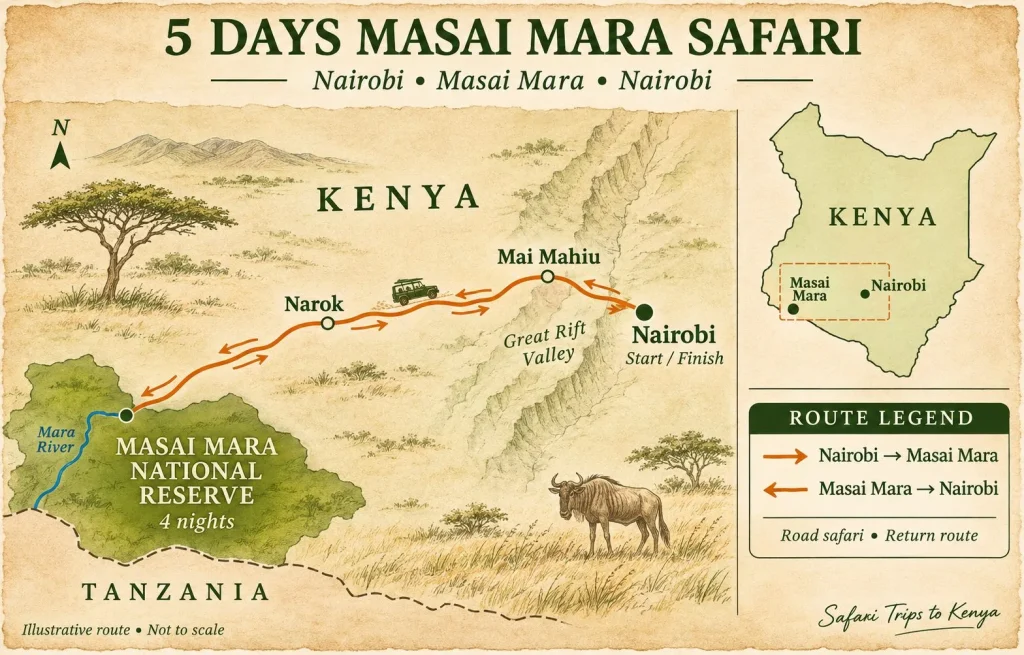
Your 5 Days Masai Mara Safari begins in Nairobi. Your professional safari driver-guide will collect you early in the morning from your hotel, residence or another agreed location. After introductions, your guide will provide a safari briefing covering the journey, accommodation arrangements, park procedures and expected game-drive schedule. You then leave Nairobi and begin traveling west toward the Great Rift Valley.
Great Rift Valley Journey
As you leave Nairobi's urban surroundings, the road climbs and approaches the eastern escarpment of the Rift Valley. Depending on the selected route, weather and timing, a short stop may be made at an appropriate viewpoint. The landscape below can be spectacular, with the valley stretching into the distance and escarpments, agricultural areas, volcanic formations and settlements creating a broad panorama.
The Great Rift Valley is part of an enormous geological system extending through East Africa and beyond. For safari travelers, the viewpoint marks the transition from Nairobi's highlands toward the wildlife landscapes of southwestern Kenya. Continue down toward the valley floor and onward through agricultural areas and towns.
The journey eventually reaches Narok, an important commercial center and gateway to the Mara region. After Narok, the scenery becomes increasingly pastoral. Maasai communities have lived throughout this region for generations, and cattle, sheep and goats may be visible across community lands as the landscape gradually opens into broad grassland.
Arrival in the Masai Mara
Depending on traffic, road conditions, departure time and your exact accommodation location, you normally reach the Mara area around lunchtime or early afternoon. Proceed to your lodge or tented camp, enjoy lunch after check-in and take some time to relax. Later in the afternoon, meet your guide for your first Masai Mara game drive.
First Afternoon Game Drive
The first drive introduces you to the scale and richness of the Mara ecosystem. Open grasslands make it possible to scan long distances for wildlife. You may immediately encounter: Plains zebras, Wildebeest, Topi, Impalas, Thomson's gazelles, Grant's gazelles, Elands, Warthogs, Maasai giraffes, African elephants, Cape buffaloes.
Your guide will also begin searching for predators.
Lions in the Masai Mara
The Masai Mara is one of Africa's great lion destinations. Prides occupy territories throughout suitable parts of the ecosystem. Depending on conditions, lions may be encountered resting beneath bushes, lying openly in the grass, walking between hunting areas or feeding. Late afternoon can be particularly rewarding because cooler temperatures encourage movement.
A pride may include several related adult females, cubs and juveniles, while adult males may associate with the pride or patrol larger territories. Because you have several more days available, there is no need to treat the first lion sighting as your only opportunity. You can begin learning about individual prides and their territories and potentially encounter some of the same animals again later in the safari.
Cheetahs
The Mara's open plains provide ideal habitat for cheetahs. Your guide may scan termite mounds, low ridges and open grassland for individuals using elevated positions to watch for prey. Cheetahs frequently target gazelles and other medium-sized herbivores.
If you find a cheetah actively searching for prey, patience becomes important. A hunt may happen quickly or not at all, and the objective should be to observe natural behavior without putting pressure on the animal.
Leopards
Leopards are more secretive. They are often associated with riverine woodland, drainage lines and areas providing sufficient cover, and your guide may examine large trees where leopards sometimes rest. A leopard encounter on your first afternoon would be exceptional, but the four-night stay means you have multiple additional opportunities.
Mara Sunset
As the sun begins to descend, the grasslands take on warmer colors. Giraffes can create dramatic silhouettes, while elephants move slowly across the plains and predators may begin becoming more active. Return to your lodge or tented camp according to applicable reserve regulations, then enjoy dinner and your first overnight stay in the Masai Mara.
- Accommodation: Budget, mid-range, luxury or high-end lodge/tented camp
- Meal Plan: Lunch and dinner, depending on arrival arrangements
- Activities: Nairobi transfer and afternoon game drive
Where you stay
-
Essential (Budget)
-
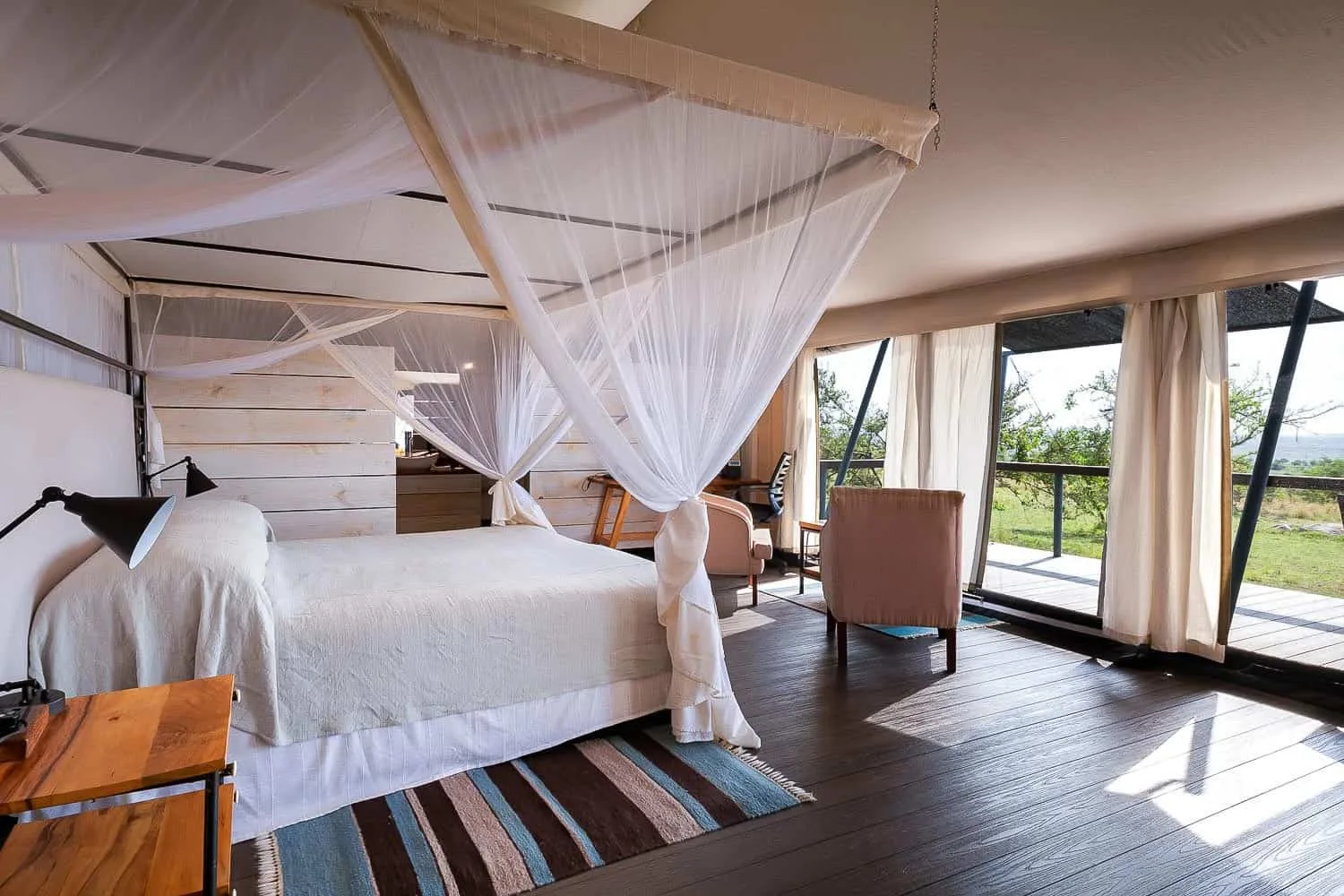
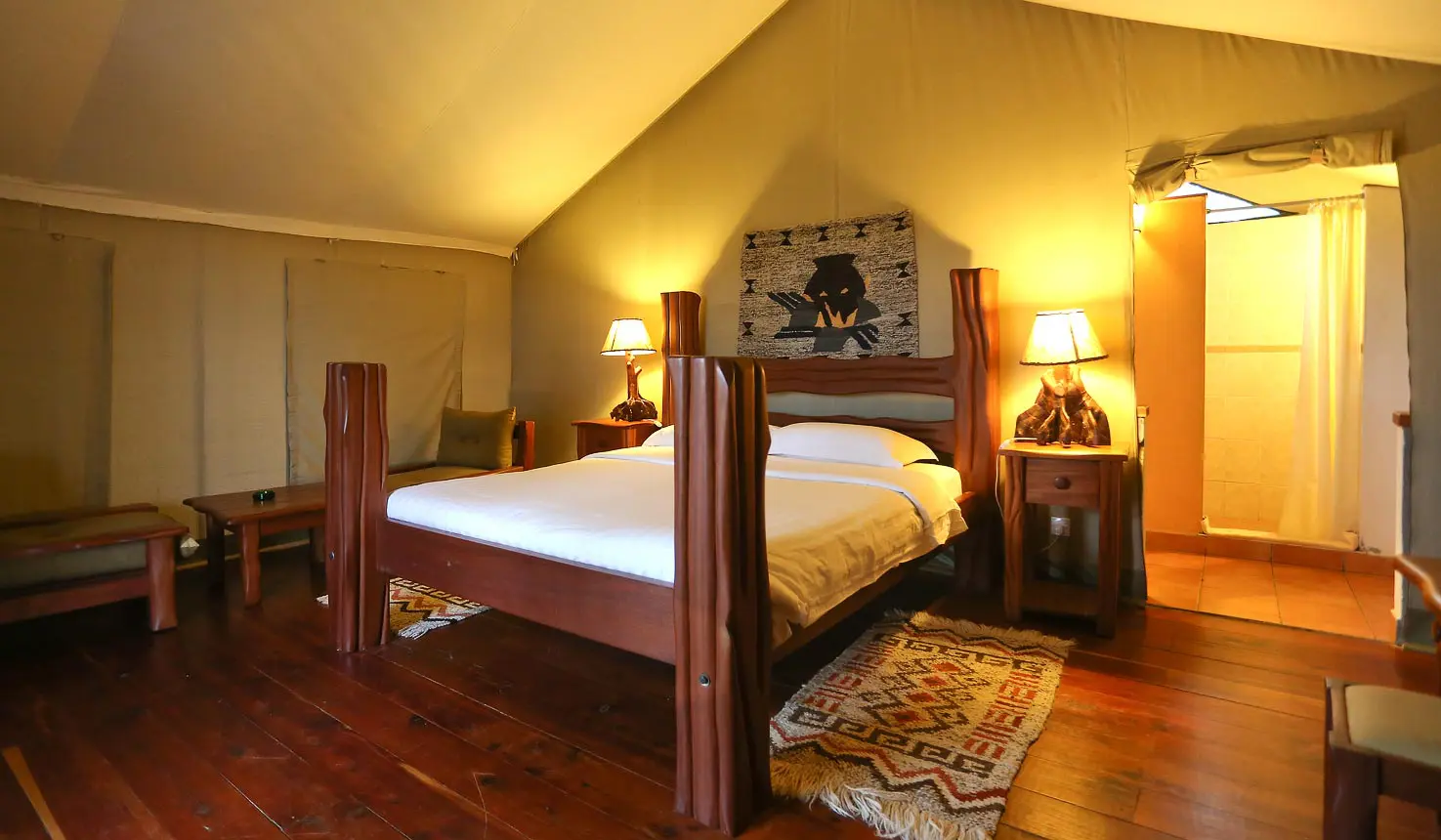
Comfort (Mid-range)
-
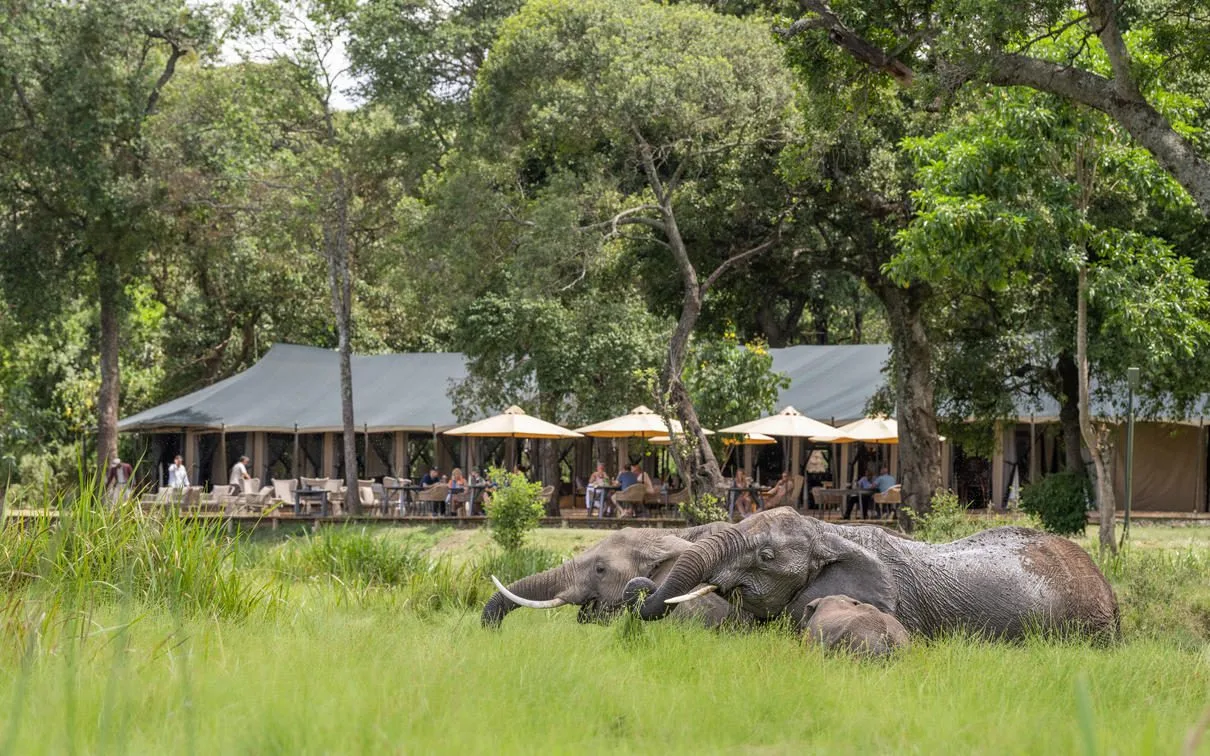
Premium (Luxury)
-
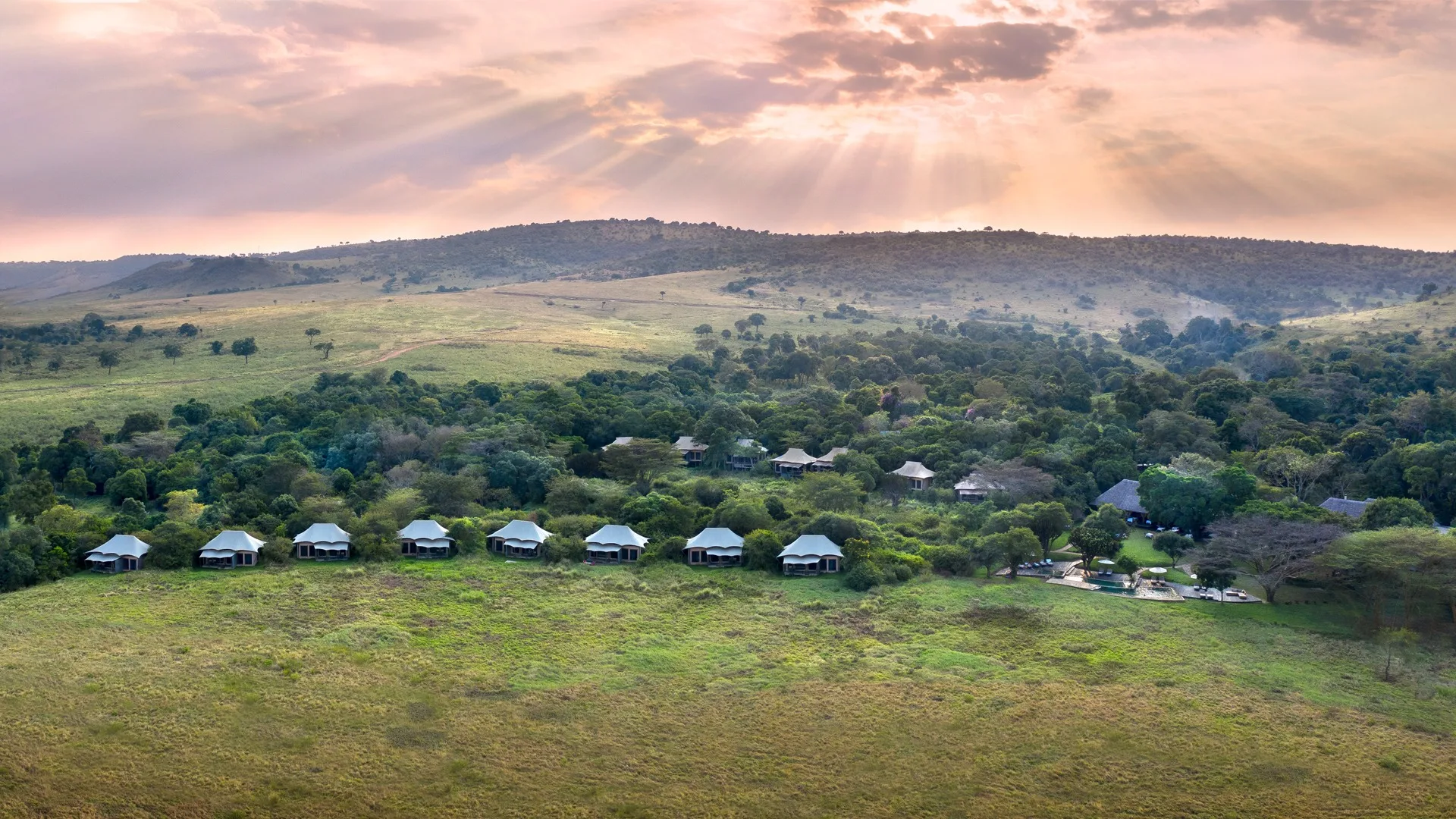
Signature (High-end)
-
Day 2: Full-Day Masai Mara Safari – Big Cats, Elephants and Plains Wildlife - Main destination
- Masai Mara National Reserve
- Meals
- Breakfast, Lunch, Dinner
Wake early for your first complete day in the Mara. You can arrange the day's game-viewing program with your guide according to your interests, accommodation location and wildlife conditions. A common choice is an early morning game drive followed by breakfast and relaxation before an afternoon drive. Alternatively, you can leave after breakfast carrying a packed lunch and remain in the reserve for an extended full-day game drive.
Both approaches have advantages. Separate drives provide time to rest during the hottest hours, while a full-day drive allows you to travel farther without needing to return to the lodge.
Sunrise in the Masai Mara
The period around sunrise is among the most beautiful times to explore the Mara. The air is cooler, light is soft and wildlife is often active. Predators may still be moving after nighttime hunting, hyenas can be returning toward denning or resting areas, lions may be feeding or walking before settling down for the day and cheetahs may already be scanning for prey.
Searching for the Big Five
The traditional African Big Five are: Lion, Leopard, African elephant, Cape buffalo, Rhinoceros.
The Masai Mara provides strong opportunities for lions, elephants and buffaloes. Leopards are present but require patience, and rhinos occur in parts of the wider ecosystem but are much less predictable. Travelers should therefore avoid approaching a Mara safari as a rigid Big Five checklist. The ecosystem contains far more than five important species, and some of the most interesting encounters involve animals that receive less publicity.
African Elephants
Elephants can be encountered across various parts of the Mara. Family groups are led by experienced females and may include calves of several ages. Watching an elephant family for an extended period can reveal complex social interactions.
Adults may touch one another with their trunks, young calves may attempt to imitate older animals and juveniles sometimes play or spar. Females remain attentive to the position and safety of younger members. A five-day safari gives you enough time to enjoy these behaviors rather than simply taking a photograph and moving on.
Cape Buffaloes
Buffaloes can occur in substantial herds. Large groups feeding on open grassland create impressive scenes, while older bulls may form smaller bachelor groups. Buffaloes are powerful animals and an important part of the lion prey base, so where buffalo herds occur, your guide may also look carefully for lions following or watching them.
Giraffes
The Maasai giraffe is characteristic of this region. Their irregular, vine-like coat patterns differ from giraffes found in northern Kenya. They may be seen browsing from acacia trees, walking elegantly across the plains or interacting with one another. Males sometimes engage in "necking," a form of combat in which they swing their necks and heads against rivals.
Plains Game
The Mara's herbivore diversity is fundamental to its predator-rich ecosystem. Common or frequently encountered species may include: Wildebeest, Plains zebras, Topi, Impalas, Thomson's gazelles, Grant's gazelles, Elands, Coke's hartebeest, Warthogs, Waterbucks in suitable habitat.
Each species occupies a different ecological niche. Observing how these animals feed, move and respond to predators gives the safari greater depth.
Picnic Lunch in the Mara
If undertaking a full-day game drive, your lodge can normally prepare a packed lunch. Your guide will select an authorized and safe picnic location according to current conditions and reserve regulations. Remaining in the wildlife area throughout the day allows you to explore more distant sections of the ecosystem. After lunch, continue game viewing, because although predators frequently rest during the hottest hours, interesting wildlife behavior can occur at any time.
Afternoon Predator Activity
As temperatures begin to decline, predator activity often increases. A lion that has remained almost motionless for several hours may suddenly stand, stretch and begin walking, cheetahs may become more attentive to nearby gazelle herds and hyenas begin moving through their territories. This is another excellent period for photography. Return to your lodge or camp around sunset.
- Accommodation: Masai Mara lodge/tented camp
- Meal Plan: Breakfast, lunch and dinner
- Activities: Full-day or split morning and afternoon game drives
Where you stay
-
Day 3: Full-Day Masai Mara Safari – Mara River, Hippos, Crocodiles and Migration Country - Main destination
- Masai Mara National Reserve
- Meals
- Breakfast, Lunch, Dinner
Your third day gives you the opportunity to explore farther into the Mara ecosystem. Depending on your accommodation location and current wildlife activity, today's drive may focus on the Mara River, riverine habitats and sections associated with seasonal migration movements. A packed lunch is particularly useful when traveling long distances.
The Mara River
The Mara River is one of the ecosystem's defining geographical features, and its water supports wildlife throughout the year. Large pods of hippos occupy deeper sections, while Nile crocodiles inhabit the river system. Riverine forest creates valuable habitat for birds, primates, leopards and numerous smaller species.
The river is internationally famous because of the dramatic crossings associated with the Great Wildebeest Migration. However, it remains an important wildlife destination even when no crossing is occurring.
Hippos
Hippos spend much of the day in water, where their enormous bodies remain protected from excessive heat and sun exposure. At night they generally leave the river to feed on grass. From appropriate viewing areas, you may observe groups resting together, interacting or vocalizing. Despite their bulky appearance, hippos are powerful and potentially dangerous wild animals, so all viewing must follow your guide's instructions and park regulations.
Nile Crocodiles
Large crocodiles inhabit sections of the Mara River. They can sometimes be seen basking along the banks or floating almost invisibly in the water. During migration crossings, crocodiles may prey upon wildebeest and zebras attempting to cross the river, while outside crossing events they remain an important part of the river ecosystem.
Great Wildebeest Migration
The Great Wildebeest Migration is one of the world's most famous wildlife movements. Enormous numbers of wildebeest, accompanied by zebras and other herbivores, move through the greater Serengeti–Mara ecosystem in response to rainfall and available grazing. The movement is continuous and natural, and it does not operate according to fixed calendar dates.
The large herds generally enter the wider Mara ecosystem during part of the year, but exact timing can vary. Rainfall in Kenya and Tanzania influences where animals move, which means that even during months traditionally described as migration season, no particular herd location can be guaranteed.
Mara River Crossings
River crossings are the migration's most dramatic events. Large herds may approach the river and remain nearby for hours before anything happens, and animals can begin moving toward the water and then retreat. A crossing may begin suddenly, with thousands of wildebeest and zebras entering the river in a relatively short period. The event attracts crocodiles and creates intense competition among animals attempting to reach the opposite bank.
However, responsible safari planning should never promise a crossing on a particular day. A five-day safari gives migration-focused travelers more flexibility than a very short itinerary because there are multiple opportunities to follow herd movements. Even then, crossings remain unpredictable.
Wildlife Away from the River
Today's safari is not exclusively about the river. As you travel across the Mara, you continue searching for predators and plains wildlife. You may encounter elephant families crossing open areas, giraffes browsing near woodland, lion prides resting after feeding or cheetahs watching gazelles. Spotted hyenas may be encountered alone or in groups, and jackals, mongooses and smaller carnivores add further variety.
Return to your accommodation in the late afternoon or around sunset, then enjoy dinner and your third night in the Mara.
- Accommodation: Masai Mara lodge/tented camp
- Meal Plan: Breakfast, lunch and dinner
- Activities: Extensive game viewing with possible Mara River exploration
Where you stay
-
Day 4: Full-Day Masai Mara Safari – Big Cat Tracking, Photography and Optional Experiences - Main destination
- Masai Mara National Reserve
- Meals
- Breakfast, Lunch, Dinner
By Day 4, you have already spent several days learning the landscape, which makes today's safari particularly interesting. Your guide will know which species you have already seen, which animals remain priorities and which areas have recently produced interesting wildlife activity. Instead of simply repeating the same circuit, the day can be tailored around your interests.
Dedicated Big Cat Search
Travelers particularly interested in predators can devote additional time to lions, leopards and cheetahs.
Lions
If you have encountered a pride during previous days, you may revisit its territory. Repeated observations can be fascinating, because a pride that was resting during your first encounter may now be feeding, cubs may have moved to a different location and males may have joined the females. Wildlife changes continuously.
Leopards
If you have not yet seen a leopard, today's drives can focus more intensively on suitable habitat. Riverine woodland, large trees and drainage systems are particularly important, and guides may look for alarm calls from monkeys and antelopes, tracks on the road or the behavior of other animals. Leopard sightings require luck, but spending four nights in the Mara provides multiple opportunities.
Cheetahs
Cheetahs frequently use open country and may spend long periods resting before becoming active. If a cheetah begins stalking prey, your guide will maintain an appropriate distance while observing the unfolding behavior. Successful hunts are relatively rare to witness because the critical action can happen extremely quickly.
Spotted Hyenas
Spotted hyenas deserve much more attention than they sometimes receive. They are intelligent, highly social predators living in complex clans, and although capable scavengers, they are also highly effective hunters. Hyenas communicate through vocalizations, scent and body language, and observing a clan around a den or interacting over food can be one of the safari's most fascinating experiences.
Wildlife Photography Day
Day four can also be treated as a more deliberate photography day. By now, there is less pressure to accumulate new species, so you can spend longer waiting for:
- Better light
- Cleaner backgrounds
- Interesting animal interaction
- Movement
- Predator behavior
- Elephants crossing open ground
- Giraffes against the horizon
- Birds in flight
- Sunrise and sunset compositions
Wildlife photography rewards patience. A lion sleeping beneath a bush may initially seem uninteresting, but waiting can produce a yawn, interaction, stretch or sudden movement.
Optional Hot-Air Balloon Safari
Day four can be an excellent morning for an optional Masai Mara hot-air balloon safari. Balloon safaris normally begin before sunrise, so you are collected from your accommodation while it is still dark and transferred to the launch site. After a safety briefing and balloon preparation, the flight begins around dawn, subject to weather conditions.
From the air, you gain a completely different perspective on the Mara. Instead of viewing wildlife at ground level, you can appreciate the scale of the plains, drainage systems, woodland and animal movements. Wildlife sightings from the balloon vary, but the landscape experience alone can be extraordinary. After landing, balloon packages traditionally include breakfast arrangements, depending on the operator.
The activity is optional and carries an additional cost. Advance reservation is recommended, particularly during high-demand periods, and flights depend on weather and operational conditions.
Optional Maasai Cultural Experience
Travelers interested in the human history and culture of the region may also request a Maasai community visit. The Maasai have maintained strong cultural connections to the landscapes surrounding the Mara, and a responsible visit can provide an introduction to aspects of traditional and contemporary Maasai life.
The quality and format of cultural visits vary considerably. They should therefore be arranged transparently, with clear information about community contributions and what the experience includes. A cultural visit is optional and should not replace wildlife-viewing time unless it genuinely interests you.
Final Afternoon Game Drive
Your final full afternoon in the Mara provides an opportunity to revisit favorite areas. Perhaps you want another chance to photograph elephants, lions have been located near your lodge or a leopard was seen earlier in the day. Or perhaps you simply want to drive slowly across the plains and enjoy the landscape without searching aggressively for anything in particular.
This final full drive can often become one of the most memorable because the pressure to "complete" the safari has disappeared. As sunset approaches, enjoy your last full evening in the Masai Mara wilderness, then return to your lodge or tented camp for dinner.
- Accommodation: Masai Mara lodge/tented camp
- Meal Plan: Breakfast, lunch and dinner
- Activities: Full-day wildlife safari; optional balloon or cultural experience
Where you stay
-
Day 5: Final Masai Mara Game Drive – Return to Nairobi - Main destination
- Masai Mara National Reserve
- Drive time
- Return transfer as outlined in the itinerary
- Meals
- Breakfast, Lunch
Wake for your final morning in the Mara. If your schedule permits, enjoy an early game drive before breakfast. The sunrise hours provide one final opportunity to search for predators and photograph wildlife in soft morning light.
Because animal movements are unpredictable, the final drive can still produce entirely new sightings. A leopard may appear after remaining elusive throughout the previous four days, lions may be active near the road, elephants may cross directly ahead of the vehicle or a cheetah may be watching gazelles across an open plain. Or the morning may simply provide peaceful views of zebras, giraffes and antelopes grazing beneath the enormous Mara sky. Every outcome is part of the safari.
Breakfast and Departure
Return to your accommodation for breakfast if it was not taken before the drive. After breakfast, check out and say goodbye to the lodge or camp staff, then begin your journey toward Nairobi. The route travels back through the Mara region toward Narok and eventually climbs out of the Great Rift Valley. Stops can be made for comfort and refreshments, and lunch arrangements depend on your confirmed package.
Arrival in Nairobi
Arrival in Nairobi is normally expected during the afternoon or early evening, depending on traffic, road conditions, stops and your exact accommodation location in the Mara. Your driver-guide can drop you at:
- Your Nairobi hotel
- Your residence
- Jomo Kenyatta International Airport, if timing is appropriate
- Wilson Airport
- Another agreed Nairobi location
This marks the end of your 5 Days Masai Mara Safari.
- Meal Plan: Breakfast; lunch depending on package
- Route: Masai Mara → Nairobi
- Accommodation: Not included unless an additional Nairobi night has been booked
Wildlife You Can See on a 5 Days Masai Mara Safari
A five-day stay gives you repeated opportunities to encounter the Mara's wildlife.
Lions
Lions are among the reserve's signature predators, and several days of game viewing improve the possibility of seeing different prides and behaviors. You may observe:
- Resting prides
- Cubs
- Males patrolling
- Lions feeding
- Courtship behavior
- Interaction between pride members
- Hunting attempts
Nothing can be guaranteed, but the Mara is one of Africa's premier lion destinations.
Leopards
Leopards are among the safari's most sought-after animals. They are solitary and often use dense cover, and repeated game drives increase the possibility of finding one. A leopard may be seen:
- Resting in a tree
- Walking through grass
- Moving along a riverbank
- Feeding
- Watching prey
- Resting in shade
Patience is essential.
Cheetahs
Cheetahs favor open areas where they can use their speed. Possible encounters include:
- Solitary adults
- Mothers with cubs
- Male coalitions
- Resting cheetahs
- Hunting behavior
- Cheetahs using elevated ground as lookout points
African Elephants
Elephants are frequently encountered. The Mara's mixed grassland and woodland provide excellent feeding habitat, and family interactions can be particularly rewarding to watch.
Cape Buffaloes
Buffaloes occur widely and can form impressive herds. Older bulls are sometimes found separately from larger breeding groups.
Rhinoceros
Rhinos occur within parts of the wider Mara ecosystem but are not as easily or consistently encountered as lions, elephants or buffaloes. Travelers whose primary goal is rhino viewing may consider extending the itinerary to Lake Nakuru or Ol Pejeta Conservancy.
Giraffes
Maasai giraffes are common and provide some of the Mara's most recognizable safari scenes. Their height makes them visible across considerable distances.
Wildebeest
Resident wildebeest occur in the Mara throughout the year. During the migration period, numbers can increase dramatically when major herds move into the ecosystem.
Plains Zebras
Zebras are widespread. They often associate with wildebeest because the two species use grasslands in complementary ways.
Topi
Topi are characteristic antelopes of the Mara. They frequently stand on termite mounds to gain a better view of the surrounding plains.
Elands
Elands are the world's largest antelopes. Despite their size, they can be surprisingly graceful and are capable of impressive jumps.
Warthogs
Warthogs are commonly encountered feeding on short grass. When alarmed, they often run with their tails held upright.
Hippos
Hippos inhabit rivers and pools throughout suitable parts of the ecosystem. They spend much of the day in water and emerge mainly at night to feed.
Nile Crocodiles
Crocodiles are particularly associated with major rivers. Large individuals inhabit the Mara River and play a dramatic role during migration crossings.
Spotted Hyenas
Hyenas are abundant predators in the ecosystem. Their complex social structure and hunting behavior make them fascinating animals to observe.
Jackals and Smaller Predators
The Mara also supports smaller carnivores. Depending on luck and habitat, you may encounter: Black-backed jackals, Mongooses, Servals, Bat-eared foxes, Other smaller predators.
These animals can provide some of the most rewarding sightings for experienced safari travelers.
Birdwatching on a 5 Days Masai Mara Safari
Five days provides excellent opportunities for birding. The Mara supports hundreds of bird species across its grassland, woodland, riverine and wetland habitats. Possible sightings include: Secretary birds, Southern ground hornbills, Lilac-breasted rollers, Crowned cranes, Ostriches, Martial eagles, Tawny eagles, Bateleurs, Vultures, Bustards, Storks, Herons, Egrets, Kingfishers, Bee-eaters, Oxpeckers, Weavers, Starlings.
Birdwatchers should inform their guide that birds are a priority. A mammal-focused safari can easily pass numerous interesting species unless deliberate birding time is included.
Where you stay
03 Rates
Safari rates 2027-2029
Indicative per person. Season, group size and lodge style change the total — your quotation confirms current rates.
-
Essential (Budget)
Essential (Budget)
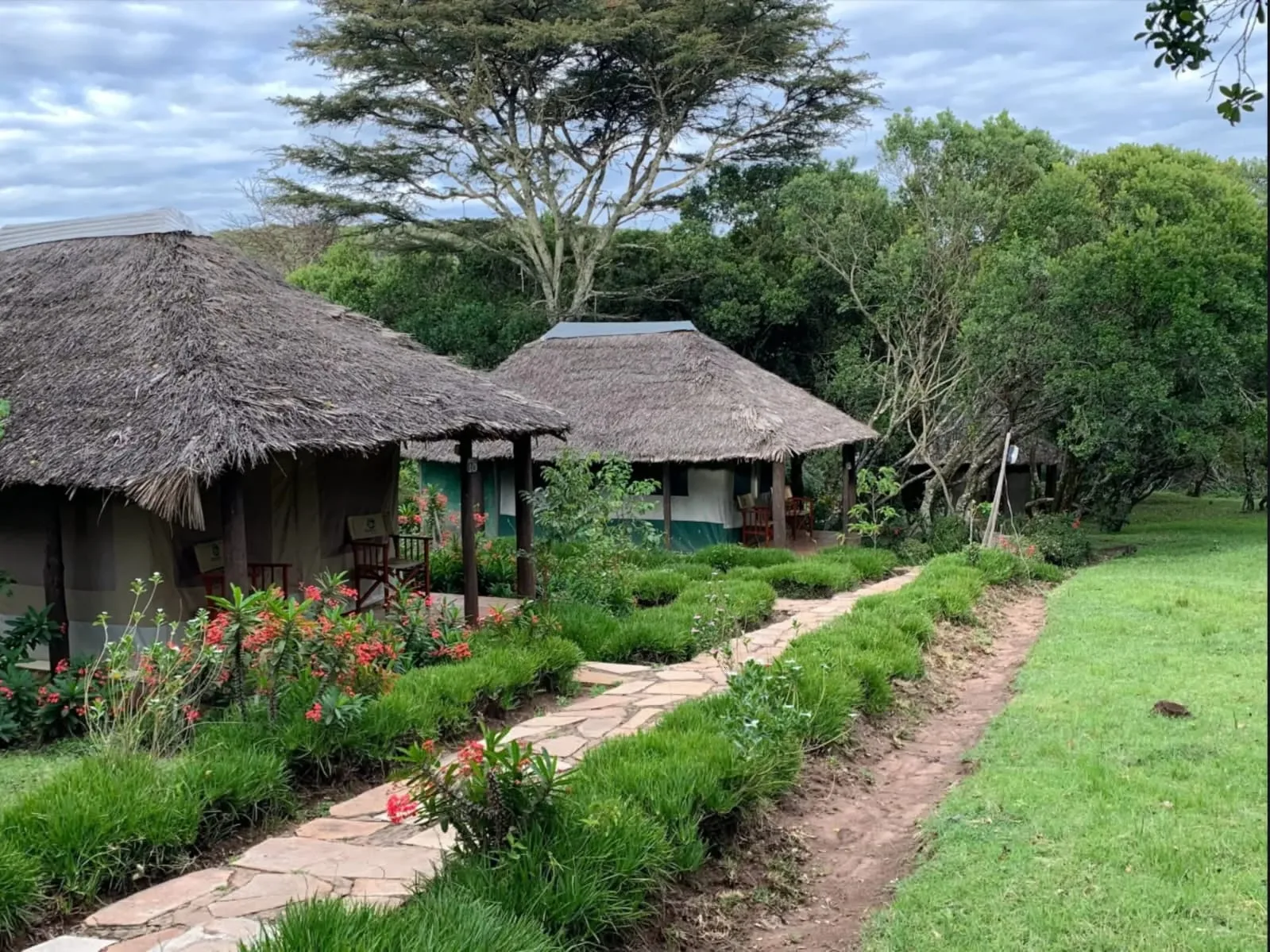
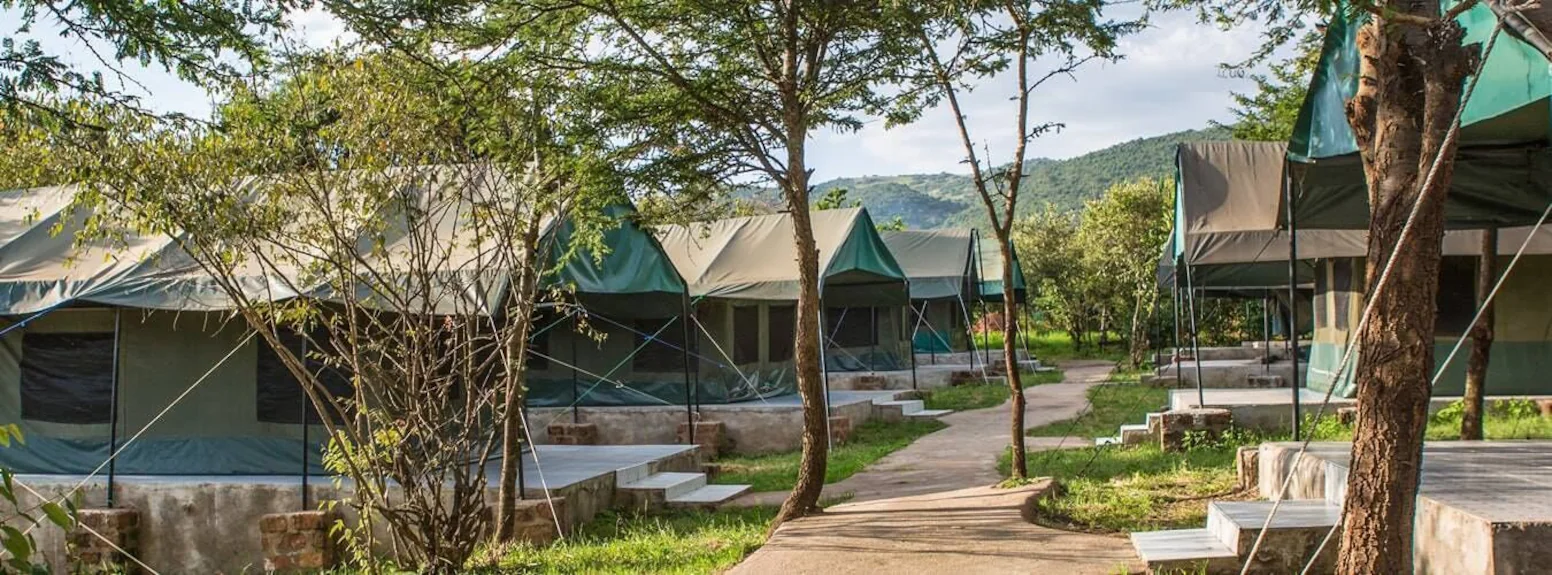
Budget camps and lodges suit travelers who prioritize wildlife while keeping costs lower.
Great value camps
-
Comfort (Mid-range)
Comfort (Mid-range)
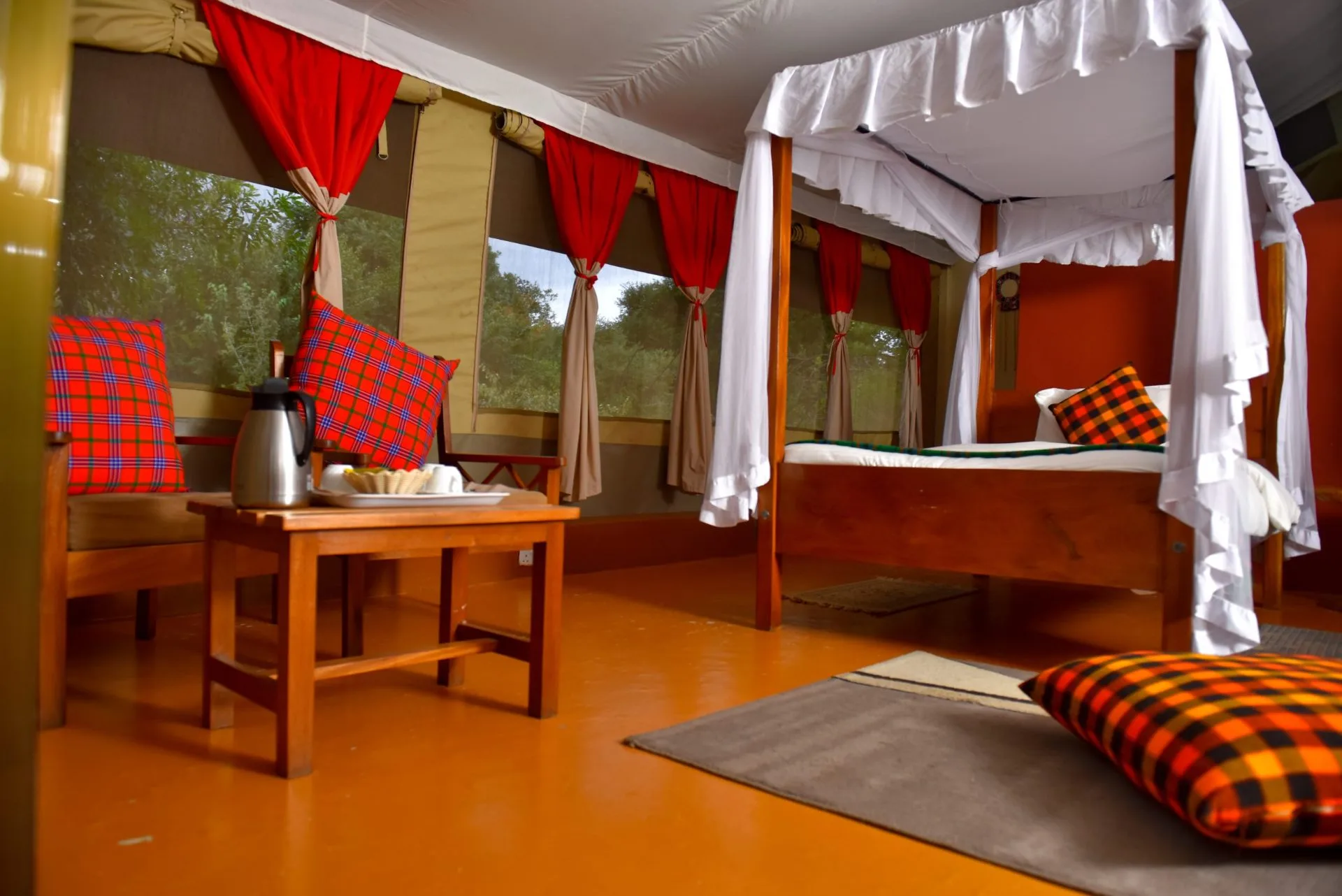
Mid-range tented camps and lodges balance comfort and price with private rooms or tents and en-suite facilities.
Quoted for your dates
-
Premium (Luxury)
Premium (Luxury)
Luxury camps and lodges focus on location, service and more intimate wildlife experiences.
Premium camps and lodges
-
Signature (High-end)
Signature (High-end)
Signature camps and lodges are the most exclusive stays — small, highly private properties with exceptional guiding and setting.
Exclusive signature stays
04 Activities
Safari activities
Game viewing is the core of this itinerary. Optional extras are quoted separately and depend on season, permits and availability. Individual species and river crossings are never guaranteed.
-
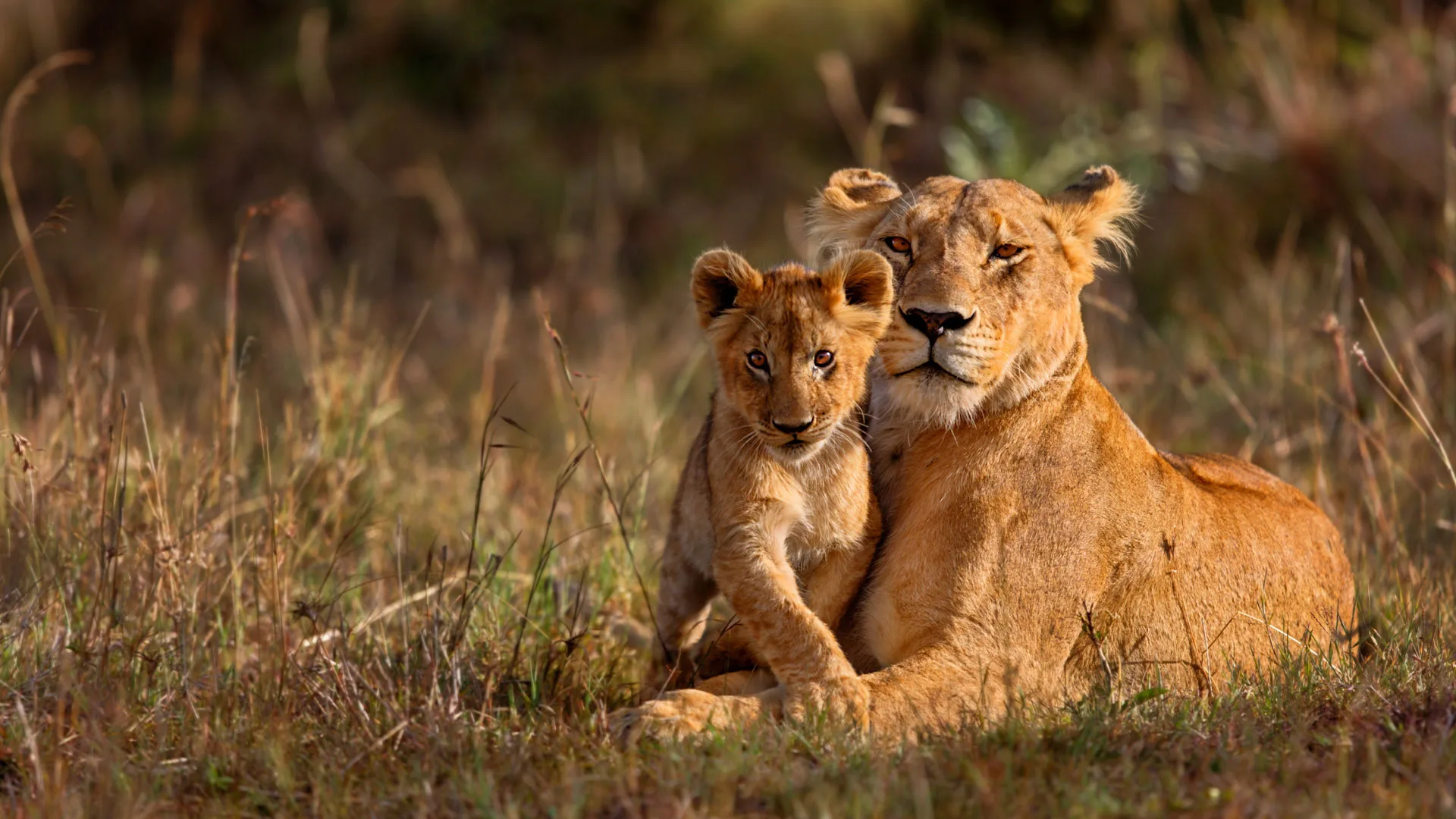
Included
Multiple morning and afternoon game drives
Included in a typical day on this safari. Exact timing follows the confirmed itinerary.
View activity -

Included
Excellent wildlife photography
Included in a typical day on this safari. Exact timing follows the confirmed itinerary.
View activity -
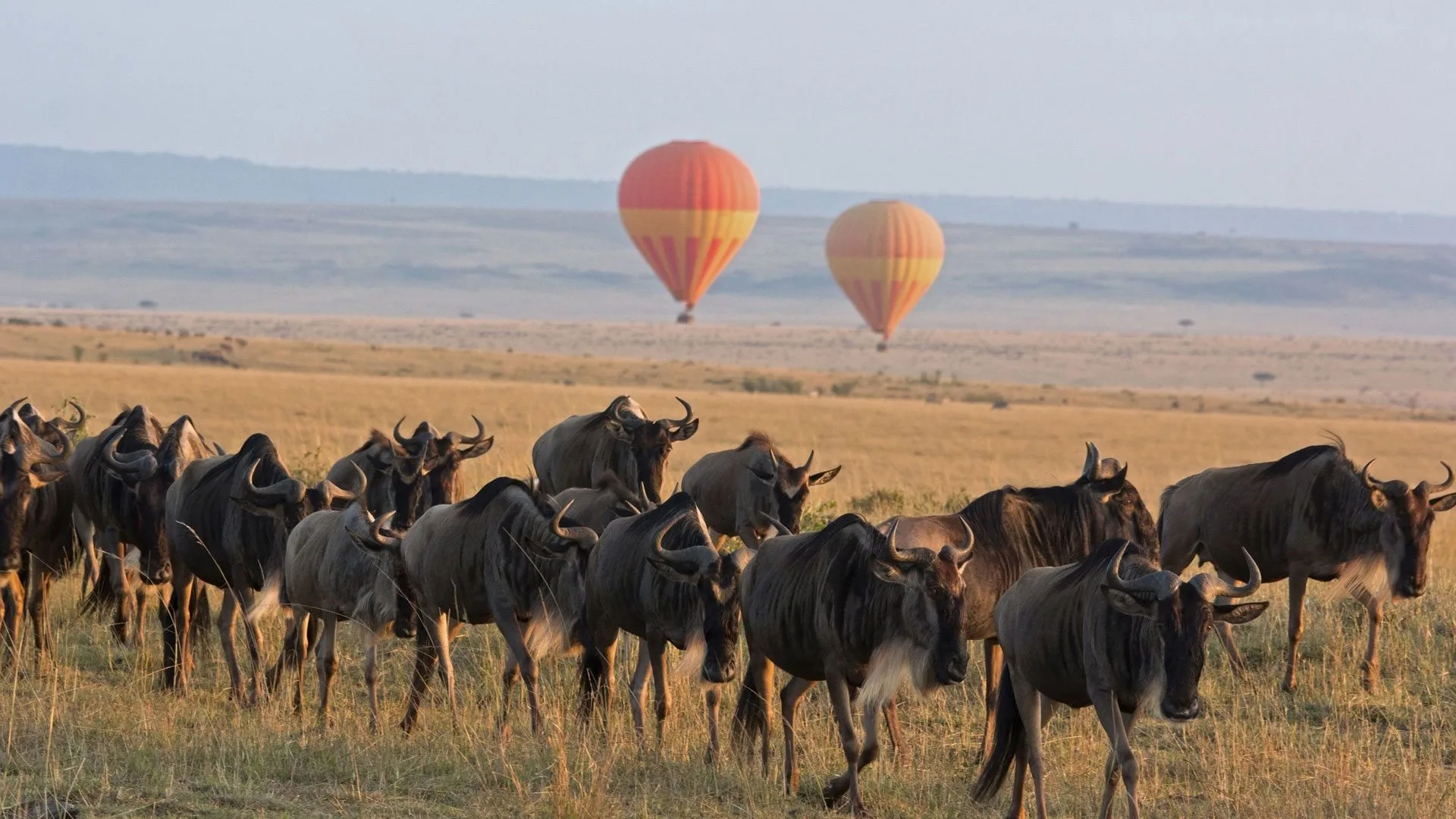
Optional
Hot-air balloon safari
Available at extra cost when conditions, permits and your dates allow. Not guaranteed.
View activity -
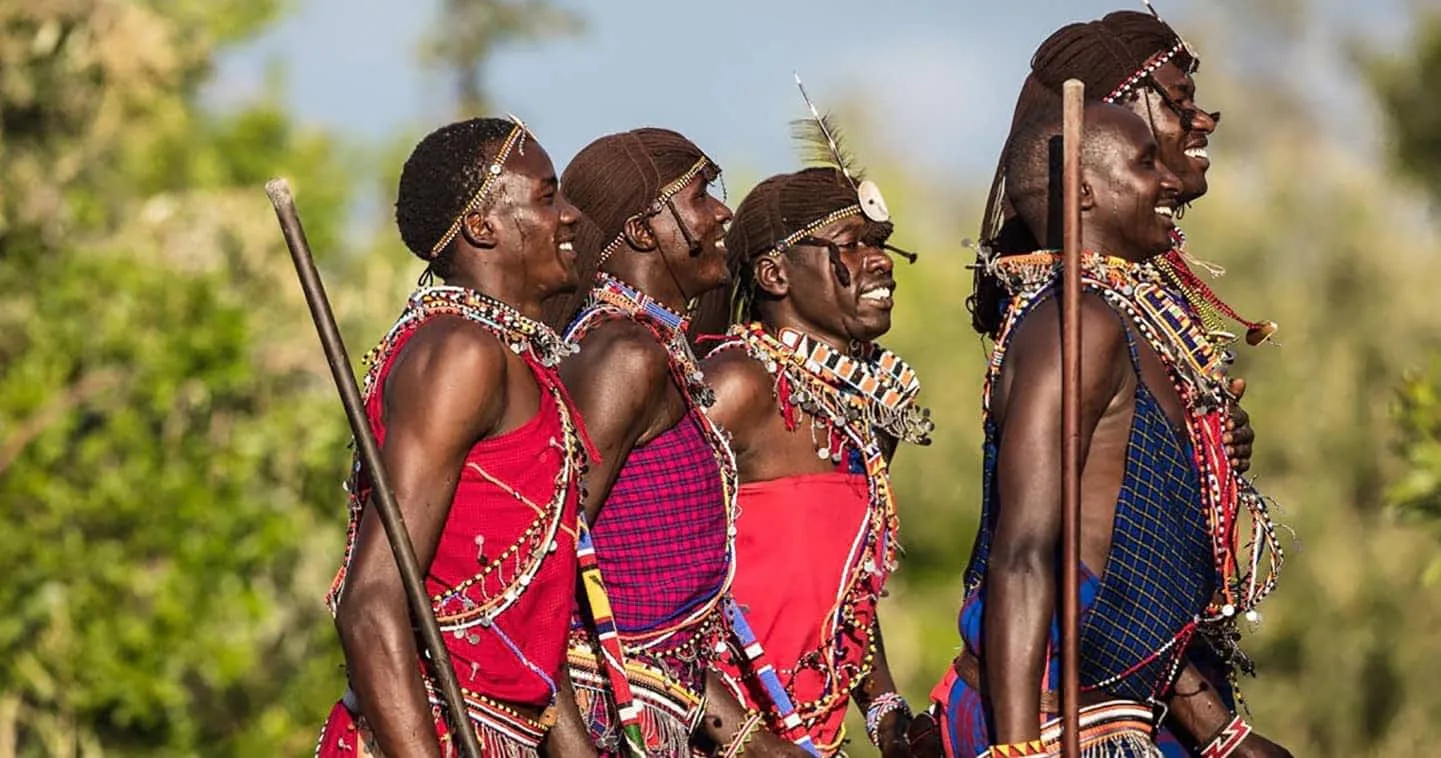
Optional
Responsible Maasai cultural experience
Available at extra cost when conditions, permits and your dates allow. Not guaranteed.
View activity
Additional information
Plan This Safari
Best Time for a 5 Days Masai Mara Safari
The Masai Mara is a year-round safari destination. The best period depends on your interests.
July to October
These months are particularly famous because the major wildebeest migration herds may occupy the wider Mara ecosystem. Wildlife viewing can be exceptional. However, this is also one of the busiest and most expensive periods.
January and February
These months can provide warm, relatively dry conditions and excellent resident wildlife viewing. They can be attractive for travelers interested in big cats without focusing specifically on migration.
March to May
Rainfall can increase substantially during parts of this period. The landscape becomes green and dramatic. Visitor numbers may be lower, and some properties offer seasonal value. Road conditions can become more challenging after heavy rain.
November and December
Shorter rains may occur, creating greener landscapes and excellent photographic conditions. Resident wildlife remains present. Birding can also be rewarding.
Is the Masai Mara Worth Visiting Outside Migration Season?
Absolutely. A common misconception is that the Mara is only worthwhile when migration herds are present. In reality, the ecosystem supports resident wildlife throughout the year. Lions do not leave when the migration leaves, and neither do elephants, giraffes, buffaloes, many zebras, antelopes, hyenas and numerous other species. Leopards and cheetahs remain resident as well. Outside the busiest migration period, visitors may also experience fewer vehicles and a more relaxed atmosphere in certain areas.
5 Days Masai Mara Migration Safari
For travelers specifically interested in the Great Wildebeest Migration, five days provides a stronger itinerary than a short two-night stay. The extra time allows guides to respond to changing herd locations. If animals are far from your lodge, a full-day drive can be arranged, and if herds move overnight, the next day's route can be adjusted.
If wildebeest gather near a river, you may choose to spend significant time waiting. However, no five-day itinerary can guarantee a river crossing. The migration is governed by natural conditions.
5 Days Masai Mara Big Cat Safari
The itinerary is also excellent for travelers whose primary interest is African big cats. The Mara supports: Lions, Leopards, Cheetahs.
Multiple days provide opportunities to learn the territories of particular individuals and revisit productive areas. Photographers may find this especially valuable because one encounter can be followed by another under completely different lighting and behavioral conditions.
5 Days Masai Mara Photography Safari
A five-day itinerary is far better suited to serious wildlife photography than a rushed visit. Photography often requires waiting, and the best photograph may occur twenty minutes after first arriving at a sighting. A private safari vehicle can provide additional flexibility. Photographers can request that guides prioritize:
- Sunrise light
- Sunset light
- Clean backgrounds
- Low-angle positioning where permitted
- Predator behavior
- Elephant interactions
- Bird photography
- Environmental portraits
- Landscape photography
Large lenses, camera bodies and photographic equipment should be discussed when booking if additional vehicle space is required.
5 Days Masai Mara Safari for Families
The safari can be customized for families. Four nights provide enough time to create a relaxed schedule rather than keeping children in the vehicle continuously. Family-friendly planning can include:
- Shorter game drives
- Midday lodge breaks
- Swimming pool time where available
- Family rooms
- Interconnecting rooms
- Child-friendly meal arrangements
- Educational wildlife interpretation
- Flexible departure times
Children's ages should be provided when requesting a quotation because lodge policies and park-fee categories may differ.
5 Days Masai Mara Honeymoon Safari
The Mara is one of Kenya's most popular honeymoon destinations. Luxury tented camps can provide an intimate wilderness atmosphere. Couples may choose:
- Luxury accommodation
- Private vehicle
- Balloon safari
- Special dining arrangements where available
- Scenic sundowner experiences where legally and operationally permitted
- Additional beach extension
A popular combination is Masai Mara → Diani Beach or Masai Mara → Zanzibar, depending on the wider East African travel plan.
Budget 5 Days Masai Mara Safari
A five-day safari does not necessarily require luxury accommodation. Budget options can reduce costs while retaining the core wildlife experience. Budget travelers should consider:
- Accommodation location
- Distance from reserve entry points
- Included meals
- Park fee arrangements
- Vehicle type
- Number of people sharing transport
A well-planned budget safari can still provide excellent game viewing.
Mid-Range 5 Days Masai Mara Safari
Mid-range accommodation is often an excellent choice for travelers seeking comfortable rooms or tents without the higher prices associated with premium camps. Typical features may include:
- Private bathrooms
- Comfortable beds
- Restaurant facilities
- Lounge
- Electricity or charging facilities
- Swimming pool at some properties
- Convenient access to wildlife areas
The exact facilities depend on the selected property.
Luxury 5 Days Masai Mara Safari
Luxury camps may provide:
- Spacious safari tents or suites
- Private decks
- Premium locations
- Smaller camp size
- Personalized service
- Enhanced dining
- Swimming pools at selected properties
- High-quality furnishings
- Exceptional views
- More exclusive atmosphere
Luxury safari prices vary substantially depending on location and season.
Masai Mara National Reserve or Conservancy?
Accommodation can be located within or around different sections of the wider Mara ecosystem. Some travelers stay in or close to the Masai Mara National Reserve, while others choose private or community conservancy areas. The experiences can differ. Reserve-based itineraries provide direct access to the famous core Mara landscapes and migration areas. Conservancies may offer lower vehicle densities and additional activities under their individual management rules. A customized safari can also combine different areas during a longer stay. The best choice depends on:
- Travel season
- Budget
- Wildlife priorities
- Migration interests
- Preferred activities
- Desired level of exclusivity
How Much Does a 5 Days Masai Mara Safari Cost?
The 5 Days Masai Mara Safari cost varies according to several important factors.
Number of Travelers
Private safari vehicle costs are shared between passengers. A safari for four travelers therefore generally has a lower per-person transport cost than the same private safari for one or two travelers.
Travel Season
The Mara has substantial seasonal price differences. Migration and festive periods can command significantly higher accommodation rates.
Accommodation Category
Budget camps, mid-range lodges and premium safari camps have very different nightly rates. Because this itinerary includes four nights, accommodation selection has a major effect on the final price.
Park and Conservation Fees
Applicable entry and conservation fees represent an important component of the total safari cost. The final quotation should use fees applicable to the travel dates and selected accommodation area.
Private vs Shared Safari
A private safari provides greater flexibility but can cost more for solo travelers and couples. Larger groups can divide vehicle costs.
Optional Activities
Balloon safaris, cultural experiences and other optional arrangements are generally charged separately unless explicitly included.
Typical 5 Days Masai Mara Safari Inclusions
Depending on the confirmed quotation, the package may include:
- Private safari vehicle
- Professional driver-guide
- Four nights' accommodation
- Meals according to the itinerary
- Masai Mara entry or conservation fees as specified
- Scheduled game drives
- Drinking water in the safari vehicle
- Nairobi pickup
- Nairobi drop-off
- Applicable taxes on included services
Always review the final quotation carefully.
Typical Safari Exclusions
Unless specifically stated, exclusions may include:
- International flights
- Kenya entry authorization charges where applicable
- Travel insurance
- Alcoholic beverages
- Premium drinks
- Laundry
- Personal expenses
- Tips and gratuities
- Hot-air balloon safari
- Optional cultural activities
- Additional Nairobi accommodation
- Services not listed in the confirmed package
What to Pack for a 5 Days Masai Mara Safari
Recommended items include:
- Lightweight neutral-colored clothing
- Long trousers
- Comfortable shirts
- Light fleece
- Warm jacket for colder mornings
- Comfortable closed shoes
- Sun hat
- Sunglasses
- Sunscreen
- Insect repellent
- Binoculars
- Camera
- Spare batteries
- Memory cards
- Power bank
- Personal medication
- Small backpack
- Reusable water bottle
- Travel documents
Morning temperatures can feel considerably cooler than midday temperatures, so layered clothing is useful.
Road Safari from Nairobi to Masai Mara
The standard itinerary travels overland from Nairobi. The road journey allows you to see the Great Rift Valley and changing landscapes between the capital and Mara. Travel time varies with:
- Nairobi traffic
- Road conditions
- Weather
- Stops
- Exact camp location
Travelers should therefore regard driving times as estimates.
Fly-In 5 Days Masai Mara Safari
The itinerary can also be converted into a fly-in Masai Mara safari. Scheduled domestic flights can operate between Nairobi's Wilson Airport and airstrips serving different sections of the Mara. Flying reduces road travel and gives you more time in the safari ecosystem. A typical fly-in structure might include:
- Day 1: Nairobi Wilson Airport → Mara flight → Afternoon game drive
- Days 2–4: Full safari days
- Day 5: Morning activity → Flight to Nairobi
Fly-in safaris generally cost more but are attractive for luxury travelers and visitors with limited time.
5 Days Masai Mara Safari vs 3 Days Masai Mara Safari
A three-day safari can be excellent, but a substantial portion of the first and final days is occupied by travel. Five days provides two additional full safari days. Choose five days if you:
- Want more big-cat viewing
- Are interested in photography
- Want to follow migration movements
- Prefer a relaxed pace
- Want multiple sunrise and sunset drives
- Want optional activities without sacrificing wildlife time
5 Days Masai Mara Safari vs 4 Days Masai Mara Safari
Both durations work well. The fifth day effectively provides another opportunity to explore the ecosystem and reduces pressure on the schedule. The difference can be particularly valuable during migration season or for photographers. If budget and available time permit, five days offers a more immersive Mara experience.
Extending the 5 Days Masai Mara Safari
The itinerary can easily become part of a longer Kenya safari.
Add Lake Nakuru
Lake Nakuru introduces:
- White rhinos
- Black rhino possibilities
- Rothschild's giraffes
- Rift Valley lake scenery
- Birdlife
Add Lake Naivasha
Lake Naivasha can provide:
- Boat excursions
- Hippos
- Birdwatching
- Rift Valley scenery
- Relaxed accommodation
Add Amboseli
Amboseli introduces:
- Large elephant herds
- Mount Kilimanjaro
- Wetlands
- Open plains
Add Samburu
Samburu adds northern specialty wildlife including: Reticulated giraffe, Grevy's zebra, Gerenuk, Beisa oryx, Somali ostrich.
Add Ol Pejeta
Ol Pejeta is an excellent addition for travelers interested in:
- Rhinos
- Conservation
- Laikipia landscapes
- Additional wildlife diversity
Add the Kenya Coast
After the Mara, fly or travel toward:
- Diani Beach
- Mombasa
- Watamu
- Malindi
This creates a classic Kenya safari and beach holiday.
Who Should Choose a 5 Days Masai Mara Safari?
This itinerary is particularly suitable for:
- First-time Kenya safari travelers
- Wildlife enthusiasts
- Big-cat enthusiasts
- Migration-focused travelers
- Wildlife photographers
- Birdwatchers
- Couples
- Honeymooners
- Families
- Solo travelers
- Small private groups
- Travelers wanting a relaxed safari pace
- Visitors who prefer depth over visiting many parks quickly
Responsible Game Viewing in the Masai Mara
A high-quality safari should respect wildlife and the landscape. Your guide should follow all applicable reserve and conservancy regulations. Wildlife should not be surrounded, chased or pressured simply to obtain a photograph. Extra care is important around:
- Animals hunting
- Mothers with young
- Feeding predators
- River crossings
- Elephants
- Animals resting close to roads
Patient observation often produces better experiences. Wildlife behavior becomes more interesting when animals are given space to behave naturally.
Why Book a Private 5 Days Masai Mara Safari?
A private safari provides flexibility that is particularly valuable over five days. Your guide can adapt each day according to what happened previously. If you have already seen several lion prides, you might focus more heavily on leopards, and if migration herds have moved to another area, you can dedicate a day to reaching them.
If photography is your priority, you can remain longer at productive sightings. If you are traveling with children, you can return to the lodge when they need a break. The safari becomes your itinerary rather than a fixed schedule designed around unrelated travelers.
Book Your 5 Days Masai Mara Safari
A 5 Days Masai Mara Safari is one of the best choices for travelers who want to experience the Mara in depth rather than simply visit it briefly. Four nights in the ecosystem give you something extremely valuable on safari: time. Time to wait for a leopard to emerge from riverine vegetation, to watch lion cubs interact instead of photographing them for five minutes and leaving, to follow elephants across the plains and to search for cheetahs in open grassland. Time to explore the Mara River, observe hippos and crocodiles, and appreciate smaller wildlife and birds. During migration season, there is also time to respond to the constantly changing movements of wildebeest and zebra herds.
The extra days also allow the landscape itself to become part of the experience. You see the Mara at sunrise when the grass is covered in soft light, experience hot afternoons when lions disappear into shade, watch storms build across enormous skies and see the plains turn golden toward sunset. By the final day, the Mara no longer feels like somewhere you simply visited. You have begun to understand its rhythms.
The safari can be customized according to your travel dates, number of travelers, accommodation preference, budget and special interests. Choose a budget safari for an affordable wildlife-focused experience, mid-range accommodation for a balance of comfort and value, or luxury and high-end camps for greater privacy and premium service. The itinerary can also be upgraded to a fly-in Masai Mara safari, adapted for families, designed specifically for photographers or planned around the Great Wildebeest Migration.
For travelers with additional time, extensions can include Lake Nakuru, Lake Naivasha, Amboseli, Samburu, Ol Pejeta, Diani Beach, Mombasa or other Kenya destinations. Send your preferred travel dates, number of travelers, accommodation category and any special interests to receive a customized quotation for your 5 Days Masai Mara Safari.
Planning Questions
Frequently Asked Questions
Is five days too long in the Masai Mara?
No. For travelers who genuinely enjoy wildlife, five days provides an excellent amount of time. The ecosystem is large, animal movements change daily and each game drive can be completely different.
How many nights are included?
The standard itinerary includes four nights in the Masai Mara ecosystem.
Is five days enough to see the Big Five?
The safari provides opportunities to search for the Big Five, but no complete Big Five sighting should ever be guaranteed. Rhinos are particularly less predictable in the Mara than some other Kenyan destinations.
Will I see lions?
The Mara is one of Africa's strongest lion destinations. Sightings are common, but wild animals can never be guaranteed absolutely.
Can I see leopards?
Yes. Leopards occur throughout suitable Mara habitat. Their secretive nature makes sightings unpredictable.
Can I see cheetahs?
Yes. The open plains provide excellent cheetah habitat.
Will I see elephants?
Elephants occur throughout the Mara ecosystem and are regularly encountered.
Can I see the wildebeest migration?
Potentially, if your safari coincides with the seasonal presence of migration herds. Exact timing varies according to natural conditions.
Is a river crossing guaranteed during migration season?
No. River crossings are unpredictable natural events and cannot responsibly be guaranteed.
Can I spend all five days inside the Mara?
Yes. This itinerary is designed specifically for travelers wanting an immersive Mara-focused safari.
Can I add Lake Nakuru?
Yes. Additional days can be added to include Lake Nakuru.
Can I add a balloon safari?
Yes. A hot-air balloon safari can be booked at additional cost, subject to availability and weather.
Is this safari private?
It can be arranged as a fully private safari with a vehicle and guide dedicated to your party.
Can children join?
Yes. Family-friendly accommodation and flexible game-drive schedules can be arranged.
Can I choose my lodge?
Yes. Accommodation can be selected according to your budget, preferred location and availability.
Can I fly instead of driving?
Yes. The itinerary can be customized as a fly-in safari using scheduled domestic flights.
Can I start from Nairobi Airport?
Yes, provided your arrival time is compatible with the onward journey. Travelers arriving later should generally spend a night in Nairobi before beginning the safari.
Can I finish at the airport?
Yes, provided the return timing is compatible with your onward flight. A Nairobi hotel night can be added when necessary.
05 Request Quote
Request Quote
Tell us your dates, group size, and preferred lodge style — we will send a tailored quote for this safari.
Want to extend your safari?
Add Amboseli, Diani Beach, Tanzania and Zanzibar, or gorilla trekking in Uganda or Rwanda — we tailor the journey to your dates.