
5 DAYS / 4 NIGHTS
5 Days Kenya Fly-in Safari
Experience a 5 Days Kenya Fly-in Safari with scenic light-aircraft flights, premium wildlife viewing, Masai Mara game drives and carefully selected safari camps.
- Wildlife Safari Private Journey
- Private Safari 4x4 Vehicle
- Expert Guide English Speaking
- All Meals Breakfast, Lunch, Dinner
- 24/7 Support We're here to help
01 Overview
Safari Overview
- Duration 5 days / 4 nights
- Destination Kenya
- Starts / ends Nairobi
- Safari style Private safari
- Accommodation Essential · Comfort · Premium · Signature
- Best for Wildlife viewing, photography
5 Days Kenya Fly-in Safari
A 5 Days Kenya Fly-in Safari is designed for travelers who want to maximize wildlife time while reducing the long road transfers that can occupy a substantial part of a traditional Kenya road safari. By using scheduled light-aircraft flights between Nairobi and selected safari destinations, this itinerary allows you to move quickly from the city into the wilderness and spend more of your five days actually watching wildlife, relaxing at safari camps and enjoying the landscapes you traveled to Kenya to experience.
For a short safari of only five days, flying can make a major difference. A road journey from Nairobi to a distant reserve may occupy much of the first day, while the return journey can consume a substantial part of the final day. A carefully timed flight may reduce these transfers dramatically, allowing you to begin game viewing much sooner after leaving Nairobi and, depending on flight schedules, enjoy another activity before returning to the city.
The Masai Mara is one of the strongest destinations for a five-day fly-in safari because it combines exceptional wildlife density with several airstrips serving different parts of the ecosystem. Lions, leopards, cheetahs, elephants, buffaloes, giraffes, zebras, wildebeest, hyenas, hippos and numerous antelope species can all be encountered. During the period when the Great Wildebeest Migration occupies the wider Mara ecosystem, a fly-in safari can also position travelers closer to major migration areas without spending many hours traveling by road from Nairobi.
A fly-in itinerary can be arranged entirely within the Masai Mara or combined with another destination according to flight logistics and available time. However, for only five days, spending several nights in one highly productive ecosystem is usually preferable to repeatedly packing, flying and changing camps. The safari can be designed as a mid-range, luxury or high-end fly-in experience, and it is particularly attractive for honeymooners, older travelers, photographers, families, business travelers extending a Kenya visit and anyone who values time and comfort.
5 Days Kenya Fly-in Safari at a Glance
- Duration: 5 Days / 4 Nights
- Safari Style: Fly-in Kenya wildlife safari
- Primary Starting Point: Nairobi
- Typical Departure Airport: Wilson Airport, Nairobi
- Primary Safari Destination: Masai Mara
- Safari Accommodation: Tented camp or lodge according to selected category
Recommended Route
Nairobi → Masai Mara by scheduled flight → 4 nights in the Mara → Nairobi by scheduled flight
Typical Safari Structure
- Day 1: Nairobi Wilson Airport to Masai Mara – Scenic flight and afternoon game drive
- Day 2: Full-day Masai Mara wildlife safari
- Day 3: Full-day Masai Mara safari – Mara River and migration areas
- Day 4: Full-day Masai Mara safari – Big cats, photography and optional activities
- Day 5: Final morning safari and flight back to Nairobi
Why Choose a Fly-in Safari in Kenya?
The main advantage is simple: time. Travelers choosing a five-day safari often have limited vacation days, and spending several hours on road transfers can substantially reduce the time available inside wildlife areas. For travelers who dislike long road journeys, a fly-in safari can also improve the overall experience, and it can provide:
- Faster access to remote wildlife regions
- More time at safari camps
- More game-drive opportunities
- Less road fatigue
- Scenic aerial views
- Easier short-duration safari planning
- Greater comfort
- Efficient connections for honeymoon or beach extensions
Is a Fly-in Safari Better Than a Road Safari?
Not necessarily. Both safari styles have advantages, and the best option depends on your priorities. A fly-in safari is generally better for travelers prioritizing:
- Time
- Comfort
- Short itineraries
- Remote camps
- Reduced driving
- Premium travel
A road safari may be better for travelers prioritizing:
- Lower costs
- More flexible luggage
- Rural Kenya scenery
- One driver-guide throughout the trip
- Several destinations connected overland
- Flexible roadside stops
Itinerary
- Day 1: Nairobi to Masai Mara by Air, scenic Flight and Afternoon Game Drive
- Day 2: Masai Mara Fly-in Safari – Lions, Leopards, Cheetahs and Elephants
- Day 3: Mara River and Great Migration Fly, in Safari
- Day 4: Masai Mara – Photography, Big Cats and Optional Balloon Safari
- Day 5: Final Masai Mara Safari, flight Back to Nairobi
02 Itinerary
5 Days Kenya Fly-in Safari: Detailed Itinerary
-

Day 1: Nairobi to Masai Mara by Air – Scenic Flight and Afternoon Game Drive - Main destination
- Masai Mara National Reserve
- Drive time
- Road transfer as outlined in the itinerary
- Meals
- Lunch, Dinner
Your 5 Days Kenya Fly-in Safari begins in Nairobi. Depending on your international arrival arrangements, you may spend the previous night at a Nairobi hotel or transfer from your accommodation to Wilson Airport for your scheduled safari flight. Wilson Airport is the principal domestic aviation hub used for many light-aircraft safari services within Kenya.
Your transfer should be planned with sufficient time for:
- Nairobi traffic
- Check-in
- Baggage procedures
- Security
- Boarding
Light-aircraft schedules can differ from major international flights, so travelers should follow the instructions provided with their confirmed booking.
Checking In for Your Safari Flight
At Wilson Airport, complete check-in for your domestic safari flight. Your baggage may be weighed, which is important because light aircraft typically operate with stricter baggage restrictions than larger international aircraft. Travelers should not assume that because an international airline allowed a large suitcase, the same bag will be accepted on the safari flight, and soft-sided luggage is often considerably more practical.
Scenic Flight from Nairobi to the Masai Mara
After boarding, your aircraft departs Nairobi and begins the journey toward the Masai Mara. The flight itself becomes part of the safari experience. Depending on the route, weather and seating position, you may see:
- Nairobi outskirts
- Agricultural landscapes
- Great Rift Valley features
- Rivers
- Grasslands
- Settlements
- Wildlife landscapes
As you approach the Mara, the environment becomes increasingly open. From the air, you begin appreciating the scale of the ecosystem in a way that is difficult from the ground.
Landing at a Masai Mara Airstrip
The Masai Mara ecosystem contains several airstrips serving different lodges, camps, reserves and conservancies, and your exact landing point depends on your selected accommodation. After landing, camp or lodge staff meet you at the airstrip. The transfer from the airstrip may itself operate as a short game drive, so it is entirely possible for your first wildlife sightings to occur within minutes of landing.
First Wildlife Sightings
Possible animals encountered during your transfer include: Zebras, Giraffes, Wildebeest, Elephants, Buffaloes, Gazelles, Warthogs, Lions, Hyenas.
You then continue to your safari camp or lodge.
Arrival at Your Safari Camp
Check in and receive a briefing about:
- Camp safety
- Meal times
- Game-drive schedules
- Wildlife around the property
- Electricity
- Wi-Fi
- Escort procedures
- Optional activities
Many Mara camps are located in or near active wildlife areas, and some are unfenced. Guests must therefore follow camp safety instructions at all times.
Lunch and Relaxation
Depending on your flight schedule, enjoy lunch after arrival and spend the early afternoon relaxing. You may sit on your veranda, swim at properties with pools or simply enjoy the wilderness atmosphere. Later, prepare for your first full game drive.
Afternoon Masai Mara Game Drive
Your safari guide takes you into the wildlife area. The Masai Mara supports one of Africa's most impressive concentrations of large mammals. Possible sightings include: Lions, Leopards, Cheetahs, African elephants, Buffaloes, Maasai giraffes, Wildebeest, Zebras, Topi, Impalas, Gazelles, Elands, Warthogs, Hyenas, Jackals.
The first afternoon introduces you to the ecosystem without the fatigue of spending most of the day driving from Nairobi.
Searching for Lions
The Mara is famous for its lion population. Your guide may locate:
- Lion prides
- Adult males
- Females with cubs
- Resting lions
- Lions feeding
- Lions walking
Late afternoon can be particularly productive because temperatures fall and predators may become increasingly active. A pride that appeared completely inactive during the hottest hours may suddenly stand and begin moving.
Elephant Families
Elephants can be encountered across different Mara habitats, and family groups may include young calves. Spend time watching their social relationships: young elephants often remain close to adults, juveniles play, and mothers and other females protect vulnerable calves. These encounters are best enjoyed without rushing.
First Mara Sunset
The final hours of Day 1 can produce spectacular light. Giraffes may appear against the horizon, elephants cross grasslands and predators begin becoming active. Return to your safari camp for dinner and overnight.
Accommodation: Mid-range, luxury or high-end Masai Mara camp/lodge
Meal Plan: Lunch and dinner depending on flight timing
Activities: Scheduled flight, airstrip transfer and afternoon game drive
Where you stay
-
Essential (Budget)
-
Comfort (Mid-range)
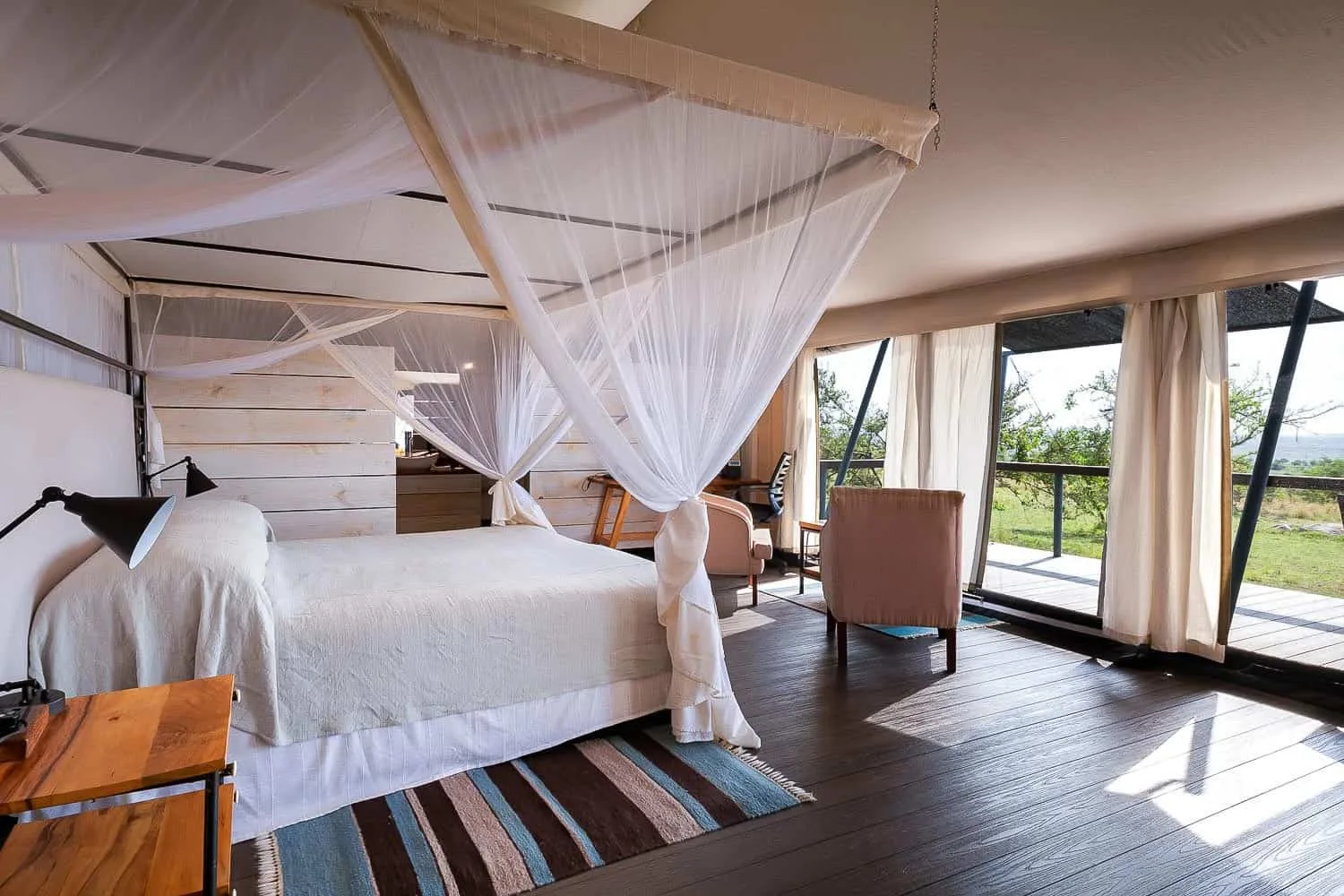
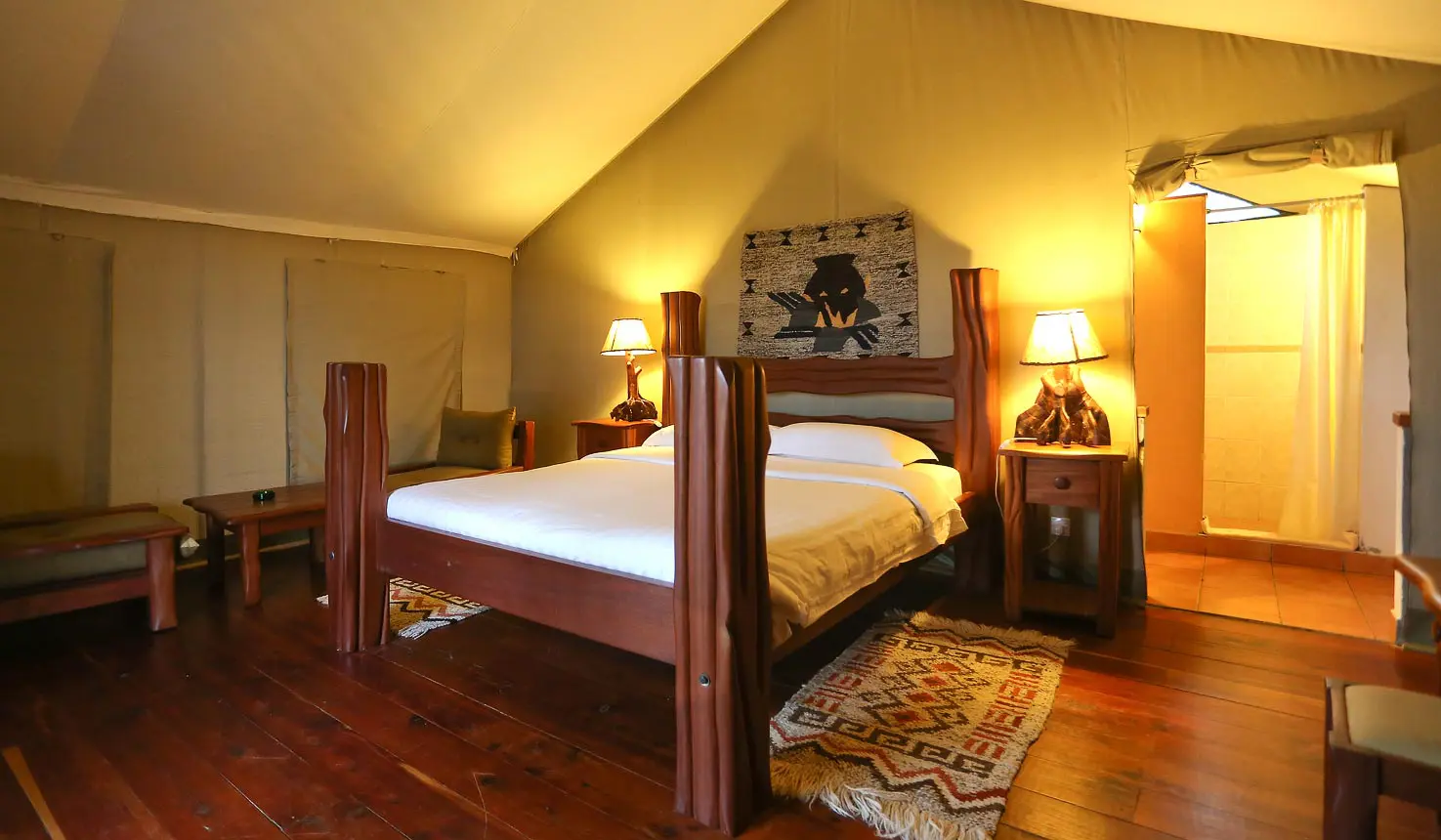
-
Premium (Luxury)
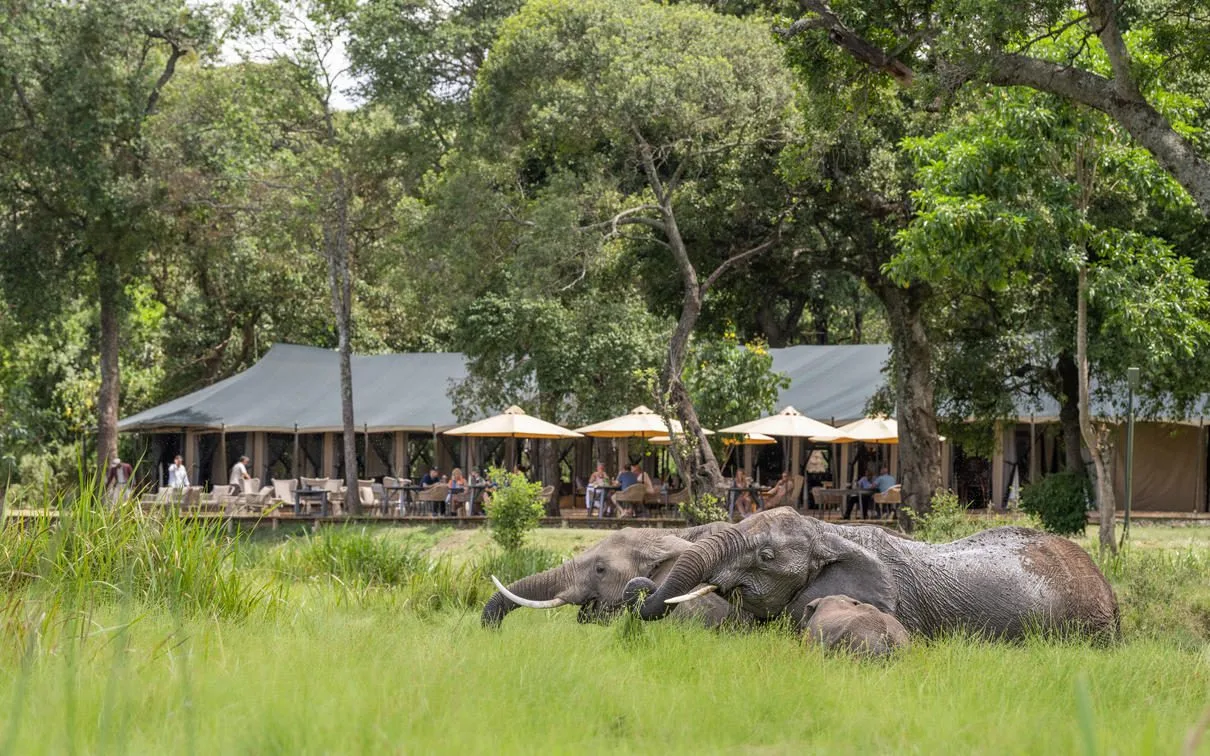
-
Signature (High-end)
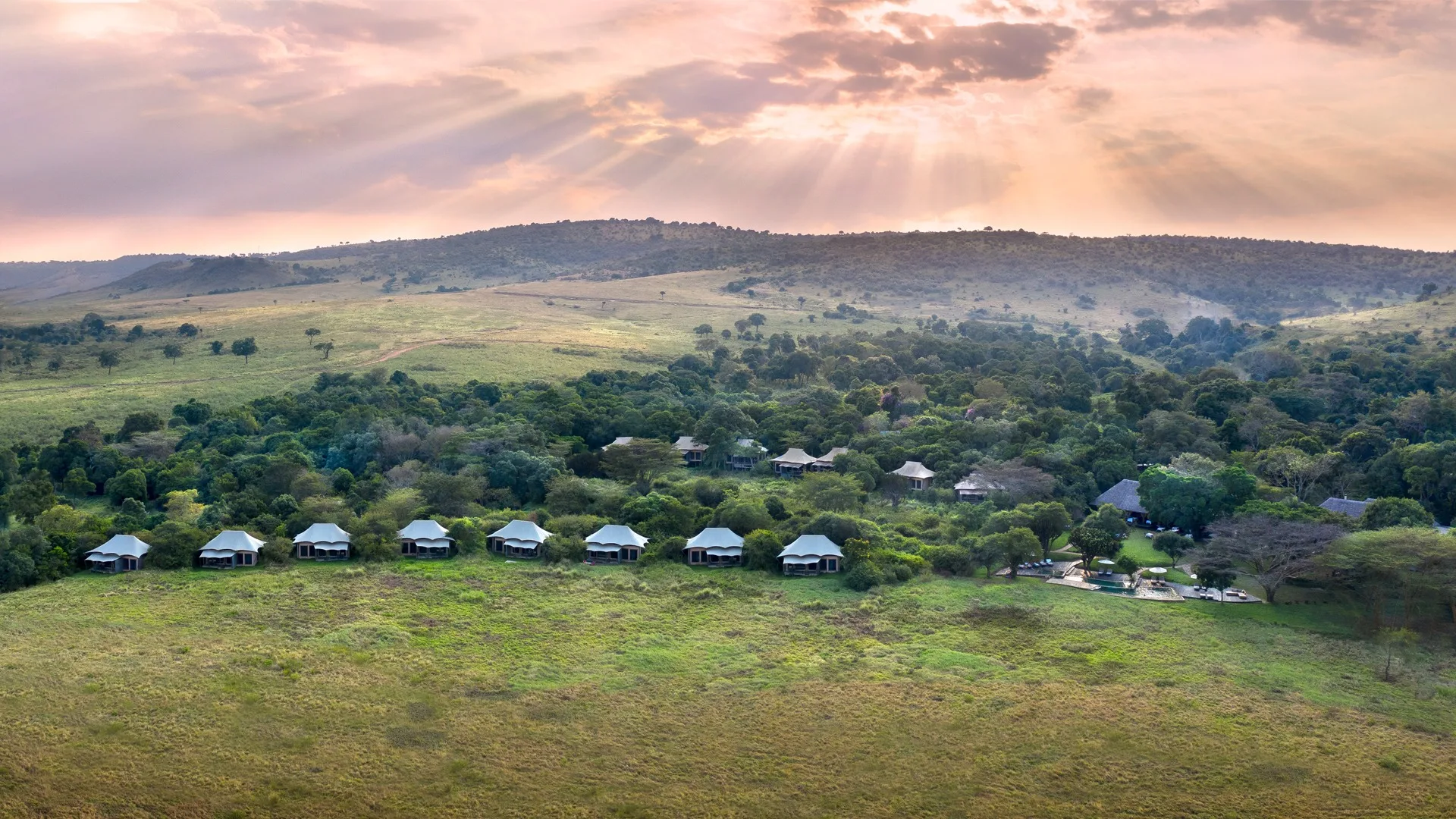
-
Day 2: Full-Day Masai Mara Fly-in Safari – Lions, Leopards, Cheetahs and Elephants - Main destination
- Masai Mara National Reserve
- Meals
- Breakfast, Lunch, Dinner
Wake early for your first complete safari day. The exact game-drive format depends on your accommodation package, and some camps offer:
- Morning and afternoon shared game drives
- Private game drives
- Full-day game drives
- Customized arrangements
Travelers wanting maximum flexibility should request a private vehicle when booking.
Sunrise Game Drive
Depart during the cool early morning, which is often one of the most productive wildlife periods. Predators may still be active from the night, and possible encounters include: Lions feeding, Hyenas moving between territories, Jackals, Cheetahs beginning to hunt, Leopards returning toward cover, Elephants feeding, Buffalo herds.
The morning light is also excellent for photography.
Lion Prides of the Masai Mara
Spend time observing lion behavior. A pride is much more than a group of animals sleeping beside the road. You may observe:
- Social grooming
- Cubs playing
- Territorial interactions
- Feeding
- Courtship
- Hunting preparation
- Adult males roaring
- Pride members greeting one another
Repeated game drives during your four-night stay can allow you to revisit known prides and see how their behavior changes from day to day.
Leopard Search
Leopards are among the Mara's most elusive predators. Your guide may search:
- Riverine woodland
- Large trees
- Drainage lines
- Dense bush
- Known territories
Alarm calls from antelopes, baboons or monkeys can indicate the presence of a predator, and fresh tracks may also provide clues. A leopard can remain almost invisible even when relatively close.
Cheetahs
Cheetahs are often associated with the Mara's open plains, and they may use termite mounds or small rises as lookout points. Cheetah sightings can include:
- Solitary adults
- Mothers with cubs
- Male coalitions
- Resting animals
- Hunting behavior
Witnessing a successful hunt is possible but should never be expected or guaranteed.
Elephant Viewing
Elephants can become one of the most rewarding parts of the day. Spend time observing:
- Feeding
- Dust bathing
- Trunk interaction
- Calves nursing
- Young elephants playing
- Herd movement
A private vehicle allows you to remain at an interesting elephant sighting instead of following a fixed group schedule.
Buffaloes
Cape buffaloes may form substantial herds and are particularly impressive when moving across open grassland, while older bulls may occur in smaller groups. Buffaloes are important prey for large lion prides, and areas containing major buffalo concentrations can be productive predator habitat.
Midday Options
Depending on your chosen schedule, return to camp for lunch. This provides time to:
- Rest
- Swim
- Recharge cameras
- Review photographs
- Have a drink
- Watch wildlife from camp
Alternatively, take a packed lunch and remain in the wildlife area throughout the day.
Afternoon Safari
Return to the wilderness in the late afternoon. Your guide adapts the route according to current wildlife information: if a leopard was reported nearby, search the area; if lions are active, return to their territory; if elephants are moving toward a river, follow suitable routes. The key is flexibility.
Sunset
Enjoy another Mara sunset before returning to camp for dinner and overnight.
Accommodation: Same Masai Mara camp/lodge
Meal Plan: Breakfast, lunch and dinner
Activities: Full-day or split morning and afternoon game drives
Where you stay
-
Day 3: Mara River and Great Migration Fly-in Safari - Main destination
- Masai Mara National Reserve
- Meals
- Breakfast, Lunch, Dinner
Day three allows deeper exploration of the ecosystem. Because you are not changing accommodation, there is no need to pack or transfer, so you can dedicate the day entirely to wildlife. Depending on season and wildlife conditions, today's focus may include the Mara River and areas associated with the Great Migration.
Mara River
The Mara River is one of the ecosystem's defining natural features. It supports:
- Hippopotamuses
- Nile crocodiles
- Waterbirds
- Riverine woodland
- Drinking wildlife
- Predator habitat
The river remains important throughout the year, even when migration herds are elsewhere.
Hippos
Hippos spend much of the daylight period in water, and groups may congregate in deeper sections of the river. They vocalize frequently and can create considerable noise. Despite their heavy appearance, hippos are extremely powerful and should always be viewed according to guide instructions.
Nile Crocodiles
Large crocodiles inhabit the Mara River. They may bask along banks or remain almost invisible below the surface, and during migration crossing periods they become one of the river's most famous predators.
Great Wildebeest Migration
The Great Wildebeest Migration involves vast numbers of wildebeest and zebras moving through the greater Serengeti–Mara ecosystem. Their movements are influenced by:
- Rainfall
- Fresh grass
- Water availability
- Seasonal ecological conditions
The migration does not follow a rigid timetable, and exact locations vary from year to year.
Why Fly-in Safaris Work Well During Migration Season
Flying can be especially useful during migration-focused short trips. Instead of spending many hours traveling overland to the Mara, you can reach the ecosystem quickly and devote several consecutive days to following current wildlife movements. The key advantages include:
- More time in migration areas
- Multiple game drives
- Greater flexibility
- More opportunities to respond to herd movement
However, flying does not guarantee that herds will be close to your particular camp, so good itinerary design and camp location remain important.
Mara River Crossings
The famous river crossings are spontaneous natural events. Wildebeest may gather at a crossing point for hours without entering the water, or they may move elsewhere. A crossing can begin suddenly, and it can also happen far from the location where you are waiting. For this reason, no responsible safari should guarantee a crossing, and a four-night stay simply improves your flexibility.
Predator Activity During Migration
Large herbivore concentrations can influence predator behavior. Possible encounters include: Lions following wildebeest herds, Hyenas feeding, Cheetahs hunting gazelles, Leopards using riverine areas, Vultures and scavengers around carcasses.
Migration safari is therefore about more than river crossings.
Picnic Lunch
A full-day game drive may include a packed lunch at an authorized picnic area. Remaining in the field can be particularly useful when wildlife activity is occurring far from camp. After lunch, continue exploring.
Birdwatching
The Mara also supports an impressive range of birds. Possible sightings include: Secretary birds, Ostriches, Crowned cranes, Lilac-breasted rollers, Southern ground hornbills, Martial eagles, Bateleurs, Vultures, Bustards, Storks, Bee-eaters, Kingfishers.
Birds add significant variety during periods when larger mammals are resting.
Return to Camp
Return in the evening for dinner. By Day 3, the advantage of flying becomes clear: you have already enjoyed several substantial game drives while avoiding repeated long road transfers.
Accommodation: Masai Mara camp/lodge
Meal Plan: Breakfast, lunch and dinner
Activities: Full-day game viewing, Mara River and migration areas where relevant
Where you stay
-
Day 4: Full-Day Masai Mara – Photography, Big Cats and Optional Balloon Safari - Main destination
- Masai Mara National Reserve
- Meals
- Breakfast, Lunch, Dinner
Day four provides another complete day in the Mara. By now, your guide knows which species you have already seen and which remain priorities, so today's safari can be highly personalized.
Optional Hot-Air Balloon Safari
Travelers wanting another aerial perspective can add a Masai Mara hot-air balloon safari. Although your itinerary already includes light-aircraft flights, a balloon experience is entirely different: the aircraft transfers you efficiently between destinations, while the balloon floats slowly over the landscape at sunrise. The experience normally begins before dawn, and after a safety briefing the balloon departs when weather conditions permit. From the air, you may see:
- Grasslands
- Wildlife trails
- Herds
- Rivers
- Acacia woodland
- Sunrise landscapes
A breakfast arrangement usually follows according to the balloon operator. Advance booking is recommended.
Dedicated Big-Cat Search
If big cats are your main interest, Day 4 can focus on lions, leopards and cheetahs.
Lions
Return to territories where prides have been active. A pride seen sleeping on Day 2 may now be hunting or feeding.
Leopards
Spend additional time in riverine habitat if leopard remains elusive.
Cheetahs
Search open plains and low ridges. A longer stay significantly improves the chance of experiencing different predator behaviors, although no animal is guaranteed.
Photography Safari
Fly-in safaris are particularly popular among photographers because they can maximize days in the field. Possible subjects include: Lions at sunrise, Leopard portraits, Cheetahs on termite mounds, Elephant family groups, Buffaloes, Giraffes, Wildebeest herds, Zebras, Hippos, Birds, Mara River, Sunset landscapes.
Photographers carrying large equipment should pay special attention to aircraft baggage restrictions.
Camera Equipment and Fly-in Safaris
Light-aircraft baggage rules can be a significant issue for serious photographers. If you carry any of the following, discuss your equipment before booking, as additional arrangements may be necessary:
- Multiple camera bodies
- Large telephoto lenses
- Laptop
- Drone
- Tripods
- Heavy accessories
Never arrive at the airport assuming oversized photographic equipment will automatically be accepted.
Afternoon Game Drive
If you took a balloon safari in the morning, relax at camp during midday and return for an afternoon drive. If you did not balloon, spend the full day game viewing according to your interests. Use the final afternoon to revisit favorite animals or concentrate on species still missing from your sightings.
Final Sunset in the Mara
This is your last full evening in the ecosystem. Rather than racing toward another sighting, you may choose to simply enjoy the landscape: watch the light change, listen to birds and observe herbivores moving through the grass. Return to camp for your final dinner.
Accommodation: Masai Mara camp/lodge
Meal Plan: Breakfast, lunch and dinner
Activities: Full-day wildlife safari and optional balloon safari
Where you stay
-
Day 5: Final Masai Mara Safari – Flight Back to Nairobi - Main destination
- Masai Mara National Reserve
- Drive time
- Return transfer as outlined in the itinerary
- Meals
- Breakfast, Lunch
Wake early for your final morning. Depending on your flight schedule, enjoy a last game drive before breakfast or after a light early meal. This final drive can still produce completely new wildlife sightings: a leopard that remained hidden for four days may suddenly appear, a lion pride may be active beside the road, elephants may move through early morning mist and cheetahs may begin searching for prey. Every game drive remains unpredictable.
Final Morning Game Drive
Possible sightings include: Lions, Leopards, Cheetahs, Elephants, Buffaloes, Giraffes, Wildebeest, Zebras, Hyenas, Birds.
The morning light also provides one final photography opportunity.
Breakfast and Check-Out
Return to camp, enjoy breakfast and check out according to flight timing. Staff transfer you to the relevant airstrip, and the journey may operate as another short game drive. Do not pack your camera too deeply before the transfer, as wildlife can appear unexpectedly.
Flight from the Masai Mara to Nairobi
Board your scheduled flight back to Nairobi and, from the air, take one final look across the Mara landscape. Arrival is normally at Wilson Airport according to the confirmed schedule. From Wilson, a road transfer can be arranged to:
- Nairobi hotel
- Jomo Kenyatta International Airport
- Residence
- Another agreed destination
If connecting to an international flight at Jomo Kenyatta International Airport, sufficient transfer time should be allowed between Wilson Airport and JKIA because Nairobi traffic can be significant. This concludes your 5 Days Kenya Fly-in Safari.
Meal Plan: Breakfast; lunch depending on confirmed schedule
Activities: Final game drive, airstrip transfer and scheduled flight to Nairobi
Where you stay
03 Rates
Safari rates 2027-2029
Indicative per person. Season, group size and lodge style change the total — your quotation confirms current rates.
-
Essential (Budget)
Essential (Budget)
Budget camps and lodges suit travelers who prioritize wildlife while keeping costs lower.
Great value camps
-
Comfort (Mid-range)
Comfort (Mid-range)
Mid-range tented camps and lodges balance comfort and price with private rooms or tents and en-suite facilities.
Quoted for your dates
-
Premium (Luxury)
Premium (Luxury)
Luxury camps and lodges focus on location, service and more intimate wildlife experiences.
Premium camps and lodges
-
Signature (High-end)
Signature (High-end)
Signature camps and lodges are the most exclusive stays — small, highly private properties with exceptional guiding and setting.
Exclusive signature stays
04 Activities
Safari activities
Game viewing is the core of this itinerary. Optional extras are quoted separately and depend on season, permits and availability. Individual species and river crossings are never guaranteed.
-
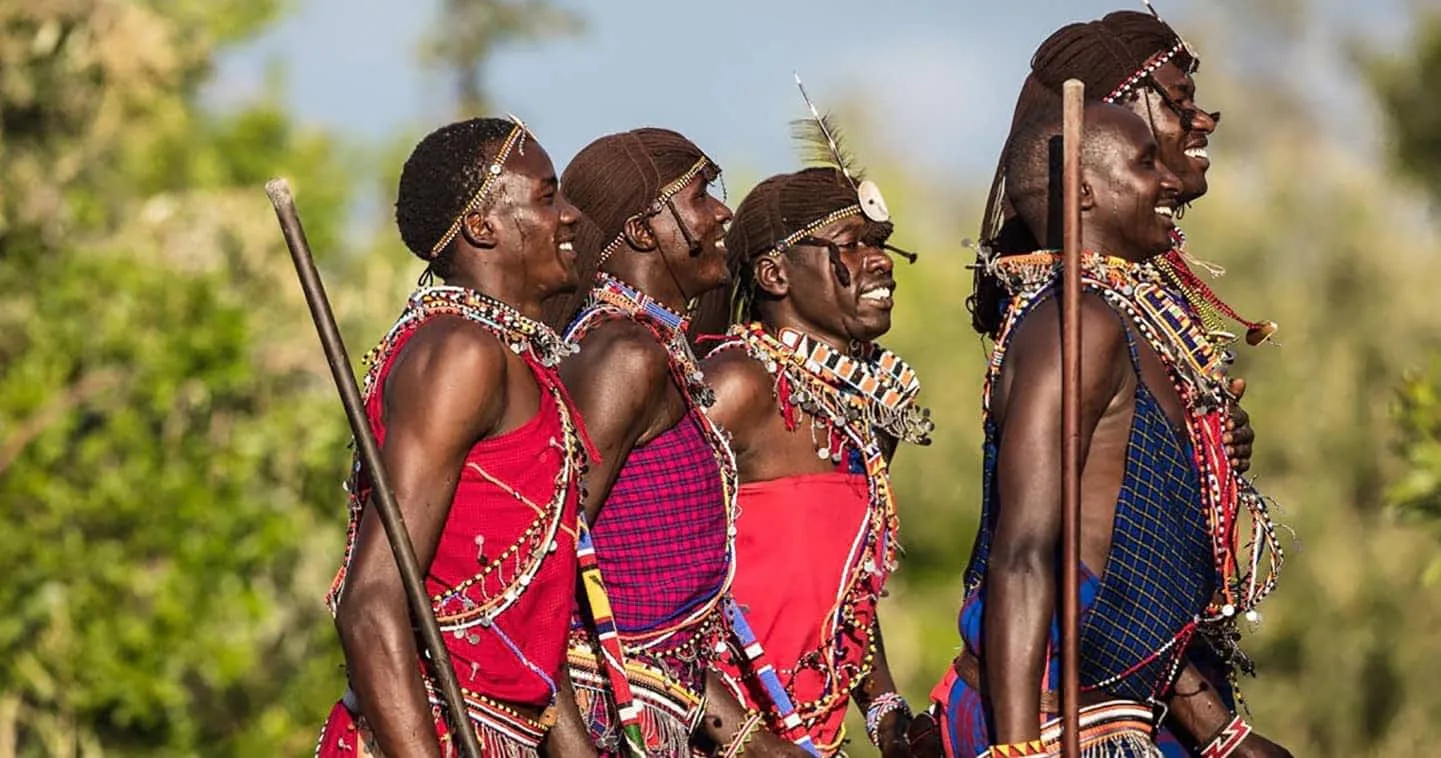
Included
Extensive Masai Mara game drives
Included in a typical day on this safari. Exact timing follows the confirmed itinerary.
View activity -
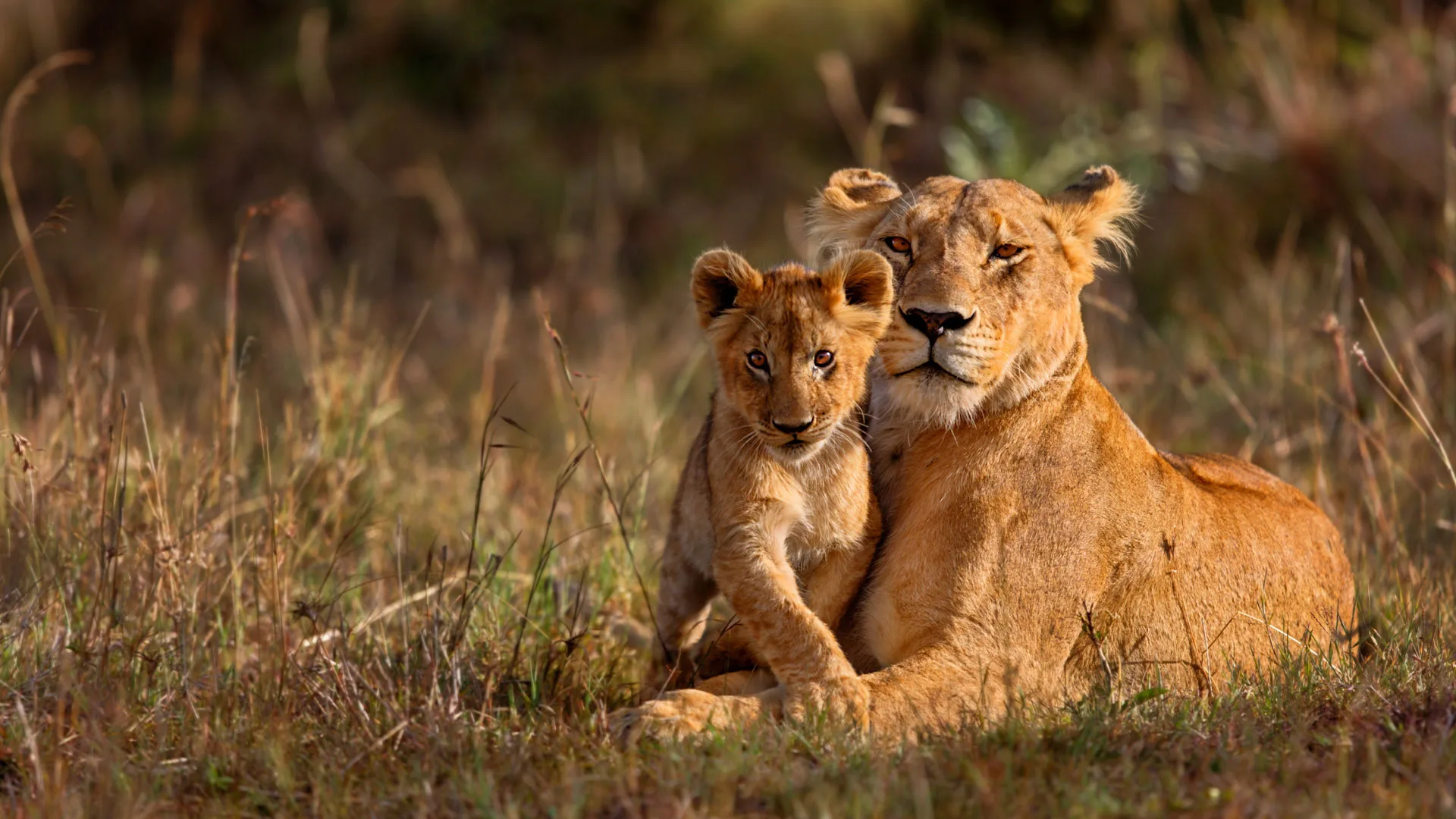
Included
Sunrise game drives
Included in a typical day on this safari. Exact timing follows the confirmed itinerary.
View activity -
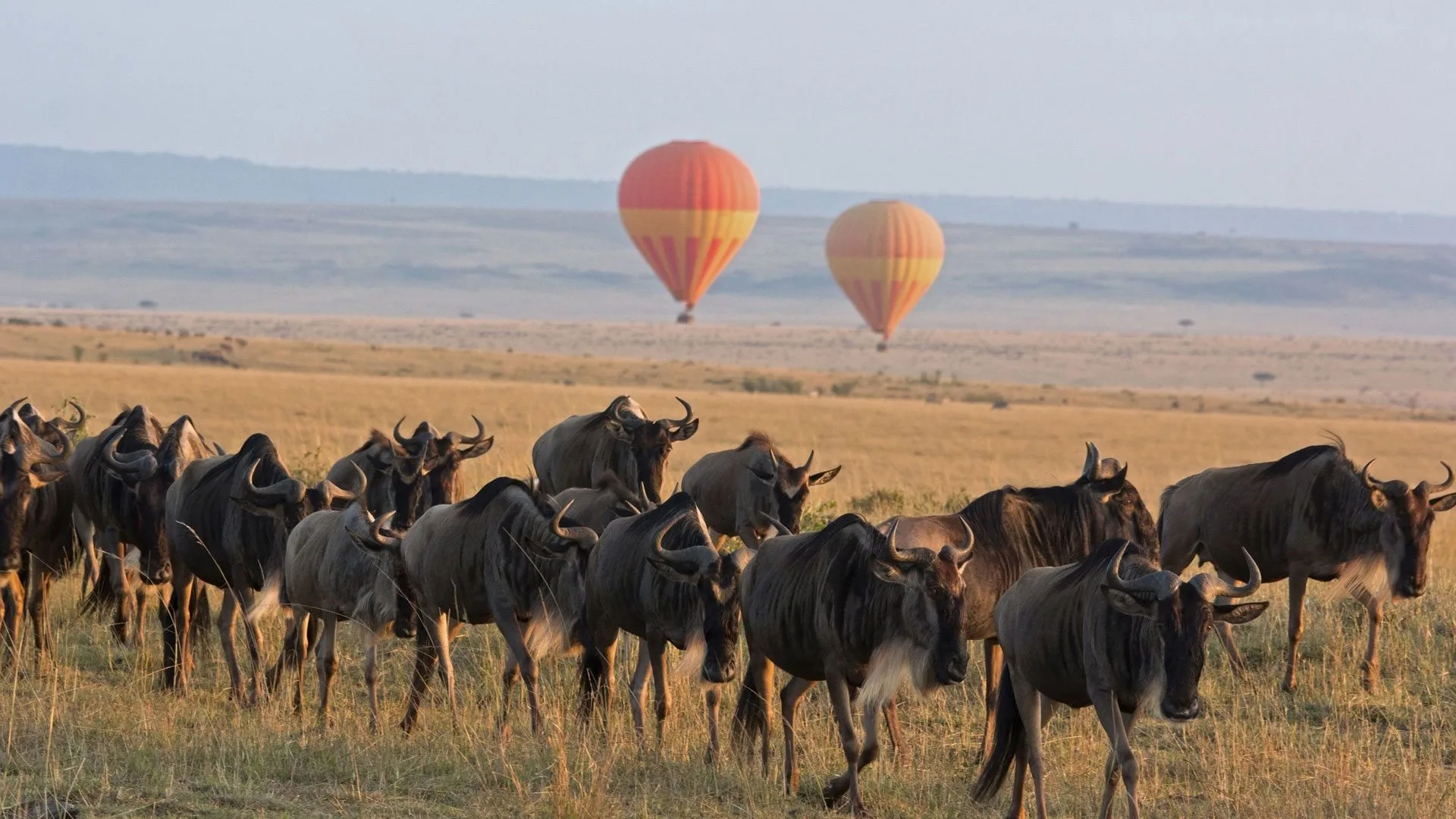
Optional
Hot-air balloon safari
Available at extra cost when conditions, permits and your dates allow. Not guaranteed.
View activity -

Included
Excellent photography opportunities
Included in a typical day on this safari. Exact timing follows the confirmed itinerary.
View activity
Additional information
Plan This Safari
Why Spend All Four Nights in the Masai Mara?
For only five days, concentrating on one destination can be the most efficient strategy. Every lodge change creates:
- Packing
- Check-out
- Transfer
- Flight procedures
- Waiting
- New camp orientation
Spending four nights in one excellent Mara location eliminates much of this disruption, and for many travelers this is the ideal five-day fly-in structure. It gives you:
- More wildlife time
- Better predator-viewing opportunities
- More sunrise drives
- More sunset drives
- Less logistical stress
- Greater familiarity with the area
- Better photography opportunities
Can You Combine Two Destinations on a 5-Day Fly-in Safari?
Yes, but the itinerary must be designed carefully. However, every additional destination requires another transfer or flight, so for such a short itinerary the benefits of variety must be weighed against reduced time in each ecosystem. Possible combinations may include:
- Masai Mara and Amboseli
- Masai Mara and Ol Pejeta
- Masai Mara and Samburu
5 Days Fly-in Masai Mara Safari
The Masai Mara is diverse enough to justify several consecutive days, and a Mara-only fly-in safari is particularly suitable for:
- First-time safari travelers
- Honeymooners
- Photographers
- Older travelers
- Families
- Business travelers with limited time
- Repeat visitors
- Migration-focused travelers
- Big-cat enthusiasts
Kenya Fly-in Safari for Honeymooners
Fly-in travel is especially attractive for honeymooners, and couples can continue to Diani Beach or another Kenya Coast destination after the safari. It reduces tiring road journeys and increases time for:
- Game drives
- Lodge relaxation
- Private dining
- Swimming
- Spa treatments
- Sundowners
- Optional balloon safari
Kenya Fly-in Safari for Families
Families may prefer flying because it reduces hours spent inside a road vehicle. This can be particularly valuable for:
- Young children
- Teenagers with limited patience for transfers
- Multi-generational groups
However, families should review:
- Aircraft baggage restrictions
- Children's fares
- Age policies
- Airstrip transfers
- Camp age restrictions for activities
Kenya Fly-in Safari for Older Travelers
Older travelers often appreciate the reduction in road travel. A fly-in itinerary can minimize:
- Long transfer days
- Rough-road exposure
- Continuous vehicle sitting
Mobility needs should be communicated before booking, and camp selection should also consider:
- Walking distances
- Steps
- Room access
- Vehicle access
- Medical requirements
Fly-in Safari for Photographers
Photography-focused travelers can benefit from spending more days in one wildlife area. However, luggage is the main challenge, and professional camera equipment can be heavy. Discuss your exact equipment list before confirming flights.
Safari Aircraft in Kenya
Domestic safari routes are normally operated using light aircraft suitable for smaller airstrips. Aircraft types vary according to operator, route and passenger numbers, and travelers should expect a different experience from a large commercial jet. This is normal for safari aviation, and possible characteristics include:
- Smaller cabin
- Lower passenger capacity
- Multiple airstrip stops
- Lower flight altitude on some routes
- Limited baggage space
Safari Flights May Make Multiple Stops
A scheduled flight to or from the Masai Mara may stop at several airstrips to pick up or drop off passengers. This does not necessarily mean you booked the wrong flight. It is part of the normal scheduled safari aviation network, and actual routing can vary on the day.
Airstrip Transfers
Your lodge or camp normally arranges the transfer between the airstrip and accommodation. The transfer may take a short drive or a longer game drive, depending on the location of the property. Airstrip transfer time should therefore be considered when comparing camps. A lodge located farther from the airstrip may provide excellent wildlife access but require a longer transfer.
Baggage on a Kenya Fly-in Safari
Baggage preparation is one of the most important differences between fly-in and road safaris, because light aircraft have limited luggage space. The exact limits depend on the confirmed airline and fare, so always check the allowance provided with your booking. Travelers may face restrictions involving:
- Weight
- Bag dimensions
- Bag type
- Hand luggage
- Camera equipment
Why Soft-Sided Luggage Is Recommended
Soft-sided bags can be compressed into aircraft luggage compartments, whereas hard-shell suitcases may be difficult or impossible to accommodate. Using laundry services also allows you to reduce clothing requirements. A practical fly-in safari bag is usually:
- Soft
- Lightweight
- Flexible
- Compact
- Easy to carry
What to Pack for a 5 Days Kenya Fly-in Safari
Pack lightly and strategically, avoiding unnecessary heavy clothing and multiple pairs of shoes. Recommended items include:
- Lightweight safari shirts
- Long trousers
- Shorts
- Long-sleeved shirt
- Fleece
- Light jacket
- Compact rain jacket
- Comfortable closed shoes
- Lightweight casual footwear
- Sun hat
- Sunglasses
- Sunscreen
- Insect repellent
- Binoculars
- Camera
- Spare batteries
- Memory cards
- Power bank
- Travel adapter
- Personal medication
- Small toiletry kit
- Soft-sided luggage
Laundry on a Fly-in Safari
Many camps offer laundry services, which makes light packing much easier. Instead of bringing clothing for every single day, bring a smaller rotation and use laundry where available. Laundry policies vary by property.
Electricity and Camera Charging
Most established camps provide charging facilities. Remote properties may use solar power, generators or hybrid systems. Travelers with multiple camera batteries should check charging arrangements in advance. A power bank can also be useful for phones and smaller devices.
Wi-Fi
Wi-Fi availability varies. Some camps provide strong connections, while others offer Wi-Fi only in public areas. Remote properties may have limited connectivity. Travelers who require reliable internet should mention this when accommodation is selected.
Wildlife on the 5 Days Kenya Fly-in Safari
Possible Masai Mara wildlife includes the following, although no individual sighting can be guaranteed: Lions, Leopards, Cheetahs, African elephants, Cape buffaloes, Maasai giraffes, Wildebeest, Plains zebras, Topi, Impalas, Thomson's gazelles, Grant's gazelles, Elands, Warthogs, Spotted hyenas, Jackals, Hippopotamuses, Nile crocodiles, Baboons, Vervet monkeys, Numerous bird species.
Big Five on a Kenya Fly-in Safari
The Masai Mara provides opportunities to search for several members of the Big Five.
Lion
Excellent possibilities.
Leopard
Present but elusive.
African Elephant
Regularly encountered.
Cape Buffalo
Common in suitable areas.
Rhinoceros
Rhino sightings within the Mara are generally less predictable than in dedicated rhino destinations. Travelers for whom rhinoceros viewing is a major priority can consider adding Ol Pejeta or Lake Nakuru on a longer itinerary.
Great Wildebeest Migration Fly-in Safari
A fly-in safari is particularly well suited to travelers focusing on migration. The major advantage is maximizing time in the Mara. However, even during traditionally strong migration months, no camp can guarantee that the largest herds will remain in exactly the same area, because migration movements change according to:
- Rainfall
- Grass availability
- Water
- Natural herd decisions
Best Time for a 5 Days Kenya Fly-in Safari
The safari can operate throughout the year.
July to October
This period is popular for migration-focused Mara safaris. Demand for flights and camps can be high. Early booking is strongly recommended.
January and February
These months can provide excellent resident wildlife viewing and relatively dry conditions.
March to May
Rainfall can increase, but the Mara becomes green and beautiful. Some properties may offer seasonal value.
November and December
Short rains can refresh the landscape. Birding can be excellent, while resident wildlife remains present.
Cost of a 5 Days Kenya Fly-in Safari
A fly-in safari usually costs more than an equivalent road safari because domestic flights are added to the package. The final price depends on:
- Travel season
- Flight rates
- Accommodation category
- Number of travelers
- Private or shared game drives
- Park or conservancy fees
- Room configuration
- Optional activities
- Airport transfers
What Is Typically Included?
Depending on your confirmed quotation, inclusions may include the following, and the exact package should be reviewed carefully:
- Scheduled Nairobi–safari destination flights
- Return safari flights
- Airstrip transfers
- Four nights' accommodation
- Meals according to the package
- Scheduled game drives
- Park or conservancy fees as specified
- Drinking water
- Applicable taxes
- Nairobi hotel to Wilson Airport transfer where specified
- Wilson Airport onward transfer where specified
What Is Usually Excluded?
Unless specifically included:
- International flights
- Kenya entry authorization costs where applicable
- Travel insurance
- Excess baggage charges
- Premium alcoholic beverages
- Laundry where charged
- Tips and gratuities
- Balloon safari
- Optional cultural activities
- Spa treatments
- Nairobi accommodation
- Services not listed in the quotation
Shared vs Private Game Drives on a Fly-in Safari
This is an important detail. Some fly-in packages include shared camp game drives, which means you may share the safari vehicle with other guests staying at the same property. Shared drives can offer good value but have less flexibility. Travelers should confirm which arrangement is included before booking. A private game-drive vehicle provides:
- Private scheduling
- Longer wildlife stops
- More photography flexibility
- Greater control
- Better family pacing
Fly-in Safari vs Luxury Fly-in Safari
Not every fly-in safari must be ultra-luxury, because flying is simply a transport method. This allows travelers to prioritize time savings even when they do not want the most expensive accommodation. You can combine scheduled safari flights with:
- Mid-range camps
- Luxury camps
- High-end exclusive lodges
Fly-in Safari and Diani Beach
A five-day fly-in safari can be combined with the Kenya Coast. A common travel structure is Nairobi → Masai Mara fly-in safari → Nairobi → Diani Beach. Depending on current schedules and routing, other air connections may also be explored. This combination works particularly well for honeymooners.
Fly-in Safari and Zanzibar
Travelers combining Kenya with Tanzania may also continue toward Zanzibar as part of a broader East African itinerary. Flight logistics should be planned carefully because international connections can involve different airports and baggage rules.
Who Should Choose a 5 Days Kenya Fly-in Safari?
This itinerary is particularly suitable for:
- Travelers with limited time
- Honeymooners
- Couples
- Families
- Older travelers
- Wildlife photographers
- Big-cat enthusiasts
- Migration-focused travelers
- Business travelers extending a Kenya trip
- Travelers who dislike long road journeys
- Luxury travelers
- Travelers wanting maximum safari time
- Repeat visitors
Responsible Fly-in Safari Travel
Flying reduces road-transfer time but should still be combined with responsible wildlife viewing. Your guide should respect:
- Wildlife-viewing rules
- Animal space
- Park regulations
- Conservancy regulations
- Sensitive predator behavior
- Mothers with young
- Elephant safety
- Protected habitats
Do not encourage guides to chase wildlife or create congestion for photographs. The quality of a safari should come from patient observation.
Internal Linking Instructions
Use contextual internal links from this page toward approved SafariTripsToKenya.com pages covering:
- Kenya Safari Packages
- Kenya Fly-in Safaris
- Masai Mara Safaris
- Great Wildebeest Migration
- Masai Mara Hot Air Balloon Safari
- Kenya Luxury Safaris
- Kenya Honeymoon Safaris
- Kenya Family Safaris
- Kenya Safari Packing List
- Kenya Safari Cost
- Best Time to Visit Kenya
- Kenya Wildlife Safaris
- Kenya Safari and Beach Holidays
- Diani Beach
Only use URLs already mapped in the approved SafariTripsToKenya.com sitemap. URL LOCK: Do not invent, rename, shorten or alter mapped URLs.
Why a Five-Day Fly-in Safari Offers Excellent Use of Time
The greatest limitation of a short safari is often not the number of days available—it is how those days are used. If Day 1 is dominated by a long road transfer and Day 5 involves another long drive back to Nairobi, the traveler effectively has only three substantial wildlife days. Flying changes that balance.
Depending on the schedule, you can arrive in the Mara on Day 1 with enough time for an afternoon game drive, then enjoy three complete safari days. On Day 5, you may still have time for a final morning activity before flying back to Nairobi. This creates a significantly more immersive wildlife experience without extending the total trip duration.
Book Your 5 Days Kenya Fly-in Safari
A 5 Days Kenya Fly-in Safari is an excellent choice for travelers who want to spend less time transferring between destinations and more time actually experiencing Kenya's wildlife. Begin in Nairobi and board a scheduled light aircraft from Wilson Airport. Within a relatively short period, the city gives way to wide rural landscapes and eventually the grasslands of the Masai Mara. You land at a small safari airstrip rather than a major airport, meet your camp guide, and begin watching wildlife almost immediately.
Spend four nights in one of Africa's most celebrated ecosystems. Game drives are a chance to search the grasslands for lions, scan riverine woodland for leopards, and look for cheetahs on the open plains. Elephant families, buffalo herds, giraffes, zebras, wildebeest, topi, gazelles, hyenas and numerous birds may be encountered, and the Mara River is a place to look for hippos and crocodiles. No individual sighting is guaranteed.
During migration periods, enormous wildebeest and zebra herds may be moving through the wider ecosystem, though their position is never assured. If you want another special aerial experience, a sunrise hot-air balloon safari can be requested, subject to availability and weather. If photography is your priority, request private game drives so that you can remain longer at sightings and work with the best available light.
If you are traveling on honeymoon, combine the fly-in safari with several nights at Diani Beach. If you are traveling with children, flying can reduce tiring road journeys, and if you are an older traveler, it can make a short Kenya safari considerably more comfortable. The itinerary can be customized according to your travel dates, accommodation category, preferred Mara area, private or shared game-drive preference, baggage requirements, wildlife interests and onward travel plans. Send your preferred travel dates, number of travelers, accommodation category and whether you prefer shared or private game drives to receive a customized quotation for your 5 Days Kenya Fly-in Safari.
Planning Questions
Frequently Asked Questions
What is a Kenya fly-in safari?
A fly-in safari uses scheduled or charter light aircraft to transfer travelers between Nairobi and safari destinations rather than completing the full journey by road.
Is flying to the Masai Mara faster than driving?
Yes. Flying generally reduces travel time substantially, although airport transfers, check-in and airstrip stops must still be considered.
Where do flights to the Masai Mara leave from?
Many safari flights operate from Nairobi's Wilson Airport.
Do flights land inside the Masai Mara?
Flights use airstrips serving different areas of the wider Mara ecosystem.
Will the camp pick me up from the airstrip?
Airstrip transfers are commonly arranged as part of the safari package, but this should be confirmed in the quotation.
Can the airstrip transfer be a game drive?
Yes. Depending on camp location, wildlife may be seen during the transfer.
Is luggage restricted?
Yes. Light-aircraft baggage limits are generally stricter than international airline limits.
Can I bring a hard suitcase?
Soft-sided luggage is generally more suitable and may be required or strongly preferred depending on the airline.
Can I bring camera equipment?
Yes, but serious photographers should confirm baggage arrangements in advance.
Is a fly-in safari suitable for honeymooners?
Yes. It is particularly attractive because it reduces road travel and maximizes time at camp.
Is it suitable for families?
Yes. Families may appreciate shorter transfer times, although baggage and age-related policies should be checked.
Is it suitable for older travelers?
Yes. It can reduce long road journeys substantially.
Will I see lions?
The Masai Mara offers excellent lion opportunities.
Can I see leopards?
Yes, although they are secretive and sightings cannot be guaranteed.
Can I see cheetahs?
Yes. The Mara is excellent cheetah habitat.
Can I see elephants?
Yes. Elephants are regularly encountered.
Can I see rhinos?
Rhinos occur in the wider Mara ecosystem but are less predictable than in dedicated rhino destinations.
Can I see the Great Migration?
Potentially, when major herds occupy the Mara.
Is a river crossing guaranteed?
No. River crossings are unpredictable natural events.
Can I add a hot-air balloon safari?
Yes, subject to availability, weather and additional cost.
Are game drives private?
Not necessarily. Some fly-in packages include shared camp vehicles. A private vehicle should be specifically requested.
Can I stay at a mid-range camp?
Yes. Fly-in transport can be combined with several accommodation levels.
Can I continue to Diani Beach afterward?
Yes. A coast extension can be arranged according to available flight routing.
05 Request Quote
Request Quote
Tell us your dates, group size, and preferred lodge style — we will send a tailored quote for this safari.
Want to extend your safari?
Add Amboseli, Diani Beach, Tanzania and Zanzibar, or gorilla trekking in Uganda or Rwanda — we tailor the journey to your dates.