
3 DAYS / 2 NIGHTS
3 Days Amboseli Safari
Plan a 3 Days Amboseli Safari with expert guides, game drives and carefully chosen camps. Request a quote.
- Wildlife SafariPrivate Journey
- Private Safari4x4 Vehicle
- Expert GuideEnglish Speaking
- All MealsBreakfast, Lunch, Dinner
- 24/7 SupportWe're here to help
01 Overview
Safari Overview
- Duration3 days / 2 nights
- DestinationAmboseli
- Starts / endsNairobi
- Safari stylePrivate 4×4 safari
- AccommodationEssential · Comfort · Premium · Signature
- Best forWildlife viewing, photography
3 Days Amboseli Safari – 3-Day Amboseli National Park Safari from Nairobi
A 3 Days Amboseli Safari is one of the best short Kenya safari itineraries for travelers who want exceptional elephant viewing, beautiful East African landscapes and the possibility of seeing Mount Kilimanjaro rising above the plains of Amboseli. Starting and ending in Nairobi, this compact safari provides two nights in the Amboseli ecosystem and several opportunities for morning and afternoon game drives inside one of Kenya's most recognizable national parks.
Amboseli is especially famous for its elephants. Large family herds move between the park's open plains, marshes and woodland, sometimes passing surprisingly close to safari vehicles. The combination of elephants in the foreground and snow-capped or cloud-framed Mount Kilimanjaro in the distance has produced some of the most iconic safari photographs ever taken in East Africa.
Yet elephants are only part of the experience. During a 3-day Amboseli safari from Nairobi, you can also search for lions, cheetahs, spotted hyenas, buffaloes, giraffes, zebras, wildebeests, gazelles, warthogs, hippos, jackals and numerous bird species. Amboseli's wetlands provide an especially interesting contrast to the surrounding semi-arid landscape, attracting wildlife throughout the year.
Three days is an excellent duration for Amboseli because it allows considerably more wildlife-viewing time than a rushed overnight trip. You normally arrive in time for an afternoon game drive on Day 1, devote much of Day 2 to wildlife viewing and enjoy another morning safari experience on Day 3 before returning to Nairobi. The itinerary can be arranged as a budget, mid-range, luxury or high-end Amboseli safari and can be customized for couples, families, honeymooners, solo travelers, photographers and small private groups.
Why Choose a 3 Days Amboseli Safari?
A three-day itinerary provides enough time to appreciate why Amboseli has become one of Kenya's most celebrated wildlife destinations. A shorter two-day safari is possible, but the road journey from Nairobi reduces the amount of time available inside the park. With three days, you gain an entire middle day that can be devoted to game viewing, photography and exploring different sections of the Amboseli ecosystem. This makes the itinerary particularly attractive for travelers who want a short safari without feeling that the entire trip is dominated by road transfers.
Amboseli is also relatively easy to combine with Nairobi and other destinations in southern Kenya. The 3 Days Amboseli Safari is particularly suitable if your priorities include:
- Seeing African elephants.
- Photographing elephants with Mount Kilimanjaro.
- Taking a short safari from Nairobi.
- Experiencing classic African savannah landscapes.
- Watching wildlife around permanent wetlands.
- Birdwatching.
- Family safari travel.
- Private wildlife photography.
- Combining Kenya with Tanzania.
- Adding a safari before or after a Kenya beach holiday.
- Experiencing a major national park without requiring a week-long itinerary.
Itinerary
- Day 1:Nairobi – Amboseli, evening game drive
- Day 2:Amboseli National Park Safari
- Day 3:Morning game drive – return to Nairobi

02 Itinerary
3 Days Amboseli Safari: Detailed Itinerary

Day 1: Nairobi – Drive to Amboseli National Park – Afternoon Game Drive - Main destination
- Amboseli National Park
- Drive time
- Road transfer as outlined in the itinerary
- Meals
- Lunch, Dinner
Your 3 Days Amboseli Safari begins in Nairobi. Your professional safari driver-guide collects you from your Nairobi hotel, residence, Jomo Kenyatta International Airport or another agreed pickup location. An early departure is recommended so that you can arrive in the Amboseli region around midday and still have sufficient time for an afternoon wildlife drive.
After leaving Nairobi, travel south toward the Amboseli ecosystem. The journey introduces you to changing landscapes as the dense urban environment gradually gives way to smaller settlements, agricultural areas, dry plains and expansive countryside. Depending on the selected route, traffic and travel conditions, your guide can arrange short stops for refreshments, washroom facilities or stretching. The road journey itself is part of the experience because it gives visitors an opportunity to observe everyday Kenyan landscapes outside the major tourism centers.
As you move farther south, the scenery becomes increasingly open and semi-arid. On a clear day, you may eventually catch your first distant view of Mount Kilimanjaro. Although Kilimanjaro lies across the international border in Tanzania, the mountain dominates the landscape around Amboseli and forms the extraordinary backdrop for which the park is famous. At 5,895 meters above sea level, it is Africa's highest mountain, and its enormous volcanic massif can appear particularly dramatic when viewed across Amboseli's flat plains.
However, mountain visibility depends heavily on weather. Clouds frequently develop around Kilimanjaro during the day, and travelers should never assume the mountain will remain visible continuously, although early mornings often provide some of the best viewing opportunities.
Arrival in Amboseli
You arrive at your selected lodge or tented camp around lunchtime or early afternoon, depending on your departure time, road conditions and the property's location. Check in and enjoy lunch. After the road journey, you normally have time to rest briefly before beginning your first Amboseli wildlife experience. Keep your camera accessible even around the lodge, as depending on where you stay, wildlife may occasionally be visible from camp grounds, viewing decks or surrounding areas.
Afternoon Game Drive in Amboseli National Park
Later in the afternoon, meet your driver-guide and begin your first game drive in Amboseli National Park. The landscape can initially appear deceptively dry, with large areas of dusty plains, sparse vegetation and open grassland. Yet underground water originating from rainfall and snowmelt on Mount Kilimanjaro feeds springs and wetlands within the Amboseli basin, and these marshes support an extraordinary concentration of wildlife. The contrast between dry plains and green wetlands is one of the defining ecological characteristics of Amboseli.
Your First Amboseli Elephant Encounters
Elephants are likely to become a major focus of your first game drive. Amboseli is internationally recognized for its elephant population and for decades of elephant research that have contributed substantially to scientific understanding of elephant behavior and social organization. Family groups may contain:
- Adult females.
- Juveniles.
- Young calves.
- Older matriarchs.
Large adult bulls are also frequently encountered, sometimes alone and sometimes associating temporarily with other males. You may watch elephants:
- Crossing open plains.
- Feeding on grasses.
- Browsing shrubs.
- Drinking.
- Bathing in marshes.
- Covering themselves with dust.
- Protecting calves.
- Interacting socially.
- Moving in long family lines.
These encounters can be among the most emotional and memorable moments of a Kenya safari. Your guide maintains an appropriate distance and allows elephants to determine their own movements.
Searching for Amboseli Predators
Although elephants are the park's signature wildlife, predators are also present. Your guide searches open grasslands and suitable hunting areas for African lions, which may spend much of the warm afternoon resting beneath vegetation but can become increasingly active as temperatures decrease. Cheetahs also occur in the ecosystem, favoring open terrain where they can scan for prey and use their exceptional speed during hunts. Spotted hyenas are another important predator and scavenger, and you may see them resting, moving through grassland or interacting with other carnivores. Jackals and smaller predators can also be encountered.
Predator sightings can never be guaranteed, but having several game drives over three days significantly improves your opportunities compared with a very short visit.
Plains Wildlife of Amboseli
The park's open habitats support large numbers of herbivores. Common sightings can include: Plains zebras, Blue wildebeests, Impalas, Grant's gazelles, Thomson's gazelles, African buffaloes, Masai giraffes, Warthogs.
The interaction between herbivores and predators creates the dynamic wildlife scenes visitors associate with African safaris. Rather than simply ticking animals from a checklist, spend time observing their behavior: you may see zebras grooming one another, wildebeests maintaining awareness of predators, giraffes browsing high branches or buffaloes resting around wetland areas.
Sunset in Amboseli
Late afternoon is an especially beautiful time in Amboseli. As the sun descends, the light becomes warmer and softer, and elephants walking across dusty plains can create exceptional photographic scenes. If Kilimanjaro emerges from the clouds, your guide may attempt to position the vehicle where wildlife can be photographed with the mountain in the background, provided this can be done without disturbing animals or leaving authorized tracks.
Eventually leave the wildlife-viewing area according to park regulations and return to your lodge or camp. Enjoy dinner and your first night in the Amboseli ecosystem.
- Accommodation: Budget, mid-range, luxury or high-end lodge/tented camp
- Meals: Lunch and Dinner, depending on confirmed package
- Main Activities: Nairobi transfer and afternoon Amboseli game drive
- Approximate Road Time: Approximately 4–5+ hours depending on traffic, stops, road conditions and accommodation location
Where you stay
- Essential (Budget)
- Comfort (Mid-range)
- Premium (Luxury)
- Signature (High-end)
Day 2: Full-Day Amboseli National Park Safari - Main destination
- Amboseli National Park
- Meals
- Breakfast, Lunch, Dinner
Day 2 is the main wildlife-viewing day of your 3 Days Amboseli Safari. Wake before or around sunrise and prepare for an extensive day exploring the park. Depending on your preferences and accommodation arrangement, you can choose between:
- An early morning game drive followed by breakfast and an afternoon game drive.
- A longer full-day game drive with picnic lunch.
- A flexible combination of wildlife viewing and relaxation at your lodge.
Your guide can recommend the most appropriate schedule based on weather, wildlife movements and current park conditions.
Sunrise and Mount Kilimanjaro
One of the greatest advantages of spending two nights in Amboseli is the opportunity to experience the park in the early morning. Kilimanjaro is often most visible shortly after sunrise before daytime clouds accumulate around the mountain. When conditions are favorable, the view can be extraordinary, as the mountain rises far above the surrounding plains and creates an enormous backdrop to the wildlife below. You may see elephants, zebras, giraffes or wildebeests crossing the foreground while Kilimanjaro dominates the horizon.
Photographers should have cameras prepared before leaving camp because conditions can change quickly. The mountain may be completely visible for a short period and then disappear behind clouds, and it is never guaranteed to appear.
Morning Game Drive
Early morning is also excellent for wildlife activity. Temperatures are cool, allowing many animals to feed and move before the heat of the day. Your guide searches for predators that may still be active after the night. Lions could be:
- Returning from hunting.
- Resting after feeding.
- Walking through grassland.
- Calling to pride members.
- Interacting with cubs.
Spotted hyenas may be seen moving toward resting areas, and jackals can also be active. Herbivores feed extensively during the cooler hours, and elephants may move from drier nighttime feeding areas toward marshes and water sources.
Amboseli's Famous Elephants
The extended Day 2 game drive allows you to spend more time observing elephants rather than simply photographing them and moving on. Elephants live within complex social systems, and family groups are usually led by experienced females known as matriarchs. The matriarch's knowledge can be extremely important, particularly during difficult environmental conditions when the herd needs to locate reliable water and feeding areas. Watch carefully and you may observe:
- Trunk greetings.
- Calves playing.
- Adults protecting young animals.
- Dust bathing.
- Social touching.
- Feeding techniques.
- Communication between herd members.
Elephants communicate through a combination of vocalizations, body language, touch and low-frequency sounds. A quiet, patient safari vehicle often provides better opportunities to witness natural behavior than constantly moving between sightings.
Amboseli Wetlands and Marshes
One of Amboseli's most remarkable features is the presence of productive wetlands within an otherwise dry environment. Underground water associated with the Kilimanjaro catchment emerges within the basin and supports permanent or semi-permanent marshes. These wetlands attract: Elephants, Buffaloes, Hippos, Waterbirds, Zebras, Wildebeests, Various antelopes.
Elephants may wade deep into marsh vegetation to feed, and at times only the upper portions of their bodies are visible above the vegetation. Buffalo herds can also gather in significant numbers. The marshes are particularly important during dry periods when water elsewhere becomes scarce.
Hippos in Amboseli
Hippos are another species associated with Amboseli's wetter habitats. During daylight hours, they generally remain in water or muddy areas to protect their skin from heat and sun, and they become more active on land during cooler periods and at night when they leave water to graze. Always observe hippos from a safe distance, because despite their appearance, hippos are powerful and potentially dangerous animals. Your guide understands appropriate viewing locations and park regulations.
Buffaloes
African buffaloes are frequently associated with wetland areas and grasslands. Large herds may contain many individuals, while older bulls sometimes separate from larger herds and form smaller groups. Buffaloes are one of Africa's famous Big Five species. They can appear calm while grazing or resting but should always be treated with caution and respect. From the safety of your safari vehicle, you can observe their herd structure and interactions.
Giraffes in Amboseli
Masai giraffes occur within the wider Amboseli ecosystem. Their height allows them to browse vegetation unavailable to most other herbivores, and they are particularly photogenic when moving across open landscapes. A giraffe standing against the silhouette of Mount Kilimanjaro can create an unforgettable image. You may also observe giraffes:
- Feeding from acacia trees.
- Walking between woodland patches.
- Drinking at water sources.
- Interacting with other giraffes.
Zebras and Wildebeests
Large numbers of plains zebras and wildebeests contribute significantly to the Amboseli landscape. These grazing animals often occur together because their feeding strategies complement one another: zebras can consume taller or coarser grasses, while wildebeests often focus on shorter vegetation. Mixed herds also provide additional eyes and ears for detecting predators. Calving periods can produce particularly interesting behavior, although timing varies according to ecological conditions.
Observation Hill
Depending on your game-drive route and current park regulations, you may visit Observation Hill, one of Amboseli's well-known landscape viewpoints. Unlike most places inside a national park where visitors remain inside vehicles, designated areas around Observation Hill can allow visitors to leave the vehicle under appropriate conditions and follow the authorized path to the viewpoint. From the elevated position, you can appreciate the broader Amboseli basin. Views may include:
- Wetlands.
- Open plains.
- Wildlife.
- Distant hills.
- Safari tracks.
- Mount Kilimanjaro when conditions are clear.
The viewpoint helps visitors understand how Amboseli's different habitats fit together, and it is also a useful place for landscape photography.
Birdwatching in Amboseli
Amboseli is an outstanding destination for bird enthusiasts. The combination of marshes, grasslands, woodland and semi-arid habitats supports a large variety of species. Depending on season and location, birds may include: African fish eagles, Secretary birds, Grey crowned cranes, Pelicans, Herons, Egrets, Storks, Spoonbills, Flamingos when conditions are suitable, Ostriches, Kori bustards, Hornbills, Rollers, Bee-eaters, Kingfishers, Lapwings, Eagles, Vultures, Hawks, Weavers.
Wetland birding can be particularly productive. Travelers with a serious birding interest should let us know before booking so the itinerary can emphasize suitable habitats.
Lunch During the Full-Day Safari
If you choose a full-day game drive, your lodge prepares a packed picnic lunch and your guide selects an authorized picnic location. This allows you to remain inside the park throughout the day without returning to the lodge. Alternatively, travelers who prefer a more relaxed schedule can return to the lodge for lunch. After lunch, there may be time to:
- Swim.
- Rest.
- Read.
- Review photographs.
- Enjoy views from the lodge.
- Watch wildlife from designated viewing areas.
You then return to the park for the afternoon game drive.
Afternoon Wildlife Viewing
The afternoon provides another opportunity to explore different sections of Amboseli. Your guide considers the day's previous sightings and concentrates on species or areas you have not yet experienced. If you have not seen lions, additional time can be devoted to predator habitat, and if photography is your priority, you can focus on elephants and the changing afternoon light. Wildlife movement toward water can also produce interesting encounters, and as temperatures decrease, animals often become increasingly active.
Amboseli Sunset Photography
Sunset can be spectacular, as dust in the atmosphere often creates warm orange and red tones. Possible photographic subjects include:
- Elephant silhouettes.
- Acacia trees.
- Giraffes.
- Zebra herds.
- Kilimanjaro.
- Wetland reflections.
- Dramatic clouds.
Your guide must still comply with park closing times, so sunset photography is managed within applicable regulations. Return to your lodge or camp for dinner and spend your second night in Amboseli.
- Accommodation: Same or equivalent lodge/tented camp
- Meals: Breakfast, Lunch and Dinner
- Main Activities: Extensive Amboseli wildlife game viewing
- Safari Schedule: Full-day or split morning and afternoon game drives
Optional Maasai Cultural Experience
Amboseli lies within a region strongly associated with Maasai pastoral communities. Travelers interested in cultural experiences may arrange a visit to a community initiative or Maasai village. A responsible visit can introduce aspects of:
- Maasai pastoral traditions.
- Cattle keeping.
- Traditional homes.
- Clothing.
- Beadwork.
- Community structures.
- Songs and dances.
- Relationships between communities, livestock, wildlife and conservation.
Cultural visits should be approached respectfully. The Maasai are contemporary communities rather than tourist exhibits, and meaningful visits should emphasize genuine interaction and community benefit. The activity is usually optional and may involve an additional community fee.
Where you stay
Day 3: Morning Amboseli Game Drive – Return to Nairobi - Main destination
- Amboseli National Park
- Drive time
- Return transfer as outlined in the itinerary
- Meals
- Breakfast, Lunch
Wake for your final morning in Amboseli. If the weather cooperates, this may provide another opportunity to see Mount Kilimanjaro. Do not be disappointed if the mountain was hidden on a previous day, as Kilimanjaro creates its own weather patterns and visibility can change rapidly. Having two mornings in the area significantly improves your chances compared with an overnight safari, but views are never guaranteed.
Final Morning Wildlife Experience
Depending on your accommodation and park-entry arrangements, you may enjoy a final early game drive before breakfast or conduct wildlife viewing as you gradually make your way toward the park exit. The morning drive gives you another opportunity to search for animals missed earlier. Perhaps you have seen numerous elephants but not a cheetah, perhaps lions have remained hidden, or perhaps you simply want another hour watching elephant families in the marshes. Your guide can prioritize these interests. Morning wildlife may include: Elephants moving toward wetlands, Zebras grazing, Wildebeests gathering on plains, Giraffes feeding, Buffaloes near marshes, Hippos returning to water, Lions resting after nighttime activity, Hyenas returning toward dens, Numerous birds feeding in cooler conditions.
Breakfast and Departure
Return to the lodge for breakfast if required, check out and begin the drive back to Nairobi. The journey provides time to reflect on the wildlife experiences of the previous two days, and depending on your itinerary, you may stop along the way for lunch, refreshments or washroom facilities. Arrival in Nairobi is generally expected during the afternoon, but actual timing depends on:
- Traffic.
- Road conditions.
- Departure time.
- Stops.
- Your final Nairobi destination.
Your driver-guide transfers you to your hotel, residence or airport. This marks the end of your 3 Days Amboseli Safari.
- Meals: Breakfast and lunch depending on package
- Main Activities: Morning wildlife viewing and return to Nairobi
- Approximate Road Time: Approximately 4–5+ hours, depending on traffic and stops
About Amboseli National Park
Amboseli National Park is situated in southern Kenya close to the international border with Tanzania. The park is part of a much larger ecosystem extending beyond its formal boundaries, and wildlife moves between the national park and surrounding community lands according to water, food and seasonal conditions. Amboseli's landscape is characterized by dramatic contrasts. You may encounter:
- Dry lake-bed areas.
- Open grasslands.
- Acacia woodland.
- Springs.
- Swamps.
- Marshes.
- Dusty plains.
- Distant volcanic landscapes.
Mount Kilimanjaro dominates the southern horizon whenever clouds permit. This diversity of habitats supports a remarkable concentration of wildlife within a relatively compact area.
Mount Kilimanjaro Views from Amboseli
One of the most common reasons travelers choose Amboseli is to photograph wildlife with Mount Kilimanjaro. It is important to understand that seeing the mountain is never guaranteed, as cloud cover can obscure the summit for hours or even an entire day. Generally, early mornings and sometimes late afternoons provide better possibilities, and staying two nights gives you multiple viewing opportunities.
Even without a clear Kilimanjaro view, Amboseli remains an outstanding wildlife destination. The park should not be considered merely a viewpoint for the mountain, as its elephants, wetlands, birds, predators and open landscapes provide an exceptional safari experience independently.
Where you stay
03 Rates
Safari rates 2027-2029
Indicative per person. Season, group size and lodge style change the total — your quotation confirms current rates.
- Essential (Budget)
Essential (Budget)
Budget camps and lodges suit travelers who prioritize wildlife while keeping costs lower.
Great value camps
- Comfort (Mid-range)
Comfort (Mid-range)
Mid-range tented camps and lodges balance comfort and price with private rooms or tents and en-suite facilities.
Quoted for your dates
- Premium (Luxury)
Premium (Luxury)
Luxury camps and lodges focus on location, service and more intimate wildlife experiences.
Premium camps and lodges
- Signature (High-end)
Signature (High-end)
Signature camps and lodges are the most exclusive stays — small, highly private properties with exceptional guiding and setting.
Exclusive signature stays
04 Activities
Safari activities
Game viewing is the core of this itinerary. Optional extras are quoted separately and depend on season, permits and availability. Individual species and river crossings are never guaranteed.
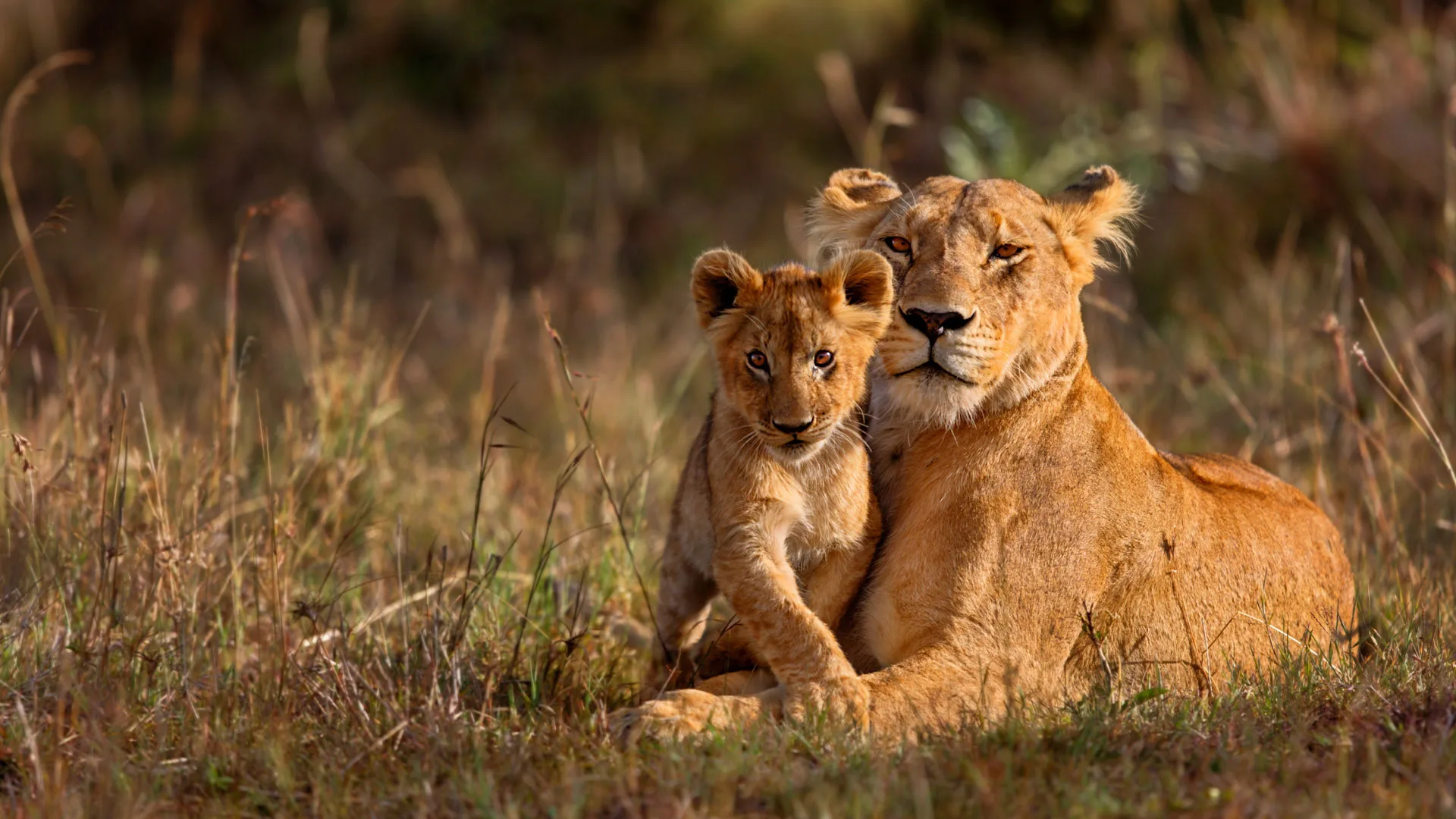
Included
Multiple wildlife game drives
Included in a typical day on this safari. Exact timing follows the confirmed itinerary.
View activity
Included
Sunrise and sunset photography
Included in a typical day on this safari. Exact timing follows the confirmed itinerary.
View activity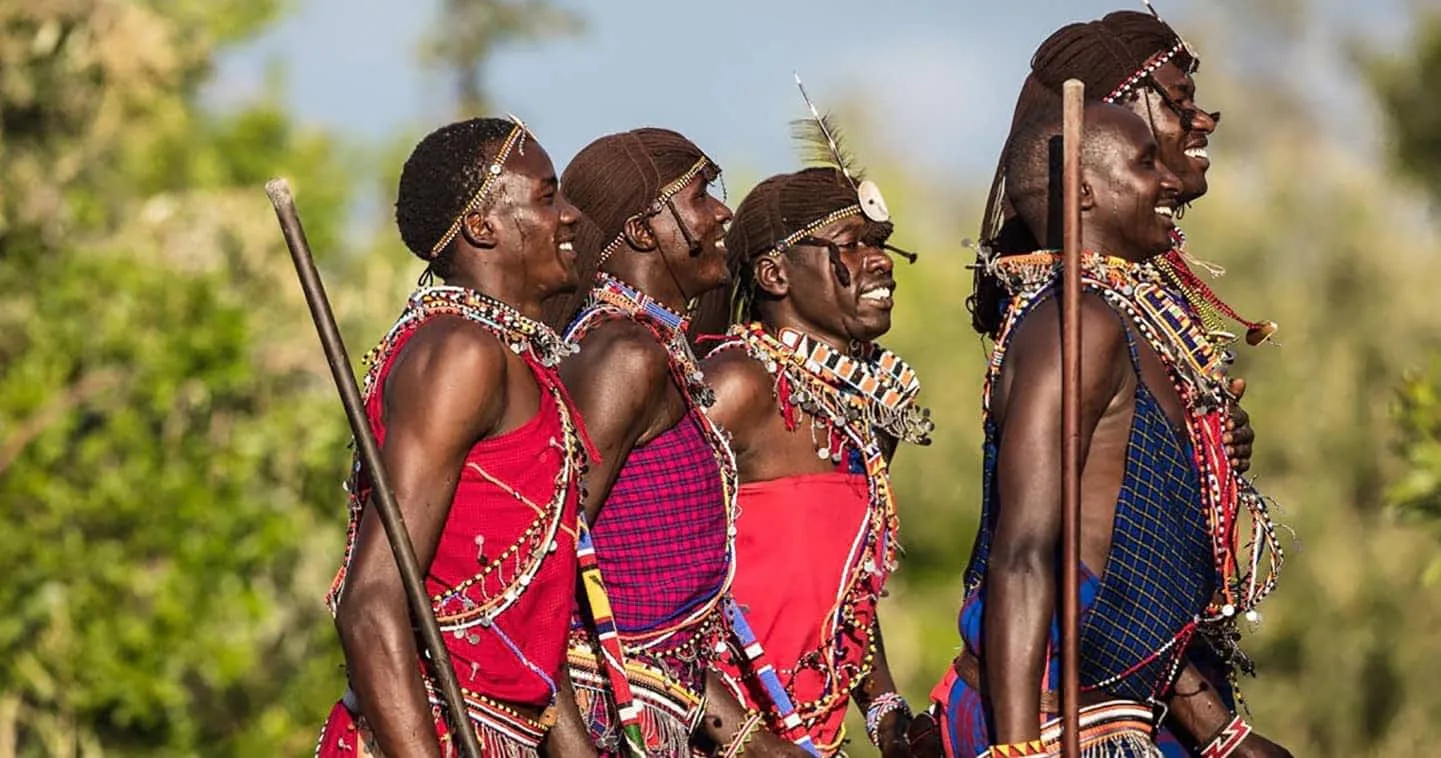
Optional
Cultural experiences in the wider Amboseli region.
Available at extra cost when conditions, permits and your dates allow. Not guaranteed.
View activity
Additional information
Plan This Safari
Why Are There So Many Elephants in Amboseli?
Amboseli provides a combination of water, feeding habitat and movement corridors that support significant elephant populations. The area is also internationally important for long-term elephant research. Individual elephants and family groups have been studied across generations, contributing to scientific knowledge about:
- Elephant communication.
- Family relationships.
- Reproduction.
- Social behavior.
- Leadership.
- Movement.
- Responses to drought.
- Human-wildlife interaction.
This research history has helped make Amboseli one of the world's best-known locations for observing wild African elephants.
Wildlife You May See on a 3 Days Amboseli Safari
Possible wildlife includes:
Big Mammals
- African elephants.
- African buffaloes.
- Masai giraffes.
- Hippos.
- Wildebeests.
- Plains zebras.
Predators
- Lions.
- Cheetahs.
- Spotted hyenas.
- Black-backed jackals.
- Other smaller carnivores.
Antelopes
- Impalas.
- Grant's gazelles.
- Thomson's gazelles.
- Waterbucks and other species depending on habitat.
Other Animals
- Warthogs.
- Baboons.
- Vervet monkeys.
- Mongooses.
- Hares and smaller mammals.
Wildlife sightings vary naturally. No safari operator can guarantee specific animals.
Can You See the Big Five in Amboseli?
Amboseli contains several members of Africa's famous Big Five. You have excellent opportunities to see African elephant, Amboseli's signature species; African buffalo, commonly encountered particularly around wetland habitats; and lion, present throughout the ecosystem. Leopards occur but are secretive and much more difficult to encounter. Rhinos are not a regular feature of a typical Amboseli safari. Therefore, travelers specifically focused on seeing all Big Five should consider combining Amboseli with destinations such as Ol Pejeta Conservancy, Lake Nakuru or the Masai Mara.
Best Time for a 3 Days Amboseli Safari
Amboseli can be visited throughout the year. Different seasons offer different advantages.
Dry Seasons
Drier periods can produce excellent wildlife viewing because animals concentrate around reliable water and wetland areas, and vegetation may also be less dense, making wildlife easier to observe. Dry landscapes create the dusty scenes for which Amboseli photography is famous.
Green Seasons
Rain transforms the ecosystem. Grass becomes greener, temporary water becomes available and the landscape looks dramatically different. Bird activity can be excellent, and photography can also be beautiful because green plains contrast with elephants and Kilimanjaro. Rain can occasionally make some tracks muddy, but a capable 4x4 vehicle helps manage changing conditions.
Amboseli in January and February
These months can provide warm conditions and excellent game viewing. Depending on annual weather patterns, visibility can be good and wildlife remains concentrated around productive habitats.
Amboseli from June to October
These months include a major dry period and are popular for safari travel. Wildlife can become concentrated around marshes and water sources. This can be excellent for elephant observation. The landscape may become increasingly dusty as the dry season progresses.
Amboseli in November
Short rains can begin transforming the landscape. Fresh vegetation creates attractive scenery and bird activity increases. Rain patterns vary from year to year.
Amboseli in April and May
These months are traditionally associated with heavier rainfall. Advantages can include:
- Green scenery.
- Fewer visitors.
- Dramatic skies.
- Excellent birdlife.
- Attractive seasonal accommodation offers at some properties.
Road conditions can be more challenging during periods of heavy rain.
Accommodation for a 3 Days Amboseli Safari
Amboseli offers accommodation across several price categories. Your selection affects both the overall safari cost and the daily experience.
Budget Amboseli Accommodation
Budget options focus on practical comfort and affordability. They can include:
- Simple rooms or tents.
- Basic en-suite facilities.
- Restaurant.
- Lounge.
- Essential amenities.
Budget properties may be located outside the park boundaries. This can provide substantial savings while still allowing scheduled game drives inside Amboseli. Budget accommodation works well for travelers who prefer to spend most of their time exploring the park rather than using luxury lodge facilities.
Mid-Range Amboseli Accommodation
Mid-range lodges and camps are among the most popular choices. They generally provide:
- Comfortable en-suite rooms or tents.
- Restaurant.
- Bar.
- Lounge.
- Swimming pool at many properties.
- Attractive grounds.
- Reliable electricity or charging.
- Good access to safari areas.
Mid-range accommodation provides an excellent compromise between comfort and price.
Luxury Amboseli Accommodation
Luxury camps and lodges can provide:
- Spacious rooms or safari tents.
- Premium furnishings.
- Private terraces.
- High-quality meals.
- Personalized service.
- Attractive views.
- Swimming pools.
- Smaller guest numbers at selected camps.
- Enhanced safari atmosphere.
Some luxury properties in the wider ecosystem provide particularly attractive Kilimanjaro views.
Staying Inside vs Outside Amboseli National Park
Accommodation location is an important consideration.
Staying Inside the Park
Potential advantages include:
- Reduced transfer time to game-viewing areas.
- Strong wilderness atmosphere.
- Easier access for early wildlife drives.
Staying Outside the Park
Potential advantages include:
- Wider accommodation choice.
- Potentially lower rates.
- Access to community experiences.
- Luxury properties with excellent views.
The best option depends on your budget, preferred safari style and lodge availability.
Private 3 Days Amboseli Safari
This itinerary can be operated as a fully private Amboseli safari. You travel with your own professional driver-guide and vehicle. This provides several advantages:
- Flexible departure times.
- More space.
- Better photography positioning.
- Freedom to spend longer at interesting sightings.
- Easier family travel.
- Ability to prioritize particular animals.
- More personalized interpretation from your guide.
Private safaris are particularly valuable for photographers and families.
3 Days Amboseli Safari for Couples
Amboseli is an excellent short safari for couples. A private vehicle provides a relaxed experience, while comfortable tented camps create a romantic atmosphere. Couples can add:
- Luxury accommodation.
- Private dining where available.
- Sundowner experiences where permitted.
- Cultural visits.
- Beach extension.
- Additional national parks.
3 Days Amboseli Honeymoon Safari
For honeymooners, we can upgrade the itinerary with a carefully selected luxury lodge or tented camp. Amboseli combines particularly well with:
- Masai Mara.
- Diani Beach.
- Watamu.
- Zanzibar.
- Tsavo.
The combination of elephants, Kilimanjaro and a beach extension creates a classic East African honeymoon.
3 Days Amboseli Family Safari
Amboseli is well suited to families. Children often find elephants particularly engaging because they can observe recognizable family behavior. A private vehicle allows parents to adjust game-drive duration according to children's attention spans. When planning a family safari, consider:
- Children's exact ages.
- Family-room availability.
- Swimming pool.
- Meal preferences.
- Driving tolerance.
- Child park fees.
- Lodge restrictions.
Provide children's ages when requesting a quotation so we can recommend suitable properties.
Amboseli Safari for Photographers
Few destinations offer such recognizable African wildlife photography. Potential photographic subjects include: Elephants beneath Kilimanjaro, Elephant calves, Dust-bathing elephants, Giraffes against mountain backgrounds, Flamingos and waterbirds, Lions on open plains, Buffaloes in wetlands, Sunrise landscapes, Sunset silhouettes, Dramatic storm clouds.
Serious photographers should consider a private vehicle, which provides greater control over positioning and the amount of time spent at sightings.
Recommended Photography Equipment
Useful equipment can include:
- Telephoto lens.
- Medium zoom lens.
- Wide-angle lens for landscapes.
- Spare batteries.
- Multiple memory cards.
- Bean bag.
- Lens cloth.
- Dust protection.
- Camera rain cover during wet months.
- Backup storage.
Amboseli can become extremely dusty, especially during dry conditions. Protecting equipment is important.
Road Safari from Nairobi to Amboseli
Traveling by road is the standard arrangement for this three-day itinerary. Advantages include:
- Private vehicle throughout.
- Lower cost compared with many fly-in options.
- Scenic overland experience.
- Flexible stops.
- Straightforward luggage arrangements.
The drive commonly requires around four to five hours or more depending on traffic and your exact lodge location.
Fly-In Amboseli Safari
Travelers who prefer to minimize road time can request a fly-in Amboseli safari. Scheduled or charter flights may be available depending on current airline operations and travel dates. Flying can be particularly useful for:
- Luxury travelers.
- Honeymooners.
- Older travelers.
- Families.
- Guests with limited time.
- Travelers combining several fly-in safari destinations.
Fly-in safaris generally cost more than road safaris.
3 Days Amboseli Safari Cost
The price varies according to several factors.
Season
Accommodation rates can change significantly between low, shoulder and peak seasons.
Accommodation
Budget camps cost less than luxury lodges.
Number of Travelers
Vehicle and guide costs are shared among travelers in a private booking. As group size increases, the per-person safari price may decrease.
Park Fees
Park-entry fees represent an important portion of the total cost and are calculated according to the applicable rates for your travel dates.
Transport
Road safaris generally cost less than fly-in safaris.
Optional Activities
Cultural visits and other additional experiences may increase the total cost.
To receive an accurate quotation, provide your dates, number of travelers and preferred accommodation category.
Budget 3 Days Amboseli Safari
A budget package is designed for travelers who want the wildlife experience without expensive accommodation. It normally retains the essential safari components:
- Safari vehicle.
- Professional guide.
- Park access according to quotation.
- Game drives.
- Accommodation.
- Meals.
- Drinking water.
The principal difference is the accommodation standard and sometimes location.
Mid-Range 3 Days Amboseli Safari
Mid-range is one of our most recommended categories for value-conscious travelers. You receive comfortable accommodation without the higher costs associated with premium luxury camps. This category is particularly suitable for:
- Couples.
- Families.
- Friends.
- First-time safari travelers.
- Small private groups.
Luxury 3 Days Amboseli Safari
Luxury packages combine wildlife viewing with premium accommodation. Depending on your chosen property, benefits can include:
- Superior rooms or tents.
- Exceptional views.
- Personalized service.
- Premium dining.
- Smaller guest numbers.
- Attractive pools and lounges.
- Additional experiences.
3 Days Amboseli vs 2 Days Amboseli Safari
Both itineraries are possible, but three days provides significantly more wildlife time. A 2 Days Amboseli Safari normally includes:
- Travel to Amboseli.
- Afternoon game drive.
- Overnight.
- Morning game viewing.
- Return to Nairobi.
A 3 Days Amboseli Safari adds a complete middle day. This provides:
- More elephant encounters.
- Better chances of seeing predators.
- Multiple opportunities for Kilimanjaro views.
- More relaxed game drives.
- Better photography.
- More time around wetlands.
For most travelers, three days provides a much more complete Amboseli experience.
3 Days Amboseli vs 3 Days Masai Mara Safari
Both are excellent but provide different experiences.
Choose Amboseli for:
- Elephants.
- Mount Kilimanjaro.
- Wetlands.
- Dramatic mountain photography.
- Relatively compact game-viewing area.
Choose Masai Mara for:
- Big Cats.
- Great Migration possibilities.
- Larger open grasslands.
- High predator density.
- Greater overall wildlife diversity.
If time and budget permit, combining both creates an outstanding Kenya safari.
3 Days Amboseli vs 3 Days Samburu Safari
Amboseli and Samburu have very different ecological identities. Choose Amboseli for:
- Elephants.
- Kilimanjaro.
- Wetlands.
- Southern Kenya landscapes.
Choose Samburu for:
- Grevy's zebra.
- Reticulated giraffe.
- Gerenuk.
- Beisa oryx.
- Northern Kenya scenery.
- Ewaso Nyiro River.
Travelers interested in contrasting ecosystems may combine both on a longer itinerary.
Combining Amboseli and Tsavo
Amboseli combines naturally with Tsavo West and Tsavo East, which is particularly convenient for travelers continuing toward the Kenya coast. A longer itinerary might travel Nairobi → Amboseli → Tsavo West → Tsavo East → Kenya Coast, which avoids returning to Nairobi and creates a varied overland safari.
Amboseli and Masai Mara Safari
A combination of Amboseli and Masai Mara is among Kenya's classic safari routes. You experience:
- Amboseli: elephants, Kilimanjaro and wetlands.
- Masai Mara: predators, expansive grasslands and migration possibilities.
Depending on available time, the destinations can be connected by road or domestic flights.
Amboseli and Diani Beach
After the safari, continue to Diani Beach for a relaxing Indian Ocean holiday. The safari-and-beach combination works especially well for:
- Honeymooners.
- Families.
- Couples.
- First-time Kenya visitors.
Travel arrangements can be designed to connect Amboseli through Tsavo toward the coast or use flights depending on your schedule.
Amboseli and Tanzania Safari
Amboseli's location close to Tanzania makes it possible to incorporate the park into a cross-border East African itinerary. A longer safari can combine Kenya with destinations such as:
- Arusha.
- Tarangire.
- Ngorongoro.
- Serengeti.
- Lake Manyara.
Border crossings, visas, vehicle arrangements and guide logistics must be planned carefully.
What Is Included in a 3 Days Amboseli Safari?
Exact inclusions depend on your confirmed quotation, but a typical package may include:
- Nairobi pickup.
- Private 4x4 safari vehicle.
- Professional driver-guide.
- Two nights' accommodation.
- Meals specified in the itinerary.
- Amboseli park-entry fees where stated.
- Game drives.
- Drinking water in the safari vehicle.
- Return transfer to Nairobi.
- Applicable safari logistics listed in the final quotation.
What Is Usually Excluded?
Unless specifically included:
- International flights.
- Domestic flights.
- Kenya travel authorization or visa-related charges where applicable.
- Travel insurance.
- Alcoholic beverages.
- Premium drinks.
- Tips and gratuities.
- Personal expenses.
- Optional activities.
- Cultural-visit fees unless stated.
- Laundry.
- Souvenirs.
- Additional Nairobi accommodation.
- Medical costs.
- Services not listed in the confirmed itinerary.
What to Pack for Amboseli
Recommended items include:
- Lightweight safari clothing.
- Long trousers.
- Long-sleeved shirt.
- Warm fleece or jacket.
- Comfortable shoes.
- Hat.
- Sunglasses.
- Sunscreen.
- Insect repellent.
- Camera.
- Binoculars.
- Spare batteries.
- Memory cards.
- Power bank.
- Personal medication.
- Small daypack.
- Travel documents.
Why Bring Warm Clothing to Amboseli?
Visitors sometimes assume Kenya is always hot. However, early morning safari drives can feel cool, particularly with the vehicle roof open and wind moving through the vehicle. Layering is the most practical solution. Wear a light fleece or jacket early in the morning and remove it as temperatures rise.
Safety on an Amboseli Safari
Amboseli contains free-ranging wildlife. Follow your guide's instructions at all times. Important rules include:
- Stay inside the vehicle unless your guide confirms otherwise.
- Never approach elephants on foot.
- Never feed wildlife.
- Keep noise low.
- Do not encourage drivers to approach animals too closely.
- Keep children supervised.
- Follow lodge escort rules after dark.
- Never walk outside designated areas without authorization.
Elephants, buffaloes, hippos and predators can all be dangerous when approached incorrectly. Professional guides understand wildlife behavior and maintain appropriate distances.
Responsible Wildlife Viewing
Responsible safari tourism helps protect Amboseli's wildlife. Good safari behavior includes:
- Giving elephants enough space.
- Never blocking animal movement.
- Avoiding crowding.
- Keeping noise low.
- Remaining on authorized tracks.
- Taking all rubbish out of the park.
- Respecting community lands.
- Supporting conservation-focused tourism.
- Following park rules.
Particular care should be taken around elephant families with young calves.
Who Should Book This Safari?
The 3 Days Amboseli Safari is particularly suitable for:
- First-time visitors to Kenya.
- Elephant enthusiasts.
- Wildlife photographers.
- Couples.
- Honeymooners.
- Families.
- Solo travelers.
- Small private groups.
- Business travelers with a free weekend.
- Visitors combining Kenya and Tanzania.
- Travelers continuing to Tsavo or the coast.
- Travelers who want a short safari from Nairobi.
Why Book a Private Amboseli Safari?
A private safari provides more than privacy. It gives you control over how your available wildlife-viewing time is used. If elephants are your main interest, you can spend more time observing them. If photography is your priority, your guide can consider light direction and vehicle position. If you are traveling with children, the pace can be adjusted to their needs. If you are interested in birds, game drives can slow down considerably to identify smaller species. This flexibility is particularly valuable on a three-day itinerary.
Why Amboseli Is Ideal for Elephant Lovers
Few places in East Africa are as strongly associated with elephants as Amboseli. The combination of:
- Large family groups.
- Long-term research.
- Open terrain.
- Wetland feeding areas.
- Kilimanjaro backdrop.
creates exceptional elephant-viewing conditions. Rather than simply seeing an elephant briefly, Amboseli often provides opportunities to observe entire families for extended periods. You begin to notice individual behavior: calves stay close to their mothers, juveniles play, older females guide the group and large bulls move independently across the landscape. These longer observations often become more meaningful than simply counting the number of species seen.
Why Three Days Works So Well
The greatest strength of the 3 Days Amboseli Safari is its balance. Day 1 gives you the excitement of arriving in the park and beginning wildlife viewing. Day 2 provides the freedom to explore without worrying about a long road transfer. Day 3 gives you another early morning opportunity when both wildlife activity and Kilimanjaro visibility may be at their best. This creates a safari that feels substantially more complete than an overnight visit while still fitting comfortably into a short Kenya holiday.
Book Your 3 Days Amboseli Safari
Experience one of Kenya's most iconic wildlife landscapes on a 3 Days Amboseli Safari from Nairobi. Watch elephant families crossing the plains, search for lions in the grasslands and observe buffaloes and hippos around green wetlands. Photograph giraffes and zebras beneath enormous African skies and, when the clouds lift, look south toward the summit of Mount Kilimanjaro rising above the entire ecosystem, although mountain views are never guaranteed.
We can customize this safari according to your:
- Travel dates.
- Number of travelers.
- Accommodation budget.
- Preferred safari style.
- Family requirements.
- Photography interests.
- Arrival and departure flights.
- Wider Kenya itinerary.
Choose from:
- Budget Amboseli Safari
- Mid-Range Amboseli Safari
- Luxury Amboseli Safari
- Private Amboseli Safari
- Family Amboseli Safari
- Honeymoon Amboseli Safari
- Photography Amboseli Safari
- Fly-In Amboseli Safari
Extend Your Amboseli Safari
If you have more than three days, consider extending the journey to:
- Masai Mara National Reserve – for exceptional predator viewing and migration possibilities.
- Tsavo West National Park – for volcanic landscapes and additional wildlife.
- Tsavo East National Park – for vast wilderness and famous red-dust elephants.
- Lake Naivasha – for boat trips and birdwatching.
- Ol Pejeta Conservancy – for rhino conservation and diverse wildlife.
- Diani Beach – for an Indian Ocean beach extension.
- Tanzania – for a cross-border safari to destinations such as Tarangire, Ngorongoro and Serengeti.
Request a 3 Days Amboseli Safari Quote
To receive a personalized quotation, send us:
- Preferred travel dates.
- Number of adults.
- Number and ages of children.
- Preferred accommodation category.
- Whether you prefer road or fly-in travel.
- Nairobi hotel or flight details.
- Any special interests such as photography or birding.
- Other destinations you want to combine with Amboseli.
We can then prepare a customized 3 Days Amboseli Safari based on your preferred travel style and budget.
Planning Questions
Frequently Asked Questions
Is 3 days enough for Amboseli?
Yes. Three days provides an excellent short safari with an afternoon drive, a full day of wildlife viewing and another morning safari opportunity.
How far is Amboseli from Nairobi?
Driving time commonly takes approximately four to five hours or longer depending on traffic, road conditions, stops and lodge location.
Will we see Mount Kilimanjaro?
Possibly, but visibility cannot be guaranteed. Clouds frequently obscure the mountain. Early mornings often provide better viewing opportunities.
Is Kilimanjaro inside Kenya?
No. Mount Kilimanjaro is located in Tanzania, but some of its most famous views are from Kenya's Amboseli ecosystem.
Are there many elephants?
Yes. Amboseli is one of Kenya's most famous elephant-viewing destinations.
Can we see lions?
Yes. Lions live within the ecosystem, although sightings depend on their natural movements.
Are there cheetahs?
Yes. Cheetahs occur in suitable open habitats but cannot be guaranteed.
Are there leopards?
Leopards occur in the wider ecosystem but are secretive and are considerably less commonly encountered than elephants or lions.
Can we see rhinos?
Rhinos are not a typical Amboseli sighting. If rhinos are a major priority, consider adding Ol Pejeta or Lake Nakuru.
Can we see the Big Five?
Amboseli is excellent for elephants and buffaloes and provides opportunities for lions. It is not the best single destination for seeing all five.
Is Amboseli good for birding?
Yes. Its wetlands and varied habitats make it an excellent birding destination.
Can children join?
Yes. Family-friendly accommodation and private game-drive arrangements can be organized.
Can we stay inside the park?
Yes. There are accommodation options inside or close to the park, subject to availability.
Can we do a private safari?
Yes. Private 4x4 safaris are available and provide greater flexibility.
Can we fly to Amboseli?
Yes, subject to current flight schedules and availability.
Can we combine Amboseli with Masai Mara?
Yes. This is one of Kenya's most popular safari combinations.
Can we continue from Amboseli to the coast?
Yes. Amboseli can be combined with Tsavo and then the Kenya coast, or flight connections can be arranged depending on your itinerary.
What is the best time to photograph Kilimanjaro?
Early morning often provides the best chance, although weather remains unpredictable.
Are game drives private?
They can be completely private when you book a private safari package.
Do I need binoculars?
Binoculars are highly recommended for birds and distant wildlife.
Is Wi-Fi available?
Many lodges offer Wi-Fi, usually around common areas. Reliability varies because safari properties are in remote locations.
Is electricity available?
Most lodges provide electricity, but some camps operate partly on solar power or generators and may have specific charging arrangements.
05 Request Quote
Request Quote
Tell us your dates, group size, and preferred lodge style — we will send a tailored quote for this safari.
Want to extend your safari?
Add Amboseli, Diani Beach, Tanzania and Zanzibar, or gorilla trekking in Uganda or Rwanda — we tailor the journey to your dates.