
20 DAYS / 19 NIGHTS
20 Days Complete Kenya Safari
Explore the 20 Days Complete Kenya Safari with a day-by-day safari plan, key wildlife experiences, destinations, accommodation ideas, travel logistics and.
- Wildlife SafariPrivate Journey
- Private Safari4x4 Vehicle
- Expert GuideEnglish Speaking
- All MealsBreakfast, Lunch, Dinner
- 24/7 SupportWe're here to help
01 Overview
Safari Overview
- Duration20 days / 19 nights
- DestinationKenya
- Starts / endsNairobi
- Safari stylePrivate 4×4 safari
- AccommodationEssential · Comfort · Premium · Signature
- Best forWildlife viewing, photography
20 Days Complete Kenya Safari – The Ultimate Three-Week Kenya Wildlife Adventure
The 20 Days Complete Kenya Safari is designed for travelers who want to experience Kenya in exceptional depth rather than concentrating on only one or two famous national parks. Twenty days provides enough time to combine dramatically different landscapes, major wildlife areas, important conservation destinations, lakes, classic savannahs and some of Kenya's best predator habitats while still allowing multiple nights in key locations.
A typical short Kenya safari may focus almost entirely on the Masai Mara, perhaps adding Lake Nakuru or Amboseli. Such itineraries are rewarding, but they reveal only a small part of the country's wildlife diversity. The 20 Days Complete Kenya Safari takes a broader approach. The journey can include the dry northern landscapes of Samburu National Reserve, rhino conservation at Ol Pejeta Conservancy, the beautiful Great Rift Valley, Lake Nakuru National Park, Lake Naivasha, the elephant-rich plains of Amboseli National Park, the immense wilderness of Tsavo West and Tsavo East National Parks, and finally several days in the legendary Masai Mara National Reserve.
Over almost three weeks, travelers have opportunities to search for the traditional African Big Five—lion, leopard, elephant, buffalo and rhino—while also encountering numerous other species such as cheetahs, giraffes, zebras, wildebeest, hippos, crocodiles, hyenas, jackals, warthogs, antelopes, monkeys and hundreds of bird species. This safari is particularly suitable for travelers making a major once-in-a-lifetime journey to East Africa and wanting a more complete understanding of Kenya's natural landscapes.
Instead of racing from destination to destination, the itinerary is structured to include repeat game drives in several major parks. This provides the time required to observe animal behavior, explore different sections of each ecosystem and adapt the daily program to wildlife movements. The route is also highly customizable. Travelers can adjust the accommodation category, replace selected road transfers with domestic flights, add private conservancies, include more cultural experiences or extend the safari to Kenya's coast, Tanzania or Zanzibar.
Why Choose a 20 Days Complete Kenya Safari?
Kenya contains an extraordinary diversity of ecosystems. Within one country, travelers can move between:
- Semi-arid northern wilderness.
- Mountain foothills.
- Private wildlife conservancies.
- Great Rift Valley lakes.
- Freshwater wetlands.
- Open savannah.
- Acacia woodland.
- Volcanic landscapes.
- Riverine forest.
- Semi-desert plains.
- Indian Ocean coastal environments if an extension is added.
A twenty-day itinerary allows enough time to experience several of these environments. This matters because Kenya's wildlife is not evenly distributed. Some species are especially associated with particular regions. The Grevy's zebra, for example, is strongly associated with northern Kenya and can be seen in Samburu and surrounding ecosystems. The reticulated giraffe is another northern Kenya specialty. Amboseli is particularly famous for elephants, while Ol Pejeta and Lake Nakuru provide strong opportunities for rhino viewing.
The Masai Mara is one of Kenya's finest predator destinations. Tsavo offers a scale of wilderness that feels very different from the smaller reserves. A complete Kenya safari therefore creates variety not only in animal sightings but also in the atmosphere of each day.
20 Days Complete Kenya Safari Highlights
Your safari can include:
- Exploring multiple major Kenya national parks, reserves and conservancies.
- Searching for the African Big Five.
- Photographing elephants beneath Mount Kilimanjaro in Amboseli.
- Discovering northern Kenya's specialized wildlife in Samburu.
- Rhino conservation experiences at Ol Pejeta.
- Rhino and bird viewing in Lake Nakuru National Park.
- A boat safari on Lake Naivasha.
- Exploring the rugged wilderness of Tsavo West.
- Discovering the immense plains of Tsavo East.
- Several days of intensive wildlife viewing in the Masai Mara.
- Opportunities to see lions, cheetahs and leopards.
- Possible Great Wildebeest Migration viewing during the appropriate season.
- Exceptional birdwatching opportunities.
- Scenic drives through the Great Rift Valley.
- Private safari vehicle options.
- Professional English-speaking safari driver-guide.
- Sunrise and afternoon game drives.
- Flexible accommodation categories.
- Optional domestic flights.
- Optional hot-air balloon safari.
- Optional Maasai cultural experiences.
- Optional walking activities in designated areas.
- Possibility of extending the safari to Diani Beach or Zanzibar.
Itinerary
- Day 1:Arrival in Nairobi, Kenya
- Day 2:Nairobi to Samburu
- Day 3:Safari in Samburu
- Day 4:Second Full Day in Samburu
- Day 5:Samburu to Ol Pejeta
- Day 6:Ol Pejeta Conservancy Safari
- Day 7:Ol Pejeta to Lake Nakuru
- Day 8:Lake Nakuru Game Drive and Transfer to Lake Naivasha
- Day 9:Lake Naivasha to Amboseli
- Day 10:Amboseli Wildlife Safari
- Day 11:Second Full Day in Amboseli
- Day 12:Amboseli to Tsavo West
- Day 13:Safari in Tsavo West
- Day 14:Tsavo West to Tsavo East
- Day 15:Tsavo East Safari
- Day 16:Tsavo East to Nairobi
- Day 17:Nairobi to Masai Mara
- Day 18:Masai Mara Wildlife Safari
- Day 19:Second Full Day in the Masai Mara
- Day 20:Morning game drive / optional Maasai village – return to Nairobi

02 Itinerary
20 Days Complete Kenya Safari: Detailed Itinerary
Day 1: Arrival in Nairobi, Kenya - Main destination
- Masai Mara National Reserve
- Drive time
- Road transfer as outlined in the itinerary
- Meals
- Lunch, Dinner
Your 20 Days Complete Kenya Safari begins when you arrive at Jomo Kenyatta International Airport in Nairobi. After completing immigration procedures and collecting your luggage, meet our representative in the arrivals area. You will then be transferred privately to your Nairobi hotel.
The first day is intentionally relaxed. Many international travelers arrive after overnight flights, so it is normally preferable not to begin a long road safari immediately after landing. After reaching your hotel, check in and rest.
Depending on arrival time, optional activities in Nairobi can be arranged. These may include selected wildlife conservation attractions, museums, markets or restaurants. You can also use the afternoon to recover from the flight, exchange currency if necessary and prepare your luggage for the safari.
Later, your guide or representative may provide a briefing explaining the route, expected game-drive schedule, approximate travel times, park procedures and any optional activities that have been prearranged. Because the safari lasts twenty days, your guide can also explain practical matters such as laundry opportunities, charging devices and managing luggage during the journey.
Destination: Nairobi
Activities: Airport pickup, hotel transfer and safari briefing
Accommodation: Nairobi hotel
Meal Plan: Depending on arrival arrangements
Northern Kenya Safari Section
Where you stay
- Essential (Budget)
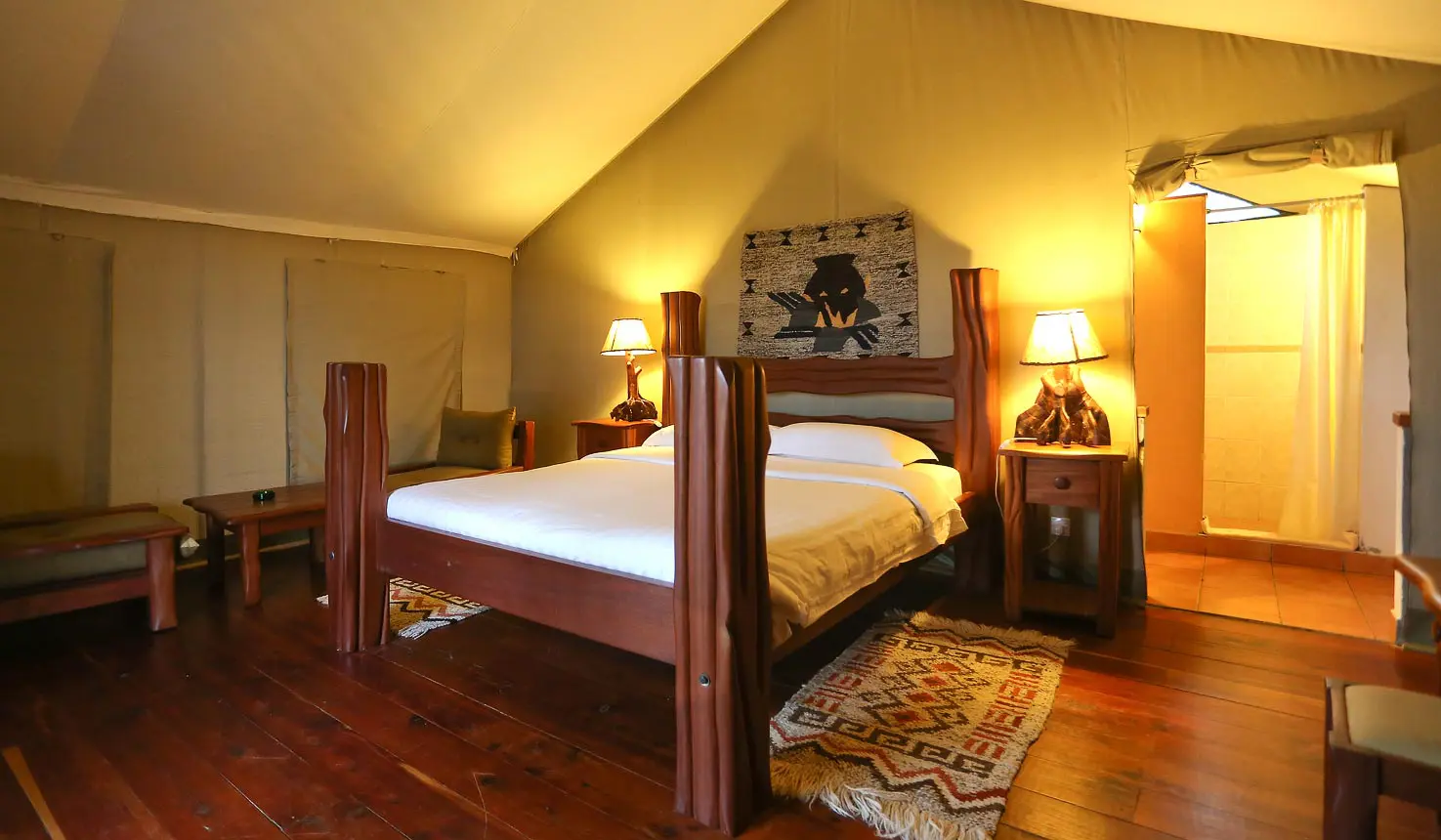
- Comfort (Mid-range)
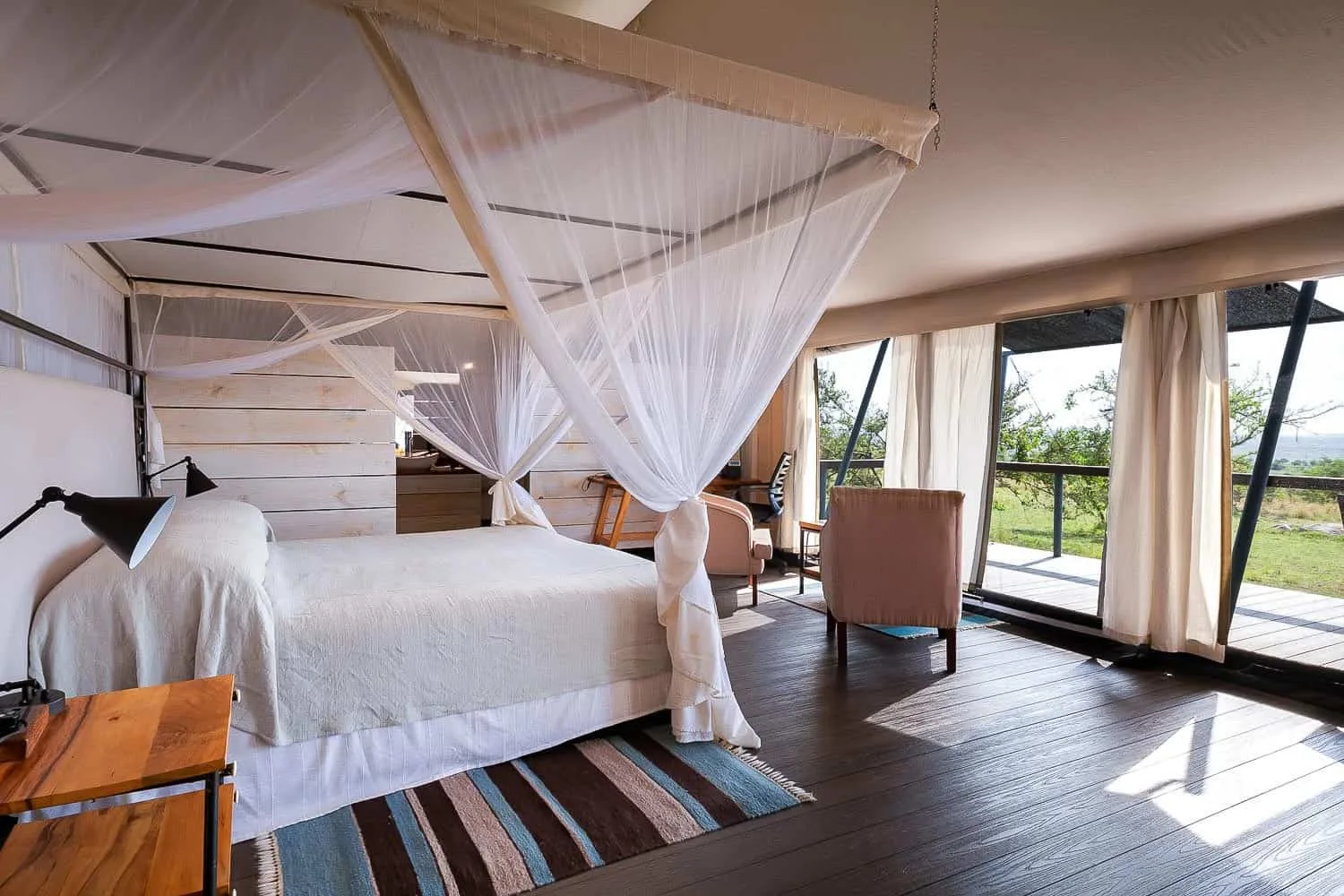
- Premium (Luxury)
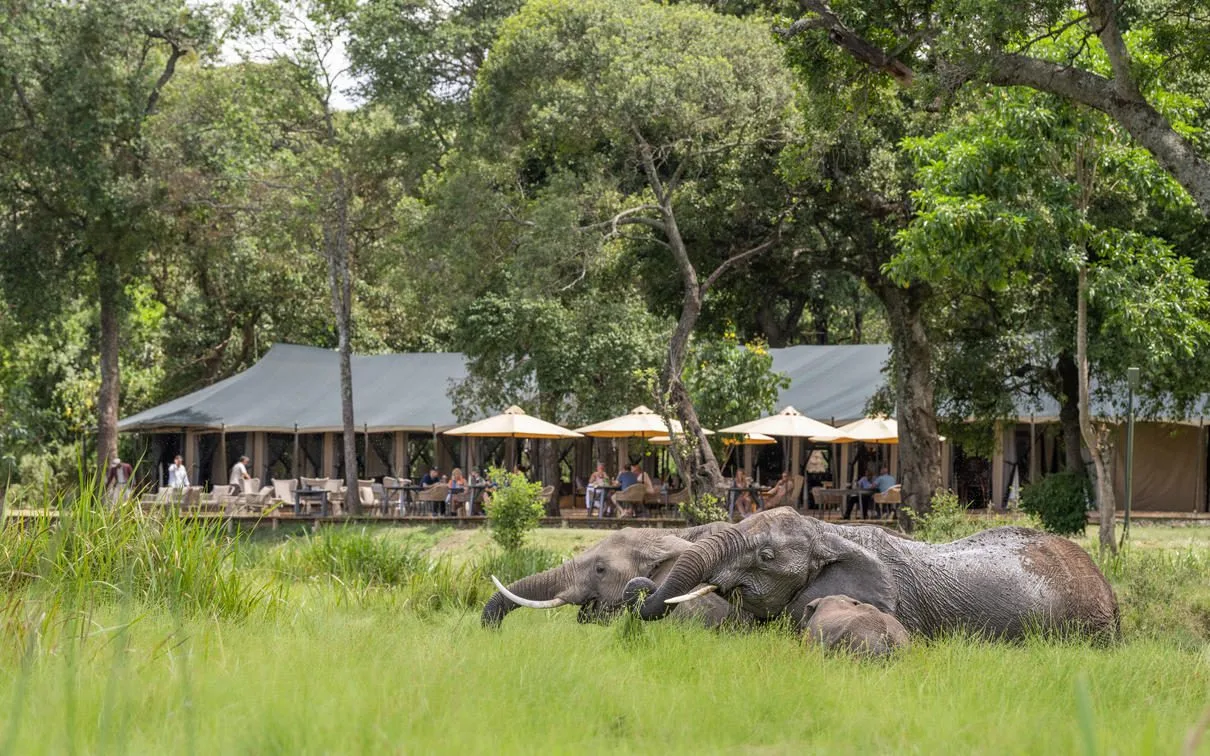
- Signature (High-end)
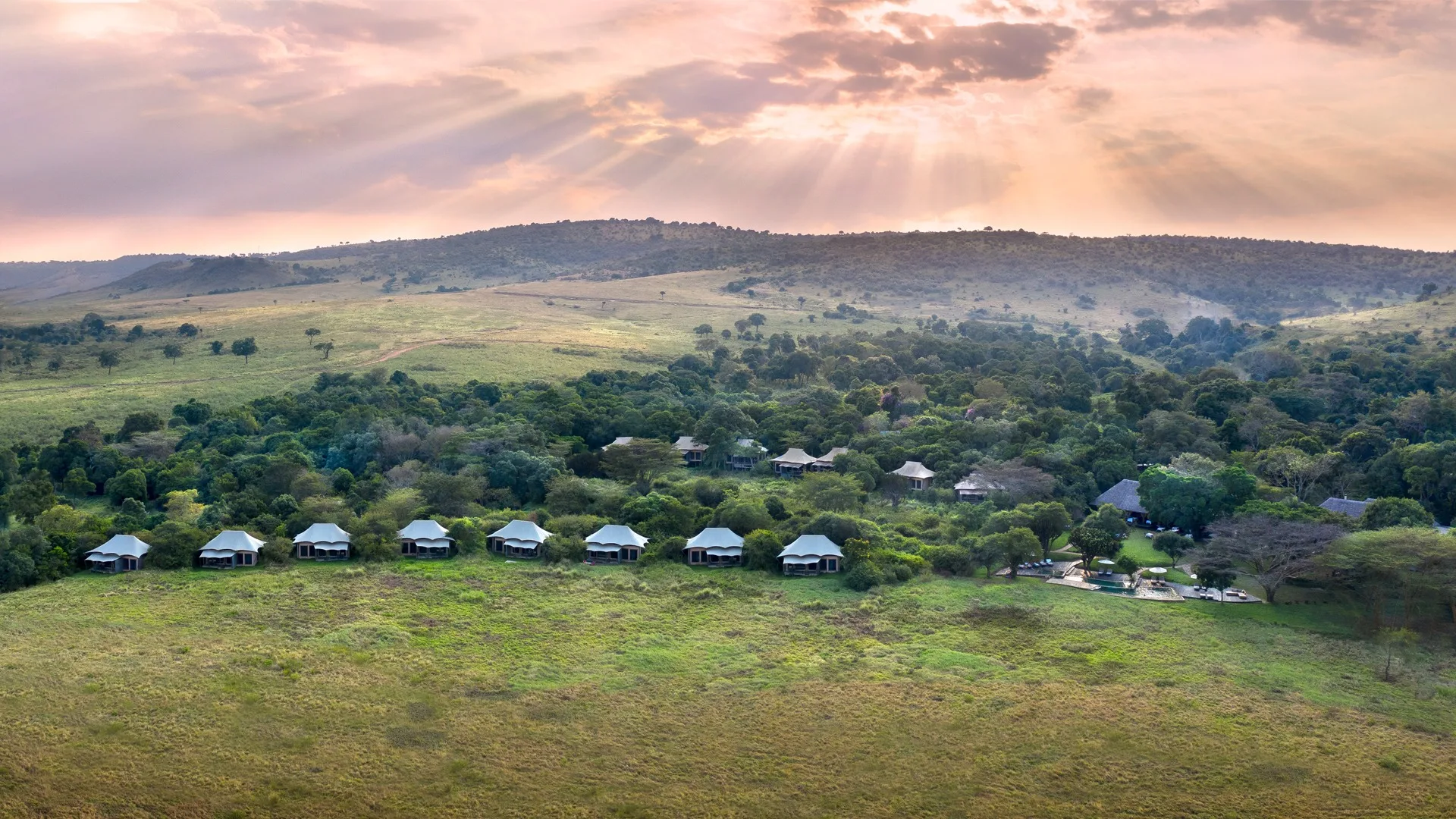
Day 2: Nairobi to Samburu National Reserve - Main destination
- Masai Mara National Reserve
- Meals
- Breakfast, Lunch, Dinner
After breakfast, meet your safari driver-guide and begin the journey north toward Samburu National Reserve. Leaving Nairobi, the road passes through Kenya's central highlands. Depending on routing and visibility, you may enjoy scenic views of fertile agricultural landscapes before descending toward the warmer and drier regions of northern Kenya.
The contrast is dramatic. Vegetation gradually changes, and the green highlands give way to open scrubland, acacia woodland and rugged terrain. This transition is one of the reasons Samburu is such an important component of a complete Kenya safari—it introduces an ecosystem very different from the southern parks.
Arrive at your lodge or tented camp in time for lunch depending on departure time and road conditions. After a short rest, depart for an afternoon game drive in Samburu National Reserve.
The reserve is centered around the Ewaso Nyiro River, which is critically important to wildlife. During dry periods, elephants, giraffes, antelopes, predators and numerous birds gather along the river and surrounding woodland. Among the animals you may encounter are the following, although no individual sighting can be guaranteed: Reticulated giraffe, Grevy's zebra, Gerenuk, Beisa oryx, Somali ostrich, Elephant, Lion, Leopard, Cheetah, Impala, Waterbuck, Baboon.
Return to your accommodation in the evening.
Destination: Samburu National Reserve
Activities: Scenic road transfer and afternoon game drive
Accommodation: Safari lodge or tented camp
Meal Plan: Breakfast, lunch and dinner
Where you stay
Day 3: Full-Day Safari in Samburu National Reserve - Main destination
- Masai Mara National Reserve
- Meals
- Breakfast, Lunch, Dinner
Wake early for your first full safari day. Morning is often one of the best times to explore Samburu because temperatures are cooler and wildlife activity may be higher. Predators may still be active after hunting during the night, elephants may begin moving toward the Ewaso Nyiro River, and giraffes browse in open woodland while Grevy's zebras move between feeding areas and water sources.
One of Samburu's major attractions is its collection of northern Kenya wildlife specialties.
Grevy's Zebra
The Grevy's zebra is larger than the common plains zebra and has narrower stripes, a white belly and large rounded ears. Northern Kenya provides some of the most important habitat for this endangered species.
Reticulated Giraffe
The reticulated giraffe is instantly recognizable because of its sharply defined geometric coat pattern. Samburu is one of the best places in Kenya to observe this attractive giraffe.
Gerenuk
The gerenuk is a long-necked antelope adapted to dry environments. It may stand upright on its hind legs to browse leaves from shrubs and trees.
Beisa Oryx
The Beisa oryx is another dry-country specialist characterized by long straight horns and a striking facial pattern.
Somali Ostrich
The Somali ostrich differs visually from the more widespread Masai ostrich and is an important northern Kenya specialty. These species make Samburu particularly rewarding for guests who want more than the standard Big Five safari.
Return to the lodge for lunch and relaxation during the hottest part of the day. In the afternoon, head out for another game drive. Your guide may search for predators along the river, especially leopards that use riverine woodland. Return for dinner after sunset or according to reserve regulations.
Destination: Samburu National Reserve
Activities: Morning and afternoon game drives
Accommodation: Same lodge or camp
Meal Plan: Breakfast, lunch and dinner
Where you stay
Day 4: Second Full Day in Samburu - Main destination
- Masai Mara National Reserve
- Meals
- Breakfast, Lunch, Dinner
Spend another day exploring Samburu. A second full day is valuable because wildlife sightings vary from one day to another. Yesterday's route may have produced excellent elephants while today could become the day for cats. Your guide will use recent sightings, tracks, animal behavior and local knowledge to decide where to concentrate.
Elephant Viewing
Samburu is particularly good for elephant observation. Family groups may be seen moving through woodland or approaching the river to drink. Young calves are often surrounded by adult females while older bulls may travel independently. Watching elephants at the river can be one of the safari's most memorable experiences.
Predator Search
Leopards are naturally secretive but are occasionally seen around riverine areas, lions may rest in shade during hotter parts of the day, and cheetahs typically favor more open terrain where they can use their speed to hunt. Samburu supports: Lions, Leopards, Cheetahs, Spotted hyenas, Jackals.
Birdwatching
The reserve is also excellent for birding. Dry-country species combine with riverine birds to create impressive diversity. Possible sightings include: Hornbills, Bee-eaters, Kingfishers, Eagles, Vultures, Rollers, Storks, Guinea fowl.
Return to the lodge or camp in the evening.
Destination: Samburu National Reserve
Activities: Extensive wildlife viewing
Accommodation: Same lodge or camp
Meal Plan: Breakfast, lunch and dinner
Laikipia Conservation Section
Where you stay
Day 5: Samburu to Ol Pejeta Conservancy - Main destination
- Masai Mara National Reserve
- Meals
- Breakfast, Lunch, Dinner
After breakfast, leave Samburu and travel toward Ol Pejeta Conservancy in Kenya's Laikipia region. The journey once again passes through changing scenery, and as you move south and gain elevation, the environment becomes greener. Arrive at Ol Pejeta and check into your selected lodge or tented camp.
After lunch, head out for your first game drive in the conservancy. Ol Pejeta plays an important role in wildlife conservation. It is particularly famous for rhinos, making it an excellent complement to destinations where rhinos are more difficult to locate. Possible wildlife includes: Black rhino, White rhino, Elephant, Lion, Buffalo, Giraffe, Zebra, Eland, Impala, Warthog, Hyena.
The conservancy also provides travelers with opportunities to learn about modern wildlife conservation. Return to your lodge in the evening.
Destination: Ol Pejeta Conservancy
Activities: Transfer, conservation experience and game drive
Accommodation: Lodge or tented camp
Meal Plan: Breakfast, lunch and dinner
Where you stay
Day 6: Full-Day Ol Pejeta Conservancy Safari - Main destination
- Masai Mara National Reserve
- Meals
- Breakfast, Lunch, Dinner
Spend the full day exploring Ol Pejeta. Morning game viewing may focus on rhinos. Both black and white rhinos occur within the conservancy, though every sighting depends on wildlife movement and local conditions. The difference between the two species can be explained by your guide: white rhinos generally have broader mouths adapted for grazing, whereas black rhinos have more pointed upper lips suited to browsing.
Beyond rhinos, Ol Pejeta offers excellent general wildlife viewing. Lions occur within the conservancy, and there may also be opportunities to see elephants, buffaloes and giraffes.
Certain specialist conservation experiences may be available by advance arrangement. These can add an educational dimension to the safari by showing how anti-poaching, species monitoring and habitat management contribute to conservation. The exact activities depend on availability and should be confirmed when booking. Return to the lodge in the evening.
Destination: Ol Pejeta Conservancy
Activities: Game drives and conservation-focused experiences
Accommodation: Same lodge or camp
Meal Plan: Breakfast, lunch and dinner
Great Rift Valley Safari Section
Where you stay
Day 7: Ol Pejeta to Lake Nakuru National Park - Main destination
- Masai Mara National Reserve
- Meals
- Breakfast, Lunch, Dinner
After breakfast, leave Ol Pejeta and drive toward the Great Rift Valley. As the road descends toward Lake Nakuru, you enter another very different ecosystem. Lake Nakuru National Park is relatively compact compared with Samburu or Tsavo, but it contains an impressive variety of habitats. These include:
- Lake shoreline.
- Grasslands.
- Acacia woodland.
- Rocky escarpments.
- Forest.
- Wetlands.
After entering the park, begin a game drive en route to your accommodation. Lake Nakuru is particularly important for rhino conservation. White rhinos are sometimes seen grazing in open grassland while black rhinos may be more difficult to spot among thicker vegetation. Other wildlife may include: Rothschild's giraffe, Buffalo, Zebra, Waterbuck, Baboon, Warthog, Lion, Leopard.
The lake also attracts diverse birdlife. Flamingo numbers vary according to water levels and food conditions, so enormous concentrations cannot be guaranteed. However, pelicans, storks, herons, eagles and numerous other birds may be present.
Destination: Lake Nakuru National Park
Activities: Road transfer and afternoon game drive
Accommodation: Safari lodge
Meal Plan: Breakfast, lunch and dinner
Where you stay
Day 8: Lake Nakuru Game Drive and Transfer to Lake Naivasha - Main destination
- Masai Mara National Reserve
- Meals
- Breakfast, Lunch, Dinner
Begin with an early morning game drive in Lake Nakuru National Park. Morning light provides attractive conditions for wildlife viewing and photography, and your guide may search open areas for rhinos before exploring woodland for other species.
After breakfast, leave Lake Nakuru and travel toward Lake Naivasha. Lake Naivasha is a freshwater lake within the Great Rift Valley and introduces a slower, more relaxed component to the safari. After reaching your lakeside lodge, enjoy lunch and some rest.
In the afternoon, an optional or included boat safari on Lake Naivasha, depending on your package, can be arranged. Boat excursions provide a completely different safari perspective. Instead of watching wildlife from a vehicle, you move quietly across the lake while observing birds and hippos from water level. During the boat excursion, you may see: Hippos, African fish eagles, Pelicans, Cormorants, Kingfishers, Herons, Egrets.
Return to the lodge before evening.
Destination: Lake Naivasha
Activities: Morning game drive, transfer and optional boat safari
Accommodation: Lakeside lodge
Meal Plan: Breakfast, lunch and dinner depending on confirmed package
Amboseli and Kilimanjaro Safari Section
Where you stay
Day 9: Lake Naivasha to Amboseli National Park - Main destination
- Masai Mara National Reserve
- Meals
- Breakfast, Lunch, Dinner
After breakfast, leave Lake Naivasha and drive south toward Amboseli National Park. The journey passes through Kenya's varied countryside before eventually reaching the plains beneath Mount Kilimanjaro. Kilimanjaro lies across the international border in Tanzania, but some of the mountain's most iconic views are seen from Amboseli in Kenya, weather permitting. Arrive at your lodge or camp, check in and have lunch.
Later, depart for an afternoon game drive. Amboseli is particularly associated with elephants. Large family groups may be encountered moving across open plains, feeding in marshes or gathering at water sources. The park's wetlands are fed by underground water originating from Mount Kilimanjaro's catchment, and these permanent water sources support wildlife even during dry periods. Other animals may include: Buffaloes, Zebras, Wildebeest, Giraffes, Hippos, Lions, Cheetahs, Hyenas, Gazelles, Warthogs.
Return to your lodge in the evening.
Destination: Amboseli National Park
Activities: Transfer and afternoon game drive
Accommodation: Safari lodge or tented camp
Meal Plan: Breakfast, lunch and dinner
Where you stay
Day 10: Full-Day Amboseli Wildlife Safari - Main destination
- Masai Mara National Reserve
- Meals
- Breakfast, Lunch, Dinner
Begin early. Clear mornings provide the best chance of seeing Mount Kilimanjaro before clouds develop. When conditions are favorable, the mountain creates an unforgettable backdrop to the surrounding plains, although mountain views are never guaranteed.
Your morning game drive may concentrate on elephant routes. Amboseli's elephant population has been extensively studied, and the park is considered one of Africa's most important destinations for observing elephant social behavior. Guests may witness:
- Mothers and calves.
- Large breeding herds.
- Bulls.
- Dust bathing.
- Drinking.
- Feeding.
- Herd communication.
The park also supports excellent birdlife because of its wetlands. Possible birds include: Pelicans, Egrets, Herons, Storks, Cranes, Kingfishers, Raptors.
Return to your accommodation for lunch and relaxation. During the afternoon game drive, your guide may search open plains for predators. Lions and cheetahs are present, although sightings depend on luck. Return before nightfall.
Destination: Amboseli National Park
Activities: Morning and afternoon wildlife drives
Accommodation: Same lodge or camp
Meal Plan: Breakfast, lunch and dinner
Where you stay
Day 11: Second Full Day in Amboseli - Main destination
- Masai Mara National Reserve
- Meals
- Breakfast, Lunch, Dinner
A second full day increases the probability of excellent elephant sightings and clear Kilimanjaro conditions, although neither can be guaranteed. Sunrise can be particularly beautiful. Depending on wildlife movements, today's route may explore less-visited areas of the park rather than repeating the previous day's circuits.
One objective may be to observe interactions between elephants and other species around wetlands. Buffaloes, hippos and waterbirds can gather in surprisingly high numbers. Later, your guide may visit higher viewpoints that provide a broader perspective over the Amboseli ecosystem and demonstrate how sharply the wetlands contrast with the surrounding semi-arid landscape. The afternoon can focus on predator search, birdwatching or extended elephant observation depending on your interests.
Destination: Amboseli National Park
Activities: Full-day safari
Accommodation: Same lodge or camp
Meal Plan: Breakfast, lunch and dinner
Tsavo Wilderness Section
Where you stay
Day 12: Amboseli to Tsavo West National Park - Main destination
- Masai Mara National Reserve
- Meals
- Breakfast, Lunch, Dinner
After breakfast, leave Amboseli and travel toward Tsavo West National Park. The landscape becomes increasingly rugged. Tsavo West is known for:
- Volcanic formations.
- Rocky hills.
- Lava flows.
- Savannah.
- Woodland.
- Natural springs.
- Extensive wilderness.
After checking into your lodge and having lunch, begin exploring the park. One major attraction is Mzima Springs, where clear underground water creates an oasis within the dry landscape. Wildlife in Tsavo West may include: Elephant, Buffalo, Giraffe, Zebra, Hippo, Waterbuck, Lion, Leopard, Antelope.
Wildlife can sometimes be more challenging to see here than in open grassland parks because of thicker vegetation. However, the reward is a genuine sense of wilderness. Return to your accommodation in the evening.
Destination: Tsavo West National Park
Activities: Transfer, scenic exploration and game drive
Accommodation: Lodge or tented camp
Meal Plan: Breakfast, lunch and dinner
Where you stay
Day 13: Full-Day Safari in Tsavo West - Main destination
- Masai Mara National Reserve
- Meals
- Breakfast, Lunch, Dinner
Today is dedicated to exploring Tsavo West in greater depth. Early morning game drives may search water points and open areas for elephants and buffaloes. Tsavo elephants frequently take on a reddish appearance because they dust themselves with the park's iron-rich soil. The contrast between red elephants, green vegetation and dark volcanic terrain creates some of Kenya's most distinctive safari scenery.
Your guide may explore routes through:
- Lava fields.
- Woodland.
- Open plains.
- River systems.
- Springs.
- Scenic viewpoints.
Predators are present but require patience. Lions occur throughout the ecosystem, while leopards also inhabit Tsavo West but are difficult to locate because of vegetation and their naturally secretive behavior. Return to your accommodation for lunch before another afternoon wildlife drive.
Destination: Tsavo West National Park
Activities: Extensive game viewing and scenic exploration
Accommodation: Same lodge or camp
Meal Plan: Breakfast, lunch and dinner
Where you stay
Day 14: Tsavo West to Tsavo East National Park - Main destination
- Masai Mara National Reserve
- Meals
- Breakfast, Lunch, Dinner
Enjoy breakfast before traveling from Tsavo West into Tsavo East National Park. Although the two parks belong to the same enormous ecosystem, their landscapes differ. Tsavo East generally contains broader open areas, making wildlife more visible in many locations. The park is famous for its scale, and looking across it gives travelers an appreciation of how much wilderness remains within Kenya's protected areas.
After checking into your accommodation and having lunch, embark on an afternoon game drive. Elephants are again among the principal attractions. You may see herds moving between water sources, digging into dry riverbeds or crossing the open plains. Other species can include: Lions, Buffaloes, Giraffes, Zebras, Impalas, Kudus, Waterbucks, Jackals, Hyenas, Numerous birds.
The Galana River and associated habitats support important concentrations of wildlife.
Destination: Tsavo East National Park
Activities: Transfer and afternoon wildlife drive
Accommodation: Safari lodge or tented camp
Meal Plan: Breakfast, lunch and dinner
Where you stay
Day 15: Full-Day Tsavo East Safari - Main destination
- Masai Mara National Reserve
- Meals
- Breakfast, Lunch, Dinner
Wake early for a complete day exploring Tsavo East. Because of the park's enormous size, full-day exploration allows you to travel beyond the areas immediately around the lodge. Wildlife sightings may be concentrated around:
- Rivers.
- Waterholes.
- Open plains.
- Woodland edges.
Large elephant herds are a particular highlight, and some groups may contain calves of several ages, offering fascinating opportunities to observe elephant family structure. Lions are also important. Tsavo's lions occupy a legendary position in Kenya's history, and searching for them in this expansive landscape is a very different experience from seeing lions on the crowded plains of the Masai Mara.
Birdlife is diverse. The relatively dry habitat supports species that differ considerably from those around Lake Naivasha and Lake Nakuru. Return to the lodge in the evening.
Destination: Tsavo East National Park
Activities: Full-day wildlife viewing
Accommodation: Same lodge or camp
Meal Plan: Breakfast, lunch and dinner
Masai Mara Safari Section
Where you stay
Day 16: Tsavo East to Nairobi - Main destination
- Masai Mara National Reserve
- Meals
- Breakfast, Lunch, Dinner
After breakfast, enjoy wildlife viewing while leaving Tsavo East and travel back toward Nairobi. This is primarily a transfer and rest day. Breaking the journey in Nairobi makes the itinerary more comfortable and prepares you for the final wildlife section in the Masai Mara.
Arrive at your hotel and spend the remainder of the afternoon relaxing. Your guide can also discuss the next day's route into the Masai Mara. You may use the opportunity for:
- Laundry.
- Shopping.
- Repacking.
- Charging devices.
- Restaurant dining.
- Optional Nairobi sightseeing.
Destination: Nairobi
Activities: Road transfer and relaxation
Accommodation: Nairobi hotel
Meal Plan: Breakfast and other meals depending on arrangement
Where you stay
Day 17: Nairobi to Masai Mara National Reserve - Main destination
- Masai Mara National Reserve
- Meals
- Breakfast, Lunch, Dinner
After breakfast, travel southwest from Nairobi toward the legendary Masai Mara National Reserve. The road eventually descends into the Great Rift Valley before continuing across highland landscapes toward Narok and the Mara ecosystem. Alternatively, a domestic flight from Nairobi can be arranged for travelers who prefer to reduce driving time.
As you approach the Masai Mara, the landscape gradually changes into the classic open savannah associated with East African safari imagery. Enter the reserve or surrounding conservancy and begin wildlife viewing en route to your accommodation. Even the first afternoon can be exceptionally productive, although no individual sighting can be guaranteed. Possible sightings include: Lions, Elephants, Buffaloes, Giraffes, Wildebeest, Zebras, Topis, Impalas, Thomson's gazelles, Hyenas, Jackals, Cheetahs, Leopards.
Arrive at your lodge or camp in the evening.
Destination: Masai Mara National Reserve
Activities: Transfer and afternoon game drive
Accommodation: Safari lodge or tented camp
Meal Plan: Breakfast, lunch and dinner
Where you stay
Day 18: Full-Day Masai Mara Wildlife Safari - Main destination
- Masai Mara National Reserve
- Meals
- Breakfast, Lunch, Dinner
Wake early for a complete day of wildlife viewing. The Masai Mara is among the most productive large-predator ecosystems in Africa.
Lion Viewing
Lions are frequently encountered in the Mara. Large prides may consist of adult females, cubs, sub-adults and territorial males, and early morning provides opportunities to find lions after nighttime hunting activity. Possible behavior includes:
- Feeding.
- Social interaction.
- Cubs playing.
- Males patrolling.
- Pride resting.
- Drinking.
- Hunting preparation.
Cheetahs
The open grasslands of the Mara provide excellent cheetah habitat. Cheetahs use elevated points such as termite mounds to scan the plains for prey and danger, and mothers with cubs are particularly memorable when encountered.
Leopards
Leopards are more secretive. They may be found around riverine woodland or resting in trees. An experienced guide can dramatically improve the chances of locating them, although every sighting remains dependent on nature.
Carry a packed lunch and remain in the reserve throughout the day if preferred. This approach allows you to explore areas farther from your lodge. Return to camp in the evening.
Destination: Masai Mara National Reserve
Activities: Full-day game drive
Accommodation: Same lodge or camp
Meal Plan: Breakfast, picnic lunch and dinner
Where you stay
Day 19: Second Full Day in the Masai Mara - Main destination
- Masai Mara National Reserve
- Meals
- Breakfast, Lunch, Dinner
Spend another full day exploring the Masai Mara. This extra day is one of the most valuable parts of the itinerary because wildlife behavior changes every day. Yesterday's lion pride may have been sleeping, and today they may hunt. A cheetah that was difficult to see yesterday may move into an open area, elephants may arrive from another section of the reserve, and a leopard may appear along a river. The additional day allows the safari to unfold naturally.
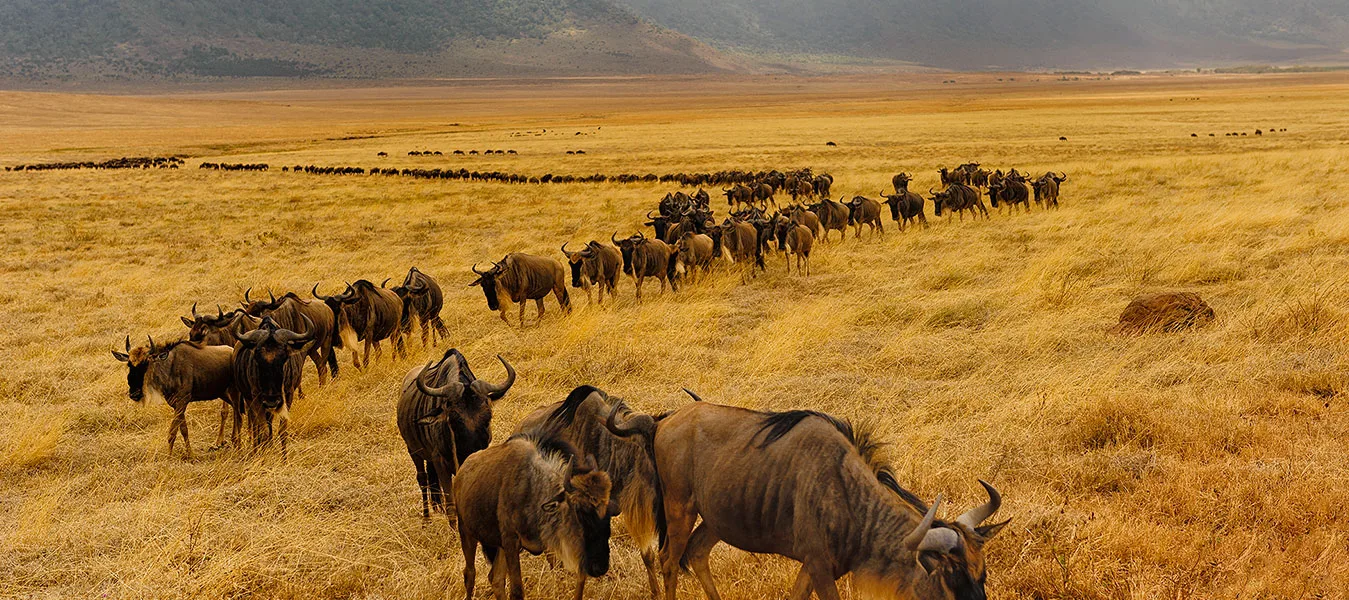
Great Wildebeest Migration
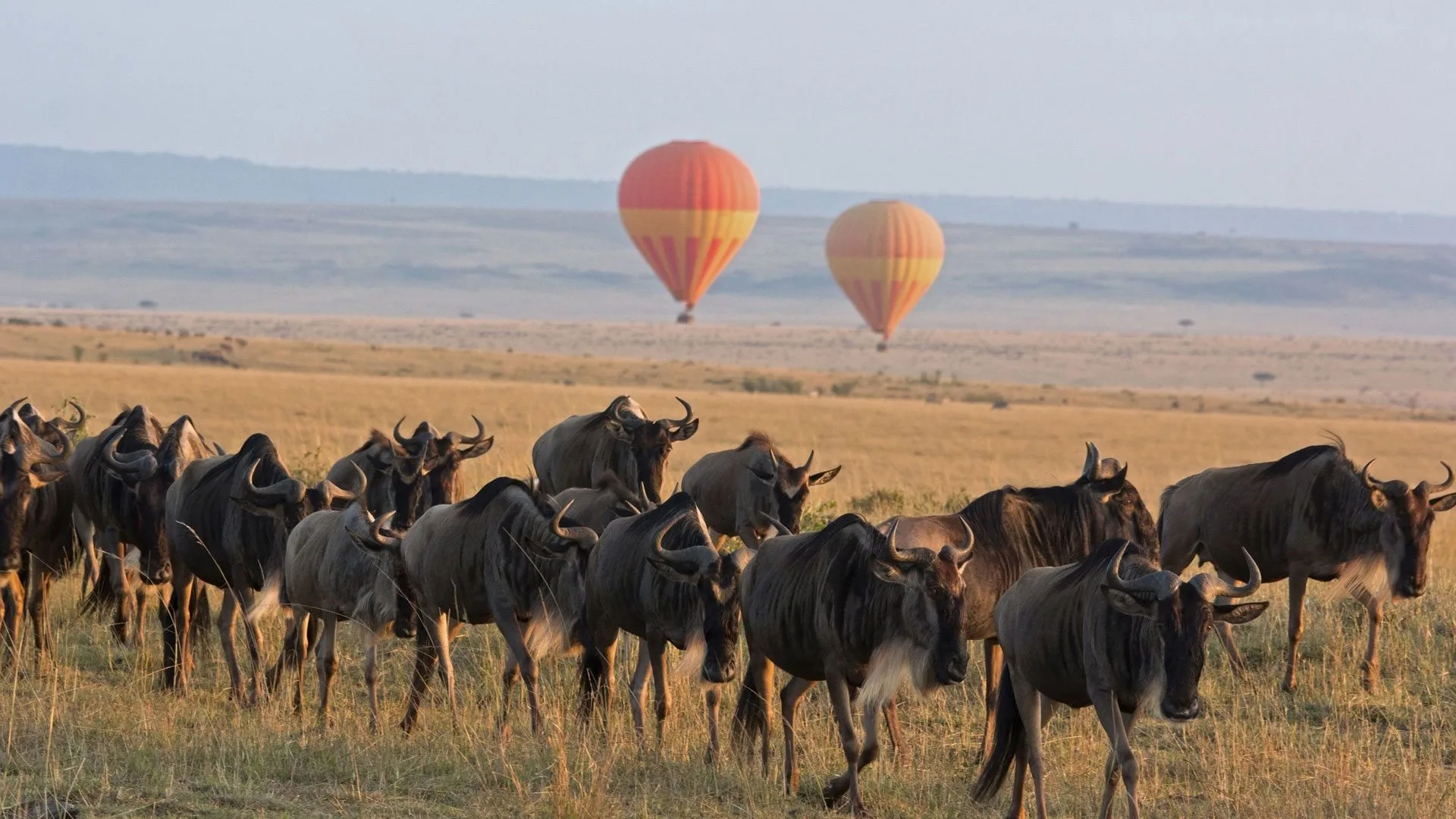
If traveling during a period when migratory herds are present in the Masai Mara, the day's game drive may focus on wildebeest and zebra concentrations. Possible scenes include:
- Large herds covering open plains.
- Predators following migratory animals.
- Wildebeest moving toward rivers.
- Zebra herds.
- Dust clouds.
- River crossings if they occur naturally.
The Great Wildebeest Migration does not follow a fixed timetable. Rainfall and grass conditions influence herd movement, and even when herds gather near a river, they may wait for hours or move away without crossing. Therefore, no ethical safari operator can guarantee a crossing.
Optional Hot-Air Balloon Safari
An optional early morning hot-air balloon flight can also be arranged, subject to weather and operational conditions. Ballooning offers panoramic views over the Mara and creates an entirely different perspective on the savannah.
Optional Maasai Cultural Visit
Travelers interested in culture may visit a Maasai community. Such activities should be arranged respectfully and with clear understanding of any community fees. Return to your lodge or camp for your final safari dinner.
Destination: Masai Mara National Reserve
Activities: Full-day game drive; optional balloon or cultural activity
Accommodation: Same lodge or camp
Meal Plan: Breakfast, lunch and dinner
Where you stay
Day 20: Masai Mara to Nairobi – Departure - Main destination
- Masai Mara National Reserve
- Drive time
- Return transfer as outlined in the itinerary
- Meals
- Breakfast, Lunch
Wake early for one final game drive if your schedule permits. Morning wildlife viewing provides a final opportunity to search for predators, elephants or other species that have become highlights of the journey. Return for breakfast and check out.
Travel back toward Nairobi by road, or fly from a Masai Mara airstrip to Nairobi if a domestic flight has been included. Upon arrival in Nairobi, you may be transferred to:
- Jomo Kenyatta International Airport.
- Your Nairobi hotel.
- A restaurant.
- Another domestic connection.
Your 20 Days Complete Kenya Safari ends after nearly three weeks exploring Kenya's northern wilderness, rhino conservancies, Rift Valley lakes, elephant plains, Tsavo wilderness and the legendary Masai Mara.
Destinations Included in the 20 Days Complete Kenya Safari
Samburu National Reserve
Samburu provides a dramatically different beginning to the journey. The dry northern landscape and Ewaso Nyiro River create habitat for animals rarely seen on conventional southern Kenya circuits. The reserve is particularly famous for: Grevy's zebra, Reticulated giraffe, Gerenuk, Beisa oryx, Somali ostrich.
Elephants, lions and leopards add further appeal. For travelers seeking a complete picture of Kenyan wildlife diversity, Samburu is one of the most valuable destinations to include.
Ol Pejeta Conservancy
Ol Pejeta adds an important conservation dimension. The conservancy is best known for rhino protection but also supports diverse wildlife populations. Visitors can combine ordinary game drives with selected conservation experiences, which makes Ol Pejeta particularly valuable for travelers interested in the challenges and successes of modern African wildlife protection.
Lake Nakuru National Park
Lake Nakuru combines wildlife, birds and Rift Valley scenery. The park is particularly important for rhinos, and its relatively compact area can make sightings easier than in enormous parks such as Tsavo. Rothschild's giraffes are another highlight.
Lake Naivasha
Lake Naivasha offers a break from conventional vehicle game drives. Boat excursions provide opportunities to see hippos and diverse birdlife, and the lake's setting also makes it an attractive place to slow down after several intensive safari days.
Amboseli National Park
Amboseli is one of the most recognized safari landscapes in Africa, and its elephants are famous worldwide. Under clear conditions, Mount Kilimanjaro dominates the southern horizon, although views are never guaranteed. Wetlands, open plains and dry lakebeds create excellent habitat for both mammals and birds.
Tsavo West National Park
Tsavo West offers rugged scenery. The landscape includes volcanic hills, lava flows, springs, woodland and open plains. Wildlife requires patience because some areas have thicker vegetation, but the sense of wilderness is exceptional.
Tsavo East National Park
Tsavo East is enormous. Its broad plains, red soil, seasonal rivers and large elephant populations create a distinctive safari experience, and the scale of the park is one of its greatest attractions.
Masai Mara National Reserve
The Masai Mara provides the spectacular conclusion to the journey. Resident wildlife is excellent throughout much of the year, and large populations of herbivores support exceptional numbers of predators. During parts of the migration period, huge wildebeest and zebra herds may also enter the ecosystem from the Serengeti.
Wildlife on the 20 Days Complete Kenya Safari
A twenty-day itinerary provides excellent opportunities to see a broad range of animals.
The Big Five
Lion
Lions may be seen in Samburu, Ol Pejeta, Amboseli, Tsavo and the Masai Mara. The Mara is especially productive.
Leopard
Leopards are present in several destinations but are naturally secretive. Samburu and the Masai Mara can provide particularly good opportunities.
Elephant
Elephants are among the most consistently encountered large mammals on the safari. Amboseli, Samburu and Tsavo are particularly important elephant destinations.
Buffalo
Buffaloes occur in several ecosystems and may form large herds.
Rhino
Ol Pejeta and Lake Nakuru significantly improve opportunities for both black and white rhino sightings.
Other Mammals You May Encounter
Beyond the Big Five, possible wildlife includes the following. This wildlife diversity is one of the strongest reasons to choose a twenty-day itinerary, although no individual sighting can be guaranteed.
- Cheetah.
- Spotted hyena.
- Black-backed jackal.
- Side-striped jackal.
- Giraffe.
- Grevy's zebra.
- Plains zebra.
- Wildebeest.
- Hippo.
- Warthog.
- Eland.
- Waterbuck.
- Impala.
- Thomson's gazelle.
- Grant's gazelle.
- Topi.
- Gerenuk.
- Beisa oryx.
- Baboon.
- Vervet monkey.
- Mongoose.
- Dik-dik.
Birdwatching on the Safari
Kenya is outstanding for birding. Even travelers who do not consider themselves birdwatchers often become interested because large and colorful species are encountered throughout the route. Birding is especially productive around lakes, rivers and wetlands. Possible birds include: African fish eagle, Lilac-breasted roller, Secretary bird, Martial eagle, Crowned crane, Saddle-billed stork, Pelican, Flamingo, Hornbill, Bee-eater, Kingfisher, Vulture, Ostrich, Heron, Egret, Weaver, Sunbird.
Where you stay
03 Rates
Safari rates 2027-2029
Indicative per person. Season, group size and lodge style change the total — your quotation confirms current rates.
- Essential (Budget)
Essential (Budget)
Budget camps and lodges suit travelers who prioritize wildlife while keeping costs lower.
Great value camps
- Comfort (Mid-range)
Comfort (Mid-range)
Mid-range tented camps and lodges balance comfort and price with private rooms or tents and en-suite facilities.
Quoted for your dates
- Premium (Luxury)
Premium (Luxury)
Luxury camps and lodges focus on location, service and more intimate wildlife experiences.
Premium camps and lodges
- Signature (High-end)
Signature (High-end)
Signature camps and lodges are the most exclusive stays — small, highly private properties with exceptional guiding and setting.
Exclusive signature stays
04 Activities
Safari activities
Game viewing is the core of this itinerary. Optional extras are quoted separately and depend on season, permits and availability. Individual species and river crossings are never guaranteed.

Included
Photographing elephants beneath Mount Kilimanjaro in Amboseli
Included in a typical day on this safari. Exact timing follows the confirmed itinerary.
View activityIncluded
A boat safari on Lake Naivasha
Included in a typical day on this safari. Exact timing follows the confirmed itinerary.
View activity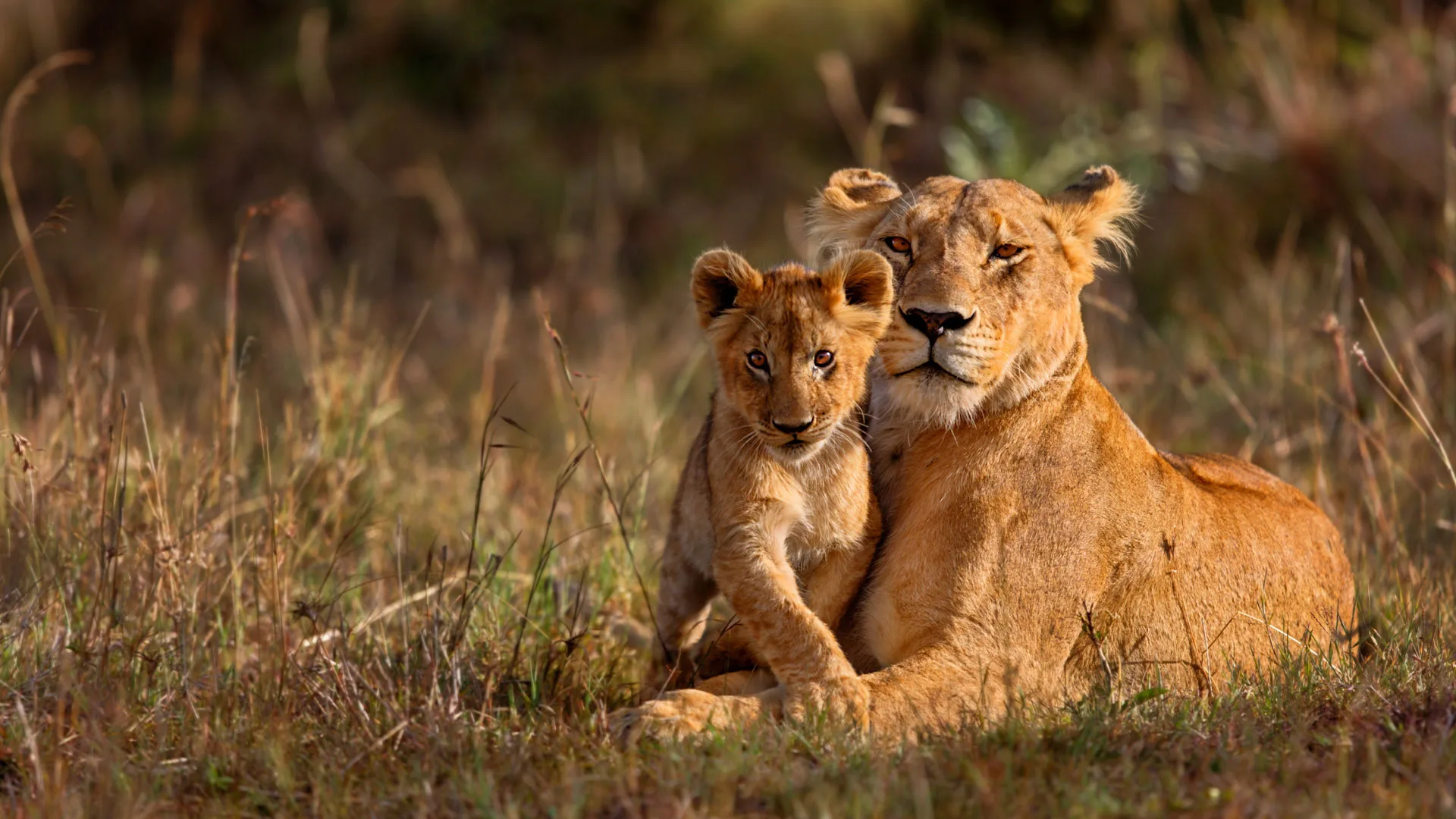
Included
Sunrise and afternoon game drives
Included in a typical day on this safari. Exact timing follows the confirmed itinerary.
View activityOptional
Domestic flights.
Available at extra cost when conditions, permits and your dates allow. Not guaranteed.
Optional
Hot-air balloon safari.
Available at extra cost when conditions, permits and your dates allow. Not guaranteed.
View activity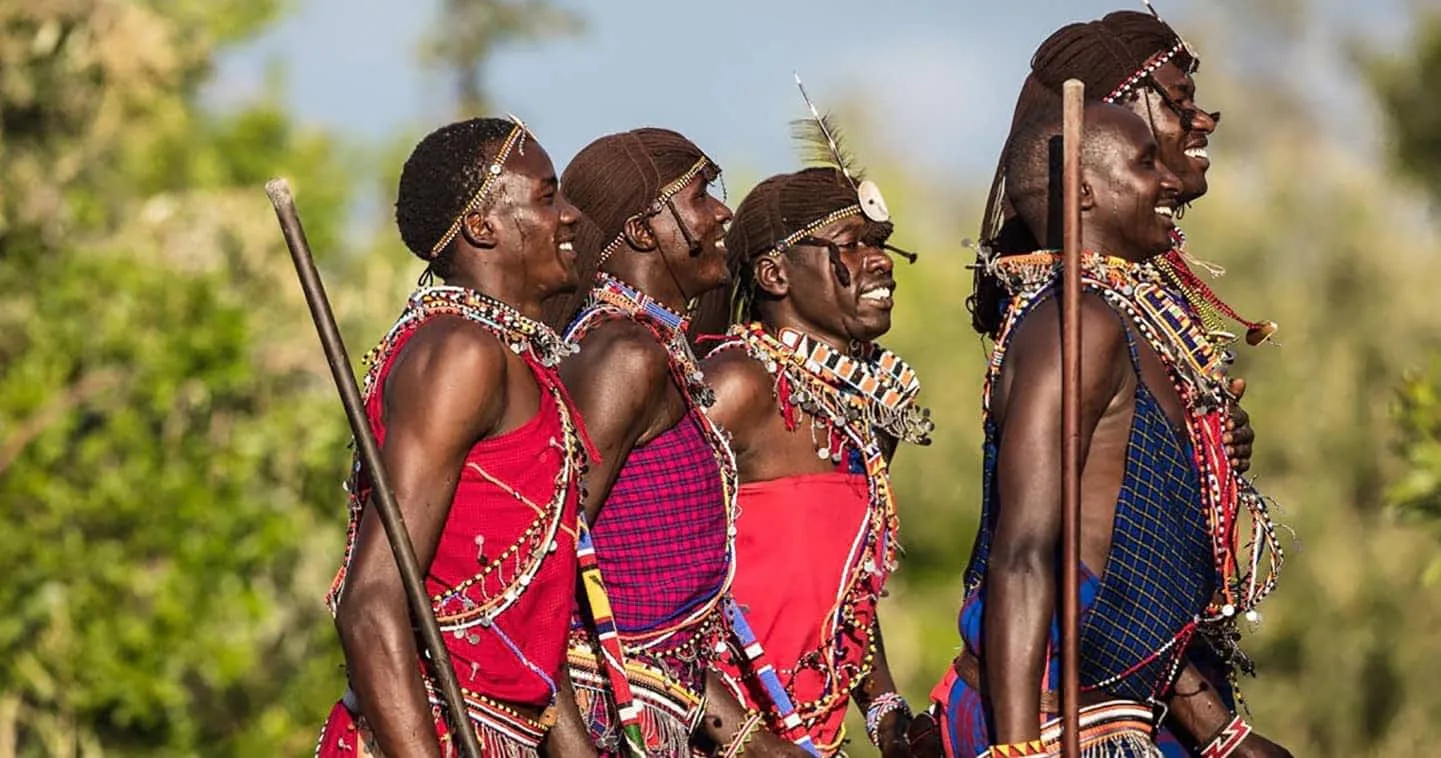
Optional
Maasai cultural experiences.
Available at extra cost when conditions, permits and your dates allow. Not guaranteed.
View activity
Additional information
Plan This Safari
Best Time for a 20 Days Complete Kenya Safari
Kenya is a year-round safari destination. Each season has different advantages.
January to March
This period can provide excellent wildlife viewing in many areas. Conditions are often relatively dry, and vegetation can be easier to see through. Photography conditions can be excellent.
April to May
These months generally coincide with Kenya's longer rainy period, so muddy roads and occasional heavy rainfall are possible. Benefits may include:
- Green landscapes.
- Fewer visitors in some parks.
- Dramatic skies.
- Lower seasonal rates at selected lodges.
June
June is an excellent transitional month. Vegetation may still be green, while dry-season conditions begin developing. Visitor numbers can be lower than during peak migration months.
July to October
These are among Kenya's most popular safari months. Wildlife viewing is generally excellent. The Masai Mara may also receive migratory wildebeest during parts of this period. Accommodation should be booked well in advance.
November and December
Short rains can occur. The landscape becomes greener, birding remains excellent and wildlife viewing can still be very rewarding.
Great Wildebeest Migration During the Safari
The migration is a major attraction for travelers visiting the Masai Mara during the appropriate season. The massive East African migration involves wildebeest, zebras and other grazing animals moving between the Serengeti and Masai Mara ecosystems according to rainfall and food availability. The herds generally move north toward Kenya during portions of the dry season before later returning south. However, exact dates vary every year.
Can We Guarantee a River Crossing?
No. River crossings are completely natural and unpredictable. Wildebeest may gather near a river but wait for hours or even days before crossing, and they may also turn around and leave. A longer stay in the Masai Mara increases opportunities but never guarantees a crossing.
Private 20 Days Complete Kenya Safari
A private safari is highly recommended for such a long itinerary. A private itinerary also allows the guide to learn your interests. For example, if you are particularly interested in birds, elephants or predators, more time can be dedicated to these subjects. Private travel provides:
- Your own safari vehicle.
- Your own driver-guide.
- Flexible stops.
- More control over game-drive duration.
- Freedom to concentrate on preferred animals.
- Greater luggage flexibility.
- Easier family travel.
- More personalized guiding.
Safari Vehicle
The journey is generally operated in a purpose-built 4x4 safari vehicle. The pop-up roof allows travelers to stand safely during wildlife sightings while maintaining a clear viewing angle. Depending on confirmed arrangements, features may include:
- Pop-up roof.
- Large viewing windows.
- Charging points.
- Cooler box.
- Storage space.
- Individual seats.
- Communication equipment.
- First-aid kit.
- Safari reference materials.
Accommodation Options
The 20 Days Complete Kenya Safari can be organized in several accommodation categories.
Budget Safari
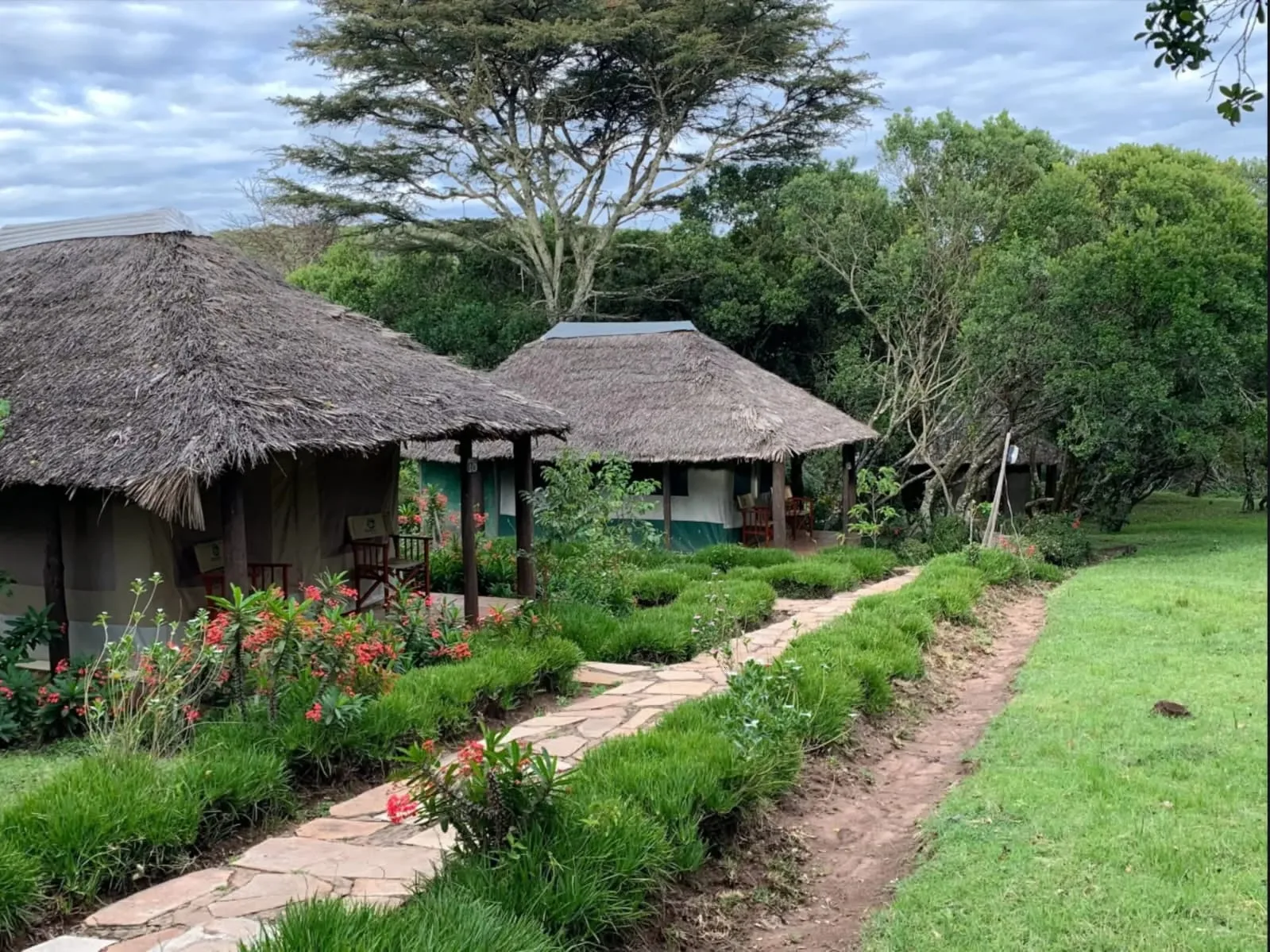
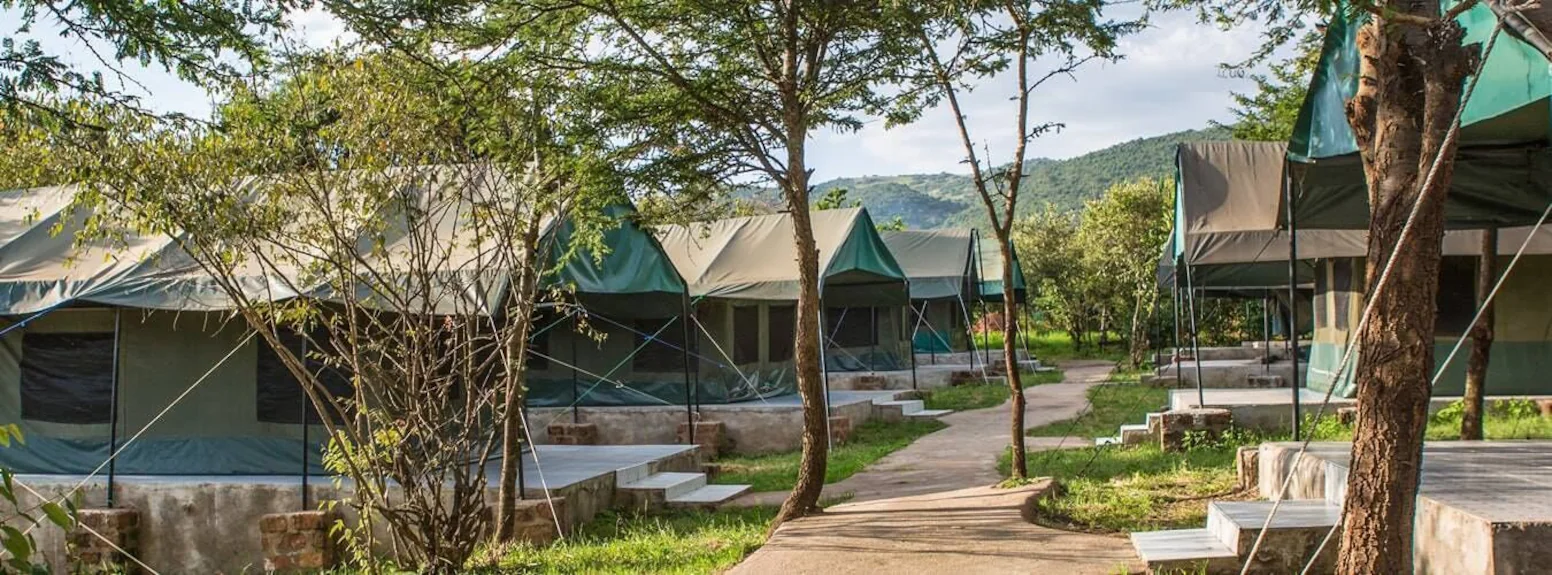
Budget arrangements concentrate on value while still providing access to major wildlife areas, which suits travelers who prioritize wildlife experiences over luxury. Accommodation may include:
- Simple safari camps.
- Permanent tents.
- Basic lodges.
- Ensuite facilities at many properties.
- Full-board meals in parks.
Mid-Range Safari
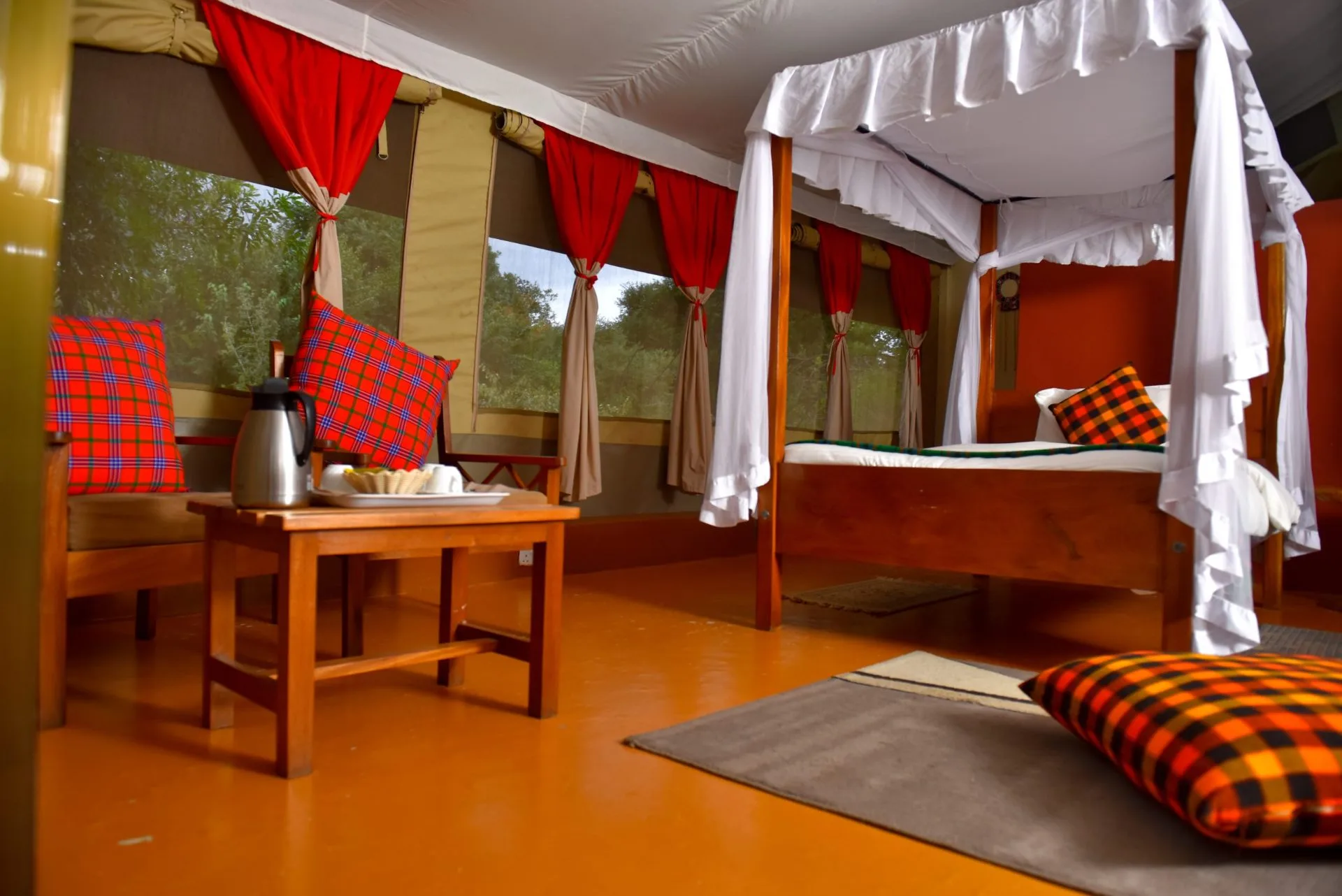
Mid-range accommodation provides a strong balance between comfort and price and is one of the most popular accommodation categories. Typical features include:
- Comfortable ensuite rooms or tents.
- Good beds.
- Restaurant facilities.
- Lounge areas.
- Swimming pools at selected properties.
- Charging facilities.
- Attractive wildlife locations.
Luxury Safari
Luxury accommodation may provide:
- Spacious safari suites.
- Premium locations.
- Private verandas.
- Fine dining.
- Swimming pools.
- Spa treatments.
- Smaller guest numbers.
- Higher levels of personalized service.
High-End Safari
A high-end version may include:
- Boutique camps.
- Private conservancies.
- Domestic flights.
- Private guides.
- Exclusive vehicles.
- Premium suites.
- Special dining.
- Private wildlife experiences where permitted.
Can the Safari Be Customized?
Yes. The 20 Days Complete Kenya Safari is fully customizable. The twenty-day duration provides considerable flexibility, and the safari can also be adjusted around international flight schedules. Possible changes include:
- More nights in the Masai Mara.
- More time in Samburu.
- Less time in Tsavo.
- Additional nights in Amboseli.
- Adding Lewa Wildlife Conservancy.
- Adding Meru National Park.
- Adding Aberdare National Park.
- Adding Laikipia.
- Adding Lake Baringo.
- Adding private Mara conservancies.
- Adding Nairobi National Park.
- Adding a beach extension.
Fly-In Version of the 20 Days Kenya Safari
Travelers wanting to reduce road transfers can replace selected drives with domestic flights. Other connections may be possible depending on airline schedules and season, and fly-in safaris cost more but can provide additional time for wildlife viewing. Possible flight sectors may include:
- Nairobi to Samburu.
- Nairobi to Amboseli.
- Nairobi to Masai Mara.
- Masai Mara to Nairobi.
20 Days Kenya Safari for Couples
Couples often appreciate the privacy of a long private safari, and a twenty-day itinerary can also be adapted for honeymoon travel. Romantic upgrades can include:
- Boutique tented camps.
- Private dinners.
- Sundowner experiences.
- Balloon safaris.
- Luxury rooms.
- Bush breakfasts.
- Beach extensions.
20 Days Kenya Safari for Families
Families can undertake the itinerary, although pacing should reflect the age of children, and families should also confirm minimum age policies for specific camps and optional activities. Possible family adjustments include:
- Shorter road transfers.
- Domestic flights.
- Family rooms.
- Lodges with swimming pools.
- More rest time.
- Reduced duration of individual game drives.
- Child-friendly educational activities.
20 Days Kenya Safari for Senior Travelers
The itinerary can be adapted for older travelers, and those with mobility requirements should provide details before booking so suitable accommodation can be recommended. Possible modifications include:
- Fewer long driving days.
- Fly-in transfers.
- Comfortable lodges.
- Ground-floor rooms.
- Additional rest periods.
- Private vehicle use.
- Longer stays in fewer destinations.
20 Days Kenya Photography Safari Option
The itinerary can easily be modified for photography, and Amboseli and the Masai Mara are particularly valuable for photographers. Photography-focused changes include:
- Private vehicle.
- Fewer passengers.
- Early departures.
- Longer wildlife sightings.
- Additional predator days.
- Camps near productive wildlife areas.
- Bean bags.
- Larger space for camera equipment.
- Extra luggage arrangements for domestic flights.
Optional Hot-Air Balloon Safari
One of the most popular upgrades is a hot-air balloon safari in the Masai Mara. The experience generally begins before sunrise. Guests transfer to the launch location while the landscape is still dark. After preparation, the balloon rises above the plains. Ballooning normally carries an additional charge and should be booked well in advance; flights depend on weather and operational conditions and are never guaranteed. The flight may provide aerial views of:
- Savannah.
- Rivers.
- Animal herds.
- Acacia trees.
- Sunrise.
- Escarpments.
Optional Cultural Experiences
Cultural activities can add an important human dimension to the wildlife journey. Cultural experiences should always be approached respectfully, and photography should only take place with appropriate permission. A Maasai community visit may provide insight into:
- Traditional livestock culture.
- Housing.
- Clothing.
- Social customs.
- Modern challenges.
- Community tourism initiatives.
Safari Cost
The cost of a 20 Days Complete Kenya Safari varies significantly. Major factors include:
- Travel season.
- Number of travelers.
- Accommodation category.
- Private or shared arrangements.
- Park fees.
- Conservancy fees.
- Domestic flights.
- Room configuration.
- Optional activities.
- Vehicle type.
Group Size
Larger private groups can sometimes reduce the per-person cost because vehicle expenses are shared. Solo travelers and couples generally pay a higher per-person rate.
Season
Peak migration periods and festive seasons can be more expensive. Green-season travel may sometimes offer better accommodation value.
Accommodation
Luxury and high-end camps can substantially increase the total safari price. A carefully selected mid-range itinerary can offer excellent wildlife experiences at lower cost. Contact us with your preferred dates and number of travelers for a personalized quotation.
What Is Usually Included?
Depending on the confirmed quotation, your safari may include the following. The final quotation is always the definitive reference for inclusions.
- Airport arrival transfer.
- Airport departure transfer.
- Private safari transportation.
- Professional English-speaking driver-guide.
- Accommodation.
- Meals as listed in the itinerary.
- Park entrance fees specified in your quotation.
- Conservancy fees where applicable.
- Game drives.
- Drinking water during safari drives.
- Selected activities specifically stated as included.
- Government taxes applicable to confirmed services.
What Is Usually Excluded?
Unless specifically included, the safari may exclude:
- International flights.
- Kenya travel authorization or visa-related costs where applicable.
- Travel insurance.
- Personal medical expenses.
- Vaccinations.
- Alcoholic drinks.
- Premium beverages.
- Laundry.
- Gratuities.
- Optional balloon safaris.
- Optional cultural visits.
- Optional boat trips not listed as included.
- Additional hotel nights caused by airline disruptions.
- Souvenirs.
- Personal expenses.
- Activities not mentioned in the confirmed itinerary.
What to Pack for a 20-Day Kenya Safari
Because the journey crosses several climate zones, pack versatile clothing. Morning game drives can be surprisingly cold, particularly in open vehicles, so layered clothing is recommended. Recommended items include:
- Neutral-colored shirts.
- Lightweight trousers.
- Shorts where appropriate.
- Long-sleeved shirts.
- Warm fleece.
- Light jacket.
- Rain jacket.
- Comfortable walking shoes.
- Sandals for lodge use.
- Hat.
- Sunglasses.
- Sunscreen.
- Insect repellent.
- Binoculars.
- Camera.
- Spare camera batteries.
- Memory cards.
- Power bank.
- Universal charging adapter.
- Personal medication.
- Small daypack.
Laundry During a 20-Day Safari
Twenty days is a long journey, so you do not need to carry twenty complete sets of clothing. Many safari lodges offer laundry services, although service levels and restrictions vary and some properties may not wash certain personal garments for cultural reasons. Laundry may also be excluded from the package and charged separately. Ask your safari consultant to identify good laundry opportunities along the route.
Luggage Recommendations
Soft-sided safari bags are generally more convenient than rigid suitcases. This is particularly important when domestic flights are included because small aircraft often have stricter luggage limitations, so check current airline baggage restrictions before departure. Keep essential items in hand luggage, including:
- Passport.
- Medication.
- Camera.
- Electronics.
- Money.
- Travel documents.
Travel Insurance
Comprehensive travel insurance is strongly recommended. Adventure activities may require additional coverage, so always read the insurance policy carefully. Coverage should ideally include:
- Medical emergencies.
- Emergency evacuation.
- Trip cancellation.
- Trip interruption.
- Baggage loss.
- Flight disruption.
Health Considerations
Travelers should consult a qualified travel-health professional regarding vaccinations, malaria prevention and personal medical requirements. Carry sufficient quantities of prescription medication for the entire journey. Health recommendations can depend on:
- Country of origin.
- Previous vaccinations.
- Travel route.
- Age.
- Medical history.
Tipping on Safari
Tipping is customary in Kenya's tourism industry but is normally discretionary, and your safari consultant can provide current general tipping guidance before travel. Guests may tip:
- Safari driver-guides.
- Lodge staff.
- Porters.
- Activity guides.
Why Twenty Days Makes a Difference
A 20 Days Complete Kenya Safari offers a fundamentally different experience from a short safari. On a short itinerary, much of your time may be spent transferring between destinations. Twenty days allows several places to be visited slowly. In Samburu, you have time to understand the unusual northern wildlife. At Ol Pejeta, you can combine game viewing with conservation. In the Rift Valley, you experience both terrestrial and aquatic ecosystems. At Amboseli, multiple mornings increase your chances of clear Kilimanjaro views, although mountain views are never guaranteed.
In Tsavo, the scale of the wilderness becomes part of the experience. Finally, multiple days in the Masai Mara allow you to follow predator stories rather than merely catching brief glimpses. You may watch a lion pride on one morning and find the same pride in a completely different situation the next day. You may encounter an elephant family several times, or watch a cheetah patiently scanning the plains. These deeper experiences are difficult to achieve on rushed itineraries.
Optional Diani Beach Extension
After twenty days of wildlife viewing, many travelers appreciate several days beside the Indian Ocean. Diani Beach is one of Kenya's most popular beach destinations, and a beach extension creates an ideal contrast to intensive early-morning safari schedules. A beach extension can include:
- Oceanfront accommodation.
- Swimming.
- Snorkeling.
- Diving.
- Boat trips.
- Relaxation.
- Spa treatments.
- Seafood dining.
Optional Tanzania Extension
Travelers with additional time can cross into Tanzania, creating an extensive East African safari lasting three to four weeks or longer. Popular destinations include:
- Serengeti National Park.
- Ngorongoro Crater.
- Tarangire National Park.
- Lake Manyara.
- Zanzibar.
Who Should Choose the 20 Days Complete Kenya Safari?
This safari is ideal for the following travelers:
- First-time visitors: travelers making a major first visit to Kenya and wanting a comprehensive overview.
- Wildlife enthusiasts: guests who enjoy spending long periods observing wildlife rather than completing a quick checklist.
- Photographers: multiple nights and diverse landscapes create outstanding photographic possibilities.
- Couples: private vehicle arrangements provide privacy and flexibility.
- Honeymooners: luxury accommodation and beach extensions can turn the itinerary into an exceptional honeymoon.
- Families: the route can be adjusted with shorter drives, family accommodation and rest periods.
- Retired travelers: a slower version can be designed with more comfortable transfers and longer stays.
- Repeat African travelers: visitors who have previously seen the Masai Mara can explore lesser-known regions such as Samburu, Ol Pejeta and Tsavo.
Book Your 20 Days Complete Kenya Safari
The 20 Days Complete Kenya Safari offers something short itineraries cannot provide: a genuinely broad understanding of Kenya's wildlife landscapes. From the arid northern plains of Samburu to the protected rhinos of Ol Pejeta, from the lakes of the Great Rift Valley to the elephants beneath Kilimanjaro, from the red-earth wilderness of Tsavo to the predator-rich grasslands of the Masai Mara, nearly every stage of the journey feels different.
Twenty days also provides breathing room. You are not forced to leave an exceptional destination immediately after arriving. There is time for second and third game drives, for unexpected wildlife encounters and for quiet afternoons at safari lodges. There is time to observe rather than simply photograph and leave. For travelers who want to make the most of a major journey to Kenya, this is one of the most comprehensive safari styles available.
Contact Safari Trips to Kenya to customize your 20 Days Complete Kenya Safari according to your preferred travel dates, number of travelers, accommodation level, wildlife priorities and budget. We can adjust the itinerary, recommend suitable safari camps and lodges, add domestic flights, include migration-focused experiences or extend the journey to the Indian Ocean coast, Tanzania or Zanzibar.
Plan your 20 Days Complete Kenya Safari and experience almost three extraordinary weeks exploring the wildlife, landscapes and wilderness areas that make Kenya one of the world's greatest safari destinations. Individual species, river crossings and mountain views can never be guaranteed.
Planning Questions
Frequently Asked Questions
Is twenty days too long for a Kenya safari?
For travelers who genuinely enjoy wildlife, nature and photography, twenty days can be ideal. The route changes frequently enough to provide variety, while multiple-night stays prevent the itinerary from becoming monotonous.
Is this suitable for a first safari?
Yes. In fact, it is one of the best ways for a first-time visitor to understand how diverse Kenya's safari destinations are.
Will I see the Big Five?
The route includes excellent habitat for all five species. However, wild animals move freely and no individual sighting can be guaranteed.
Where are the best rhino opportunities?
Ol Pejeta Conservancy and Lake Nakuru National Park are particularly important.
Where are the best elephant sightings?
Amboseli, Samburu and Tsavo are especially strong elephant destinations.
Where are the best lion sightings?
The Masai Mara is one of the strongest destinations, although lions also occur in Samburu, Amboseli and Tsavo.
Can I see cheetahs?
Yes. Cheetahs can occur in several destinations, with the open plains of the Masai Mara providing particularly suitable habitat.
Can I see leopards?
Yes. Leopards occur along the route, especially in suitable riverine and woodland habitats. However, they are naturally elusive.
Is the Great Migration included?
The itinerary includes the Masai Mara. If your travel dates coincide with the presence of migratory herds, migration viewing can become an important part of the experience.
Is a river crossing guaranteed?
No. No safari operator can guarantee a natural river crossing.
Is Lake Naivasha worth including?
Yes. It adds a freshwater ecosystem, boat experience and relaxed break from vehicle game drives.
Can we remove Tsavo?
Yes. The itinerary is customizable. Tsavo can be replaced with destinations such as Lewa, Laikipia or additional Masai Mara nights.
Can we add the Kenya coast?
Yes. Diani Beach, Mombasa, Watamu or Malindi can be added after the safari.
Can we add Zanzibar?
Yes. Flights can be arranged from Nairobi or the Kenya coast depending on routing.
Can we combine Kenya and Tanzania?
Yes. The itinerary can be adapted to add Serengeti, Ngorongoro Crater, Tarangire or Zanzibar.
Can we fly between parks?
Selected sectors can be replaced by domestic flights.
Is this a private safari?
The itinerary can be operated privately with your own vehicle and driver-guide.
Can couples book it?
Yes. It is particularly suitable for couples and can also be converted into a honeymoon safari.
Can families travel?
Yes. The daily program can be adapted for children.
What accommodation categories are available?
Budget, mid-range, luxury and high-end options can be arranged.
Can the trip start on any date?
Private departures can generally be organized throughout the year, subject to accommodation availability.
How far in advance should we book?
For peak migration months, Christmas, New Year and high-demand properties, early booking is strongly recommended.
Can dietary requirements be accommodated?
Most established safari lodges can handle common dietary requirements when informed in advance. Provide detailed dietary information during booking.
Is Wi-Fi available?
Many accommodations provide Wi-Fi in selected areas. However, remote safari regions may have slower or unreliable connections.
Can I charge my phone and camera?
Most established lodges provide charging facilities. Carry backup batteries and a power bank.
05 Request Quote
Request Quote
Tell us your dates, group size, and preferred lodge style — we will send a tailored quote for this safari.
Want to extend your safari?
Add Amboseli, Diani Beach, Tanzania and Zanzibar, or gorilla trekking in Uganda or Rwanda — we tailor the journey to your dates.